






A much-needed movement for more ethical farming
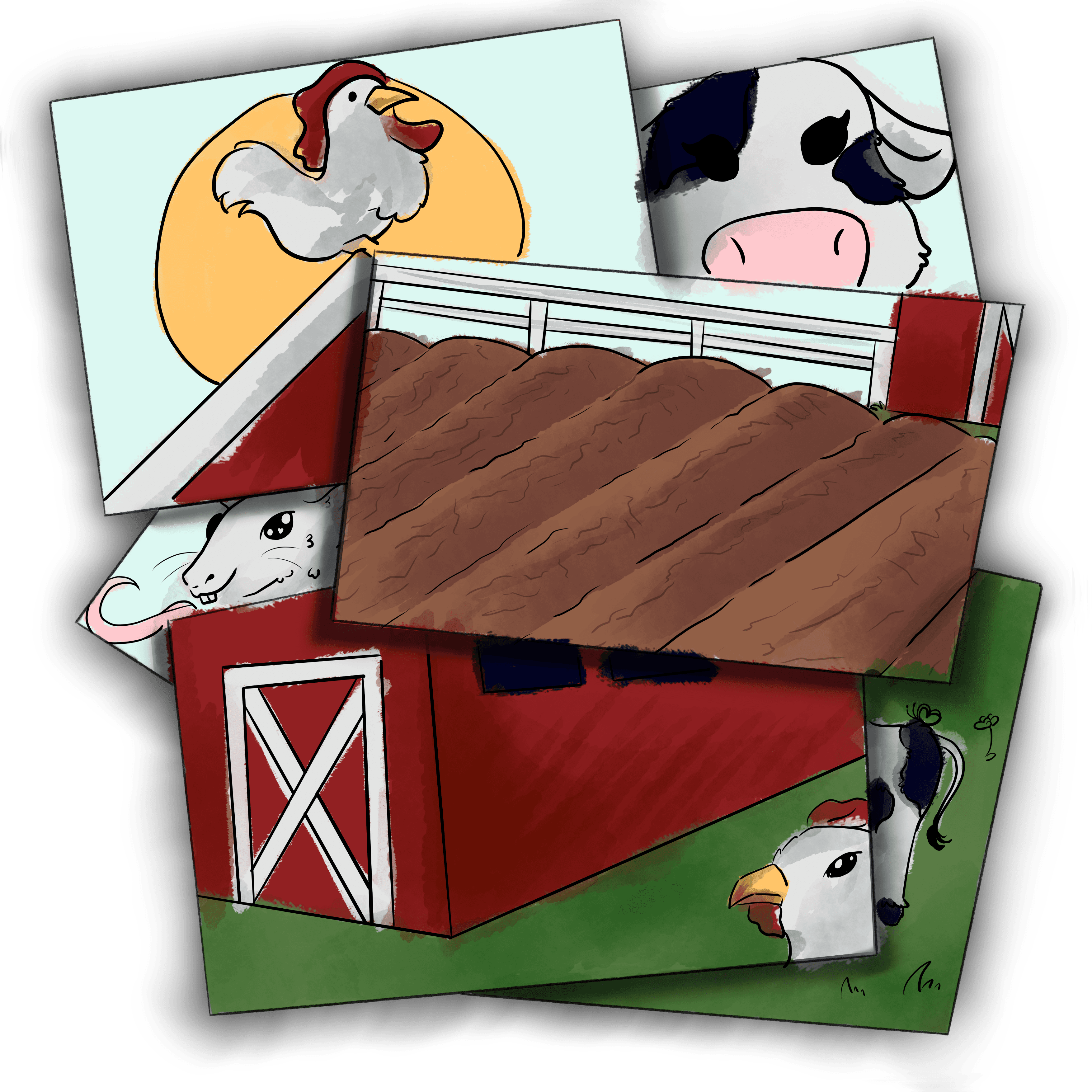
The Real Organic Project strives to provide a higher standard for American farms
By SAGE KAMOCSAY— skamocsay@ucdavis.edu
The Real Organic Project (ROP) is a movement that aims to raise the standard of what constitutes “organic.” Though other organic labels for food products exist — the most common being the United States Department of Agriculture (USDA) Organic labels — ROP seeks to create a label with more selective requirements. Food with their label is certified with USDA Organic, but must also meet ROP’s higher standards.
Organic food — grown without certain chemical additives, pesticides or growth. hormones — has been around for a while. For animal meat, certain living conditions must be met to qualify as “organic,” such as grazing on pasture. Real Organic only offers a label for “organic” food. On the contrary, food classified as “Made with Organic” — a term meaning that only 70% of the ingredients within the product are organic — does not meet the standards of the ROP. Therefore, you can be sure that the food you see with the ROP label is at least 95% organic.
To get a seal from the ROP, farmers must adopt a number of safe and ethical practices, ranging from how they manage their soil to how they treat their workers. These regulations ensure the safety of their livestock and employees, and they give consumers peace of mind, in addition to helping protect the environment from pollution and farmland expansion.
Under ROP guidelines, farmers are prohibited from performing unnecessary and painful surgeries on animals, such as tusk removal, tail docking, beak trimming and face branding. These provisions, which are not required by the USDA organic regulations, help to ensure that animals are treated ethically. Other provisions require animals to be kept outside year-round and given appropriate housing. These standards ensure that livestock can live as painlessly as farmers can manage — something of a rarity when 99% of the world’s animals are raised in factory farms.
Farmers are also barred from using synthetic herbicides, pesticides and fertilizers on their crops. Synthetic chemical soil additives have a documented association with increased risk for cancer and neurological issues in later adulthood; food grown without these types of chemicals, therefore, is safer than food farmed with them. These provisions also have profound environmental effects — runoff from synthetic nitrogen and phosphorus fertilizers can cause algal blooms in nearby bodies of water, leading to the collapse of ecosystems in those regions.
Soil management is also an important condition of the ROP’s certification: Practices like crop rotation, composting and safe tilling keep soil arable and fertile. This allows for more sustainable farming, where the same land can be used for longer periods of time without need for expansion or nutrient pollution. It also means that crops are more nutrient-dense, yielding healthier and more satiating veggies — a win for the environment and a win for your plate.
The ROP also provides important protections for farm workers — safe working conditions, housing and tools must be provided by the farm owner. Workers are also required to have freedom of movement and association, meaning they are free to travel to and from the country and allowed to organize unions as they see fit. Practices like document withholding and blackmailing of migrant workers are strictly prohibited. and workers must be given clear pay stubs and documentation of their rights in their native languages.
While organic food may be more expensive than conventional meat and produce, the ethical practices behind them are worth the extra money. The safety of all parties involved — plants, animals, farmers and eaters — are prioritized and protected. When you buy food with the Real Organic label, you know that the farms are sustainable, animals and workers are not abused and that the food on your plate is nutritious and safe; you can rest assured that your money is going to farmers who believe in treating the environment with respect.
The next time you see an ROP sticker on a bundle of veggies, consider supporting the cause — a few extra dollars out of your pocket is a worthwhile price to pay for a healthier meal and a brighter future.
Written by: Sage Kamocsay— skamocsay@ucdavis.edu
Disclaimer: The views and opinions expressed by individual columnists belong to the columnists alone and do not necessarily indicate the views and opinions held by The California Aggie.