






The modern cigarette
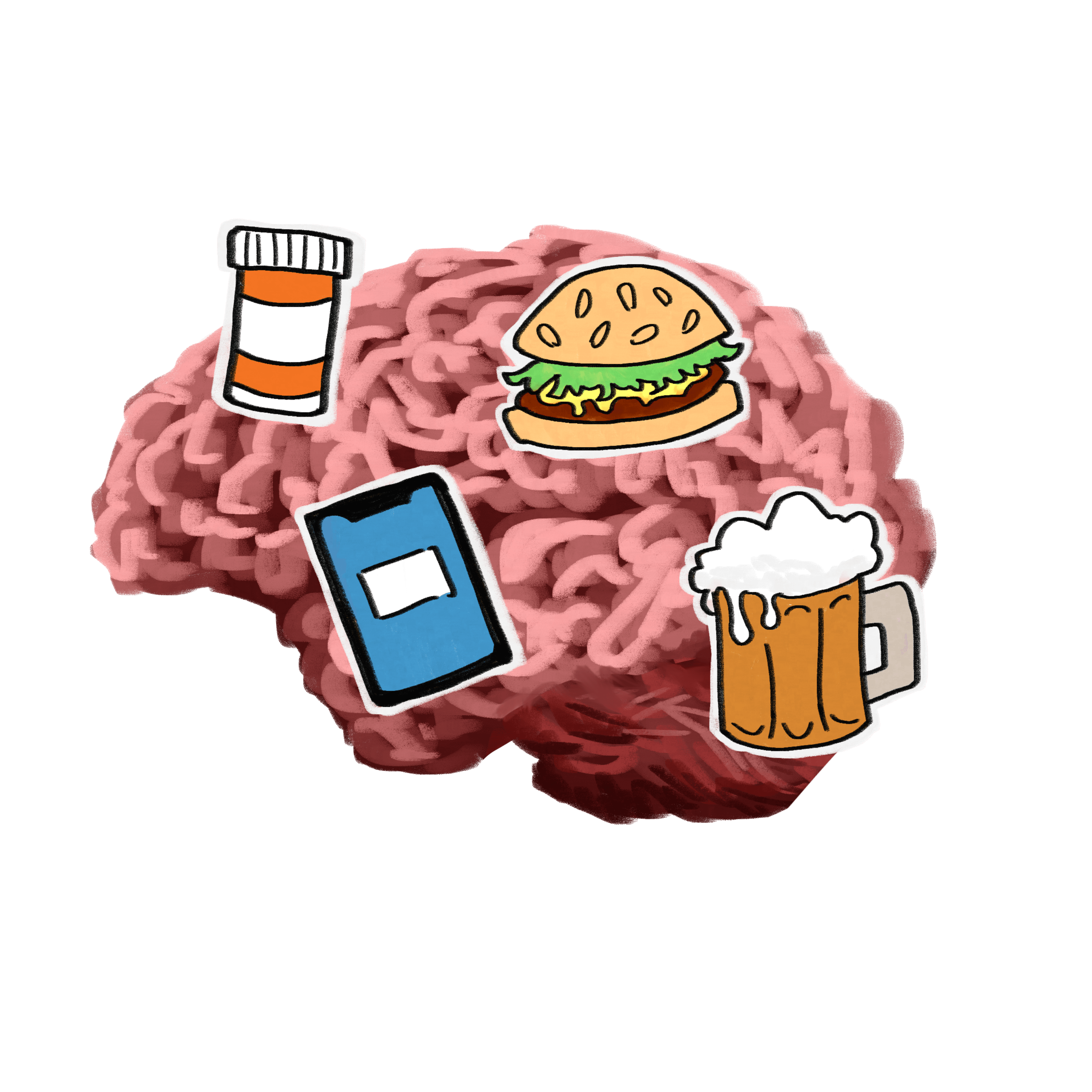
You’re not locked in — ultra-processed foods may be why
By NEVAEH KARRAKER — nakarraker@ucdavis.edu
The “Curious George” books, first published in 1941 by H.A. Rey and Margret Rey, depict George as a lively monkey always getting into mischief, all with a pipe between his lips. During the mid-20th century, smoking tobacco or cigarettes was normalized — and even perceived to be beneficial — to the point where it was acceptable to advertise them to children.
Today, however, we know just how inaccurate that belief was. With long-term consequences of chronic lung damage, cancer and reduced life expectancy, that image would never fly in modern media.
As new research unfolds before the public, the acceptability of the products we consume rapidly fluctuates. Our generation hasn’t been exempt from this ignorant tolerance — just as smoking is no longer deemed harmless, other things we consume are damaging us without our knowledge.
One of these is the consumption of ultra-processed foods (UPFs). The main side effects of these foods are well-known and evident. Oily foods, rich in saturated and trans fats (as many UPFs are), can manifest not only in daily appearance such as acne or poor hair quality, but are directly linked to inflammation, difficulty maintaining concentration, a weakened immune system and numerous diseases. And, oddly enough, those same tobacco industries, like Philip Morris and R.J. Reynolds, have driven the surge of UPFs through acquiring companies such as Kraft and Nabisco in the 1980s — they’re selling the same unhealthy habits, yet masked by different products.
Beyond these easily observable consequences, there are even more insidious and urgent effects that are considerably less well-known. In September 2023, Harvard published a study on the eating habits and mental wellbeing of over 20,000 middle-aged women. The results indicated that the more ultra-processed food was consumed, the higher the risk of depression — by as much as 50%.
Another study determined that the consumption of these types of foods is associated with a decreased volume in the mesocorticolimbic brain network, linked to reward processes that can cause addictive, habitual behaviors along with other mental health conditions. Most of these symptoms were stimulated by artificial sweeteners common in UPFs. The British Medical Journal also published similar findings of metabolic, mental and mortality issues.
The growing prevalence of mental illnesses has transgressed into a national health crisis. Depression, anxiety and other mental conditions are all real, tangible and dangerous, but also more common now than ever before, especially in youth populations. While a multitude of reasons contribute to this — including personal trauma or grief — another huge factor is the diet we maintain and the substances we readily consume.
When we replace whole, nutritious foods with UPFs full of chemical imitations, we suffer significant impacts on our neurodevelopment. Since UPFs are more affordable and popular, the prevalence of whole foods has dramatically declined in favor of UPFs as a primary food source for adolescents and pregnant women, which has indirectly contributed to the mental health crisis.
Yet, our approach to treatment reveals deep flaws in our society. To be clear, advanced medicine is not inherently harmful and medical treatment is often necessary. But alongside that, we have developed a cultural norm of overprescription. Nearly a quarter of elderly United States citizens have been overprescribed antidepressants, according to a National Institute of Health study. Controlled substances that alter brain chemistry, like benzodiazepines acting as antidepressants and anti-anxiety drugs, are commonly handed out — even just for mild symptoms.
Receiving therapy or being vulnerable wasn’t culturally acceptable in previous generations, and, as a result, most mental illnesses went severely undiagnosed. Even so, this pattern of overprescription continues to reinforce the idea that mental illnesses should be chemically eliminated, rather than understood, empathized with and treated at the source.
UPFs are not the root cause of the mental illnesses, but they are likely a massive contributor. Whether it’s food or medicine, the things we choose to consume affect us in more long term ways than we may expect. It’s a silent parallel to the tobacco Curious George munched on: we normalize convenience — packaged foods and quick fixes — before discerning how they might affect us. We must choose with caution what our culture normalizes, and we must analyze the products we consume before the consequences take hold of us.
Written by: Nevaeh Karraker — nakarraker@ucdavis.edu
Disclaimer: The views and opinions expressed by individual columnists belong to the columnists alone and do not necessarily indicate the views and opinions held by The California Aggie.