






Influenza and norovirus cases are on the rise
Tips for staying healthy and proactive this sick season
By KATIE HELLMAN — science@theaggie.org
It’s 2026. With the start of the new year comes lots of excitement: new beginnings, new new opportunities, new classes, new friends. However, some things stay the same; one of these is the need to be vigilant about flu season.
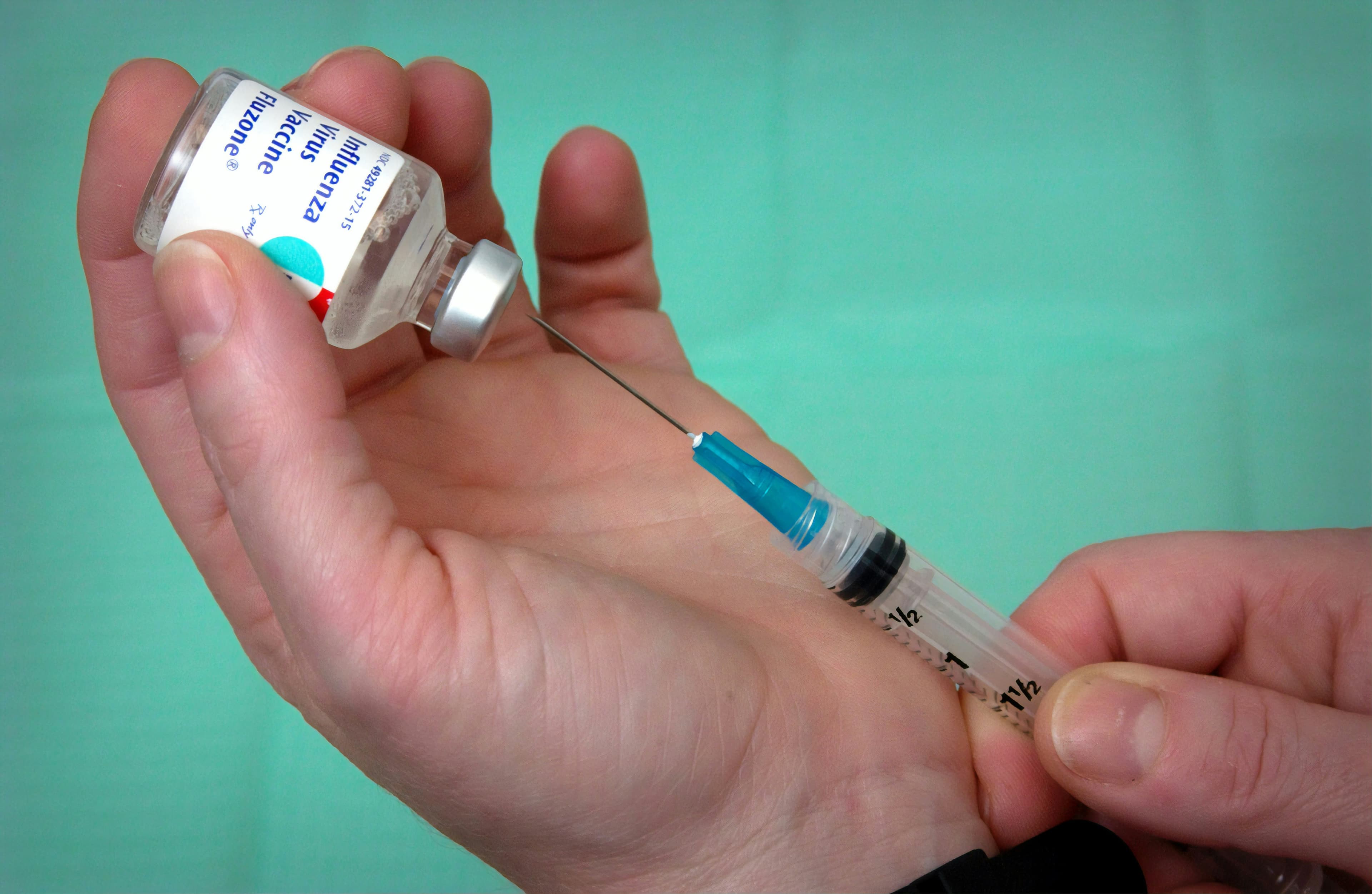
This year’s flu season is one of the worst since 2018, with over 3,100 deaths in the United States from January 2025 through August 2025. Health experts continue to encourage those over the age of 6 months — and especially high-risk individuals — to receive a flu vaccine, as a means to prevent sickness and to reduce the spread of the flu.
“Flu activity is at ‘high’ or ‘very high’ levels in 32 states and jurisdictions, based on data from the week ending Dec. 20, the Centers for Disease Control and Prevention (CDC) reported Tuesday — up from 17 [states] the week before,” according to NBC News.
In addition to respiratory flu cases, norovirus — commonly known as the stomach flu — is also on the rise. Norovirus is a highly contagious illness that can be transmitted via sick individuals, as well as through contaminated surfaces and foods; it is not transmissible through coughing or sneezing, unlike influenza. Common symptoms of norovirus include vomiting, diarrhea and stomach cramping that usually lasts between one to three days and is a leading cause of severe dehydration.
“No one can say for sure why norovirus is spiking higher,” author Kathy Katella wrote in a Yale Medicine article. “But there are many subtypes of the virus, and one possible cause could be a strain called GII.17 that dominated outbreaks in the United States during the 2024-2025 season — many Americans don’t have a strong immunity to this norovirus variant.”
Fortunately, there are steps you can take to reduce your chances of getting sick. Handwashing is, as always, the best method to reduce the spread of germs, especially before and after eating. It is also important to note that while hand sanitizer may be effective in preventing influenza, it does not work the same for norovirus, given the virus’ thick capsule.
To further reduce your chance of getting the stomach flu, you can wash fruits and vegetables with clean water, thoroughly clean frequently-touched surfaces and disinfect areas that have been contaminated by someone with norovirus. To prevent influenza, health professionals recommend covering your mouth and nose with a mask, washing your hands often and engaging in frequent cleaning.
“Shorter days also mean less sunlight — and therefore lower vitamin D levels — which can make the immune system less effective,” Family Medicine Physician Elizabeth Chan wrote in Englewood Health. “The good news is that there’s a lot we can do to stay healthy. With small, consistent habits, it’s absolutely possible to reduce your risk of getting sick.”
Written by: Katie Hellman — science@theaggie.org