






TikTok relationship content is garbage
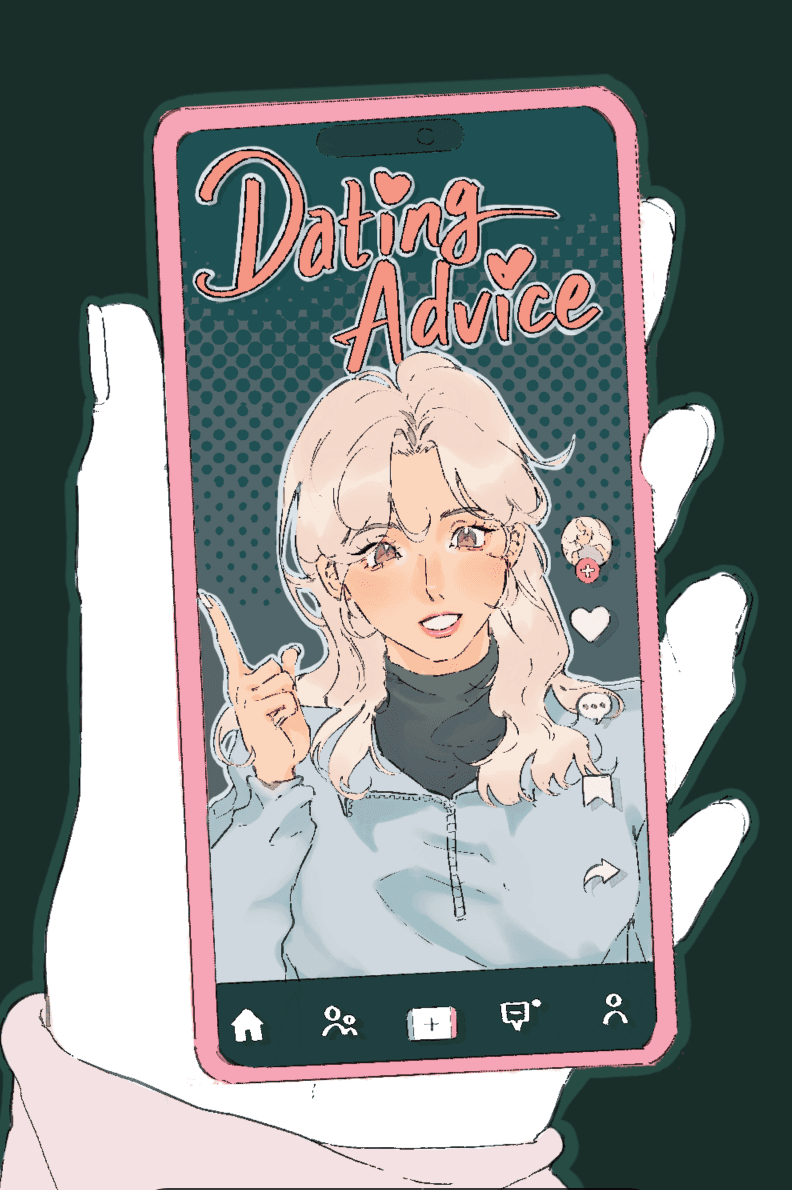
Social media’s attention economy thrives on relationship insecurity
By ANJALI IYER — amiyer@ucdavis.edu
Most of us are entirely uncritical of the content we consume on social media — at least I certainly am. After a long day, it’s undeniably cathartic to turn off your brain and embark on a never-ending scroll through Tiktok or Instagram Reels. Like any other college-aged social media user, I’ve always been cognizant of the fact that algorithms push “rage bait” content to the forefront of their platforms. Strong emotional reactions from viewers encourage engagement, and our most intense reactions are evoked by things we care about — whether it’s politics, cultural controversy or social trends. One strain of TikTok content that remains ever-present in the social media zeitgeist is relationship content, mainly due to its polarizing and relatable nature.
Relationship content is particularly easy for a lot of people to churn out; after all, navigating human connection is a universal experience. From posting about your relationship to providing prescriptive dating advice, there is an unlimited amount of dating content to feed the algorithm.
At its core, there’s nothing wrong with consuming romantic advice from creators online. After all, it’s fun and therapeutic to dish about dates with friends, and most of us have likely tolerated unsolicited relationship advice from a family member over dinner. However, the line between harmless advice and mind-numbing noise begins to blur when the content being pushed onto your “For You” page has been specifically curated to trigger an emotional response.
In 2021, a TikTok video posted by Lauren Zarras documented the moment she reunited with her long-distance boyfriend by surprising him at his college dormitory. Viewers noted that he seemed reluctant to stand and embrace her, pointing out that the footage captured him sitting next to two other girls. “Couch guy,” as the boyfriend soon became dubbed, went viral and people were quick to project their opinions onto the couple, asserting that his delayed reaction indicated that he was cheating on her and that his body language seemed suspicious.
The explosive nature of this TikTok (and many like it) is indicative of the voyeuristic nature of the Internet. People like controversial videos that connote scandal because it affirms our experiences — videos of cheaters getting caught fulfill a sense of righteousness in how we would behave in our own relationships. On the other hand, consistently consuming stories about being betrayed or ghosted can sow insecurities; romantic connection can quickly become draining if you’re constantly looking for red flags or overthinking minute details in your relationship.
Relationship content creators (whether consciously or unconsciously) advertise themselves as experts in their field, often framing their opinions as fact. Learning about people’s experiences can be valuable, especially when creators share important information raising awareness in recognising unhealthy or abusive relationship patterns. But the majority of relationship content swarming social media tends to be reactionary and lacks nuance.
The “Manosphere” is a shadowy corner of the digital landscape populated by creators who spew misogynistic content revolving around lifestyle and dating advice targeted towards young men on social media. These creators attract disenfranchised young men who feel sexually undesirable by affirming the idea that they are entitled to women’s bodies so long as they work out and eat right (or simply purchase whatever course or supplements the creator is selling). These creators follow the same formula that ensures their videos are pushed onto the “For You” page: assert yourself as an authority on the subject and brew controversy with outlandish, uncritical statements.
The issue is, most women aren’t attracted to partners who view them as anthropomorphised sex objects. As the “Manosphere” poisons the dating pool, women have had to become increasingly wary of incel culture infiltrating their relationships, which makes heterosexual relationships significantly less enticing.
This phenomenon of TikTok dating is indicative of a changing social landscape; one that presents a unique opportunity for some creators to profit off insecurity. Algorithmic interference reduces our relationship dynamics into being black or white — entirely lacking room for nuance. While being cautious of red flags can help protect us from short-term pain, the beauty of heartbreak is that it’s an intensely human experience that allows us to grow and change, often by relying on those closest to us.
The TikTok algorithm has also enabled misogyny to take root within an incredibly impressionable audience, further isolating users and discouraging them from forming genuine human connection. I think it’s time we distance our personal lives from social media to give ourselves the space to form relationships and learn from them on our own. After all, who knows your relationship better than yourself?
Written by: Anjali Iyer — amiyer@ucdavis.edu
Disclaimer: The views and opinions expressed by individual columnists belong to the columnists alone and do not necessarily indicate the views and opinions held by The California Aggie.