






Outman the man
A new wave of feminism
By NEVAEH KARRAKER — nakarraker@ucdavis.edu
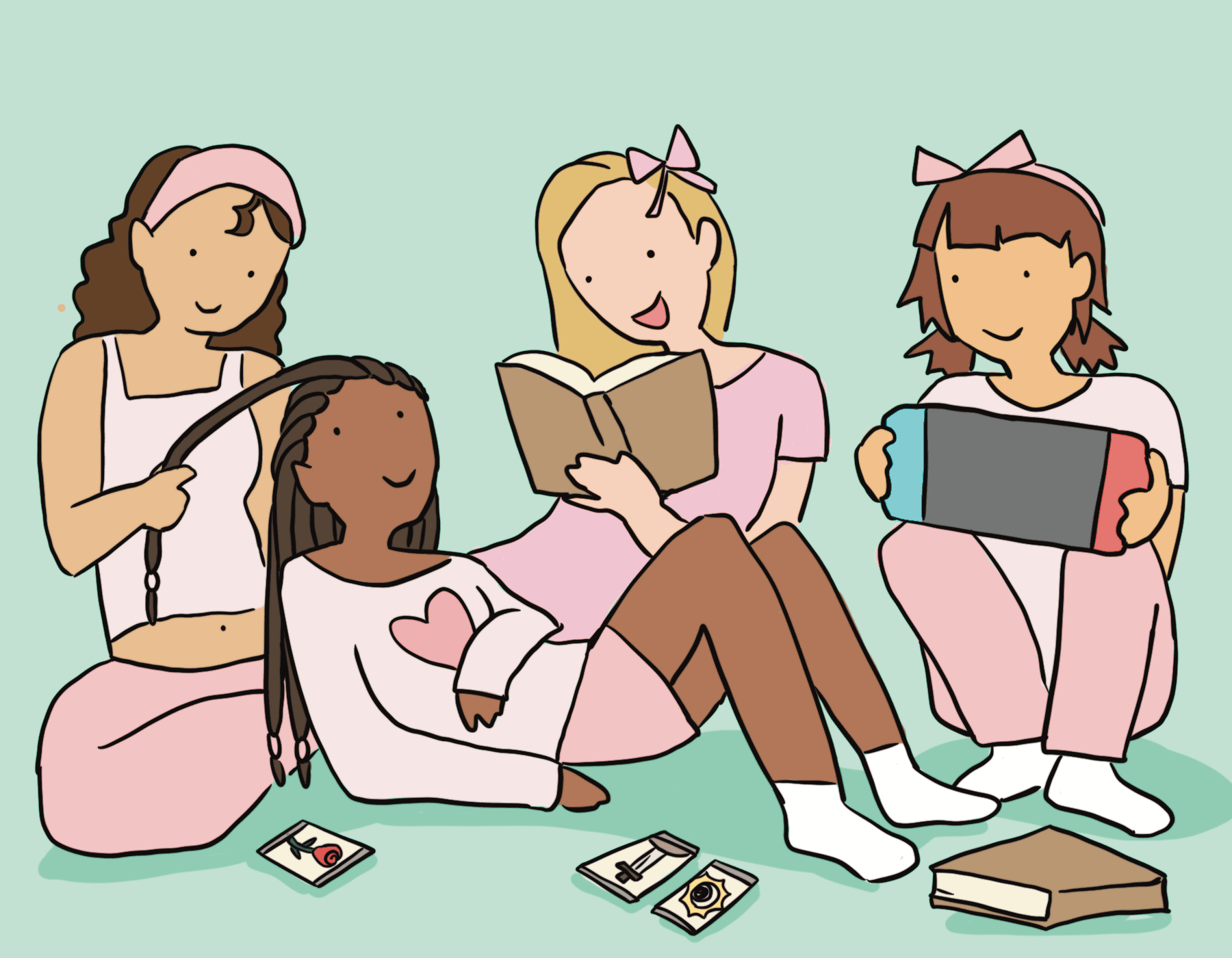
A night full of aesthetically pleasing snacks, photoshoots and the most ridiculous conversations about men — the bad dates and the new crushes and plenty of giggles — is quintessential girlhood. Who doesn’t love girl talk?
And yet, one thing in common with most women I know is the men they deliberate about dating are just, to put it bluntly, ordinary guys. They talk about how kind he is, how he pays first, how he’s responsible because he has a job and how he dresses respectfully. And, while those seem like green flags, isn’t that simply the bare minimum? Don’t the same women who glorify these things meet that exact same criteria? Women also have jobs, go to school and pay for their own things.
The women who often complain about a man’s lack of commitment are often the most talented, ambitious, hardworking, selfless and internally beautiful people I’ve ever met. They’re club presidents, women in science, technology, engineering, and mathematics (STEM), aspiring artists — and they don’t just daydream about these aspirations, they actively and relentlessly pursue them.
For generations, the traditional role and defining value of a woman was to take care of housework and raise children. This past century, however, has been revolutionary for women, with the first wave of feminism securing women’s suffrage rights in 1920 and the second wave focusing on social issues in the 1970s. In the past, marriage was essentially mandatory for women, as it allowed them to have financial stability and social approval. These waves of feminist movements challenged both societal and legal norms — now, women have the decision to choose between traditional roles, a more independent lifestyle or a mixture of both.
Conjoining generations of housework skills — including many diverse, artistic hobbies — with education and independence catapulted the characteristics of modern women. It’s not that we weren’t capable beforehand, we just weren’t given the opportunity to try.
This “breakup” between women and submission to unequal laws has allowed them to realize their worth — that marriage and romantic intimacy is not a need, but a desire that should only augment their quality of life. As women pursue education, careers and personal growth, their criteria for a compatible partner evolves and the dynamics of dating shift.
Rather than basing their standards only on security or validation, women now seek partners based on their character and drive — one who will reciprocate support, respect and a genuine connection that will enhance their already-fulfilling lives. In a sense, there’s been a collective post-breakup glow-up, with this newfound feminism setting the bar.
Part of the reason it’s so difficult to find a compatible partner are the double standards that exist between genders; it’s a reflection of the acceptable behaviors we grew up learning in our internal household and the parallel to how society brings us up. While a guy gets applauded for getting a girl flowers for a special event, girls joyfully give each other flowers on a daily basis. It’s not that hard to put on a nice outfit, it shouldn’t be a burden to drive others around and it takes two seconds to send a heartfelt text. Women are expected to look nice with makeup and formal attire, to be polite to everyone and to accumulate productive hobbies, so we shouldn’t be complaining about a partner who won’t even take the time to write us a birthday card.
“The best man is just an average woman.” It’s a shocking statement — and yet, there’s truth to it.
Despite knowing this to be true, we, as women, often find ourselves in the same position again and again: a desperate attempt to experience love leaves us hopeless romantics now literally hopeless. One of the largest contributing factors is the lens through which we view friendships.
The surging popularity of fictional yearning and smut writing has shrouded the permeation of friendship in literature — take the recreation of period piece literature, for example. These friendships are severely underrepresented in the media, especially female ones. Meaningful drinks with friends are infused with the discussion of romance (men), but when do we ever talk about the unfathomable enhancement and joy friendships bring to our lives? We heavily discount the importance of them, and if we don’t cradle our friendships with the care they deserve, not only will we lose them, but we’ll self-jeopardize our romantic relationships as well.
Friendship is one of the most unique types of love — it’s not biologically instinctive or necessary, but it makes life worth more than mere survival.
In the presence of each of our friends, there is a small facet of our personalities exposed that only that person can bring out. While romantic relationships may be physically vulnerable, friendships are all the more emotionally vulnerable.
And so, the emotional intimacy that we seek in romantic relationships can be found in the friendships we already have.
We prioritize our friends in a way we don’t often realize; it’s gentle, subtle and quiet. Instead of impressive gestures or expensive gifts, it’s keeping us company at a doctor appointment or talking on the phone for hours after having a bad day. If that isn’t the purest form of intimacy and love, then we need to reevaluate our definition of it.
We may not always have a significant other in our lives, but we will always have the people who we grew up alongside with; the ones who never left regardless of the challenges or changes. We need to hold tight to our dad who will pick up every phone call, to our best friend who will fly across states to visit, to those who will linger in the doorway without good reason and buy us our favorite snack just because.
These are the standards we should hold our (future) partners to. If we wouldn’t let our friends treat us a certain way, we shouldn’t let our partners either. And if we don’t view our partner as a close friend first, then we need to build healthy friendships before entertaining the idea of romance.
It’s time we stop accepting the bare minimum, and it’s time we stop neglecting the friendships we have; they’re invaluable, timeless and should set the standards for our relationships.
Written by: Nevaeh Karraker—nakarraker@ucdavis.edu
Disclaimer: The views and opinions expressed by individual columnists belong to the columnists alone and do not necessarily indicate the views and opinions held by The California Aggie.