The beauty of black and white film and its loss of recognition among audiences
By BELLA PETERSON — arts@theaggie.org
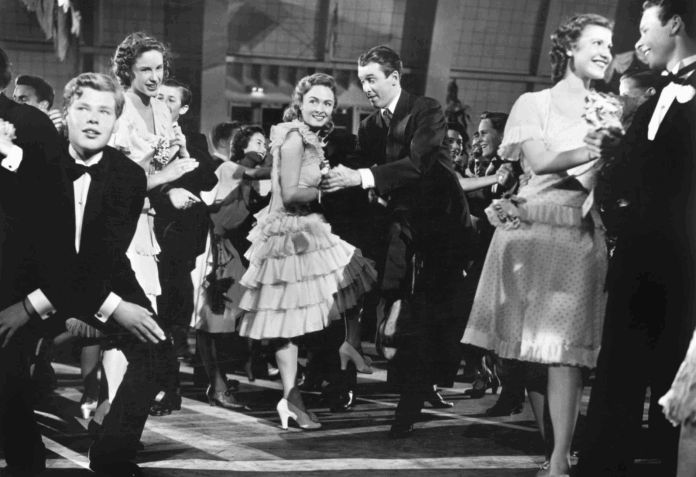
‘Tis the season for the annual rewatch of “It’s a Wonderful Life”; despite its impact, this beloved 1946 holiday movie tends to be the beginning and end of present-day movie-lovers’ engagement with classic Hollywood films.
There are many cinephiles that still indulge in the not-so-colorful past of Hollywood, but when it comes to the average movie consumer today, finding and consuming a film dated by its black and white screencaps may seem like a waste of precious time. There are notions of black and white, “outdated” films being boring or simply too irrelevant to the present.
These notions couldn’t be further from the truth — the experience of watching a movie produced before the introduction of color is not so different from the one found within the current era of film content. Whether it be romantic comedies, horror thrills or timeless dramas — classic black and white Hollywood has it all.
In fact, many respected modern films are remade or inspired from past Old Hollywood pieces. For example, “You’ve Got Mail” (1998) — starring Meg Ryan and Tom Hanks in what appears to be an inspiring, original 1990s love story — is a retelling of a 1940s romantic comedy “The Shop Around the Corner” (1940) starring Jimmy Stewart and Margaret Sullavan.
It’s not just classic Hollywood movies that are often overlooked; many modern-day works are also cast aside. In an age where colored film is the obvious choice for a story, some film-makers take the creative liberty of shooting in black and white as an artistic choice.
While some praise the reintroduction of the absence of color, this course of action has not yet been embraced by all audiences, despite more recent works like “Oppenheimer” (2023), “Iron Claw” (2023) and “Asteroid City” (2023) each including some form of black and white film.
The crux of this discussion revolves around the importance of color in not just films, but many other forms of media as well. There’s no denying that color plays a major role in relation to perception of film and photos; brightness in pigment or a specific color palette can masterfully draw the viewer into the respective narrative, according to Film Inquiry.
The absence of color, however, can bring just as much weight to the screen as varying hues. “The Wizard of Oz” (1939) — the most fondly remembered classic of the Technicolor era — gives audiences the chance to experience both color and black and white film within one movie.
The lack of color provides a realistic and somber tone to Dorothy’s reality in Kansas; however, when she finds herself after the tornado in a much stranger, brightly-colored place, the cinematography makes the audience feel as though they are going through the journey right alongside her.
Dorothy’s iconic line, “Toto, I have a feeling we’re not in Kansas anymore,” is punctuated by a blast of vibrant colors that shape the world of Oz as completely unfamiliar to Dorothy.
Classic Hollywood movies are far from perfect, but, just like in today’s collection of films, there are many gems to be found. From well-known “It’s a Wonderful Life” and “Casablanca” (1942) to Letterboxd community favorites like “Citizen Kane” (1941) and “Persona” (1966), there’s enough black and white film recommendations to fill your watchlist for years to come.
While there’s no need to meet a certain viewing quota of classic films, there is value in appreciating these black and white movies the same as you would any other movie — viewing them as a creative vehicle of art, storytelling and entertainment.
Color doesn’t make or break a film; what speaks louder than any outward appearance is a movie’s core and content. As the age-old saying informs: “Don’t judge a book by its cover” — you should never write off a classic Hollywood film due to its lack of color, either.
Written by: Bella Peterson — arts@theaggie.org