55.5 F
Davis

Davis, California

Tuesday, December 23, 2025
Home Blog Page 241

2021 ASUCD Fall Elections — Meet the Candidates

This fall, seven candidates are running for senate, two for external affairs vice president, one for international student representative and one for transfer student representative

By CHRISTINE LEE, JENNIFER MA, EMILY REDMAN and GABY SAINZ-MEDINA — campus@theaggie.org

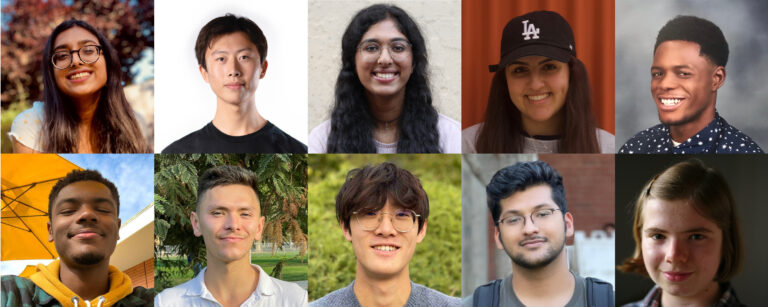
The following candidates are running in ASUCD’s 2021 Fall Elections for elected official positions in student government. One external affairs vice presidential (EAVP) candidate was not interviewed because they did not respond to interview requests. 

Elections will take place from Monday, Nov. 8 at 12 p.m. to Wednesday, Nov. 10 at 12 p.m. Students can vote online at elections.ucdavis.edu

Senate:

Radhika Gawde (Independent), a second-year political science major, said she is running for senate because she wants to have a platform where she can use her voice to take on advocacy issues. Currently, as the chairperson of the Internal Affairs Commission (IAC), Gawde must remain impartial, and she wishes to broaden her ability to speak about issues that matter to her. Her platform includes putting student fees back in students’ hands, reforming Equitable Access for all majors and academic accommodations, specifically menstrual accommodations. Gawde is confident in her ability to ensure student needs will be met, as she has both experience and endorsements. Along with prior experience in ASUCD, she is currently a lead fellow with the McNerney for Congress Campaign. 

Gaius Ilupeju (Independent), a first-year political science and public service double major, said he is running for ASUCD senate to advocate for students. His platforms revolve around creating more inclusion and accessibility. Ilupeju wants to include students by making meetings such as Town Halls available online and to make units, such as The Pantry, more accessible to students. He has experience in community advocacy groups along with participating in his high school student government. As a first-year student, he wants to advocate for freshmen and give them a voice in ASUCD. 

Dennis Liang (BASED), a fourth-year economics and history major, is currently working in the Students Advocate’s Office (SAO) as the vice academic director. Liang’s platform includes advocating for mandated recorded lectures, increasing student wages and increasing the pass-no-pass deadline to help students transition back to in-person learning. According to Liang, recorded lectures for all classes would give students an incentive to stay home if they are sick. He wants to work on getting Unitrans back to being fully employed, especially as students rely on this service during colder weather, as well as the CoHo, as its early closing time means fewer study spots.

Kelechi Orji (BASED), a second-year neurobiology, physiology and behavior (NPB) major, said he is running for senate because he wants to create a campus environment where everyone feels heard and recognized. Orji feels that the transition to college can be challenging without a community or support, something he personally struggled with as a Nigerian-American international student. He believes his personal experiences, along with his roles as the commissioner for the Environmental Policy and Planning Commission (EPPC) and a Student Health and Wellness Committee member, make him qualified to advocate for the student body. His platform includes fostering representation, understanding the needs of communities, increasing sustainable practices on campus and improving the mental health resources at UC Davis. If elected, Orji said he promises to be a resource to any student who wants their voice heard. 

Celeste Palmer (Independent), a second-year political science major, is running for senate because she is passionate about environmental issues and wants to push for more awareness of ASUCD elections. She is running as an independent candidate because she believes that partisanship is counterproductive for student government. She has experience working for a state legislator, was the president of her high school’s climate club and the treasurer of the debate club. Palmer did not list platforms for this election cycle because she believes people who do so do not end up achieving them. She does have ideas of what she wants to have enacted, however, such as a ban on plastic bottles in campus stores, and she wants to advocate for ASUCD to use its influence to focus more on climate change.

Adrian Rozo (Independent), a first-year political science and economics double major, said he is running for senate because he wants to make UC Davis a more democratic, engaged and just community. He has experience working as an executive staffer, a position he started this fall. Rozo’s platforms include three primary goals: community, inclusion and progress. His focus is on being an advocate for students, and he emphasized the passion he holds for helping and engaging with students.

Sofia Saraj (BASED), a second-year linguistics and NPB double major, said she is running for ASUCD because she wants to create lasting change within the association. She has experience in advocacy work that includes founding a social media based hub for activists and leading a fundraiser for newly arrived Afghan refugees that were displaced. Her platforms include student outreach and accessibility, sustainability and better business practices and advocating for underrepresented communities. Saraj aims to achieve these platforms by promoting communication through social media, hosting a campus-wide involvement fair, educating students about the magnitude of the climate crisis and more. Additionally, she plans to work with the pantry to accommodate dietary restrictions due to cultural or religious beliefs. 

External Affairs Vice President:

Shruti Adusumilli (Independent), a third-year political science and computer science double major, is running for re-election for EAVP. Having been in this role for about six months, she wants to continue working on her ongoing projects and seeing them through to completion. Adusumilli’s platforms include increasing civic engagement and equity in education. She thinks that college students are one of the most poorly represented groups in U.S. elections and wants to make sure that student voices are heard. Adusumilli is advocating for a non-instructional election day across the UC system to prevent students from needing to decide to attend class, go to work or vote. Asusumilli also wants to implement quarterly surveys for students to report the barriers in their education they have encountered.

Transfer Student Representative:

Tariq Azim (Independent), a fourth-year political science major, said he is running to be the transfer student representative because he wants to be a voice for other transfer students on campus. Azim is currently serving as the interim transfer student representative and wants to continue the momentum his office has established and complete projects that will represent transfer students on campus. While in community college, Azim was a part of the Student Center for California Community Colleges as a legislative affairs director representing 12 community colleges, and he served as the chair of the Transfer Re-Entry and Veterans Committee at UC Davis. Currently, Azim is serving as the Transfer Student Affairs Officer for the UC Student Association. Azim’s goals in this position are to make transfer orientation more directed towards the experience of transfer students and eliminating the negative stigma surrounding transferring from community college.

International Student Representative:

Keven Zhou (Independent), a second-year managerial economics major, is running to be the international student representative because he wants to advocate for other international students. Zhou said he wants to work with the other international organizations on campus to create a coalition to make a concentrated group of representatives. Currently, Zhou is serving as the interim international student representative and wants to continue the work he has started in setting up the office and engaging with students. This is a new position with ASUCD, and Zhou hopes to use the first year to create the coalition and to listen to the ideas of international students so he can represent them accurately. As an international student himself, Zhou said he understands the struggles international students face and wants to celebrate diversity on campus.

Written by: Christine Lee, Jennifer Ma, Emily Redman and Gaby Sainz-Medina — campus@theaggie.org

Campus News Editor Sophie Dewees also contributed to this report.

ASUCD fall election endorsements: Consider the following

The Editorial Board endorses five candidates for ASUCD senate and one for each of the non-senatorial positions in this election 

ASUCD Fall Elections began today on Monday, Nov. 8, with seven senate candidates running for six available seats, two candidates running for external affairs vice president (EAVP), one candidate running for transfer student representative and one candidate running for international student representative. The Editorial Board interviewed all of the candidates running for senate, the uncontested candidates running for international and transfer student representatives and one of the two candidates running for EAVP.

Senate Endorsements:

Kelechi Orji — BASED

The Editorial Board was greatly impressed with second-year neurobiology, physiology and behavior (NPB) major Kelechi Orji’s commitment to representing and supporting marginalized communities on campus. As an international student from Nigeria, Orji, if elected, plans to address problems that he feels members of the communities he is part of face, such as finding health insurance and housing as well as the issue of policing on campus. The Editorial Board believes he could be a strong voice on many of these issues. Orji also has experience working on committees and commissions that are directly related to other parts of his platform including the Environmental Protection and Policy Commission and the Student Health and Wellness Committee. His goals to create a more sustainable campus and push for better mental health services are commendable.

Radhika Gawde — Independent

Second-year political science major Radhika Gawde is extremely well-versed in the inner workings of ASUCD. As the chairperson of the Internal Affairs Commission, she has gained a breadth of knowledge about the association and has developed the skills required for leadership and advocacy as a senator. Her platforms for academic accommodations, particularly menstrual accommodations, reform of the Equitable Access program and a referendum on student fees are admirable. She outlined specific goals for her time as a senator if elected, and the Editorial Board hopes that her legislative experience will allow her to accomplish many of these goals.

Sofia Saraj — BASED

Sofia Saraj, a second-year NPB and linguistics double major, has extensive experience in advocacy work. She started her own company, founded a social media platform to promote conversations between activists and worked with the Rice Project, to name a few. Her work is admirable and exhibits her ability to complete long-term, activism-based projects. The Editorial Board believes this experience will allow Saraj to effectively promote sustainability, improve student outreach and support underrepresented communities should she be elected as a senator.

Dennis Liang — BASED

Fourth-year history and economics double major Dennis Liang’s plans to advocate for recorded lectures and higher wages for student employees make him a compelling candidate. These elements of his platform are issues that the Editorial Board feels are extremely pressing, and the Board hopes that Liang’s experience as the vice academic director of the Student Advocate’s Office will allow him to skillfully work to combat them if elected. Liang demonstrated a strong understanding of ASUCD in his interview, and the Board believes this knowledge as well as his experience will enable him to advocate for students and follow through with his platforms, should he be selected for a senatorial position. 

Gaius Ilupeju — Independent

The Editorial Board believes that first-year political science major Gaius Ilupeju will be able to effectively advocate for first years and bring issues that concern them to the senate table if elected. The Board was particularly impressed with his plan to collaborate with the Pantry to create mobile options for students who may be unable to easily access its services and felt that he exhibited adequate knowledge of ASUCD despite being relatively new to campus. His experience with community advocacy and student government will, the Board feels, allow him to successfully fulfill his goals. 

External Affairs Vice President:

Shruti Adusumilli — Independent

Shruti Adusumilli, a third-year political science and computer science double major and the current EAVP, has many ongoing projects that the Editorial Board believes can benefit the student body. If elected to continue in this position, Adusumilli will advocate for election day to be a non-instructional holiday, work to create a survey regarding academic accommodations for students and push for a requirement that syllabi and course evaluations are made available before students register for classes — an idea that the Editorial Board strongly believes would be valuable for students. The Board feels that Adusumilli’s knowledge and ideas make her a compelling candidate and will enable her to skillfully continue in this position if selected.

International Student Representative:

Keven Zhou — Independent

Second-year managerial economics major Keven Zhou is the interim international student representative, and the Editorial Board feels he will bring thoughtfulness and skill to this position if elected. Zhou hopes to continue his work collaborating with the International Center to promote greater international student representation on campus. The Board believes his experience advocating for LGBTQ+ rights in China and his personal experience as an international student at UC Davis will allow him to expertly do so. 

Transfer Student Representative:

Tariq Azim — Independent

The current Transfer Student Representative and a fourth-year political science major Tariq Azim aims to continue advocating for transfer students through combating stigma surrounding transferring from community college and promoting equal opportunities for transfer students. Through his work thus far in the position and his specific plans to support transfer students, the Editorial Board feels that Azim demonstrated the skills necessary to continue in this position.

Written by: The Editorial Board

Disclaimer: The Editorial Board can endorse up to six senate candidates and one candidate each for external affairs vice president, transfer student representative and international student representative. The Board also retains the right to not endorse any candidates for these positions.

Getting a kick out of it

0

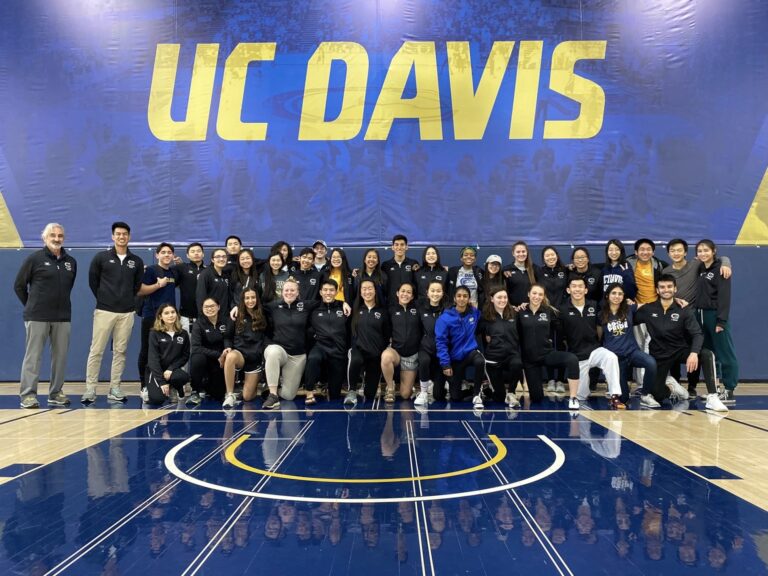
UC Davis’ taekwondo club finally returns to some normalcy and emphasizes the importance of being a team despite competing individually

By KATHERIN RAYGOZA — sports@theaggie.org


Taekwondo has become a popular sport by gaining an international reputation, and it is one of the most systematic and scientific Korean traditional martial arts. Today, it is practiced by about 80 million people in 209 countries around the world.

The sport is not just about fighting; it teaches values of inclusiveness, respect and leadership. The best part is that anyone can join regardless of their age, gender, religion and  ethnicity. At UC Davis, the taekwondo club’s goal is to make sure it is an inclusive and accessible sport for all.

“It’s a super supportive team,” said Juliet Bost, a fourth-year biochemistry and molecular biology major and the club’s vice president. “I think it’s a great place to be because we’ve got people who have done taekwondo for a really long time and we also have complete beginners. Everyone is making sure we each are learning. Often in taekwondo, you don’t experience a lot of team pride since it’s an individual sport but at UC Davis, we have a team dynamic. We’re all about making the team the best that it can be.”

In terms of experience, the club has people from every level. People who have never thrown a kick in their lives attended their first taekwondo practice on campus, and the team also has people who have been competing for more than 15 years.

The club team also has a unique process of accepting new members: They don’t require a tryout. The only thing necessary to participate with the team is to bring a positive attitude.

“It’s really fun to have people who have never competed before,” said Raye Chiang, an applied mathematics major at and one of the club’s co-presidents. “Since a lot of it is about having fun rather than being super competitive, it just helps the environment so that no one will have an elitist attitude. It’s important we build relationships, create a community and make sure everyone is included. We’re a pretty big family and I don’t think that being co-president means we’re different from the other members.”

This year, the team exceeded a shocking amount of people wanting to participate in the club. Usually there are about 40 to 50 members — but in the beginning of fall quarter, about 70 members attended their practices.

“Part of the reason why we think so many people want to join this year is because people are really excited to be back on campus and in person,” said Madison Lee Hall, a fourth-year political science major and the club treasurer. “They miss that connection.”

There has been a huge shift to the team because of the ongoing pandemic. The team has not been able to practice, have socials or participate in any competition. Their competition and team bonding experiences have not been the same since they have been canceled for over a year and new members are arriving.

“Last spring, we did a bit of [in-person] training but still couldn’t make contact with each other,” said Bost. “So coming back, everyone is a little rusty. It’s taking some time to get back into it, but we can at least practice again.”

Team bonding is a crucial part of the club and because of COVID-19, team members were not able to meet each other in person. They stayed connected as much as possible all throughout the past year, in whatever way they could.

“All throughout the pandemic, we had online practices through Zoom. Even though, understandably, not many people attended, it helped us stay connected,” said Annie Kaur, a fourth-year biological psychology student and the club’s co-president. “We also stayed connected through social media, and we made sure not to let anything die down.”

For the past year, there haven’t been any local tournaments in the Davis area, and it has been a long year since the club has competed. After waiting a year, UC Davis’ annual taekwondo tournament will finally be held on Nov. 20 at the University Credit Union Center. This is one of their special tournaments because this is an event where the entire community gathers.

They must follow COVID-19 protocols at the tournament. In order for people and competitors to enter the facility, they must present “a symptom survey, a negative COVID test or be vaccinated and wear a mask,” according to Kaur.

Competitors are also required to wear masks during the competition even though they already have a mouth guard on. This will be a challenge, but the team isn’t complaining and is just happy to be competing again after the long break.

With new members arriving and the competition season finally beginning, the club is hoping to stay connected and have fun together again.

“Our coach likes to say that even though taekwondo is an individual sport, we practice as a team and we are a team,” Lee Hall said.


Written by: Katherin Raygoza — sports@theaggie.org

Phenomenal turnout for Aggie Open Mics’ first in-person event

The organization puts on events that provide a safe and encouraging platform for artistic expression available to all Aggies

By SIERRA JIMENEZ — arts@theaggie.org


“Fetch that mic (insert name), let’s have fun tonight,” rang from Wellman 234 as the new club, Aggie Open Mics, hosted their first in-person event on Oct. 23. The room was dark, but the energy was high. From a previous turnout of about 15 people via Zoom to a remarkable 80 RSVPs for the in-person event, applause radiated from the filled seats of the small classroom.

“Bringing the volume of the energy up and having everyone work together helps build a community and builds support,” said Murshed “Mush” Qasime, a second-year biomedical engineering major and co-host of Aggie Open Mics.

“Everybody’s doing something simultaneously… Everyone fuels each other. It’s all connected,” Qasime said.

There is beauty, courage and admirability in individuals giving themselves the opportunity to perform in front of a diverse community, coming together to share their unique stories, Qasime explained. From improv poetry to electric guitar, students from all walks of life find a commonality in artistic expression.

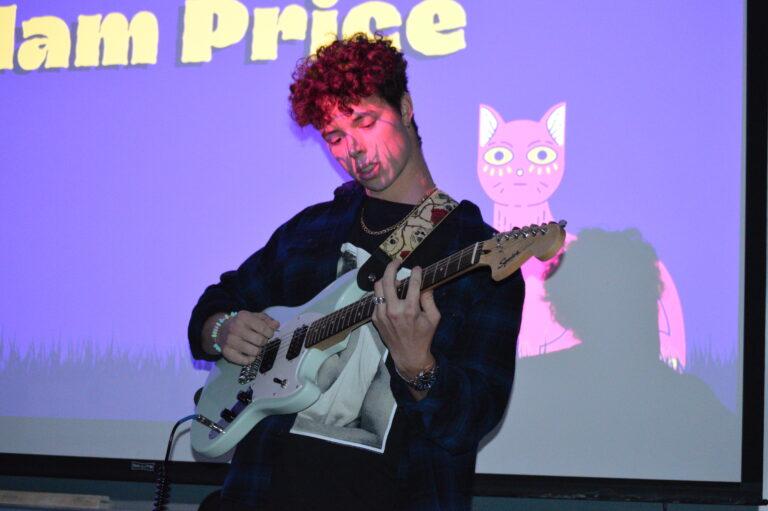
One act in particular that brought the house down was Paulo Pareto, a first-year computer science major, with his smooth outer space-like electric seduction. Starting off with some technical difficulties—necessary to satisfy the archetypal college open mic event—he crushed his performance as the crowd went wild.

With his mullet and turquoise-blue electric guitar in hand, he surprised the audience with the classic behind-the-head guitar maneuver. But just as the crowd seemed to be at its peak excitement, he whipped out a new move by picking the guitar with his mouth. The audience screeched with exhilaration from this momentous performance. Pareto later confessed that he did not come up with his act until 3 p.m. on the day of the performance.

Only playing for about four years on and off, and performing live for the first time since his high school talent show, Pareto ignited the night with his psychedelic space-rock uniqueness.

“I like more avant garde stuff, and I want other people to start enjoying that… Less stuff that you would hear in traditional popular music,” Pareto said.

Pareto got his inspiration and desire to perform on stage after he first watched Eric Clapton’s live performance of “Layla” on YouTube. Since then, he has been expressing himself through experimental electric guitar with the hope of exposing more people to abstract music. He is currently working on a new piece for the next open mic event which will later be announced on Instagram @AggieOpenMics or on their website.

“I didn’t know what to expect,” Jessica Solis, a third-year cell biology major, said. “It’s a supportive, intimate community… a safe place.”

Solis did not intend on performing that Saturday night; however, she was an active audience member supporting local artists and enjoying the crowd’s contagious energy. Astonished by the copious talent and various majors of the performers, Solis took pride in being an Aggie that night.

“[The performers] have something special they want to share with us,” she said. Solis admitted that some of the acts made her emotional from the performers’ vulnerability with the audience.

Everyone was welcome to take the spotlight and share their unique story in any form of expression, whether or not they signed up beforehand. The safety and support of the team and the audience generated an empowering energy evident throughout the night, inspiring people to take a risk and get onstage.

One of the foundations of the club is to be a safe space for expression, Qasime said. It is established from the get-go that if anyone is uncomfortable at any given point, they encourage open and honest communication in order to maintain this comfortable environment for everyone.

“[Open mic] is an opportunity to grow myself, but it was also a moment for me to step back and enjoy seeing people in that spotlight,” Qasime said. “To see them go out there and give themselves the opportunity and put themselves out there in front of other people…it’s admirable. It’s a beautiful thing.”

There is an undeniable energy welcoming everyone and encouraging people to come back. The applause, the support, the safety and the creative expression make the environment contagious. Make sure to keep an eye out for the next event, whether to perform or enjoy the stories of fellow UC Davis artists.


Written by: Sierra Jimenez — arts@theaggie.org


Students, professor discuss connection between body image and nutrition

Students and a professor provide tips for meal planning for college students on a budget

By ELLIE LEE — city@theaggie.org


Dr. Debbie Fetter encouraged college students to make healthy changes to eating patterns, activity habits and overall lifestyle, which can all result in improved health outcomes in middle and old age. She emphasized that students nourishing and resting their bodies may set them up for success. They may be able to better tackle everyday challenges that college students face.

“Improving your health during college can create community and an outlet, as well as improve your health,” Fetter said. “Plus, certain foods have been shown to help with brain development and integrity.”

Fetter says body size and weight is often emphasized when it comes to the topic of nutrition, but she feels we need to reevaluate how these subjects are addressed.

“All of us are built differently, and I hope that as a society overall we can embrace size diversity so it’s more so like figuring out different factors associated with one’s body composition that can lead to increased risk for different diseases depending on that individual,” Fetter said.

To address weight fluctuations, she recommends identifying patterns. For example, in the dining commons where students are free to eat food from a variety of stations, she recommends taking about 15 minutes after each portion of food to determine if one is still hungry or already full.

“Oftentimes there’s a delay between registering that we’re no longer hungry versus still being hungry,” Fetter said. “If you’re hungry, then definitely eat.”

Student Nutrition Association (SNA) President and fourth-year clinical nutrition student Hannah Parducho said she struggled with body image while being an athlete. She swam for most of her childhood and has now started weightlifting regularly in the gym.

“Those thoughts come and go,” Parducho said. “It takes work to shift those thoughts but it’s really rewarding. Life is more about what you can do and not how you look; I find strength and courage in being strong. As a weightlifter, I try to feed myself and do movements that I enjoy that will help me become a better weightlifter.”

Katrina Zara, a third-year psychology student and mental health advocate who posts blogs on www.plantifullylivin.com and is an active board member of My State of Mind at UC Davis, says she also struggled with body image but has coped with these struggles by focusing on her internal self.

“There’s no one in this world that matters as much as yourself. You are the main character,” Zara said. “The body image doesn’t matter, as long as fulfillment of the internal self is present. If you focus on feeling good, the looking good will come.”

Zara said that mental health connects to nutrition.

“Because of the deficiency of nutrients, it’s harder for your brain to flow better,” Zara said. “This ties into exercise; the greater blood flow that your body has, the more neural connections it can make so the faster your brain can process things.”

Zara encourages students to attend a virtual mental health advocacy conference on Nov. 13 in partnership with the United Nations Millennium Fellows, called Mind Over Matter. Speakers include youth activists from a variety of areas, including representatives of UC Davis mental health organizations and mental health professionals. The discussion will contain three themes: Educating on Mental Illness and How to Be an Ally, Defining and Accessing Therapy and Caring for Your Mental Health and Well-Being.

Fetter recommended focusing on one high quality protein for fullness and to promote satiety. She approved of the concept of making half your plate fruits and veggies, as it is a simple way to visualize meals. She discussed choosing a whole grain option when possible and the recommendation of making half your grains whole grains.

“The secret to my recipes are the simplest recipes,” Fetter said.

Parducho discussed her recommendation on how students should plan meals.

“First, take an inventory of what you have,” Parducho said. “Second, plan how much you anticipate you are going to eat, and then work backwards from there, figuring out the amounts you need to buy.”

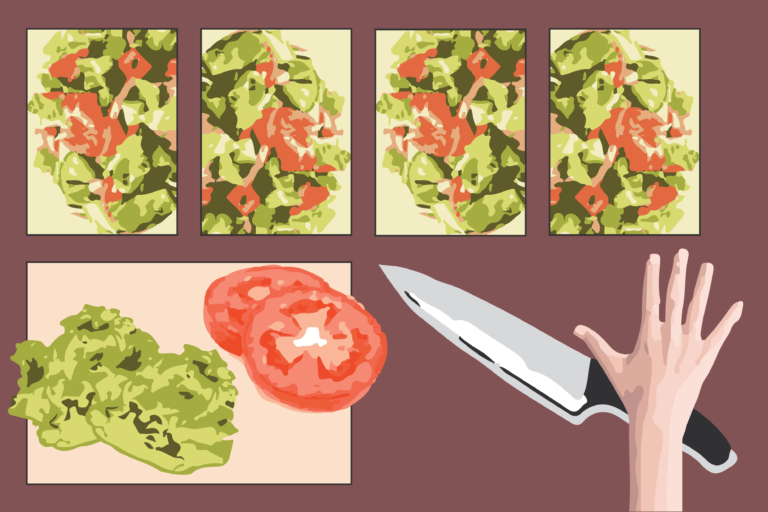
To ensure an affordable budget of groceries, Parducho emphasized making a list before going to the store. She organizes the list by sections, like produce and nonperishables, and uses a checkbox function.

Written by: Ellie Lee — city@theaggie.org

UC Davis researchers awarded $10 million to optimize groundwater, agricultural irrigation sustainability in long-term project

The study is looking to balance farmers’ sustainable management practices while improving their overall crop productivity

By BRANDON NGUYEN –– science@theaggie.org


Amid the unpredictable impacts of climate change, UC Davis has been recently awarded $10 million in grant funding by the U.S. Department of Agriculture’s National Institute of Food and Agriculture. Researchers from a wide range of fields — from socioeconomics to agricultural groundwater and soil health — will collaborate to optimize groundwater and agricultural irrigation sustainability in the Southwest for farmers to improve crop yield and cost efficiency.

Isaya Kisekka, an associate professor of agrohydrology and irrigation at UC Davis, will be leading a massive collaborative study with a team of researchers from California, Arizona and New Mexico to develop climate adaptation strategies that effectively sustain groundwater quantity and quality as well as irrigated agriculture.

Kisekka introduced the climate issue that the study tackles and the limitations that farmers currently face.

“In California, we are always experiencing droughts and floods, the climate extremes,” Kisekka said. “During the drought, farmers typically rely on groundwater or in the past, they have relied on groundwater until 2014 when Gov. Brown passed a new law called the Sustainable Groundwater Management Act that limited how much water would be pumped in from groundwater. And so, if growers cannot pump groundwater during periods of severe drought, what can they do?”

Depleting and overdrafting groundwater can have serious consequences, leading to groundwater deterioration and land subsidence where the land starts to sink, affecting infrastructure like roads and canals. Kisekka and his team understand that many communities’ economies depend on irrigated agriculture, so balancing sustainability and production is the goal of the study.

“Growers have increasingly depended on groundwater during multi-year droughts and heat stress,” according to a recent UC Davis press release. “Part of the five-year project includes looking into aquifer systems in California’s Central Valley, central Arizona and the lower Rio Grande basin in New Mexico. These regions have all experienced unprecedented overdraft, which happens when more water is pumped from a groundwater basin than is replaced from sources, including rainfall.”

California is the largest agricultural state in the country, with agricultural receipts exceeding $50 billion, according to Kisekka.

“California’s agricultural sector is a huge industry,” Kisekka said. “But that industry relies heavily on water, because we are in semi-arid climates, with many growing areas having the Mediterranean climate where you don’t get a lot of rain during the summer.”

Iael Hoffmann, a postdoctoral at Kisekka’s lab studying agricultural water and nitrogen management, provided insight into how she is contributing to the study’s development of agricultural management strategies through her project in the Central Valley.

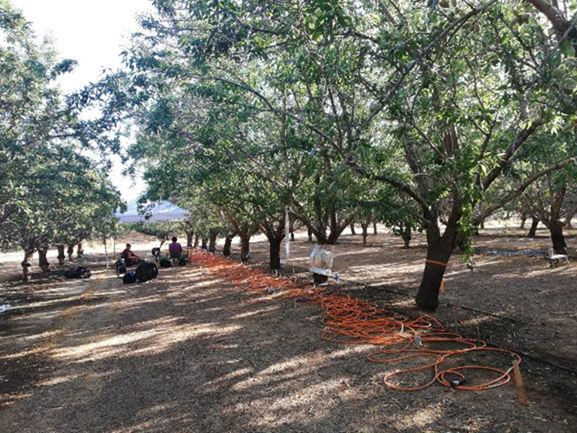
“We are looking into how management practices like processing tomato rotation fields affects groundwater quality,” Hoffman said. “So we’re measuring irrigation, water and nitrogen balances, but at the field scale, at soil scale and also at the groundwater scale. So we’re monitoring these three levels.”

The core of Kisekka’s project is the development of better data and tools for farmers to optimize their growing practices toward more sustainable groundwater and irrigated agriculture. Kisekka provided examples of what his team of researchers plan to do for long-term sustainability of groundwater.

“One of the things we’ll be doing is managing aquifer recharge, where during a drought, we flood agriculture fields and make the water salt into the ground to recharge groundwater, which can be topped during the dry periods,” Kisekka said. “We are also developing best management practices on soil health, for example, using cover crops and other soil amendments to increase the ability of the soil to store water, also to make the crops more resilient either during a heatwave or severe drought. We’re also looking at smart technologies, like remote sensing and artificial intelligence so growers can start to use data to optimize decision making.”

These are just a few of the many potential management practices Kisekka and his team will be working on for farmers to best optimize their growing practices while sustaining groundwater under the limitations of the Sustainable Groundwater Management Act.

The future of agricultural practices is evolving, and Kisekka commented on what changes will need to be made to adapt to the constantly changing climate.

“Agricultural practices will have to be smart,” Kisekka said. “In some ways, it may be a smaller footprint, but more intensified. So you’ll have sustainable intensification of already very intensive systems. Instead of expanding the number of acres we are growing, we may cap or even decline a little bit, but productivity will increase. And [there] will be more use of data to make decisions and technology in general.”


Written by: Brandon Nguyen — science@theaggie.org

Unit directors, director of SHCS provide updates at Oct. 21 meeting

ASUCD plans to launch a mental health response task force

By CHRISTINE LEE — campus@theaggie.org

ASUCD Internal Vice President Juliana Martinez Hernandez called the senate meeting to order on Thursday, Oct. 21 at 6:10 p.m. 

Dr. Cindy Schorzman, the medical director of UC Davis Student Health and Counseling Services (SHCS), gave a presentation as an update on health initiatives related to COVID-19. This includes campus testing, vaccinations and contact tracing. 

“Campus leadership and executive leadership are really listening to us, they’re following the science,” Schorzman said. “We have very frequent meetings with public health officers, two so far this week. They’re really looking at all factors. There are very low instances of COVID-19 on campus.”

Regarding the upcoming Thanksgiving break, fully-vaccinated students will have two weeks to get tested when they return from break as mandated every 14 days. These students must get tested between Nov. 29 and Dec. 12. Unvaccinated students must be tested between Nov. 29 and Dec. 2. During this four-day period, unvaccinated students will be admitted to campus facilities with a yellow “Overdue” result on their Daily Symptom Survey. Red “Not Approved” results will not be accepted.

Jason Kwan, the unit director of The Pantry, gave an update on their operations. 

“If you were here around the summer you might’ve noticed that it’s really difficult to get food, so we’ve been working to reduce that,” Kwan said. “Previously people had to make an appointment online ahead of time to be able to get food. We removed that so people can just come to The Pantry and get in line.” 

An Do, the unit director of the Aggie Reuse Store, gave a presentation as an update on its reopening.

“In the future, we want to come to senate with a future spending bill proposal in order to make sure that the EcoHub is an occupiable space,” Do said. “There’s a lot of dirt, there’s a lot of spiders and cobwebs, and they need to be cleaned before it can be occupied.” 

President Ryan Manriquez led a presentation about the work toward establishing a campus safety task force, which is subject to being renamed.

The aim of this project is to create a group to facilitate communication between students and the administration on topics relating to mental health issues and policies.

“This is a pretty high priority, what we’re working on is no side piece,” Manriquez said.

SR #7, SR #9, SB #15, SB #16 and CA #74 passed.

Martinez Hernandez adjourned the meeting at 10:19 p.m.


Written by: Christine Lee — campus@theaggie.org

New research at UC Davis explores properties, possibilities of clathrate crystals

Utilizing chemistry, physics, materials science and artificial intelligence, the research will model and synthesize new clathrate structures with a wide array of potential applications


By SONORA SLATER — science@theaggie.org


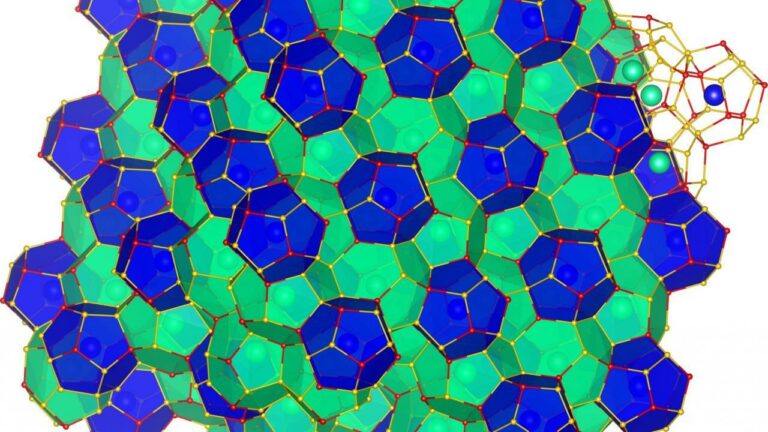
Researchers at UC Davis and Iowa State University recently received a $700,000 grant from the U.S. Department of Energy (DOE) to discover and synthesize new clathrates, according to a recent press release. Clathrates are a chemical crystal structure that are known for their cage-like frame. The word ‘clathrate’ comes from the latin word Clathratus meaning ‘with bars,’ or ‘latticed. The researchers aim to explore potential applications of the materials, from better cooling for computers and cars to renewable energy options, as well as simply the base rules that define clathrate structures and properties.

Davide Donadio, an associate professor in the Department of Chemistry at UC Davis and the principal investigator for the project, explained that clathrate crystals consist of two parts: a frame that forms the titular “cages,” and the “guest atoms” that reside within the cages.

The physical properties of the clathrates change depending on the atoms forming the cage structure and the guest atoms trapped within. They can exist naturally, as in water and methane, as well as through synthesis in labs.

“You have so many ways of designing these materials, from a chemical standpoint, to achieve different properties — the chemical space is pretty wide,” Donadio said. “You have to satisfy some chemical rules, you need to form covalent bonds, but there are a lot of possible realizations.”

Specifically, Donadio and Kirill Kovnir, an associate professor of chemistry at Iowa State University partnering with Donadio, will seek to synthesize clathrates built from type III-V and II-VI atoms, with alkaline-earth metal atoms in the cages. But according to Donadio, there’s lots of theoretical modeling that goes on before any clathrates are synthesized.

“My work is theoretical, and I think one of the strengths of this proposal is that my theoretical work is intertwined with experimental work by Kirill,” Donadio said. “So my group will set up a model to predict the stability of clathrates with a given chemical composition.”

Donadio elaborated, saying that they do this by modeling the interaction among the atoms a material is composed of in different ways depending on the properties they want to look at — things like if it’s a semiconductor, the stability it’ll have, the vibrations of the particles and so on. However, doing these calculations can be very time consuming and computationally expensive.

“Doing calculations to determine properties […] a simple material goes pretty fast, I can do it on my laptop,” Donadio said. “But when I start to simulate a more complex material like these clathrates, some of these have like 260 atoms, or a multiple of those, so machine learning is a way of speeding up complex calculations.”

According to Donadio, machine learning allows them to train a machine based on known calculations, to be able to predict the properties of new structures without going through all of the electronic structure calculations.

Zekun Chen, a third-year Ph.D. student in the chemistry department at UC Davis working for Donadio, and a machine learning expert, discussed the role machine learning has played in clathrate research.

“Machine learning is keen at inferring structure-property relations from the trend of known data,” Chen said via email. “Our goal is to build predictive machine learning models based on available data of thousands of known compounds. [We can then] apply them to make predictions on renovative clathrate materials.”

Chen went on to explain the value of these predictions.

“These predictions are important because they can help us understand the fundamental principles of this group of clathrates,” Chen said via email. “Meanwhile, once sufficiently developed, this machine learning workflow can be extendable to study other classes of materials. Thus, machine learning can be helpful in material discovery in general.”

Donadio said that synthetic clathrates have been around for a while, but in a limited way, with most of the frames being made out of silicone, carbon, germanium and tin — all in the same column of the periodic table. But Kirill’s experimental efforts allowed him to synthesize clathrates with different elements, opening up the path to future research with a more diverse array of clathrates.

These new clathrates, if successfully synthesized, have many possible future applications, including in the field of energy through thermoelectric energy conversion.

According to the press release about the grant, thermoelectric materials can both “offer a fix for overheating” by transferring excess heat away from electronics and convert heat into electricity.

Susan Kauzlarich, a distinguished professor in the Department of Chemistry at UC Davis who does experimental research centered around new thermoelectric materials, said that this works through what’s called “temperature gradients.”

“You have temperature gradients everywhere — the difference in temperature between the air and your skin, that’s a gradient,” Kauzlarich said. “You can use a temperature gradient to create electricity because the carriers, which are electrons, carry heat, and move from a ‘hot side’ to a ‘cold side,’ and that’s how electrical current is generated.”

According to Kauzlarich, thermoelectric materials can convert a temperature gradient into electricity, or an electrical current can be put into those materials and they will generate a temperature gradient.

She went on to explain how clathrates are involved in the conversation and research around thermoelectrics.

“For a really good thermoelectric material, you have to maintain a temperature gradient, so you want something that does not conduct heat very well,” Kauzlarich said. “And that’s what clathrates do in general; many clathrates don’t conduct heat very well.”

Donadio went on to say that apart from thermoelectrics, there are also applications in batteries to make solid-state electrolytes to replace current plastics, for the sake of safety and efficiency. However, he said that application is not their project’s main goal — rather, they’re simply seeking to discover what clathrates can be synthesized, and what chemical rules define their stability and properties.

“We want to explore the chemical space to find new clathrates with possibly unprecedented properties,” Donadio said. “[…] If we find something with very low thermal conductivity and decent electronic properties, then it could be a good candidate for thermoelectrics, but we’re not focusing on that.”

Donadio and Kovnir’s research is inherently interdisciplinary, and Donadio described how that has been essential to the project.

“The research we do in my group is really across the boundary of chemistry, physics, and materials science,” Donadio said. “We are using methods that have been developed by physicists, and we are applying them to a chemical problem. On top of that, we have all this new artificial intelligence that really plays an important role in this project.”

Kauzlarich emphasized the support the chemistry department has for Donadio’s research and the potential of new discoveries.

“We’re all very excited […], and I know that he’ll make great progress looking at these, because again, there’s so many different combinations that you can have, and finding the best ones is like finding a needle in the haystack,” Kauzlarich said. “So I’m sure that his contributions to the area will help experimentalists everywhere.”


Written by: Sonora Slater — science@theaggie.org

The Aggies stamp their season finale with a playoff berth

0

UC Davis tops rival school Sacramento State in thrilling fashion

By MARLON ROLON — sports@theaggie.org


With an attendance of 869, emotions were high for the remaining seniors on the UC Davis soccer team as this particular game marked their last home game on the pitch under the UC Davis emblom. Stakes were high against bitter rivals, the Sacramento State Hornets, as a playoff spot was on the line.

Fans from both teams filled the seats in Davis, meanwhile, the home crowd was there to show their support to the remaining seven seniors: goalkeeper Derrek Chan, defenders Sean Cooper, Jake Haupt, Kaleb Schirmacher and midfielders Grant Fidler, Emmanuel Doherty and forward Robert Mejia.

“First and foremost at UC Davis we are student-athletes. These guys are outstanding people; they’re outstanding young men, [have] great character [and] they’re super smart kids. They’re a pleasure to work with daily,” head coach Dwayne Shaffer said following the game. “A great group of young men, they’ve brought every bit of determination, effort, heart to the program. They’ve worked hard, they had great careers during their run. It’s been an awesome experience.”

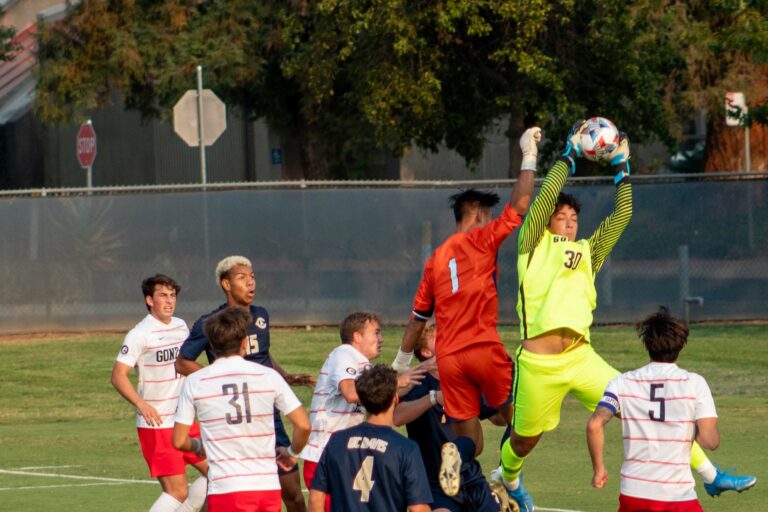
The host team, UC Davis overcame adversity with Mejia’s game winner to clinch a playoff berth in the Big West. After being down 1-0, the Aggies stormed back to tie the game with a goal from senior Schirmacher before the half. Senior Mejia secured the win for the Aggies in the 54th minute with his emotional game winner.

“It meant a lot. The crowd definitely went crazy and that just made it 10 times more special. My teammates were completely excited,” Mejia said after the game. “It was surreal for sure.”

The Aggies finished their season 8-9-1 overall and 4-4-1 in conference games. Causeway rival Sacramento State came into the matchup needing a win or draw to make the playoffs. As their season came to a close they finished with a record of 5-10-3 overall and 3-4-2 in conference play.

UC Davis dominated the first half of the game as they came out looking to make a statement offensively. The Aggies controlled the pace with their midfielders feeding the forwards while coming close to finding the net.

Davis contained the Hornets on their side of the field as Sacramento played defensively for most of the half. That is until the Hornets came away in a breakaway opportunity, striker Jhared Willcot drove into the box past the defense and shot toward the right post. The Aggies goalkeeper, Charles Janssen initially blocked the shot while Sacramento’s Christo Cervantes poached the ball off a rebound into the back of the net to make it 1-0 in the 38th minute.

The home team seemed to be in trouble, desperately needing a goal before the half to cut the deficit. Their needs were met with defender Schirmacher breaking through the Hornet defense for the equalizer right before the half ended as the home crowd was ecstatic.

The second half was more of a competitive battle with Sacramento State pushing the tempo. With the Hornets applying more effort offensively, that created openings for Davis in the counter attack. The Aggies’ Mejia stepped up by dribbling the ball with brilliance past the defenders to get inside the box and score a beautiful goal that would eventually seal the game for the Aggies.

“I’m thankful everyday that these coaches gave me a chance, Dwayne and Jason, they gave me a chance to play here. I’ll always be indebted to them. Soccer is a rollercoaster, you win some, you lose some,” Mejia said. “I’ve had a wonderful career here. We’ve done many good things. We’ve won the first Big West championship so I’m happy that we get a chance to do that again.”

The UC Davis soccer team qualified for the postseason as the fifth seed due to UC Riverside’s 2-1 loss to UC San Diego.

“Everybody in the Big West is really good and so it doesn’t really matter who we play. Coach Shaffer said after the game. “We’re going on the road, and we’ve been a good road team during my career. We’ll be well prepared, ready to go and looking to defend our Big West crown.”


Season Review

The 2021 regular season has come to a conclusion for the UC Davis soccer team. The season can be described as a rollercoaster with many ups and downs throughout the journey within the season. The Aggies, who were coming in with high expectations after winning the Big West tournament with 13 wins in 2019, did not emulate the win total; however, they did reach the postseason with eight wins.

UC Davis started their rollercoaster season on the ground with five straight losses which hadn’t happened since 2010. This is not what any one expected from the defending Big West Champions. Davis wasn’t short of talent, this team had many of the talented players from the brillant 2019 championship team. They were collectively out of sync after a year hiatus due to the cancellation of the 2020 season because of the current pandemic and were dealt with bounces that didn’t go their way.

Being 0-5 was the low point and their record indicated that a playoff berth would be difficult. However, the team answered with five straight wins to even their record at 5-5. To show those wins weren’t a fluke, they scored 12 goals, and their stingy defense only allowed one goal. Their rollercoaster ride was on the up as the defending champions’ chemistry began to click.

However, their ride came back down in the following game where they lost to UC Santa Barbara 4-1. Their biggest win came against Cal State Northridge by a margin of 5-0, which marked their highest scoring game of the season. The Aggies showed inconsistency in the games to follow, ultimately closing out the season with a win and a playoff berth as the fifth seed against cross town rivals Sacramento State. They finished with a record of 8-9-1 while qualifying for the Big West for the 10th consecutive year in a row.

Perhaps a combination of things was the reason for their slow start; however, they showed toughness and grit led by their seniors and finished the season strong.

Although this was the last season for seven seniors on this team, the future for the soccer program at UC Davis is bright.

Regarding the next generation of players, coach Shaffer said, “We’ve got a group of young players in the program, and they’re learning from the seniors, and so the future always looks bright.”

With breakout sophomore Maximilian Arfsten, who was the leading scorer for the Aggies with seven goals and six assists, the program is in good hands. In addition, a young player to look out for is sophomore Ryan Dieter who had two goals with one assist in the season. Midfielder Dieter is creative in the middle of the pitch; he’s fast and elusive with a good soccer IQ and can distribute the ball effortlessly. Another player to keep an eye on is freshman Keegan Walwyn-Bent; the forward netted the ball twice, adding one assist. Walwyn-Bent is extremely fast with good inside the box movement who has a knack for getting open.

The season is not over just yet, as the reigning and defending champions have an opportunity to repeat as they get ready for the playoffs.

“This is our 10th year in a row that we’ve qualified for the Big West tournament. As everybody can see, it’s extremely difficult to do that but we’ve done it 10 years in a row. Everybody wants to win a national championship that’s really tough to do,” coach Shaffer said in the season finale. “Our goal is to win a national title, but in order to do so, you have to get into the Big West tournament to even give yourself a shot at it, and so that’s what we’ve done. Here we go on Wednesday; we’ll find out who we’ll play, and [there’s] just excitement in the air.”


Written by: Marlon Rolon — sports@theaggie.org

The Aggies turn in a dominating performance en route to victory over UC San Diego

0

UC Davis reaches 10 wins for the first time since 2015


By MARLON ROLON — sports@theaggie.org


For the three seniors on the UC Davis women’s soccer team roster, goalkeeper Nicki Rucki, midfielder Emma Hasco and defender Janessa Staab, this game would be their last to don the Aggies blue and gold uniforms. The home team proved to be too much as UC San Diego succumbed to the pressure, falling 3-1 to close out the season.

“Our seniors are everything, they’re always at the core of every great successful team,” head coach Tracy Hamm said after the game. “They’re just great people also and they’re all charismatic in their own way and they each bring something unique to the team in their own way and to the team so we were really lucky to have such a great group of seniors that got us a 10 win season and finished the season out on top with a win.”

The Aggies dominated early with a brilliant cross into the box from Emma Vane to Hasco in which she then found the back of the net to take the 1-0 lead within the first 10 minutes of regulation. It was Hasco’s third goal of the season as the senior turned in an excellent performance in her last outing on the pitch as an Aggie.

UC San Diego would answer back with a superb finish by Sophia Bruno in the 29th minute to equalize the score making it 1-1 before closing out the half.

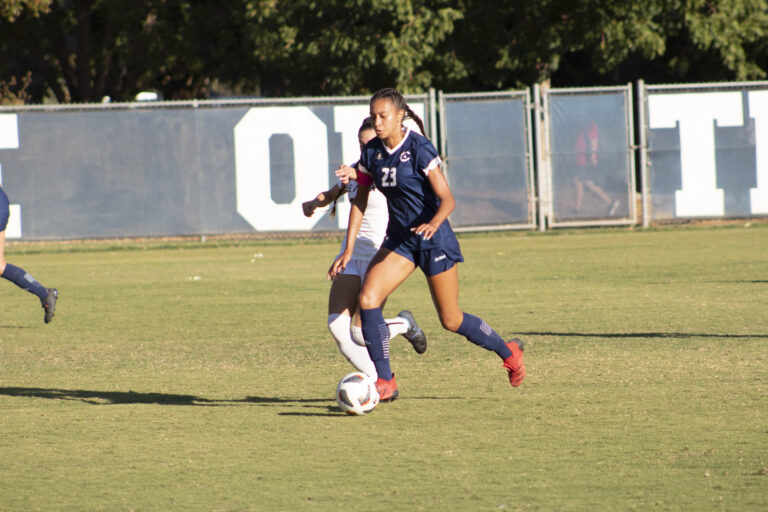
In the second half of the match, UC Davis came out blazing, seeking to make a statement with Vane again making her presence felt, assisting the team’s leading scorer Leslie Ferguso with a cross. The talented and elusive Ferguso did not forgive on the pitch as she headed the ball toward the right post scoring the second goal of the match for the Aggies, making it 2-1.

In the 69th minute, Ferguso returned the favor with an assist to Vane who finished with brilliance to put the game out of reach making it 3-1.

The Aggies finished their season with a record of 10-8 and going 5-5 in conference play. UC Davis finished the game with 27 shots while their defense allowed eight shots. Ferguso finished the season with an impressive seven tallies, making her the leading scorer of the team. UC Davis looks to build on their 10 wins next season with a new generation of players looking to cement their legacy within the program.

“I think as a coach that’s what you look forward to the most, the key relationships on the field between players and who helps each other be successful and who highlights each other’s strengths,” Coach Hamm said. “We’ve definitely found some pretty dynamic duos and some dynamic trios on the field at the same time that are really going to be hard to stop moving forward.”


A reflection of the 2021 season

Closing out the season with 10 wins is considered a success for the program when looking back at their last couple of years. This season is something they can build on heading into next season with their younger players eager to get more playing time. Even after being removed from the game for an entire year due to unforeseen circumstances, the growth of the team was astonishing to watch.

Coach Hamm spoke briefly about what this season meant after the cancellation of the 2020 season.

“I think there was just always a great energy about being on the field and really appreciating what we have and being grateful for the opportunity to even compete, and I think we had a lot of time to really invest in each other as people which I think translated to our ability to compete on the field together and have a successful year,” coach Hamm said.

The team kicked off the season with a record of two wins and three losses raising questions about the direction of the team. However, according to coach Hamm, she never stopped believing in her squad which resulted in the team playing hard for their beloved coach. The following game, the Aggies flourished with a four goal performance against Idaho State routing them 4-0.

UC Davis built on that moral victory, beating the likes of their rival school Sacramento State, Saint Mary’s, CSU Bakersfield and CSU Northridge, claiming five wins in a row.

For the rest of the way, UC Davis’ women’s team alternated loses and wins resulting in their 10-8 overall record.

The team had three seniors that were fundamental pieces to the team’s success. Those three players: goalkeeper Rucki, midfielder Hasco and defender Staab were seen as the embodiment of what it means to be an Aggie. They showed heart, determination, leadership and resilience.

“We have a lot to look forward to,” coach Hamm said. “The seniors definitely left the program better than they found it, which is fantastic. There’s a lot of room for growth and development but we’ve really got a young team, and we’ve got a lot of experience now moving forward learning how to win and learning how to be consistent, so I think the future is very bright.”

The program in Davis has a lot to look forward to being rich in talent with the likes of midfielders Ferguso, Risa Yamada leading the way while proving to be an elite combination scoring a combined 13 goals. The duo also proved to be capable of facilitating the ball with a combined 12 assists between the pair.

Another rising star within the program is San Jose native Vane, occupying the striker position. The freshman found the back of the net four times while assisting teammates on three occasions. Vane’s partner up front also includes freshman out of Chino Hills, Calif., Sammie Ruelas, who proved to be a great asset to the team, scoring three goals and adding three assists. The future in the striker position looks very bright with two young prospects gaining valuable experience during their freshmen seasons.

UC Davis is loaded with young talent in a program that seems to be flourishing. Be on the look out for this new generation of players looking to make a splash next season after earning 10-wins, a feat that hadn’t happened since 2015.


Written by: Marlon Rolon — sports@theaggie.org

Community leaders reflect on importance of Filipino American History Month

0

Eight UC Davis Filipino cultural organizations help students feel connected to their heritage


By JELENA LAPUZ — features@theaggie.org


Filipino Americans celebrated October as Filipino American History Month. Various community leaders from different Filipino organizations on campus discussed their experience with Filipino American identity and the importance of Filipino American History Month.

Ian Guzman, a fourth-year neurobiology, physiology and behavior major and vice president of Filipinos in Liberal Arts and Humanities (FILAH), explained that FILAH promotes self-expression through the arts, such as singing, dancing, art and photography.

Guzman described his experience adapting to living in the U.S. after growing up in the Philippines.

“Living in the U.S. is definitely different than living in the Philippines because in the Philippines, you have a lot of your [extended] family around you,” Guzman said. “Living in the U.S., you’re just with your [immediate] family. You learn to be more independent.”

Guzman described that living in a new country was confusing at first.

“I felt kind of small compared to other people,” Guzman said. “As a Filipino living in the Philippines, I know where to go. In the U.S., I don’t know where to go or what to do.”

Guzman explained that having support from the Filipino American community on campus helped him to stay more present in his Filipino American identity.

“One thing I experienced was homesickness,” Guzman said. “I miss having my family and close friends around me. Having Filipino organizations here on campus is a really great way for Filipinos who grew up here to get more involved in the Filipino community and learn about our culture.”

UC Davis alumnus Wesley Sosa, who was previously the communications team lead at the Bulosan Center for Filipino Studies and the identity development coordinator at BRIDGE: Pilipinx Outreach and Retention, described his personal experience with his Filipino American identity.

“Initially, with my Filipino American identity, I didn’t really care about it because I considered myself Filipino first, considering I was born and raised in the Philippines,” Sosa said. “As I got to college and [became more involved with] Filipino American organizations, [I realized] the importance and value I have for Filipino American identity.”

Sosa explained the variety of experiences different Filipino Americans have.

“The Filipino American identity is not monolithic,” Sosa said. “Serving the Filipino American community, one of the things I realized is that Filipino Americans are different from Filipino immigrants in some capacity. Sometimes, there’s also a divide between Filipino immigrants and those who are born and raised here who are second-generation immigrants.”

Sosa added a final comment regarding the Filipino American experience.

“There is no one single correct way to be Filipino American,” Sosa said.

Third-year Asian American studies major, and gender, sexuality and women’s studies and education double minor Mattia Sayson, who is also the community cultural chair for Mga Kapatid and a community youth development coordinator for BRIDGE: Pilipinx Outreach and Retention, described her experience as a Filipinx American woman.

“Something that really hits home for me is the saying, ‘No history, no self, know history, know self,’” Sayson said. “For me, that really centers this idea of how necessary it is to understand where we came from and our roots, our ancestors and their story, and how that’s connected to who we are as individuals.”

Sayson said that her identity is constantly changing.

“My identity as a Filipinx American woman is constantly changing just because of how I come to define what that means to me,” Sayson said. “As I continue to grow, heal, unlearn and understand what it means to be Filipinx American, whether that’s in the context of living in America, whether that’s in the context of unpacking the stories and the backgrounds of my parents and my grandparents, I take a piece of what I learned from my community, now and in the past and really hold on to that.”

Sayson said that there are eight Filipino organizations on campus, which all serve unique purposes in the Davis community.

“There are eight organizations here on campus within the Filipino American community,” Sayson said. “I think what’s really special about our community and the different spaces is that while there are different spaces to target different interests and different focuses, whether that’s health careers or arts and humanities or religion, these conversations in these spaces are really open to anyone.”

Sayson shared why October is such an important time for all to remember Filipino American heritage.

“This month is a reminder that we have so much to celebrate because we would not be here without the legacies and the histories before us,” Sayson said. “October is only one chance to do that. Every chance we get, we should really celebrate our history and our story.”


Written By: Jelena Lapuz — features@theaggie.org


Correction: An earlier version of this story featured in our print issue included the incorrect graphic. The versions on our website and our digital issue have been updated to correct the error.

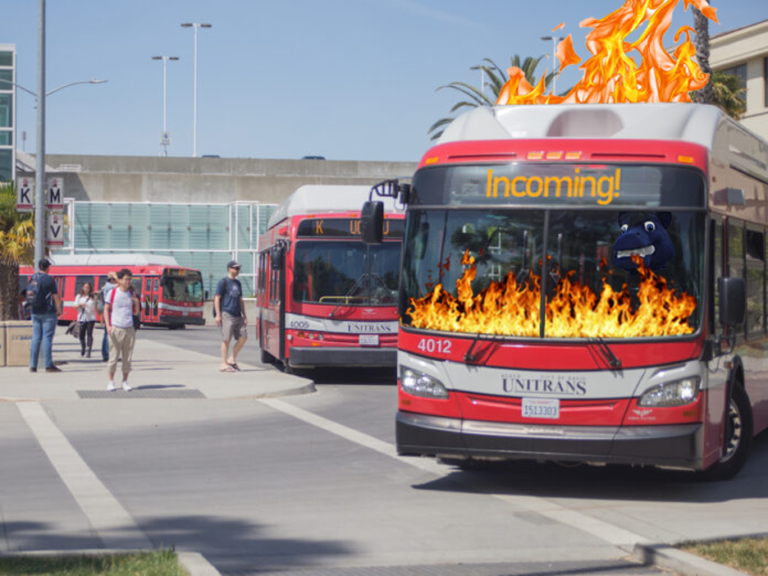
Due to driver shortages, Unitrans allows just anyone to drive the buses

0

“Crashes are up 300%, but hey, at least I’ll make it to class on time”


By IAN COSNER — iacosner@ucdavis.edu


Labor shortages have hit the country hard, and UC Davis is no exception. Unitrans, everyone’s favorite red buses — and the one blue bus everyone hates — is now facing a labor shortage.

Unitrans isn’t the only organization struggling to find new students to make a profit off of. The CoHo, Silo and even the UC Davis Dairy Facilities are all under-staffed, much to the surprise of the administration.

“I mean, who wouldn’t want to wake up at 4 a.m. to shovel cow manure for $7.50 an hour? I mean, I wouldn’t — but that’s just me,” a UCD administrative worker said.

Whether it’s due to unlivable wages, poor working conditions or the army of Karens trying to tell you what your job is, students have had enough. This country is at the precipice of great change and organizations are faced with an ultimatum: Keep struggling to make a profit  by squeezing the life out of an exhausted, under-staffed labor force or just pay people living wages.

So starting this quarter, ASUCD has fired all Unitrans staff and started a new “Bring Your Own Driver” or B.Y.O.D. program where every bus is now up for grabs. You heard us right — now any student with a UCD ID can hop on a bus and drive it to any location of their choice, regardless of having the legally mandated commercial vehicle driver’s license.

So what does that mean for your local commute to school and back? Well, now if you find a bus, which in itself will be a herculean achievement, it’s first-come, first-served for whoever wants to drive it.

And don’t worry If you find yourself at odds with another passenger. Whoever gets to drive the bus is determined by a game of rock, paper, scissors, in which the winner gets to drive and the loser is thrown out of the bus at high speed. If you find yourself alone, feel free to drive the bus to the location of your desire to the best of your abilities.

While the university would like to politely ask you to stop for your fellow students and take them to their locations as well, you have full reign of the bus and are never legally required to do anything. Drive it on campus if you like, through the Arboretum, heck, even into Putah Creek if you’re so inclined. The potential for adventure is as limitless as the potential for irreversible property damage.

While the university has lost hundreds of thousands on crashed buses, streets are now littered with run-over bikes and skateboards and 90% of the student body is unable to attend school due to bus-related or bus-adjacent accidents, the university refuses to rehire the Unitrans staff.

So while we may live in a bus hellscape filled with vehicular manslaughter and to-the-death duels of rock, paper, scissors, close your eyes and think back on how lucky we are to have an in-person quarter this year. And keep thinking that when you’re inevitably sent flying into the Arboretum by a freshman listening to AirPods while driving a double-decker through the Art Building.


Written by: Ian Cosner — iacosner@ucdavis.edu 


Disclaimer: (This article is humor and/or satire, and it’s content is purely fictional. The story and/or names of “sources” are fictionalized.)

Hippocampus links separate events into single narrative

UC Davis Center for Neuroscience explores potential clinical application to Alzheimer’s disease


By AARYA GUPTA — science@theaggie.org


UC Davis researchers from the Center for Neuroscience conducted a brain imaging study exploring the role of the hippocampus in linking separate events into a single narrative. This paper was published in Current Biology.

Neuroscience M.D-Ph. D. student Brendan Cohn-Sheehy said via email that the hippocampus plays an important role in episodic memory, which is “our ability to form and then retrieve memories that are linked to specific times.”

“We’ve known for some time that the hippocampus can form memories for specific events, that is, information that takes place during a specific period of time,” Cohn-Sheehy said. “But we got to thinking that to some degree, that isn’t the full story.”

Researchers began pondering why it would be beneficial to keep all life events separated in our memory, Cohn-Sheehy said.

Dr. Charan Ranganath, professor of psychology and head of the Dynamic Memory Lab, said that at the crux of this research lies the following question: how is information put together in memory?

“We actually wrote and recorded some short audio stories which served as our experimental stimulus, which was a pretty fun task,” Cohn-Sheehy said.

For example, participants might have listened to a fictional story about Charles, a photojournalist trying to get his big break. However, the participants were unaware that the experimental conditions actually involved the side-characters that were mentioned in the story.

“It’s kind of like when a side-character in a sitcom […] shows up at a couple different points in a TV show, and although their appearances are separated, they might form one larger narrative,” Cohn-Sheehy said. “We did the same thing in our stories […] Side-characters would show up in separated events that were unrelated to the surrounding stories, and which could either form one larger narrative or not.”

To collect data, researchers used magnetic resonance imaging, or MRI, to scan the participants’ brains on the day they listened to the stories and on the subsequent day, when participants were expected to recall every detail they could remember.

“[W]e analyzed brain activity by isolating the unique map of activity in the hippocampus at any given point in time and how similar this pattern was between events that formed one narrative, versus events that did not,” Cohn-Sheehy said.

Cohn-Sheehy emphasized that the pattern similarity informs researchers about how much the hippocampus supported information that could link separate events into a narrative.

The idea that separate memories are created by the hippocampus for different

experiences had by an individual is emphasized across many theories in neuroscience, Ranganath said via email. However, according to him, humans intuitively violate this idea, drawing light to the hippocampus.

“[W]hen we recall information from the past, we often put together information from separate events into a seamless narrative,” Ranganath said. “For instance, if you ran into a friend walking into a sketchy restaurant and later that day she complains that she got food poisoning, you would be likely to put that information together into a single narrative.”

Researchers hypothesized that the hippocampus may be responsible for forming linkages between information from the past with information in the present to build narratives.

“We found that when people were listening to events in these stories, when two of these side-character events could form one larger narrative, the hippocampus had more similar patterns of activity between those two events, compared to two side-character events which could not form one larger narrative,” Cohn-Sheehy said.

The results also have built on previous behavioral studies.

“One application of this research is that it helps us take what we know about memory into the real world,” Ranganath said.

Cohn-Sheehy agreed, adding that there is a potential clinical application.

“This research was done in healthy young adults,” Cohn-Sheehy said. “But we want to see whether similar effects carry to older adults, that is, do narratives play the same role in real-life memory across the lifespan […] If we build on research like this to develop more realistic, sensitive memory tests, maybe we’ll be able to develop better early screening tests for Alzheimer’s and other memory disorders.”

Ranganath further explained that this study explores the role of narratives in near-life memory by using a task that tests memory in a way that mimics how humans recall events in the real world.

“For instance, most adults over the age of 50, unlike college students, don’t spend their days studying meaningless information in anticipation of a test,” Ranganath said. “When older adults do badly on a memory test, we don’t know if that is because they have a memory problem or that they are just bad test takers.”

Undergraduate research assistants were integral to this project, Cohn-Sheehy said.

“We had undergraduate research assistants who were blinded to the study hypotheses and conditions score how many details participants remembered,” Cohn-Sheehy said.

Cohn-Sheehy encourages students to get involved.

“As a Neurobiology, Physiology and Behavior major, I learn a lot about biological and chemical principles in my classes,” third year Tyler Cunningham said. “Research like this excites me because I get to learn more about the mechanisms behind these principles and then see their application to help solve-real world problems.”

This research involves cognitive neuroscience, a field that explores how humans experience the world around us and how our brain supports that, according to Cohn-Sheehy.


Written by: Aarya Gupta — science@theaggie.org


Upcoming events in Davis

Live musical performances, a holiday market and more to check out in Davis this November


By ANGIE CUMMINGS — arts@theaggie.org


“Berlin PianoPercussion: Copland, Nichols, Seither, García” (Ann E. Pitzer Center, 3:00 p.m. to 4:15 p.m. on Nov. 13):

If you have an interest in contemporary music and ensemble performances, this combination of two renowned pianists and percussionists is something you will not want to miss. Featuring UC Davis’ own associate music professor Sam Nichols, students have the chance to see a faculty member’s teachings in action during this exciting musical ensemble. Tickets for students are $12.


Pence Gallery’s Annual Holiday Market (212 D St, Public reception 6:00 p.m. to 9:00 p.m. on Nov. 12):

Each year the Pence Gallery holds a holiday market full of perfectly giftable pieces of art, all from local artists, in addition to a large collection of donated vintage jewelry. Even though the market is open until Dec. 24, be sure to head over early to get first dibs on some adorable ceramics, beautifully woven scarves, small sculptures and more.


“Tim Bluhm and the Coffis Brothers with The Sam Chase & the Untraditional” (Sudwerk Brewing Co., 6:00 p.m to 10:00 p.m. on Nov. 13):

This amalgamation of talented soul artists are coming together for what is set to be an unforgettable show at one of Davis’ top brewing companies. Tickets are $18, and while you do have to be over 21 to partake in what Sudwerk has to offer, the music is open to all ages, so get them while you still can.


“Wayang Bali – Indonesian Shadow Puppet Play” (Courtyard outside the Mondavi Center, 7:00 p.m. on Nov. 19):

For just $12 per ticket, students have the chance to see the beauty of this traditional Balinese art form in person. This “symbol of the cosmos” combines music and shadow puppets to tell historical mythological stories, all the while being told in both English and the traditional Wayang Bali ancient language. This performance is being put on in conjunction with the “Rethinking the History of Indonesian Music” conference.


“Pamuya Performance” (Jackson Hall, 2:00 p.m. on Nov. 21):

This group of dancers formed in 1995, and have since essentially created their own genre of “Inuit soul music.” This energetic synthesis of dance and music has elements of traditional indigenous drum dancing and contemporary R&B melodies, creating an exciting new presentation of their culture and talents as artists. Tickets for students start at $10.


“Jazz Bands of UC Davis” (Ann E. Pitzer Center, 7:00 p.m. on Nov. 30):

This event is a chance for anyone to go support their fellow Aggies showcasing their immense musical talents. It is hard to imagine any jazz concert being boring, let alone one performed by students, for students, featuring all of UC Davis’ multiple jazz bands—this is sure to be an exciting Tuesday night that only costs $12 per person.


Written by: Angie Cummings — arts@theaggie.org

‘Tis the season for cozy activities

The Editorial Board shares our fall favorites


Anjini Venugopal, Editor-in-Chief

Growing up, rainy days often meant one of two things — my mom bringing home soup or my dad bringing home samosas. With rainy days in somewhat short supply of late, I’ll accept a cloudy day instead of a storm as a reason to get a bowl of autumn squash soup (I haven’t found my go-to place for samosas in Davis just yet). Fall is my favorite season, and why wouldn’t it be? It’s the season of knit sweaters, corduroy pants, apple cider, pumpkin pie and falling leaves, but that doesn’t mean it doesn’t feel gloomy at times. To cheer myself up, my snack of choice — to quote Adam Driver — is good soup.


Margo Rosenbaum, Managing Editor

I’m not much of a coffee drinker, and every fall, instead of sipping pumpkin spice lattes, I go crazy for tea. It’s a little tradition my housemate of four years and I have created together. We love picking out new teas to try together, and surprising one another with a steaming cup while the other is studying. Tea is my perfect study treat — not too much caffeine but just enough to lift my heavy eyes aching for a mid-morning or afternoon nap. If I need a caffeine boost, my go-to is chai with a dash of oat milk and cinnamon sprinkled on top. But one of my favorite times to drink tea is in the evening, when it’s cold and all I want to do is curl up under a knit blanket and watch nature documentaries. At night, I don’t need caffeine, so I drink herbal teas (yes, I’m a fraudulent tea-lover, I know). I love the classics, like peppermint or chamomile with honey, but one of my new favorites is blackberry pomegranate Sleepytime tea — a perfect cup before bed.


Sophie Dewees, Campus News Editor

Fall is easily my favorite season for baking. Among the many delicious recipes that come with the season, such as pumpkin and pecan pie and apple turnovers, pumpkin chocolate chip muffins are by far my favorite thing to make. Since baking them for the first time in my first grade class, I have pulled them out of the recipe book almost every year as soon as the leaves start to change color. Whether I’m making them from scratch (using my first-grade recipe) or using the Trader Joe’s box mix, there’s something about the blend of spices and sweetness that is both homey and a bit nostalgic for me. Paired with a cup of coffee or eaten on their own, they are the perfect treat to celebrate the changing of the seasons.


Maddie Payne, City News Editor

From kindergarten up until sophomore year of college, my favorite fall activity on chilly Saturday mornings was playing soccer: Nothing’s better to a five-year-old goalie than diving in the mud during a rainy day match and celebrating afterwards with a warm Swiss Miss hot chocolate from the snack booth. But now that my weekends aren’t filled with games and tournaments anymore, I’ve found another way to enjoy dreary fall days without compromising my time outdoors — hiking in the rain. While it can be hard to get out the door when it’s drizzling and 50 degrees, once you make it to the trailhead, the same old hikes are completely transformed: The paths are empty with people trying to avoid the bad weather and the foliage takes on a whole new beautiful glow under the gloss of rain. One of the best feelings upon returning home is that warm toasty feeling immediately when you step inside, reminding you that your day was well spent surrounded by nature, even if it meant getting a little muddy.


Eden Winniford, Opinion Editor

Every fall, I love curling up to the Great British Baking Show and drinking hot apple cider (bonus points if I’m sitting by a fireplace). I make most of my Christmas gifts by hand, so I’ll usually sew stuffed animals or work on other presents as I watch. November is also the start of clementine season, so I’ll always have a pile of Cuties on the table next to me. Even though I don’t love chilly weather, fall is a perfect time to relax, do some projects and catch up on cheesy reality TV.


Katie DeBenedetti, Features Editor

I’m not afraid to admit that contrary to popular opinion, the dreary, rainy fall weather is my favorite. Every October I obsessively check my weather app, desperately waiting for the first 60-degree day to show up on my 10-day forecast. So, I welcome pretty much all things fall and cozy. Chunky sweaters, hot coffee, fuzzy socks — what’s not to love? But my absolute favorite activity for a rainy day is cozying up on my bed, lighting some pumpkin spice candles and reading a book. Not a school-assigned, metaphor-rich, annotated book, but some fiction that lets me enter another world entirely. Most recently, my favorite has been “This Is How It Always Is” by Laurie Frankel, but “A Visit from the Goon Squad” by Jennifer Egan or anything by Taylor Jenkins Reid will always be my go-to recommendations.


Allie Bailey, Arts and Culture Editor

I have such mixed feelings about gloomy days — on the one hand, they make for a great excuse to treat yourself to a fall-flavored drink and emulate the main character in a Hallmark movie, but on the other, sometimes no amount of overpriced coffee can make up for a cold, dreary morning. So I can’t say I have a foolproof way to make every gray day a great one, but I do think I’m onto something with the corny Christmas movies: Listen to some jazz, throw on your favorite sweater, beanie or scarf, get a PSL and gaze out the window at the rain while you pretend to do your homework. Dark, dismal days are the perfect opportunity to romanticize your life. There’s a chance this will just make you feel worse (was that graham cracker latte with oat milk really worth seven bucks?), but I did say it wasn’t foolproof.


Omar Navarro, Sports Editor

Because I’m not a fan of the cold weather or the rain, this season sometimes feels endless and honestly pretty dull. But, one of the only bright spots I see in fall is that it is probably the apex of the sports season. There is so much going on in baseball, basketball, football and soccer that it feels like something is happening every day. When school or life gets hectic, I look forward to Sundays where I can decompress and just watch football all day or catch whatever great game is scheduled in basketball and other sports while eating whatever food comes to mind at the moment. It may seem very on brand for me, but having the ability to get away for a couple hours, talk with friends and engage with people on social media is something that I find myself needing more during this time.


Michelle Wong, Science Editor 

While the fall weather often has me taking shelter at home, this means my housemates — who share my aversion to the cold — will be huddled in our apartment as well. In the midst of academics and extracurriculars, I find myself surprised at how little time I spend with the very people I live with. The fall crisp brings with it the prospect of hot pot dinners, puzzling sessions, pumpkin painting, movie nights or whatever we happen to brainstorm that day. These moments remind me that college is more than just studying and working and to slow down and make memories with loved ones. Although the dreary rain and piercing winds are an inconvenience, I’m thankful for the opportunity they give to enjoy the company of friends and appreciate the bonds I have created over the years.


Written by: The Editorial Board