55.7 F
Davis

Davis, California

Tuesday, December 23, 2025
Home Blog Page 250

Effects of climate change and COVID-19 pandemic on mental health

Davis has several resources for mental health accessible to both students and locals

    A survey by the US Census Bureau showed that symptoms of depression or anxiety have increased 11% from 2021 to 2022. Students and members of Yolo County believe climate change and the COVID-19 pandemic may have a toll on mental health.

Cool Homes Campaign Manager Leslie Crenna emphasized how climate change impacts mental health. She explained that people respond differently to climate change; some are overwhelmed, and others are in denial. Many react with paralysis, meaning they continue their usual routine, not knowing what to do.

    “The idea that we are destroying the ecosystem and really putting our livelihoods at threat, and civilization at threat, is incredibly intimidating,” Crenna said. 

    Crenna detailed that the climate change concept can be so overwhelming that people often feel unsure where to start. According to the National Centers for Environmental Information, the average ocean temperature and global land in January 2021 were the seventh highest for January since 1880.    

“It is an emergency. Human beings are not wired for a threat that isn’t super concrete and right in front of us, so it’s hard to wrap our brains around science,” Crenna said.

    Aparna Manoj, co-director of the student-run UC Davis Mental Health Initiative (MHI), discussed efforts taken to support student mental health. MHI has been focusing on running the Mental Health Conference in January and Mental Health Awareness Month during May. They have also been making efforts to host regular events throughout the quarter, like educational workshops. MHI has been working on integrating student voices into campus-related initiatives. 

    “Our workshops tend to be again focused on some sort of intersectional aspect of mental health,” Manoj said.

    Manoj explained how MHI incorporates cultural identities with mental health; during events, the initiative often brings a professional or community member. Students will hear about resources, participate in discussions and engage in activities. 

    Manoj recommends students to find a center related to their specific needs on campus. 

“Make sure you’re seeing a licensed professional or use the center to find other Shillong resources in the community related specifically to counseling,” said Manoj.

On the UC Davis campus, Aggie Public Health Ambassadors (APHAs) address mental health through encouraging others and community building. The APHA program originally started to educate members about making healthy choices during the COVID-19 pandemic. Caroline Dewa, Director of Health Education and Workforce Development of Healthy Davis Together, discussed how the program addresses mental health throughout the pandemic.

“Social distancing and shelter-in-place orders caused social isolation and made it challenging to access mental health resources,” Dewa said. “The pandemic has also been a part of our lives for more than a year and is a source of long-term stress, another factor that impacts mental health.”

Dewa mentioned that the APHA team program puts emphasis on the team to address mental health. The pandemic has lasted for over a year, and it could be a source of stress for many, including staff workers. Members have the opportunity to work and look out for one another, lessening feelings of isolation. 

“This gives the APHAs the mental health resources they need personally which helps them better serve the community and ultimately help others across the campus community to access the resources they need,” Dewa said via email.

Dewa also recommended utilizing resources from Healthy UC Davis Mental and Emotional Well-Being

Written by: Ellie Lee — city@theaggie.org
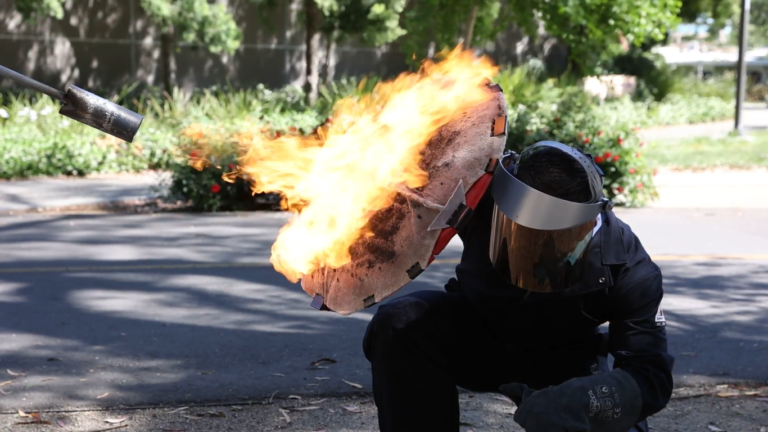
‘Engineering Superheroes’ video series introduces material science to younger generation

New video series combines material engineering concepts and superhero icons for accessible education

    ‘Engineering Superheroes,’ a new Youtube video series with a single crowdfunded pilot episode currently released, seeks to introduce elementary school students to material engineering through exploring the science behind their favorite superheroes. 

Ricardo Castro, a professor in the Department of Material Science and Engineering at UC Davis, created the series. Castro has frequently found himself faced with a problem likely relatable to many—the struggle for a teacher to retain students’ attention throughout the entire duration of a lecture. According to Castro, some believe that lectures are simply too long, but he doesn’t think it’s that straightforward. 

“You go watch an Avengers movie that lasts three hours, and there’s undivided attention by everyone,” Castro said. 

While Castro recognizes that there are certain inherent differences between education and entertainment, he believes that a combination of both can be used in classrooms and beyond as a tool of simultaneous engagement and learning. 

In 2015, Castro began teaching a class at UC Davis called “Materials Marvels: Science of Superheroes,” that was aimed at allowing engineers who are primarily trained to think rationally to explore creativity. The class took material science, which, according to ucdavis.edu, is “discovering new materials and integrating them into engineering design,” and encouraged the inclusion of creativity in scientific innovation. 

“Creativity is something that is really the key for any innovation,” Castro said. “You cannot be innovative without creativity. But there are other things you also need—innovation needs the technical background to get it done.”

He went on to explain how superheroes fit into this concept. 

“Superheroes have no boundaries—they can do anything,” Castro said. “We start talking about them, and then you start bringing some concepts of science and technology back into the game. This creates a very big mass in your brain trying to connect; can I actually do this? Can I actually build a Thor hammer that can do what the Thor hammer does? Can I create materials that can only respond to a specific person?”

The course still exists and has even grown in popularity among non-engineering majors. However, Castro wanted to try expanding the concept to K-12 programs, offering an early introduction to STEM. Initially, the idea was to do in-person outreach, but when COVID-19 hit, their thoughts shifted to video. 

“Maybe we should record it, and create a storyline, and within that storyline we bring this concept of explaining the science of superheroes and tricking the audience to learn about those concepts and inspire them,” Castro said. “Say, if this is what you like, if you like Spiderman, if you like Iron Man, maybe you should think about becoming an engineer.”

The next step was to actually implement the idea.

“We ended up doing crowdfunding, and we were able to run a pilot,” Castro said. “After much time, we raised enough money to film the first episode. That was fun, it was exhausting, we filmed the whole thing in one day, but at the end I thought, wow! I have even more appreciation for Tom Cruise now.”

According to the website for Castro’s lab, the Nanoceramics Thermochemistry Laboratory, the first episode discusses the science behind Captain America’s shield, “[presenting] concepts of composite materials, atomic structures and [performing] a fun activity on the mechanical properties of chocolates.”

Isabella Costa, a Ph.D. student in the Material Science and Engineering Department at UC Davis, also participated in the creation of the first video. According to Costa, she collaborated on the script and experiment as well as being part of the cast. 

Costa emphasized that she loves both superheroes and the concept of introducing materials science to students at a younger age, especially as she herself didn’t hear about it until she was already in university studying mechanical engineering. 

“I know a lot of people don’t understand what we do, materials science,” Costa said. “If I had the opportunity that I’m trying to give to people right now, knowing about materials science and knowing what it is, I would’ve picked a different course. I really hope to make a difference.”

Costa went on to explain some of the steps the video went through during creation, with the goal of creating a widely accessible video. 

“We made all the presentations and video in English, but we made sure to include subtitles for other languages,” Costa said. “I also went over the video with my cousins, who are around 11 and 12. I wanted them to watch the video, I wanted them to read the script, and ask them hey, do you understand this? We want to be speaking ‘child language;’ speaking clearly, because these are complicated topics.”

According to Castro and Costa, they have lots of ideas for a second episode and beyond, contingent on audience reaction and access to funding for a continuation of the project. 

“The second episode is based on a little bit more [of] Captain America’s shield, but looking into fire resistance,” Castro said. “We already have all the script for that, we just need the money to do that. So, there are two ways. We are thinking of going crowdfunding again, but also we are approaching the National Science Foundation. They already signed that they are interested in the project, and if we get funds from them it could be like ten episodes!”

    Castro elaborated on his underlying goal for the project, and his belief in combining technical skill with creativity. 

“As always, the goal is to inspire,” Castro said. “We are in a very unique time right now. There’s a lot of new tech out there, and then we start watching videos, and maybe something 20 years ago we thought wow, this is impossible, this is so much nonsense, and now we’re saying hey, it is not nonsense. It’s just whoever came up with the stories was dreaming and being creative.”

    He then elaborated on the process of innovation.

“Maybe the way of developing things is to go back to those crazy ideas and then putting the strings on,” Castro said. “Be creative, and then make it a reality, rather than trying to develop something within the constraint that you have.”

As for Castro’s favorite superhero, you could almost guess that the professor gravitates toward the character that is always striving for new invention and building the technology up to meet his imagination. 

“My favorite superhero has always been Iron Man,” Castro said. “I find he’s a fascinating character, because there is a lot to relate to in terms of engineering. He is the mark of an engineer—not personality-wise, because he’s not a team player and we need team players, although his character evolves. He is my favorite, but all of them have something special.” 

And as for Costa?

“It would have to be Iron Man—his superpower is his brain!” Costa said. 

Written by: Sonora Slater — science@theaggie.org

Letter from the Editor

0

From the 2021–22 Editor-in-Chief

Dear readers, 

Welcome — or welcome back — to the most glorious of college towns. Over the past year, my love for Davis has grown exponentially, and I am thrilled and grateful to be in the position as The California Aggie’s editor-in-chief to share that with you. 

It should not come as a surprise that Forbes ranked our university as the fourth best public university in its America’s Top Colleges List. There is a lot that Davis has to offer, including top-tier academic programs, tight-knit student organizations and hands-on undergraduate research opportunities. And that’s not even mentioning the cows on campus, the sunset from Hutchison, the Davis Greenbelt, the Farmers Market and so much more. 

As The Aggie’s editor-in-chief last year, I was lucky enough to witness the commitment of our staff during the pandemic. In a fully virtual year, we put in hours as staff writers, copy editors, layout artists, graphic designers, new media staffers, photographers and editors to keep the Davis community informed. As many of my peers at The Aggie hear me say on a regular basis, student journalism is vital and I deeply appreciate the collective effort that goes into putting together our newspaper. 

In efforts to strengthen the way in which we serve our community, we’ve made some changes to The Aggie’s operations and  I’m excited to build on them this year. To uphold our autonomy as a student-run publication, we reformed the editor-in-chief selection process; the decision of who should lead our newspaper is now in the hands of The Aggie’s Editorial Board and senior staff. Since the creation of our Outreach and Engagement Board last year, we have held multiple hiring events, published our second annual diversity report and hired an outreach director starting this year. Throughout this year, we will further develop this position and continue to evaluate avenues for growth in terms of outreach. 

My time at Davis has been shaped immensely by The Aggie — even in the few weeks before I joined as a volunteer staff writer in fall quarter of my first year. I recall the excitement of reading the paper cover-to-cover every Thursday and I invite you to do the same this year. We plan to resume our weekly print publication on Sept. 30, and as you navigate being on campus for the first time — or for the first time in over a year — you should take a moment to locate our newspaper racks.  

When you read our paper, you will come across content from our campus news, city news, features, arts and culture, sports and science and technology desks as well as the opinion desk, which operates separately from the rest. Content from the opinion desk includes disclaimers to remind readers of its separation from other sections and that it does not necessarily reflect the views and opinions held by The Aggie. 

Included in the opinion section are our editorials; I’d like to provide some context about them. The Editorial Board strives to provide nuanced opinions on issues that impact the student body, and these editorials reflect the board’s unanimously agreed upon opinions. Seven of this year’s members served on the board last year, and with our two new members, the 2021-22 Editorial Board’s nine members are ready to serve the community this year with grace and an understanding of our role on campus. This seems like a good place to also give a quick shoutout to Sabrina Habchi and Calvin Coffee, our 2021 Ed Board graduates who didn’t get a chance to see their names in print last year, and thank them for their many contributions to The Aggie. 

I encourage you to peruse this Orientation Issue to find out more about all things Davis — be it a preview of our football season, information about events in Sacramento or details about our Best of Davis map project, you can find it here.

In my first letter from the editor a year ago, I wrote that we must continually ask how we can do and be better. Over this past year, I’ve realized that this comes in part from introspection and conversation within our newsroom, but also from feedback from you — our readers. If you have questions, comments or concerns, please do not hesitate to reach me at editor@theaggie.org.

Have a great year, and stay safe Aggies!

Anjini Venugopal

Editor-in-Chief

UC Davis students look forward to in-person instruction this fall

0

Aggies feel excited and nervous as students return to campus for the first time in a year and a half

    Students of every class are preparing for a full year of in-person instruction after a year and a half of online learning. Due to the pandemic, UC Davis students have been taking classes online from all over the world. Now, many students have returned to Davis and are ready to share their excitement and concerns about taking classes in person.

 “I feel like we’re all on the same ground after being isolated for a year,” Daniel Bjornson, a third-year civil engineering major, said. “It’s comforting to know we are all on the same footing.”

Returning to campus is going to be an adjustment period for all, as most students have not had a full academic year in person. 

“It almost feels like the last year and a half I’ve been in jail,” third-year cognitive science major Joseph Bulda said. “Now I’m free and can interact with people.”

Outside of the traditional classroom setting, students created routines to best participate in online learning. Many students, such as second-year cognitive science major Yasmin Aref, will now have to adjust their study habits. 

“I’m from out of state, so I’m glad to be here,” Aref said. “I’ve forgotten how to study in an in-person setting. I’m a little nervous it’s going to get shut down again.”

According to Sage Farrow, a second-year animal science major, a sense of community is also going to return to the UC Davis campus as social opportunities and activities resume this fall.

“I’m pretty hopeful and optimistic,” Farrow said. “I’m looking forward to in-person classes and in-person club meetings and more opportunities on campus.”

    Sofia Dobbelaere, a second-year communication major, is excited to return to the same time zone as her peers and professors. 

“I’m really looking forward to doing projects with other people in person,” Dobbelaere said. “Trying to figure out time zones during the pandemic was really complicated. I know that working together in person in real time is going to be more effective and rewarding for all of us, and I am so excited to be on campus.”

Written by: Emily Redman — campus@theaggie.org

How a major can inform a career rather than define it

A professor, a journalist and a Ph.D. student all explore how anthropology has played a role in getting them to where they are today

It’s a rite of passage for every college student to reach the point where reciting the classic introduction — name, year, major and what they want to do with their degree — becomes second nature. Some majors, which were created to lead students down a specific career path, make the last question easier, while others focus on broader interests. However, the skills and perspectives taught in any field of study can be applicable to more than just the life path most commonly associated with it. 

This is especially true for the anthropology major, with UC Davis anthropology graduates going on to work in law, marketing, UX design, journalism and more.

“For me, anthropology’s holism is one of the things that’s so attractive about the discipline,” Jeffrey Kahn, an associate professor in the Department of Anthropology at UC Davis, said via email. “It’s true that anthropologists, like all academics, emphasize certain phenomena over others. That’s inevitable. But anthropology has a remarkable freedom to it in terms of what one can explore.” 

Kahn went on to give an example from his own experience working as a legal anthropologist in both the U.S. and Haiti.

“This allows me […] to look at legal disputes in a U.S. immigration court but also religious practices in Haiti,” Kahn said. ”Things start getting really exciting when one begins to see how the two are interrelated.” 

    Kahn elaborated on how anthropology ties into law, referencing the way “language works to produce legal authority,” as well as the way “legal frameworks reinforce inequalities.” 

According to Kahn, another essential aspect of legal anthropology is self-skepticism.

“Anthropology’s critical stance is so important here,” Kahn said. “Legal anthropologists are deeply skeptical of law’s grounding of its own authority in universal reason. We historicize legal claims and, through our ethnographic fieldwork, closely examine how laws on the books play out in practice. When you approach a topic with this kind of critical empiricism, it makes it easier to start thinking in terms of alternatives to the status quo.”

Grace-Lynn Bridges, a recent UC Davis graduate who majored in psychology and will return to UC Davis to earn her doctorate in anthropology, mentioned a similar respect for the field’s lack of objective truth.

“I love psychology. I grew up loving psychology,” Bridges said. “But psychology in science presents itself as truth. Anthropology admits when it was wrong. I can get behind something that has the humility to admit the times it was wrong.” 

Bridges went on to give an example of a time that she saw this concept come to life for other students.

“I operate in examples,” Bridges said. “I took a medical anthropology class. We have all these science majors coming in. They’re all pre-med, they know everything about biology. Because that’s their focus, they haven’t been centered around their human perspective and themselves but books and facts, and they’ve been taught to take what’s given to them as truth. By the end of the class, they were questioning that truth.” 

Manasa Gogineni, a recent UC Davis graduate with a minor in anthropology and experience working both in marketing and journalism, described how this atmosphere of always being willing to learn and change helped her develop a more empathetic perspective. 

“More than any other discipline, anthropology is not black and white,” Gogineni said. “If you try to think that way, you just won’t get it. You move away from the mindset of this is right, and this is wrong—you’re not necessarily agreeing with them, but you’re putting in the effort to understand their perspective. You develop your own understanding of the world.” 

Bridges explained that the way she thinks of it, anthropology does away with “binaries.”

“It makes you question the normal,” Bridges said. “And when you decenter normal versus abnormal, it allows space for you to operate in empathy.”

Gogineni experienced this same tendency toward empathy. She also believed that the field of study improved her communication skills — both highly valuable tools in marketing and journalism, as well as just in life. 

Kahn discovered the wide applicability of anthropology as he went, being originally unsure of what he would do with his degree. 

“It ended up being useful when I worked in public health after I graduated and in the legal work that I did as well,” Kahn said. “I ultimately opted to pursue academic anthropology as a career, but that combination of critical empiricism and humanistic awareness is valuable in whatever one does.”

Meanwhile, Bridges, who did her undergraduate honors thesis on “issues of slavery, race, and the narratives surrounding the black body,” explained why ethnography drew her in to pursue this method of research after graduation.

“I am Black and I love being Black, and I am a woman and I love being a woman, but that is not all I am,” Bridges said. “I’m an artist. So, you mix all the colors, and you get black, but you have to remember all the colors that went into that. Equating someone to a number doesn’t represent a life. There’s more voice in a story, we can learn more from a story, and that’s what ethnography allows.”

Bridges offered some final reflections on anthropology and on how individual pursuits and broad, global academia are intertwined.

“It’s a constant state of learning,” Bridges said, “about myself, about the world. And if you’re learning about the world, you’re learning about yourself too. Maybe that’s the psychology in me, but I can’t disconnect them.”

Written by: Sonora Slater — science@theaggie.org

The Aggie’s Best of Davis Map

With businesses open once again in Davis, The California Aggie has created a map of previous Best of Davis winners for information about UC Davis students’ favorite spots. Explore the interactive map for Aggie-approved restaurants, breweries, bars and more, as well as all of the spots’ current hours, locations and COVID-19 policies.

Burgers and Brew

If you’re looking for outdoor dining or a great burger, Burgers and Brew is the perfect spot. Their location in downtown Davis, directly across from Central Park, features ample outdoor seating. Derar Zawaydeh, the owner of Burgers and Brew, emphasized that they have been strictly adhering to COVID-19 restrictions, serving food only in to-go containers and following social distancing guidelines.

“I think the cuisine at Burger and Brew lends itself to to-go boxes and that sort of stuff,” Zawaydeh said. “I think we were very, very lucky [that] 90% of it is outdoors.” 

Burgers and Brew is currency open for takeout and outdoor dining. 

Their hours are:

Sunday-Thursday 11 a.m.-10 p.m.

Friday-Saturday 11 a.m.-11 p.m.

Crepeville

A staple breakfast and brunch location for UC Davis students, Crepeville shut down during the COVID-19 pandemic for about six months before reopening in August 2020. Now, the restaurant is open for breakfast and lunch every day. Owner Derar Zawaydeh said that it is thanks to the Davis community that they were able to reopen during this time.

“The support from the community that we get here has really been wonderful,” Zawaydeh said. “The school is, of course, a major, major player in our business structure here.”

Crepeville is currently offering takeout and indoor and outdoor dining. 

Their hours are:

Monday-Tuesday 8 a.m.-2 p.m.

Wednesday-Sunday 8 a.m.-3 p.m.

Philz Coffee

Philz Coffee is many students’ study spot of choice, including second-year Emma McNeilly, a global disease biology major. McNeilly said that Philz has been especially great during the pandemic because the routine of going out for coffee has helped her days feel more normal.

“I love Philz because they promote a very supportive and positive environment for me,” McNeilly said. “I’m able to get out of the house and do homework, feel more productive, interact with other people, see familiar faces and enjoy their amazing coffee.”

Philz is open for curbside pickup, mobile order, takeout and indoor and outdoor dining. 

Their hours are:

Sunday-Thursday 6 a.m.-6 p.m.

Friday-Saturday 6 a.m.-7 p.m.

Yoloberry

Yoloberry frozen yogurt is another Davis favorite hangout and first date spot, according to owner Lee Pflugrath.

“This is the go to place in town, pretty much,” Pflugrath said. “There [are] many first dates here. We’ve had three marriage proposals, we’ve had a couple marriages already.”

According to Pflugrath, one of the biggest challenges for Yoloberry during the pandemic has been transitioning from their self-serve model, where customers were able to load up their yogurt with as many of Yoloberry’s 100 toppings that they wanted, to a more COVID-19-safe model. Now, customers can choose a size—small, medium or large—for their yogurt and select toppings in one ounce containers to add on. Pflugrath said that they hope to return to a self-serve model when it is safe.

Currently, Yoloberry is open for takeout and outdoor seating. 

Their hours are:

Sunday-Thursday 11 a.m.-9 p.m.

Friday-Saturday 11 a.m.-10 p.m.

Mikuni

Mikuni has been a popular sushi spot in Davis for years and they even upgraded to a larger location in South Davis right before the pandemic hit in March 2020. The store’s manager, Kimberly Yoon, said that though it has been unfortunate timing for the restaurant’s expansion, they are excited to see its potential as pandemic restrictions loosen.

“We’re very appreciative of the loyalty and dedication of our guests because they all are coming back and it’s still very busy,” Yoon said. “Mother’s Day is going to be the first experience back after the majority of Yolo county is vaccinated, and I think everyone feels a little bit more comfortable being in the public. We’re really excited to see the potential of Mother’s Day because it’s normally one of our busiest days.”

Though Mikuni’s signature sushi and cocktail bars have not yet been able to reopen due to safety and social distancing measures, they hope to return to full operations when it is safe.

Currently, Mikuni is offering takeout and indoor and outdoor seating. 

Their hours are: 

Sunday-Thursday 11:30 a.m.-9:00 p.m.

Friday-Saturday 11:30 a.m.-10 p.m.

Sudwerk Brewing Co.

Sudwerk Brewing Company, a Best of Davis best brewery winner, has had to find creative ways to continue operations during the pandemic, since bars and breweries have been some of the most impacted businesses, said Sudwerk’s operating manager, Trenton Yackzan. Yackzan explained that the brewery has had to pivot to stay in business while COVID-19 restrictions have been in place. 

“We put out a pretty cool drive-thru using a conveyor belt that we pulled off of our bottling line so that people pulled up, and we could just roll the beer and food down the conveyor belt,” Yackzan said. “It’s a 10-foot conveyor belt, so people felt safe just pulling up in their car and grabbing and going without getting out. Before [COVID-19], drive-thru beer was not allowed, […] so we jumped on that.”

Currently, Sudwerk is offering takeout and outdoor patio seating. 

Their hours are:

Monday-Wednesday Closed

Thursday-Friday 4-8 p.m.

Saturday-Sunday 12-8 p.m.

Taqueria Guadalajara

Taqueria Guadalajara is a go-to Mexican taqueria for UC Davis students, which has locations in North Davis, South Davis, Woodland and just opened a fourth location in downtown Davis, only a block from campus. Lauren Remish, a second-year communication and psychology double major, said that Taqueria Guadalajara is a staple for her and her housemates. 

“I love Taqueria Guadalajara because the food is seriously so good,” Remish said. “They have the best burritos in Davis, and it’s always ready in like five minutes.”

Currently, their locations are offering both indoor and limited outdoor seating. 

Their hours are:

Monday-Thursday 8 a.m.-9:30 p.m.

Friday-Sunday 8 a.m.-10 p.m.

Kim’s Mart

Kim’s Mart has won “best Asian grocery store” in past Best of Davis issues, and continues to be a favorite among UC Davis students. Michaela Koski, a second-year communication and cinema and digital media double major, said that she loves getting produce at Kim’s Mart and that their store has been very safe during the pandemic. 

“I love Kim’s Mart because they’re really affordable, and the customer service is just overall really nice,” Koski said.

Kim’s Mart is currently open for business. 

Their hours are:

Monday-Saturday 10 a.m.-6 p.m.

Sunday 10 a.m.-5 p.m.

T4

T4 is a local favorite for Taiwanese bubble tea. They are one of a few boba spots downtown, but second-year Michaela Koski, a communication and cinema and digital media double major, said that T4 is her go-to for bubble tea.

“I really love boba and T4 is definitely one of the best places to go in Davis,” Koski said. “The atmosphere is great and the boba is delicious.”

T4 is currently open for takeout and delivery. 

Their hours are:

Sunday-Thursday 12-10 p.m.

Friday-Saturday 12-11 p.m.

G Street Wunderbar

A three-time “Best of Davis” winner, G Street Wunderbar is many UC Davis students’ bar of choice. The establishment  has managed to maintain its services throughout much of the pandemic. Kailey Flynn, a third-year environmental policy analysis and planning and economics double major, said that COVID-19 restrictions have actually made G street more fun, as they have opened up an outdoor section.

“G Street Wunderbar is my favorite bar in Davis, and I especially love that now G St is closed to cars because of [COVID-19],” Flynn said.

G Street Wunderbar is currently open. 

Their hours are:

Monday-Saturday 11-2 a.m.

Sunday 11-1:30 a.m.

Davis Creamery

Davis Creamery is a popular ice cream and dessert spot among UC Davis students. Located conveniently in downtown Davis and equipped with outdoor seating in a space shared with surrounding restaurants, it offers fresh waffle cones, French macarons and more. In addition to these treats, according to employee Gabby Glener, there are a wide variety of homemade ice cream flavors. 

“We make all our ice cream here every weekend, and all the flavors switch every week so it’s really authentic, and you can’t find these flavors in stores. A lot of them are made up by the woman who makes the ice cream, so it’s really cool,” Glener said. 

They offer outdoor dining as per normal, like they did before the pandemic. 

Their hours are:

Monday-Thursday 1-10 p.m.

Friday-Saturday 12-11 p.m.

Sunday 12-10 p.m.

Thai Canteen 

If members of the Davis community are looking for delicious Thai food, three-time Best of Davis winner Thai Canteen is the perfect place. They offer a wide variety of options, from their rice plates—that have gluten-free, vegan or vegetarian options—noodles, snacks and more options worth trying. Members of the Thai Canteen team encouraged students to come and visit.

“Welcome back students,” the Thai Canteen Davis team said. “Thai Canteen will be open and [students] can come and support the local business, and we’ll do the best we can.”

Thai Canteen is currently indoor and outdoor dining, takeout and delivery.

Their hours are: 

Monday-Sunday 11 a.m-3 p.m., 4-9 p.m.

Ali Baba’s

Renowned for their breakfast burritos, Ali Baba’s is a popular spot among students. With its famous breakfast burritos, gyros, burger and combo meals and platters, Ali Baba’s has won Best of Davis twice. Owner Ali Moghaddam encouraged everyone to come visit. 

“Thanks for all your support, and come try our breakfast burritos,” Moghaddam said. 

Ali Baba’s is currently offering outdoor dining at its eight outdoor tables and takeout. 

Their hours are:

Monday-Sunday 8 a.m.-9 p.m.

Ike’s Love and Sandwiches

If students are looking for a sandwich spot, Ike’s Love and Sandwiches is the perfect place. Two-time Best of Davis winner, the popular sandwich chain offers a wide variety of meat and vegetarian options, from the “Going Home For Thanksgiving” sandwich to the “Winnie The Pooh” sandwich. Ike Shehadeh, “Founder, Sandwich Wizard and face behind the legendary logo” explained the wide variety of sandwiches offered.

“We put love before sandwiches here,” Shehadeh said via email. “Our goal is to make you feel welcome no matter what you’re craving. With over 800 options and counting on the menu, there’s something for everyone to love at Ike’s. Vegans, gluten-free diets, carnivores—we got you. Go Aggies!”

Ike’s Love and Sandwiches is currently open for indoor dining, outdoor dining and takeout. For delivery, customers can order delivery using the Ike’s Love and Sandwiches app. 

Their hours are: 

Sunday-Thursday 10 a.m.-8 p.m.

Friday-Saturday 10 a.m.-9 p.m.

Sharetea

Though there are various boba spots in Davis, Sharetea is a favorite among students. Not only do they offer drink options, but they are also hoping to begin providing food soon, barista Sara Noren explained.

“I’d say that we’re open pretty much all day, and it’s getting hotter and hotter in the summer so everyone is welcome,” Noren said. “Hopefully in the next couple months, we’ll start serving some food.”

Sharetea currently has indoor seating, outdoor seating and takeout. They also take phone and online orders and use Grubhub and DoorDash. 

Their hours are: 

Sunday-Thursday 11 a.m.-9 p.m.

Friday-Saturday 11 a.m.-10 p.m.

Blaze Pizza

Popular pizza spot Blaze Pizza is a favorite among students, having won Best of Davis for two years in a row. With a variety of 11-inch and their new large pizzas, from the new seasonal Chipotle Ranch Chicken Pizza to the White Top pizza, or the DIY pizza kits, there’s something for everyone. In the 2017 Best of Davis edition, regular customer Madelin Cartoscelli cited Blaze Pizza’s customizable options.

“I love how you can build your own,” Cartoscelli said in the edition. “I’ve had it so many times, and it tasted delicious […] especially when they put parmesan cheese on it.”

Indoor dining and patio dining are available. 

Their hours are:

Monday-Sunday 11 a.m.-10 p.m.

In-N-Out

Classic fast food chain In-N-Out is a favorite among students, having won best late-night snack in The Aggie’s Best of Davis three years in a row. With 252 locations in California alone, and even more across other states in the U.S., it is famous for its burgers, fries and shakes. In the 2019 Best of Davis edition, then third-year cognitive science major, Daniel De la Calle said that it is one of the few options open late that offers healthy options.

“They make a good midnight snack because there are not a lot of options out there that are open late,” De la Calle said in the edition. “In-N-Out is better and healthier than many other fast food places.”

In-N-Out is currently offering dine-in seating and drive-thru services. 

Their hours are: 

Sunday-Thursday 10:30.-1 a.m

Friday-Saturday 10:30-1:30 a.m.

Raja’s Tandoor

For two years in a row, Raja’s Tandoor has won best Indian food in Best of Davis. Son of Raja, the owner’s son, highlighted the Build a Box option, which at just $10 has replaced the buffet and can be eaten immediately or later in the day. Customers can choose up to four entrées, allowing them to try a variety of food.

“Raja appreciates all the support the community has given during these difficult times,” son of Raja said. “We sincerely appreciate it.”

The Build A Box option offers “plenty of food” at an affordable price, and son of Raja thinks that people will love it, as more students return to Davis.

“The Build A Box is fantastic,” son of Raja said. “It’s a great deal, I mean it’s really good food, it’s a great variety for 10 bucks. It comes with naan, it comes with the dessert, it comes with four entrées.”

Raja’s Tandoor currently has indoor dining, as well as takeout, curbside pickup and delivery through third party apps such as Uber Eats, Grubhub and DoorDash. 

Their hours are:

Monday-Saturday 10 a.m-10 p.m.

Sunday Closed

UC Davis Health warns that coronavirus’ more contagious Delta variant calls for further urgency toward vaccinations

The Delta variant has more efficient transmissibility with selectively advantageous mutations in its spike protein

    With recent anticipation and plans for students to return to UC Davis campus this coming fall, the Delta variant of the coronavirus has brought yet another wave of cases that continue to plague the population of both the vaccinated and unvaccinated alike. 

    “​​For most of June, there were fewer than 10 patients with active COVID-19 at the UC Davis Medical Center on any given day,” according to a recent UC Davis Health press release. “On several days there were five or six. This week, it’s ranged from 18-25 patients daily. And UC Davis Health experts expect that to go up.” 

    Dr. Brad Pollock, the chairman of the Department of Public Health Sciences at the UC Davis School of Medicine and a distinguished professor trained in epidemiology, describes how variants like the Delta variant arise from the original coronavirus.

    “Like many other viruses, there are opportunities for the virus to sort of get better at what it does, that is, to mutate,” Pollock said. “So with large numbers of people infected and lots of viral replication going on all the time, there can sometimes be what we would call errors. Random mutations that occur in the genome for the virus can confer a selective advantage. The major changes that have occurred with these variants, and these are sometimes called variants of concern, is that the virus has gotten to be more infectious. Another one is that the virus could theoretically become what we call more virulent or create more disease.”

    The Delta variant is just one of many mutations that the original coronavirus has undergone but has become stably effective and potentially more dangerous. Though this variant has not caused any patient to feel sicker, it has become far more contagious.

    “This virus is thought to be about 60% more contagious than the original wild type strain,” Pollock said. “That means that it’s just that much more likely that if you’re in some proximity to somebody who is infected and you’re not protected yourself, you’re more likely going to acquire the infection.”

    Fortunately, those who were vaccinated but still ended up falling ill to the variant have not required hospitalization and have experienced a milder version of symptoms of the coronavirus. 

Dr. Christian Sandrock, a critical care doctor at the UC Davis Medical Center working with patients infected with the coronavirus, further explains the dangers behind the Delta variant.

“The Delta variant isn’t necessarily more deadly,” Sandrock said. “It’s definitely more contagious, and it spreads more rapidly, particularly in non-vaccinated communities. This variant just has some features associated with the spike protein and some of the other proteins that help enhance transmissibility and also better evade our immune system. What we have seen–again, it’s anecdotal–is that certainly the age group between about 30 and 50 seems to be hit a little bit harder.”

According to the recent UC Davis Health press release, Sacramento County has the third highest COVID-19 case rate in the state, with 11.5 cases per 100,000 people over the last seven days. The county’s vaccination rate is around 50%, well below the statewide rate of 63%. 

While both Pollock and Sandrock agree that the variant, which accounts for the rise in the majority of cases currently, will not lead to another quarantine period, they both warn that a return to normalcy requires getting the unvaccinated population vaccinated as soon as possible. 

“You probably heard that Pfizer was working on trying to get FDA approval for a booster, and the federal authorities FDA and the CDC are saying, well right now, that’s not the real problem,” Pollock said. “And they’re right, because the real problem right now is that we have 40 to 50% unvaccinated. It has nothing to do with the booster shots. This has to do with folks that are not protected at all who can harbor the virus, and the more people who get infected, the more likely that there is to be a mutation that arises that is even more favorable than the Delta variant.”

To avoid future outbreaks like the coronavirus, Sandrock, in the same vein as Pollock’s view of prioritizing the urgent need for vaccinations, provides insight into the need to improve our public health system. 

“To really survive a larger pandemic or a deadly outbreak, there has to be strong public health infrastructure and societal cooperation to that public health infrastructure,” Sandrock said. “So not only does there need to be society’s investment in public health but also society’s trust back into the public health community. And we do not have any of that right now, which is the most surprising part of the pandemic right now. So the one lesson is that this needs to reverse itself or the next pandemic is going to be exceedingly more deadly.”

Written by: Brandon Nguyenscience@theaggie.org

Welcome back from the Editorial Board

From in-person classes and clubs to petting the cows, there’s a lot to look forward to this year for those returning to Davis

The Editorial Board is beyond excited to welcome everyone back to campus. We made it through a year and a half of online learning, and now we’re vaccinated, masked up and ready to go to class. So much of what makes UC Davis special is impossible to experience virtually, from its friendly cows and beautiful arboretum to its massive football games and concerts in the Mondavi Center. 

Students will once again be able to interact with their professors and peers face-to-face, making classes more engaging and the content more digestible. Returning to a quiet, focused classroom will minimize distractions and increase access to a traditional learning environment. We’ll still have useful tools for meeting people and discussing class topics like Discord, but we’ll also be able to chat with the students sitting near us in lecture and make friends that way as well.

After spending a year having minimal contact with other people, we encourage students to put themselves out there and try something new, like joining a club or an intramural sports team. No matter what your interests are, there’s a good chance someone has started a club for it. UC Davis has many student organizations geared toward different communities on campus, student interests and community service. 

Everyone on the Editorial Board is excited to return to campus, but we’re also nervous. It’ll be weird to see so many people every day, and everyone’s small talk skills are a little rusty. Half of the students have never biked on campus before — the bike circles are going to be absolute chaos. There’s also uncertainty surrounding what will happen if a professor or student gets sick during the quarter.

We’re all excited to have fun this quarter, but it’s important to remember that the pandemic is ongoing. As of Sept. 4, 91% of the UC Davis community is fully vaccinated, and both the vaccinated and unvaccinated populations are required to get tested regularly, but breakthrough infections will still happen. Regulations from the UC Davis administration can only do so much—it’s vital for each of us to take safety precautions seriously in order to reduce the spread of COVID-19 on campus. 

It’s completely valid to be concerned about going into our first quarter on-campus since the pandemic began. But this will be new for everyone: students, professors and administrators alike. No one is alone in being stressed about the upcoming school year, whether they’re worried about the pandemic, academic pressure, finding a friend group or all of the above. This quarter might be difficult and confusing at times, but it’ll be easier to get through it if we all support each other. 

When you Google what makes UC Davis special or ask an alumnus what they love about UC Davis, one of the first things to come up is always how nice the people are. UC Davis is known for being a welcoming community, and we hope its kindness will be as apparent as ever this quarter. It’s up to us to redefine our college experience and make this school year educational, safe and fun for everyone. 

Written by: The Editorial Board

Conceptual Martian greenhouse created by team of UC Davis undergraduates in 2019 presented at this year’s ASCE conference

Two years after being recognized by NASA for their conceptual design, the team reflects on how this project influenced where they are today

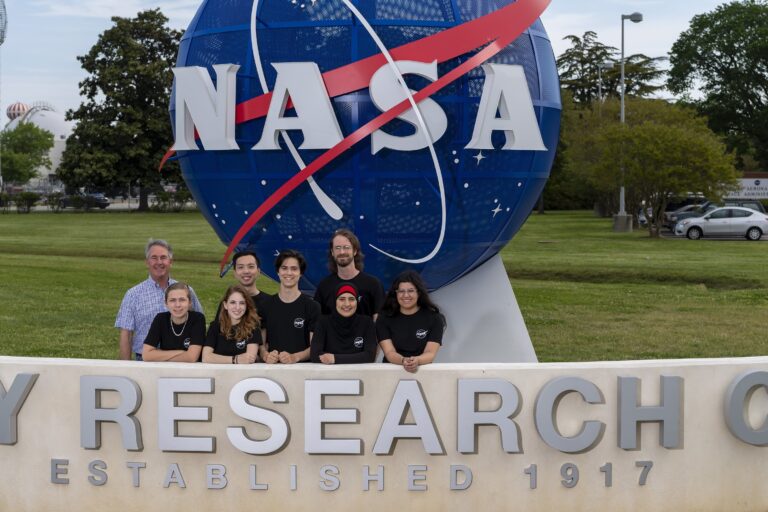
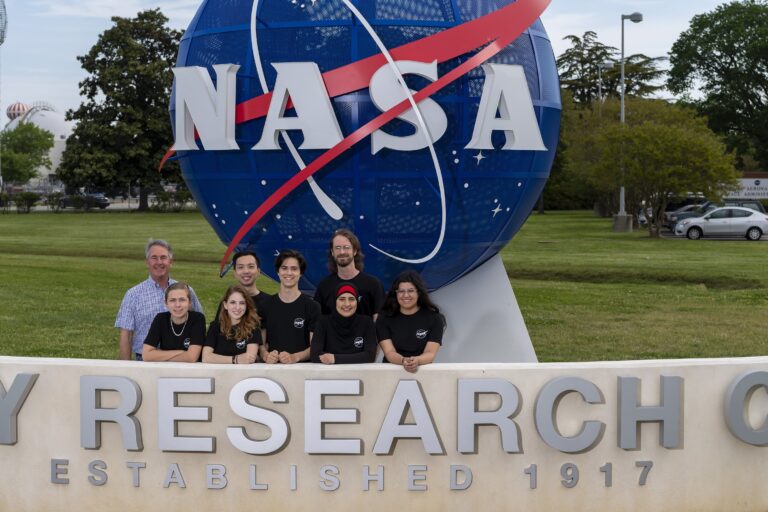
In 2019, a team of eight UC Davis undergraduate students developed a concept for the Martian Agriculture and Plant Science (MAPS) Greenhouse that was selected as a Top 5 Finalist in the 2019 NASA BIG Idea Challenge. Two years later, their ideas continue to circulate as their paper was presented in April 2021 at the American Society of Civil Engineering (ASCE) Earth and Space Conference, while the team members continue to pursue new and varied opportunities. 

The conference, which according to their website, “aims to bring the experience and knowledge of experts in the aerospace industry together to share and discuss the latest research and engineering techniques that effect the exploration and settlement of space,” was originally set to take place in 2020 before being delayed a year by the pandemic. 

Fifth-year aerospace science and mechanical engineering double major and MAPS team lead Duha Bader represented the team by presenting the paper at the conference, and she commemorated the opportunity with a recent LinkedIn post where she thanked project mentor and former NASA astronaut Professor Stephen Robinson, as well as her teammates. 

“Last week, I had the honor of speaking at the annual ASCE Earth and Space Conference 2021 as an Author for the ‘Martian Agriculture and Plant Science (MAPS): A Food Production Solution for Sustainable Human Presence on Mars’ paper,” read Bader’s post. “MAPS … introduces a unique method of transforming Martian regolith into arable soil as well as the implementation of a smart irrigation system.”

Journey Byland, a UC Davis alumni and soils lead for MAPS, elaborated via email on the content of the technical report originally written to address the challenge of designing “a Martian Surface Greenhouse capable of providing enough calories and nutrition for a crew of four astronauts.” 

While the popular solution was to integrate hydroponics, which according to the U.S. Department of Agriculture is a method of growing plants in a “soilless setting” by using a “nutrient solution root medium,” Byland said that their team chose to instead utilize the martian regolith, or soil, to plant the crops. 

Lucas Brown, a fourth-year physics major at UC Davis and irrigation lead for MAPS, explained why the team made this decision. 

“While employing hydroponics is the first and most obvious choice for designing a greenhouse on Mars, I think there’s a real benefit in the long term to exploring the use of martian regolith,” Brown said via email. “One such benefit being that it would allow for a direct utilization of resources present on Mars rather than relying on entirely synthetic systems that have to be brought along with each launch, another such benefit being that it could contribute to soil research that might benefit us here on Earth as we adapt to a changing climate.”

Byland explained how they were able to design this concept.

“[We] designed a system that would intake Martian regolith, rinse it in water to dissolve out the [toxic] perchlorate salts, and use an electron beam decontamination system to kill any bacteria,” Byland said.

As well as having a unique design, another factor that set the team apart was their interdisciplinary approach, as they drew from a wide variety of fields such as agriculture, structural engineering, thermodynamics and more.

“We pulled from a huge variety of resources when producing our design: professors with a variety of specialties, friends who grew plants indoors, fellow students majoring in engineering and one majoring in nutrition, online databases about Martian soil composition, textbooks, research articles, etc.,” said fourth-year aerospace science and engineering major Isabella Elliot via email. “I believe that collaboration and consultation are part of the foundation for productive research and design: science is not a solitary discipline, and working alone without input from other specialties can be detrimental to a project.”

Elliot offered one example of how collaboration played a part in their project.

“One person suggested having the LEDs in our greenhouse turn on and off in succession so as to mimic the movement of the sun across the sky on earth to help plants grow more evenly and produce a more uniform harvest, a concept that never would have crossed my mind but made absolute sense,” Elliot said. “Working with persons from other fields as an engineer is enormously enlightening, and fundamentally helped our design take shape and thrive.” 

    Brown had a similar appreciation for the role of interdisciplinary science in their project. 

“Engineering and design projects like this are inherently interdisciplinary, as there are just so many different problems to solve and constraints to work with,” Brown said. “Not only did we have to think up ways to sustain a crew’s food supply for multiple years in a small and isolated environment, but we had to consider the many limitations on that design that come with launching hardware on top of a rocket, through interplanetary space, and later deploying it remotely on the surface of a hostile planet where temperatures reach far below anything seen on Earth.”

However, he also emphasized the importance of niche research and specialists, explaining that throughout the project their team both “consulted specialists in specific areas and delegated research responsibilities to different individuals on the team.”

“It helps to have a wide array of people working on that problem and communicating about it, all employing different areas of expertise,” Brown said. “I know personally I’m a huge advocate for breaking down barriers between disciplines for this very reason. One of the things I’ve been thinking a lot about these days is trying to increase open collaboration between the sciences and non-STEM disciplines like philosophy or sociology to ensure the scientific community continues to make progress and employ creativity while also being self-reflective about things like methodology and social responsibility.”

    Both Elliot and Brown considered what they’ve learned since the MAPS project that would influence them to approach the problem differently if they were working on it today. 

“Now that some time has passed and I have more technical experience, my repertoire for problem solving has expanded greatly and I imagine that my approach to problems would be more methodical and less sporadic,” Elliot said. “More than anything, I would know where to start looking for answers when difficult questions come up.” 

Brown talked about what perspective the past two years have given him as far as overlooked but essential aspects of space travel design.

“I […] would’ve spent some more time thinking about the role of our greenhouse’s interior design as being a psychological aid to the astronaut crew,” Brown said. “While this was definitely given some thought in our design, I am coming to increasingly realize that a Martian voyage is likely to be extremely taxing on a human level, and a lot of focus needs to be given to how living spaces like our greenhouse are designed to maximize crew comfort if such a mission is to be successful. We are really only beginning to understand the psychological effects of a human transition into long-term space travel ventures.”

Several members of the team also described where they are now, how the early years of their college experience got them to where they are today and what their plans are looking forward. 

Byland graduated with a Bachelor’s of Science in physics this June, and is starting graduate school this fall at the UC Davis Physics Department as a PhD student, currently studying experimental condensed matter physics. 

Elliot, an English major upon starting college, solidified her interest in aerospace through working on the MAPS project and is currently working with a professor on hybrid electric aircraft power generation, hoping to work in the future toward designing sustainable air and space craft. 

“It’s always nice to look back on that project,” Elliot said. “It was one of the most influential parts of my college career so far and I’m proud of the work my team and I produced.”

Jackson Liao, a fourth-year aerospace engineering major on the team who was always passionate about space exploration, similarly had his interests solidified through the experiences and the connections that the NASA BIG Idea Challenge offered him. 

“Being able to be at the forefront of new ideas for the purpose of space exploration gave me an even deeper appreciation of the technicality, challenges, and creativeness that comes with developing new technology for space,” Liao said. 

As for Brown, he came to the realization after the competition was over that he wanted to pursue physics rather than aerospace engineering; he found himself gravitating toward abstract problems, especially as they are related to space and the universe. He now aims to attend graduate school for physics in the future and has aspirations for research in one of several space-based fields.

“I think in part due to this project, I’m also increasingly interested in the intersection of physics and engineering with other disciplines from philosophy to sociology and politics,” Brown said. “When working on projects like this that require you to think about the future of technology and humanity’s presence in space, I think it’s important to really think big, making sure you’re questioning foundational assumptions along the way, so you can make sure that future you’re helping to shape is truly a better world for everyone in it. So these are all definitely ideas that I’ll be taking with me as I go forward in my career.”

Written by: Sonora Slater — science@theaggie.org

Study finds domestic cats prefer freeloading to working for food

While contrafreeloading is a phenomenon widely observed in confined animals, recent research suggests that domestic cats won’t choose to do so

Dogs, pigs, birds, wolves, rodents and even giraffes all have something in common—when given the choice, they prefer to work for their food rather than getting it for free, a phenomenon known as contrafreeloading. The outlier? Domestic house cats. 

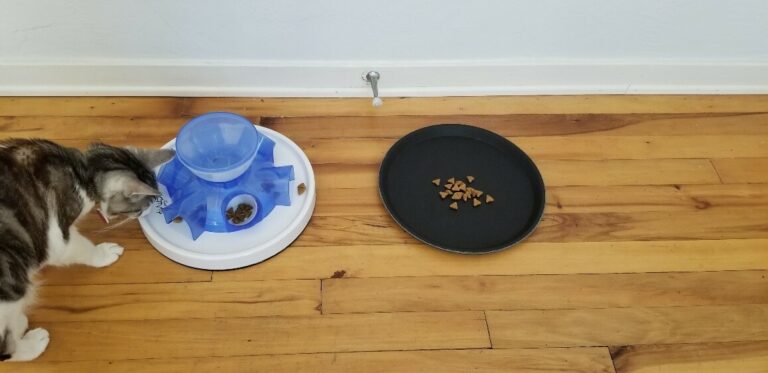
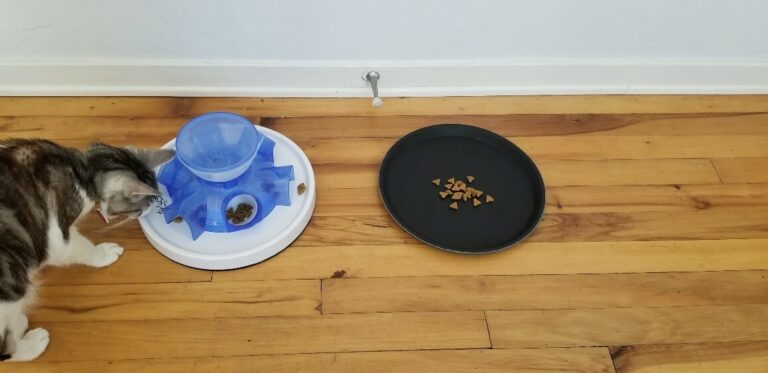
According to a recent press release, a study conducted by cat behaviorist Mikel Delgado, professor of clinical animal behavior at UC Davis Melissa Bain and veterinary technician assistant Brandon Sang Gyu Han, found that “cats would rather eat from a tray of easily available food rather than work out a simple puzzle to get their food.”

The study came about when Delgado was working on postdoctoral research at UC Davis. 

“I was familiar with a study from about 50 years ago that concluded that cats won’t choose to contrafreeload,” Delgado said. “But there were some issues—only six cats were studied, it was done in a lab, the cats were food deprived. The thing is that cats hunt, which is working for food, so it seemed contradictory that they wouldn’t contrafreeload.”

Because of this, Delgado and fellow researchers hypothesized that “cats would contrafreeload in the home environment when given a choice.” They also hypothesized that more active cats would be more likely to contrafreeload.

Instead, they found that cats ate more free feed from the tray than the puzzle, made more “first choices” to approach and eat from the tray, and that “there was no relationship between activity and contrafreeloading.”

Bain explained that results like these, that do not support the hypothesis, are known as negative results. However, she emphasized that this type of finding is still important.  

“When studies don’t get the results they wanted, it doesn’t match their hypothesis, a lot of times they don’t publish,” Bain said. “But negative results or no results are just as important, and should absolutely be published […] Other animals choose to work for food—but not finding that in our study didn’t mean that the result of this study is bad.”

Bain went on to describe why she found the prospect of the study exciting, and the importance she believes it holds. 

“I really like cats, and I like clinically applicable studies that are applicable on day one,” Bain said. “My world is very clinically oriented. Helping people with their pets in their homes. I look for what’s related to the human-animal bond and related to the animal’s welfare. And this is one of those studies that can improve their welfare—did they lose weight? Are they less stressed?”

While this study didn’t necessarily find contrafreeloading to have a defined positive impact on cats, previous research Delgado has done shows that food puzzles can be an important enrichment tool for confined animals. 

Tony Buffington was a co-author alongside Delgado on a 2016 paper which presented case studies where food puzzles aided cats with problems such as weight loss and anxiety.

According to Buffington, via email, the goal was to “equip veterinary professionals with the tools to assist clients in the use of food puzzles for their cats as ways to support feline enrichment, physical health and emotional wellbeing.”

As well as presenting “evidence-based studies of food puzzles,” Buffington said that the authors of the paper also provided examples of the benefits of puzzles from their own veterinary and behavioral practices. 

Although food puzzle studies on cats are somewhat rare, according to Buffington, the practice of providing enriching activities for confined animals has been well-documented and studied on a variety of zoo animals. 

. “Food puzzles, or what’s sometimes called foraging enrichment, offers animals an opportunity to express behaviors they maybe don’t have access to in their closed environment, behaviors that are natural to them,” Delgado said. 

Delgado explained that this could include spreading food across the ground for animals who typically forage, filling a pumpkin with food on Halloween so that an animal has to break it open to access it or any number of other creative methods of presenting food to a confined animal. 

Often, zookeepers attempt to match the enrichment activity to an animal’s natural behaviors in the wild. According to Delgado, the failure of food puzzles traditionally presented to domestic cats to simulate their natural hunting style of sit-and-wait predation could be one flaw in the contrafreeloading study. It is possible that if a puzzle were made to move like prey, cats could be more inclined to work for their food by catching their “prey.”

However, Delgado went on to say that even food puzzles that imperfectly simulate natural behavior can benefit animals by providing them with mental stimulation. 

“I wouldn’t want to say that just because it doesn’t simulate their natural hunting or foraging style exactly, it’s useless,” Delgado said.

Other than trying a new type of food puzzle, the paper presented several ideas for where to go next in research, especially to determine why domestic cats might be adverse to contrafreeloading. While Delgado has moved on from her research position, she invites other researchers to continue her work on the topic. 

Buffington offered his opinion on why continuing to learn about food puzzles is important for the welfare of confined animals. 

“I think that those who advocate [for] confin[ing] cats accept the responsibility of providing them an environment that meets their behavioral needs to ensure [good] health and welfare for them,” Buffington said. “I hope that food puzzles, and the learnings people gain when using them properly, help them discharge that responsibility.” 

Written by: Sonora Slater — science@theaggie.org

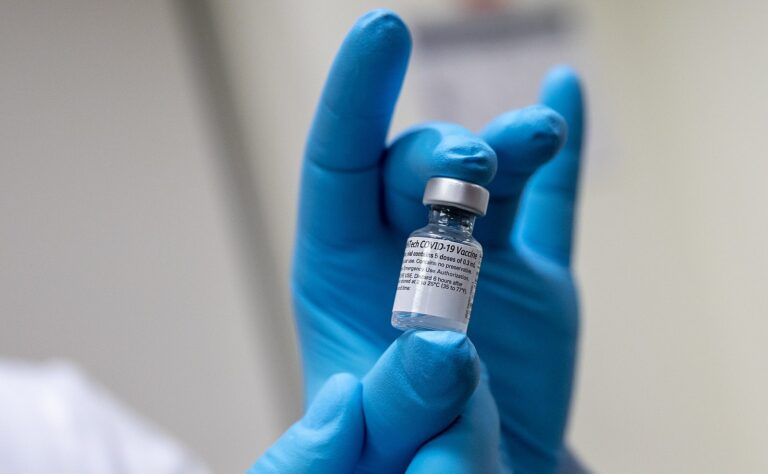
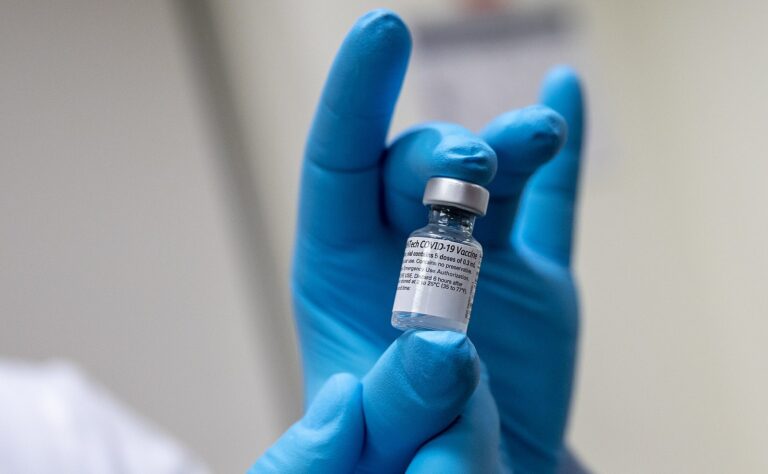
UC Davis Health continues partnership with Pfizer Inc., BioNTech SE to study effectiveness of booster shot

60 of 225 participants from original COVID-19 vaccine trial return to UC Davis Medical Center 

    As of Aug. 20, the Centers for Disease Control and Prevention (CDC) recommends that “people who are moderately to severely immunocompromised should receive an additional dose of mRNA COVID-19 vaccine after the initial 2 doses,” according to their website

    Professor and Chair of Internal Medicine at UC Davis Health Dr. Timothy Albertson explains that the vaccines developed by Pfizer Inc. and Moderna Inc. are examples of messenger RNA (mRNA) vaccines. 

    According to the CDC’s website, COVID-19 mRNA vaccines provide instructions to cells to make “harmless […] spike proteins.” 

    “MRNA is put in lipid spherules, injected and entered into the cell, which makes the spike protein,” Albertson said. “That spike protein is pushed out of human cells, and then antibodies are formed to that spike protein.” 

    The immune system recognizes the spike proteins on the surface of cells and begins building a response by producing antibodies, according to the CDC.  

    “In vaccination, you are harnessing the immune system of the body to generate a response against a pathogen,” said Dr. Angela Haczku, the associate dean for translational Research at UC Davis Health. “In this case, [the pathogen] is the SARS-CoV-2 virus. The way the vaccine accomplishes [this] is through activating immune cells and getting them to produce immunoglobulins against the virus.” 

While this process occurs through natural COVID-19 infection, the CDC said that those who are vaccinated “gain this protection without ever having to risk the serious consequences of getting sick with COVID-19.”   

“The immune activation, if it is repeated, generates a much greater response than a single or dual activation step, which is provided by the first [or second] doses,” Haczku said. “A third, or booster, shot would boost your immune system to produce even more protection against the virus.”  

Haczku said that unlike certain childhood vaccinations, where one shot is enough to induce lifetime immunity, current COVID-19 vaccinations only accomplish shorter protections. 

“We don’t know exactly how long this protection is at the moment, because there have never been any studies for that,” Haczku said. “One of the main purposes of this third shot trial is to gain information on the effectiveness of such a booster shot.” 

Starting from July 2020, UC Davis Medical Center became one of 150 sites participating in a global clinical trial that investigated the efficacy and side effects of the COVID-19 mRNA vaccine manufactured by Pfizer Inc. and BioNTech SE, according to an article published by UC Davis Health.    

The data collected at this time resulted in the Food and Drug Administration issuing an Emergency Use Authorization (EUA) in December 2020 for this vaccine, Albertson said. 

“[We were selected to participate] because of our reputation for clinical trials and the excellence of the investigators and clinical trial coordinators,” Haczku said.

Haczku said that at any time UC Davis can juggle about 500 active clinical trials at once. 

Clinical Research Coordinator at UC Davis Medical Center Gabby Echt adds that UC Davis’ Medical Center’s success with this original trial can also largely be attributed to the high volume of enrollment and the rich diversity within the population it serves.
    “The Sacramento area is very diverse in terms of ethnicity and socioeconomics,” Echt said. “As a researcher, I value the importance of promoting diversity in clinical trials so that people of many backgrounds are represented in research, especially during a time like this—where everything is a bit scary, and people might be hesitant to trust the healthcare system when they need it the most.” 

Now, 60 of the 225 volunteers that participated in this original clinical have returned for this booster trial. Echt describes this trial to be a “one-year, double-blind, placebo-controlled study.” This means that half of the participants received a placebo, or a saline or salt-water solution, while the other half received BNT162b2, which is the Pfizer vaccine. 

“The booster is made up of the exact same components and dosage of the original Pfizer vaccine,” Echt said. “It is just a third injection of the vaccine.” 

Assignment was random, and both participants and the research staff were unaware of which treatment each participant received. 

“This is necessary so that we would be able to assess the effects of the actual vaccines,” Haczku said. “If this booster shot is effective, those volunteers that received the placebo, instead of the third injection, will also have the opportunity to get vaccinated a third time.”  

Albertson said that the process of collecting multifactorial data—including antibody levels, infection levels and reactivity to the third dose—has been “remarkably straightforward.”

“We’re following their antibody levels,” Albertson said. “We’re following whether they get COVID-19 or not with self-swabbing and a daily diary. It is hugely important to determine whether or not a third vaccine is needed. We have some indirect evidence out there that it is. Our patients are relatively healthy. We’re looking to see if the general public needs that. We think that might be the case.”

    Echt said that researchers are still waiting for the interim analysis for the booster trial to be released by Pfizer Inc. 

            “This is a trial that will take a couple of months,” Haczku said. “The investigators and the volunteers are blinded. So, until the results are revealed, we won’t be able to tell if this third shot works.” 

    Regardless, researchers remain hopeful. 

    “People have been incredibly brave and dedicated,” Albertson said. “Recognize that people participating in clinical trials are heros. They made a commitment way before anybody had a clue as to how safe these drugs were. Understand that this particular Pfizer drug has been given to probably a billion people worldwide […] which is an incredible number for a pharmaceutical drug. The risks are incredibly small and the benefits are incredibly large to be vaccinated.” 

Written by: Aarya Gupta — science@theaggie.org  

Study finds domestic cats prefer freeloading to working for food

While contrafreeloading is a phenomenon widely observed in confined animals, recent research suggests that domestic cats won’t choose to do so

Dogs, pigs, birds, wolves, rodents and even giraffes all have something in common—when given the choice, they prefer to work for their food rather than getting it for free, a phenomenon known as contrafreeloading. The outlier? Domestic house cats. 

According to a recent press release, a study conducted by cat behaviorist Mikel Delgado, professor of clinical animal behavior at UC Davis Melissa Bain and veterinary technician assistant Brandon Sang Gyu Han, found that “cats would rather eat from a tray of easily available food rather than work out a simple puzzle to get their food.”

The study came about when Delgado was working on postdoctoral research at UC Davis. 

“I was familiar with a study from about 50 years ago that concluded that cats won’t choose to contrafreeload,” Delgado said. “But there were some issues—only six cats were studied, it was done in a lab, the cats were food deprived. The thing is that cats hunt, which is working for food, so it seemed contradictory that they wouldn’t contrafreeload.”

    Because of this, Delgado and fellow researchers hypothesized that “cats would contrafreeload in the home environment when given a choice.” They also hypothesized that more active cats would be more likely to contrafreeload.

    Instead, they found that cats ate more free feed from the tray than the puzzle, made more “first choices” to approach and eat from the tray, and that “there was no relationship between activity and contrafreeloading.”

Bain explained that results like these, that do not support the hypothesis, are known as negative results. However, she emphasized that this type of finding is still important.  

“When studies don’t get the results they wanted, it doesn’t match their hypothesis, a lot of times they don’t publish,” Bain said. “But negative results or no results are just as important, and should absolutely be published […] Other animals choose to work for food—but not finding that in our study didn’t mean that the result of this study is bad.”

    Bain went on to describe why she found the prospect of the study exciting, and the importance she believes it holds. 

“I really like cats, and I like clinically applicable studies that are applicable on day one,” Bain said. “My world is very clinically oriented. Helping people with their pets in their homes. I look for what’s related to the human-animal bond and related to the animal’s welfare. And this is one of those studies that can improve their welfare—did they lose weight? Are they less stressed?”

While this study didn’t necessarily find contrafreeloading to have a defined positive impact on cats, previous research Delgado has done shows that food puzzles can be an important enrichment tool for confined animals. 

Tony Buffington was a co-author alongside Delgado on a 2016 paper which presented case studies where food puzzles aided cats with problems such as weight loss and anxiety.

According to Buffington, via email, the goal was to “equip veterinary professionals with the tools to assist clients in the use of food puzzles for their cats as ways to support feline enrichment, physical health and emotional wellbeing.”

As well as presenting “evidence-based studies of food puzzles,” Buffington said that the authors of the paper also provided examples of the benefits of puzzles from their own veterinary and behavioral practices. 

Although food puzzle studies on cats are somewhat rare, according to Buffington, the practice of providing enriching activities for confined animals has been well-documented and studied on a variety of zoo animals. 

.    “Food puzzles, or what’s sometimes called foraging enrichment, offers animals an opportunity to express behaviors they maybe don’t have access to in their closed environment, behaviors that are natural to them,” Delgado said. 

    Delgado explained that this could include spreading food across the ground for animals who typically forage, filling a pumpkin with food on Halloween so that an animal has to break it open to access it or any number of other creative methods of presenting food to a confined animal. 

    Often, zookeepers attempt to match the enrichment activity to an animal’s natural behaviors in the wild. According to Delgado, the failure of food puzzles traditionally presented to domestic cats to simulate their natural hunting style of sit-and-wait predation could be one flaw in the contrafreeloading study. It is possible that if a puzzle were made to move like prey, cats could be more inclined to work for their food by catching their “prey.”

    However, Delgado went on to say that even food puzzles that imperfectly simulate natural behavior can benefit animals by providing them with mental stimulation. 

“I wouldn’t want to say that just because it doesn’t simulate their natural hunting or foraging style exactly, it’s useless,” Delgado said.

    Other than trying a new type of food puzzle, the paper presented several ideas for where to go next in research, especially to determine why domestic cats might be adverse to contrafreeloading. While Delgado has moved on from her research position, she invites other researchers to continue her work on the topic. 

    Buffington offered his opinion on why continuing to learn about food puzzles is important for the welfare of confined animals. 

“I think that those who advocate [for] confin[ing] cats accept the responsibility of providing them an environment that meets their behavioral needs to ensure [good] health and welfare for them,” Buffington said. “I hope that food puzzles, and the learnings people gain when using them properly, help them discharge that responsibility.” 

Written by: Sonora Slater — science@theaggie.org

Conceptual Martian greenhouse created by team of UC Davis undergraduates in 2019 presented at this year’s ASCE conference

Two years after being recognized by NASA for their conceptual design, the team reflects on how this project influenced where they are today

In 2019, a team of eight UC Davis undergraduate students developed a concept for the Martian Agriculture and Plant Science (MAPS) Greenhouse that was selected as a Top 5 Finalist in the 2019 NASA BIG Idea Challenge. Two years later, their ideas continue to circulate as their paper was presented in April 2021 at the American Society of Civil Engineering (ASCE) Earth and Space Conference, while the team members continue to pursue new and varied opportunities. 

The conference, which according to their website, “aims to bring the experience and knowledge of experts in the aerospace industry together to share and discuss the latest research and engineering techniques that affect the exploration and settlement of space,” was originally set to take place in 2020 before being delayed a year by the pandemic. 

Fifth-year aerospace science and mechanical engineering double major and MAPS team lead Duha Bader represented the team by presenting the paper at the conference, and she commemorated the opportunity with a recent LinkedIn post where she thanked project mentor and former NASA astronaut Professor Stephen Robinson, as well as her teammates. 

“Last week, I had the honor of speaking at the annual ASCE Earth and Space Conference 2021 as an Author for the ‘Martian Agriculture and Plant Science (MAPS): A Food Production Solution for Sustainable Human Presence on Mars’ paper,” read Bader’s post. “MAPS … introduces a unique method of transforming Martian regolith into arable soil as well as the implementation of a smart irrigation system.”

Journey Byland, a UC Davis alumni and soils lead for MAPS, elaborated via email on the content of the technical report originally written to address the challenge of designing “a Martian Surface Greenhouse capable of providing enough calories and nutrition for a crew of four astronauts.” 

While the popular solution was to integrate hydroponics, which according to the U.S. Department of Agriculture is a method of growing plants in a “soilless setting” by using a “nutrient solution root medium,” Byland said that their team chose to instead utilize the martian regolith, or soil, to plant the crops. 

Lucas Brown, a fourth-year physics major at UC Davis and irrigation lead for MAPS, explained why the team made this decision. 

“While employing hydroponics is the first and most obvious choice for designing a greenhouse on Mars, I think there’s a real benefit in the long term to exploring the use of martian regolith,” Brown said via email. “One such benefit being that it would allow for a direct utilization of resources present on Mars rather than relying on entirely synthetic systems that have to be brought along with each launch, another such benefit being that it could contribute to soil research that might benefit us here on Earth as we adapt to a changing climate.”

Byland explained how they were able to design this concept.

“[We] designed a system that would intake Martian regolith, rinse it in water to dissolve out the [toxic] perchlorate salts, and use an electron beam decontamination system to kill any bacteria,” Byland said.

As well as having a unique design, another factor that set the team apart was their interdisciplinary approach, as they drew from a wide variety of fields such as agriculture, structural engineering, thermodynamics and more.

“We pulled from a huge variety of resources when producing our design: professors with a variety of specialties, friends who grew plants indoors, fellow students majoring in engineering and one majoring in nutrition, online databases about Martian soil composition, textbooks, research articles, etc.,” said fourth-year aerospace science and engineering major Isabella Elliot via email. “I believe that collaboration and consultation are part of the foundation for productive research and design: science is not a solitary discipline, and working alone without input from other specialties can be detrimental to a project.”

Elliot offered one example of how collaboration played a part in their project.

“One person suggested having the LEDs in our greenhouse turn on and off in succession so as to mimic the movement of the sun across the sky on earth to help plants grow more evenly and produce a more uniform harvest, a concept that never would have crossed my mind but made absolute sense,” Elliot said. “Working with persons from other fields as an engineer is enormously enlightening, and fundamentally helped our design take shape and thrive.” 

Brown had a similar appreciation for the role of interdisciplinary science in their project. 

“Engineering and design projects like this are inherently interdisciplinary, as there are just so many different problems to solve and constraints to work with,” Brown said. “Not only did we have to think up ways to sustain a crew’s food supply for multiple years in a small and isolated environment, but we had to consider the many limitations on that design that come with launching hardware on top of a rocket, through interplanetary space, and later deploying it remotely on the surface of a hostile planet where temperatures reach far below anything seen on Earth.”

However, he also emphasized the importance of niche research and specialists, explaining that throughout the project their team both “consulted specialists in specific areas and delegated research responsibilities to different individuals on the team.”

“It helps to have a wide array of people working on that problem and communicating about it, all employing different areas of expertise,” Brown said. “I know personally I’m a huge advocate for breaking down barriers between disciplines for this very reason. One of the things I’ve been thinking a lot about these days is trying to increase open collaboration between the sciences and non-STEM disciplines like philosophy or sociology to ensure the scientific community continues to make progress and employ creativity while also being self-reflective about things like methodology and social responsibility.”

Both Elliot and Brown considered what they’ve learned since the MAPS project that would influence them to approach the problem differently if they were working on it today. 

“Now that some time has passed and I have more technical experience, my repertoire for problem solving has expanded greatly and I imagine that my approach to problems would be more methodical and less sporadic,” Elliot said. “More than anything, I would know where to start looking for answers when difficult questions come up.” 

Brown talked about what perspective the past two years have given him as far as overlooked but essential aspects of space travel design.

“I […] would’ve spent some more time thinking about the role of our greenhouse’s interior design as being a psychological aid to the astronaut crew,” Brown said. “While this was definitely given some thought in our design, I am coming to increasingly realize that a Martian voyage is likely to be extremely taxing on a human level, and a lot of focus needs to be given to how living spaces like our greenhouse are designed to maximize crew comfort if such a mission is to be successful. We are really only beginning to understand the psychological effects of a human transition into long-term space travel ventures.”

Several members of the team also described where they are now, how the early years of their college experience got them to where they are today and what their plans are looking forward. 

Byland graduated with a Bachelor’s of Science in physics this June, and is starting graduate school this fall at the UC Davis Physics Department as a PhD student, currently studying experimental condensed matter physics. 

Elliot, an English major upon starting college, solidified her interest in aerospace through working on the MAPS project and is currently working with a professor on hybrid electric aircraft power generation, hoping to work in the future toward designing sustainable air and space craft. 

“It’s always nice to look back on that project,” Elliot said. “It was one of the most influential parts of my college career so far and I’m proud of the work my team and I produced.”

Jackson Liao, a fourth-year aerospace engineering major on the team who was always passionate about space exploration, similarly had his interests solidified through the experiences and the connections that the NASA BIG Idea Challenge offered him. 

“Being able to be at the forefront of new ideas for the purpose of space exploration gave me an even deeper appreciation of the technicality, challenges, and creativeness that comes with developing new technology for space,” Liao said. 

As for Brown, he came to the realization after the competition was over that he wanted to pursue physics rather than aerospace engineering; he found himself gravitating toward abstract problems, especially as they are related to space and the universe. He now aims to attend graduate school for physics in the future and has aspirations for research in one of several space-based fields.

“I think in part due to this project, I’m also increasingly interested in the intersection of physics and engineering with other disciplines from philosophy to sociology and politics,” Brown said. “When working on projects like this that require you to think about the future of technology and humanity’s presence in space, I think it’s important to really think big, making sure you’re questioning foundational assumptions along the way, so you can make sure that future you’re helping to shape is truly a better world for everyone in it. So these are all definitely ideas that I’ll be taking with me as I go forward in my career.”

Written by: Sonora Slater — science@theaggie.org

UC Davis Health continues partnership with Pfizer Inc., BioNTech SE to study effectiveness of booster shot

60 of 225 participants from original COVID-19 vaccine trial return to UC Davis Medical Center

As of Aug. 20, the Centers for Disease Control and Prevention (CDC) recommends that “people who are moderately to severely immunocompromised should receive an additional dose of mRNA COVID-19 vaccine after the initial 2 doses,” according to their website

Professor and Chair of Internal Medicine at UC Davis Health Dr. Timothy Albertson explains that the vaccines developed by Pfizer Inc. and Moderna Inc. are examples of messenger RNA (mRNA) vaccines. 

According to the CDC’s website, COVID-19 mRNA vaccines provide instructions to cells to make “harmless […] spike proteins.” 

“MRNA is put in lipid spherules, injected and entered into the cell, which makes the spike protein,” Albertson said. “That spike protein is pushed out of human cells, and then antibodies are formed to that spike protein.” 

The immune system recognizes the spike proteins on the surface of cells and begins building a response by producing antibodies, according to the CDC.  

“In vaccination, you are harnessing the immune system of the body to generate a response against a pathogen,” said Dr. Angela Haczku, the associate dean for translational Research at UC Davis Health. “In this case, [the pathogen] is the SARS-CoV-2 virus. The way the vaccine accomplishes [this] is through activating immune cells and getting them to produce immunoglobulins against the virus.” 

While this process occurs through natural COVID-19 infection, the CDC said that those who are vaccinated “gain this protection without ever having to risk the serious consequences of getting sick with COVID-19.”   

“The immune activation, if it is repeated, generates a much greater response than a single or dual activation step, which is provided by the first [or second] doses,” Haczku said. “A third, or booster, shot would boost your immune system to produce even more protection against the virus.”  

Haczku said that unlike certain childhood vaccinations, where one shot is enough to induce lifetime immunity, current COVID-19 vaccinations only accomplish shorter protections. 

“We don’t know exactly how long this protection is at the moment, because there have never been any studies for that,” Haczku said. “One of the main purposes of this third shot trial is to gain information on the effectiveness of such a booster shot.” 

Starting from July 2020, UC Davis Medical Center became one of 150 sites participating in a global clinical trial that investigated the efficacy and side effects of the COVID-19 mRNA vaccine manufactured by Pfizer Inc. and BioNTech SE, according to an article published by UC Davis Health.    

The data collected at this time resulted in the Food and Drug Administration issuing an Emergency Use Authorization (EUA) in December 2020 for this vaccine, Albertson said. 

“[We were selected to participate] because of our reputation for clinical trials and the excellence of the investigators and clinical trial coordinators,” Haczku said.

Haczku said that at any time UC Davis can juggle about 500 active clinical trials at once. 

Clinical Research Coordinator at UC Davis Medical Center Gabby Echt adds that UC Davis’ Medical Center’s success with this original trial can also largely be attributed to the high volume of enrollment and the rich diversity within the population it serves.
“The Sacramento area is very diverse in terms of ethnicity and socioeconomics,” Echt said. “As a researcher, I value the importance of promoting diversity in clinical trials so that people of many backgrounds are represented in research, especially during a time like this—where everything is a bit scary, and people might be hesitant to trust the healthcare system when they need it the most.” 

Now, 60 of the 225 volunteers that participated in this original clinical have returned for this booster trial. Echt describes this trial to be a “one-year, double-blind, placebo-controlled study.” This means that half of the participants received a placebo, or a saline or salt-water solution, while the other half received BNT162b2, which is the Pfizer vaccine. 

“The booster is made up of the exact same components and dosage of the original Pfizer vaccine,” Echt said. “It is just a third injection of the vaccine.” 

Assignment was random, and both participants and the research staff were unaware of which treatment each participant received. 

“This is necessary so that we would be able to assess the effects of the actual vaccines,” Haczku said. “If this booster shot is effective, those volunteers that received the placebo, instead of the third injection, will also have the opportunity to get vaccinated a third time.”  

Albertson said that the process of collecting multifactorial data—including antibody levels, infection levels and reactivity to the third dose—has been “remarkably straightforward.”

“We’re following their antibody levels,” Albertson said. “We’re following whether they get COVID-19 or not with self-swabbing and a daily diary. It is hugely important to determine whether or not a third vaccine is needed. We have some indirect evidence out there that it is. Our patients are relatively healthy. We’re looking to see if the general public needs that. We think that might be the case.”

Echt said that researchers are still waiting for the interim analysis for the booster trial to be released by Pfizer Inc. 

“This is a trial that will take a couple of months,” Haczku said. “The investigators and the volunteers are blinded. So, until the results are revealed, we won’t be able to tell if this third shot works.” 

Regardless, researchers remain hopeful. 

“People have been incredibly brave and dedicated,” Albertson said. “Recognize that people participating in clinical trials are heros. They made a commitment way before anybody had a clue as to how safe these drugs were. Understand that this particular Pfizer drug has been given to probably a billion people worldwide […] which is an incredible number for a pharmaceutical drug. The risks are incredibly small and the benefits are incredibly large to be vaccinated.” 


Written by: Aarya Gupta — science@theaggie.org

UC Davis Health’s partnership in telegenomics improves accessibility to genetic medicine with telemedicine robots

Telemedicine robots allow for genetic consultations around the clock virtually

Now more than ever, telemedicine has been the epitome of health care since the pandemic struck. Fears surrounding the coronavirus and inconvenient commutes have made an in-person visit to the doctor unappealing. However, long before the pandemic, UC Davis Health entered a partnership with Dignity Health Mercy San Juan Medical Center in Carmichael, working together on telemedicine to enhance accessibility to all patients. 

Dr. Katherine Rauen, emeritus in the Division of Genomic Medicine and a professor in the Department of Pediatrics at UC Davis Health, explained the significance of TeleGenomics and why UC Davis is at the forefront of telemedicine. 

“UC Davis has a really big catchment, meaning that the patients that we see go all the way up to the Oregon border, go all the way inland, and we actually have a lot of patients from Reno and Nevada,” Rauen said. “And our catchment goes all the way down through the central Valley. So geographically, we have a huge catchment and there are a lot of patients that the drive is very long for them; they may not have the transportation that they need to get to the UC Davis Medical Center and so telemedicine was the answer and it still is the answer.”

Despite the field of genomic medicine being housed under the Department of Pediatrics, Rauen further explained why this field actually extends beyond just pediatric patients.

“We transcend all age groups, so even though we’re housed within the Department of Pediatrics, we see newborn children to adults in their 70s or 80s, or whoever wants to come and see us,” Rauen said. “Genomic medicine is a family affair. And what impacts you genetically impacts other family members, it could potentially impact other family members as well. We are a product of our genes, and our genes come from the previous generation, so it makes us who we are.”

The field’s wide encompassing range of patients and UC Davis’ large catchment led to the development and usage of state-of-the-art telemedicine robots. These robots equipped with high resolution cameras allow UC Davis genetics specialists to conduct virtual yet thorough examinations for patients all the way at the Dignity Health Mercy San Juan Medical Center around the clock. 

“There have been several studies that have been done that show that, yes, this is a robust way to see patients because the robots have gotten so advanced that I can see freckles and moles on somebody’s skin; I can see the palmar creases on the patient,” Rauen said.

Many patients call in for a variety of reasons regarding a genomic medicine issue. This is where these telemedicine robots that have made healthcare accessible to patients distant from UC Davis Medical Center around the clock come in.

“The consultations are requested for a variety of reasons. For example, when a child born at Methodist Hospital or Mercy San Juan has multiple congenital anomalies, such as heart or skeletal defects, isn’t eating properly, or has features that are consistent with Down syndrome,” according to a recent UC Davis Health press release.

Dr. Joseph Shen, a clinical geneticist trained in molecular biology and molecular genetics at the UC Davis Medical Center, described how the pandemic had affected TeleGenomics for both physicians and patients.

“Some technologies can be slow to adopt or people are old school and don’t want to change and things like that, but I think that [the pandemic] really accelerated it forward to use it more and more,” Shen said. “From a practical standpoint, when doing a genetics evaluation, we are very thorough with how we’re examining the body; we’re looking for little physical clues up and down, [which] is best served if you’re doing that in person. But I’ve seen run-throughs with these robot systems with the intricate amount of detail that we’re able to zoom in on as if we were doing these examinations in-person.”

With telemedicine shaping the health field, there were inevitably doubts of how a virtual visit lacks the same effectiveness compared to an in-person visit. However, Rauen described how in the past few years, these robots have facilitated genomic consultations virtually with just as much value as in-person consultations.

“We have gotten very positive feedback on [telemedicine robots], and it was just like we were right there talking with them, so it makes a huge difference to have a face-to-face interaction, and they looked at it as if it were face-to-face,” Rauen said. “It does feel on our end as though we were present with the family. So to me, having done this a couple of decades and looking back on it, it’s like I really was there at the bedside.”

Written by: Brandon Nguyenscience@theaggie.org