55.7 F
Davis

Davis, California

Wednesday, December 24, 2025
Home Blog Page 278

UC Davis long-distance runner shares her daily routine

0

Third-year Alexa Bolanos discusses her experience resuming competition during the pandemic

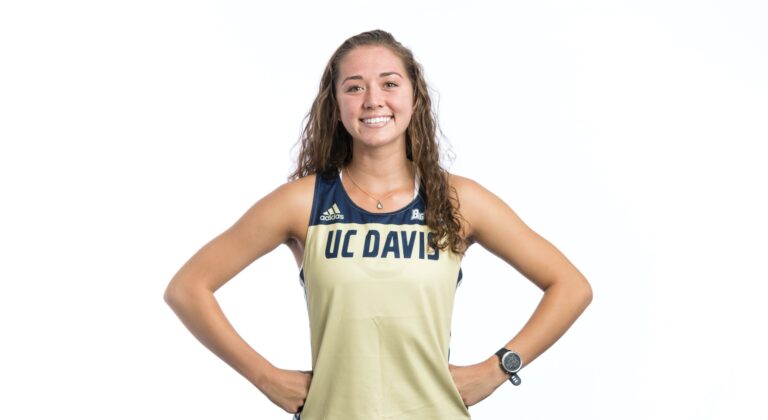
After months of postponed seasons, competitions for many sports such as track and field have commenced. As her season returns to a more normal schedule, Alexa Bolanos, a third-year sociology—organizational studies with an emphasis in business and communication double major, discussed her daily activities as an active long-distance track and cross country runner as she prepares for her track season. 

Bolanos begins her mornings early, usually waking up between 6:45-7:00 a.m. She likes to have a slow start while she drinks coffee, catches up on emails and completes class assignments. Currently, her schedule revolves around her 3:00 p.m. afternoon practices, and she tends to take most of her classes in the morning.   

For breakfast, Bolanos tries to have a well-balanced and filling meal that always includes coffee and ranges from avocado toast, oatmeal or peanut butter and banana toast. For Bolanos, it is especially important to eat a satisfying, high-calorie breakfast as afternoon practice can make it difficult to eat a heavier lunch. As an athlete, Bolanos said, it is necessary to eat healthy meals because it impacts her productivity and achievements on the track. 

“Nutrition is a huge part obviously in sports and especially running,” Bolanos said. “That’s definitely something that we have to prioritize as it directly correlates to our performance at practice and in racing.”

She spends the morning and early afternoon catching up on work before heading to the training room where she prepares for her afternoon practice. As a long-distance runner for UC Davis, Bolanos usually runs 6k races for cross country in the fall season and pivots to mid-distance races like the 800s, 1500s and sometimes the 3k for track and field in the spring. 

Due to her constant training and year-round preparations, Bolanos said that her workouts have not changed much during the pandemic. For her, the largest shift was when her cross country season was canceled in the fall and the team had to quickly pivot to begin training for track. When returning to Davis after Spring Quarter in 2020, Bolanos also had to transition from training on her own to practicing with her teammates with restrictions and regulations due to the pandemic. 

When her afternoon training concludes, Bolanos returns back to her home where she makes dinner, spends time with her roommates and finishes her homework. According to Bolanos, dinner is important after strenuous practices. In order to have nourishing meals, Bolanos determines what she wants to make each week and prepares her meals in advance.

Due to regular training, she emphasized the importance of consistently eating healthy throughout the year.

“I try to keep a balanced diet year-round,” Bolanos said. “[There isn’t] really off season with track and cross country.”

After dinner, she takes time to relax, complete her coursework and stretch after practice. Ideally, she is in bed before 10 p.m. in order to be well-rested in the morning. 

According to Bolanos, she and her teammates are excited to resume racing as the wait has made them more motivated during practice. 

“Just having practice and races put on the schedule has definitely increased all of our excitement and love for the sport again in a competitive way,” Bolanos said. 

During the pandemic, Bolanos stated that running became an important outlet for her. 

“Being able to [practice], even with so much uncertainty around us, was really important,” Bolanos said. “[It] refueled our love for the sport and reminded us that we are passionate about it and that we don’t always need races to be reminded of that.”

Until recently, Bolanos’ only form of competition was inter-team racing which featured competitiveness but, according to her, did not sufficiently prepare the team for competition. As she begins to race again, she noted that she and her teammates are having to adjust to competing after not participating in formal races for months. 

“I think it is a little bit of a shock to the system and also just daunting,” Bolanos said. “You’re going into a stadium with other athletes that you don’t know where they’ve been necessarily. Obviously there are a lot of safety protocols with COVID-19 so you can take comfort in that, but it still is a foreign feeling since none of us have been in that environment in quite a while.”

Bolanos stated that competition is currently limited to tournaments to which the team can drive. Flying is not permitted, so the team must drive to places as far as San Diego in order to compete. To maintain further safety, a negative COVID-19 test is required 72 hours prior to competition in addition to weekly COVID-19 tests. 

A year into the pandemic, Bolanos said that many activities, including team practice, have grounded her. Despite her busy schedule, she tries to prioritize self-care and movie nights with her roommates. In addition, through her sport, she has gained a community of friends who have provided solidarity and support. 

“Having a good community of people that support you and also have similar passions to you is really helpful,” Bolanos said. “I know all my teammates are going through the same kind of experience and will have the same hardships to some extent.” 

Though sports are a significant aspect of her life, Bolanos also emphasized the importance of maintaining friendships and balancing schoolwork with team practice.

 “Just making time for yourself and knowing that there is more to college life than just the sport that we do [is important],” Bolanos said. “Knowing that even though that is such a big aspect, it’s not the only aspect for me.”

Written by: Farrah Ballou — features@theaggie.org

Aggies claim the Golden Horseshoe for fourth straight season

0

UC Davis handles Cal Poly in dominating fashion to move to 2-1 on the season

In a game originally scheduled for Feb. 27, the UC Davis Football team rolled through the Cal Poly Mustangs with a big 73-24 win. In the 1000th game in UC Davis history, the Aggies set school records for total points and total yards as they flexed their dominance on both sides of the football in their home opener.

“Nothing surprised me with our guys,” said Coach Dan Hawkins postgame. “We always talk all the time. It’s really about us trying to execute and do what we’re supposed to do and not worry too much about the other team.”

The end result was a big margin, but it did not start out looking that way. In the game’s first offensive play from scrimmage, UC Davis quarterback Hunter Rodrigues was sacked and subsequently fumbled. The Mustangs took over from inside the 10, and were in excellent position to strike first. After being unable to convert a touchdown in three plays, they eventually settled for a field goal and took the first lead of the game, 3-0. 

The Aggies and Rodrigues responded nicely after a 22-yard touchdown run by senior Jared Harell gave the Aggies their first lead. But on their next offensive possession, quarterback Miles Hastings came into the game and threw an interception on a ball that went through wide receiver Carson Crawford’s hands and into the Cal Poly defender as he took it back 55-yards for the touchdown. In just over seven minutes of game time, two Aggie turnovers turned into 10 Mustang points. 

As Rodrigues came back into the game as quarterback, the team needed to regroup. A nine-play drive that included all nine runs culminated in junior running back Ulonzo Gilliam’s first touchdown of the day to retake the lead. From there, the Aggies never looked back and after forcing a three and out, they marched right down the field again to score another touchdown, this time by true freshman Lan Larison. 

Another short drive by Cal Poly gave UC Davis the ball back, and after a 30-yard punt return by Isaiah Thomas, it only took the Aggies four plays to get the score on a 23-yard connection from Rodrigues and sophomore tight end McCallan Castles. Now, with a score of 28-10, the Mustangs were trying to get something going on offense but were just unable to penetrate the Aggie’s defense with a pass or run. With the ball back and all the rhythm in the world, Rodrigues and his offense were able to cash in on yet another long drive as Gilliam got his second touchdown of the game—this time through the air— to make it 35-10. 

In a matter of minutes, the Aggies opened the floodgates on Cal Poly. Another short three and out by the Mustangs led to a 38-yard deep shot into the endzone from Rodrigues to sophomore Lance Babb II to make it a 32 point game. Before the half ended, UC Davis scored again, making it the fourth touchdown of the quarter and went into the locker room up a stunning 49-10.

Even after his shaky start, Rodrigues was able to reset and stand at a perfect 14-14 passing with 188 yards and four total touchdowns at halftime. Not only was the offense firing on all cylinders, but the defense was keeping the Mustangs in check all game as well, only allowing 82 total yards of offense and sacking Cal Poly quarterback Jalen Hamler five times. 

“We started off rough on my part,” said Rodrigues after the game. “But I feel like we bounced back and scored on every drive after that—in the first half at least. I think we do a great job running the ball up front. The [offensive] line sets that tempo [and] gets us in the groove. I feel like once we get that first first down then we’re rolling.” 

By the time the third quarter rolled around, the Aggies were continuing their tear of the Cal Poly offense, shutting them out yet again. On offense, UC Davis slowed down a bit, but were able to punch in another touchdown as redshirt freshman Trent Tompkins ran it in from the five yard line. Entering the fourth quarter with a 59-10 lead and the game being well out of reach, Rodrigues was taken out of the game and replaced by Hastings again, who responded to Cal Poly’s first offensive touchdown with a touchdown of his own—a pass to tight end Blake Thorpe. 

In a game that saw many dazzling plays for the Aggies, none were more impressive than Tompkins’ 86-yard touchdown which came with under six minutes remaining in the game. Tompkins was able to break multiple tackles and weave his way around the Cal Poly defense to score the best touchdown of the day—one that saw a total of 10. The Mustangs scored another touchdown with 1:54 left in the game to make it a final score of 73-24.

In football, there is no such thing as a perfect game—but the Aggies sure were close to one. Amassing a school record 768 yards of total offense, they did not have to punt the ball once and the Mustangs had no answer for neither the passing or running game. Rodrigues finished 19-23 passing with 265 yards and four total touchdown passes. Gilliam finished his day running the ball 17 times for 101 yards and two total touchdowns, while Tompkins only ran it twice for 91 yards and two touchdowns. Finishing with a total of nine sacks on the Cal Poly quarterbacks, UC Davis had three different players with two apiece. The Mustangs finished with just 209 total yards and were 8 of 21 in third down situations. 

“The best thing about [being at home] for me is just having all our team here involved,” said Coach Hawkins. “You go on the road, [you have 64 players] and you’re 64 strong but there’s a lot of kids that are really important to your organization and you want to get them in. At least have them be a part of the whole thing. That’s the best part of it.”

After their loss the week prior to Weber State, the Aggies needed to see something encouraging from their offense. With their defense performing extraordinary so far this year, their offense needed to find some kind of rhythm to build on. They were able to get that and more, as they now hope to have a formula to finish off the next half of the season strong. Their next opponent will be the Idaho State Bengals (1-2) at UC Davis Health Stadium in Davis, CA on Saturday, March 27. 

Written by: Omar Navarro — sports@theaggie.org

This jab at Taylor Swift is getting old—and sexist

0

How one comment highlights recurring sexism in the media

Taylor Swift fans made the Twitter hashtag #respecttaylorswift trend in the beginning of March after a character in the Netflix show “Ginny and Georgia” made a sexist joke aimed at the singer. The so-called joke referenced Swift’s dating history: “You go through men faster than Taylor Swift.” 

Fans had a knee-jerk reaction toward the comment and they immediately boosted hashtags and called out the writers for such a petty blow to the singer. When Swift herself heard the news of the cheap shot, she took her frustration to Twitter and tweeted, “Hey Ginny & Georgia, 2010 called and it wants its lazy, deeply sexist joke back.” The tweet spread around among fans and they were soon taking it upon themselves to make sure that the show’s writers regretted the decision of ever writing that line.

This particular joke has followed Swift for most of her career. But if people take a look at the media and how it talks about women, it’s completely understandable why Swift reacted the way she did. Women face unrealistic expectations and continue to deal with sexism throughout their entire lives, not to mention battling with internalized misogyny, and it’s exhausting. Whether it’s a big celebrity like Swift, who has to deal with an entire population of people wanting to chime in with their own opinion, or a woman in a STEM class dealing with some 20-something year old frat boys being condescending, harassment gets tiresome. 

Celebrities are always going to be the butt of a joke—they’re in the spotlight, so they’re an easy target for writers and comedians. But being the butt of a sexist joke isn’t funny, it’s demeaning. Swift has been ridiculed for years for simply dating men like a normal 20-something-year-old would.  

People aren’t solely frustrated because Swift consistently faces sexist criticism; she just so happens to be a catalyst for an important conversation that needed to be had. The idea that women can’t date multiple people in their lifetime but men can be applauded for doing so creates a double standard that is devastatingly tiresome to keep up with. This problem is one as old as time so it makes sense why that one line sparked outrage and was the talk of social media for a number of days. 

Comments like these affect women frequently, and so making jokes about them in a television show that is supposed to center strong women really takes a “two steps forward, one step back” type of approach—these jokes aren’t funny, they’re simply lazy writing. The writers of the show have yet to comment on the situation.  

I don’t think there was ever a time when I found sexist “jokes” funny other than when I was in elementary school and couldn’t grasp the concept of someone making fun of my gender. Girls at a young age are bombarded with double standards and an unhealthy expectation to please others. While there are some beautiful portrayals of women who break down those expectations for young girls out there—some of my favorites were “The Powerpuff Girls” and “Kim Possible”—studies show from a young age that girls are more likely to think of boys as the intelligent ones. 

Women grow up surrounded by media that tell them who they should be and what they should look like, and are rarely represented as powerful, main characters. Of course, in recent years we have seen characters that step on those stereotypes in action movies like “Captain Marvel” and shows like “The Bold Type” that portray women as complex and powerful characters. However, even with these additions of new protagonists, overused sexist jokes have found their way into countless movies and TV shows and uncomfortably poke fun at women for living their lives. 

What’s important to note here is that the blame of these types of jokes falls on the writer—not on the actress who said the line. It’s the writers of TV shows that add these types of jokes that attack women into their scripts.

While Swift herself didn’t receive backlash for the tweet, there was an unnecessary flood of criticisms against actor Antonia Gentry, whose character said the line. The actress faced bullying and racist comments on her Instagram at the hands of angry fans and soon released a statement that didn’t address Swift, but expressed her gratitude for being allowed to play the character. While fans had a right to be angry about the overused attack on Swift, they did cross a line. They held the actress accountable when their anger could have been pointed elsewhere.   

Written by: Itzelth Gamboa — arts@theaggie.org

The rise of telehealth and its impacts on the healthcare industry

Healthcare practitioners share their thoughts on the explosion of telehealth services during the COVID-19 pandemic

In light of the COVID-19 pandemic, many industries have transitioned from traditional physical workplaces to virtual ones. The healthcare industry is no exception. As hospitals were consistently overcrowded and overwhelmed as a result of the COVID-19 pandemic, non-COVID-19-related healthcare faced its own challenges and needed to adapt. 

At the beginning of the COVID-19 pandemic in March 2020, hospital admissions for non-COVID-19-related cases and routine healthcare appointments were abruptly canceled. According to a report from the Veteran’s Affairs Health System, 7.3 million appointments were canceled between March 15 and May 1 of 2020. This dramatic decrease in healthcare availability led to fears of decreased patient outcomes, creating an immediate demand for a way to safely and effectively deliver healthcare to patients from a distance. 

Because of this problem, telehealth quickly arose as the obvious solution. Just as many other industries had switched to working from home, healthcare practitioners began to work remotely using technologies such as Zoom and Microsoft Teams to interact with their patients. 

The rapid switch to telehealth, however, did not come without issues. According to a Centers for Disease Control report, the use of telehealth early in the COVID-19 pandemic was largely unregulated and varied dramatically in effectiveness. 

When asked via email if telehealth appointments were useful in his practice, Dr. Emmanuel Zamora, a clinical neuropsychologist at UC Davis Health, answered with just one word: “Absolutely.”

“For psychotherapy, I’ve found that most people have adapted well to video visits,” Zamora said. “Patients feel safer in their own home during the pandemic. For the most part, people find it more convenient and I have less ‘no shows’ or cancellations. Some patients do prefer in-person visits because privacy is difficult to come by at home or they feel safer discussing sensitive information in person.” 

Dr. Austin Merrill, an associate physician in the Department of Obstetrics and Gynecology for Kaiser Permanente, explained that the reaches of telehealth medicine extend far beyond treatment for mental health. 

“Pregnancy is in itself a condition that puts my patients at high risk if they do become infected with COVID-19,” Merrill said. “Virtual medicine has allowed us the opportunity to continue routine obstetric care while minimizing our patients’ potential exposures during visits.” 

However, similar to Zamora’s experience, Merrill explained that virtual appointments are not suitable in all circumstances. 

“A very obvious disadvantage is the simple inability to conduct an exam—as many a physician mentor will tell you, the key to examining the patient is examining the patient [in person],” Merrill said.

Despite the initial setbacks of healthcare access in the early days of the COVID-19 pandemic, telehealth advances have ultimately led to increased access to healthcare. According to Zamora, more patients, especially those who typically have to travel long distances to be seen, are benefiting from the changes. Merrill added that these alterations will likely continue even after the pandemic.

 “I believe moving forward we will find a happy medium in this amalgamation of virtual and in-person appointments that will continue to meet our patients’ needs,” Merrill said.

Despite the advances in telehealth throughout the course of the last year, not all healthcare sectors are able to convert to an online setting so quickly. The UC Davis Cardiac Rehabilitation Program, for example, relies heavily on in-person interactions for their patients. Dr. Javier E. Lopez, the medical director for the UC Davis Cardiac Rehabilitation Program, explained that during the early months of the COVID-19 pandemic, there was a noticeable effect on patient outcomes as the cardiac center was initially forced to close entirely. Though the center was able to reopen in the summer of 2020, they have been forced to cut down from their normal capacity of around 90 patients to around 40 patients. 

The center has been able to launch a hybrid virtual program and recently enrolled their first patient, according to Lopez. He expressed that the hybrid virtual program is intended to accomodate more patients. 

“That’s our goal, but [the center] is not there yet,” Lopez said. 

Telehealth and virtual medicine are still rapidly expanding, with an estimated over one billion virtual appointments in the last year

Pre-COVID-19 telemedicine appointments “were cumbersome and often difficult to navigate,” Merrill said. “This pandemic has taught all healthcare professionals a lot when it comes to maximizing our abilities to assess our patients and create really solid treatment plans.”

Even with this rapid expansion, there are a plethora of unanswered questions—namely the efficacy of virtual medicine compared to in-person medicine. Healthcare systems around the world are researching this topic, including UC Davis Health, which is conducting an ongoing study to evaluate the effectiveness of telepsychiatry

Merrill, however, is optimistic about clinicians’ abilities to implement telemedicine.

“I am in awe when it comes to the rapid response, adaptation and dedication of my fellow physicians when it came to incorporating virtual medicine into our already complex repertoire of patient care and assessment tools,” Merrill said.
Written by: Justin Weiner science@theaggie.org


Yolobus offers free transit to COVID-19 vaccination appointments

0

Anyone can ride for free with proof of a vaccination appointment from March 1 to June 30

Yolobus is offering free transit rides for people going to COVID-19 vaccination appointments from March 1 to June 30, as stated in its official press release

Deputy Director of Yolo County Transportation District Jose Perez explained that this program is open to the general public, not just Yolo county residents. 

“There’s no real limitation as to who can access it,” Perez said. “We don’t have age requirements or income requirements. You just need to show proof of an appointment, a vaccination card or schedule to be able to use our services to get to those appointments.”

Perez  listed other examples of proof, including an employment card from a health provider, an email showing a scheduled appointment or any other piece of evidence of an appointment on the day of travel. 

Executive Director of Yolo County Transportation District Terry Bassett explained that this program was enacted to make transportation to vaccine appointments more accessible to the public. 

“We believe that it was in the best interest of the public that we serve to make this offer,” Bassett said. “We did not want the issue of affordability, of getting to and from their vaccinations to prevent residents in Yolo County from gaining access to their shots.”

Perez added that ensuring mobility and access were key goals in the creation of this program. 

“This program is very much in line with our district priorities of ensuring mobility and access for our communities,” Perez said. “We wanted to make sure that, especially right now during these unprecedented times, we’re able to support our neighbors, our friends and our families in helping essential travel throughout the region.” 

Benjamin Tran, a third-year materials science and engineering major, recently received a COVID-19 vaccine on March 5 and underscored the importance of broadly advertising the program. 

“I think that it would have to be advertised more if people want that service to be taken advantage of,” Tran said. “As long as they get the word out to people, I think it could be really good for the community.”

Perez commented on the intended impact of this program on the community. 

“Ideally, we feel that it’s going to be an improvement in the overall health and safety of our community,” Perez said. “We wouldn’t be doing this if we thought it would hurt in any way. We have maintained significant precautions and safety considerations on-board of our vehicles.”

Perez further explained that these safety precautions included installing physical barriers between the drivers and passengers, limiting the number of persons aboard the vehicle to help maintain social distancing and installing hand sanitizing units inside all of the vehicles.

Tran provided his thoughts regarding the impact of this program on the community. 

“It would be really helpful—not only for students but other people living in Davis—to make it more convenient for people to get the vaccine,” Tran said. 

Bassett commented on the importance of removing barriers to receiving the COVID-19 vaccine. 

“We believe the COVID vaccine is extremely important,” Bassett said. “We have a lot of people that rely on public transportation, and we want to make certain that they are protected to the maximum extent possible by going and getting their COVID vaccinations.”

Perez reflected on the lasting effects of the COVID-19 pandemic. 

“We are very well aware of the impacts COVID-19 has had on our communities, on our neighbors, our friends and family,” Perez said. “We’re cognizant of the health and safety risks throughout this pandemic and we are happy to do whatever we can to help get us past this—including trips and travel to vaccinations.”

Perez left a final note about Yolobus’ commitment to keeping people safe.

“Our primary interest is making sure that everybody is safe, both our customers and our operators,” Perez said. “Anything that we can do to help ensure that safety and improve the health and quality of life for our communities, Yolobus is there and ready and willing to help do so.” 

Written by: Jelena Lapuz city@theaggie.org

Friends and former roommates remember Aggie Ameena Hayat

0

Hayat was the spiritual sister coordinator for the Muslim Student Association and died suddenly in a nine-car pile-up in San Lorenzo on Feb. 24

Ameena Hayat, a 22-year-old fourth-year human development major at UC Davis, was on her way to see a family friend when she died in a nine-car accident near San Lorenzo, CA on the morning of Feb. 24.

Sahrish Bhatti, a fourth-year psychology major, met Hayat when they became roommates in Davis. 

“She was a very loud person in a good way,” Bhatti said.

A., Hayat’s other roommate and fourth-year design major who requested to be referred to by her first initial, said she fondly remembers talking with Hayat after classes at the Activities and Recreation Center (ARC) late into the evening. 

“Every time we got together, we couldn’t stop talking,” A. said. “We had so much in common and so much to share.”

Hayat’s childhood best friend, M., a third-year psychobiology major who also requested to be referred to by her first initial, said they would dedicate their Fridays to hanging out and cooking together. 

“We tried to make something new every week,” M. said. 

The first night Hayat moved into her Davis apartment, M. said they were both exhausted from the move.

“We ended up making boxed macaroni,” M. said. “It wasn’t much, but it was a nice memory.”

M. said Hayat’s smile and demeanor were contagious and could put anyone in a good mood.

“I feel like a lot of people were comfortable with her, which is kind of a rare trait to have especially when you meet someone for the first time,” M. said. “But with her, she makes you feel like you’ve known her for forever.” 

A. said that Hayat went out of her way to make people feel loved.

“Whenever she would see you, she would always be so sweet and use sweet endearing terms in Farsi, or she would give you this sweet little nickname,” A. said.

Hayat’s death was sudden and spread through phone calls between family and friends. 

“[The friend Hayat went to see] texted me, asking if I knew where she was because they hadn’t heard from them in a few hours,” M. said. “So I was going back and forth between our friend and Ameena’s sister trying to figure out where she was.”

M. was informed that Hayat never made it to the house and that she had died at the scene. 

Before she died, Hayat was a prominent board member and spiritual sister of the Muslim Student Association. In that role, her duties included organizing faith-based events where students would get together, talk and build community. 

A. said that she touched people’s hearts with her work at the Muslim Student Association (MSA) at UC Davis. 

“She helped us strengthen our faith in and with God and also each other,” A. said. “We really created this safe space full of really amazing people.” 

Hayat had planned to go into the healthcare field, but her back-up was to own a farm with a lot of animals according to her bio on the MSA website.

Hayat had been spending more time with her family in Alameda, CA over the past few months, which M. said was a blessing. 

“It’s kind of nice if you think about it, because the way that everything happened she was able to spend a lot of time with her family before her passing,” M. said. 

A. was taking a silkscreen course with Hayat where they were making posters and Hayat had chosen self-growth as her subject. 

“The night before she was with [M.] finalizing that topic and her sketches for that poster,” A. said. “Then the next morning she passed away.” 

The California Aggie used this finished silkscreen piece, with the consent of A., as the graphic for this story.

The number of people at her funeral and how peaceful it was, A. said, was a testament to how great of a person Hayat was. 

Written by: Kathleen Quinn — campus@theaggie.org 


For Women’s History Month, UC Davis female faculty and a student share their achievements

0

Female faculty and a graduate student offer advice for young female leaders

This article is the second in a two-part series in honor of Women’s History Month in which The California Aggie interviews a few of the many distinguished women across campus who have made an impact on their community. These women discuss their various achievements, female influences and offer advice for young women as they pursue their goals. 

Michal Kurlaender 

Professor and department chair at the UC Davis School of Education 

Achievements 

Michal Kurlaender has been studying the educational system from grade school through college and into the labor market. Kurlaender’s work focuses on the economic public policy, sociology and social psychology associated with the education system. 

“I am really interested in integrating different disciplinary perspectives to answer questions about how to reduce inequality in the education system,” Kurlaender said. “A lot of my work is focused on trying to understand whether policies can reduce some of the gaps that we see in educational attainment by race, income, gender and other characteristics.”

During the pandemic, Kurlaender has also done work to help students who have had to suspend their education and career plans due to COVID-19. Her efforts include helping students reach their educational and economic needs as well as gain mental health support during the pandemic. In addition, Kurlaender takes great pride in helping the graduate students she mentors navigate through their career paths. 

The female experience

Kurlaender discussed how being a woman has had an impact on her career.

“I think being a woman is part of my strength,” Kurlaender said. “I feel proud of what I have been able to accomplish as a woman and there are so many people who have supported me to get to where I am today. I am fortunate that I was mentored by both men and women who really believed that I could have a productive career and a family.”

Kurlaender gave some further insight into the gendered power imbalance in her field of study. 

“I think even in a field like education, which is often considered more feminized, we see some of the same inequalities,” Kurlaender said. “Inequalities in promotion, acceleration or advancement in the field are somewhat gendered. I think we still have a long way to go to equalize and understand how to support women academics in a way that honors their professional work and recognizes the societal demands that challenge those rights.” 

Advice

Kurlaender offered some advice to women who are about to enter the workforce. 

“The first thing is to uplift each other,” Kurlaender said. “We can really help or hinder further advancement, and one of the best things you can do is support other women.”

She also encouraged students to seek out mentors. 

“The other thing is to utilize female mentors,” Kurlaender said. “Your generation is going to have more and more of them and there are a lot of women out there who are just eager to convince young women to enter their profession and help them succeed. Our job is to not have you go through the hardships that we went through as a working woman. We want to make sure that the workplace is a hospitable place for all kinds of people.”


Joanna Mazet 

Professor of Epidemiology & Disease Ecology 

Former director of One Health Workforce — Next Generation 

Achievements 

Joanna Mazet is a professor of epidemiology and disease ecology at the UC Davis veterinary school and was the former director of the One Health Institute. Mazet noted that mentoring the next generation of health leaders has been one of her proudest achievements. 

“I am extremely proud to say that the majority of the graduate students and postdocs I have worked with have been women in STEM,” Mazet said. “I am pleased to have been able to contribute to their growth and to have learned from all of them, including the men.”

In addition, Mazet has led multidisciplinary teams to work on global health problems using a One Health approach. 

“I have worked on issues of pathogen pollution and conservation for sea otters and other marine species,” Mazet said. “I have also been a part of projects that try to identify issues before they become available to make people sick and cause epidemics and pandemics. Over the last decade, I have led the predict project, which was building the capacities around the world to have resilient systems to respond to virus outbreaks and help identify and characterize viruses before they make people sick.” 

The female experience

For Mazet, being a woman has impacted her approach to her work.

“Being a woman is part of who I am and it shapes the way I think about the world and approach my job,” Mazet said. “Being a mom has also been instrumental in shaping my frame of reference and perspective of the work. Being a woman has also shaped my approach to bringing people into the fold to work together collaboratively. I know men do that as well, but what I am trying to say is that the way that I approach the process of science and education is shaped by my femininity.” 

Influences 

Mazet cited former Supreme Court Justice Ruth Bader Ginsburg as her greatest female influence. 

“Ruth Bader Ginsburg was an amazing role model for me because of her work in the civil rights for women, and civil rights beyond women or BIPOC,” Mazet said. “There have been so many women throughout my career who have inspired me and supported me by helping me navigate throughout various obstacles, and I am incredibly thankful for them as well.”

Advice

Mazet offered advice to women who are about to enter the workforce. 

“Be strong, be enthusiastic, and most importantly be yourself,” Mazet said. “Reach out and make connections with supportive allies who can help you. You don’t have to learn everything fresh, and I think that’s a mistake that I made. Women are a driving force in our society, including our academic community. We must be supportive of one another.” 


Jennifer Gross 

Head coach for the UC Davis Women’s Basketball team

Achievements 

Jennifer Gross has been an Aggie since she was a student athlete in the ‘90s. After graduating from UC Davis, Gross went on to be an assistant coach at the university. She has been the head coach for the Women’s Basketball team for almost 10 years now. This past year, with the help of Gross, the team won their fourth straight Big West championship. 

“I work with amazing individuals and students at UC Davis,” Gross said. “I get to coach bright, driven and passionate young women at UC Davis, and I absolutely love it. They make this job so rewarding, and my goal is to give them the best experience possible and to have them graduating saying, ‘Wow that was the best four [or] five years of my life.”

Influences 

Gross cited her mother as being one of her greatest female influences. 

“My mom used to live by this mantra, which I continue to live by, she would say to ‘Treat people with kindness,’” Gross said. “My mom was kind of the epitome of that, people love being around her because she’s warm and inclusive and a really kind person.” 

In addition, Gross noted that many of her coaches, male and female, had a great influence on her career choice and advancements. 

“When I got to college, I played for a woman named Jorja Hoehn, she was this very strong personality,” Gross said. “She was the first female that I saw in that role that stood up for whatever she believed in even though there were a lot of times she was surrounded by a male-dominated administration. It was really inspiring to get a chance to play for such a strong woman who taught us how to speak up and provide the best possible experience for the student athletes I coach today.”

Advice

Gross offered advice to women who are interested in joining athletics or about to enter the workforce. 

“Reach out and connect with people,” Gross said. “I try to tell our student athletes, the bigger your network, the more opportunities will present themselves. There is this network of women who want to help the younger generation be successful, and I think sometimes people are afraid to reach out and ask for help from someone they don’t know. But there is no harm in reaching out, the worst thing that can happen is that they don’t get back to you, but just know that the next person will. I think it’s really important to kind of step outside your shell and connect and listen to other people’s experiences. You will be amazed to find out how many people are willing to help.”


Caro Novella Centellas 

Ph.D. candidate in performance studies, DE in feminist theory and research and DE in practice as research 

Founder of Oncogrrrls 

Achievements 

Caro Novella Centellas is a Ph.D. candidate in performance studies with a designated emphasis (DE) in feminist theory and research. Centellas is currently a Catlan performing artist-researcher. Her focus has been on the incorporation of several forms of contemporary and community dance, community health and engaged performances that address health and politics. 

“I have pursued health and social change through communication and art-making both in academia and the social justice worlds, and each has nuanced my different approaches to the practice,” Centellas said. “Over a decade of participatory and community health work in Spain, Burkina Faso, Colombia, Ecuador and the U.S., I attended to designing spaces for community dialogue, awareness and health education.”

Centellas is the founder of Oncogrrrls, a research and creation performance project with women and queer and trans individuals that aims to address questions surrounding cancer. 

“Through live performance art, poetic actions, art installation, video-dance pieces, fanzines, public screenings and conferences, Oncogrrrls centers activism through art inquiry,” Centellas said. “Oncogrrrls creates new oncological publics and has fostered more extensive discussions on cancer politics, moving conversations beyond individual stories of survivorship and into environmental health, bioethics and social justice artworlds.”

Being a woman 

Centellas discussed how her femininity has influenced her work. 

“Many times I wonder how much more direct access and support I would have if I had not been a woman,” Centellas said. “It’s not easy navigating [the] expectations of cuteness and domesticity, as well as constant harassment and misrecognition, over-extended work, self-doubt, perfectionism and never being enough. As I got older, and as I got more and more entangled with transfeminist networks, it has gotten better: not as in easier opportunities or recognition, particularly in the art world, but much better in the ability to be in emotionally nurturing, intellectually interesting and politically committed environments.”

Influences

Centellas cited the women in Oncogrrrls, her oncologist and her grandmother as her biggest influences. 

“I was inspired by the Riot grrrls and the Guerilla grrrls,” Centellas said. “Women art movement collectives [that] center women’s critical voices and hope to call in responses of resistance, collective power and critical art. My oncologist, Dr. Alonso treated me and my grandmother for ovarian cancer. Getting her to be my doctor was very reassuring.” 

Advice

Centellas offered some advice to young women. 

“Stick with the grrrls,” Centellas said. “Keep joy at the center, and cultivate relationships with people whom you can be as tender and witty as you feel like. Something that I wish I had trained earlier in life: giving time and space to clarify my intentions and practicing setting stronger boundaries.”  

Written by: Sneha Ramachandran — features@theaggie.org

Police logs

0

Someone get these birds under control!

February 19

“Driving recklessly in golf cart.”

February 20

“Yellow frat house with blaring music.”

February 21

“2 large racoons were in her backyard but have since moved along down the fence.”

February 23

“Yellow house repeating loud music.”

February 26

“Chicken got out of neighbor’s backyard.”

February 27

“Turkeys are now swarming around, causing traffic hazard.”

March 2

“Ringing door bell and ditching for last 15-20 minutes.”


Aggies: Will you accept this rose?

0

UC Davis students share their experiences watching “The Bachelor” and participating in “Bachelor” culture

“The Bachelor,” a romantic reality television show with the end goal of engagement, has been airing on ABC since 2002. The show has since expanded to include “The Bachelorette” and “Bachelor in Paradise,” along with other series as it accumulates viewers who tune in to the show year after year. 

In fact, the term “Bachelor Mondays” was coined for the routine airing of the show on Monday nights for each season. Amid the drama and roses lies a “Bachelor” fanbase made up of people across the country, including those in Davis.

Dana Lawrence, a fourth-year environmental science and management major, was introduced to the show during her freshman year at UC Davis. This year, Lawrence is more committed to watching the show and has created traditions with her six housemates. 

Every week they gather together with a glass of wine and watch the newest episode, chatting all the while. Lawrence shared that on some nights, everyone dresses up for the episodes. For instance, she and her housemates dressed up as their parents for the hometown dates episode in which the final contestants introduce their families.

She shared that her watching experience exceeds each episode’s duration as everyone in the house recaps the dramatic events afterwards.  

“There’s usually about 10 minutes of all of us laughing, bringing up things that happened in the previous episode, definitely more of a discussion part,” Lawrence said. “There’s a lot of yelling that goes on, a lot of excited talking and definitely predictions about what’s going to happen the next week.”

Moreover, Lawrence shared that the pandemic did have an impact on her renewed commitment to the show this year. 

“I’d say that having more free time and being home in the evenings is definitely why I’m watching it,” Lawrence said. “Especially with seven people, it’s crazy that schedules can align that way and so I think the pandemic [has] played a role in that.”

Looking at the show broadly, Lawrence shared her opinions on why “The Bachelor” franchise has retained such a dedicated audience over the years. 

“On a basic level, I think that a lot of viewers want to see people succeed in finding love,” Lawrence said. “It’s a very simple concept that you can create your own characters in and then have these recurrent characters that people can root for.” 

Julia Phalen, a fourth-year sociology—organizational studies and communication double major, started watching the show with her sister during her freshman year. As she got more interested in it, Phalen began watching with her friends as well.

Although Phalen always tunes in to “The Bachelor” and “The Bachelorette,” her favorite series from the franchise is “Bachelor in Paradise,” a spinoff that involves people from both shows. She shared that it’s interesting to follow her favorite contestants from previous seasons as they embark on a new love journey. 

“You see people that you liked from one show meet another person and then fall in love,” Phalen said. “And that’s super entertaining to look back [on] and be like, ‘Oh, I remember when he was on that season.’”

Phalen said that her favorite part about watching the show is getting to share the experience with her friends. 

“I like getting to talk about it with my friends afterwards and having it be a thing where we all get together,” Phalen said. “My housemates and I have all been watching it together, so it’s been kind of fun to watch with them and talk about it with them. And none of them have been super into it in the past, so it’s been kind of fun to explain all the little traditions that the show has to them.”

Maddy Stein, a fourth-year human development major, is a long-term viewer of “The Bachelor” franchise. Stein began watching at the age of 11 and hasn’t missed a season ever since. While her initial watch was motivated by her love of reality television, Stein is now attracted to the social aspects of watching the show. This includes watching the show with her friends and exploring social media online to learn more about the contestants. 

“As I got older, it turned into more of this whole franchise through social media and the contestants that I really liked I now follow on social media,” Stein said. “It’s sort of learning about their lives through social media, and I just get really invested in it.”

For Stein, one of the best parts of watching the show is participating in funny memes and TikToks about the show to laugh about with friends. 

“We’re all just busy with school, and all we do is school, school, school,” Stein said. “But then Tuesday nights are our night to come together, hang out and watch the show.”

Stein foresees herself continuing to watch the show as long as she has a community to watch it with in the future. She recommended those who haven’t watched yet to start the show, stating that it has many intriguing qualities. 

“It’s very dramatic, but also has this way of drawing you in and makes you want more, especially when they do the previews at the end of the episode,” Stein said. “It’s interesting to follow this journey of 25 girls trying to get one guy to fall in love with them. I would say it’s a light-hearted, funny, dramatic show.”

Written by: Nora Farahdel — features@theaggie.org

UC multicampus research grant advances automation in agriculture and addresses the cultural preservation of Indigenous groups

0

The $19 million grant is distributed to all nine UC campuses and funds eight new projects at UC Davis

The University of California (UC) awarded $19 million to 15 multicampus research programs and initiatives in the biannual research competition. UC Davis will be participating in eight of the projects that were awarded funding. Each project has support from at least three UC universities and is engaging in research from multiple directions.

“[The competition is] a time for faculty across all nine UC campuses to come together across disciplines and do some high-risk innovating work surrounding the issues that are of interest,” said Anne Visser, an associate professor in the Department of Human Ecology whose project was awarded funding through the competition.

Visser, a recipient of the grant, is conducting a project that is investigating the future of automation in agriculture and productivity within the industry.

“California’s agriculture has been facing enormous amounts of pressure both from climate change and increasing competitors internationally,” Visser said. “From a labor perspective, we’ve had a labor shortage due to immigration controls. Also, the farm worker labor force is getting older in general. Farmers are having a harder time finding people not just to tend to the crops, but in all aspects of agricultural work.”

Initiatives to improve productivity through automation are slightly more complicated in California due to the diversity of crops produced.

“When it comes to types of technologies that are being adopted in agriculture, it’s the same types of technologies that we’re seeing being adopted in other places,” Visser said. “What are the impacts of these new technologies? Do they have implications for long-term sustainability both environmentally [and] economically?”

This project will work to answer these questions while assessing and improving the health of farm workers with climate change increasing their time in the sun.

“We know that farm workers have hotter days, more hot days in the summer, [and] the harvest season is longer,” Visser said. “The dangerous conditions are increasing—how do you manage these things?” 

A transition to automotive technologies in agriculture would also affect the economic landscape of farmers’ wages and call into question the economic sustainability of this change for its workforce.

“When you bring in these types of automotive technologies you are creating new jobs,” Visser said. “Maybe not as many in number, but perhaps more lucrative in terms of salary or income. Can you utilize these new technologies as a way to improve outcomes experienced by workers in various regions?”

By emphasizing labor productivity and agricultural health, the project strives to improve California’s agriculture without sacrificing the well-being of individual farmers.

“Agriculture remains a very important part of our economy and I think it’s being challenged in many ways and in new ways,” Visser said. “My hope is that our project not only highlights these challenges, but also identifies ways to mitigate these challenges and ways to make challenges in what might be seen as obstacles strengths in these regions so that we can create resilient agricultural regions.”

In addition to projects addressing agriculture, the research competition also awarded an initiative to protect Tribal stories through an effort titled, Centering Tribal Stories of Cultural Preservation in Difficult Times

“[This project offers] an interdisciplinary approach to thinking through repatriation and cultural heritage protection and developing educational modules and curricula for UC students,” said Beth Rose Middleton, a professor and department chair of the Department of Native American Studies who works on the project. “We will work in partnership with Native community members to develop curriculum about multiple aspects of and considerations regarding repatriation and cultural heritage protection.”

Middleton touches on the importance of having this conversation in California.

“University of California and many other universities around the nation are what’s known as land-grant universities, meaning that the government either granted land or revenue from the sale of land to develop a public university,” Middleton said. “That land was taken from Indigenous peoples.”

Middleton plans to pursue her ongoing efforts of repatriation and rematriation of Native lands within the project.

“I hope to collaborate with my colleague at The Maidu Summit, Lorena Gorbet, to talk about The Maidu Summit land transfer,” Middleton said. “I’ve also been in conversation with Morningstar Gali (Pit River) about land transfers to Pit River, and with Alan Wallace (Nisenan and Washoe), who works with The United Auburn Indian Community, about their observations or experiences with cultural and land repatriation processes.”

Hulleah Tsinhnahjinnie, a professor in the Native American Studies department and the director of the C.N. Gorman Museum, will also be joining the project from another angle. Tsinhnahjinnie will be documenting and preserving the Native stories of Pam Gonzales (Cachil Dehe Wintun Nation, Konkow, Huchnom).

“We put together a project where [Gonzales] is going to highlight five stories,” Tsinhnahjinnie said. “I’ll be documenting her stories and videotaping. We’ll go to the sites, we’ll talk to different people, we’ll go to archives and we’ll have five videos that will be a part of the modules to have students understand where UCD is situated.” 

Tsinhnahjinnie further elaborated on the project in an email.

“The videos will emphasize her personal history and connections to Wintun land, which will be the core for modules, Mrs. Gonzales believes, if students understand what it means for UC Davis to be situated on Wintun land, maybe there will be a start of cultural respect and exchange,” Tsinhnahjinnie said via email.

At UC Davis, signage can be seen across campus acknowledging the campus’ location on Native grounds. This project strives to further that effort.

“How can we really deepen everyone’s understanding of what it really means to be within Patwin homelands and what responsibilities that carries, in terms of how we relate respectfully to the people here as guests within their homelands and how we work to address situations of injustice that have long languished?” Middleton said.

This story was updated on March 22.

Written by: Maddie Duley — campus@theaggie.org


Nontraditional Davis kitchens and bakeries find their niche

0

Some food providers have adapted to a new delivery-based model amid the pandemic

Several Davis food businesses have recently found success despite the COVID-19 pandemic by pivoting to a delivery or pick-up business model, such as Foodies, a former catering business. 

Foodies co-owner Sarun Kao explained how the pandemic has impacted its business model.

“We had about 25 weddings planned in San Francisco, and all 25 were canceled from last year,” Kao said. “Some of them have rescheduled to this year, but that’s a lot of revenue lost. We’ve had to alter our business a bit to adapt to the pandemic.”  

After taking a break to regroup, Foodies adapted, according to Kao.  

“We were working out of the Odd Fellows Lodge—it’s a fraternal order,” Kao said.  “The Davis chapter, they normally meet every Thursday, and we normally provide the food for them. It got so busy on Thursday that we went to Wednesday and Thursday for food, and we expanded to Friday for a more premium option.” 

Pannier is another business that makes use of the Odd Fellows Lodge commercial kitchen has a “cloud kitchen” format, so it does not have a traditional restaurant space, according to Pannier co-owner Cynthia Raub.  

“We operate a cloud kitchen,” Raub said. “A cloud kitchen is a newer food business model that does not have a retail or front-facing customer experience, so our presence is primarily online. Cloud kitchens have a delivery focus.”

Pannier has been very successful, according to their website, which states that their capacity is 160 orders a week, which they often sell out of within a few minutes. However, the business has taken some time to reach this level of popularity, Raub explained.   

“When we first started our business about a year ago, it would take the entire weekend to sell out of our capacity,” Raub said. “At that time a year ago, our capacity was about 70% of what we do now.”  

Raub explained that cloud kitchens can more easily adapt to a low-waste business model, citing Pannier’s zero food waste system.  

“The cloud kitchen concept allows us to take our orders in advance,” Raub said. “So we know how much product to buy for the week to fulfill our orders. We get the orders on Saturday, so we know how many of a certain dish that we have to make for Tuesday and then for Wednesday, Thursday and Friday.”

Zoe Mitchell, co-owner of Bran & Ash, a new subscription microbakery, made a similar point describing the more precise delivery format.  

“Because we’re operating as a cottage bakery, we don’t have a storefront, so baking each day and relying on people to come in and pick up stuff wasn’t really an option,” Mitchell said. “We wanted to do something where we could set out a certain number and people could order them so we had a few days to prep, so we were making exactly how much we were selling.”

This business model has fewer overhead costs as well, according to Bran & Ash co-owner Casey Hardi, who stated that it’s “easier to predict our needs and keep our inventory small and our production precise.”  

Unlike Pannier, Bran & Ash is a community-supported bakery, according to Mitchell.  

“Right now, we’re operating on a weekly subscription basis,” Mitchell said. “Each week, we put up a box with a piece of sourdough and a few pastries, and we have a subscription so subscribers get the box automatically. We have a couple extras on the website and people can order them. And then we do all of our deliveries and pick up on one day of the week, and then bake the rest of the week to fulfill the box orders.”

Mitchell recounted how Bran & Ash has also experienced a recent uptick in orders.  

“We started in November officially—we’d been planning it since April, but the bakery opened in November,” Mitchell said. “The first few months were pretty slow-going, but the holidays picked up, and then about two weeks ago or a week ago we were in the [Davis] Enterprise and over the last month it’s increased exponentially.”

Written by: Rachel Shey — city@theaggie.org

African American and African Studies Department gains first presidential chair through endowment by local alumni

0

The $1.5 million donation was made by UC Davis alumni after a chance encounter with AAS faculty

UC Davis alumni couple Daryl and Lois Goss donated $1.5 million to the African American and African Studies (AAS) department for its first endowed presidential chair to help further the teaching, research and contribution to the culture and history of communities of African and African descent. 

The Austin and Arutha Goss Presidential Chair is named after Daryl Goss’ parents, who the Goss family has credited with giving them the value of lifelong learning and education. Along with the $1.5 million gift, the UC Presidential Match for Endowed Chairs has also contributed $500,000.

According to a press release by UC Davis, Daryl Goss stated that the development of the presidential chair comes from the current climate around social justice.

 “We want to bring diversity, equity and inclusion to the forefront of everyone’s mind,” Goss said in the statement. “We need to provide appropriate support toward educational opportunities to generate more interaction and understanding of underrepresented people’s histories.”

The endowment, which has been a long-term effort by the department since 2007, highlights the transformative work being done within this field. 

“For the department to have an endowed chair is very prestigious in academia during these times of the Black Lives Matter movement, the racial reckoning that’s going in this country, and the social justice movement that is global now because of the Black Lives Matter movement,” said Professor Emerita of AAS Halifu Osumare. “[It] definitely highlights the importance of African American studies and higher education in general in the world.”

The relationship between the AAS department and the Goss family started in 2006 when the couple came to visit UC Davis, curious about where the department had gone since they graduated, and had a lucky interaction with a faculty member. 

“On that day, when they were wandering the hallways of the department, professor Milmon Harrison happened to be in his office and saw this couple looking curious and […] so he walked over to them,” said AAS Professor Moradewun Adejunmobi. “That led to a lengthy conversation and Harrison then invited them to meet the entire faculty.” 

Adejubon mentioned that in the first visit, between introducing them to the faculty and students, sitting in on current classes and being offered lunch, the department began to explain their needs and the ways they could assist. 

“We stated that we would like gifts to give to our students because many of our students come from homes where they are facing all kinds of financial challenges, and so if they are doing well we would like to be able to reward them,” Adejunmobi said. “One of the things we listed was if we could wave a magic wand, we would like an endowment for a professor worth at least a million dollars. We set that in 2007”. 

The endowment is the latest in a series of gifts to the university; they have contributed directly to students as well as developed many student scholarships. One of the scholarships, the Goss Academic Achievement Award, gives AAS student majors the opportunity to receive $1,000. Other scholarships funded by the Goss’ include the Gary Perkins Academic Achievement Award for Student Affairs and the Joe Singleton Athletic Scholarship. 

AAS faculty members mention that this endowment will help to expand the program and bring more opportunities to the department. Currently, the department has only six faculty members teaching undergraduate and graduate courses, the same number as in 2007 despite student enrollment in the major, and student attendance in the classes, increasing. 

AAS courses are not only taken by those looking to major or minor in it, but also by many undergraduates looking to fulfill certain credits to graduate. 

“I taught a course called, ‘The Survey of Ethnicity in the United States’ that drew people for their humanities diversity credit for graduation from all over the campus,” Osumare said. “One of the things we often talked about as a faculty was that we were not only servicing our major, but the entire campus in terms of teaching undergraduates in particular about issues of diversity and social justice.”

The faculty has trouble meeting the demand of students for their classes due to it’s small size. 

“What we hear resoundingly from students is, ‘We want more,’” said Interim Chair of AAS Mark Jerng. “‘More classes being offered, more research opportunities, more forms of community engagement.’ And in order to do that we need more faculty.” 

Adejunmobi said that recruiting cutting-edge researchers helps to expand academic work, recognition and contributes to social justice causes as well. 

“We obviously need activism that’s often happening on campus, but we also need scholarship and academic work that is happening on campus that is justifying and showing why the kind of things we are advocating for need to happen,” Adejuboni said. “In a research university, no matter what you are advocating for, if there is any reason to question to deliver on the research front it undermines whatever else you’re advocating for. This endowment helps us in our ability to deliver on the research front.”

Daryl Goss, who now works as a chief executive officer at Inform Diagnostics, a leading provider of anatomic pathology services, graduated from UC Davis with a degree in AAS in 1983. Lois Goss graduated in 1985 with a degree in Sociology. Currently, Lois is involved with the College of Letters and Science Dean’s Advisory Council, the Women and Philanthropy Advisory Council and the Davis Chancellor’s Club Cabinet. Darryl Goss serves as the UC Davis Foundation Board chair. 

Both of Daryl Goss’s parents, the namesakes of the endowment, received higher education at an older age, with Arutha Goss attending community college classes while her son was in college and getting her bachelor’s, master’s, and later, at the age of 70, her doctorate degree. After a 20-year military career, Austin Goss received his bachelor’s. 

Whenever Daryl and Lois Goss have the opportunity to meet the students who they are directly helping, the Gosses want to make it known that they are there. 

“It means so much to the current students when they see alumni. I think for students at any point and time it is hard for them to envision the future, but especially right now because it looks like the future doesn’t exist,” Adejunmobi said. “When you see someone who walked the same challenges you are dealing with right now and you see how they have been able to put it together, it means so much more than what a professor can tell them or what a student counselor can tell them.” 

Written by: Annette Campos — campus@theaggie.org 

Aging as a 20-year-old: How epigenetics and lifestyle changes may reinterpret future genetics

0

UC Davis faculty discuss the possibilities of epigenetics and the capacity to alter one’s rate of aging

This article is the third installation of The California Aggie’s Mind and Body series which discusses nutrition, physical wellbeing and mental health.

Age 25 has been pegged as one of the most pivotal points during one’s aging process as it is the starting point for collagen breakdown and slower cell division. 

Robert Hackman, a research nutritionist at UC Davis, clarified these claims of aging and cell division. He emphasized that once one reaches their mid-twenties and early thirties, the cell division process will slow down but never stops.  

“The rate of cell division slows down,” Hackman said. “[But] cell division is happening throughout your life.”

Reduced cell division is a normal process and is responsible for making us more prone to fat production and muscle retention. As people age, the burning of calories and fat loss ultimately becomes more difficult as their metabolism slows.

“Our metabolic rate, the amount of calories we’re burning, whether it be while we’re sleeping or during our daily physical activity, those generally slow down after or around the age of 30,” Hackman said. “They can be mitigated, to some degree, by regular, lifelong physical activity.”

Though a slower metabolism can be alleviated with exercise, Hackman mentioned that it becomes increasingly difficult to maintain muscle mass while simultaneously keeping body fat down. After one’s mid-twenties, a healthy diet and exercise can aid in slowing the rate of decline within one’s body, but this process is inevitable and cannot be halted. 

Recently, however, the term epigenetics has gained popularity online for claims that one’s lifestyle has the ability to dictate certain aspects of aging over genetic predispositions. Hackman explained that although studies on the subject have been limited, promoting healthy habits can influence the way one’s genes are read and possibly impact aging in the future. 

“Epigenetics has to do with whether your lifestyle can alter your genetic code, your genetic predisposition,” Hackman said. “You can’t alter your DNA, but the DNA gets interpreted or read by the RNA. The RNA then is the code that tells the cells how to reproduce and what proteins to make. In that translation from the RNA to the cell, a healthy dietary pattern and healthy lifestyle can certainly increase one’s chances.”

Hackman emphasized that there are no clear answers in the study of epigenetics, but that professionals do know that a healthy lifestyle with no smoking can have positive long-term impacts on one’s health. 

A caveat, however, is that some genetic predispositions are too “well programmed” to be solely pivoted by diet and exercise. He offered the examples of cholesterol and heart disease as possibly being genetically predisposed in one’s body. Thus, pharmaceuticals, according to Hackman, are the most effective way of controlling their impacts.

Dr. Joseph Shen, an associate professor of clinical genetics for UC Davis Health, also noted the possibilities and constraints within the study of epigenetics. Shen specializes in the study of single-gene disorders and mutations among genes. He stated that geneticists have been able to investigate and draw conclusions from genetic disorders like sickle cell disease or cystic fibrosis, yet have difficulties toward observing genetic traits like diabetes, ability to lose or gain weight and athleticism. 

“We are nowhere near as knowledgeable about the latter compared to the former form of genetics, just because of the interrelationships and complexities of gene-gene interactions within the human body when you are dealing with thousands of genes at a time,” Shen said. 

Ultimately, according to Shen, the genetics are too complex to make definitive claims about altering the way one’s genetics are read; people may be born with certain genetic codes that may be too entrenched to override with lifestyle changes. 

“We control what we can control,” Shen said. “As an example, there may be a genetic predisposition to earlier heart attacks [or] higher cholesterol based on what we know about a person’s relatives and their history of medical issues. You cannot control that.”

Despite continuous research toward more conclusive results, both Shen and Hackman state that exercise and healthy diets may have the capacity to reduce the restrictions of certain genetic codes. 

Hackman further explained that people should also attempt to avoid inflammatory, processed foods which may be the cause of some chronic diseases. For skin preservation, he recommends a plant-based Mediterranean diet that is filled with dark green, yellow and orange vegetables. 

These lifestyle changes contribute to short term payoffs which Hackman stated correlate to the reduction of long-term risks. 

“This will help you sleep better at night,” Hackman said. “This will help you with your mental focus, so you can do school better. This will help you feel light so that you can do exercise and recover more quickly.”

Written by: Farrah Ballou — features@theaggie.org


The Peloton Bike is a display of the privileges of the wealthy

0

During a time when staying healthy is vital, it’s easiest for the upper class to stay fit while avoiding COVID-19

The term “pay for convenience” has never been more applicable than with the 2012 introduction of the Peloton bike: a stationary spin bike that combines the experience of instructor-led classes and the convenience of your own home all into one. 

At a staggering price of $1895, the basic model Peloton is a bike touted as an “immersive cardio experience” with a sweatproof 22 inch HD touchscreen, connecting you to a variety of instructor-led programs and challenges that are only accessible with a separate $39 a month all-access membership that is required with the bike’s purchase. 

If you are feeling adventurous and want to pay two months rent (in Davis) for an exercise machine, you can purchase the Peloton Bike+ which will run you $2495 for the basic plan. It comes with a 24 inch HD touchscreen that rotates 360 degrees and an even more tricked out audio system than the original Peloton, with two front and rear facing speakers. 

Not even a government-issued stimulus check can cover the cost of owning a Peloton.

Prior to the pandemic, Peloton was viewed as a luxury item for the rich; an indicator of which tax bracket someone is in. 

However, due to COVID-19 restrictions, gyms closing and lack of outdoor exercise accommodations, the world set its sights on Peloton, and its popularity has skyrocketed during the pandemic.

Given the increased demand for the bike, Peloton bought Precor, a fitness equipment provider, for $420 million in cash to add 625,000 square feet of production space in order to deliver Peloton bikes even faster to its members. 

Peloton is projected to make approximately $1.8 billion in sales in 2020, with its membership base increasing from 550,000 people at the start of 2020 to over 880,000 today.

According to Pew Research on “Trends in Income and Wealth Inequality,” a country’s Gini Coefficient is a statistical indicator representing the wealth distribution in a country between a 0-1 range, where 0 means wealth is distributed equally for each member of that country and an 1 indicates that wealth is held by one person. This coefficient can help standardize the degree of wealth inequality in a country. 

The U.S. has a Gini Coefficient score of .488. In other words, there is considerable income inequality in the U.S. where wealth is unequally distributed into the pockets of the upper-income households.

According to the Centers for Disease Control and Prevention, obesity prevalence has increased from 30.5% to 42.4% from 1999-2000 to 2017–2018 with 1 in 3 Americans being considered obese. Not only that, but there are roughly 655,000 Americans dying from heart disease each year.

In addition, there is a correlation between socioeconomic class and obesity in which often those who are poorer have lower qualities of health. 

In a country suffering from economic decline, a global pandemic and a health crisis of obesity and diabetes where those who have a lower income are most affected, it is somewhat appropriate to infer that an almost $2000 bike isn’t for the average American—it’s for the economically stable. 

As gyms became inaccessible during a time where staying in good health is imperative and doing at home workouts became the norm, those with the financial means could bring the convenience of a gym membership to their very own living rooms, while those who are most vulnerable to COVID-19 lost access to their typical means of staying fit. 

Many people would love to be able to afford a Peloton, especially during a global pandemic where going to public gyms and trying to stay healthy no longer go hand-in-hand. But no matter how you spin it, the reality is most people don’t have $2000 lying around to afford such a luxury—even if they’re the ones who need it most. 
Written by: Muhammad Tariq — arts@theaggie.org

Students and professor discuss the impact of COVID-19 on the theater department

0

Despite pandemic restrictions, the Department of Theatre and Dance has continued to produce shows over Zoom

COVID-19 has had a “devastating impact” on the theatre industry; national financial losses are estimated to be $14.8 billion. Broadway and regional theaters have been closed for almost an entire year since early March of 2020, and venues will not be able to reopen until the fall at the earliest. This has left not only actors, dancers and musicians out of work, but it has also greatly interfered with training the next generation of performers. 

Mindy Cooper, a professor of theater and dance at UC Davis, said that teaching any class is challenging over Zoom, but in the arts it has proved to be somewhat impossible. 

“It has been incredibly difficult,” Cooper said. “What I do is so hands-on. I find that you need to be able to embody a character and physicalize, and that helps you often find your way in. So my class is incredibly frustrating to retrofit my teaching style, my technique and my syllabus to ‘Brady Bunch’ boxes on a computer.”

Like most classes at UC Davis, every course in the Department of Theatre and Dance has been completely virtual since the start of Spring Quarter in 2020. Cooper said that by transitioning from in-person to online classes, a lot of her material had to change and that she has had to work 10 times harder to produce her class. 

“There are aspects that we have had to just leave by the wayside and hopefully pick those up next year,” Cooper said. “I have a whole running list of stuff I couldn’t really explore with my students, and so I will fold it in as best I can hopefully next year, when we can be in person. You lead with what you can. You really concentrate on the stuff that you can hone in on, and for me personally, that has been the creativity and the cerebral, the thought process of acting.”

Ann Dragich, a first-year Master of Fine Arts (MFA) student in the performing arts, said that her professors have found ways to make virtual classes effective.

“There have been really creative ways that educators have [made virtual learning] work,” Dragich said. “Rather than learning movement by simply watching and copying, which is a very standard way to do it, there’s been very creative meditations and directed improvisation. Coming at something in different ways is really valuable for a learning experience, so that’s been a great thing to explore.”

Even with adjustments and new curriculum, Cooper said that a lot of her classes focus on ensemble acting where students work off of each other’s energy to produce scenes, which is nearly impossible over Zoom. She also explained that in many of her courses, she will have students go out into the community and immerse themselves in the atmosphere of a scene on which they are working. She used to send students to the zoo for an acting exercise based on animals, but with lockdowns and restrictions, her students have had to make do with internet research and prior knowledge. 

According to Cooper, in addition to classes being more challenging online, it has been hard to drastically scale back the university’s performance schedule for the year. 

“We had to cancel a lot for the department,” Cooper said. “We have scaled it back quite a lot and that’s tough because so often, students learn so much by being in rehearsals, on stage, working, as opposed to in the class. It’s been hard to not have as many performance capacities.”

This year, UC Davis is putting on just three shows. The Department of Theatre and Dance presented “Clique” in the fall, “FOOD” premiered on March 5, and they will be putting on “Juliet and Romeo, A New Musical” later in the spring. All of these shows have been and will be completely virtual, Cooper said, which has meant that they have had to take creative measures in the production process. 

Cooper explained that each student who has a role in the shows has been sent an “actor kit,” which essentially creates a 10-foot-by-10-foot greenscreen stage that they use to record their own performances from their homes.

“We give them these massive kits, and then there’s a video that teaches them how to set up their kits,” Cooper said. “A lot of them are doing it in their apartments or at home with their families. Some students have to take it down every day and put it back up because the footprint is 10 feet by 10 feet, and some people don’t have that much space to just designate to [their] actor kit.”

Although this innovation has allowed performances to go on in some capacity, actors in the shows have said that it has been a challenging experience. 

Dragich, who was in the March 5 and 6 productions of “FOOD,” said that she struggled with how long it takes to make the technology of her kit work correctly. 

“It’s been a very rigorous time […] editing video and putting things together and figuring out computer systems to make things work,” Dragich said. “Managing those things, and just trying to make sure I hit the button at the right time on my computer, is much harder than it sounds. These things are not that simple, and they don’t always work the way they should. So it’s been actually a lot of work and very stressful, and that’s taken away from time I would like to be spending practicing my performance of it.”

Joseph Fletcher, a first-year MFA student in the performing arts who also features in “FOOD,” agreed that filming the show from home has been challenging. 

“Communication is hard, especially in a large group because you’re all trying to say something and respond, and people’s internet becomes unstable or they can’t show their faces or people are talking over each other and getting cut off because [of] how Zoom works,” Fletcher said. “It adds more layers to the process and more difficulties to getting good communication and getting a vibe, especially in theater where being in a room together creates an energy.”

Despite these challenges, Dragich did say that the cast has been able to bond in the virtual space.

“I feel very close with the cast because it was a devised process,” Dragich said. “We spent a lot of time doing dramaturgy together, just throwing out ideas and basically explored all of our relationship to food, and the show kind of ended up in this space where it’s an exploration of consumerism, wastefulness, selfishness of people and selfishness of societies. We were able to share those issues with each other and really formulate our ideas about how we feel about the world around us.”

Dragich is also hopeful that the pandemic might ultimately lead to more access to the theater community in the long term. 

“We are reaching more people,” Dragich said. “There’s people who live in places that don’t have access to the arts who are seeing what’s going on right now in the artistic community that they were never able to see before. And I think it’s really wonderful. I’ve heard so many people being overwhelmed and having their minds opened and thinking in new ways about art and life. The art itself […] is very ordinary to me. However, I also see how if it’s not something that you’re around, it can be altering to one’s perspective, which is amazing.”

For information about the Department of Theatre and Dance’s upcoming and past virtual productions, visit their website.

Written by: Katie DeBenedetti — features@theaggie.org