61.7 F
Davis

Davis, California

Sunday, December 21, 2025
Home Blog Page 556

Men’s club rugby team sacrifices locks for loot

0
ANH-TRAM BUI / AGGIE

Hairstyles bring in funds, team wins in shut out against UCSB

On Sat. Feb. 3, the UC Davis men’s club rugby team took the field against UC Santa Barbara sporting some interesting, and possibly embarrassing, hairstyles. For the third year in a row, the men’s rugby team held a fundraiser where fans and friends could bid on what hairstyles the players would debut on Saturday.

Because men’s rugby is a club team, the team holds fundraisers throughout the year to offset travel, uniform and participation expenses. A few weeks ago, the team was selling its annual calendar that features different players for each month. The team expects to make $2,000 to $3,000 from this event, and while that sum won’t cover everything, it will cover a good amount of the costs associated with being a club sport.

Harrison Morrow, a rugby team captain and a fourth-year wildlife, fish and conservation biology major, will be participating in the fundraiser for the third time.

“I have a $50 bid to get triple rat tails on the back of my head,” Morrow said. “The craziest one [that I’ve seen] was probably…  [it was] a classic… there was this kid who just got a circle of his hair shaved off, so he looked like an old-school friar.”

The fundraiser doesn’t have a lot of restrictions. Fans can bid for just about any hairstyle, as long as it isn’t something hateful or inappropriate. Hair dye and facial hair are also fair game. If a player really doesn’t want to mess with their locks, their only option is to outbid the bet, which is exactly what the girlfriend of Kyle Heien, a third-year electrical engineering major, did.

“It started out as $30 betting [for me] to get a reverse mohawk […] so bald down the middle [of my head],” Heien said. “My girlfriend really did not want that. She outbid him and then people started choosing sides. He’s up to $85 from various people and she’s at $100 from various people. She wants to keep my hair as is.”

Anthony Goldstone, a fourth-year aerospace science and engineering major, had just a $10 bid to get “MAGA” (short for Make America Great Again, Donald Trump’s presidential campaign slogan) initialed into the side of his head.

“It’s pretty standard. Last year, I had to shave my head,” Goldstone said. “My favorite one [was] last season someone had a bid to have a guy shaved into the back of their head. It was like a Michael Jordan basically.”

Luckily for the men of the rugby team, they only had to keep their hairstyles for the game and are free to shave off, or dye back, what they were challenged to do. But their crazy haircuts didn’t seem to shake their performance. The Aggies won against Santa Barbara 55-0. The team returns to Russell Field on Feb. 10 to take on San Diego State University.


Written by: Liz Jacobson — sports@theaggie.org

Education on bike safety for youth

0
AMY YE / AGGIE

Davis Bike and Pedestrian Program, Safe Routes to School Program provide activities, events to ensure bicycle safety

The Davis Bike and Pedestrian Program and Safe Routes to School Program both seek to prevent bike collisions and other problems by educating the youth on bicycle safety.

Jennifer Donofrio, the bike and pedestrian coordinator for the city of Davis, gave her insight on why she thinks bike education is necessary.

“Many people we meet are not sure of the laws, so we help answer questions about the rules of the road,” Donofrio said. “Every year, people from all around the world arrive in Davis, and our goal is to provide them with the skills to safely bike around their new community.”

The Davis Bike and Pedestrian Program has many classes, spanning from education to bike assemblies.

“The City provides private and group bike education classes through the City of Davis Park and Recreation Department,” Donofrio said. “We also work with all of the DJUSD schools to provide bike education to students by hosting bike rodeos, off-campus bike classes and bike education assemblies.”

David Takemoto-Weerts, a retired bicycle program coordinator for UC Davis, explained how the programs came to Davis.

“A gentlemen by the name of Dave Pelz was the city public works director,” Takemoto-Weerts said. “He was quite visionary, and he was a fan of bicycling. When he was in college in the ‘50s, he visited Europe and traveled around by train and by bicycle and saw the potential for a city like Davis to adopt the bicycle facilities that he saw in Europe. He brought those ideas back with him, and he started to implement those things as he could.”

The program started around 1994, which changed the game for the city in terms of bicycle policies.

“Davis was the first city in the country to put bicycle lanes in the streets in 1967,” Takemoto-Weerts said. “The main reason why Davis became a popular place for bikes is because it’s a college town, which is a common place for students to use bicycles.”

The city also collaborates with the Safe Routes to School Program to help provide a safer environment for students. Lorretta Moore, the Safe Routes to School program coordinator, noted how the program started.

“The Safe Routes to School Program is an operation since 2007,”  Moore said. “We work with parents — each school has a parent champion and we work with them.”

One of the activities this program provides is bike rodeos.

“Bike rodeo is a bike education program that happens on Wednesday afternoons at the schools,” Moore said. “There are eight rodeos a year, and we have four in the fall and four in the spring. There are eight stations, and with each station we go over some bike safety, either a skill or we do mechanic checks. We not only check their bikes — we also talk about how they can maintain their bike.”

Moore emphasized the importance of knowing safety rules when biking.

“There’s a difference between knowing how to ride a bike and knowing how to ride a bike safely,” Moore said. “I think that we have a lot of kids on bikes in Davis, so it’s important to know the rules on the road, and we like to get kids to schools safely.”

The Davis Bike and Pedestrian Program is now planning activities for the upcoming months.

“We also organize a fun casual bike ride called Bike Party Davis,” Donofrio said. “This ride occurs from April to October. We light up our bikes, play music and ride around Davis.  Everyone is invited, and the rides start at Ken’s Bike Ski Board at 8 p.m. The next ride is on April 27.”

The Safe Routes to School Program is also seeking volunteers to help out. Anyone interested in working with kids and assisting in the Bike Rodeos can contact Lorretta Moore.


Written by: Stella Tran — city@theaggie.org

Solar energy development in unconventional zones

JORDAN KNOWLES / AGGIE FILE

Agricultural land can be spared while allowing solar energy to flourish

A case study in “Environmental Science & Technology” demonstrated that all of the energy needs of California can be provided by solar panels in the Central Valley. By using existing built environments, salt-affected lands, contaminated lands and water reservoirs, solar energy developers can meet the energy needs of the future without encroaching into prime agricultural land.

Madison Hoffacker is first author of the study and serves as a renewable energy scientist in the Department of Land, Air and Water Resources at UC Davis. Hoffacker created maps from national databases and satellite imagery to model both the solar energy potential of the land in the Central Valley as well as what types of activities are currently performed on these spaces.

“A lot of rooftop spaces in the Central Valley are rather large, and if you take advantage of those facilities or commercial buildings, there’s a lot of opportunities in developed areas,” Hoffacker said. “Especially because rooftops on commercial areas are flat, it’s perfect ground space to work around.”

Developed areas with large structures, such as warehouses and production facilities, could be fitted to use most of their energy from solar panels, bringing down the energy costs of food production and transportation.

“In hiking in southern Germany last summer, I was struck by the near universal use of solar panels on barns and outbuildings, methane collectors on many dairy barns, and biofuel generators from manure,” said Michael Allen, a distinguished professor emeritus in the Department of Microbiology and Plant Pathology at UC Riverside, in an email interview. “The key here is a diverse portfolio of options for generating on-farm energy for direct use, and sometimes selling of energy while sustaining food production.”

Besides built environments with existing structures, Hoffacker’s team found land contaminated with salt or chemical waste could be used for solar energy production without impinging on other economic pursuits. Many contaminated sites were within 10km of urban areas, reducing the transmission infrastructure necessary for transporting energy from where it is generated to where it is needed.

“Contaminated sites should be an easy location to put panels, same with salt-affected areas,” Hoffacker said. “If you have land that can’t produce anything, and it’s isolated in an area where it won’t return to its natural habitat, why not take advantage? At the same time, you can help recover the land by letting things grow underneath the panel.”

In Davis, two contaminated waste sites exist. One is located south of UC Davis, where experiments on radiation exposure to animals left soil and groundwater contaminated, and another is to the east of Davis, where storage of pesticides and herbicides by Frontier Fertilizer similarly contaminated the earth and water. At the Frontier Fertilizer site, solar panels are being used to help remediate the land by generating power and heating the area. Significant cost savings are being reported, as well as a quickening of the groundwater cleanup process — an estimated change from 150 to 30 years due to the use of solar energy.


As food and energy needs grow and change in the next century, sustainable and renewable food and energy production methods in California will be sorely needed. Solar energy developments in the Central Valley which don’t compete with prime agricultural land or existing natural ecosystems could be enough to power California many times over.


Written by: George Ugartemendia — science@theaggie.org


Natural killer immune cells could combat cancer

JAMIE CHEN / AGGIE

UC Davis investigators awarded $1.2 million grant to study immune cell activity in stem cell transplantation

The National Heart, Lung and Blood Institute grant will provide a team of UC Davis investigators $300,000 per year for four years, a grant which will allow investigators to examine the development and activation of natural killer immune cells by studying the effects of cytomegalovirus during stem cell treatment.

Hematopoietic stem cell transplantation, aside from being used currently for the treatment of a variety of disorders ranging from genetic diseases such as aplastic anemia to hematologic cancers such as leukemias/lymphomas, also allows for the study on how the immune system develops from the earliest stem cell all the way to [thymus, bone marrow and natural killer cells],” said Dr. William Murphy, the principal investigator and UC Davis professor in dermatology, in an email interview. “There is also a period of profound immune deficiency following the transplant leaving the patient highly susceptible to opportunistic infections (bacterial, fungal, viral) which is also analogous to AIDS conditions.”  

CMV is a part of the herpesvirus family, which has been around since the prehistoric era and has overgone 22 to 400 million years of evolution.

This means that herpesvirus are really good at what they do as viruses, and CMV, in particular, is the master at regulating the immune responses of the infected host,” said Dr. Peter Barry, a UC Davis professor in the Department of Pathology and Laboratory Medicine. “CMV has a large viral genome, encoding up to 200 viral proteins, half of which have functions that impair host immune responses. This virus is “armed for bear” when it comes to dealing with our immune system.”

Following stem cell transplantation, CMV is no longer suppressed by the immune system, leading to infection and sometimes even death. The activation of CMV encourages the production of natural killer immune cells, which are cells that have evolved to control and combat CMV. This research will look at the effects of CMV on the natural killer cells with the goal of figuring out how natural killer cells could be used against cancer. The characteristic of natural killer immune cells to effectively fight CMV-infected cells has led researchers to look at it as potential cancer therapy in cases where stem cell transplants are used as a cancer treatment.

Hematopoietic stem cell transplantation is a treatment for hematologic cancers and genetic diseases and thousands of transplants take place each year,” said Cordelia Dunai, a UC Davis Ph.D. candidate in the graduate group in immunology working in Murphy’s lab. “Even though it is a common treatment, we are still learning how to optimize it for improved patient outcomes. Natural killer cells are one of the first blood cells to reconstitute after transplant and they are very important as they can protect against cancer and viruses.”


Written by: Kriti Varghese — science@theaggie.org

CAS and IOC decisions allowing Russian athletes to compete is the right course of action

DEPARTMENT FOR DIGITAL, CULTURAL, MEDIA AND SPORT [(CC BY-SA 2.0)] / FLICKR
The Olympic Games should play a part in fostering better relations between Russia and the West

The Olympics are here — and with it, yet another controversy. A week before the Games commence in Pyeongchang, South Korea, the Court of Arbitration for Sport removed lifetime bans for 28 Russian athletes. While this doesn’t mean they’re officially allowed to compete, the ruling negates the International Olympic Committee’s own punitive ruling following the Russian doping scandals in the 2014 and 2016 Games.

The Court’s ruling follows a decision by the IOC in January that allows 169 Russian athletes to compete in Pyeongchang under a neutral banner — almost as many as the 2014 Russian contingent in Sochi and Vancouver, host of the 2010 Games. The athletes will be required to wear uniforms bearing the acronym OAR, or “Olympic Athlete from Russia,” and will hear the Olympic anthem played at medal ceremonies in place of their own.

Understandably, the CAS and the IOC have come under heavy fire for their respective decisions, with both bodies accused of misplaying the doping scandal. The United States Anti-Doping Agency issued a statement condemning the “IOC’s failure to swiftly and decisively deal with Russia’s unprecedented attack on fair play [which] has eroded public trust in the values of the Olympic movement.”

The point of all this buildup is to make the case that the back-and-forth between various international committees and domestic agencies ignores the political reality presented by allowing Russians to compete in the Olympics. If, judging by the American response, the “values of the Olympic movement” have been compromised by including the Russians at the Games, the opposite reaction (not including them) is even worse.

Fomenting a harsher response to Russia’s participation in Pyeongchang, as the United States Anti-Doping Agency seems to insist, would only accelerate the divide between Russia and the West without any clear-cut benefits.

Other responses to Russian doping fail to impress. Let’s say the Russian team was limited to athletes who underwent an extremely rigorous anti-doping regimen outside Russia, as cited by the editorial board at the Chicago Tribune. Assuming the athletes were tested by some Western-backed organization or host nation — the most plausible scenario given the IOC’s headquarters in Switzerland and the clout wielded by the United States Anti-Doping Agency — the Russian arguments eliciting a “Western conspiracy” would go in full effect, sowing further discord in a nation already hammered by Western sanctions.

Even if the West had nothing to do with such a scenario, the Russian narrative would play the hand that (domestically) seems to always win: It’s Putin against the world, or at least the Russians against everyone else.

When outside forces seem to have the power to control Russians ­­— from athletes to oligarchs — it’s understandable that distrust feeds Russia’s foreign policy objectives.

This is a time when the seeds of trust need to be planted, even at the expense of a perfectly ‘clean’ Olympic Games. The United States and Russia have already imposed ticky-tacky measures to whittle diplomatic personnel down to equivalent numbers, an odd practice that limits concurrent talks and saves face for nobody. Congressional blacklists, of the sort that identify businessmen with ties to Putin, reiterate the hostility.

This is not to say we should give Russia a green light to continue its aggressive territorial acquisitions in Ukraine, or that we should ignore Russia’s troublesome election meddling.

What needs to happen, however, is a reevaluation of Russian-American relations that sets aside petty differences and offers an olive branch to a country that has already faced some harsh, and rather unprecedented, Olympic sanctions.

The dominating media influences in the U.S. relentlessly criticize the Putin regime. This is understandable. But if we — and other stakeholders in the Olympics at large — can rein in the hostility, relationships may be improved. It’s a small order to ask when the alternatives are ever-present and ever-darker.


Written by: Nick Irvin — ntirvin@ucdavis.edu

Disclaimer: The views and opinions expressed by individual columnists belong to the columnists alone and do not necessarily indicate the views and opinions held by The California Aggie.

Web series “Kat Loves LA” features four UC alumni

See what UC graduates have to offer on ‘Kat Loves LA’ (HANNAH BERNABE / COURTESY)

Alumni create web series about love, the acting industry

A new romantic comedy series, “Kat Loves LA,” is available on YouTube starring four University of California alumni. Since December, with the exception of the two holiday weekends, episodes have been released every Sunday for viewers to freely watch. The creator and producer of the show, Paget Kagy, is a UC Berkeley alumna. She also plays the character Kat Park whom the audience follows throughout the show. After speaking with Kagy; Ilana Guralnik, a UC Davis alumna who plays Kat’s good friend; Natasha Averin and David Marciano, the show’s director, their passion was obvious. Their collective dedication to both the project and their crafts were clear.

Something immediately noticeable about the series is its diverse cast compared to others in the entertainment industry. The industry is slowly but surely making its way toward being more representative; individuals like Kagy demonstrate that it might be up to minorities to take the reigns in order to speed up the process.

“Diverse casting was important to me because I wanted to create a multi-dimensional world,” Kagy said. “When you have an all-White cast or an all-Asian cast, etc., it misses the textures and dynamics in real life that I think viewers are naturally interested in exploring. It also gave us a chance to highlight the multicultural aspect of Los Angeles that informs how being a minority in a predominantly White culture affects racial identity.”

Yet she wanted to make sure the show was relatable to viewers from all backgrounds.

“I also hope that this series will prove that it’s possible to make content led by Asian Americans that people from all cultural backgrounds can relate to and engage with. […] My hope was that the challenges the main characters were going through around identity and feeling out of place were universal enough that it wouldn’t resonate as a specifically Korean American issue,” Kagy said.

The show is Kagy’s creation, which she holds very dearly — as Kagy says it, a lot of “heart and soul” was put in. Marciano describes Kagy as “a dream” to work with.

“Paget is an easygoing, intelligent quick learner who is open to what is best for the project,” Marciano said in an email interview. “These are qualities that you don’t often find in a creative who has written a project for themselves to star in. We also have the same sensibility when it comes to taking the material from the page to the stage. We get each other.”

It seems that getting to work with Kagy and the rest of the team was helpful, particularly because it was a show Marciano felt positive about from the start — and especially since this was his first directorial experience after having taken the acting route for more than 30 years.

“I didn’t know how much I would have loved/enjoyed directing,” Marciano said. “More than I can imagine. It’s impacted my life. It has opened the door to a new form of creativity for me. I now know I am a good director. That I can do this, and I can do it well.”

When asked what he hopes comes from this series, his constructive time spent on “Kat Loves LA” led him to end on an inspiring note about following what you are passionate about.

“I hope this project opens the eyes of those who hold the key, for all involved, to start making our livings at what we love to do,” Marciano said. “Most of us have other jobs or are making just enough money to get by each month. I hope we all start to be valued more for what we do.”

At the age of 17, Guralnik started dealing with having this passion for acting while trying to compromise on what her family thought was best. She ended up agreeing to have a back-up plan, getting a degree in a “non-entertainment-related” field at UC Davis in exchange for being able to move to LA after graduating. Guralnik choose a bachelor’s degree in psychology and a masters in communication, and was able to complete both by the young age of 22.

“Attending UC Davis gave me business skills and knowledge that I later used to pursue the industry in Los Angeles,” Guralnik said. “I also learned to study and memorize very quickly and absorb material easily, which helped me greatly in my craft. ​I ​took ​all the acting classes and drama-related classes available at the school as electives (not as a major), and it gave me a chance to learn and be active in my field while getting an education and a degree.”

Her advice for students trying to get into the entertainment industry? Be sure of yourself, what your aspirations are and how essential they are to where you see your future heading.

“The industry (as in the business side, not the craft) is extremely difficult and cutthroat,” Guralnik said. “Be 100% sure that this is your passion and you cannot be happy doing anything else. If you can, do that instead, as your life will be easier. But if you cannot live without your passion (which I fully understand, as that is how I am) then go for it with everything you have, and keep that unwavering determination at your core as everybody inside and outside of the industry will try to shake you off of it. Study hard, and apply your learning skills throughout your continuing classes that hone your talent and apply them to your pursuit of the business.”
On what drew her into the show “Kat Loves LA,” Guralnik praised the writing and noted Kagy’s “perfect blend of freedom and direction.”

“100% what drew me in to the web series was the writing,” Guralnik said. “It makes an actor’s job a million times easier when something is well written. I was blown away when I read the script, the subtlety and humor is so perfectly woven into the story. I loved working with Paget. There was more pressure to get her vision right, but it is also more of a gift when the writer is on set as it becomes easier to achieve that.”

Guralnik looks back on her time at Davis with fondness, noting that her degree remains helpful even as an actress pursuing a different field.

“Looking back on the beginning years of my career, people regularly ask me if I wish that I would have skipped college to start pursuing acting earlier,” Guralnik said. “While extra years are potentially helpful, as time always is, I don’t regret my education for a second. I loved the time I spent at UC Davis.”


Written by: Cecilia Morales — arts@theaggie.org

Parking-protected bike lanes coming to major Sacramento street

0
KYLA ROUNDS / AGGIE

Bicycling advocates are wheelie excited

The City of Sacramento plans to install parking-protected bike lanes on J Street from 19th Street to 30th Street this summer.

J Street Safety Project is designed to calm traffic, improve pedestrian crossings and make the street more inviting for travel and spending time on the corridor.

The one-way street connects downtown and midtown Sacramento to Capital City freeway to the east. The project will bring the street down from three car lanes to two.

The J Street project is a part of an ongoing effort by the City of Sacramento to make its streets safer and more convenient for bikers and pedestrians.

“We are taking traffic safety very seriously, and we’re going to do whatever we can to improve conditions on the high-injury network,” said Jennifer Donlon Wyant, the active transportation program specialist for the City of Sacramento. “J Street is on the high-injury network.”

The project is funded by Senate Bill 1, the Road Repair and Accountability Act of 2017, which provides funding and encourages transit and safety for roads, bridges and freeways across California.

“Thanks to SB1, Sacramento can make safety improvements to a commercial corridor during a maintenance project,” said Drew Hart, the active transportation program analyst for the City of Sacramento.

Kirin Kumar, the executive director of Walk Sacramento, expressed his excitement over the J Street Project and other active transportation projects being conducted by the city.

“The City is continuing to move in the right direction toward making walking and biking safer and more accessible, not just in the central city but throughout Sacramento with its Vision Zero initiative and updated Bicycle Master Plan,” Kumar said. “Making active transportation more of a priority here in Sacramento is critical to elevating the city’s profile in a way that advances our public health, economic development and climate change goals. Projects like these get us there.”

“Great news,” said William Burg, a local historian and author. “This will make life easier and safer for pedestrians, cyclists and commuters too, with beneficial effects for stores along J Street, too.”

Since the construction of parking-protected bike lanes in 2016, the City of Oakland has seen a 40 percent decrease in collisions and no pedestrian collisions on Telegraph Avenue despite a 78 percent increase in biking and 100 percent increase in walking along the street.

Some commuters are worried about what the reduction in car lanes will mean for rush-hour traffic.

“I just want to get home for dinner on time,” said Shane Ramos, a frequent J Street commuter. “I don’t see how traffic is going to get any better with this project.”

According to WalkScore.com, Sacramento has a bike score of just 69, compared to Davis and Berkeley’s bike scores of 89.

J Street is home to restaurants such as Centro Cocina Mexicana, Jungle Bird and Tank House; venues such as Sacramento Memorial Auditorium and Sacramento Convention Center and parks such as James Marshall Park and Cesar Chavez Park. UC Davis’ midtown Sacramento extension campus borders J Street. The street stretches from Old Sacramento to Sacramento State University.

Repavement of J Street is expected to get underway early summer of this year.


Written by: Dylan Svoboda — city@theaggie.org

For Art’s Sake

NICHOLAS CHAN / AGGIE

The value of art in the classroom

This is the second installment of a two-part story about the arts curriculum and funding in the Davis Joint Unified School District. Read the first part here.


Because teachers value art in their classrooms but are limited by the number of art programs, art must be incorporated into other subjects.

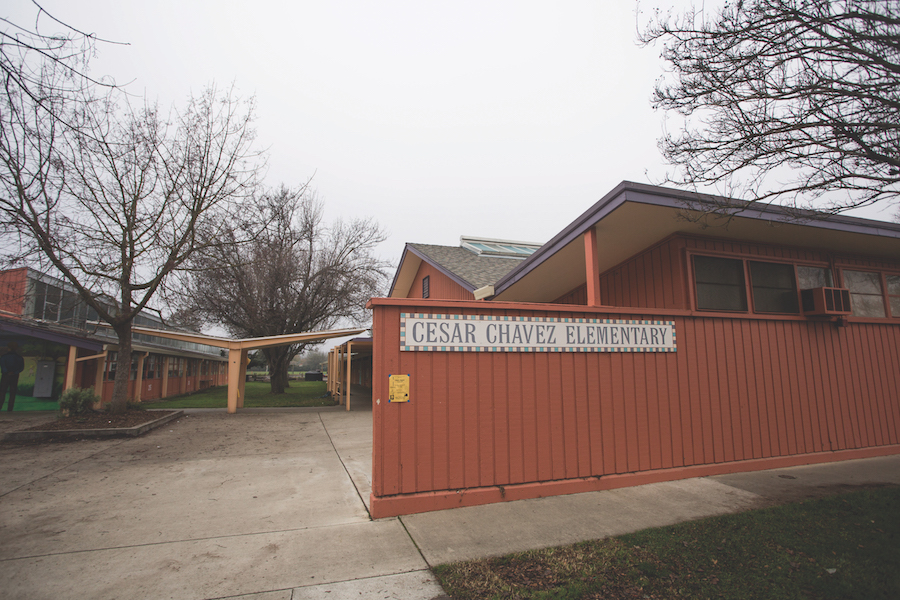
“There are things we have to do, but we have a lot of flexibility,” said Gigi Bugsch, a third grade teacher at Cesar Chavez Elementary. “We have times where we have guided reading, and we have to do it at a certain time and make sure we have the minutes of math in. We can weave the art and the cooking and the crafts in throughout the day as long as we are making our minutes required for different subjects.”

With the large amount of curriculum expected to be covered in elementary schools, this integration is a main way for arts to continue its presence.

“The curriculum for 6th grade on is enormous, so for me I find that most all my art is worked into something else other than art,” said Marla Cook, a 6th grade teacher at Robert E. Willet Elementary. “This is my 29th year, so probably for my first 10 or 15 years I always had art […] but now we have so many demands on us having a regular time does not work.”

For Cook, the embedded nature of art is best displayed in social studies, where art naturally arises in the material that is covered.

“In 6th grade we teach ancient history and there is so much art during that time that we can do it when we are studying social studies. I think the best thing about doing art through social studies is that we put it in more context. Mosaics were discovered in Mesopotamia, so we will create mosaics when learning about that. I used to do it with real tiles, but that became cost-prohibitive, so now we do them with paper […] We also do art in math with tessellations, for example.”

This extensive curriculum stems in part from Common Core standards, the educational initiative to establish a consistent nationwide curriculum.

“Don’t get me wrong, I like Common Core,” Bugsch said. “I like it because it feels like it is more challenging. The only thing that is impeding arts in education is the amount of meetings we have to go to because of it. I can weave art in here. I can weave technology in here. You just need to give me the educator unstructured time to think about what I want to do and how I want to do it. The lack of confidence that administrators have in educators is what is impeding art. The district office or those at the state level, those people who are making plans for us, don’t know what we have to do or what hurdles we have to go through on a day-to-day basis.”

Indeed, such structure outside the classroom can mirror how the teacher will teach in the classroom. A lack of time to be creative behind the scenes dictates the level of ingenuity a classroom activity will entail.

“If our time outside of the classroom is always so structured that is only going to teach us to be more structured with the kids,” Bugsch said. “If you’re stubborn like me, that doesn’t get in the way, but if you’re new [at teaching] and if you want to stay in a particular district, you’re going to follow what they tell you. I think that is what’s going to be difficult in the future: when you have structured meetings and structured things for teachers outside of the classroom, you are going to mold a teacher who favors structure. And structure does not favor art.”

For Cook, the problem is not Common Core in itself or what it aims to teach, but rather the structure in how material is taught and what lessens the availability of art in the classroom.

The current educational trend of high-stakes testing similarly inhibits arts within the classroom.

“There has been a narrowing of curriculum that has happened over a number of years,” said Steven Athanases, a professor at the UC Davis School of Education. “In the last 15 years, big accountability contexts, high-stakes testing and the No Child Left Behind push in many ways yielded this testing mania. There is generally a pattern in which teachers are denied the opportunity to be innovators, and there is the expectation that they will follow a curriculum that is scripted.”

With these current programs and educational trends, the prospect of teaching art exclusively, its principles and techniques alike, and not in the context of other subjects, diminishes.

“The way I have been talking about the arts so far, some might say it is instrumentalist in nature,” Athanases said. “It’s using the arts so they can learn content better and express themselves better. There are also some who say that we need to teach art for art’s sake. When you study or are involved in art what does that yield? And some folks have theorized about problem-solving; that is, [when] you are making a painting you need to solve problems about what is going to be my focus, what colors and textures and materials am I going to use.”

Cook, however, argues that this more embedded instruction might be a more organic way of instilling art in education. Requiring students to take an art class might produce projects that yield the same outcomes — every student ends up drawing a version of the same flower. Such art of an embedded, informal nature might be the best method to express creative thinking, the true essence of art.

Nonetheless, in whatever form it takes, art instruction itself can hold value in educational settings.

“I can say there clearly have been many documents written about the multiple ways arts can be explored from kindergarten all the way up,” Athanases said. “Art as its own curriculum or to extend into other forms of academic content — there is value in all of those.”

One such value is its ability to aid a teacher in conveying information while still abiding by the curriculum and fundamental standards they are required to teach.

“I used to show pictures to students and ask ‘What do you think this author wanted you to get out of this?’” Cook said. “Students would say ‘Don’t you mean artist?’ ‘No, I mean author because it’s something they created and had a message they wanted to get across to you.’ I would show them a picture, and we would talk about the colors and what do you think the author would want to take away from it. It was all about reading, but reading a picture.”

The instructional design of teaching literature concepts without using a book aids students in learning to go deeper with the material, according to Athanases, ridding students of “dry curriculum” in favor of “emotional contours and texture.”

In the same vein, Cook spoke of an activity she did with her students to demonstrate this concept: comparing two pictures with her students and the message each was trying to convey.

“When I did this activity and asked if students wanted to make a comment, I had 27 out of my 29 students raise their hand,” Cook said. “That particular lesson intrigued them, it was interesting. How many times can you ask a question and have that many kids have something to say?”

Going deeper is not the only motive to apply art within learning, but the ability for it to engage a multitude of students. Art can appeal to the different learning styles of various students, those who are kinesthetic or visual learners, for example.

“Kids may not take in information the way that you do,” Cook said. “There is not one way to deliver what you have to say and take it in. And many students in here would rather draw pictures than take notes. And it’s not that they want to be an artist, but that’s how they think […] art has to be part of it because that’s how so many people learn.”

More fundamentally, art aids memory and understanding of complicated ideas, according to Athanases. In addition, the genuine creativity that is required from art is an essential skill for students to acquire.

“We’re hearing a lot from the tech world and corporate world of other kinds that folks who are graduating with college degrees and also those without degrees, that they don’t understand the nature of innovation and creativity,” Anthanases said. “There is a cookie-cutter way that they are graduating and entering the workforce, so many are calling for innovation and creative thinking. And the arts can really fuel that. When we value the making of something, whether it is something visual or performance or communicative art, it can promote the idea that success is often dependent on thinking creatively and out of the box.”

Not only does art have long-term impacts, but it also directly impacts the work students do in elementary schools. Bugsch noticed the direct implications a knitting project had on her students. Not only did the students want to make beanies with pom-poms on the top, but their cursive handwriting improved by fostering strong fine motor skills.

For parent Ashley Muir Bruhn, whose son attends first grade at Cesar Chavez Elementary, the skills her child learns through art make it an important aspect of her child’s education.

“When kids are encouraged to express themselves and create their own art, they develop a sense of innovation that will be important throughout their lives,” Muir Bruhn said. “Making art requires decision-making, helps with motor skills, an acceptance of mistakes and sets the stage for the kind of visual learning we all use daily. I think it’s crucial to a well-rounded education.”

The question of the future status of arts in California elementary education still remains how to balance resources, how to allocate funds effectively. For Athanases, in order to fully comprehend the value of arts in education, more empirical research needs to be conducted and properly conveyed to the public, those developing curriculum and those in the policy position.

“I think folks who are in decision-making positions need to be aware of the 21st-century individual and the increasingly diverse context that folks are really engaging in,” Athanases said. “I think that conventional ideas about schooling are no doubt part of the function of what occurs, and then art gets cast as fluff and cute. It is incumbent upon educators and researchers to do the work of demonstrating the linkages between art forms and other forms of academic learning.”

Until then, the future of arts education in the Davis Joint Unified School District is in the fiscal hands of the state, allocation decisions of the district and the instructional discretion of the teachers. Bugsh’s and Cook’s students, respectively, will be making beanies and Mesopotamian mosaics in the meantime.


Written by: Caroline Rutten — arts@theaggie.org


Grit: Jumping off the bandwagon

JEREMY DANG / AGGIE

A questionable study setup should not be allowed to dictate character education

Grit is education’s newest buzzword — and when discussing it a few weeks ago, I was unaware that it’s the field’s latest bandwagon. Angela Lee Duckworth, an academic and psychologist at the University of Pennsylvania, coined the term almost a decade ago. But in 2016, after her self-help book “Grit: The Power of Passion and Perseverance came out, the use of the term in academia skyrocketed. And like most fads, the popular literature surrounding grit sung its praises.

When doing initial research for my first column about grit, I saw no opposition to Duckworth’s philosophy. After all, which educator would want to come out as anti-grit? It’s like saying you don’t like pizza or puppies — something that would warrant backlash by those eggs on Twitter. It took a lot of internet sleuthing to find a reputable person in education who publicly challenged Duckworth’s ideas, but I finally landed on an essay by Mike Rose, a faculty member at the UCLA Graduate School of Education and Information Studies. As early as 2014, Rose was openly critical of the language and wary of the hype surrounding grit.

One of the things that bothered Rose was the approach Duckworth took to study grit. “The original studies rely on self-report questionnaires, so can be subject to error and bias,” Rose wrote. “The studies are correlational, so do not demonstrate causality. The exceptional qualities of some of the populations studied can create problems for factor analysis.” 

Very few people (myself included) read Duckworth’s original scholarly articles, in which her sample populations included Penn undergraduates, West Point cadets and Spelling Bee champions — people who aren’t necessarily representative of the average American student. And while Duckworth very briefly acknowledged her questionnaire approach in her TED Talk, her methodology was far from ideal. Such studies are known to be iffy at best and completely extrapolative at worst.

But Duckworth did not have reservations about her data. Essentially crafting the modern conversation surrounding character education in schools, she managed to market her discoveries without really telling people how she got there. And there’s something almost unethical in the whole situation. People who use self-report surveys know to report their findings with caution. And if anything, they have a disclaimer about their claims (you can see it at the bottom of taste-testing advertisements all the time). But Duckworth did no such thing.

And suddenly, the whole discourse surrounding grit begins to fall apart. After all, character education isn’t targeted toward the rich and privileged — those students have all the resources needed to be gritty. These sorts of ideas are promulgated in communities opposite of the average Ivy League student’s. Duckworth’s entire claim would blow to dust if people realized she’s using the elite to shape character education for the masses. While the socioeconomic information of her subjects is not available to the public, it’s safe to say that her sample was not representative of the average high school or college dropout. These young adults can persevere because there’s nothing else holding them back.

Rose strongly takes on this divide: “Anyone who has worked seriously with kids in tough circumstances spends a lot of time providing support and advice, and if grit interventions can provide an additional resource, great. But if as a society we are not also working to improve the educational and economic realities these young people face, then we are engaging in a cruel hoax, building aspiration and determination for a world that will not fulfill either.”

From personal experience, the grit bandwagon is an easy one to jump on — and one that’s even easier to jump off. There’s a certain amount of integrity needed when judging, advising and prescribing qualities to people, especially students — and in Duckworth’s study, this ideal was certainly compromised. One thing is clear: Our current issue is not making people “gritty”; it’s shrinking the divides that make it hard for people to persevere in the first place.


Written by: Samvardhini Sridharan — smsridharan@ucdavis.edu

Disclaimer: The views and opinions expressed by individual columnists belong to the columnists alone and do not necessarily indicate the views and opinions held by The California Aggie.

Accessing CalFresh through mRelief

0
JESSE STESHENKO / AGGIE

UC Davis students can address food insecurity with mobile, virtual aid

CalFresh is a form of government aid that provides funds for groceries. Although many college-aged students are eligible for it, few access the resources available. Why is this? There are numerous possible explanations, the first being the ignorance surrounding the program itself. What is CalFresh, anyway?

“I see CalFresh as a part of the overall support system that we all tap into sometimes in order to move forward in life,” said Rose Afriyie, the executive director of mRelief. “These are resources that have been set aside for you that we in a democracy have voted on that we believe should exist for people that fall under a certain income. That there should be no shame in this.”

Afriyie directs and developed the platform, mRelief, which helps to connect individuals to social services virtually. mRelief is a government-supported program on the internet and through text messaging. Its goal is to make sure that those in need of social services, like food stamps, can easily discover their eligibility and sign up. In partnership with Yolo County Department of Health, mRelief can now determine your eligibility through 10 questions answered over text.

The sign-up process is another potential barrier for food-insecure students. In the past, it has been difficult to know whether or not one is eligible for the resources. Now, it can be determined in a 10-question survey available online or via text.

I do think it’s really helpful for students to find out, in 10 questions or less, whether or not they qualify,” Afriyie said. “Sometimes when you’re stressed out […] we want to just give back their time and their energy and their efforts. Use that mental muscle for calculus, but maybe not for finding out whether you qualify for CalFresh.”

Ease of accessibility is being addressed by on-campus forces, too. Aggie Compass, a basic needs hub in the MU that will direct students toward available resources regarding food security and mental health, will arrive at UC Davis at the beginning of Spring Quarter.

Third-year economics and psychology double major and former ASUCD Senator Daniel Nagey is working to create Aggie Compass, as well as the Aggie Food Connections Coalition, which has hosted a CalFresh Clicks events in which representatives are available to help students sign up.

“One of the biggest things about CalFresh is […] a lot of people don’t know about it,” Nagey said. “It’s not very heavily advertised, I think the statistic I was told, which might be out of date, that [of] about 8 percent of students at UC Davis who qualify for CalFresh, only about 8 percent of them are using the CalFresh resource. It seems to me that students are kind of unaware. We just want to get the word out.”

Former ASUCD senator and current ASUCD presidential candidate Michael Gofman similarly focuses on food security, especially broadening the impact of The Pantry on students’ lives and on their plates.

“Primarily, as a senator back in Spring Quarter, and as a presidential candidate today, I fight to increase The Pantry’s budget and resources,” Gofman said. “I successfully lobbied for more money allocated to The Pantry during the last budget hearings, and hope to do so again next quarter.”

In addition to ignorance of the program itself and difficulties with signing up and identifying qualifiers, Afriyie said that there tends to be a stigma surrounding aid.

We have to also honor […] stigma and sometimes shame about government aid,” Afriyie said. “That should not be the case, because we all get support from the government at some point in time.”

Fourth-year environmental science and management major Stephanie Lew admitted that she didn’t always feel confident in using CalFresh. It was desperation and stress around food security that pushed her toward it, and she now knows that it was the right choice.

“When I became aware that I was actually eligible for it and I was desperate, I was like,  ‘I’m going to apply’,” Lew said. “At first I was a little bit embarrassed about it but now […] I don’t mind admitting to people, ‘Hey I rely on CalFresh for groceries.’”

Lew’s experience is a testament to the fact that access to healthy groceries is something students are entitled to without added stress.

“I really care about my personal health,” Lew said. “That’s where my money should be going.”

This belief is often dwarfed by the concern students have that they are not desperate enough to qualify. Afriyie, Lew and Nagey each stressed the fact that if one meets the eligibility requirements, they are entitled to the service and are not keeping it from others in more need.

“I think that people are under the impression that CalFresh is for people that are dirt poor,” Lew said. “You just have this image of someone who needs social services. You would never think that someone like me would need CalFresh. We have this idea in our heads that it’s for very, very poor people that don’t have any money at all, when it’s really not.”

Nagey encourages students not to feel that they are taking from others.

I think a lot of students really think that there must be students worse off but I think that it’s important to remember with government programs like this […] you’re not taking from another person if you apply,” Nagey said. “That’s not really how the program works. It’s a need-based program so there will be money if there’s need.”

The online platform supplemented by mobile access for text message reminders and interviews provided by mRelief thus provides students with a quick way to verify eligibility, apply and receive the help they deserve.

In fact, the sign-up takes eight minutes or less and those eligible should be approved within a month of applying. This aid comes in the form of an Electronic Benefit Transfer card to be used at grocery stores. The uses of the funds don’t need to be reported back or recorded.

If mRelief can address all aforementioned concerns, the one that glaringly remains is the absence of community between CalFresh users.

It’s really about creating a community of support,” Afriyie said. “We’ve got technology, we’ve got people who know about the system, but you know what, sometimes it’s really great to tap into people in your community […] especially at a time when 48 percent of students are food insecure.”

To create community, Afriyie called for student ambassadors to join mRelief and spread the word.

“We are looking for campus ambassadors who are either on CalFresh right now or know more about the process and want to be able to help their fellow students out,” Afriyie said.

Those interested can text 74544 in order to begin the process.


Written by: Stella Sappington — features@theaggie.org

Cal Ag Roots to develop animated atlas of California farming history

NICHOLAS CHAN / AGGIE

NEH grant to support work of UC Davis alumna

The National Endowment for the Humanities recently awarded a $30,000 grant to a project that is aiming to develop an animated atlas of California’s farming history.

The project is led by Ildi Carlisle-Cummins, who earned her master’s degree at UC Davis in 2013 and is the director of Cal Ag Roots, a program through the California Institute of Rural Studies. The project’s advisory team includes three UC Davis professors (Glenda Drew, Michael Ziser and David de la Peña), cartographer Molly Roy, and several independent scholars, including Nina Ichikawa of the Berkeley Food Institute.

The team is currently collaborating to make early decisions about the direction and goals for the project, asking what exactly the final product will look like and how it will be used.

“This is a discovery grant, meaning we’re asking ourselves those questions, I’m coordinating with a humanities team and a digital team,” Carlisle-Cummins said. “We’re all thinking about who it’s going to be for and what type of platform it will be on. And we’re still deciding if we want this to be something that will be finished and done for good or something that will continually be updated.”

She added that she hopes the atlas will be of a calibre that makes it a useful and accurate resource for scholars and curious citizens alike.

One of the purposes of the project is to provide a new way to bring to life some of the stories that Cal Ag Roots has already compiled and produced in podcasts. These podcasts can be found on Cal Ag Roots’ Story Hub. Topics that have been covered so far include the history of tomato farming in California, the Bracero Program, land rights and ownership and Japanese farmers. Cal Ag Roots aims to continue developing stories to add to the animated atlas, but isn’t currently planning to have user-generated content. However, Carlisle-Cummins said that she and her team might be open to it in the future since it is a good way to get users even more engaged with the tool and with the history itself while bringing more stories and perspectives into light.

Developing a digital resource for sharing these stories is in line with previous Cal Ag Roots projects that go beyond what a history textbook can do and intimately connect people with the land and the locations that have such historical significance for food production in California. The podcasts were initially part of an event called Docks to Delta, in which people took a train trip through agricultural lands between the San Francisco Bay and Sacramento while listening to the podcasts.

Roy explained how this project compares to similar work that she has done and why she believes this project and others like it are valuable.

“I hope to provide insights about how the team can most effectively present their spatial stories in a visual way that an audience can connect to,” Roy said. “Other collaborative mapping projects I’ve worked on like this are the Food and Water Atlases with Guerrilla Cartography, and making maps with indigenous leaders through the group MappingBack. This one is different though, because it’s focused specifically on historical stories, and also alternative paths of history, which I find fascinating.”

Roy expanded on the importance of actively using maps and why maps are so valuable in communicating stories about the history of agriculture.

“I think historical agricultural mapping is valuable because there’s not as much reflection on wins and losses within the food movement over time as much as there could be,” Roy said. “Because agriculture is so spatial in nature, those histories can be mapped very easily. Maps serve as an appropriate medium to tell agricultural histories.”

Carlisle-Cummins hopes that this will be an interactive tool that will allow users to actively search for information and to become connected with the geography and changing landscape of the state.

“Maps are such a big part of our everyday life now since we have them on our phones and we think people are a lot more map savvy, but are they?” Carlisle-Cummins said.  “We know that the atlas will be closely attached to the stories, and we want to allow space for people to put two and two together, to understand how […] California has changed based on what people were doing.”

Carlisle-Cummins said that her team is using the story about Japanese-American farmers as a sample during the design and development phase of the project so they can test different potential interfaces and ways of communicating specific details from the stories.

“By end of year we’ll have a design plan and know how the animations will work,” Carlisle-Cummins said.

As the team has discussed and planned the project, there’s been debate over whether they want to present strictly historical information or to present counterfactual scenarios as a way to demonstrate the significance of certain events.

“The idea is to show change over time, for example, to watch how Japanese fruit and vegetable farms grew significantly, and then were impacted by internment,” Carlisle-Cummins said. “Had we not interned Japanese-Americans during World War II, what could California have looked like?”

While there is still some uncertainty over details of the project and how it will come together, people involved believe that this is a unique project with the potential to continue growing and evolving.

“It’s an exciting project but [we’re] at a quite early stage,” said David de la Peña, an assistant professor in landscape architecture and sustainable environmental design at UC Davis and a project advisor. “With success it will lead to more funding and the full blown atlas project after this year.”

Carlisle-Cummins said that there will be many technological challenges associated with a project like this, especially because of the speed at which technologies change, which makes it important to design this tool in a way that will not make it necessary to regularly update fundamental aspects of how it works.

“We’re at the beginning, but thinking about how to keep a living website like this fresh, keeping up on what the best platform to use would be,” Carlisle-Cummins said. “[We want to] stay current without having to reinvent the thing on a new platform.”

Advisory team member and UC Davis English professor Mike Ziser spoke about some of his goals for the project and some of the important decisions that will soon be made.

“I’d like it to be on a platform that allows for a very immersive experience, but that can shrink the audience,” Ziser said. “We have to balance the desire to involve as many people as possible while still making for an immersive experience.”

Having a user-friendly tool with a high concentration of information and rarely heard stories about food production in California’s past could help to build greater understanding of the problems that face the state’s agriculture today and in the future.

“There are so many stories left untold in our incredibly productive farming state which impairs our ability to understand and respond to present conditions,” Ichikawa said. “I hope the atlas will be useful, enjoyable and sparks interest across disciplines and across California.”


Written by: Benjamin Porter — features@theaggie.org

Humor: Y’all got any thoughts on bears?

CAITLIN SAMPLEY / AGGIE

Positive, negative and even lukewarm thoughts are all acceptable

For years, I’ve had the question, “Y’all got any thoughts on bears?” running through my mind like Usain Bolt in his prime. Do people have thoughts on bears? Have people even seen bears? Are they a myth? Are they human? Are they dancers?

Surely, the people have these answers. Nay! The people of Davis have these answers. I took to the streets with my imaginary microphone to get everyone’s thoughts on the most dramatic stars of the mammal world.

First of all, I haaad to ask Gunrock about his thoughts on bears. I found him in his usual spot, as a cardboard cutout in the Office of Undergraduate Admissions.

“Gunrock, what are your thoughts on bears?” I asked. No response. Not a single word. I soon realized that this was merely a fake Gunrock and found the real one feeding the ugliest duck in the Arboretum because he’s that nice. I repeated my question. His answer was not shocking.

“Bears?” Gunrock repeated. “Bears as in Cal Golden Bears? Pffffft, they’re nothing. Look at us. We used to be their ag extension and now we are coming at them! Hooves blazing! Why I oughta! Bears? I can’t bear them. Good day!”

He angrily threw his whole loaf of bread into the delicious green water. I moved on, realizing that he needed a moment. I found Gary May LARPing with some pals along the Arboretum’s path and figured that he’d be a cool guy to ask about bears.

“I vastly prefer the sehlats,” May said. “They’re a giant, bear-like beast native to Vulcan! You can see him in the Star Trek animated series. The episode is called ‘Yesteryear.’”

With a recommendation in my back pocket and still zero answers about thoughts on reeaal bears, I took to the streets. No one in the entirety of the MU would give me the time of day. Well, that one guy who at one point had a dog but now doesn’t approached me, but any time that I brought up bears, he brought up Satan and we were clearly just not connecting. I assume people thought that I was trying to hand out fliers for a hip, new club about bears, but I just wanted their genuine thoughts. This is why everyone in college has no friends!

With no leads at all, I had to go to the internet for the answers I needed. I still held my invisible microphone for the sake of style, though.

“Quite frankly, bears should be the new dogs!” my drunk roommate said.

“Personally, I think bears look better when they’re shaved,” said some crazy man with an avatar of a small yet violent looking bird (suspicious, as he clearly has a thing for weirdo critters).

“I’d be friends with a bear,” said one woman who was voted “most likely to get straight-up murdered” in high school.

Additionally, there were several puns about bears given to me from people all over the small community that I have on the internet. I would have written these puns, but the task would be unbearable. I’d bear-ly skim the top of the pun world that could’ve existed in this article.

Alas, I digress.

To make a long story short, I finally learned the people’s thoughts on bears. Perhaps one day, I shall learn my own thoughts on the beasts so heckin’ tough that they earned their own store… Build-A-Bear… the toughest company on the planet.

If y’all got any thoughts on bears, please tell me. I’m always fishing for them. You can reach me at 555-HMM-BEAR.


Written by: Olivia Luchini — ocluchini@ucdavis.edu

(This article is humor and/or satire, and its content is purely fictional. The story and the names of “sources” are fictionalized.)

Vegan bodybuilding as alternative to animal protein bulking

RAUL MORALES / AGGIE

Jeff Morgen & Vegan Bros. discuss unique approach to fitness

On Tuesday, Jan. 23, UC Davis’s vegan activist club, People for the Elimination of Animal Cruelty through Education, brought vegan bodybuilders Jeff Morgan, Phil Letten and Matt Letten to campus to talk about their experiences going vegan and incorporating that new lifestyle into their workout routines and everyday lives.

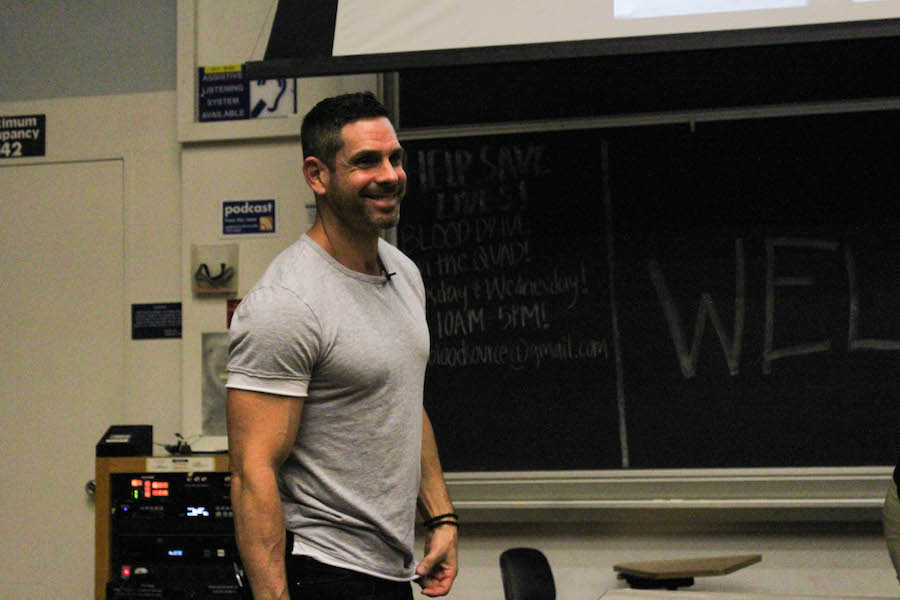
Jeff Morgan’s journey with fitness long preceded his vegan diet. At age 12, Morgan was inspired by the U.S. men’s gymnastics team’s gold medal win at the 1984 Olympics. He began training and competed as a gymnast for the next 10 years, and he was enthused by the physical transformations his body experienced through such intense training. Morgan became a certified fitness trainer soon after his gymnastics career in his early 20s. However, no workout routine seemed to be able to fix many physical symptoms of unhealthiness that Morgan suffered, including allergies, joint inflammation and rosacea. With help from his wife and many articles and videos, Morgan decided to try a different approach and switch over to a completely vegan diet; he hasn’t looked back since.

“Study people that you wish to become like. Study those that are doing what you’re doing. Learn about how they eat, what they eat, do experiments, and find out what works for you personally,” Morgan said, regarding his best words of wisdom for those starting out in vegan bodybuilding. “Find your examples and mimic them until it becomes your version.”

In pairing veganism with his regular workout routine, Morgan found that his recovery time after training was much quicker, meaning that he was able to work out more frequently and with more intensity. He is now able to hit all of the muscle groups in his workouts at least twice a week.

Morgan also dismantled the argument that animal protein is needed for bulky muscle and that plant proteins are not complete proteins; the protein found in meat comes from the plants that the specific animal eats. By being vegan, consumers cut out the animal middleman and consume amino acids directly. Morgan also recommends switching up workout routines regularly so that the body’s muscle groups do not get too used to one type of exercise and eating plenty of calories and protein.

Morgan created his own YouTube channel called Guilt Free TV, where he posts recipes, workout tips, and continues to address questions and myths about vegan bodybuilding.

While brothers Phil and Matt Letten also spent the early years of their lives eating meat and animal-based products, their individual journeys to vegan bodybuilding differ from Morgan’s. Phil Letten quit eating meat in 2004, but it was not until about five years later that he met an employee of an animal advocacy organization and truly found a passion for animal rights. He spent the next four years traveling around the country to advocate for veganism and working on his own growth and development. During his college years, Matt Letten was about 100 pounds overweight, but became dedicated to getting himself in shape. He was able to lose the extra weight and open three successful gyms, helping many people achieve their fitness goals. With encouragement from his brother, Matt Letten took the next step in his own journey and became vegan.

The duo soon worked together and created their own brand, Vegan Bros., in September 2014. They advocate for animal rights and a lifestyle based on clean eating and a healthy workout schedule; on top of that, the Letten brothers have worked with many animal rights activist groups and like to focus on helping individuals achieve their goals.

“Going vegan doesn’t need to be this all or nothing thing,” Phil Letten said. “There’s 100 percent, there’s 0 percent, and there’s a lot of middle ground. Think about the way you’re eating now and maybe try going vegan one day a week.”

Like the Vegan Bros., Jeff Morgan’s success in vegan bodybuilding has allowed him to promote the cause he is passionate about and impact many all over the world.

“The most rewarding aspect of what I get to do is knowing that I’m playing a part in a global shift in consciousness, which is toward health, toward compassion, and towards reducing the suffering of other sentient beings,” Morgan said.

Matt Letten added to that sediment with a different piece of advice.  

“Remember your ‘why.’ Different people have different reasons why [they choose to go vegan],” Letten said. “Basically everything you’re doing in life, if you can come back to your ‘why,’ that’s the motivation to continue doing what you’re doing. Test it out, and always remember why you’re doing it. It never has to end because you’re always on a journey.”

Phil Letten shared his favorite aspect of getting to speak on behalf of veganism and Vegan Bros.

“I think seeing the reactions and seeing that most people, especially most students, are receptive to this message,” Letten said. “If you’re opposed to animal cruelty, you’re already 90 percent vegan — your diet is just the last 10 percent.”


Written by: Kennedy Walker — sports@theaggie.org


Bay Area natives take center stage in Super Bowl 52

0
JACK KURZENKNABE / PUBLIC DOMAIN

Brady, Ertz make their mark in Big Game

For the first time in franchise history, the Philadelphia Eagles are champions of the NFL after outlasting the New England Patriots 41-33 in an action-packed Super Bowl on Sunday night in Minnesota.

A pair of Bay Area natives were thoroughly in the spotlight, with the entire nation watching, and ended up being directly involved in two of the most critical plays that decided the outcome of the game.

Patriots’ quarterback Tom Brady, who was born in San Mateo and attended Serra High School, played in his eighth Super Bowl, the most by any single player in NFL history. With just over two minutes remaining in regulation, Brady was sacked at his own 26-yard line and had the football stripped out of his hands. Rookie defensive end Derek Barnett recovered the fumble for the Eagles, who eventually kicked a field goal on the drive before surviving a last-second “Hail Mary” attempt by Brady on the final play.

Despite the loss, which moved his career record in Super Bowls to 5-3, Brady’s 505 passing yards on Sunday night are the most ever in a single Super Bowl game.

The Eagles’ fifth-year tight end Zach Ertz caught a pass over the middle and dove headfirst towards the end zone for an 11-yard touchdown, giving his team a late lead with 2:21 left to play. It would end up being the game-winning score for Philadelphia.

Ertz is a Danville, Calif. native. There, he played at Monte Vista High School. He also played college ball at Stanford University in Palo Alto before being selected by the Eagles in the second round of the 2013 NFL draft.

During the regular season, Ertz was the team-leader in both catches and yards while also finishing third in the NFL in receiving yards among tight ends. He caught seven balls for a total of 67 yards in the Super Bowl.

Besides Brady and Ertz, a few other players with ties to Northern California were involved in the Big Game on Sunday night.

Philadelphia’s tight end coach Justin Peelle grew up in Dublin, a small town in the East Bay. Peelle has been on the staff since 2013 and has worked with Ertz from the very beginning of his career. Peelle deserves some credit for helping to develop Ertz into one of the most consistent tight ends in the NFL.

New England’s top wide receiver Brandin Cooks, who grew up in Stockton, Calif. and attended Lincoln High School, was forced to leave the game early in the second quarter after taking a huge blow to the head by an Eagles defensive back. Cooks had one catch for 23 yards before exiting.

For the Eagles, a couple of lineman with Bay Area ties are lucky enough to call themselves Super Bowl champions. Elijah Qualls, from Petaluma, is a defensive tackle who was taken in the sixth round of last year’s draft. In addition, Darrell Greene, a guard from Oakley, was on the practice squad for the Eagles this year.


Written by: Brendan Ogburn — sports@theaggie.org

Review: The Post

JEREMY DANG / AGGIE

A film not only journalists will enjoy

“The Post,” a film about a strong woman in a sea of men making a name for herself, shows a trope very fitting with society today. It is a vital American story that needs to be told, not only for women standing up for themselves, but to remind our country of the importance of the freedom of press.

“The Post” is filled with a star-studded cast: Meryl Streep plays Katharine Graham, the socialite publisher of The Washington Post, and Tom Hanks plays Ben Bradlee, the paper’s executive editor who wants to shake up the news scene. Streep has an outstanding performance and nails her character with elegance. Steven Spielberg as the director means it’s sure to get at least one nomination.

The film centers around the leakage of the Pentagon Papers and The Washington Post’s decision to publish the papers. The story begins with The New York Times publishing portions of the Pentagon Papers and then being court-ordered to stop publishing. This was a turning point in American history, a time when the government was putting restrictions on the freedom of the press. Once that happened, The Washington Post decided to join in and start publishing the portions they had, leading them to be involved in the court case. This was a big step for the Washington Post — going from a local paper to a national one.

All of the events taking place in the film happened rather quickly, which was exceptionally portrayed through rhythms and camera movements. For a journalistic movie to work well, it must be fast-paced to demonstrate intensity — and this movie accomplished that.

The cinematography is incredible. The images of the printers and all the writers clacking away on their typewriters made me feel that being a journalist is a noble work to be taking part in. I noticed in every scene how much time was spent on getting all the small details correct, transporting me back a couple decades.

Streep’s character not only won over all the men trying to tear her down, she helped start a revolution. It was fulfilling to watch newspapers across the country showing solidarity for the risky move.  

The film reminds viewers that the press cannot accept restrictions because by doing so it opens itself to losing its freedom. Filmmaker Spielberg makes this film feel more like a wake-up call to our country than a film about our history.


Written by: CaraJoy Kleinrock — arts@theaggie.org