57 F
Davis

Davis, California

Tuesday, December 23, 2025
Home Blog Page 817

ASUCD rekindles relationship with UCSA

ASUCD recently rejoined the University of California Student Association (UCSA), an organization for UC students and student governments that seeks to provide a collective voice for UC students. In recent months, various students involved in ASUCD on campus have been advocating UC Davis’ involvement in UCSA.

According to Harley Litzelman, director of the ASUCD Office of Advocacy and Student Representation (OASR), UC Davis rejoined UCSA at its last board meeting in UC Santa Cruz on Jan. 10 and 11. The campus membership is currently in a trial period before it will become a long-term member. While UC Davis’ membership is fairly fresh, students involved in ASUCD and other organizations on campus will have more opportunities to advocate for higher education and other relevant matters.

“ASUCD is much better suited to be a fundamental component of UCSA’s greater operation rather than its own independent operation plagued by turnover and limited reach,” Litzelman said.

UCSA primarily focuses on encouraging current and former UC students to advocate for higher education, especially in regard to the accessibility and affordability of the UC system. The organization creates a forum for students to have immediate involvement in financial and educational circumstances for the UC system as well as offers a method for UC campuses to work together to advocate with a common voice.

Litzelman has held a prominent role in pushing for UC Davis’ involvement in UCSA. Litzelman said that he was in favor of the campus rejoining UCSA for the multiple benefits UC Davis students would gain.

“UC Davis students will now be able to contribute to the greater discussion taking place to represent all UC students to all relevant authorities,” Litzelman said.

As director of the ASUCD OASR, Litzelman also emphasized the value in UCSA’s lobbying association that would offer students resources to specifically raise their concerns regarding higher education in the State Capitol.

“UCSA also runs a professional lobbying operation that strategically amplifies the voice of students in the Capitol, a voice to which we may now genuinely contribute,” Litzelman said.

Likewise, Kabir Kapur, a former ASUCD Senator and current UC Davis student, has advocated for the campus to join UCSA as a student representative and active participant in ASUCD affairs.

“The benefits of UCSA include more access to the UC Office of the President and the UC Regents, being able to utilize UCSA’s career staff for research purposes and having a stronger connection to our fellow Associated Students across the UC,” Kapur said. “The main drawback is the cost, which is around $1.30 per student per year, but currently we have been allowed in, free of charge, for a trial period that ends at the end of the 2014-15 academic year,” Kapur said.

Litzelman characterized the cost per student as a worthwhile long-term investment rather than a trivial cost.

“In terms of efficacy of lobbying, UC Davis undergraduates will receive a much higher return-on-investment as dues-paying students in UCSA than paying ASUCD fees to a very limited campus advocacy operation,” Litzelman said.

UC Davis was a part of UCSA approximately 10 years ago. According to students involved in ASUCD, UC Davis dismembered from the organization due to the highly professional nature of Lobby Corps, a student advocacy group on the UC Davis campus, as well as the campus’ proximity to the State Capitol. According to former ASUCD senator and current ASUCD executive candidate Mariah Watson, Lobby Corps was more successful in advocating for UC Davis student interests than was UCSA.

The monetary cost for membership was another factor that prompted UC Davis to dismember from UCSA.

“From my research and conversations with alumni, 10 years ago our Lobby Corps program was more established and professional than that of UC’s,” Watson said. “We were paying them student dollars to do a job that we could do well by ourselves.”

Like Litzelman and Kapur, Watson also emphasized the significant benefits that UC Davis would receive by joining UCSA again.

“They not only meet with Regents individually fairly often but have direct access to them when they need to schedule a meeting urgently,” Watson said. “These types of relationships along with a lot of other connections can help UC Davis Advocacy and Student Representation grow and become stronger in the upcoming years.”

There has also been extensive conversation within ASUCD about converting Litzelman’s position as director of ASUCD Office of Advocacy and Student Representation into the External Vice President. The new position would be an elected position rather than a position that is appointed by the president and confirmed by the senate.

“All other voting members of the UCSA Board of Directors are the equivalent of an External Vice President elected by their student bodies,” Litzelman said.

While UC Davis’ membership is fairly fresh, students involved in ASUCD and other organizations on campus will have more opportunities to advocate for higher education and other relevant matters.

“ASUCD is much better suited to be a fundamental component of UCSA’s greater operation rather than its own independent operation plagued by turnover and limited reach,” Litzelman said.
 

Swastikas on fraternity house

0

On Jan. 31, two swastikas were painted on the house of UC Davis’ Alpha Epsilon Pi (AEPi) fraternity, which is historically and predominantly Jewish. The incident is currently under investigation by the UC Davis Police Department as a hate crime. Many student groups have urged the UC Davis community to not connect the crime with the outcome of ASUCD senate’s Jan. 29 meeting and decision to recommend the University of California regents to divest from companies affiliated with Israel. While the Editorial Board will not make assumptions regarding the motive or identity of the perpetrator(s), we would like to take the opportunity to denounce hate crimes at UC Davis.

There is no place for hate on this campus. Whether manifested in racism, sexism, homophobia, Islamophobia or anti-semitism, hate is a byproduct of ignorance and we implore the UC Davis community to stand above the insinuating rhetoric, the name-calling and the abhorrent, despicable actions.

UC Davis fosters important, intelligent and passionate conversations and debates, often forcing students and those involved to move past the superficial understandings of these subjects. The Editorial Board is proud to serve a diverse and opinionated student body and relishes our ability as Aggies, both as media members and students, to exhibit our opinions freely.

The crime committed at AEPi was a blatant act of hate — a vile and repugnant display of ignorance and idiocy that we are saddened to acknowledge exists in Davis. However, there is an immeasurable account of hate that goes unnoticed and undocumented daily, and the Editorial Board stands in solidarity with those who have experienced it. UC Davis: Rise above the despicable, hateful actions and words and make the community and student body proud of this campus once again.


Graphic by Jennifer Wu

State of the Union

0

President Obama discussed America’s important issues in the State of the Union address Tuesday night. Among the topics mentioned were ones we found pertinent to the UC Davis community. Obama’s speech mentioned many of the pressing matters the United States is faced with today. It is the hope of The Editorial Board that not only will these matters get the attention they deserve, but that the government will continue to acknowledge important issues in the daily lives of Americans.

Mention of LGBT Community

The 2015 State of the Union was the first to ever mention the words “lesbian,” “bisexual” or “transgender.” In the context, the president made remarks that a safer America is one where human dignity is respected. It is refreshing that these marginalized communities are gaining the recognition they deserve and will hopefully gain equal marriage rights if the State of Marriage Defense Act is passed. For UC Davis, a public university that provides extensive resources for the LGBTQ communities, this support from the government is an encouraging sight.

Accessible Higher Education

Another featured topic was Obama’s recently proposed plan to make the first two years of community college free. He stressed that higher education needs to be just as accessible as high school and that a more educated America is in everyone’s best interest. Obama made a point to address that students have to earn this help by keeping their grades up and graduating on time. The Editorial Board agrees that the cost of higher education is pricing people out of their goals and futures. We are glad that Obama acknowledges the burden of debt that many young Americans are facing in order to gain an education and ultimately become hardworking citizens. To hear more of our thoughts on this topic, visit our recent article.

Wage Equality

On a similar note, Obama brought up the need of equal pay for men and women and also the need to raise the minimum wage. He claimed that these changes, if enacted, will make a meaningful difference. We believe that fair pay is essential to a strong working class and sustainable economic future. Additionally, the prospect of more jobs is encouraging to us.

Climate Change

He addressed the need for America to treat the threat of climate change as an immediate risk to national security and mentioned how America will double their efforts to reduce carbon pollution and China agreed to limit their emissions. We applaud the steps the government had taken to reduce the effects of climate change, not only in America, but around the world and we are looking forward to seeing further action moving forward.


Graphic by Jennifer Wu

Les leads basketball team into unchartered territory

0

Just as it is important to hold campus officials accountable for their actions, the Editorial Board believes it is equally important to give credit where credit is due. In this case, we would like to acknowledge the men’s basketball team, under head coach Jim Les, which currently has a record of 14-4 and is gearing up to play in its second nationally-televised game of the year. ESPN even predicts the Aggies will go as far as to make this year’s NCAA Tournament, March Madness.

Last year, the team went 9-22, one of the lousiest records in program history. The team finished ninth in the nine-team Big West, ensuring that it would be the only school in the conference uninvited to the 2013-14 Big West tournament.

At the end of the last season, Les’s salary doubled from $125,000 to around $250,000, which perplexed many of us at The Aggie. How could a coach with one of the worst records in school history claim over $125,000 from an athletics department already charging its students more than any other student body in the UC system? The same athletics department that recently cut four sports in order to increase the funding for the men’s basketball and football teams.

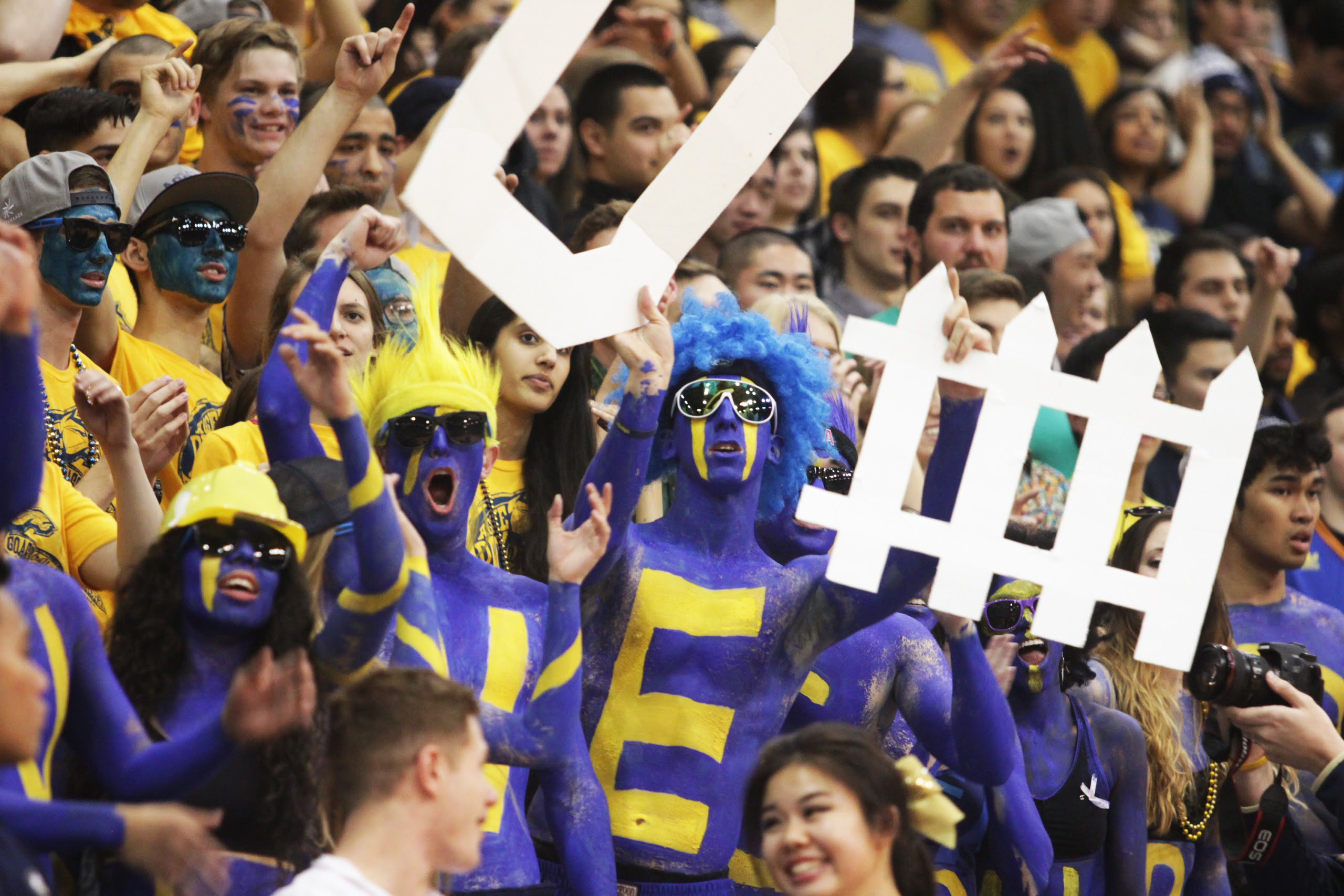
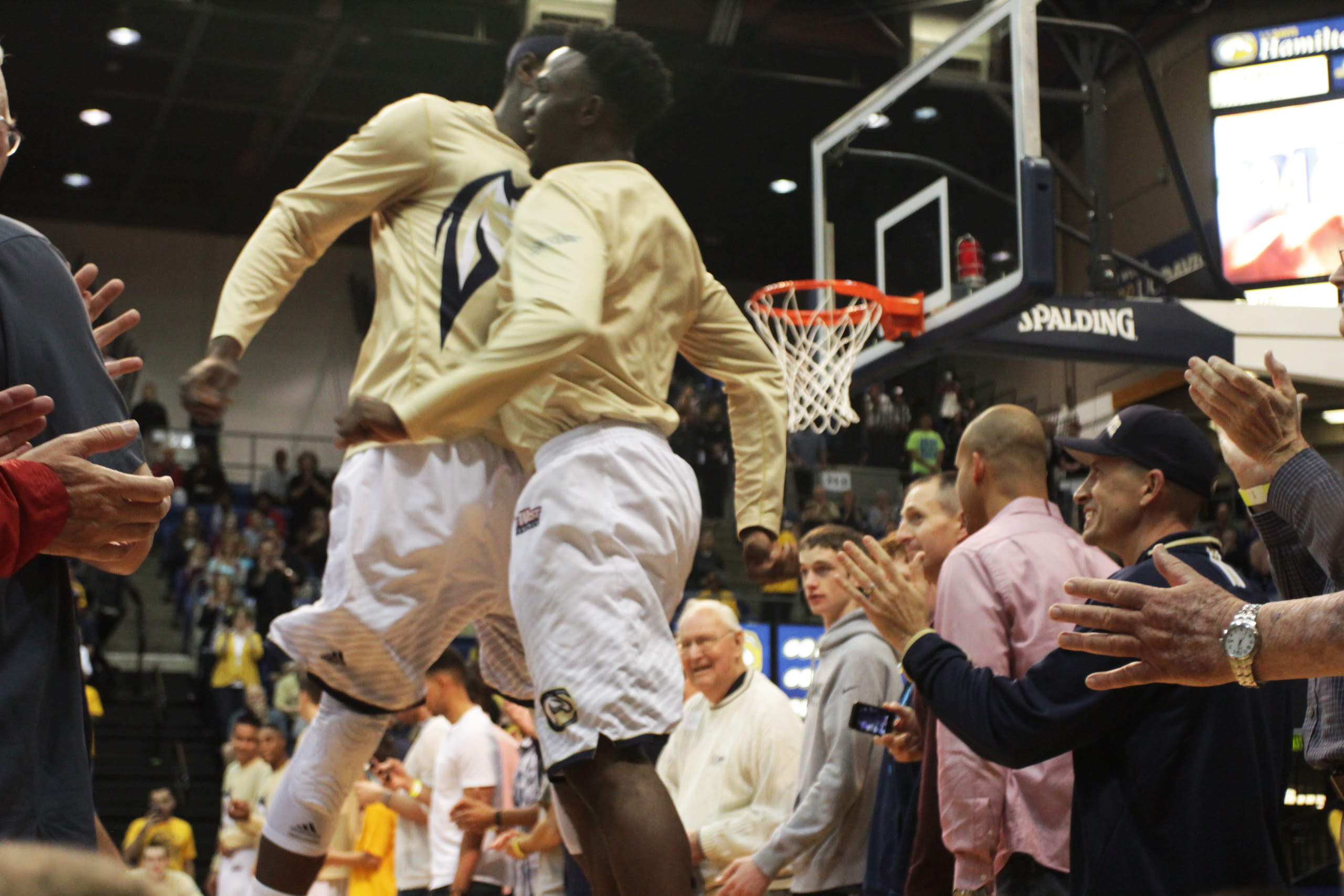
Nevertheless, Les has done a stellar job so far this season. The team, led by senior Corey Hawkins, who is on the top-10 scoring list in the country this year, has brought national exposure to the UC Davis campus. Throughout this season, the team has drawn large, feverish crowds to The Pavillion, showcasing the academic and athletic promise of UC Davis to future recruits and aspiring students. There is actual, broad enthusiasm toward a sports team here at the university, something lacking in recent years. We hope that the team’s recent rise to prominence continues to excite and inspire the Davis community, and we thank Les for his work so far this season.

More importantly, we hope that increased national exposure can lead to more media deals and sponsorships, allowing the athletics department greater financial flexibility and maybe even the opportunity to reinstate the teams cut in 2010. UC Davis students should not shoulder a larger financial burden for their athletics department than students at UCLA, which has an exponentially larger athletics budget.

Inadvertently, the team’s success this year could have major positive implications for the student body and community. We hope that athletic director Terry Tumey steps up to the plate and knocks one out for the student body, reversing the mentality of a money-driven athletics department. In the meantime, good luck to Coach Les, and we look forward to see your team playing come late March.


Graphic by Jennifer Wu

Cheering on the Aggies

0

Coordination, rhythm, flexibility, focus. These words do not typically describe the average “dancer” as they flail about, making fools of themselves in a bizarre ritual on the dance floor. Instead, these words describe real athletes who, when they step on the court, bring poise and a singularly enthusiastic attitude with them.

The dance team is part of the UC Davis Spirit Squad along with the cheer team, and the difference between the two is subtle. They both share the court or field, and cheer with the student sections and crowds.  But where cheer usually leads their own show, dance will typically model their mid-game routines around the bands’ musical numbers.

The dance team also does not have a coach, and is instead run by the co-captains, seniors Marissa Lebrett and Sarah Worrell.

“Our biggest goal for the team was to have a fun year, and for everyone to just enjoy themselves and enjoy being on the team, and so far we’ve had success with that,” said Lebrett. “Everyone loves being on the team, performing at games and things like that, and so we just want to keep that up, keep it on a positive note and keep it fun.”

Choreography is completely team-created, though mostly by senior members who are more familiar with the team’s dance style.

During their performances, they are less concerned about the outcome of the game than they are about nailing their routines. With every tune the band plays, the team has to coordinate among itself – sometimes from across the court using hand signals – so they end up doing the same dance.  Halftime shows provide them an outlet for their creative inclinations, letting them show off complicated dances or collaborative bits with the band or cheer.

The dance team travels to nearby stadiums like Reno, Sac State, Stanford and even Cal Poly for the football season, and travel to the Big West Tournament held in Anaheim for basketball.

Like the players they cheer for, the UC Davis dancers have to endure their fair share of unfavorable conditions. Showing up hours before a football game is taxing, and they can experience climates that ranges from blistering heat to biting cold. Though the perfectly regulated temperature of a basketball game creates a pleasant experience, sometimes the atmosphere just isn’t the same.

“My favorite part of the football game is marching from the Pavilion area over to the football stadium with the band,” said Lebrett.  “We perform for the tailgaters, and there are people cheering at us and it’s just a really fun environment. You don’t really get that at basketball [games].”

Recently, however, this has started to shift.  With the Aggie basketball team doing so well in their season, more and more fans have been making it out to the games.  Especially with the televised ESPN games that host about double the amount of fans than usual, the fervor of the student section is notably intense.

This is a nice contrast to previous seasons experienced by the Aggies, when neither basketball or football performed as well.

We just always stay positive, stay smiling,” said Lebrett. “That’s our job, to try to keep the crowd as positive as possible, which is easy this year, so that’s good.”

But in the midst of hardship and insurmountable odds, whatever accomplishments are gained are that much more appreciated. Take, for example, when the Aggies beat Cal Poly in a heated football game during the fall season.

“We were in Cal Poly and everyone was pretty, you know, rowdy and rude,” said Worrell. “But we won, so it was a lot of fun.”

Though their official obligations end with basketball, they will sometimes support additional teams, going out to cheer for other athletics like baseball, volleyball and soccer.

The dance team gives back to the community in more ways than one. Twice a year they host the Aggiette Clinic (along with the cheer team in the fall), and provide kids ages 5-13 an opportunity to perform at a basketball or football game. These young Aggies play games and are taught a routine and dance technique.

“At half time we perform with the little kids,” said Worrell.  “[This fall] we had a lot of [kids] at football, so it was a little bit crazy.”

The team is getting ready for their end-of-the-year showcase on April 11. Serving in place of competition, which they occasionally go to, depending on the leanings of the team, the showcase serves to help fund the team and allows them to perform styles of dance other than jazz and hip hop. This year, it will be held at the Richard Brunelle Performance Hall at Davis Senior High School and is open to the public.

The dance team’s tryouts for the 2015-16 school year are May 16. For locals who can make it, the in-person tryout gives the opportunity to attend clinics during the two weeks preceding the actual audition. They will be taught routines, and will spend time on technique as well as what might occur on tryout day.

Submitting a video audition requires a minute-long hip hop routine, a minute jazz routine and a few other tricks specified on their website.

The UC Davis dance team is an integral part of the Aggie sporting experience, and they will always be there, rain or shine, with big smiles on their faces, cheering on their team. The UC Davis Dance team can be seen at the next home women’s basketball game on Feb. 8.

Aggies stampede past Mustangs on ESPNU

sp_ESPNrecap4

Well over an hour before the game started, a long line had formed at the doors. Some caught a glimpse of players and erupted in cheers. This is not the Aggie team that most UC Davis students are used to. This, it seems, is what winning looks like.

UC Davis men’s basketball is benefiting from their newfound winning ways, being selected to be featured on ESPNU for a second time this season after an exhilarating overtime victory against Long Beach State. After 5,089 people showed up in that competition, 5,317 came out to watch the Aggies play Cal Poly. The fans were not disappointed, catching a classic overtime thriller.

The Aggies came into their Saturday game against the Mustangs with a 15-4 record, including a Big West best 5-1 in conference play. Their opponent, trekking five hours north for the matchup, were a middling 3-4 in the conference.

Senior guard Corey Hawkins has led the Aggies in just about every statistic this year and his calming appearance seems to exude vitory. He is the best in the nation in shooting percentage from beyond the arc, is fifth in scoring, and leads the Aggies in rebounding. Without Hawkins on the court, the offense seems to stop, but UC Davis is not afraid to ride him for the entire game. Against UC Santa Barbara on Thursday, Hawkins played 37 out of 40 minutes before playing 42 out of 45 minutes against Cal Poly.

The Mustangs offer no single player to key in on defensively, instead featuring a balanced scoring attack. The team has struggled this season to score efficiently, shooting under 40 percent as a team. This is the opposite of the Aggies, who have consistently been in the top-five nationally in team shooting percentage.

There is, however, a reason they play the games, as the first half flipped the script that had already been written. Hawkins was visibly frustrated, scoring only seven points on 3-8 shooting. Meanwhile, senior forward Josh Ritchart led the Aggies with 14 points and three rebounds. More importantly, the Aggies’ defense faltered and allowed Cal Poly to shoot almost 60 percent in the first half. Forward Brian Bennett was virtually unstoppable, scoring 16 points on seven of nine shooting while guard David Nwaba added 11 while making five of six baskets. Likewise, UC Davis was outrebounded 18 to nine, letting every Cal Poly starter grab at least three boards.

Still, the first half ended in a hopeful manner for the Aggies as Hawkins started to regain his offensive mojo, making two of his last three shots. The Aggies also turned the ball over only once in the half.

The Aggies opened up the second half on a hot streak, finishing four straight possessions with three points buoyed by blocks from junior forward J.T. Adenrele on back-to-back possessions. The Aggies roared back to down three, 55-58, but the two sides found their balance. Still down three with just over a minute remaining, Ritchart hit another three to tie the game. The Mustangs were unable to respond, air-balling a shot from beyond the arc to send the game into overtime.

sp_ESPNrecap5

In overtime, Hawkins and junior forward Josh Fox were on the same page, connecting on two passes that led to easy baskets inside. UC Davis found itself up five points, its highest lead of the game, and the standing crowd at the Pavilion seemed to let out a collective sigh of relief. Up three with under 10 seconds left, Ritchart breathed hope into his opponent by fouling on a Cal Poly three-pointer to give the visitors a chance to tie the game. Guard Ridge Shipley missed the first before sinking the last two, giving the Aggies a one-point lead. A foul on senior guard Avery Johnson added two points, but the game was effectively over with Shipley’s missed free throw.

After the game, Ritchart discussed the ill-timed foul that he committed on Shipley.

“I just got a little antsy, bit on the pump-fake, but I was just hoping that he would miss one and it would play out. I’m just happy that he did and that it worked out,” he said.

Bennett was unstoppable for the Mustangs, finishing with a number of post moves against a variety of defenders. He finished with a career-high 27 points and nine rebounds, well above his season averages. Ritchart praised his opponent: “He’s a competitor, he’s tough. He was hitting some tough shots and we were kind of just battling with each other. I have the utmost respect for him — he brought it, so next time we are going to have to focus on him a little more.”

As a whole the Mustangs shot 49.2 percent from the field while connecting on seven shots from beyond the arc. Cal Poly outrebounded the Aggies 34 to 29, but actually grabbed fewer boards during the second half and overtime.

Meanwhile, UC Davis was led by Ritchart, who finished with 24 points and seven rebounds on nine of 13 shooting. Hawkins shook off his slow start to finish with 22 points while adding six assists and five rebounds. The team shot 50 percent from the field and 55 percent from beyond the arc after shooting just 42.9 percent in the first half.

The team also got strong play off the bench from sophomore forward Neal Monson, who finished with eight points and five rebounds in just 13 minutes of play.

After the game, head coach Jim Les was ecstatic about the win and its meaning.

sp_ESPNrecap2_Lin

“If you want to be a top-tier team in this league, you have to win your home games. To hold serve here at home is huge. We still have a lot of work to do, but we are going to enjoy this for 24 hours, [and] after that we know we have a heck of a challenge coming up on Thursday (Feb. 5) at Irvine,” he said.

The team squeaked out their second overtime victory of the season, bringing them to a 10-0 record at home. The Aggies will take a two-game road trip to visit UC Irvine and CSU Northridge before returning home to face Cal State Fullerton on Feb. 12.

Photos by Katie Lin


This week in sports

0

Men’s Basketball (16-4):

UC Davis vs. UCSB (W, 70-64)

UC Davis vs. Cal Poly (W, 81-78)

After a three-game road trip, the Aggies returned to UC Davis to face off against two Big West opponents. The Aggies started the homestand off against UC Santa Barbara, a team playing without its star forward Alan Williams. The Aggies were without senior forward Josh Ritchart, out with a bruised shoulder. With Ritchart out, sophomore forward Neil Monson stepped up and contributed 16 points while senior guard Corey Hawkins poured in 28 points, including six threes. The team led by two at halftime before pulling out a close six-point victory.

Once again featured on ESPN, the Aggies faced Cal Poly on Saturday. Just like the last ESPN game this season, this one was a nail-biter. The Aggies fell behind by 10 at halftime before making a comeback and sending the game into overtime on a Ritchart three. There the Aggies were dominant offensively, making eight out of nine shots to win by three. Ritchart led the team with 24 points on 13 shots.

Women’s Basketball (9-10):

UC Davis @ Cal Poly (L, 64-72)

UC Davis @ UCSB (W, 60-54)

UC Davis women’s basketball hit the road for two games, coming away with one win and one loss. Against Cal Poly, the team struggled in the first half and went into the break with a nine-point deficit. While the Aggies upped their play in the second, it wasn’t enough. Senior forward Sydnee Fipps finished with a double-double of 19 points and 10 rebounds. The team played a close game until the end, but could not close it out offensively.

The second game of the trip was all about senior guard Kelsey Harris, who finished with 19 points on five threes. Junior forward Alyson Doherty added 15 points and nine rebounds. The team will return to UC Davis on Thursday to face CSU Northridge.

Women’s Gymnastics (4-7):

UC Davis @ Utah State, with Boise State (3rd, 193.550)

Facing off against Boise State for the second time this season, the Aggies finished in third place in their triangular meet. Junior Stephanie Stamates was the only Aggie to win an event, finishing first in the floor exercise. She also tied for third in the balance beam.

The Aggies will return home for two straight matches, with George Washington on Sunday coming up first.

Swimming & Diving (5-2):

UC Davis vs. University of Pacific

In the last meet of the season, the Aggies dominated visiting University of Pacific by a score of 158-115. Senior Samantha Shellem was phenomenal on senior’s day, winning two freestyle events and the 200-yard medley. Three other Aggies also added two wins apiece while junior diver Audrey DeNeffe finished first in the 1-meter diving.

The Aggies now have the Mountain Pacific Sports Federation Championships to prepare for. The end of the season tournament takes place between Feb. 18 and 21.

Men’s Tennis (5-2):

UC Davis @ Santa Clara University (W, 4-3)

Visiting Santa Clara University after two straight victories, the Aggies were able to score a victory over the No. 52 team in the country. The top three UC Davis singles players lost, but clinched wins in spots 4-6 while sweeping doubles play. Sophomore Jesse Ross, who transferred to UC Davis from Santa Clara, won the clinching match.

The Aggies will return to UC Davis to play a doubleheader on Sunday against Sonoma State and Nevada.

Track and Field:

UW Invitational

Track and Field season is officially here as the Aggies travelled to Seattle to take part in the UW Invitational. On the first day, senior sprinter Ashley Marshall won the 200-meter with a 24.60 second finish.

Several UC Davis athletes made their names known on the second day of competition. Marshall added another victory, finishing in first in the 60-meter. Senior Raquel Lambdin finished eighth in the mile while senior Katie Barber scored a sixth-place finish in the high jump. The indoor track season runs until March 15 while the outdoor season begins in late February.

Women’s Tennis (2-4):

UC Davis @ Sac. State (L, 1-6)

UC Davis vs. University of Pacific (L, 3-4)

Facing off in the Causeway Classic, the Aggies were dominated by their local rivals, capturing only a single point. The Aggies were able to score a doubles victory before being swept in singles play, only able to win a single set.

The team fared better against University of Pacific at home, losing a close match 3-4. The teams were all tied up at three points apiece before freshman Lani-Rae Green fell in her second-seeded match. Green had already played that day, winning a doubles match. The Aggies will play their next five competitions on the road before returning home.

Women’s Water Polo (2-4):

Stanford Invitational (Stanford, San Jose State, UC Irvine, and Indiana)

The Aggies travelled to the Bay Area to take part in the Stanford Invitational, facing four ranked opponents in two days. Against No. 1 Stanford, the Aggies fell behind 0-6 in the first quarter and were unable to make up the deficit. Four UC Davis players scored goals and the team lost 4-16. Against No. 7 San Jose State, the Aggies were able to play a slightly tighter game and finished 6-15. The team played a close first half before being outscored 1-6 in the third quarter.

On the second day of the tournament, UC Davis fell early to No. 6 UC Irvine 6-13, including another 1-6 quarter. Later in the day, however, the Aggies were able to score their lone victory of the weekend over No. 13 Indiana. Sophomore Carly Tocchini and junior Allyson Hansen scored three goals apiece while their defense allowed only five goals total.

The team will face-off in the Triton Invitational before returning home for the Davis Challenge on Feb. 13.

Graphic by The California Aggie Graphics Team

Aggie Style Watch: Editor Edition

0

Since our usual Aggie Style columnist is out with an injury, I (the Arts Editor at The California Aggie), have decided to fill in for her so that all of you lovely readers don’t miss out on a moment of fashion. Be forewarned, though, that I am not exactly what you might call a “fashionista,” a “visual artist” or a “person that has a decent/mediocre eye for style,” but I tried, and I asked my fellow editors to help me out (editors featured below in alphabetical order).

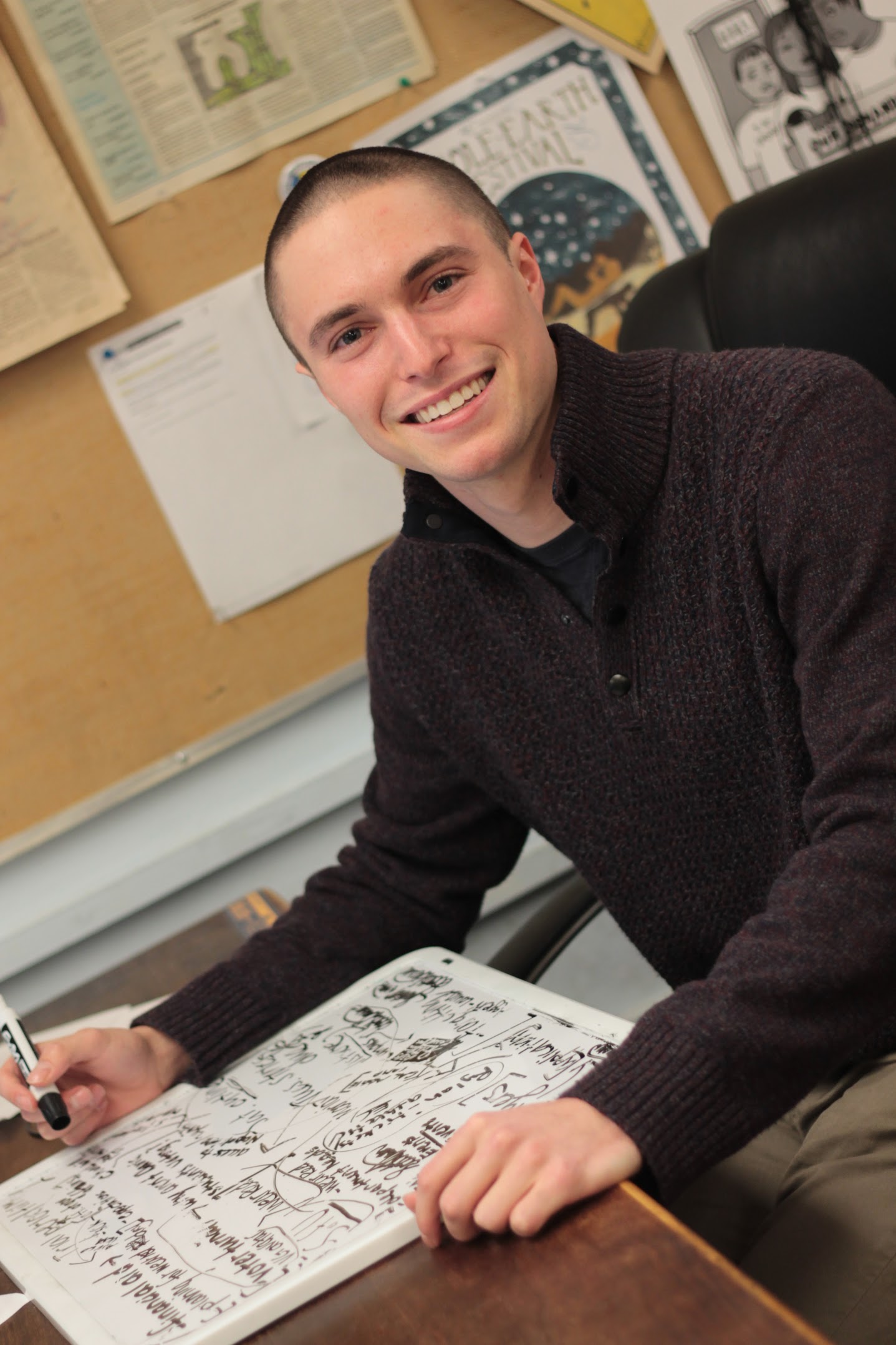
Melissa Dittrich (Opinion Editor): When I think of cozy fashion, I think about Melissa. Whether she’s donning a cute-comfy Beatles T-shirt, snuggling a cat, or attempting to find her way out of a big-ass circle scarf, there is never a moment Melissa doesn’t look like she is ready to stay in and still look fab. In my opinion (get it?!), Melissa’s fashion sense embodies a hipster cat, and I think that’s rad.

ar_aggiestylewatch6_Lin

Scott Dresser (Campus Editor): Whether he is suppressing the urge to rip his hair out at ASUCD meetings or shaking hands with politicians (don’t worry, he uses Purell), Scott’s ensemble is always cool, calm, collected and brownish. Like Melissa, he is also going for that sassy-as-a-cat persona, but unlike her, his feline-esque-ness is more of a “basic American Short hair,” as suggested by his solid, blocky style.

ar_aggiestylewatch2_Lin

Gabriella Hamlett (City Editor): If these photos don’t make it clear, Gabi is the very essence of the City of Davis. Confident, fun and a little dreamy, Gabi can strut her stuff on Russell Blvd. As Ritika (our vegetarian Features Editor) puts it, “Gabi’s style makes her look like a vegetarian, even though she’s not a vegetarian.” Ms. Hamlett definitely pulls off that pseudo-vegetarian look, and does it with ease with her signature clogs.

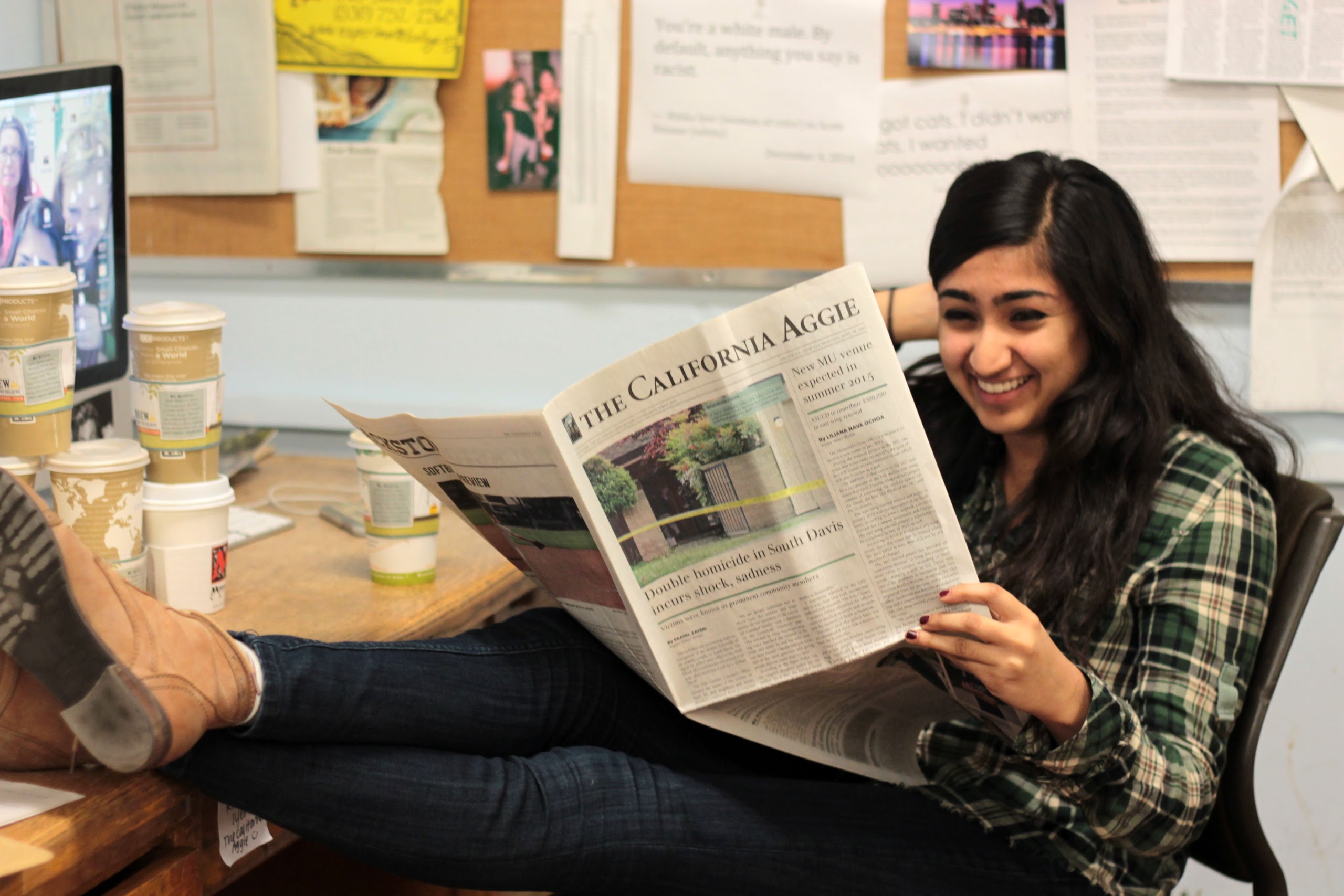
Ritika Iyer (Features Editor): As the Features Editor, Ritika has to be sure her style is always in the spotlight, but not in a too-cray way. She goes for simple patterns like plaids to assure that if she spills one of her daily pints of coffee on herself, it won’t be too noticeable. Ritika truly understands that fashion-forwards means she needs to be on the move while changing clothes because there is literally no extra free time in her schedule.

ar_aggiestylewatch3_Lin

Akira Olivia Kumamoto (Arts Editor): This is me in an orange poncho that Fox Broadcasting company sent me. I try to keep my fashion low-key, as not to look like the stereotypical Arts Editor (you know, those indie-alt looking writers with purple hair, thick-rimmed prescription Ray Bans, faux-leather boots, crazy nail-polish, kind of tired-looking, smells like coffee and talks to inanimate objects; gross, I hate those kind of people).

ar_aggiestylewatch4_Lin

Ryan Reed (Sports Editor): Ryan doesn’t even really like fashion and he mostly just cares about sports and Justin Bieber, but he still does his best to try and bring the MVP vibe when he dresses himself. As Sports Editor, Ryan goes for simplicity and comfort to assure that even if he’s getting heated over a missed goal, a split-second track loss, or the outdated wrath of Bieber-fever, he still looks cool and collected.

ar_aggiestylewatch5_Lin

Alissa Reyes (Managing Editor): As one of the women who has to monotonously edit articles before publication, Alissa has the tendency to daydream, romanticizing the workplace and imagining herself in Neverland. Knowing that her Disney-esque pursuits are not actually possible, though, Alissa instead turns to fashion instead to express her dual love of professionalism and wonder.

ar_aggiestylewawtch8_Lin

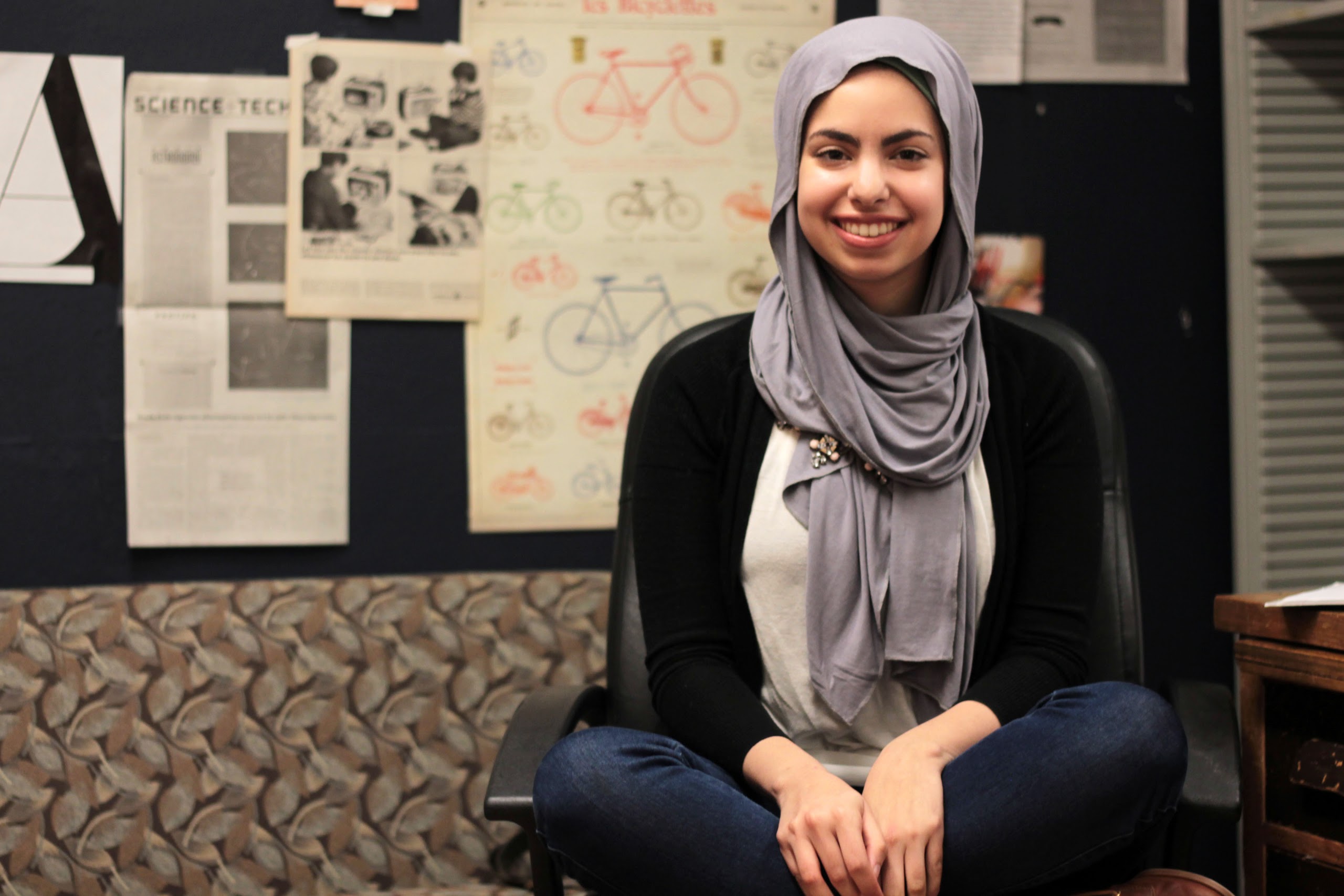
Muna Sadek (Editor in Chief): Muna doesn’t sleep, which is, of course, what she signed up for when accepting the role of Editor in Chief. She  puts up with everyone’s crap, but acts like she’s not putting up with anyone’s crap. She’s also gluten-free. She basically does all of this stuff and still looks amazing all the time. *Mumbles something about her color palette or fashion or whatever.*

ar_aggiestylewatch1_Lin

Aggie Style Watch would like to thank Melissa for letting me eat her chips and all her food in general, Scott for singing under his breath all the time, Gabi for singing above her breath all the time, Ritika for eating my cookies even though she doesn’t like cookies, Ryan for letting me cover his desk with Hello Kitty stickers, Alissa for always having pens at hand and Muna for not imploding while simultaneously trying to put The Aggie back into print. If you’d like to let me know that I am the worst Aggie Style Watch columnist ever and that you want Allison Reiss back ASAP, you can email me at arts@theaggie.org or Tweet me @akiraolivia.

Graphic by The California Aggie Graphics Team

Photos by Katie Lin.


AggieAngelous

0

ThePoetry-ThePoets&ThePoetess


The Poetry


“The Railroad”

by Caroline Vissers


We rush

rush through the emotions of life

knife in my lungs I can’t breathe

You came and went so quickly

quick to knock the air right out of my gut

lust rushes through our bodies

bodies haunted by unhinged time

timed so poorly


Like trains rushing past one another

another missed chance

glance through the window to see the power

powerful energy rushing forward

for an instance so close

close to something gone

gone to separate destinations

destiny overlooked


Set on our rails

rails grinding forward, metal screeching

screaming, screaming can’t you hear me?


Will I ever see you again?

again, again, and again I write

writhing in anticipation of your return

“return to sender”


derailed


“The Things I Lost in my College Dorm”

By Caroline Vissers


Four years of sweat and tears sprawled across the floor

a carpet of memories

to cover the things I lost in my college dorm


My virginity crammed under the bed

a farewell to innocence

washed away with the stains on my sheets


Old friendships wither in the corner

a lesson in loyalty

to be learned again

again and

again


An air of expectation hangs above the desk

thick enough to choke on,

wilting the pages of unread books


Childhood dreams turned to dust on the floor

like discarded maps

redrawn to follow paved roads


Lost but not forgotten, you stand beside the window

the words “I love you” dripping from the glass

it sounded like a promise

but ended as a bolt on the door


So I packed the scraps

placed my education neatly in my bags

and used my diploma to carve “ADULT” across my forehead

ThePoets&ThePoetesses

Screen Shot 2015-02-03 at 2.25.34 PM“The Things I Lost in my College Dorm” and “The Railroad” By Caroline Vissers

Caroline Vissers graduated with a degree in animal science in June 2014 and now works researching bone regeneration. Though her education is focused on science, she enjoys the arts and has been painting for over 12 years. Only recently did she begin exploring poetry and discovering the unique expression it allows. In the future, she hopes to integrate art and science in ways that will elevate her understanding of both.

Be Featured in AggieAngelousAggieAngeousLogo

Send your poetry to aggieangelous@gmail.com with your name, level of study (undergraduate, alum, graduate, faculty, or staff) and field (interest, reseach, major, discipline), a short, one-to-two paragraph description about yourself and a headshot or personal photo. Feel free to include your interests and/or hobbies, or maybe even your favorite quote! You can submit as often as you like with as many pieces of creative writing as you would like. Please feel free to email AggieAngelous with any questions, concerns or inquiries.

SPECIAL ANNOUNCEMENT!

AggieAngelous will be expanding. In addition to working with The California Aggie, AggieAngelous has been asked to feature poetry in a new monthly magazine to be entitled The Centennial. More information coming soon!

Graphic by The California Aggie Graphics Team

Moving through the evolution of dance

0

ar_darwindance1

Join the Pamela Trokanski Dance Theatre (PTDT) in remembering the many origins of contemporary dance. From Friday to Saturday, PTDT will present its 2015 Davis Dance Project, Darwin & Dance: The Evolution of Contemporary Movement.

PTDT’s Davis Dance Project is an annual event that is part lecture and part demonstration. Each project delves into an aspect of dance, with topics varying per year. Previous topics include Athleticism in Dance and The Art of Dancing Art.

Darwin & Dance moves beyond ordinary concert dance, blending recital with education and audience interactivity. The beginning portion of the showcase will depict a general timeline of dance history, visiting the art’s roots in global cultures. From then, the performance observes change in culture and its transformative influence on dance.

Pamela Trokanski, PTDT founder and head choreographer, calls Darwin & Dance the Reader’s Digest of the art form’s history.

“[The performance] gives a nice contextual overview about how contemporary dance has evolved, but it’s done in a fun and engaging way,” Trokanski said. “There will be something for everyone.”

Darwin & Dance demonstrates that modern dance is not merely the art of body movement, but also a revolutionary movement. Dance challenged forces of authority and control. Amid common people overthrowing dictatorship and Picasso deconstructing the human body, dance took action by breaking free from traditional costuming and performance formats.

“The big thing about [contemporary dance] is that it was different from the dances you would see beforehand,” Trokanski said. “[Dance] was no longer the art that was sponsored by church and state; it was individuals creating their own philosophies and personal visions.”

While Trokanski takes the title of primary choreographer, the showcase will also feature pieces by those who have taken the dance theatre’s composition class.

Trokanski expressed enthusiasm for the range of diverse ideas that comes from her and her students’ combined minds.

For example, one student dancer received knee surgery and used the experience to create a piece that explores the external forces that shape dance.

ar_darwindance2

“Everybody has something unique to bring to the pot,” Trokanski said. “I personally like it when they have their own personal movements or idiosyncratic vocabulary. It makes our work exciting and energizing.”

Michele Tobias, PTDT dancer and a UC Davis environmental policy post-doctorate, described her time in Darwin & Dance as creatively enriching.

“[Trokanski] has an idea of what she wants to show the audience, and then asks us how we can show the idea, like lifting and carrying dancers or utilizing certain props and costumes,” Tobias said. “I’ve enjoyed the opportunity to be creative and contribute to the show in that way.”

A medley of myriad ideas, Darwin & Dance is a personification of what contemporary dance does best: reflect culture. PTDT dancer and Sacramento State University sociology graduate Sara Delorena attested to Darwin & Dance’s enlightening impact.

“Dance is a reflection of what is going on in the world around you,” Delorena said. “[Darwin & Dance] has really helped me comprehend how dance evolves over time and how dance tends to change alongside culture.”

There will be three show times for Darwin & Dance. Ticket prices range from $12 to $18, while children 12 and younger have free admission. For more information on the show, visit the PTDT Facebook page.

Photos by Pamela Trokanski.

Letter to the community from ASUCD senator Azka Fayyaz

0

Dear Community and All Others,

On Thursday, January 29, 2015, after the ASUCD Senate voted “Yes” by a supermajority to pass the Divestment Resolution, I posted a picture with the Pro-Divestment community on my personal Facebook with a satirical caption. Although I made a comment on the picture stating that the caption was satirical, the anti-divestment community conveniently left out the comment from the rest of the picture and took the caption out of context. In doing so, they shared my picture on various Islamophobic, racist and anti-Palestinian blogs and articles. Consequently, I received hateful e-mails and violent messages and was labeled as an anti-Semite, a spokesperson for Hamas and a Jew-hater. All of these judgements are grotesquely disgusting and factually incorrect. Additionally, the linking of my satirical comments to the painting of swastikas on the Jewish fraternity at UC Davis is a red herring. I am condemning the painting of swastikas on the Jewish fraternity at UC Davis — not because I feel that I should but because it is against my beliefs. Just as my pro-divestment views are rooted in social justice so is my distress over what has transpired at the Jewish fraternity at UC Davis. This is why I stand firmly in my stance on divestment and I reiterate this is not out of hate for anyone but out of love for those facing these injustices every single day and night.

I have been involved with the divestment campaign for the last three years, for many of the same reasons that others are pro-divestment and pro-Palestine. I feel strongly about my reasons and none of these reasons are even remotely close to being anti-Semitic or anti-Jewish in nature. Their foundations lay in a framework of deep social justice values, anti-imperialism, and a deep dedication to working in solidarity with oppressed peoples worldwide. As a veiled, Muslim senator, I have been attacked many times during my term by the anti-divestment community on campus, specifically the leadership of both AEPi, the Jewish fraternity at UC Davis, and Aggies for Israel, who have made it their mission to harass me over social media and actively censor my online presence during this summer’s atrocious Operation Protective Edge, which resulted in the death of over 2,000 Gazans. More specifically, these communities have violently stalked me on Facebook and reported the contents of my profile to the Zionist lobby groups which they have been paid to represent. Additionally, student senators and other students affiliated with Aggies for Israel on campus have also yelled Islamophobic slurs at me such as “terrorist” and threatened me by holding my position as an ASUCD senator hostage over me. During ASUCD Senate meetings, the anti-divestment community has attacked me and vigorously yelled at me, all because of my affiliations on campus, which include predominantly Communities of Color. Attacks such as these have been directed at me from the day that I assumed the position as an ASUCD senator. Their intentions are clear, to suppress any opposition and slander the individuals while they do it.

My satirical comments are a non-confrontational method to mock the arguments presented by the anti-divestment community during the last three years who have incorrectly labeled the Divestment movement as a violent and anti-Semitic movement by Muslim and Arab students. In fact Divestment is supported by students from all faiths, ethnicities and backgrounds (including people of Latino, African, Muslim and Jewish identities, among others). It is a nonviolent strategy utilized globally by activists to put pressure “against Israel until it complies with international law and Palestinian rights.” Furthermore, the very caption on my picture was verbally presented at ASUCD Senate hearings in 2013 and 2014 by the anti-divestment community and such discourse is also presented by Zionist lobby groups worldwide but because I, a veiled, Muslim, Divestment and BDS-supporting senator, decided to use it in a satirical and ironic context after the passage of divestment, I was single handedly and wrongfully attacked. My hope is that any intelligent person is able to discern between satire and fact.

I have a choice to release this statement — just like those of you who are connecting me to anti-Semitic sentiments and maliciously attacking me are making a choice. I’m choosing to communicate with you my truth because I want to make a lasting and positive difference in this world. And while doing that I will use humor and faith.

I ask those in the various communities I have had the pleasure to be involved with, those who know me, have worked with me, have laughed with me, to stand with me during this time.

02.02.15 2:41PM EDIT: Members of my community who have supported me throughout my term and during this time, if you feel that I have put you through a difficult time, please accept my heartfelt apology and know that I have never abandoned you nor put my own interests before yours, you all are the reason that I fight against injustice every single day and you all will always receive my unconditional support and love.

Sincerely,

Azka Fayyaz

Senator, Associated Students, University of California, Davis

Winter 2014-Present

February 02, 2015


Graphic by Jennifer Wu

Jews for divestment

0

Correction

On February 3, The California Aggie published a Guest Opinion entitled “Jews for divestment.” The Guest Opinion includes factual statements regarding StandWithUs. Representatives of that organization have challenged the truthfulness of these statements, and consequently the article has been removed.

Graphic by Jennifer Wu

Flick Chick: I’m not lonely, I’m having a “Me Day”

0

comic_defazio_op

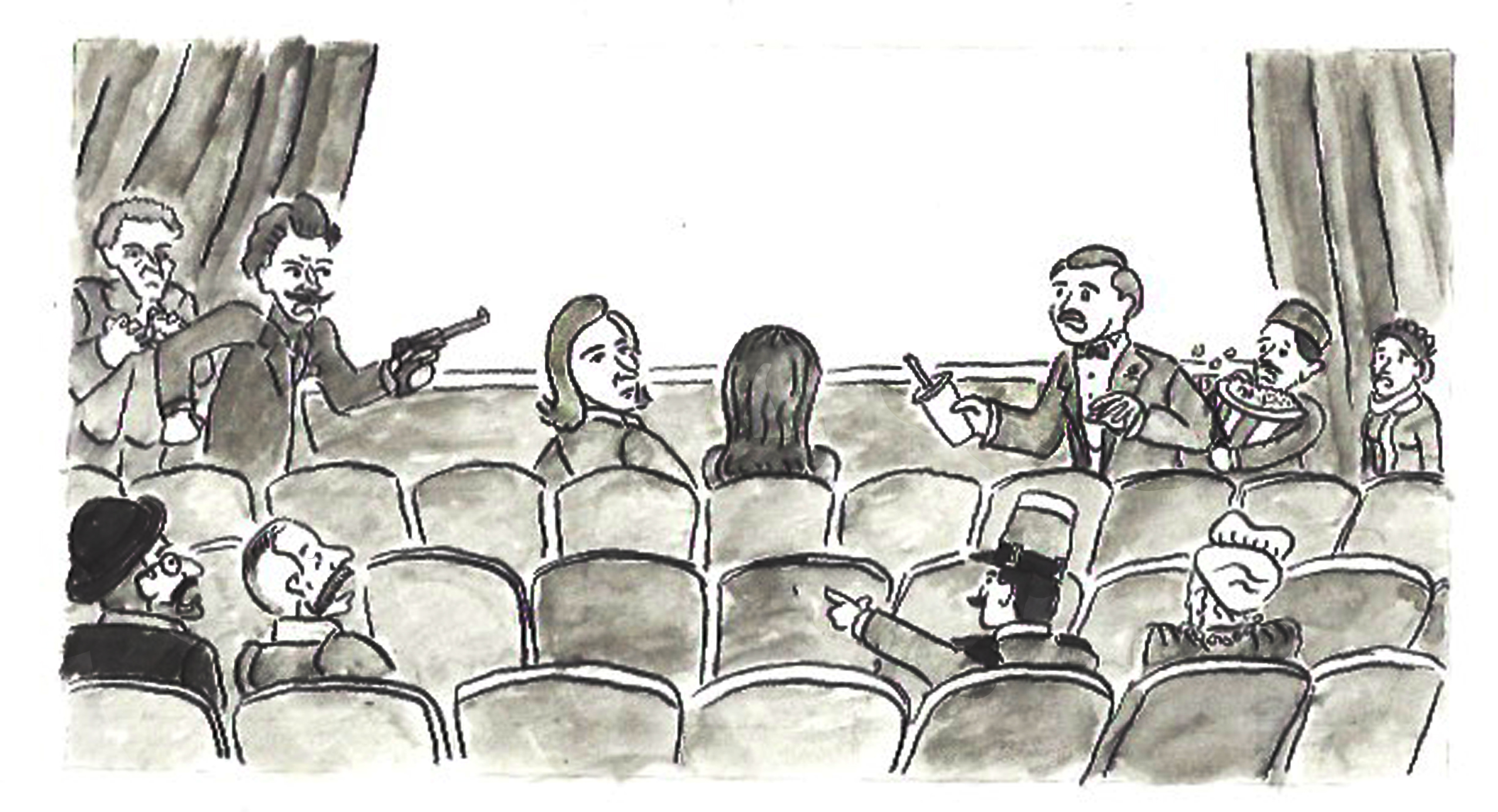
defazioheadshot_opBefore I discovered that I am in fact capable of buying a theater ticket without someone by my side, I thought that going to the movies alone on a weekday afternoon was only for the sad and the friendless. I imagined the judgmental glances behind the glass of the ticket vendors, letting their coworkers know that the girl in old exercise shorts and ponytail was, in fact, walking into the theater alone, and was probably always companionless. Not to say any of that was true, but when I was a teenager, that was one of my worst fears.

After an opportunity arose to see Wes Anderson’s “The Grand Budapest Hotel” by myself last spring, my opinions on going to the movies on my own were soon changed. It took real bravery to overcome that mountain of public embarrassment; I had to act like I was too cool to care (though I was far from it). The experience changed my view of cinema completely, as I was able to be comfortably alone on an oddly independent adventure at the same time that Ralph Fiennes and Tony Revolori went on one of their own.

As I prepared to enter into the historical Tower Theater on that Monday morning, I explored a world that wouldl soon become my sanctuary. The sound of my muffled footsteps on the timeworn carpet did not stop next to the candy counter, since I didn’t have to wait for a partner to decide whether or not to buy expensive popcorn and a Coke. Besides, I already had a bag of Sour Patch Kids in my purse, and didn’t even have to share. When I sat down there was no one sitting immediately around me, I was fully converted to the lifestyle of the senior citizens sitting in the back. I was taken to an ambiguous time and place, both in the Sacramento theater as well as in the majesty of Wes Anderson’s latest work, where dreams and reality intertwined.

Since that first time visiting the theater on my own terms, I have seen many movies alone, including the summer flicks “What If” (2014), “Begin Again” (2014) and the recent “Big Eyes” (2014) which I would’ve enjoyed much less with an uninterested escort by my side. Now, whenever I feel the need to get away, or just have an afternoon off, I can go to the movies for a few hours of air-conditioned paradise.

Though seeing a movie alone may be a relief, it does come at a cost. Most often, going to the movies is an exciting event, with big groups leaving the theater reenacting favorite scenes and furiously blinking in the sudden daylight. Alone, you could try to do these things by yourself, but maniacally laughing to an unheard joke usually reinforces the ticket vendors’ first impressions of you. Also, there is the issue of using the restroom on these solo trips. Who’s going to watch your purse? And you’ll probably never find your original seat again.

Experiencing a movie on your own terms can be relaxing, contemplative and a bit pretentious, depending on your mood, but never lonely. I’ve learned that a big part of growing up is being able to handle situations like this yourself, with nothing standing in your way from a fun afternoon. It is a way to be connected to your community and being able to watch a movie collectively, but while still being independent and with your own opinions as the credits roll. It is comforting to know that I am able to explore my movie taste and, in an emergency, deny that I saw that cheesy romantic comedy without bribing witnesses. At our young age, spending personal time alone is essential for discovering oneself. And going to a movie on your own is a whole lot better than sitting on the computer; the screen is much bigger! It may be cliché, but it’s worth it.

So, no, paying for a ticket by yourself on a mental health day is not equivalent to a lack of social life or inability to handle movie-talkers. No one should shrink from an opportunity to connect with your own thoughts on a film in an undisturbed setting, or take a nap, whatever you want to do in a dark theater that’s legal. When there isn’t someone to whisper predictions in your ear, or wonder out loud where that one guy was from (“Ugh, this is going to bother me the whole time!”), you could even learn more about yourself, your preferences and your community. Take this huge risk and I promise you won’t embarrass yourself too much.

Let me know how your adventure, or embarrassment, goes on twitter (@emdefaz10) or by email (endefazio@ucdavis.edu)!

Graphic by Tiffany Choi

Comic by Evan Lilley


Sustainability in the built environment: Slow implementation of geothermal energy in the United States

0

lundheadshot_opGeothermal energy is a rapidly developing field in which 100 percent renewable and clean energy can be obtained. Geothermal energy spans from large scale — in which it can provide energy to an entire country, to small scale — in which it can help heat/cool a small house. The science is quite evolved, and has proven efficient and economic on all scales. Currently, the United States’ total energy sources from geothermal energy is less than one percent! Although less than one percent, this number is still a substantial amount. Compare this number to Iceland’s geothermal energy percentage, which constitutes a whopping 65 percent! Are the United States’ political, social, economic or technical systems not advanced enough to implement geothermal energy?

The main problem the United States faces with geothermal energy implementation is both political and economic. One initial point is that geothermal systems, both on large and small scales, are hard to retrofit. Geothermal systems, when implemented to new structures, allow designers and engineers to have more variability and thus more efficiency. For the United States, which is a relatively “built” nation, more geothermal energy sources have to be retrofitted to a current structure. This is problematic, as building owners don’t want to front the cost of introducing a geothermal system when their building has already been in place for a while.

On a large scale, economic factors are a huge problem for the United States. The problem is that nobody wants to front the capital to implement a large-scale geothermal energy project. In the United States, industry is ruled by the private sector. In contrast, Iceland, a country where more percentage of tax dollars are used for the public municipality sector – has a strong geothermal system. The main reason for this is due to the fact that a large percent of tax dollars are for geothermal energy. This is great for Iceland as it introduces a system which generates lower fossil fuel consumption, which in turn increases the need for the geothermal system. The problem in the United States is that very few public dollars are put into the geothermal industry (US renewable energy is dominated by solar).

To continue, the fact that the largest renewable energy source in the United States is solar introduces the social problem of small scale geothermal energy implementation. How many neighbors of yours have implemented a ground source heat pump to passively cool and heat their houses? None? Shocker! Geothermal energy isn’t as common in public knowledge.  A direct result of this notion is the subdued geothermal use.

Subdued geothermal energy use is coupled with higher dependency on fossil fuels. Obviously, fossil fuel dependency is something the United States wants to stray away from. Renewable energy sources help minimize our fossil fuel usage, but we must take advantage of all types of these sources. Wind and solar energy alone aren’t enough to fully solve the energy crisis, which implies that geothermal energy (along with other unused renewable sources) are the key to ending fossil fuel dependency and introducing a 100% off-the-grid energy system.

Brent Lund can be reached at brlund@ucdavis.edu.

Graphic by Tiffany Choi


Bolstering business in Uganda

RAVT_fe3

The Richard and Annie Volunteer and Travel (RAVT), a six-month-old non-profit organization, began as a collaboration between UC Davis second-year biological sciences major Annie Ashmore and Ugandan resident Richard Ssali to rebuild small businesses in Uganda.

RAVT works with local university volunteer groups and Ugandan business organizations to help grow Uganda’s economy by offering international volunteering opportunities for UC Davis students and funding Ugandan businesses that aim to bolster their communities.

What makes RAVT unique with its approach to humanitarian work is its commitment to being a Ugandan-run organization.

“It’s completely locally grown,” Ashmore said. “The vision and the mission staff are almost entirely Ugandan. We’re really trying to make it a Ugandan approach with aid from international groups.”

As stated on RAVT’s website, the group takes a grassroots approach in reaction to the recent trend of “voluntourism,” where people from industrialized countries like Canada, United States and England visit developing nations to volunteer while experiencing the local culture. Since RAVT acknowledges that voluntourism actually yields little benefit for the country in need, their volunteers and organization try and remain respectful of the culture or – “minimize their influence while maximizing their impact.”

Ashmore and Ssali came up with the idea for RAVT while Ashmore was visiting Uganda during the summer after her first-year at UC Davis and met Ssali. The pair realized they shared similar ideas regarding efficient volunteer work and a desire to expand local social service project sustainability in Uganda.

While Ashmore and other students work from UC Davis, RAVT has a Ugandan team working directly with local businesses and organizations. Most of the businesses are devoted to public welfare and, to either expand their services or keep their businesses afloat, RAVT will help them by raising money for essential equipment or funding lucrative side projects like maintaining farms or building wells.

“If they don’t have space to grow, they are forced to work within a really small sphere of influence,” Ashmore said.

RAVT’s main goal is to expand that sphere of influence to a larger group of businesses. RAVT is currently certified in Uganda and is working to get its certification in the United States to achieve greater prominence. Working in conjunction with RAVT are other smaller campus clubs, like Invisible Children – a well-known international non-profit organization that also works in Uganda.

Prior to this summer, Ashmore had been volunteering and working with Invisible Children in some form for six years. She started an Invisible Children’s club at her high school, a club that second-year international relations major Colette Barton joined as well. Since attending UC Davis, Barton has also become a part of RAVT.

“We’re looking to focus in our efforts more on the new organization, RAVT,” Barton said. “We’ve been with Invisible Children for a very long time but their U.S. operation more or less moved to Uganda.”

This quarter, the student-run group is working on fundraising and awareness campaigns to bring attention and aid to their cause. Right now the organization is raising $500 to fund a tailoring machine for a vocational school in Uganda, helping the locals foster skills to create their own businesses. In addition to the tailoring machine, RAVT is also running a drive to collect electronics from the UC Davis student body to be distributed to the vocational schools.

RAVT also runs many other projects including funding HIV/AIDS clinics in Uganda and schools that teach English.

“There is a good range of things that RAVT focuses on,” Barton said. “It’s not just one single thing.”

Ssali, leader of the RAVT Ugandan team, said that the fundraising and volunteering is crucial to maintaining many of the important local businesses.

RAVT_fe1

“All in all, the list of challenges are endless but the biggest challenge is the shortage of funds to run RAVT activities,” Ssali said.

Ssali said that this lack of funding has real tangible consequences. Many Ugandan children and adults need treatment from HIV/AIDS clinics that currently can only serve small number of people. Since education is of particular interest for RAVT, a huge concern for them is the high national dropout rate among students, and serves as the reason why RAVT had chosen normal and vocational schools as a large portion of their focus.

Ashmore is hoping to meet up with the Ugandan team this summer to do more hands-on work for the organization, but for now she and the rest of the Davis team are just working on getting the word out in the campus community.

Ashmore echoed Ssali’s sentiment of the importance of RAVT, saying that there were real lives being affected by the organization’s work. She also said the main reason she had decided to become so involved with Uganda centered group was because of the people and culture.

“I got really inspired by their beautiful culture,” Ashmore said. “I think being able being able to be apart of that is really rewarding.”

Photos: Courtesy