56 F
Davis

Davis, California

Wednesday, December 24, 2025
Home Blog Page 295

Martin Luther King Jr. paved the way for the ongoing fight against injustice

0

The BLM movement and grassroots organizing is an extension of what King stood for

Though the 1950s and 60s—the era of the Civil Rights Movement—may seem like the distant past, the fight for racial equality is far from over. Images of the violence with which police responded to peaceful protestors 55 years ago in Selma, Alabama are striking, yet not unfamiliar. In this country, there continues to be instance after instance of racial injustice and police violence. When considering the current movements, such as the Black Lives Matter (BLM) protests, we can see echoes of the Civil Rights Movement in their struggle against injustice.

On Monday, the nation celebrated Martin Luther King Jr. (MLK) Day, a holiday created in honor of one of the most influential leaders of the Civil Rights Movement. Some may not see this day as particularly important, viewing it instead as just time off from school or work. Others may not have recently learned about King in school and may have forgotten his immense accomplishments. MLK Day should, however, be used as a time of reflection on the history behind the day and the man that became a political icon, influencing and inspiring the social justice leaders of the 21st century.

The establishment of MLK Day was neither a straightforward nor easy process. Four days after King’s assasination in 1968, John Conyers, the congressman from Michigan at the time, called for the creation of a holiday in honor of King and his achievements. It wasn’t until 1986, however, that the holiday was officially recognized. Only with years of advocacy by the Congressional Black Caucus, the collection of six million signatures in support of the holiday and the drumming up of public support through a gathering of civil rights participants in 1983 on the 20th anniversary of the March on Washington, did it become officially instated.

The amount of time it took for the holiday to be established is astounding—it took 18 years from King’s death for it to be nationally recognized. To this day, some states such as Alabama and Mississippi concurrently celebrate Confederate General Robert E. Lee, a man who led the fight for the continuation of slavery. This celebration does not only dishonor King’s memory but also comes across as a violent stance against equality and inclusion. The third Monday of January should not be spent celebrating a proponent of racial violence and slavery, as it, by extension, celebrates one of the most shameful period of American history that led to the institutionalized racism that King actively fought against.

Furthermore, many leaders within the Republican Party, such as Senate Minority Leader Mitch McConnell, former Vice President Mike Pence and Texas Senator Ted Cruz have recognized the holiday; Pence stated King’s accomplishments were “incredible” and that they “inspire” him, despite representing a party that is increasingly moving toward white supremacy and that tried to suppress the Black vote in the 2020 election.

Though many may now view King as an example of gradual reform, he was, in fact, more radical than some might remember. An opponent of the Vietnam War and an advocate for Democratic socialism, King was in favor of drastic change. 

“I could never again raise my voice against the violence of the oppressed ghettos without having first spoken clearly to the greatest purveyor of violence in the world today: my own government,” King said in a 1967 speech regarding the Vietnam War. 

The BLM movement is a 21st century expansion of King’s efforts. We must remember that while the battle for justice will always continue, it is only with intentional steps toward justice that we can capture our freedoms. 

For King, who was blackmailed and harrassed by the Federal Bureau of Investigation until his death, leading a resistance movement paved the way for modern extensions in the fight against injustice everywhere. Protesting against racism and police brutality, the BLM movement has been met with an ignorant, offensive “All Lives Matter” crowd that refuses to acknowledge ongoing injustice. 

Time and time again, with movements of resistance and protest like King’s in the 60s or the BLM movement now, the greatest obstacle of freedom is the complacent white moderate. As King echoed in his Letter from a Birmingham Jail, those who are more devoted to law and order than justice need to understand that law and order exist for the purpose of justice—when they fail to provide justice they only impede progress.

Since Alicia Garza, Patrisse Cullors and Opal Tometi created the Black Lives Matter hashtag and movement in 2013, Black women have been the backbone of one of the largest ever movements in U.S. history. The leaders of the BLM movement understand that Black liberation movements have mostly left women, queer and transgender people behind and strive to include LGBTQ voices in conversations about race, gender and police violence.

Hopefully telling of a more progressive time, on Jan. 5, King’s successor at Ebenezer Baptist Church Raphael Warnock won Georgia’s special election and will become the first ever Black Democratic senator from the South. Home to the country’s youngest population, Georgia’s election of a pastor from King’s pulpit gives us hope for more diverse representation as we fight injustices ahead. In Georgia, the grassroots work done by Stacey Abrams and many others—especially Black women like Atlanta Mayor Keshia Lance Bottom, LaTosha Brown and Nse Ufot—serves as a reminder that community organizing can win elections, no matter the obstacles

In yesterday’s groundbreaking inauguration, Vice President Kamala Harris became the first Black woman and Asian American to hold the position. Harris’ election is hopefully telling of a shift toward greater diversity and representation in high offices. 

“While I may be the first woman in this office, I will not be the last,” Harris said in a speech on Nov. 7. Harris’ multicultural background represents the future of our country. Holding one of the most powerful positions in the world, she’s an icon that young people can look up to for years to come. 

She would also not be where she is today without the work and persistence of Martin Luther King Jr.—hopefully the many pioneers who come after Harris continue that trend. True pioneers expand freedom and spark justice for those who come after them.

Martin Luther King Jr. Day is not only a day to celebrate and commemorate a heroic activist in the history of the U.S., but it also serves as a reminder that doing what is right will always be necessary, no matter how difficult. We all have a duty to live intentionally, to pursue equality and to actively fight against visible and implicit injustice. We cannot sit idly by when there is an attempted coup at our nation’s Capitol in which rioters propagate symbols of hate or when police brutally attack peaceful protestors whose only crime was to push for change. 

More than half a century has passed since the Civil Rights Movement, but we still see widely spread violence and hatred, often encouraged by people in positions of power. Moving forward, we must do better as a nation and as individuals to live by King’s words: “The time is always right to do what is right.”

Written by: The Editorial Board
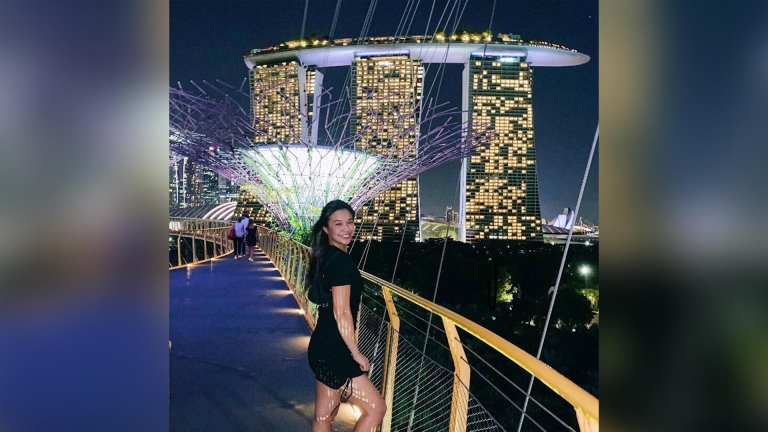
First-year Jennifer Li’s experience attending UC Davis from Singapore

0

Li explains the ups and downs of participating in online school in a different time zone

Adjusting to online classes has been challenging for every student, but international students who are living outside of the country have faced a completely different set of challenges. Time zone changes, exam times and COVID-19 rules have affected students residing in different countries, like Jennifer Li, a first-year undeclared student who has been living in Singapore throughout the pandemic. 

Li, who grew up shifting between Singapore and Los Angeles, began her time at UC Davis from her childhood bedroom, almost 10,000 miles away from the university. Besides being a freshman at a new school, she said that the 16-hour time difference between Singapore and California is challenging. 

“I think the time zones would be the biggest [challenge],” Li said. “Some of the lectures were still live, and I think the discussion sections are super helpful for some classes. I kind of missed out on that a little just because I wasn’t able to wake up at 3 a.m.”

Li also said that, like many students who did not move into the dorms or live off-campus in Davis, it is difficult to get involved, meet other students and form relationships with professors. 

“I am a person that learns a lot through discussion, and asking questions is a big thing for me so just not having that live interaction, not even with my peers but with my professors [was challenging],” Li said. “I think human interaction was the biggest thing that was missing.”

Despite being so far away, Li decided to rush a sorority and apply for a position on the wider Panhellenic council. She said that joining these activities virtually has helped her to meet new people and stay up to date with what is happening in Davis. 

Though being far from Davis has been hard, Li said that her professors have been very understanding of her situation and have allowed her to do most work asynchronously. Li explained that typically on a school day she will begin by listening to recorded lectures from the night before, since most of her classes are from 12-3 a.m. in Singapore. Then, she’ll spend the afternoon doing homework, assignments and studying for exams, dividing the work by subject. Li said that classes being completely online and mostly asynchronous has been very helpful.

“I think one thing that’s really good about being asynchronous is that I have a lot of freedom for how I want to use my time,” Li said. “I’m not really confined to ‘I have to do this work now,’ so I can plan out what works best for me.”

Though it has been an unconventional experience, Li has found some positives in spending her freshman year of college at home.

“The college workload is so different than high school, and being a first year, it was a lot to adjust to, so having other factors of my life be really familiar was really comforting,” Li said. “It didn’t feel like all of a sudden everything was changing.”
Written by: Katie DeBenedetti — features@theaggie.org


UC Davis Medical School experiences surge in applications

0

Nationwide “Fauci effect” inspires students to enter healthcare career fields

Students around the nation are responding to the current health crisis with action. Medical schools across the country are experiencing a surge in applications, a trend which medical school admission administrators have dubbed “The Fauci Effect”

“We’ve received more applications than ever before for the annual application cycle that ended Dec. 1, 2020,” said Dr. Mark Henderson, the associate dean for admissions at UC Davis’ School of Medicine, via email. “Last year we received 7,023 applications. This year we received 9,712 from students applying for admission in 2021.” 

The surge in medical school interest at UC Davis Health is similar to that of schools across the nation. UC Davis’ numbers are leading among this national trend of applications.

“The increase in applications we are experiencing at UC Davis School of Medicine is part of an upward trend that other medical schools across the country are also seeing,” Henderson said. “Our increase in applications, though, appears to be higher than at most schools—we received about 40% more applications over the previous year. Nationwide, the Association of American Medical Colleges is reporting an 18% increase.”

An increase in medical career ambitions among young people can be attributed to inspiration from leading doctors and scientists battling COVID-19. Third-year cognitive science major Tori Rarick is motivated to enter the medical field out of her observation of brave healthcare workers during the pandemic.

“I’ve always wanted to help other people in the medical field, but I think because of COVID, I see how important good doctors and health care workers are and also the prevalence of socioeconomic or racial disparities in the field,” Rarick said. “I want to help change that if I become a doctor. I was already tentatively set on the path but in the last month I’ve definitely decided to be fully dedicated to applying [to medical school].”

Like other graduate school programs, the UC Davis Medical School made pandemic relief adjustments to its application process for the 2020 application deadline, which may also explain the increase in applications this year. Updated admissions policies include accepting pass/fail grades for courses taken during the pandemic and accommodations for students who had to delay their Medical College Admission Test (MCAT) test.

“UC Davis School of Medicine will accept applications from individuals who were unable to take the MCAT due to COVID-related test cancellations,” the admissions website states. “For these candidates, we will base secondary application decisions on the information that is available to us at the time of the application.”

“Some [students] were able to take required courses online, while others had to meet virtually,” said Charlene Green, the director of the office of admissions at the UC Davis School of Medicine, via email. “As a result of these changes, our admissions committee went above and beyond to keep pace with the continuous high volume of inquiries coming in. Additionally, our committee members completed required training on holistic admissions. The School of Medicine is on track to matriculate 136 students this coming year (128 were admitted in the current first-year class). The upcoming increase, however, was planned before the application surge.”Written by: Hannah Blome — campus@theaggie.org

A day in the life of a UC Davis student athlete during COVID-19

0

Despite continuous postponements on athletics, UC Davis football player Daniel Whelan details the routine he’s created for himself during the pandemic

Daniel Whelan, a fourth-year sustainable environmental design major, begins his mornings early with a 6:45-7:00 a.m. wake-up call. He gets ready and heads out for his 8:15 a.m workout with the football strength coaches. Due to COVID-19, Whelan stated that the team is unable to practice together. Instead, players must sign up for one of three different scheduled times where they may meet with a small group. Previously, he stated the players’ season was on pause, as restrictions made it difficult to have a uniform practice.

“It was tough for a while, and we couldn’t do anything, but now we’re allowed to at least work out and run,” Whelan said. 

In regards to COVID-19 concerns, he stated that an outdoor tent was built outside of the weight room where players must wear masks around strength coaches and practice social distancing guidelines. In addition to new protocols, Whelan mentioned that players need to get tested every Monday. 

“I don’t mind getting tested every week as long we’re able to do what we’re doing,” Whelan said. 

After their practice ends at 10 a.m., Whelan returns home to make his first meal. His usual breakfast ranges from scrambled eggs and waffles to a protein smoothie. During this daily activity, he likes to wind down after practice with meditation, Youtube or reading. Following his meal, Whelan takes his dog, Jordy, along with his roommate and his roommate’s dog to the park. Afterwards, Whelan returns to begin his first class of the day. 

Currently, Whelan is enrolled in two asynchronous lectures that are two hours long each. He likes to complete one class in the afternoon and follows it with a chat with his family, specifically his father who lives in the U.K. Afterwards, he makes his lunch and follows a weekly meal schedule that he plans on Sundays. 

“I cook every meal, every day,” Whelan said. “I don’t meal prep. I already know what I’m making, and I have it ready to go.”

Following his lunch, he likes to complete his next two-hour asynchronous class and any work associated with it. When his class is complete, Whelan begins preparing his dinner. His favorite meal to make at the moment is shrimp pasta with alfredo sauce and a side of garlic bread. As he eats, he likes to relax by watching a TV show and prefers to make tea or hot chocolate once the show is over. 

His night time routine consists of finishing any homework, meditating and prepping for bed. Since practice is so early, he is typically in bed between 9:30-10:30 p.m.

Globally, COVID-19 has pivoted the lifestyle for student athletes as the normal training and competitive schedule have shifted. Yet for Whelan, this change is not entirely negative. 

“Honestly, I think it’s leveled the playing fields for student athletes,” Whelan said. “Now we are all in the same boat. We’re all staying at home. We’re actually at an advantage where we’re allowed to workout and exercise and then come back and do our school.” 
Written by: Farrah Ballou — features@theaggie.org

Sustainability efforts continue in Yolo County amid COVID-19 restrictions

0

Woodland City Government and a non-profit work towards the goal of local sustainability

On Dec. 9, 2021, Yolo County held its second public workshop for its Climate Action Plan. The plan is a continuation of Yolo County’s sustainability efforts. 

According to the Yolo County website, the workshop was meant to help develop a long-term sustainability plan. 

“One of Yolo County’s strategic goals is ‘A Sustainable Environment,’ which serves to focus the County’s energy on comprehensively planning its environmental roadmap for the future” the website reads. “The development of the Sustainability Plan is designed to support this goal by assessing and highlighting existing sustainability programs and processes.” 

As Yolo County continues to move forward in its sustainability plan, sustainability efforts also continue at the city level and through independent local non-profit organizations. Woodland’s Environmental Sustainability Manager Ken Loman explained that Woodland itself has an independent committee for sustainability.  

“The City of Woodland’s Sutainaiblity Advisory committee is not related to Yolo County’s Sustainability Program,” Loman said via email. “One of its functions is to assist the City of Woodland with implementing the community-based aspects of our Climate Action plan.” 

According to the City of Woodland’s website, Woodland’s Climate Action Plan (CAP) is a planning document that provides community-based strategies to help the City, local businesses and residents in reducing greenhouse gas emissions. 

“A local climate action plan is based on the premise that local governments and the communities they represent are uniquely capable of addressing many of the major sources of emissions within their jurisdictions” the website reads. “Local climate action plans typically address an array of activities and planning practices that directly or indirectly affect [greenhouse gas] emissions.” 

Loman explained that those interested in Woodland’s sustainability efforts should visit the Environmental Services section of the city’s website

In addition to the sustainability work through city government, Woodland also boasts several non-profits with the aim of environmental sustainability outreach and action. One of these organizations, The Woodland Tree Foundation, has planted over 800 native valley oaks on the state highway over the last 20 years. 

President of the Woodland Tree Foundation David Wilkinson explained that the foundation works closely with the city government. 

“Tree planting is one of the goals in the City of Woodland’s CAP to absorb more greenhouse gases,” Wilkinson said. “We plan to reduce Woodland’s carbon footprint. The City of Woodland has been a big supporter. We work closely with the City on some of our tree planting projects. We’re very involved in public policy.” 

While the Foundation doesn’t often work at the county level, Wilkinson explained that the Woodland Tree Foundation is currently helping the county landscape some of its community facilities in Woodland. 

Wilkinson explained that the organization is not only environmentally beneficial, but is also an important facet of local environmental programs since it fosters a sense of community. 

“Our motto is building community through canopy,” Wilkinson said. “The purpose of our foundation is to educate the public about the value of trees and to plant lots of trees with volunteers through the community to instil pride in the neighborhood.” 

Wilkinson explained that while Woodland has historically had tens of thousands of valley oak trees, recent counts show as few as 900 12-inch diameter valley oaks growing in the area. 

“Most of them have been taken out over the years for farming, development and old age and never replanted,” Wilkinson said. 

While COVID-19 has impacted the Foundation’s ability to gather large groups of volunteers, Wilkinson explained that they are continuing to carry out the foundation’s mission of tree planting and environmental suitability in a safe manner. 

“We’re still planting,” Wilkinson said. “We’re just planting individually, or maybe with one partner. […] we’ve just had to scale it back.” 

For community members who want to get involved, Wilkinson recommends visiting the Woodland Tree Foundation website for more information about trees and volunteering opportunities. 

“Hopefully we can get back to tree planting later this year,” Wilkinson said. “We’d love to have students or anyone sign up to volunteer. We can do that safely. We have a lot of planting to do later this year.” 
Written by: Yan Yan Hustis Hayes — city@theaggie.org

Coffee House closes down indefinitely after more than 50 years

0

Darin Schluep, the food service director, said they hope to reopen eventually

The Coffee House (CoHo) at UC Davis announced that it would be closing indefinitely as of Friday, Jan. 15. 

“There were a variety of factors that prompted our decision to close, but the most unfortunate part is the loss of employment for our student employees who have been so understanding and patient with us as we’ve worked through this challenging year,” said Food Service Director Darin Schluep in an email. “We plan to reevaluate all of the different considerations involved and are looking forward to reopening as soon as we can.” 

The CoHo has long been a popular hangout on campus for students, professors and staff members alike, providing its customers with a range of meal options, from pho to deli food. It was established in 1968, originally located in East Hall. After East Hall was demolished in 1973, the CoHo was added to the east wing of the Memorial Union and underwent substantial renovations in 1991 and 2010. 

The CoHo also hosted concerts for now-famous bands during the ‘70s and ‘80s, including Devo, The Police and The Talking Heads and was considered the largest student-run restaurant in the United States.

Currently housed in the Memorial Union, it has been the location of student activism in recent years. In 2018, around 10 students lay on their backs in front of the CoHo, protesting the police killing of Stephon Clark, a Black man from Sacramento. 

Later that year, a CoHo employee led a walkout after hundreds of student workers at UC Davis missed pay during the rollout of UCPath, a new payroll system. 

But business became slower in 2020, according to a third-year double major in linguistics and human development who worked at the CoHo until this week and spoke on the condition of anonymity. 

“We were notified through email,” she said. “Then there was a meeting held [last] Tuesday for all employees and that was when we learned that it was closing unfortunately.”

This development was expected, the employee explained. The CoHo had already reduced many of its operations during Spring Quarter 2020, in accordance with pandemic regulations in Yolo County. Employees still received pay during that time, however.

But with both indoor and outdoor seating forbidden at local eateries due to the recent surge in COVID-19 cases, many businesses have struggled with a decrease in customers, the CoHo among them. 

“We look forward to getting back to what has made the Coffee House a UC Davis institution for over 50 years: serving delicious, inexpensive food and beverages while employing and providing valuable job skills to as many students as possible,” said Schluep in a widely circulated press release regarding the CoHo’s closure. 

Schluep’s communication stressed that the closure was not permanent and that the CoHo hoped to resume operations as soon as possible.

The student employee interviewed by The Aggie said that while her position there wasn’t her primary source of income, many students who do rely on it for their paychecks are struggling.

“I know that there are a lot of people who rely on the CoHo for that source of income, and so a lot of my negative feelings and grief about the CoHo are for those people that need those jobs,” she said. 

Written by: Rebecca Bihn-Wallace — campus@theaggie.org 

March Madness to take place in the Hoosier state

0

NCAA chooses Indiana to host the entire men’s basketball tournament

The conclusion of the college football season means it is now the homestretch for college basketball. Usually, mid-January includes many conference rivalries and the battle for supremacy in their region; however, the COVID-19 pandemic has resulted in a change of course for college basketball. Of course, the common goal is always a bid in the National Collegiate Athletics Association (NCAA) tournament and hopefully, a run in the national spotlight. But as we know, this era of sports has been anything but ordinary. 

As we saw with college football, the NCAA and its programs have had trouble dealing with COVID-19. Even with scheduling that prioritizes reduced travel or the tons of precautions set forth, there have been many suspended and postponed games as well as halting of programs as a whole. Basketball programs across the country continue to be paused due to a variety of reasons, and with the NCAA men’s basketball tournament coming up in roughly two months, it seems nearly impossible to hold a tournament like years’ past.

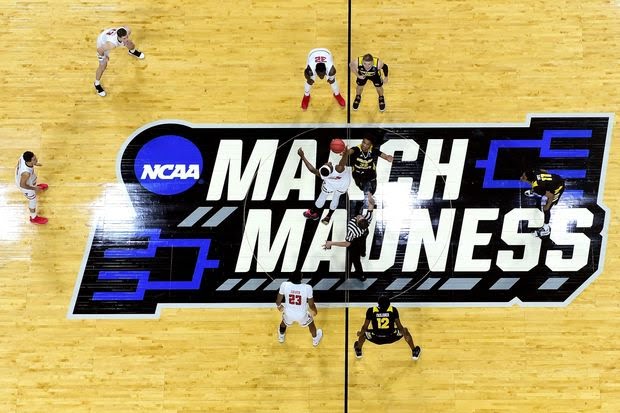
After months of planning, the NCAA announced on Jan. 4 that the men’s basketball tournament, known as March Madness, would be held strictly in the state of Indiana, mainly Indianapolis, creating a bubble-type environment, similar to that of the NBA’s. 

“This is a historic moment for NCAA members and the state of Indiana,” said NCAA President Mark Emmert in the press release. “We have worked tirelessly to reimagine a tournament structure that maintains our unique championship opportunity for college athletes. The reality of today’s announcement was possible thanks to the tremendous leadership of our membership, local authorities and staff.”

After last years’ cancellation that saw them lose an estimated $933 million in revenue not including the TV deal, the NCAA is trying to do everything possible for that not to happen again. Working with the Marion County Health Department, the NCAA medical protocols were approved and they will be partnering with local health provider to collect and administer COVID-19 tests for everyone involved. 

The logistics, travel and other details remain to be seen, but the protocols and locations of the games have been set. They will play games on two courts inside Lucas Oil Stadium, Bankers Life Fieldhouse, Hinkle Fieldhouse, Indiana Farmers Coliseum, Mackey Arena in West Lafayette, Indiana (roughly an hour North of Indianapolis) and Simon Skjodt Assembly Hall in Bloomington, Indiana (about an hour South of Indianapolis). The Indiana Convention Center will be used as a practice facility and it will have many courts available for use. 

In terms of the stay, teams will have a whole floor dedicated to themselves. Because the NCAA has a partnership with Marriott, most teams will be housed by the company, which has many hotels near the convention center where they will practice. On game days, teams will be transported from their hotels in a secure fashion, to try and avoid any contact or exposure with people not a part of the team. 

“The 2021 version of March Madness will be one to remember, if for no other reason than the uniqueness of the event,” said NCAA Senior Vice President of Basketball Dan Gavitt. “With the direction of the Men’s Basketball Committee, we are making the most of the circumstances the global pandemic has presented.”

There are many questions not only as to how this will work, but to how does one get everyone transferred to Indiana without risking the health and safety of the athletes, staff and everyone else who may be in contact with them? The NCAA released its initial health protocols for the tournament, and student-athletes, coaches, trainers, physical therapists, medical and equipment staff and officials will all have to show proof of seven consecutive negative tests before arriving in Indianapolis. Once there, they will be tested daily throughout their stay.

Aside from on-court activities, masks and social distancing will be required by athletes at all times, except when alone in their rooms or while eating in the designated areas. All will wear a KINEXON contact tracing device throughout the tournament, which are meant to help with contact tracing and let people know who a person with a positive test had been around. In the event of a positive test, these devices will help stop the spread of the virus before it gets bigger. 

In terms of attendance, the initial plan is to allow all athletes, coaches, trainers, physical therapists, medical and equipment staff and officials to bring up to six family members each, capping at 420 in total per team. But, these people who are invited will not be allowed to be in close contact with anyone involved in the tournament. Aside from family, the official word on if fans will be allowed is scheduled to be announced on Feb. 1, as the NCAA continues to work with health officials to figure out the best option.

“Our emphasis is on the safety and well-being of everyone participating in the event,” said NCAA Chief Medical Officer Dr. Brian Hainline. “By working with local health officials to develop protocols and administer COVID-19 testing, we are confident we will provide a safe environment for student-athletes, coaches, administrators and officials.”

No official dates or specific timelines have been set for this event yet, but it is believed to be not too different from previous years, where the tournament runs from mid-March to April. 

The NCAA could not afford to lose out on another lost March Madness tournament. Absorbing the cost that this will bring will be worth it in the grand scheme of things, which is why they are desperate to make it work. In the NBA’s version of the bubble, the league spent $150 million in its entirety, but gained $1.5 billion in revenue. The benefits outweigh the cost, but the question remains on how successful will it really be.

The clock is ticking for the NCAA. With roughly two months left before the tournament, they must develop a fully detailed plan soon and prepare for all 68 teams they will host as well as the 67 games they hope will take place. This large bubble-type plan will take a lot of work but if done right, the NCAA might have figured out a way to hold other major college tournaments during a pandemic. Done wrong though, and the costs could be massive. The pressure is on the NCAA, not only to continue its long tradition of March Madness, but to make sure they are not risking the lives of anyone involved in the process. 
Written by: Omar Navarro — sports@theaggie.org

Davis awarded platinum status for its bike-friendly culture

0

Professionals explain biking benefits and how Davis can still improve

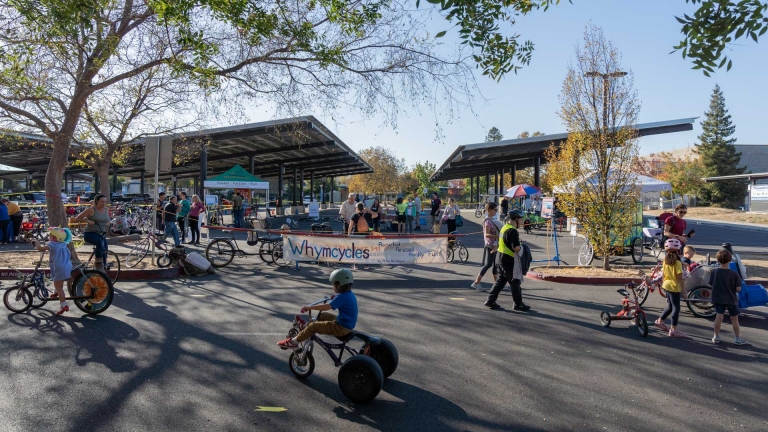
The City of Davis was recently re-certified on Dec. 16, 2020, as a “Platinum level Bicycle Friendly Community” by the League of American Bicyclists, according to a news statement from the City of Davis. 

The process of recertifying happens every four years, and the “award recognizes the Davis community for its commitment to providing safer streets and better bicycling for everyone,” according to the news statement. A report can also be found online. 

Amelia Neptune, the director of the Bicycle Friendly Community (BFC) program at the League of American Bicyclists, explained that communities can apply for the BFC through an online application that includes the 5 E’s: education, engineering, evaluation and planning, encouragement as well as equity and inclusion.

“Because we get applications from such a wide variety of communities, from small rural towns to major urban metro regions, there is no strict one-size-fits-all rubric of criteria for what a community MUST do to reach each award level, but we base our award decisions on how well and how holistically the community approaches bicycling in each of the 5 E’s,” Neptune said via email.

After the online applications are submitted, input is also taken from residents through a survey, alongside bicyclists and advocates. The application and survey results are then reviewed. As of January, there are 5 Platinum BFCs—however, no community has received the Diamond award yet. 

Jennifer Donofrio, the bike and pedestrian coordinator for the City of Davis, explained the factors that make Davis such a bike-friendly community. 

“One is our extensive bike network with 108 miles of bike lanes, 63 miles of pathways, and 29 grade-separated crossings allowing people on bikes to ride under and over train tracks, highways, and roadways,” Donofrio said via email.

Donofrio explained that the City also hosts events to promote biking.

“Together the City and community partners host over 100 bike themed events a year,” Donofrio said via email. “We have also made education one of our type priorities with the development of a bike education program, which has now shifted to a free online bike education class to learn the rules of the road.”

Ramon G. Zavala, the transportation demand manager for UC Davis Transportation Services, explained how the normalcy of biking, people moving to Davis for the biking culture and investing in infrastructure that supports biking contribute to the bike-friendliness of the city. 

“The nation’s first bike lane, off-street paths throughout the city, and the willingness to explore more infrastructure designs all contribute to making bicyclists feel welcomed in town,” Zavala said via email. “Welcomed cyclists ride more.”

A lack of cars also promotes biking, according to Minister at the Davis Bike Collective Francisco Dominguez.

“I think that having pretty much a closed to car traffic campus for the last 50 years has fostered a bike friendly healthy community,” Dominguez said via email.

The bike-friendly environment also contributes to the local culture in a few ways, such as increased happiness and consideration for others, according to Zavala. 

“There’s a better connection to the community when not zipping around in a car,” Zavala said. “You notice graffiti and are more likely to report it. You share photos of pretty scenery. You communicate more with those around you. In all, it increases community cohesion.”

Not only does it benefit people, it also benefits the environment, according to Dominguez, by reducing the carbon footprint produced by cars. 

In continuing to promote a bike culture, there are various goals that can still be achieved in Davis, according to Donofrio.

“Our goals are to reduce bike theft, improve our pavement conditions, bring bike share back, and improve our bike parking,” Donofrio said via email. 

Ultimately, Davis’ achievement of being awarded platinum status showcases its accessibility through biking, as well as a means of staying healthy, Donofrio explained.

“Biking needs to be easy to do, saves time, and it needs to be normal,” Donofrio said via email. “No special outfits or special bike is needed. Getting friends and groups to bike together to showcase how fun and easy biking is can encourage people to bike.”

 Written by: Shraddha Jhingan — city@theaggie.org

Culture Corner

0

The Arts Desk’s weekly picks for television, movies, books and music

Movie: “Soul” dir. by Pete Docter (2020)

Soul follows a jazz artist trying to make it big and live out his musical dreams. But in the meantime, he works as a middle school music teacher. When the musician finally gets the chance of a lifetime, he unexpectedly dies and arrives in another realm where mentors help unborn souls find their spark. 

I don’t know if it’s the gloomy weather or the fact that I’m graduating soon, but the idea of a “life purpose” is something I have been thinking a lot about lately. As I’m working through an existential crisis, I often find myself looking for a meaning in everything I’m doing. But “Soul” left me feeling comfortable with life, despite the fact that I was sitting in a pool of my tears at the end. 

Show: “Parks and Recreation” (2009-2015) 

Parks department worker Leslie Knope loves her small town in Indiana. In order to help Ann Perkins, a local nurse, Knope makes it her mission to turn an abandoned construction site into a park. But as the show progresses, Knope and Perkins run into obstacles that make their situation more difficult. 

Parks and Recreation is one of my favorite shows. I love Leslie—she’s strong and intelligent, but a laughably dorky woman with big dreams. It’s rare to see a woman leading a team that consistently shows emotions and yet is ready to take charge of every situation. I have yet to watch an episode that has not left me laughing out loud. 

Album: “Folklore” by Taylor Swift (2020)

Taylor Swift’s surprise album is undoubtedly one of my favorite albums. It is beautifully crafted, vulnerable and catchy. “Folklore” includes pop hits like “the last great american dynasty” that tells the story of her Rhode Island home and country comebacks like “betty” that describes a boy who pleads for his ex-girlfriend’s forgiveness. I had the entire album on repeat when it came out; there is not one skippable song.  

Book: “Humans” by Brandon Stanton (2020)

While this isn’t exactly literature, Stanton’s book full of conversations with random people on the street brings just as much emotion as a regular book. Stanton documents his travels around the world through photos and interviews with people who reveal their life stories. While some people share their happy memories, others share their struggles that bring you to tears. Stanton’s book is a reminder that everyone is going through something. 

Written By: Itzelth Gamboa — arts@theaggie.org

Picnic Day board of directors ‘discover silver linings’ in planning

0

2021 board shares preparations for the event

Every Spring Quarter, UC Davis students and community members gather to celebrate Picnic Day. The day is filled with events for the public to enjoy and has stood as a UC Davis tradition for over 100 years. Last year, Picnic Day operations quickly shifted online due to the ongoing COVID-19 pandemic, transforming the usual in-person activities of the day to a solely virtual experience. In 2021, Picnic Day is scheduled to be online once again due to the public health concerns an in-person event would present. With the help of the Picnic Day board of directors, which is made up of eight student directors and surrounding assistant director teams, the event is set for April 17.  

Jade Cervantes, a fourth-year animal biology major and entertainment director of the Picnic Day board of directors, explained the decision behind this year’s theme: “Discovering Silver Linings.”

“The board of directors decided on this theme because we wanted to highlight the fact that, despite everything we have been going through this year, we still try to find the silver lining in everything we can,” Cervantes said via email. “Maintaining an inspiring and hopeful attitude during these tough times can lead to new beginnings.”

The board meets every week to discuss objectives and bond further as a team. Caitlyn Liu, a fourth-year English and communication double major and chair of the Picnic Day board of directors, shared her experience planning and meeting online. 

“We are constantly coming up with ideas on how we can make this year great, but also evaluating what’s realistic with the resources and time that we have,” Liu said via email. “It’s definitely a different experience from previous years but still fun nonetheless.”

Amanda Portier, a third-year community and regional development major and the vice chair of the Picnic Day board, reflected on the quick adaptation to an online format last year in order to protect the health of the Davis community.  

“There was great communication between the board and all our partners, both on and off campus, and lots of creativity and dedication to bring the virtual format together,” Portier said via email. “We transformed our typical merchandise sales to a fundraising event for [UC Davis] Health which was very successful.”

In terms of improvement this year, the board aims to have new content and expand their merchandise line. Above all, they hope to create a Picnic Day that maintains the spirit of the event. 

“You can’t replace an in-person experience, but we’re working to convert as many Picnic Day traditions as possible to an online format,” Portier said via email. “We hope that this brings new and old students a day where they can explore their Davis community, learn new things, have fun and feel proud to be an Aggie. The virtual format is also a unique opportunity for students living off campus to share Picnic Day with household members who may not have been able to attend an in-person event.”

Some students already are looking forward to taking advantage of the event. Andrea Navarrete, a fourth-year cell biology major, decided she will attend Picnic Day 2021 during her final year at UC Davis. 

“I do want to go just because it’s my last year and I don’t know when I’ll be back in Davis,” Navarrete said. “I think I definitely want to check it out. I’m sure that they’ve been able to accommodate, and everyone’s been used to being online now so it’s not going to be as weird.”

Cervantes encouraged anyone who is hesitant about an online Picnic Day to give it a chance. 

“Just do it,” Cervantes said via email. “It is just as exciting as the in-person event, and now even more people from around the world can attend. We are bringing a lot of new and more creative ideas to Picnic Day this year and we would love for everyone to sign on and join in on the fun. It will be a Picnic Day you will never forget.”

Written by: Nora Farahdel — features@theaggie.org

UC Davis Chancellor Gary May receives vaccination, encourages people of color to trust vaccine

May and UC Davis Health’s Dr. David Tom Cooke said they hope that their vaccinations will ease skepticism about the vaccine in communities of color

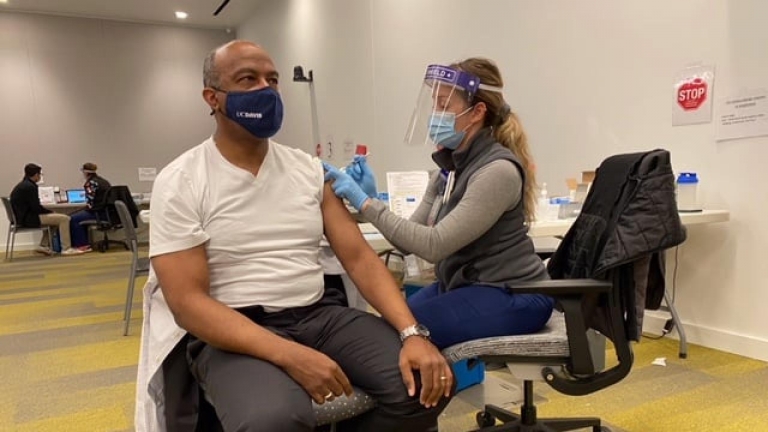
On Jan. 5, Chancellor Gary May spoke to The California Aggie about his decision to be vaccinated against COVID-19 last December. May said he took the Pfizer vaccine on behalf of communities of color—particularly the Black community—who he said have expressed skepticism about the rapid development of vaccinations against the deadly virus. In doing so, he says he hopes to ease the concerns of Black people who doubt the efficacy of the new COVID-19 vaccines.

According to a December 2020 Pew Research study, the Black community has been disproportionately affected by COVID-19. Of the Black Americans surveyed, 71% knew someone who had been hospitalized due to COVID-19 or had died of COVID-19, compared to 54% of Americans overall. The percentage of Black Americans who said they would take the vaccine was only 42%, compared to 63% of Hispanic adults and 61% of white adults surveyed in the study. 

“There is a cultural DNA of distrust [of the medical establishment] in the Black community,” said Dr. David Tom Cooke, a thoracic surgeon at UC Davis Health who participated in an Aug. 2020 coronavirus vaccine trial. 

Cooke, who is Black, referenced the use of Black men in the Tuskegee Syphilis Study and the story of Henrietta Lacks, a Black woman who died of cervical cancer without knowing that her doctor had harvested cells from her cervix that would later be used for groundbreaking medical research—research that benefited the doctors who commercialized her cell cultures.

Cooke also had concerns regarding a lack of diversity in early data release before he participated in the trial. 

“I thought that was problematic given the disproportionate effects of COVID-19 in the Black, Latin-American and Indigenous communities,” Cooke said. 

The trial was double-blind, meaning that neither its coordinators nor its participants knew whether the participants were being given placebos or the real vaccine. 

“I was recently ‘unblinded’ and learned that I’d received the vaccine,” Cooke said. 

He received the first Pfizer shot in August and the second, final shot in September. 

May was vaccinated following the second shipment of Pfizer vaccines to UC Davis Health in December 2020. He acknowledged the necessity of essential workers receiving the vaccine, saying that approximately 6,000 of those workers at UC Davis Health were vaccinated before he was. 

“UC Davis Health received those vaccinations from Pfizer in the second week of December and those two weeks they were really focusing on those essential workers,” said Dana Topousis, a spokesperson for UC Davis.

“I was sensitive to not jumping in front of people and making sure that our essential workers got theirs first,” May said. “I didn’t want to use my privilege to jump the line, but the weight of being able to tell that story to these communities [of color] outweighed that concern.”

May said that the vials containing the Pfizer vaccine in the second shipment to UC Davis Health contained about 20% more material than what was received in the first shipment, enabling more people to access it. 

“I’d always planned to get vaccinated—I wasn’t hesitant about that,” he said. “I guess we had an informal conversation in one of our leadership meetings where I was sharing with the team that there was a lot of skepticism and reluctance in the Black community [about the vaccine], even within my family and my friends and my social network. When [UC Davis] got the vaccine a month later, the opportunity presented itself.”

He spoke about the legacy of malpractice and mistreatment by the medical establishment and the U.S. government in the Black community, which may account for the community’s skepticism regarding COVID-19 vaccinations.

“I think there’s a long history,” he said. “If you go back as far as the Tuskegee Syphilis Experiment, where Black patients were injected with syphilis without their knowledge, there are a series of incidents and events like this. There have been instances of mistreatment, maltreatment and there’s the view that Black people have a higher tolerance for pain.”

May said that the historical mistreatment and record speed of the vaccine development contributed to increased skepticism in Black American communities.

 “Being someone in science, in a leadership role that is respected within the community, it was good for me to take it,” May said. “I’ve had conversations with people as close to me as my sister and friends and family—some of whom I’ve persuaded and some of whom are deciding on their own.”

According to Cooke, COVID-19 continues to disproportionately affect the Black community due to higher numbers of Black people in essential worker jobs. People of color are also more likely to take public transportation, increasing their potential exposure to COVID-19. He noted that the workers who cleaned up the Capitol building following a violent attack by President Donald Trump supporters on Jan. 6 were people of color. 

“When you look at that attack and the aftermath of that attack, if you look at the images and the videos of the people sweeping up the glass and the debris and packaging the debris from that terrorist attack, there are people of color doing that,” Cooke said. “They cannot work from home. They were there in the middle of the night. They were there cleaning up the U.S. Capitol, the seat of our democracy.”

Written by: Rebecca Bihn-Wallacecampus@theaggie.org 

Editor’s note: The original story referred to the violent attack on the Capitol as a protest and has since been updated so as not to misrepresent the event.

Researchers are using the growing field of paleoproteomics to retell history

0

One recent study indicated that fruits and spices from Asia arrived in the Mediterranean during the Bronze Age

In the emerging field of paleoproteomics, researchers have discovered evidence that fruits and spices from Asia arrived in the Mediterranean earlier than originally speculated, according to the Ludwig Maximilian University in Munich. This research implies that in the Bronze Age, distant societies were connected by long-distance trade.

         Paleoproteomics involves analyzing a variety of food proteins and plant residue that is preserved in the calculus (or plaque) of teeth, which is formed when bacteria in the human mouth petrifies. The field involves the difficult task of assigning individual protein remnants to certain particles of food which consists of strict identification, and which requires the protein surviving for thousands of years, according to the study.

         Dr. Glendon J. Parker, a professor of environmental toxicology, and Dr. Jelmer W. Eerkens, a professor of anthropology, are both members of the Forensic Sciences Graduate Group at UC Davis and are both familiar with the field of paleoproteomics, a subset of proteomics. The professors collaborate together on a range of projects.

         The field of proteomics is possible because the chemistry of calculus is an appropriate environment for the preservation of different biochemicals used to study the past, according to Eerkens. New techniques in studying this preservation is contributing to a new era of research.

         “We’re lucky people didn’t brush their teeth very regularly in ancient times,” Eerkens said.

         One of the projects the professors are currently working on involves using proteomic signatures to estimate sex from a deceased individual’s teeth, which is important in the case of children, as there are no skeletal markers of sex. It is only when adulthood is reached that morphological differences appear between males and females. This data is used to investigate child mortality patterns in ancient populations that existed in a variety of locations such as California, and abroad in Peru, American Samoa and the Nile Valley, according to Eerkens.

         Proteomics is used with substances other than teeth such as hair, which is also a good protein source, according to Parker. The professor is interested in developing forensic methods where you can detect genetic markers in hair protein to infer the genotype of an individual. Then it is possible to get random match probabilities from the protein, as opposed to the DNA.

         Similar to the study, Dr. Eerkens has done work with the calculus of teeth to analyze the bacteria preserved in it to study alkaloid remains, such as nicotine. When nicotine is found preserved in ancient calculus samples, it can tell the examiner about the tobacco use in ancient societies.

         Parker notes that this field of research is important because, although DNA is a richer source of information from a sample than protein, the protein is more stable than the DNA and is more likely to persist in an environment like calculus.

         The advantage of proteins is that they represent the expression of a genome, according to Eerkens. If two people had identical genomes, but were exposed to different environments, then different protein signatures would be present. For example, if you take identical twin adults and one of them is pregnant, there will be proteins present in the pregnant twin that indicate the individual has been pregnant. The twin that is not pregnant will not have any traces of these proteins, despite the siblings having identical genomes.

         “There’s additional information present in proteins that DNA can’t give us,” Eerkens said.

         In the study of Mediterranean food trade, it was discovered that allergy-associated proteins appear to be the most stable in human calculus because of their thermostability. According to Parker, plant-based proteins in general are pretty stable. Allergens are also of interest due to them having different effects on humans today compared to ancient societies. Those societies required strong immune systems because of the natural way food was harvested.

         “They weren’t in an environment that is sterile like today,” Parker said.  

         Paleoproteomics has been used in the past to detect blood-borne pathogens and host inflammatory responses. One study, published in 2017, used paleoproteomics to study 300-year-old dental pulp specimens from sixteen individuals. The individuals were from two archeological funeral sites located in France. One was documented as having the plague and the other was not.

         It was discovered that three Yersinia pestis proteins were in 3/8 of the dental pulp specimens from the plague funeral site. The dental pulp specimens originating from the plague-negative site did not have traces of the protein. These distinctions would be unknown if it weren’t for the technologies and methods associated with paleoproteomics.
Written by: Francheska Torres —science@theaggie.org

Frontline healthcare workers reflect on receiving the COVID-19 vaccine

0

Three healthcare workers discuss the impact of the pandemic on their profession and their physical and emotional reactions to receiving the Pfizer-BioNTech vaccine

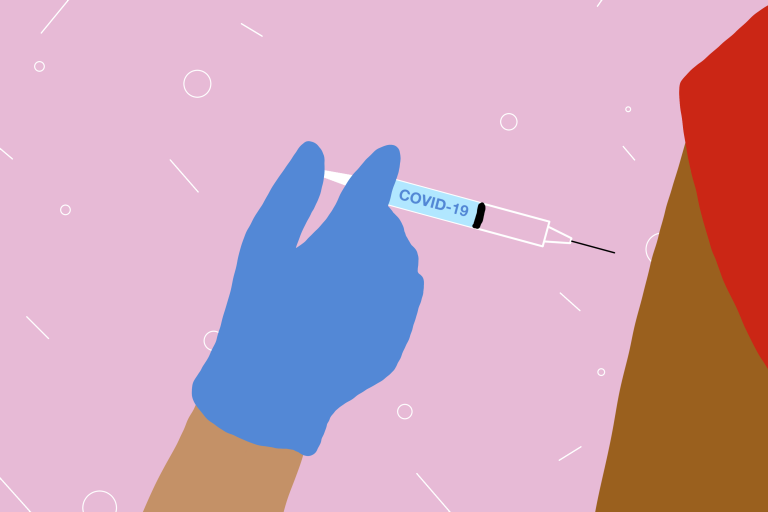
As the first waves of COVID-19 vaccines begin to roll out, healthcare workers are among the first to receive the necessary doses. Three healthcare workers discussed their physical and emotional reactions to receiving the Pfizer vaccine after spending months on the frontline of the pandemic.

Eva Teniola, a clinical nurse in the emergency department, was the first person at the UC Davis Medical Center to receive the COVID-19 vaccine. Teniola received the first dose of the vaccine on Dec. 15, 2020 and the second dose on Jan. 5.

“[Being the first recipient of the vaccine] was an unexpected surprise,” Teniola said. “I am thankful, hopeful, relieved and amazed with science.”

Teniola reported feeling no side effects after receiving the first dose. After the second, she experienced soreness at the injection site but was otherwise unaffected and prepared to immediately return to work.

As a healthcare worker, Teniola stated that COVID-19 has had a huge impact on her workplace.

“It’s so sad to see the faces of my patients fighting between life and death and yet they’re alone, both young and old,” Teniola said. “And it almost makes me cry every time I see a colleague so burned out, emotionally and physically, but they have to go on and take care of others since they need us more in times like these. Everytime I go to work, I always tell myself, ‘All of this will end,’ and I strongly believe that.”

Teniola also noted the effects of the pandemic on her family members. Her 12-year-old son’s education and socialization has been impacted by the shift to online learning, and she is unable to visit the rest of her family in the Philippines due to travel restrictions. Despite these challenging circumstances, Teniola has hope for the near future.

“I am 95% immune and protected, but my husband, my son, as well as the rest of Americans, are not yet vaccinated,” Teniola said. “The good news is we have started the vaccination and that’s the first step. Anybody [or] anything is a source for spreading this debilitating virus until we have herd immunity, but I am even more relieved and positive that we are heading in the right direction.”

Christina Tran, a full spectrum family medicine physician at Kaiser Permanente in Roseville, received her first dose of the Pfizer vaccine on Jan. 2. Tran reported feeling nervous, as she does with all vaccines, but also excited in the week leading up to her vaccination appointment.

“I felt a sense of relief that this is something that will help the pandemic, which has been so severe,” Tran said. “I was just glad to be part of the solution.”

Tran stated that the vaccine was painless as it used a very small needle, which she hardly felt. Tran also reported that the only side effect she experienced was a mild soreness in her arm, which did not inhibit any of her daily activities and lasted less than 24 hours.

“It was a really good experience,” Tran said. “Afterwards, they made you sit with the nurses in a socially-distanced area to be observed for 15 minutes and to make sure you weren’t having a reaction. I felt very safe and watched. I didn’t have any reaction and just left and I felt fine.”

Like many other healthcare workers, Tran has had to navigate the integration of virtual medicine into her profession. Tran said that she was surprised to find that much of her work can be done via telephone and online video appointments. Still, Tran noted that she has experienced a bit of virtual fatigue after spending so much time communicating with patients and coworkers online.

“There’s definitely a huge learning curve, to see what you’re comfortable with and what you’re not comfortable with when it comes to virtual medicine,” Tran said. “It’s definitely helped me practice medicine in a different way that is still good and safe for the patient, and also safe for us, so that we can remain healthy and keep helping others.”

Although some may be hesitant to receive the vaccine, Tran recommends visiting the Center for Disease Control (CDC) website for accurate information regarding the vaccination trials. While some vaccine recipients may be reporting side effects, it’s important, Tran said, to look at the prevalence of those same conditions in the general community, not just among people who have received the vaccine. Those conditions may be reported because they regularly occur in the general community, not only as a side effect of the vaccines.

“The Pfizer and the Moderna vaccines are mRNA vaccines,” Tran said. “Basically, you’re helping your body make a blueprint to fight [a protein in] the COVID-19 virus. You’re not injecting yourself with the virus itself, so there’s no way you can get sick from COVID-19. This vaccine is the answer to end this pandemic, to be able to be with your loved ones and to open everything back up.”

Natasha Abadilla, who is in her final year of medical school at Stanford School of Medicine, is currently in the interviewing process for residency in child neurology. Abadilla received her first dose of the vaccine on Dec. 26, 2020. Stanford initially excluded frontline residents, fellows and medical students from their vaccine rollout process. Eventually, all those doing clinical work were made eligible to receive the vaccine.

Abadilla described receiving the vaccine as similar to receiving a flu shot. She noted that, just like after receiving a flu shot, vaccine recipients may experience a slight feeling of sickness, but this is likely just a sign that their immune system is waking up. The amount of relief that Abadilla felt after receiving the vaccine led her to realize how tense and anxious she felt during the entire year of 2020.

“After I got the vaccine, because I just felt so relieved, I realized I had been harboring feelings,” Abadilla said. “I was feeling anxious that I might get [COVID-19] and transmit it to my patients or my boyfriend who I live with. I was feeling sad because I didn’t get to go home for Christmas for the first time in my whole life. I was feeling very stressed out about my patients and about what was happening in the world. Just the fact that I got [the vaccine] and I was seeing everyone else [get it too], and knowing that the vaccine was now being rolled out—[it] felt like such a relief. It was a really emotional moment for me.”

Abadilla’s education was put on pause at the beginning of the pandemic because medical students were initially kept home from the clinics and hospitals. Because many medical students are young and healthy, there was a concern that they may be asymptomatic carriers of the virus. After about 10 weeks, Abadilla and her peers were put back into the clinics as part of patient care teams, but were prohibited from seeing COVID-19 patients.

As a daughter of Filipino immigrants, Abadilla is interested in healthcare disparities and patient education. Abadilla said that more minorities have died because of COVID-19 than Caucasian people, are more likely to feel anxious about the vaccine and will likely receive the vaccine later than more affluent Caucasian people. Abadilla encourages healthcare professionals to talk to their minority patients about trusting the vaccine, and to make sure they know how to protect themselves against COVID-19.

“When people feel a little bit wary or anxious about getting the vaccine, I totally understand,” Abadilla said. “Especially in some communities, like the Black American community, where they were historically tested on unfairly and illegally with many other kinds of treatments. I completely understand and it is so valid to feel anxious. I would like them to have a serious talk with their doctor, or someone who knows their own medical history, and see what they say about the vaccine. Unless they have a medical history where the vaccine is contraindicated, I am almost certain that they will say it’s a very good idea to get the vaccine right now.”

After a year full of anxiety surrounding safety concerns caused by COVID-19, the vaccine is now providing hope to healthcare workers and the general public alike.

“I think people are a little bit more hopeful because the vaccine has increased morale by quite a bit,” Abadilla said. “It’s not as sad, gloomy or frustrating as it was before the vaccine came out. The patients that we take care of are still very, very sick and it’s still always going to be very, very sad. But it is very reassuring that there’s a light at the end of the tunnel.”

Written by: Liana Mae Atizado— features@theaggie.org

A glimpse behind the tires

0

Is it time to retire the Michelin Man?

The Michelin Man is seen by many as a lovable, family-friendly, quiet humanoid stack of tires. Is that the real Michelin Man though? According to some, that may not be the truth. Details have leaked about an incident in which the beloved mascot cussed out executives at the French tire company upon learning that Michelin executives don’t actually take his food reviews into consideration for their annual Michelin Guide.

“Look, he’s an idiot. He only got a job with us because there are no other walking stacks of tires,” said an unnamed executive who was in the room. “That day, he just came into the room, raving about a new Spanish restaurant he found. We asked him what it was, and he said Panera. I don’t know what was more shocking that he hadn’t been to a Panera or that he thought his Greek goddess cobb salad was Spanish cuisine.” 

“Then he started going on about how we needed to give this place five stars,” the executive continued. “Usually, we just tell him we’ll take his review into consideration, but this time some intern had to open his big fat mouth and tell him that wasn’t how Michelin Stars worked.”

“We had just created a Yelp account that we convinced him was the official Michelin guide, just to get him to shut up,” the executive said. “It worked pretty well up to that point.”

According to others in the room, things completely devolved when the Michelin Man and “that smug little intern” got into a heated argument where the intern showed the Michelin Man an actual Michelin Guide. He did not take it well.

“At that point, he turned on all of us,” another unnamed board member said. “He just started screaming, cussing people out, I think at one point he threw a tire through the window.”

The tirade ended when the Michelin Man approached the intern hysterically laughing in the corner and screamed in his face, “I’m the Michelin Man! I am not to be trifled with!” before being dragged out by security.

Neither Michelin CEO Florent Menegaux nor the Michelin Man have commented on the incident at this time.


Written by: Ean Kimura — etkimura@ucdavis.edu

Disclaimer: (This article is humor and/or satire, and it’s content is purely fictional. The story and or names of “sources” are fictionalized.)

My unfortunate nose job

0

I killed it

The pandemic has really brought me a lot of financial anxiety recently. Even if the world economy is more anxious than I am, I still tried my best to get some kind of monetary support. So a few months ago, I decided to venture out and try to get a nose job. 

Ever since I was young, people had always considered one of my body parts superior: my nose. I tried getting it employed, and even looking for jobs on jobs.com. But my nose is still unfortunately jobless. I’ve literally tried everything—I even wear make down instead of make up because my nose would look too good. It would be unfair for everyone else looking for livelihood. I seriously felt like the world was ending. 

I hate how the law of attraction only works for attractive people. What kind of world am I living in? My heart was broken. I was in so much pain that my cardiologist boyfriend couldn’t even help me with my situation. He didn’t know how to ease my heart in any way. I wonder how he even became a doctor. 

Anyway, my friend suggested that I just look for another part of me to get employed. So I made a whole new resume for my photographic memory. I could probably get a job off that, but I’m worried because most people in the company I’m applying to are Apple users and I might get judged because my photographic memory has Android quality. Thankfully, I was still able to get an interview despite my 360 pixel quality memory and got the job! I killed it! My boss said I killed it! But to clarify, I would never kill anyone. 

Written by: Margaret Lee — mcslee@ucdavis.edu 
Disclaimer: (This article is humor and/or satire, and it’s content is purely fictional. The story and or names of “sources” are fictionalized.)