55.4 F
Davis

Davis, California

Monday, December 22, 2025
Home Blog Page 301

Guest Opinion: Santa is real

Hi everyone on the newspaper!

I have not used a keyboard before because my mom does not let me but I came to write a story about why I know Santa is real. Also I am sorry because I am only five years old so sorry if I don’t have good handwriting.

First, I went to school one day and I heard a kid say that Santa is not real. He said that Santa is his dad. I don’t think Santa is his dad because I’ve never seen his dad in my house at night on Christmas. Also I think his dad is maybe more fat than Santa and also not old.

I am here to say that Santa is real and this is why I know why.

  1. One time mom made cookies and milk and it was gone one time in the morning because Santa was hungry after flying from the north pole
  2. I got Lego guys last year from Santa
  3. I saw Santa at the mall

I got my Lego guys when I sent a letter to the North Pole last year and asked for the Lego Star Wars Death Star set that I saw on YouTube, and then I got it on Christmas morning. 

Santa came to the mall down the street and I sat on his lap and asked him for more Lego guys and he said he would bring them. I don’t think Santa would be a liar and also he said it to my face in real life. 

I think Santa is going to come this year because the doctor on the TV said that Santa can’t get the coronavirus. So I think he will come and bring me more Legos maybe. But he is real and that is the end of my essay.

Written by: Isabella Chuecos — ifchuecos@ucdavis.edu 

(This article is humor and/or satire, and it’s content is purely fictional. The story and or names of “sources” are fictionalized.)


We don’t have to be busy in order to be accomplished

0

Our self-worth isn’t determined by how much we get done in a day

Laying in bed, scrolling through TikTok like most people my age, I always come across these “morning routine” videos of girls starting their days with an ab workout at 5 a.m. On most mornings they have completed a workout and run before I even wake up––making me feel unaccomplished the minute I step out of bed. 

There’s a constant pressure for college students, especially on social media, to always keep going––even during a pandemic. No matter how many classes I attend or assignments I complete, I never feel like I’ve done enough for the day, even if my overloaded brain says otherwise. We don’t allow ourselves to think completing our homework or going to class is an accomplishment. Instead, we continue to pile more onto our plates in order to keep up with everyone else. 

There is this false sense that everyone is doing more than us––even though most people are updating their social media from a couch. But what works for someone else, doesn’t always work for you. I like to tell myself I’ll get up at 5 a.m. to do a workout, but that never happens––going for a walk in the afternoon is more my style. This doesn’t mean my day is any less fulfilling. Our success shouldn’t be measured by the number of things we do in a day nor society’s standards of productivity. 

We are in the middle of a pandemic and living in unprecedented times––restricted from having any social contact and unable to do many of our favorite things. Getting out of bed every morning is an accomplishment in itself. It’s impossible to be productive all the time, no matter how hard we try. 

Resting is essential to our well-being. We shouldn’t feel ashamed for wanting to lay in bed all day and binge-watch television. The pandemic, however, has made it next to impossible to give ourselves time to relax when we’ve already spent the day attending class from our beds and couches. 

In our culture, we pride ourselves on always being busy and having every second of our day planned. The minute we wake up, we start working and keep going until it’s time to go to sleep. Even when we try to relax, our cellphones make it difficult to disconnect from emails and pending assignments. 

We need to place boundaries on our time and availability. More specifically, there needs to be a time when we stop working, put away our computers and phones and just rest, without guilt. We need to start finding accomplishments outside of a to-do list.

Life shouldn’t be rushed or constantly on-the-go. It’s important to be motivated and organized, but it’s unhealthy if those qualities make us plow through our day without time to rest. Ultimately, we should focus on filling our time with things we want to do and not worry about what everyone else is doing. If you are someone who likes to get up early to workout, then kudos to you. But if you’re someone who likes to sleep in and eat breakfast as soon as you wake up, that’s just as acceptable. Our accomplishments are determined by the quality of our time, not by how early we wake up or the number of tasks we check off a to-do list.

Written By: Kacey Cain –– klcain@ucdavis.edu 

Disclaimer: The views and opinions expressed by individual columnists belong to the columnists alone and do not necessarily indicate the views and opinions held by The California Aggie

The new reality for holiday travel

0

Holiday traveling differs from previous years as hotels and airports see a decline in guests and passengers among increased health guidelines

Unlike previous holiday seasons, this winter brings travel limitations as the number of COVID-19 cases has skyrocketed across the country and California reverts back to the purple tier. Consequently, hotels and airlines have both seen a decrease in customers as people are wary of traveling during the holiday season. 

Oliver Guzman, a front desk employee at the Best Western University Lodge, described how typically the winter season tends to be slower than other months, with a 50% average capacity. This year, however, Guzman stated that the hotel has had a 15% occupancy rate during these past months. Similarly, Rocio Ramon, the front office supervisor for the Hyatt Place UC Davis, stated that the hotel often experienced an annual average of 85% occupancy. 

“Lately we’ve been at a rough average of 20-30%, we’re lucky if we can get 40-60% on certain weekends,” Ramon said.

As travel has become severely restricted, both hotel representatives explained that the decline in customers has caused a shift in focus. Despite limited guests, Ramon stated that the Hyatt’s mission is to provide ultimate guest satisfaction. The Hyatt hopes to cater to clients during this time through an emphasis on customer service along with competitive rates. 

“I haven’t seen rates this low for the entire time I’ve been here,” Ramon said.

As the number of COVID-19 cases rise, many people are being forced into self-isolation due to possible exposure to, or contraction of, the coronavirus. Thus, hotels remain an independent place for people to quarantine from others. Fear over COVID-19 exposure, however, may divert travelers away from hotel stays. Guzman mentioned that the hotel only had two guests who were self-isolating. In both cases, the guests were transparent about their situation and received limited room service upon request. 

As a result of the pandemic, Best Western has implemented more frequent cleaning practices.

“We’re maintaining and keeping our rooms clean,” Guzman said. “We’re trying to do at least a 24-hour gap in between room stays and also sanitizing with the spray guns.”

Ramon similarly mentioned that the Hyatt is undertaking additional precautionary measures. Previously, the Hyatt continuously adhered to changing statewide guidelines. Ramon stated, however, that the Hyatt will now continue to operate under the presumption that the state will remain in the purple tier for a longer period of time. 

All public high-touch zones like elevator buttons and the front desk are sprayed multiple times a day. Meanwhile, members of the housekeeping staff wear masks and gloves while deep cleaning and pay special attention to high-touch areas like door handles, thermostats, counters and sinks. Afterwards, a housecleaning supervisor approves the room while also recleaning high-touch areas. Ramon also noted that there is no cross-ventilation between rooms since the filters are cleaned and air ventilation comes from the outside. 

In terms of travel safety, Samantha Moss, the public information specialist for the Sacramento County Department of Airports, mentioned that airports have adjusted their health protocols as well. 

Although many airlines across the country are implementing rapid-testing technology before allowing passengers to board their planes, airports in Sacramento County have yet to do so.

“We don’t currently have any testing sites at the airport,” Moss said. “It’s something we are looking into and may implement before the Christmas holiday. With regards to what airlines are doing, I know there are some destinations that are requiring [testing] to places that we have nonstop flights to such as Hawaii.” 

She recommends consulting with specific airlines about what documentation is needed for proof of a negative COVID-19 test. Moreover, she outlined the safety precautions that the Sacramento Airport is taking. Social distancing, sneeze guards and mask mandates are enforced in compliance with state guidelines. Furthermore, the filtration system has been adjusted to allow for 100% fresh air flow. Cleaning has increased across the airport, specifically around high-touch areas and bins. 

With the upcoming holiday season, however, Moss is unable to predict the business of the airport. 

“I know for Thanksgiving we saw a slight uptick in passengers from what we had seen about [a] month before,” Moss said. “But we were at about 50% of what we saw in 2019 for travelers over the Thanksgiving holiday.”

New statewide restrictions on non-essential travel make it difficult to foresee and plan for the ongoing holiday season. Despite the implementation of cautionary regulations, there have been no major impacts in times or delays. 

“It is a personal choice to travel or not. If you are uncomfortable with it, it’s not something I would recommend,” Moss said. “I know the airlines have also implemented a lot of safety protocols to make traveling as safe as possible during this pandemic.”
Written by: Farrah Ballou — features@theaggie.org

Carbon dioxide has larger impact on the climate compared to black carbon, according to study

UC Davis researchers quantified the regional climate impacts of low-carbon energy adoption in California, and compared potential plans for future climate policies

A recently-published study from a group of UC Davis researchers analyzes the climate and environmental impact of low-carbon energy adoption in California. They found that the adoption of such a system doesn’t just lower long-lived greenhouse gasses such as carbon dioxide (CO2), but also short-lived pollutants and soot contained in particulate matter (PM).

California currently has a stated goal of reducing greenhouse gas emissions by 80% relative to 1990 levels. This greenhouse gas reduction scenario (GHG-Step) is intended to target long-lived climate pollutants (LLCP) such as CO2, but the fuels and technologies used for this adaptation also reduce levels of short-lived climate pollutants (SLCP).

This paper quantifies the potential change in regional climate forcing—the process of affecting climate through various forcing factors—in California under two potential futures: a Business-as-Usual (BAU) scenario and a GHG-Step scenario. The former is based on current climate rules and regulations such as those outlined under Assembly Bill 32, and the latter is based on a plan for getting emission levels to 80% below what they were in 1990.

Michael Kleeman, a co-author of the paper, describes why it is important to look at the different climate impacts of the BAU scenario and the GHG-Step scenario.

“In previous studies, we predicted major health benefits in the GHG reduction scenario due to reduced air pollution,” Kleeman said via email. “Most of that benefit was driven by reductions in airborne particulate matter concentrations. That same particulate matter contains light-absorbing compounds that act as warming agents for climate change. So we were curious to see if the particulate matter reductions also had significant climate benefits.”

Under the GHG-Step scenario, ground level PM2.5 decreased by 8.9%, which subsequently improved air quality, but this didn’t have much of an impact on the climate. The reduction of greenhouse gases, such as CO2, was associated with a much larger climate forcing in comparison to the reduction from PM2.5. Cort Anastasio, a professor in the department of land, air and water resources, talks about why this finding is not too surprising. 

“When you think about greenhouse gases, we know that carbon dioxide is the most important greenhouse gas [and] we know that it is very long-lived,” Anastasio said.

Kleeman addresses the need to study the climate differences between greenhouse gases and particulate matter, especially when considering how each of them can be controlled, and what kind of an impact they can have on the climate and the environment. 

“The particulate matter component of global warming can be controlled much more quickly than the CO2 component,” Kleeman said via email. “Policy makers seeking to address climate change may be counting on a fast response to future PM2.5 reductions to put off dealing with immediate reductions to CO2. It is important to quantify how much each pollutant contributes to climate change in California so that we know the local effects of our policies.”

According to Kleeman, this paper is the first to look at and quantify the effect of low-carbon energy systems described in California’s regional climate through PM2.5  radiative forcing, which will help to resolve details of emissions patterns and pollutants from the greenhouse gases and PM2.5 over California. 

“Hopefully the results of the paper will help inform decision makers that policies targeting GHG emissions are needed to [reduce] climate change in California,” Kleeman said via email. “Policies that seek to influence climate through changes to PM2.5 concentrations will be less effective even though they can be implemented more quickly.”

For Anikender Kumar, a postdoctoral researcher at UC Davis and lead author of the paper, this study is another step in shaping climate policy and setting priorities in California’s fight against climate change.

“The direct effect of carbon dioxide reduction is far greater than the effect of airborne particulate matter reduction in the greenhouse gas mitigation scenarios over California in this paper,” Kumar said via email. “I hope that policymakers will focus on reducing LLCPs as well as SLCPs for the better future with respect to health as well as climate.”

According to Anastasio, California makes a fairly low contribution to the global CO2 amount, but that doesn’t mean its efforts in lowering greenhouse gases aren’t significant. 

“California making a significant cut globally doesn’t make a big difference in the CO2 budget, but it does provide an example for the world,” Anastasio said.Written by: Simran Kalkat — science@theaggie.org

Project Roomkey has provided more than 49,000 nights of shelter to 500+ Yolo County homeless individuals

0

More than 61 permanent transitions to housing have been achieved through the program

Project Roomkey, a partnership between Human Services Agency and Yolo County Health on the local level, has provided 49,244 nights of shelter to around 533 members of the homeless population between March 16 and Nov. 17, averaging to 92 nights per individual, according to a press release published by Yolo County on Nov. 20. 

“While Project Roomkey was never intended to be a permanent housing solution, the program’s increased stability and access to case management services has resulted in over 61 permanent housing transitions to date […],” the press release reads. 

Deputy Director of Police Services Deanne Machado said via email that Project Roomkey has helped the local community “[…] by temporarily providing shelter to the community’s most vulnerable, unhoused population.”

“In the absence of Project Roomkey, these individuals (many of whom are immunocompromised) would have likely continued to live unsheltered on our streets or in a congregate setting of some kind, both of which are particularly hazardous during a pandemic for this population,” Machado said via email.

Homeless Program Coordinator at Yolo County Health and Human Services Nadia Waggener further explained how Project Roomkey has helped the community.

“When we house our most vulnerable neighbors, the impact can be felt in our streets, in our hospitals, and in our bottom line,” Waggener said via email. “Project Roomkey (PRK) allows our community to live our Yolo values: serving our elderly and disabled neighbors while creating a safer community. PRK has moved people off the streets and into dignified living conditions where our seniors and disabled clients can receive medical care, case management and rest.”

Allowing people to access stable, safe living conditions also reduces calls for emergency services and the strain on hospitals during the COVID-19 pandemic, Waggener explained. 

District Two Yolo County Supervisor Don Saylor noted that Project Roomkey has also allowed California to provisionally satisfy the long-term aim of “functional zero” in relation to homelessness, which means that there were more spaces available than people without houses. 

“Yolo County has long supported the “housing first” model in serving our unhoused community members,” Saylor said via email. “This model focuses first on stable housing, then provides wraparound services to help clients address their needs, such as applying for benefits and enrolling in treatment services.”

Saylor explained that the housing first model was also used in 2014 in the Bridge to Housing Program, which provided temporary housing to 53 people in a motel and services to support them. Ultimately, the program was able to find permanent housing for most of them. 

“We have demonstrated that supportive housing programs can help unhoused individuals transfer to permanent housing and improve their overall quality of life,” Saylor said.

While participating in Project Roomkey, individuals meet with case workers to decide the next steps forward, such as applying for low-income units, subsidies and affordable apartments, all of which may have long waiting lists.

“For some, this may involve reunification with family and for others this may mean some sort of independent living setup,” Machado said. “There are some subsidized housing options in Davis, and several former Project Roomkey clients have secured their own apartments through subsidies.”

Machado said that some individuals “[…] return to homelessness due to a variety of factors,” while others enter the Davis Emergency Shelter Program run by the Interfaith Rotating Winter shelter after leaving the program. Others also go to Room and Boards or to homeless shelters such as Davis Community Meals/Housing.

Most elderly clients live on a fixed income—which averages around $910 monthly—making it necessary to find apartments under $1,000, according to Waggener. Clients depend on subsidy programs through Yolo County Housing and other low-income housing options.

“Our staff is working to connect as many current PRK clients to affordable or subsidized apartments before the end of the program,” Waggener said.

Yolo County and its cities are currently working to determine long-term options and what can be done next, such as a new permanent shelter in Woodland, according to the press release.

“Project Roomkey is an example of the ‘Yolo-way,’ serving the people of Yolo County through a collaborative partnership among public, private, and non-profit agencies,” Saylor said. “I’m grateful to the team of staff and volunteers who helped serve our unhoused community members in this capacity.”
Written by: Shraddha Jhingan — city@theaggie.org

2020: A year in review

The Editorial Board reflects on some of this year’s greatest challenges and sources of hope

From adjusting to working from home to inspiring societal change through social justice movements to incredible advancements in science, we reflect on some of the most significant aspects of this year below.

Online learning has been an adjustment for students, instructors and those helping both groups. Although some instructors have evidently made courses harder or less fair, we want to acknowledge all the instructors who have gone above and beyond to be there for their students. 

To the professors who have repeatedly asked how their students are doing during class and individually during office hours, enacted grace periods for assignments and exams, taken a moment to clap and cheer for seniors during the last class of the year: Thank you—you are the reason so many students chose UC Davis and why many are so proud to be Aggies. 

It can sometimes be difficult to feel support at such a large research university, but we are reminded of this support when our professors show us the compassion to check in on how we’re doing and leniency—in terms of time not quality of work—during times of unprecedented stress and heightened anxiety. We are incredibly inspired by our instructors who have managed to both be leaders in their fields and show genuine care towards their students.

Not only have our instructors continued to demonstrate profound leadership in and outside of the classroom, but also UC Davis students have stepped up to push for change. This week, Panhellenic has decided to disaffiliate from all fraternities at UC Davis and will reconsider reaffiliation on a chapter-by-chapter basis depending on whether they meet criteria for implementing sexual assault prevention methods. 

We are incredibly encouraged by the leadership displayed by members of the Panhellenic community in taking this matter into their own hands; however, we do not believe it is exclusively students’ responsibility to come up with ways to prevent sexual assault with proactive methods. College students pay thousands of dollars to the university expecting to be kept safe. We hope the administration will follow Panhellenic’s lead and do its job of holding on-campus organizations accountable.

We at The California Aggie ourselves have pushed for change within our own organization and have much to show for it. We completely reformed our editor-in-chief hiring process so the leader of our organization is chosen by members of The Aggie, with the feedback of staffers, The Aggie’s alumni and journalism professors taken into consideration. Previously, hiring for the editor-in-chief position was done by an auxiliary media board with no representation from The Aggie that could actively vote in favor of a candidate. 

We compiled extensive research and sought advice from other campus publications and  adopted a comprehensive hiring process, ensuring our status as an independent news organization. UC Davis Aggies—both students and instructors—are leaders at heart, and we are proud to be part of a community that works to create compassionate and kind future leaders.

This year has shown us the power of science; from epidemiology to immunology, virology to pulmonology, 2020 has revealed how closely scientific advancements can impact our everyday lives, especially in times of crises. 

We would like to acknowledge the bravery and dedication of healthcare professionals and researchers, among others, who have undergone immense physical and emotional distress to serve our communities during this year. Just mere days away from seeing a vaccine arrive in California, it feels as if we can finally imagine a life post-pandemic, for which we have them to thank.

Even as we face an ever-escalating climate crisis, with devastating forest fires impacting many of us in California, our communities have proved resilient. Though we have responded to these natural disasters by coming together, our climate issues will not be resolved until the global community unites to proactively prevent future crises by holding corporations accountable and adhering to emissions standards. However, the widespread environmental activism seen in the past few years—like the record-breaking Global Climate Strike of 2019—is proof that climate change is a rising issue in the eyes of the general public. 

With only 40 days away from having a U.S. president who believes in climate change and protecting the environment, 2021 is already looking more promising. President-elect Joe Biden plans to enter the U.S. back into the Paris Agreement and has goals for America to reach “net-zero emissions no later than 2050.” By continuing to speak up and make our voices heard, we can hold this new administration accountable, ensuring the protection of the environment for future generations to come. 

The 2020 Election resulted in a decisive victory for Biden, who will become the 46th president of the U.S. on Jan. 20. Voters cast a record-breaking 158 million votes with a participation rate of 66.5%—the highest rate in more than a century and all in the midst of a pandemic. Backed by a 10% increase in youth voter turnout, Democrats have now won the popular vote in seven of the last eight presidential elections and President Donald Trump is the first incumbent to lose reelection in almost 30 years. The Editorial Board will not miss Trump’s gross mishandling of our country and of the COVID-19 pandemic—we hope the new administration will do better.

Vice President-elect Kamala Harris will be the first woman to hold the position of vice president as she adds another achievement to a career already filled with broken ceilings. We hope that President-elect Biden holds his promise to appoint “the most diverse Cabinet in history,” as we understand the value of diversity in the workplace and its importance as a reflection of our country. We additionally hope that this Cabinet commits to promoting progressive policies that foster equity. 

The Black Lives Matter (BLM) movement became one of the largest movements in U.S. history this year as the killings of George Floyd, Breonna Taylor and countless others sparked overwhelmingly peaceful protests across the country. The magnitude of these protests led to displays of solidarity from the NBA champion Los Angeles Lakers to Merriam-Webster. This year alone, the BLM movement successfully put pressure on city officials to ban chokeholds in countless cities, cut ties with police in major school districts and get medical groups like the American Medical Association to declare racism a public health crisis. To see many young activists fight to eradicate systemic racism, police brutality and white supremacy in Davis and beyond provides hope for a more equitable future.

Despite the challenges we’ve faced in 2020, there is much to be proud of as we reflect on the accomplishments of a tumultuous year. We still have a lot of work ahead of us, but if we remain patient, listen to science and continue to use our voices for change, we can create a healthier and safer future for all of us. 

Written by: The Editorial Board

COVID-19 and illnesses from vaping products present similar symptoms

Three adolescent cases demonstrate importance of patient history and e-cigarette or vaping product use-associated lung injury (EVALI) education

Respiratory distress. Fever. Nausea. All of these familiar symptoms seem to point towards a COVID-19 diagnosis. Yet Kiran Nandalike, an associate professor in the department of pediatrics at UC Davis, discovered that in three cases where these problems were presented, each patient was ultimately diagnosed with e-cigarette or vaping product use-associated lung injury (EVALI).

“It was the timing and the confusion [about] similarities between […] these EVALI cases and COVID that caught all our attention,” Nandalike said.

In a recently published study led by Nandalike, three adolescent patients from earlier this year were described to have been admitted to the UC Davis Medical Center due to respiratory distress along with other symptoms, raising concerns that they might have COVID-19. 

Nandalike explained that since these cases occurred during the early stages of the pandemic, COVID-19 testing capacity was still low and there wasn’t as much knowledge on COVID-19 cases presented in children, causing many of the treating physicians to feel anxious. After testing each of these patients, the results came back negative for SARS-CoV-2. Nandalike explained that it was after looking into the vaping and smoking history of each patient that they were able to ultimately diagnose these patients with EVALI.

“It just really brings it home how important the history portion of the examination is, because if you don’t get the history of the vaping, one could just assume that it is COVID,” said Kriti Gwal, an assistant professor for pediatric radiology in the department of radiology.

Gwal explained that because there is a tremendous amount of overlap, especially with the image findings in radiology, it is extremely difficult to differentiate between the two diagnoses. She elaborated that these cases demonstrate the importance of the interdisciplinary nature of medicine. By working closely with the pediatric pulmonologists on the case, Gwal believes this close communication allowed them to create a holistic picture for each patient. 

Obtaining vaping or smoking history, however, is not always an easy task. Nandalike described that it can be very challenging, especially when the patient comes in with respiratory distress and cannot communicate with the physicians or if they are always surrounded by family members. As illustrated in one of the cases in the paper, she explained that urine toxicology can help test for substances such as THC when the information cannot be obtained directly from the patient. 

Daphne Darmawan, a resident physician in the UC Davis Pediatric Residency Program and first author of the paper, added that often times when physicians talk with adolescents concerning sensitive topics such as sexual health or abuse, they will talk to the patient in private to make sure the patient feels they can talk freely without worry. Nandalike also stated that this helps the physician connect with the patient and educate them more on such topics.    

Similar symptoms may not be the only association between EVALI and COVID-19. In a recent study, it was found that COVID-19 risks were much higher in individuals who smoke or vape. Aside from this study, Nandalike elaborated that there have been more reports of mental health issues and substance abuse during the pandemic given the isolation and anxiety associated with it. Darmawan added that since many adolescents’ identity lies with their friends, the social isolation caused by the pandemic contributes to heightened levels of anxiety.

“From my own experience with working with patients, I had several teenagers who said ‘I’ve just been bored’ and ‘I’m more sad,’” Darmawan said. “Even if it hasn’t led to EVALI, I have had patients who are saying that they are more stressed out and feeling more depressed because of the things that are going on with the pandemic.”

As the pandemic has progressed, Nandalike stated that they have continued to encounter EVALI cases. EVALI outbreaks have continued to occur since Mar. 2019, largely linked to the presence of vitamin E acetate in some THC containing products, as explained in their paper. Darmawan added that since many adolescents obtain vape cartridges and other products from informal sources and unlicensed dealers, this increases the risk of outbreaks occurring. 

In addition to being more mindful of the effects of smoking and vaping, Gwal expressed that even though adolescents are usually not at risk for COVID-19 related complications, it is still important to wear a mask, social distance and listen to CDC guidelines.  

“Educate your friends and educate the community,” Nandalike said. “E-cigarettes were […] first introduced in the U.S. in 2006 [and] since then, we have learned so much and clearly it’s not any better than cigarettes. Especially these vaping products, they are known to be even more dangerous than cigarettes. So, for our teens and young adults: no smoking, no vaping, no e-cigarettes. Nothing’s safe when it comes to smoking.” 

Written by: Michelle Wong — science@theaggie.org

Campus COVID-19 testing ramps up as cases soar

Students and faculty accessing the campus regularly need to be tested once a week at the ARC

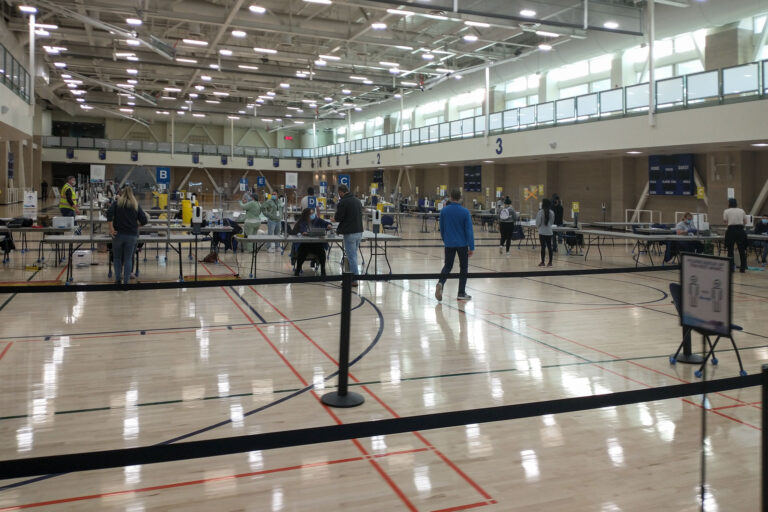
As COVID-19 cases at UC Davis rise significantly, the university now requires both students and faculty accessing the campus weekly to be tested every seven days before entering the campus.

Jennifer Butler, the director of student affairs marketing and communications, said via email that they have been informing students about updates throughout the quarter.

“Our plan was always to ramp up testing capacity and expand testing to our entire Aggie community, including all employees and students,” Butler said via email. 

The new requirements went into effect on Nov. 18, the week before the Thanksgiving holiday.

There have been 45 positive asymptomatic COVID-19 tests on campus since Nov. 1, up from three in October, according to the UC Davis COVID-19 Dashboard.

The increased availability and access to testing for the full Aggie community has more than doubled the amount of tests being processed. On Nov. 17, 1,404 asymptomatic tests were administered and one positive result was reported. On Nov. 18, the date testing access increased, 2,711 tests were administered and eight positive results were reported, the highest number in a single day since September. This suggests that the rising number of COVID-19 cases at UC Davis may be connected to the rising number of tests, emphasizing the importance of testing the larger community to better see the actual prevalence of coronavirus in Davis.

Test results are expected to be available in 24-48 hours, but the new requirements do not make it necessary for the person accessing the campus to know the results of the test before entering campus, according to an email sent to students by Chancellor Gary May. 

Previously, the administration had been relying on a self-reported daily symptom survey for anyone visiting campus instead of a weekly test.

The administration has moved the testing kiosk from the smaller pavilion location to the ARC to accommodate the increase in students and employees being tested.

There are currently 88 active cases that are being reviewed by Student Health or Occupational Health, according to the safety services self-report website; the vast majority of the cases being investigated are employees of the university. 

Brian Trainor, a professor and the vice-chair of the psychology department, said he is still getting the hang of the new procedures. 

“It’s like going through airport security,” Trainor said. “You go to one station, they scan your phone, and then the other station and they give you some tubes, and then another station they give you the liquid, then the other station they actually have you take your mask off and spit in the tube.”

Billy Lewis, a third-year communication major who lives on campus, said he was in and out of the testing facility in five to seven minutes.

“It was pretty fast,” Lewis said. “I’m really surprised at how available it is to us.”

Butler said via email that the testing process for the test has been simplified.

“During the initial pilot phase, the saliva screening process was backed up with a more traditional, certified testing process using nasal swabs,” Butler said via email. “After the saliva test was validated, we were able to expand capacity and additional groups of students and employees were invited to begin participating in the testing program.”

Though Trainor said students appear to be wearing masks consistently in the psychology department, he said the campus-wide usage of masks is a mixed bag.

“Maybe 70% of people are wearing masks outside,” Trainor said.

Lewis said he appreciated the increased availability of testing at the university as well as the convenience.

“I think it’s necessary because most of the counties in California are in the purple zone,” Lewis said. 
Written by: Kathleen Quinn — campus@theaggie.org

Remembering the athletes lost this year

0

Honoring the legacy of the athletes that have passed this year

As we all know, 2020 has been a year filled with its ups and downs in the sports world. It was difficult for athletes to be recruited, sports leagues faced economic challenges and of course, many athletes experienced COVID-19 firsthand. Still, it was also a memorable year with many championships, unforgettable moments and fans uniting during this incredibly tough time. Unfortunately, legendary athletes were also lost in the process of 2020, but the legacy they left in their respective sports will never be forgotten. 

Kobe Bryant

One of the most popular sports figures of all time Kobe Bean Bryant, passed away in a helicopter crash last January at the age of 41. Bryant, his daughter and seven others were on their way to a youth basketball tournament when the helicopter crashed on a hillside outside of Los Angeles, Calif.. The pilot was traveling at about 184 mph and the impact caused a crater on the hill that scattered debris over an area the size of a football field. 

Bryant was drafted to the NBA in 1996 straight from highschool by the Charlotte Hornets as the 13th pick and was then traded to the Los Angeles Lakers on draft night. He became the second youngest NBA player in history and the youngest player ever to play in an All-Star Game.

Kobe’s extraordinary talent made people ask the unthinkable: Could he possibly surpass Michael Jordan’s title of the Greatest of All Time? In his 20-year career with the Lakers, he won five championships, league MVP, a two-time NBA scoring champion and earned 15 All-NBA selections. Kobe was an inspiration to millions across the world and even those in the NBA today. Many players are great, but very few of them have something similar to the “Mamba Mentality,” which includes being the first one to every practice or giving every ounce of their effort. For this, many people, not only Laker fans, found him to be an astonishing person on and off the court, and his tragic passing will be remembered forever.

Mary “Mickey” Kathryn

Another heartbreaking death this year was legendary golf player Mary Kathryn Wright—nicknamed “Mickey.” She passed away at the age of 85 on Feb. 17. Wright’s lawyer told The Associated Press that the cause of her death was a heart attack.

Wright was born in San Diego, Calif. and studied at Stanford University until she dropped out after her first year to pursue her golfing career. She was regarded as the best golfer in history and is known for having a great swing that led her to set multiple records. Her tall and athletic build gave her a powerful swing, and her shot-making ability gave the Ladies Professional Golf Association (LPGA) a greater level of respect. Throughout her 14-year career, she won 82 tournaments,13 of them being majors. She was named the Woman Athlete of the Year after winning 13 LPGA tournaments in a single year, a record that still stands today. 

To many people, especially young girls, Wright became an inspirational figure due to her talent with a golf club. Wright became bigger than the gender line in golf. Her name will forever be mentioned in the same breath as many legendary male golfers.

Roger Mayweather

In March, Roger Mayweather, a world champion in boxing for two weight classes, died at the age of 58. Mayweather declined to speak about his long-term health complications and in line with his conditions being unspecified, Floyd Mayweather announced his uncle’s death in a statement leaving the cause of death unknown. 

Mayweather’s professional career took off in 1981 and ended in 1999. His world titles were won in the junior lightweight and junior welterweight divisions. He faced many notable opponents during his 18-year career, including Julio Cesar Chavez Sr. twice, Pernell Whitaker, Kostya Tszyu, Rocky Lockridge, Samuel Serrano and many more in his storied career. Once he decided to move on from his professional career as a boxer, he became a trainer for his nephew, Floyd Mayweather Junior.

“He was a real warrior,” Top Rank chairman Bob Arum, who promoted several of his fights said. “He’d fight anybody. And even after he retired, he was a human voice in the Mayweather camp. With all the boasting and stuff that Floyd did, Roger was a reality check.” 

Tom Dempsey

Former NFL player Tom John Dempsey, died in April at the age of 78 due to complications from COVID-19. He was born without fingers on his right hand or toes on his right foot.

Despite these challenges, in high school he was a defensive lineman and kicker, then briefly played at Palomar College in San Diego County. He was then signed by the New Orleans Saints as an undrafted player.

As a rookie he played as a place-kicker and hit 22 field goals in 41 attempts. He was remembered for his game-winning, 63-yard field goal for the Saints, a league record at the time.

Dempsey played wearing a custom shoe that featured a flattened and enlarged toe surface. He didn’t let his disability limit what he could accomplish, and the loss of Dempsey is much more than one of a person who played professional football, it is about someone who was inspirational. 

“Life’s not about producing on one day, it’s about producing every day that counts,” Dempsey said

It’s a motto he lived to the fullest and he will be fondly remembered for turning a disability into something inspirational. 

Diego Maradona

One of the most recent and shocking deaths was that of former Argentinian soccer star Diego Maradona. He died of a heart attack at the age of 60. Maradona had been admitted to the hospital three times in the last 20 years for serious health issues due to his drug and alcohol addictions, and in early November, he underwent surgery to remove a blood clot in his brain. 

Besides his major health concerns and personal battles, he was known as a great player because of his ability to control the ball and create scoring opportunities for himself and others. He led club teams to championships in Argentina, Italy and Spain, and he starred on the Argentine national team that won the 1986 World Cup held in Mexico. After he retired, Maradona began training and coaching for second division teams in Mexico, Argentina and United Arab Emirates. He soon stopped coaching teams because of his poor health conditions. 

 Maradona will continue to be a renowned player, due to his notable talent on the field. He was strong, skillful and ruthless, and he didn’t let his short stature deter him from dominating all opponents. His character on and off the pitch made him the legend he is and his skills will carry into future generations. Over the past decades, many football players around the world have wanted to replicate his style of playing, and because of that, his legacy as the best is secured for eternity.We have lost some of the most well-known and hard working professional players in the year of 2020. These lost athletes have shown young people worldwide that anything is possible and any challenge can be overcome. Some additional influential athletes in the sporting world who were lost this year include Don Larsen, Rocky Johnson, Chris Doleman, Nancy Darsch, John Andretti, Willie Wood, Tony Fernandez, among many others. They will all be remembered as people who have made an impact in their respective sport and in the lives of people close to them as well as for inspiring many others around the world.

The Pantry shifts operations to meet COVID-19 demand, guidelines

Newly incorporated products like diapers, tampons and pads were added in response to demand

At UC Davis, need-based programs like The Pantry have adjusted their services to accommodate for the new food-related and basic need demands required during pandemic-induced hardships.

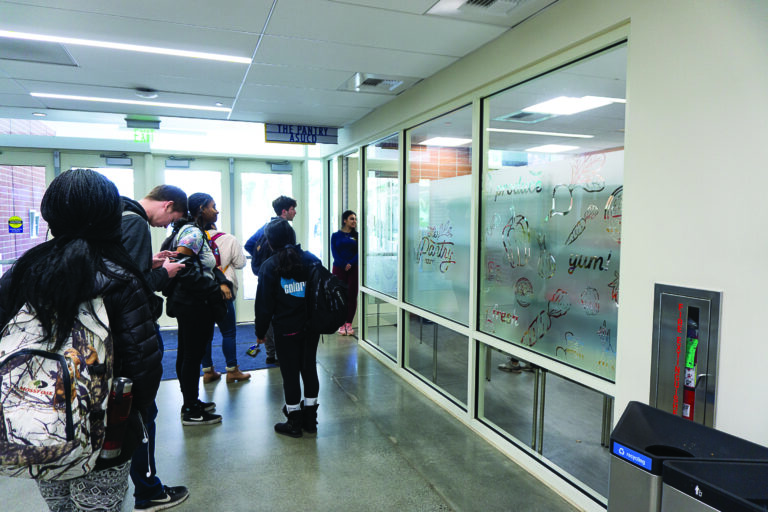
The Pantry has shifted operating standards to meet COVID-19 health guidelines. Moving from an indoor to an outdoor platform in March 2020, The Pantry is now located in front of the UC Davis Memorial Union. Two new programs in which students are able to access fresh produce and other basic essential items have been launched: the Build-A-Bag program and the Monthly Food Box program. These programs were launched in collaboration with Student Dining Services with funding from a U.S. Department of Agriculture grant, through which students have access to perishables such as meat and dairy. Perishable items were previously not provided before the pandemic because of the lack of refrigeration resources.

“It’s fantastic,” said Adrian Garcia, a volunteer at The Pantry and fourth-year genetics major. “It’s refrigerated, it’s cool, it’s in a box and [gives] enough time for patrons to get the box and go back to their place.” Garcia, who has recently been gathering donations, admires the work being done within The Pantry.

These programs come to aid many students during this uncertain time, with many students facing the hardship of accessing basic needs. A spring 2020 report by The Hope Center found that nearly 3 in 5 students were experiencing basic needs insecurity, and 38% of students at four-year institutions were experiencing food insecurity. 

“[The] COVID-19 pandemic changed the way I wanted us to execute our vision,” said Ryan Choi, the Director of The Pantry and a fourth-year psychology student. “I wanted us to move from a quantity-based system, where every student is limited to three or five items […] to an equity-based system where students can come and take what they needed.”

The Pantry reported an increase in physical donations from local community members, stores, organizations and food banks, such as the Yolo Food Bank, which currently provides more than 200,000 pounds of food and reserves a $300,000 subsidy for the UC Davis community. The non-profit also recently received $500,000 through the Yolo Cares Act passed by the Yolo County Board of Supervisors to help with COVID-19 relief and economic security.

“We hope that the availability of food [with] our partnerships through The Pantry and Aggie Compass Basic Needs Center enables students to excel academically through an otherwise challenging time,” said Joy Cohan, the director of philanthropic engagement at Yolo Food Bank.

Other essential items provided by The Pantry include the usual hygienical products such as shampoo, conditioner and toothbrushes, and newly-incorporated products like diapers, tampons and pads.

Mirko Dirzo, a fifth-year psychology student, is one of the many students who uses The Pantry’s services. 

“The Pantry is super important because a lot of people are not working, or if they are working, not a lot, like me, so money is tight,” Dirzo said. “The Pantry gave me food. I was able to eat.”

Other services such as CalFresh, a statewide need-based food service, are promoted by The Pantry’s members to meet student demand, according to Bonny Huynh, a fourth-year clinical nutrition major and volunteer at the Pantry who uses CalFresh herself to order contactless grocery delivery. 

But as food-related concerns are becoming more prominent, health-related concerns due to COVID-19 do as well. Members of The Pantry are now required to wear masks and gloves, sanitize all equipment and stand 6 feet apart. Due to the limitations of operating in a small space, The Pantry’s member-to-students-served ratio dropped from 1:37 to 1:8 and now only operates with a staff of 60, a more than 50% reduction in the original staff. The Pantry still serves 200 students weekly, but hopes to increase to 800.

“Regardless of whether there is a pandemic or not, I would still work/volunteer for The Pantry, as our vision remains the same—making sure no student ever has to miss a meal or go without basic necessities,” Huynh said. 

Choi, however, worries about the health of the team—from contracting COVID-19 to being overworked.

“Since March, we’ve been in a state of emergency for my pantry team,” Choi said. “It doesn’t feel like that right now because we’ve been working since March non-stop. If you put a frog in boiling water, it’ll jump out because it senses it’s in danger. When you put a frog in cold water and slowly increase the temperature, the frog will boil to death before it knows it.”

Written by: Annette Campos — campus@theaggie.org

Much-anticipated ‘Hyrule Warriors: Age of Calamity’ exceeds expectations

The “Breath of the Wild” prequel offers a much needed look into the history of Hyrule

“Breath of the Wild” (BOTW) is undoubtedly one of the most popular games of all time. Despite the fact that it was released over three years ago, the open world exploration keeps it playable for unlimited hours. This came especially in handy recently. When we were barred from going outside, BOTW let countless players explore a new world. During this period, Nintendo shocked fans with a surprise announcement: There was a prequel to be released for BOTW, and it would be coming out in November, that same month.

BOTW’s basic storyline is that it takes place 100 years after the Great Calamity, a catastrophic event that destroyed the land of Hyrule almost completely and killed the majority of its public figures. The destruction in the original game was integral, with leftover damage and monsters forming the landscape of a new, post-apocalyptic Hyrule. It was always mysterious, and you never truly knew what happened, but were able to piece together bit-by-bit what took place the previous decade.

With BOTW’s staggering popularity, anticipation for a sequel was and still is incredibly high. After more than three years, little news has been released. When the surprise announcement of “Hyrule Warriors: Age of Calamity” (AOC) was presented at a Nintendo Direct event, anticipation exploded for what revisiting this Hyrlue would look like. “Age of Calamity” is not a direct prequel, but it uniquely works in tandem with the original game. It uses the hack and slash and 1v100 gameplay of Koei Tecmo’s “Dynasty Warriors” franchise, but takes place in the canon of BOTW, weaving together the new moves with old memories.

This new format allows for many playable characters, a welcome development on a franchise that sometimes feels restricted by only allowing you to play as our hero Link. Fan-favorite characters from the original are back and this new insight on how they lived before the calamity fosters a deeper connection. The combat of the champions we only know from cut scenes is there for us to wield, and it is immensely powerful. Characters like the champions and Zelda become more tangible. This is probably the best part of AOC because of the variety in combat it offers. But it does take a while to get used to the controls of all 17 playable characters. 

You can tell how much thought the developers put into making AOC similar to BOTW without it being a carbon copy. There are countless callbacks to the small aspects of the first game that made it standout. Things like shield surfing, using runes and parrying guardians blades are back. It has the unique cooking feature as well as retaining the joy of discovery while still working within the story skillfully. It feels like revisiting an old friend you haven’t seen in awhile.

BOTW’s distinct shaded look is replicated with slight disparities based on the needs of a hack-and-slash game. Like its predecessor, it is absolutely beautiful. The graphics of cut-scenes can be jarring at first; undemolished buildings disrupt the images you are used to. 

Additionally, to meet the needs of an intense battle game, the music is different. This is a main area where the game lacks. The music doesn’t have the ambient magical quality of the original soundtrack or the emotional build of the battle anthems of its predecessor. It works just fine, but makes for a slightly less enjoyable playing experience.

Everyone enjoys BOTW for different reasons. While some prefer to forage or search for shrines, others prefer combat. Fighting is not the main aspect of the previous game, but the unique attacks and variety of weapons offers entertainment to players who value that aspect. AOC, however, is almost completely combat based, relying on it to drive you through the story. It takes BOTW fighting to the next level, adding in all new types of attacks while preserving the old ones. Compared to the mostly individual fights of the first game, taking out 30 enemies at once with one swing is extra satisfying. The controls are slightly different and take a bit of time to get used to (in the beginning, every time I tried to open a chest I would activate my special attack).

It’s hard to follow a masterpiece, but “Age of Calamity” holds its own. It sold over three million copies in its first day, solidifying itself as the best selling Hyrule Warriors game yet. Without the emotional significance of playing the first game, it might not be a stand out. But with it, you’re given a chance to go back to a world that most likely changed the way you think about video games.
Written by: Livvy Mullen — arts@theaggie.org

UC Davis Basketball put on hold

New county guidelines have put the Aggies’ season on pause until further notice

After a long awaited return to the floor, UC Davis basketball will have to take another break.

Due to new Yolo County health orders, both men’s and women’s basketball competition has been paused for the time being. The rapid increase of COVID-19 cases in the county led officials to issue new guidelines starting on Dec. 6. As the Greater Sacramento region inches closer to 15% intensive care unit (ICU) capacity, officials in Yolo County hope these restrictions limit the ongoing outbreak. 

“Yolo County hospitals are running out of ICU beds,” said Yolo County Public Health Officer Dr. Aimee Sisson in a press release. “If more people become infected with coronavirus, we are facing the reality of not having enough resources to adequately treat them. We have to act now to slow the spread by limiting high-risk activities that bring people close together, especially when they aren’t wearing masks.”

Among those new guidelines, youth, adult recreational, collegiate and professional sports are limited to drills and conditioning outdoors, with social distancing enforced. That means all games and scrimmages are not allowed, and practices for both the men’s and women’s team have to be paused. 

UC Davis Athletics Director Kevin Blue announced the news on Saturday, Dec. 5, the day before the UC Davis Women’s Basketball team were scheduled to play Fresno-Pacific at The Pavilion. Having only played one game in the season thus far, it was slated to be the Aggies’ return to action. Games against Simpson (11/28) and Santa Clara University (12/3) were canceled shortly after the start of the season due to the COVID-19 pandemic. The game against causeway rival Sacramento State on Dec. 8 was also canceled due to these new guidelines.

On the men’s side, the Aggies were fresh off a big win against William Jessup in Davis the day before. After losing the first two games in the Bronco Invitational to start the season, they bounced back, winning the last two and looked to build more momentum. But, their game against California Baptist University on Dec. 8 has also been canceled. 

Both teams are currently working on ways to conduct activities that will fall under these new restrictions. Because of the uncertainty that comes with this pandemic, there is no timetable on when they will return. The hope is that numbers will improve with these new guidelines and they can return to action soon, but as of now, they will have to remain compliant. With Big West Conference play set to begin on Dec. 27, the only thing the Aggies can do right now is play the waiting game. 
Written by: Omar Navarro— sports@theaggie.org

Toys for Tots continues through the pandemic

0

Yolo County Toys for Tots has altered its annual program in order to ensure that children receive toys this holiday season

Despite the pandemic, Yolo County Toys for Tots remains committed to providing toys to children during the holiday season. In order to maintain the safety of volunteers and participants, the coordinators have made significant changes to the logistics of the program. 

The toy giveaway typically consists of a one-day event at the Yolo County Fairgrounds. The Yolo County Health and Human Services distributes tickets to families who are eligible. Parents would be assigned a time to stop by the fairgrounds, browse the hall full of toys arranged by gender and age, then take home toys for their children. Last year about 950 families were served.

This year, the toy giveaway will take place over five days: Monday, Dec. 14 through Friday, Dec. 18, from 8-10 a.m. Because of the limited operating hours, only 100 families are allowed to stop by per day.

Due to the current health restrictions, a walk-through, indoor event is no longer possible. Instead of walking through the fairgrounds, parents will remain in their cars. They will be given slips of paper ahead of time where they can indicate what kind of toys they would like for their children. Volunteers will prepackage the toys into bags which will be brought out to each family’s car during the giveaway event.

According to this year’s Yolo County Toys for Tots Coordinator Tom Evans, many volunteers are needed to sort through, bag and distribute the toys. Volunteers can help with set-up from Dec. 7 to Dec. 11, from 9 a.m.-5 p.m., or during the actual five-day giveaway event.

“I’ll take as many volunteers as I can get,” Evans said. “I have several people who want to volunteer, but some of them are teachers. They don’t get off until about three o’clock or so. And the fairgrounds have been restricted to their operating hours.”

Evans emphasized the difference that these toys could make for a child, not only during the holiday season, but year-round. Because the program typically has leftover toys, they save them to distribute during a crisis. For example, during the fire in Paradise, volunteers took truckloads of toys to camps and distributed them to children.

“Our big event is the Toys for Tots giveaway in December, but we are also involved with the community and outside communities all year long,” Evans said. “The sheriffs and police departments know that, and we’ve talked to Child Protective Services as well. If a kid needs a toy, we’ll give it to them. If we can, we’ll help them.”

Paul Hernandez, the previous coordinator for Toys for Tots, noted that this year will likely be difficult compared to previous years. There are typically multiple donation bins set up at UC Davis, but because there are very few people on campus due to the lack of in-person classes, they are expecting significantly fewer donations. 

“UC Davis was very generous in the past, with the students giving a lot of toys and a bunch of collection boxes on campus,” Hernandez said. “Unfortunately, this year the students aren’t there and so we don’t anticipate a lot of toys from them.”

In addition to the lack of donations from individual community members, there are also fewer businesses who are able to participate this year. These businesses typically volunteer to host toy drop-off points or donate money directly to the program.

“When I was running [the program], I was able to get the casino in Yolo County to donate $8,000 to help,” Hernandez said. “Of course, this year they won’t be able to do that because they’ve been shut down. So financially, it’s hurting, in addition to the donations being down.”

Despite the difficult circumstances presented by the pandemic, Hernandez and other volunteers continue to push forward with the program. 

“I wish you could see the parents light up when we give them the gifts,” Hernandez said. “The program doesn’t just help the kids with some toys, it helps the entire family. Parents feel good that they’re able to give something to their kids.”

Toys for Tots is a nationwide program spearheaded by the Marine Corp League. The Yolo County Marine Corp League has been a part of this program since the 1980s. Since then, community members throughout Yolo County have come together in their continued effort to help others.

Deb Scott-Rowe, whose husband was a Navy Corpsman and is now a member of the Marine Corp League, participates in behind-the-scenes work for the Toys for Tots program, along with her husband and four sons. They help collect toys from drop-off points and deliver them to a conex at the Yolo County Fairgrounds. 

Scott-Rowe has been looking for volunteers throughout the community to help the Toys for Tots program. She stated that many volunteers who previously helped are getting older, and they need support from younger community members.

“These organizations are limping along with older gentlemen who sometimes can’t get out and do it physically,” Scott-Rowe said. “It’s a small group to begin with and an aging group, and then you add COVID to it, which adds more health concerns.”

At UC Davis, the Mail Services department, a unit of Supply Chain Management, teams up with the Yolo County Marine Corp League for the annual Toys for Tots Drive. According to Crystal Ross O’Hara, the client relationship manager for Supply Chain Management at UC Davis, was able to collect and donate 614 toys over a two-week period last year. Because of the pandemic, the donation bins were only on campus for one week this year. 

“Because of the short timeline, and obviously, because there’s not as many people on campus, I think the collection this year will be much smaller than in years past,” O’Hara said.

Despite the decrease in toy donations this year, Mail Services continue to help the UC Davis community during the pandemic. In addition to the annual toy drive, they also host an annual food drive. While they were planning to donate the collected food to the Yolo County Food Bank, there were not enough volunteers and regular staff workers to do the necessary amount of work.

Since they did not want to let the food go to waste, Mail Services partnered with the UC Davis campus to donate the food to the ASUCD Pantry.

“We really appreciated the opportunity to be able to donate to the ASUCD Pantry,” O’Hara said. “I don’t know how many staff members knew about the food pantry, and it gave us an opportunity to promote it. We appreciate that they stepped up and were able to take the donations. It’s just not a relationship we’ve had in the past and it was a great opportunity for us.”

Although this year looks significantly different for the Toys for Tots drive, UC Davis staff and Yolo County community members continue their efforts to support the needs of the community.

“We just want to say thank you to everybody who donated,” O’Hara said. “We really appreciate [that] in these difficult times […] people kept us in mind with both the toy drive and the food drive, that they remembered this is what we do every year. And we’re going to keep doing it, even though there’s challenges to it.”
Written by: Liana Mae Atizado — features@theaggie.org

Taking a look at the greatest sibling duos in sports

0

Family ties in professional sports can be rare, but they are not impossible

The process of becoming a professional athlete is very long and tedious. It takes a lot of work and sacrifice by everyone involved just to become a Division 1 athlete. Still, only 2% of all student-athletes become professional athletes, so when a member of a family achieves that title, it feels like all the work has been worth it. But, there have been some rare occasions where more than one member of the family made it, and become wildly successful as well. 

In this past NBA Draft held in November, the Ball brothers Lonzo and LaMelo became the first siblings to be drafted in the top five. LaMelo was drafted third overall by the Charlotte Hornets and Lonzo was drafted second overall in 2017 by the Los Angeles Lakers. Still very young, the pair of brothers have star potential. Hitting their stride at about the same time would be a sight to see, seeing how close they grew up. Although their third brother LiAngelo Ball was not drafted, he also recently signed with the Detroit Pistons on a non-guaranteed contract, resulting in all three brothers in the NBA. The Holiday brothers Jrue, Aaron and Justin are the only other active siblings simultaneously on NBA rosters, a telling of how rare it is. 

While many have their opinions on the Ball brothers’ father Lavar, no one can deny this tremendous achievement. Although he does have some controversial moments, his involvement in his children’s life and his assistance in getting them to their level of success is an incredible feat. The brothers feel that, and regardless of their all-time success by the time their careers are done, no one will be able to criticize this achievement.

The NBA is no stranger to siblings making an impact. As of the end of 2019, there would have been a total of 70 sets of siblings to have participated in the NBA. Most notably, the Gasol brothers Pau and Marc, who have found massive amounts of success in their long and storied careers. After being traded for each other in 2008, Pau thrived during his time with the Lakers. Alongside Kobe Bryant, Pau made three straight NBA Finals and won two championships in LA. He made the NBA All-Star team six times and was an All-NBA selection four times, etching his name in the storied Lakers franchise in the process.

Marc, the younger brother, has also had his fair share of success. After starting his career overseas, he joined the Memphis Grizzlies in 2008. A three-time All-Star and two-time All-NBA selection, the youngest Gasol finally reached the pinnacle of basketball success, being a part of the 2019 Toronto Raptors team that won the NBA championship. The two brothers have shared their successes in international play as well and will surely go down as some of the best overseas players in the history of the NBA.

The Gasol brothers are arguably the most successful siblings to ever play basketball, but the Millers are another top example. Both Reggie and Cheryl Miller had their time during their professional careers in men’s and women’s basketball respectively. The Hall of Famer Reggie was a five-time All-Star and three-time All-NBA selection during his 18-year career with the Indiana Pacers. With many clutch shots and pinpoint accuracy from three, Reggie will go down as one of the most memorable NBA players of all time. Still, he might not even be the best basketball player in his family. 

Cheryl is widely regarded as one of the greatest female basketball players of all time. Starting her career before the WNBA, she was an icon in college, during which she won two National Championship titles and three Naismith College Player of the year awards. She has a gold medal from the 1984 Olympics and many more memorable accolades as she finished her career. Because there was no WNBA at the time, we will never know how big her impact would’ve been had she played in the states, but even then, she will be remembered forever. Both Reggie and Cheryl remain the only brother-sister duo in the Basketball Hall of Fame to this day. 

When you look at the NFL, there have been many instances of siblings who play at the same time. But, it is hard to not think of Peyton and Eli Manning when you think of one of the greatest sibling duos of all time. Both brothers were drafted first overall in their respective drafts and each are two-time Super Bowl champions. 

Eli’s will be most remembered for his two incredible Super Bowl runs. While he may not be as highly regarded as his brother, those two Super Bowl runs—beating the Patriots and Tom Brady twice—will go down as some of the most unforgettable moments in the 21st century. On the other side, Peyton will go down as one of the greatest quarterbacks to ever live. A 14-time Pro-Bowler and 7-time All-Pro throughout his storied career, he racked up accolade after accolade, winning five MVPs in the process. The two brothers will be in the Hall of Fame one day. Even coming in with a lot of pressure having the last name Manning, they somehow pushed the greatness of the name even further. 

It is not common to see siblings end up as coaches, let alone football head coaches. That is the case for Jim and John Harbaugh. Both had different career paths after college, but ended up becoming head coaches, even coaching against each other in Super Bowl XLVII. Nicknamed the “Har-Bowl,” it became the first Super Bowl that had brothers on opposing sides. 

Jim had a long college and NFL career that saw him make one Pro Bowl and make the playoffs three separate times. He then went on to coaching, finding success in college at Stanford before ultimately joining the 49ers. After a long stint in San Francisco, he went to his alma mater Michigan, where he is currently coaching. John on the other hand, began coaching right out of college in 1984 and worked his way up in the college and NFL ranks. He eventually landed a head coaching job in Baltimore in 2008 and has held it ever since. 

Finally, it is nearly impossible to talk about siblings who are professional athletes, and not talk about Venus and Serena Williams. Both sisters have been in the spotlight since a young age due to their father, but they have backed up everything that he has said. With 30 Grand Slam singles titles, 14 Grand Slam doubles titles and eight Olympic gold medals between the two, it is no wonder the duo seems like they will never be beat. 

Both sisters have been ranked number one in singles and doubles, as well as have faced each other numerous times in tournaments and in finals. The Williams sisters have been a staple of tennis worldwide, since they stepped into the scene in the mid-1990s at a young age. Being exposed to an incredible amount of pressure since they were teenagers, the two sisters have somehow met those expectations and become two of the greatest tennis players the sport has ever seen.
Written by: Omar Navarro — sports@theaggie.org

Davis tree lighting ceremony transitions to virtual format due to COVID-19 restrictions

0

Yolo County Public Information Officer urges residents to safely celebrate December holidays after expected surge in COVID-19 cases following Thanksgiving

The tree lighting ceremony has been a staple in the Davis community for years, but this year’s ceremony had to be adapted in order to comply with COVID-19 safety standards. Due to COVID-19 restrictions that prevent large gatherings, the tree lighting ceremony made a transition to a virtual format this year. 

Yolo County Management Analyst Carrie Dyer explained how the ceremony was pre-recorded and aired on Thursday, Dec. 3 at 6:30 p.m. Although there was not an actual in-person ceremony this year, the recording also included a few words from the mayor of Davis and featured performances from various performing arts groups.

“We obviously need to follow all COVID safety precautions—which means not gathering at all—but we wanted to still be able to provide people some holiday cheer,” Dyer said. “We worked together with different performing groups to be able to provide something that people might enjoy watching.”

Yolo County Public Information Officer Jenny Tan reflected on the necessity of this new format due to the recent increase in COVID-19 cases from Nov. 23 to Nov. 30.

“We have had more than 600 cases of COVID in the last week, which is a huge number,” Tan said. “That’s almost 100 cases a day.”

Yolo County Public Relations Manager Bob Bowen described what the tree lighting ceremony was like in previous years. 

“The tree lighting ceremony is a longstanding Davis community tradition,” Bowen said. “It was festive and would draw thousands of people. That was what a normal year would look like.”

Tan provided further insight on her experience attending the ceremony in the past. 

“People would gather, people would eat, people would talk to each other,” Tan said. “It was just a really magical thing to have in your community.”

Bowen added that a candlelight parade would take place, spanning from the Davis Food Co-op to E Street Plaza. Groups of people would march in the parade, along with bikes, wagons, strollers and costumed mascots. Children would line up to take pictures with Santa Claus and Mrs. Claus, and horse and carriage rides would be available as well. 

“We want to keep people safe but still keep them connected as members of the community,” Bowen said. “We are doing the best we can and pivoting to keep the heart of the event alive as we move forward.”  

Dyer noted how normally, a stage would be set up in which various performing arts groups would perform such as music groups, choral groups and dance groups. The tree itself would be at E Street Plaza, and a countdown would occur before the actual lighting ceremony. 

Tan further urged for Davis residents to celebrate the upcoming holiday season in ways that comply with social distancing. She emphasized that there are numerous ways to celebrate the holidays in both a safe and creative manner. Instead of gathering in person, she encouraged virtual activities such as hosting a virtual holiday dinner, having a virtual gingerbread house decorating party and holding a virtual “ugly sweater contest.” 

“We’re definitely seeing a surge,” Tan said. “We’re definitely going to see the fallout from Thanksgiving, and we’ll likely see an increase in cases for Christmas as well.” 

“I think it’s really important this year that we take to heart that we are really trying to keep each other healthy,” Tan said. “The actions that we’re asking people to take are simple. We’re all giving up a little this year so that next year will be much better.”
Written By: Jelena Lapuz — city@theaggie.org