55.5 F
Davis

Davis, California

Tuesday, December 23, 2025
Home Blog Page 674

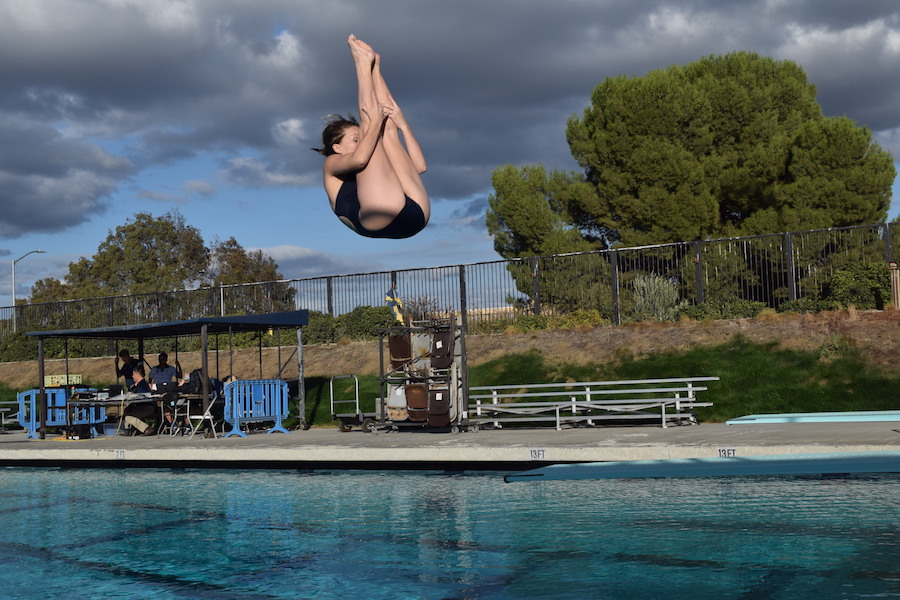
UC Davis diving team hopes to use time off to get healthy, finish strong

0
DEBPARNA PRATIHER / AGGIE
DEBPARNA PRATIHER / AGGIE FILE

Coach Phil Tonne’s diving team is working hard to stay competitive and move ahead of the pack

Nothing has come easy for the UC Davis diving team going into its winter hiatus, with injuries and illness plaguing the team. Despite this, head diving coach Phil Tonne is making sure that his team stays on top of their game as various factors try to drag them down.

“Unfortunately, we’ve had a lot of injuries, but my girls have performed well when they needed to,” Tonne said. “It’s kind of a rough, weird year for us, injury wise.”

Heading into the Phill Hansel Invitational in Houston, the injured dive team was missing key players but still managed to get two top-five finishes in platform-diving from sophomore Shaifali Goyal (195.25, 3rd) and junior Angelina Proshak (193.15, 5th) en route to the swimming and diving team’s overall third-place finish.

With six weeks off in between competition, it is now up to Tonne and the rest of his staff to keep his team in top form before going into the final six weeks of the season.

“This is the time where we have to gear back up,” Tonne said. “We have to get [the injured athletes] back. […] It’s time to get back in the grind and pick up the pace a little bit.”

This means that when many students are gone between quarters, the athletes will be working hard as they aim to end the final stretch on a high note. Going into January, the team has a 6-3 record, including three victories and no losses within the Mountain Pacific Sports Federation.

“We only get a week off from diving, and during that week I tell them to do something physical, to stretch and work on their core,” Tonne said. “A lot of times, injuries come from lack of core strength, so that’s basically what they’ll be doing.”

With the cold touch of winter finally making its way into the valley, the divers have had to adjust to getting in and out of the water in subpar conditions. This means doing shorter workouts while maintaining their numbers, or repeating their dives in pursuit of their best performance.

As divers, stepping in and out of the pool can be a chore without the proper preparation.

“Be prepared, it’s going to be cold,” Tonne said. “Everyone is going to have to deal with it.”

In a year when the conference is largely up for grabs, Tonne hopes that his team can get healthy and pull ahead of the competition.

“Anything can happen at conference, and we need to try to get four divers in the top eight in every event, which is doable,” Tonne said.

In a trying year, the team has not let injuries and adversity get to them, and Tonne applauded his team for hammering through. With six weeks to go in the season come January, this time off will prove vital to the team’s future success.

Written by: Bradley Geiser — sports@theaggie.org

Comedy as the new journalism

ABOCON [CC BY-SA 2.0] / FLICKR
headshot_ssReflections after 10 weeks writing on comedy

After 10 weeks writing about comedy, I’m starting to think I could write at least 10 more, as the topic seems to broaden and become more complicated the more I explore it. I’ve come to see comedy as one of the most relevant forms of journalism today.

I have only scratched the surface of what seems to be an entire world of comics who are cumulatively an amalgam of all the comedy that has come before them. When I wrote about free speech and its intersection with comedy, I realized how many subversive comics had to come before people like Louis CK to make what he does acceptable. When I wrote about minorities in comedy, I began to appreciate the history of those comics overcoming obstacles and stereotypes and gaining popularity outside their communities — something I am optimistic about now as I look at big-name stars like Aziz Ansari, Chris Rock, Maya Rudolph and Leslie Jones.

With time and research, these histories could inform a more expansive analysis of comedy and its larger social and cultural implications. Without these histories, I realize now, the comedy I enjoy today wouldn’t be possible. This brings me to the idea of comedy as journalism.

Because comedy is a collection of history and because it, like all art, is a commentary on the state of the human experience, I think comedy is a highly relevant journalistic medium. In a conventional sense, people like John Oliver do the work of journalists through humor, making current events accessible to the public. In a Time article about Oliver’s rejection of a monicker of journalism for his work on “Last Week Tonight,” author James Poniewozik insists Oliver is, indeed, a journalist. Although Oliver himself disagrees, basing his firmness on the fact that his primary concern is being funny, this concern does not reject the possibility of journalism, but rather encourages it. As a genre that is meant to appeal to everyone, there is nothing better for journalism to be than funny.

Comedians often take on the responsibility of journalists. Stephen Colbert, for example, who I discussed in my article about comedy and the election, holds great power in his ability to talk about politics to the masses. As a consequence, he has a responsibility to positively affect how citizens vote and how legislators legislate. Like a journalist, during the election season, Colbert has the obligation to participate and engage voters.

Finally, comedians, if successful, must be relevant and interesting to the public. Like journalists, they must know their audiences. A example close to my heart is 30 Rock, the NBC sitcom starring Tina Fey and Alec Baldwin. 30 Rock knew its audience. It has somehow followed me from middle school into college, managing to remain interesting and funny despite its repetitiveness and constant aging process.

Humorous texts, perhaps because of their oddities and inconsistencies, can stick with us more than others. They play at our intimate thoughts, taboos and likes, and ingratiate themselves in our psyches. Scholar John Gillon, in his paper “Why 30 Rock is not Funny (It’s Metafunny)” argues that 30 Rock is a very self-reflexive text, noting incongruity as its comedic form. He believes 30 Rock is funny because it creates patterns to be broken, which, when not broken, allow the show to be funny without really doing anything at all. Perhaps 30 Rock’s reflexivity, based in incongruity, is what makes it resonate so much with me. It feels more than fictional because it acknowledges itself as a show within a show.

I hope that by now it is clear that comedy, in many forms, is a powerful tool. It speaks about politics, freedom of speech, feminism, race, mental illness and humanity because it reflects the opinions and experiences of the speaker. In doing so, comedy becomes a device through which journalism is borne. Comedy creates an atmosphere in which the comic can speak about relevant issues to an interested public in an interesting way. John Oliver believes that good research is the key to a good joke. Like journalism, comedy cannot succeed if based upon lies. Although it may not be fact-based, great comedy often relies upon some universal truths, exposing the senselessness of other opinions on the issue at hand.

Comedy can balance being researched journalism and a human medium. It is perhaps the most effective form of journalism because it connects with the audience in an intimate way, making its subject matter accessible, making us laugh. If you disagree with the notion that comedy has larger implications, laughter may still be enough.

Written by: Stella Sappington — sasappington@ucdavis.edu

Disclaimer: The views and opinions expressed by individual columnists belong to the columnists alone and do not necessarily indicate the views and opinions held by The California Aggie.

Bail reform advocates gather at annual fundraiser

COURTESY
COURTESY

Speakers criticize “unconstitutional” system

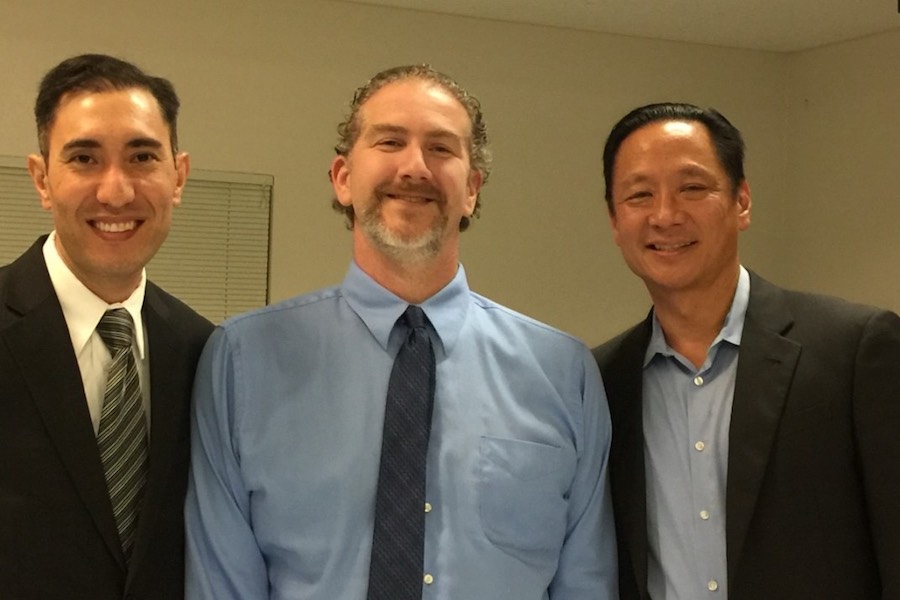
On Nov. 19, the Davis Vanguard hosted its annual fundraiser for its nonprofit court watch organization which monitors malpractice in local courts. This year’s event focused on bail reform. Guest speakers included Equal Justice Under the Law director Phil Telfeyan and San Francisco public defender Jeff Adachi.

David Greenwald, editor and founder of the Davis Vanguard, was one of the key organizers of the event. The event helped to secure funding for the Davis Vanguard for the rest of 2016. According to Greenwald, tickets sold out quickly, and there were over 200 attendees, all interested in hearing about the reform movement.

“We have an annual event on a variety of different topics, [but] this is the first time we’ve done bail reform.” Greenwald said. “[This] has been an issue that has kind of just been below the surface […] there’s a huge fairness factor involved in bail reform that people that can’t afford to get out on bail end up staying in custody and suffer a whole bunch of consequences for staying in custody. It’s not based on what most people think, which is risks to society, it’s just based on their ability to pay.”

Jeff Adachi is a well-known advocate for bail reform and was pleased to be able to highlight his cause to a new audience.

“It’s an issue that’s very dear to my heart,” Adachi said. “I believe that bail reform is one of the most critical issues in terms of ensuring that people are treated fairly. We have a system in the United States which keeps people detained because they don’t have enough money to post bail. It’s fundamentally unfair.”

Adachi is confident that actual reform will take place soon and hopes to replace the system with alternatives used by many other countries.

“I would like to see a non-monetary bail system,” Adachi said. “[There are] only two countries in the world that allow a profit generating business to help with bail, and that’s the United States and the Philippines. There will be a bail reform bill this year, the city attorney and the sheriff has said that they believe that bail is unconstitutional, so there you have the party that normally would defend this saying that it’s indefensible.”

One recent initiative to address some of the ethical issues surrounding bail took place in Santa Clara County. The initiative, drawn up and approved by the Santa Clara Board of Supervisors, removed bail requirements for specific types of low level crimes. Although the measure was approved, it still faces heavy opposition from the bail bond industry and has yet to be fully implemented.

In an interview with CBS KPIX news anchor Len Ramirez, LaDoris Cordell, a retired judge and legal analyst in Santa Clara County, highlighted the reform as a big step in the right direction.

“The bail reform initiated in Santa Clara County is huge, it’s a big deal,” Cordell said in the interview. “In fact, it is a game changer. The bail system has been discriminating against poor people, many of whom are people of color. What Santa Clara County has done is turn that upside down.”

Despite successes in places like Santa Clara, Adachi knows that the system will not to change overnight. He views present legislation, such as a pro-reform bill introduced by California State Assemblyman Rob Bonta, as evidence that the country is moving in the right direction.

“We’re […] seeing […] a huge push to change the bail system once and for all,” Adachi said. “It will be slow because it’s state by state, but it is going to happen.”

Written By: Juno Bhardwaj-shah — city@theaggie.org

Last Week in Senate

HANNAH LEE / AGGIE
HANNAH LEE / AGGIE

New senators sworn into office

The ASUCD Senate held its weekly meeting in the Mee Room on the third floor of the Memorial Union on Thursday, Dec. 1.

Before the meeting a ceremony was held for senators who were terming out for the fall. Terming out senators included Josh Dalavai, Adilla Jamaludin, Parteek Singh, Julie Jung, Zheng Xu and Chase McFadden. The evening included farewell speeches followed by the swearing in of incoming senators.

The newly elected senators are Daniel Nagey, Jose Antonio V. Menenes, Anastasia Ruttkay, Matthew Yamaguchi, Simran Grewal and Julie Jung. Jung was an interim senator after replacing Senator Georgia Savage in October.

The senate meeting commenced at 7:20 p.m., with Senators Sofia Molodanof and Ruttkay absent.

The meeting began with a slew of appointments, including new roles for the Sexual Assault Awareness Advocacy Committee (SAAAC), the Environmental Policy and Planning Commission, the Ethnic and Cultural Affairs Commission and the Secretary of Outreach and Recruitment.

The first piece of legislation was Senate Bill #25, a bill to amend the structure and organization of the Aggie Public Arts Committee in order to better promote student art at UC Davis and in the city of Davis. The bill passed with a vote of 10-0-2. Senators Molodanof and Ruttkay abstained due to their absence.

The second bill of the meeting was Senate Bill #18, a bill to amend the 2016-2017 fiscal year Creative Media budget to create a project manager position. The bill will replace the former programmer position with a project manager who will serve as the primary contact for Creative Media project requests. The bill passed with a vote of 10-0-2. Senators Molodanof and Ruttkay abstained due to their absence.

The next item on the agenda was Senate Bill #28, which would allocate $1391.40 for custom t-shirts for the UC Davis Mental Health Conference. The bill was authored by Samantha Chiang, who is also the director and founder of the conference. After a lengthy discussion, the bill passed with a vote of 10-0-2, with Senators Molodanof and Ruttkay abstaining once again due to their absence.

After a 10 minute break, the second half of the meeting began at roughly 9 p.m. with a presentation by the Club Finance Council.

Shortly afterward, ex officio reports were announced and after a public discussion, the meeting adjourned.

Written by: Ivan Valenzuela — campus@theaggie.org

Eight ways to be productive this winter

0
NICKI PADAR / AGGIE
NICKI PADAR / AGGIE

How to not completely waste your month-long break

Aggies were ecstatic to learn about the extra week added to winter vacation. With so much time and no classes to attend, it might be tempting to catch up on all of those Netflix series you put on hold during finals. However, there are some ways to get the most out of your four weeks of downtime without feeling like a complete couch potato.  


  • Plan a road trip


As long as you have a car, a playlist and a couple of friends, it’s hard to make an excuse not to take a road trip this winter break. If you live in California, drive along the coast to check out some of the state’s coolest cities, including Big Sur, Santa Barbara, Hollywood and San Diego. Go visit college friends who live far away from you and pick them up to join in on the adventure. Take a tent and some sleeping bags to camp along the way, or rent an Airbnb for a more glamourous stop.


  • Study the subjects you are taking next quarter


Rather than beating yourself up during midterm season for not studying sooner, get a head start during winter break. Find some quiet time during the holidays to read up on your Winter Quarter subjects to get your brain familiar with the topics. Instead of watching four episodes of Breaking Bad, take half of that time to read ahead or do some practice problems; you’ll thank yourself later.


  • Start a new class at your local gym


Most gyms, including Crunch and 24 Hour Fitness, offer group classes for members every day. Whether you’re looking to keep up your cycling routine, learn kickboxing, relax in a yoga class or carve out some abs, a gym near you is guaranteed to have something you’ll like.


  • Get outside


Get on a bike, a surfboard, a pair of skis or your own two feet and take advantage of the outdoors. There’s no better way to clear your head from the stress of Fall Quarter and mentally prepare for 2017 than being in the crisp winter air — and maybe even seeing some snow. Discover a new hiking trail, go ice skating or just take a minute outside to enjoy the last few weeks of 2016.


  • Make plans with high school buddies you neglected to see during Thanksgiving break


Since most Aggies are only home for four days, Thanksgiving can be a difficult time to make plans with old friends. With 28 days of winter break, you’ll have plenty of time to reach out to old friends. Try not to let the entire break fly by without seeing your hometown buddies, especially since people only get busier and it only gets harder to maintain friendships.


  • Pursue a new interest, or take up an old hobby


Four weeks of freedom means plenty of time to learn the saxophone — you know you’ve been dying to do it. But seriously, get some teammates from your high school sports team together for a quick game, learn how to cook, paint a landscape or start a vinyl collection. The list is never-ending and by the time break is over you’ll be able to play the Careless Whisper riff on your new instrument like nobody’s business.


  • Read a book…for fun!


Don’t worry, interesting books still exist in the world. It might have been a while since you got to pick up something other than a textbook, but it’s never too late to re-read Harry Potter or go a little deeper with Hemingway. Take the plunge and dust off those covers on your parents’ shelves.


  • Create a plan for the future


Several required courses can be painfully boring and leave you questioning your major and your future, but take this break to get back to what you envision yourself doing after college. Writing down ideas about your academic, career or life plans is a good way to keep things in perspective and remind yourself that all the hard work of college will be worth it. You can even throw in some research on internships, graduate schools and companies in your field. You don’t have to apply for positions tomorrow, but having your plans in one place is a great way to be organized for the future.

Written by: Gillian Allen — features@theaggie.org

UC Davis sports sign a handful of NLIs

0
HANNAH LEE / AGGIE
HANNAH LEE / AGGIE

Women’s water polo adds a Davis High standout

On Wednesday, Nov. 23, UC Davis athletics announced the commitment of two women’s water polo players through national letter of intent (NLI) signings during the Fall period.

The two water polo commitments came during a slew of UC Davis NLIs that included several men’s and women’s basketball players, five softball players and a sprinkling of other UC Davis sports commits.

One of the two women’s water polo signers, Ally Clague, is an All-Tri-River Athletic Conference first teamer and was her team’s leading scorer at Clovis West High School.

The other prospective student-athlete, Alyssa Lengtat, already calls Davis home.

A tri-sport star, Lengtat also plays basketball and track and field at Davis Senior High School, holding the Blue Devils’ triple-jump record at 39 feet, 1 inch.

Like Clague, Lengtat led her water polo team in scoring this fall, pouring in 97 goals to go along with 45 steals for Davis High.

UC Davis women’s water polo coach Jamey Wright beamed with excitement discussing the future additions to his Aggie squad. The veteran coach talked about how playing multiple sports, especially basketball, can help translate to success in the pool.

“There’s a lot of transfer between the sports,” Wright said. “Everything from lane defense and pressure defense and opening up passing lanes to boxing out and setting picks and cutting, which are all things you also do in water polo.”

For Wright, local recruits have made up the majority of his Aggie teams over his 33-year UC Davis coaching career, but Wright says that a change may be in the making. After watching his men’s polo coaching colleague Daniel Leyson reach out to several international players in Ido Goldschmidt of Israel and Sasa Antunovic of Croatia, who have both been leading scorers for the Aggie men this fall, Wright thinks there might be something to gain from extending his recruiting perimeter.

“Historically I’ve kept all my recruiting within California,” Wright said. “My assistant Kandace Waldthaler and I try to get out to as many high school and club tournaments as we can in the offseason, but there are just way too many teams for just the two of us to vet.”

Wright said that as technology has improved over the past ten years or so, players being able to send him film has helped immensely with recruiting.

“I get a handful of emails with film in them almost every week,” Wright said.

But the experienced Aggie coach cautioned that film analysis only tells part of the story.

“At tournaments I’m not just looking at how girls perform in the water,” Wright said. “I’m watching how they act around their teammates, what they’re doing during timeouts and seeing whether they stay focused or not despite whatever’s going on around them.”

As Wright had mentioned, local athletes have often already been on the UC Davis campus and have used the aquatics facilities at a tournament or practice prior to making their official visit. In Lengtat’s case, Schaal Aquatics Center has been home base for the 5-foot-11 senior for the past three summers, where Lengtat practices club polo along with some current UC Davis players.

“I think that in the back of my mind, ever since I was a little kid that I’ve always loved UCD and loved the thought of going here,” Lengtat said. “Because it’s local, a lot of people were actually encouraging me to get out of town and go elsewhere, but after my recruiting visit, which really sealed the deal, I really just felt like I was home at [UC Davis]. And it’s funny because Davis is home, so that’s how I know it’s the right decision.”

Wright can’t wait until Lengtat joins the Aggie ranks next year.

“She hasn’t played a whole lot of water polo in her life,” Wright said. “Which might look like a negative for her, but on the other hand it’s all new and fresh and exciting and exhilarating for her. If you’ve got two girls and one is a fourth-year and one is a first-year player, the first year has so much room to improve and they’re going to get better at a faster rate. And as counterintuitive as it sounds, because Alyssa hasn’t played a lot of water polo,” — this will only be Lengtat’s fourth year playing polo —  “she’s getting dramatically better each week. That’s something you just don’t see with players who’ve been around for a ton of years.”

The UC Davis women’s water polo team (17-13 overall last year) starts the season in January at tournament hosted by San Jose State.

Some other recent Aggie NLIs include:

Softball


  • Aly Gomonet, shortstop, Notre Dame High School (Salinas, CA)
  • Alyse Rojas, centerfielder, Vacaville High School (Vacaville, CA)
  • Riley Siegel, catcher, Drake High School (San Anselmo, CA)
  • Shelby Soares, shortstop, Granite Bay High School (Granite Bay, CA)
  • Brooke Yanez, first base, Buena High School (Ventura, CA)


Men’s Basketball


  • Gio Nelson, forward, Centennial High School (Corona, CA)
  • TJ Shorts, guard, Saddleback College (Mission Viejo, CA)
  • Logan Strom, forward, Norfolk High School (Norfolk, NE)


Women’s Basketball


  • Kayla Konrad, forward, Valencia High School (Valencia, CA)
  • Cierra Hall, forward, Fairmont Prep Academy (Cypress, CA)
  • Sage Stobbart, post, Seycove Secondary School (North Vancouver, British Columbia, Canada)


Men’s Tennis


  • Ivan Thamma, Point Loma High School (San Diego, CA)
  • Chethan Swanson, Folsom High School (Folsom, Calif.)
  • Arjith Jayaraman, Granite Bay High School (El Dorado Hills, Calif.)


Nationwide opioid epidemic hits UC Davis

ALEXA FONTANILLA / AGGIE

Misuse of prescription opioids causes high mortality rates across the nation

At least half of all opioid overdose deaths involve prescription pain relievers, according to the Center for Disease Control (CDC). Within the past year, the UC Davis Medical Center (UCDMC) has had a meteoric rise in the number of such fatalities, and the CDC has declared a nationwide opioid overdose epidemic.

Since 1999, the number of deaths involving opioids has more than quadrupled. An estimated 1,000 people per day are treated in emergency departments for misusing prescription opioids, according to CDC.

“The danger really arises due to an acceptance that prescription drugs are okay to take, even if they are not prescribed to you,” said Raeann Davis, Alcohol Tobacco and Other Drug (ATOD) health educator at UC Davis in an e-mail interview.

Doctors can prescribe these drugs to treat moderate to severe chronic pain like neck and back pain. However, serious side effects and health risks are associated with opioids, such as nausea, vomiting and confusion as well as increased sensitivity to pain and depression.

Commonly prescribed opioids include OxyContin, Vicodin and various types of morphine.

“This is very relevant to our students on campus, because young adults (ages 18 to 25) are the biggest abusers of prescription opioid pain relievers,” said Dr. Cindy Schorzman, medical director of Student Health and Counseling Services (SHCS) in an e-mail interview.

Long-term use can cause increased physical dependence, meaning a person has withdrawal symptoms when they don’t take the medication. This leads increased tolerance, in which a person needs to take a higher dosage of the drug to relieve the same amount of pain.

“Even a single dose of an opioid, especially at a high dose and/or when combined with other substances such as alcohol or benzodiazepines, [psychoactive drugs], can result in death, often from suppressed breathing,” Schorzman said.

An overdose on an opioid causes heart rate and breathing to slow down, often to a complete stop. Loss of consciousness occurs and blue lips and nails may result from insufficient oxygen in the blood. Other symptoms include seizures and muscle spasms.

“When patients come into the emergency room experiencing an overdose, there is medicine that can revert the effects of opioids, however it must be administered in time,” said Kelly Owen, assistant professor and toxicologist at the UC Davis Department of Emergency Medicine.

One of these life-saving drugs is naloxone. However, like an opioid, naloxone can also cause slow heart rate or slow breathing, as well as a weak pulse or fainting.

“If we administer naloxone to patients [overdosing on opioids], we watch them and make sure they don’t get sleepy again because this slow breathing state is dangerous and could result in death similar to the effect of the opioid,” Owen said.

Over 50 cases of overdose have been reported just within Sacramento in recent months, all of which were centered around a powerful opioid called fentanyl.

“Fentanyl is more important and [a] cause for concern because people are overdosing on drugs laced with fentanyl,” Owen said.

This drug is about 80 times stronger than morphine and is often laced with other drugs, both prescription and illegal street drugs.

The recent opioid epidemic has placed a huge amounts of patient in the UC Davis Medical Hospital’s emergency room in a very short time frame. Most cases were reported to be overdoses on a fake and illegal drug made to look like the prescription drug Norco.

These fake pills looked like Norco, but  were actually laced with fentanyl. Therefore, people easily overdosed on this drug because they did not realize what they were taking or that it would so severely affect them.

Opioids’ increased acceptance among medical and patient communities, both locally and nationwide, also contributes to the opioid epidemic.

“The bottom line is that prescription drugs, specifically opioids, are too easily accessible […] one can go to a different doctor for a new prescription, obtain unused opioids from family or friends and even purchase them over the internet,” Davis said. “Many systems and practices need to be changed in order to move forward in addressing the epidemic.”  

Serious risks are associated with long-term use of opioids for chronic pain and pain management.

“The lack of evidence about [opioids’] long-term effectiveness [caused] the CDC and other agencies [to release] revised prescribing guidelines and recommendations for opioids,” Schorzman said in an e-mail interview.

The newly-released CDC Guideline for Prescribing Opioids for Chronic Pain includes when to initiate or continue opioids for chronic pain and also details opioid selection, dosage, duration, follow-up, discontinuation and risk-assessment. It also addresses overall harms of opioid use.

Educating health care providers about prescribing opioids is a pressing concern for CDC. However, the public should also be aware of the dangers of misusing opioids.

“Addiction and physical dependence are common with opioids, especially with ongoing use,” Schorzman said. “With addiction […] certain behaviors will often occur, including spending a lot of time and effort trying to get more of the medicine, thinking a lot about taking the medicine and getting into trouble at work or in their personal life because of the way they are using the substance.”

In order to prevent the rising number of overdose incidents and deaths, health care providers need to have the most up-to-date information on how to correctly prescribe opioids.

In addition, patients should be aware of the risks involved with taking opioids for long-term use and know how to be safe and not take medication prescribed for someone else.

Drug-monitoring programs at the state level are also promising ways to prevent opioid overdose deaths by using electronic databases to track the prescribing and dispensing of controlled prescription drugs to patients.

For students on campus seeking more information regarding misuse of prescription drugs, UC Davis Student Health and Counseling Services can address questions or concerns.

“Our department is working with student interns to develop an opioid awareness campaign. It is expected to launch fall 2017,” Davis said.

Bringing awareness to this issue is crucial if any progress in a growing opioid epidemic is expected.

“If students can gain an understanding of the issue, they’ll be better able to care for themselves and for others,” Davis said. “Maybe they understand the dangers of taking prescriptions that are not prescribed to them. Maybe they will be willing to intervene early on if they notice a friend misusing prescriptions. Or maybe for some students it means helping a struggling loved one obtain naloxone in order to reverse a possible overdose.”

Written by Shivani Kamal — science@theaggie.org

Happy holidays from The California Aggie Arts and Culture Desk

HANNAH LEE / AGGIE
HANNAH LEE / AGGIE

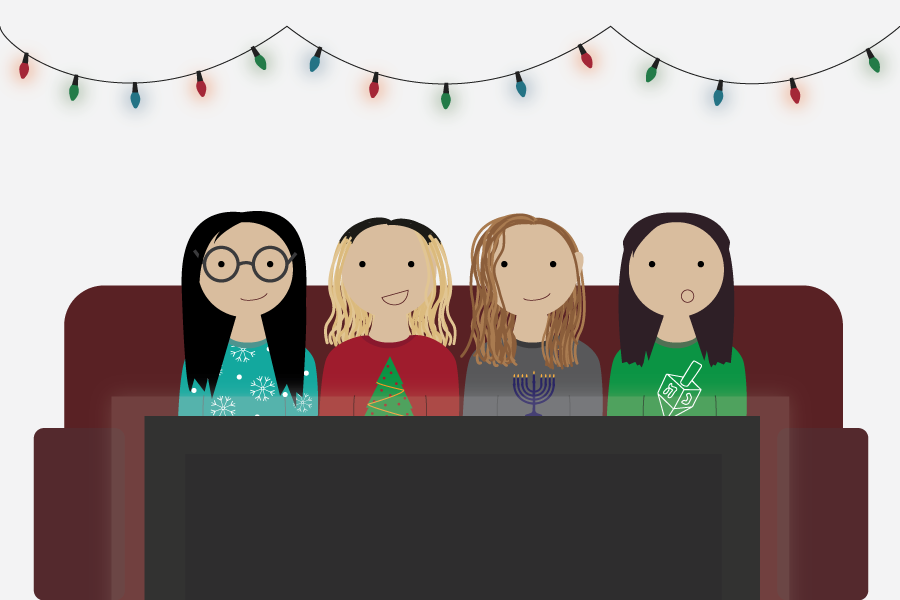
What we’re watching during the holidays

Does the thought of impending finals fill your heart with doom and gloom? Do you need a little jolt to get you in the holiday spirit? Never fear, The California Aggie Arts and Culture Desk is here to help! We’ve compiled our favorite movies and shows to watch during the holidays. Just pick something from the list, curl up in your favorite blanket and enjoy.

Caroline Rutten

Rudolph the Red-Nosed Reindeer (1964)

My favorite holiday is Christmas — it is one of the only times of the year where I can appropriately revert to my five-year old self, surround myself in colorful decorations and overwhelm myself with warm and fuzzy feelings. Rudolph the Red-Nosed Reindeer is the one Christmas movie that I have watched every year since childhood, so for the sake of nostalgia, I have to name this as my favorite Christmas movie. The songs are some of the best — my personal favorites include “There’s Always Tomorrow” and “The Island of Misfit Toys” — and the adorable animation captures the spirit of Christmas that I love so much.

Ally Overbay

Dan in Real Life (2007)

While my family and I bake holiday treats (large-scale, factory-style production), we have a list of must-see films. Oddly enough, few of them have anything to do with the holidays. But among our list — When Harry Met Sally, Sweet Home Alabama, Family Stone, and a slew of other Hallmark reject films — is my personal favorite: Dan in Real Life. Whether it’s the incredible performances by Steve Carrell, Juliette Binoche and Emily Blunt, or the hysterics of “But you, are, a murderer, of love!” — the film is a classic (at least during the Overbay family biscotti production line).

Abigail Wang

Love Actually (2003)

Love Actually is one for the hopeless romantics. The movie follows the stories of multiple couples and families during the holiday season, switching between many intersecting narratives throughout the film. And did I mention British accents? Yes, this movie has it all. Although it’s an overall feel-good movie, I recommend tissues and hot cocoa for the tender moments. Warning: extremely addicting movie that you will want to watch approximately 50 times during the holiday season.

Becky Lee

Gremlins (1984)

I’m not sure what kid would ever call Gremlins their favorite Christmas film, but it remains mine to this day. This movie is the perfect combination of thriller, black comedy and holiday charm. It’ll have you cracking up at one moment and covering your eyes the next. If you like cheesy ’80s films like Ghostbusters and The Goonies with a dark twist on holiday films, watch Gremlins.

Pari Sagafi

Home Alone 2: Lost in New York (1992)

I have started a tradition of watching Home Alone 2: Lost in New York every year, because it includes everything that you could possibly need in a Christmas movie: New York City in the snow, ’90s nostalgia, childish mischief and the suspended belief that a family would, once again, “accidentally” abandon their child. To this day, Kevin McCallister is my hero (which explains why my diet consists of the junk foods he feverishly scarfs down the instant he realizes that his family has left) and I always look forward to watching his antics play out around the holiday season.

Betty Wu

The Crown (2016)

The Crown, released on Netflix on Nov. 4, is a television series about the early life of Queen Elizabeth II. The show follows the Queen, played by Claire Foy, as she succeeds her father and faces challenges and questions from her family and the British government. The show creates a compelling illustration of Queen Elizabeth’s poise, elegance and perseverance as a woman in a leadership position. The Crown is educational, entertaining and very British — my kind of holiday watching.

CaraJoy Kleinrock

Love Actually (2003)

This is my favorite holiday movie because it always puts a smile on my face. Watching all the different storylines intertwine and the happy endings is exactly what I like to see during the holidays. I am not ashamed to say that I have cried tears of joy more than a few times while watching this (and the same goes for my dad) — it’s become a family tradition to blubber at this film every year.

Amanda Ong

“Benihana Christmas” — The Office, Season 3, Episode 10

I am a huge fan of The Office — the poor writers at the arts desk can attest to this, as I subject them to my Office memes regularly. So it should come as no surprise that my pick is the “Benihana Christmas” episode of The Office. This is a classic episode, filled with all the dysfunction that makes the show great: tension between the will-they-or-won’t-they duo Pam and Jim, Michael Scott sending a wildly inappropriate Christmas card to his girlfriend and Dwight explaining to a Benihana waitress how to properly butcher a goose. If talk of goose butchering doesn’t get you in the holiday spirit, I’m not sure what will.

Written by: The California Aggie Arts and Culture Desk — arts@theaggie.org

The methane problem

NICKI PADAR / AGGIE FILE

headshot_arFinding a sustainable solution for gaseous emissions

One thing the agricultural sector does not lack is potential. The food production system is constantly evolving and developing the potential to improve practices in order to mitigate emissions. There are countless different ways of bettering agriculture. Today, multiple fields are undergoing vigorous research in order to reach peak sustainability. Researchers are now feeding animals more efficiently in order to improve their energy intake without generating more emissions. Other fields include genetics, management practices and dietary supplementation.

Transgenic animals have been used to reduce methane emissions by targeting microbes that produce methane and have been able to produce milk and muscle more efficiently. Bovine alpha-lactalbumin swine have been genetically engineered with dairy cattle genes in order to be able to produce more milk. This helps wean piglets earlier at higher weights, which improves overall growth efficiency.

Methane, one of the most potent greenhouse gasses, has been at the forefront of sustainable livestock agriculture research.

Dietary manipulation helps reduce methane by providing supplements in livestock diets to reduce methane output. Some of these supplements include nitrates, dietary lipids, bioactive compounds and ionophores. Nitrates act as electron acceptors and have been seen to reduce methane up to 50 percent when added into feed. However, nitrates increased methemoglobin concentration, which is toxic because it replaces iron content in the blood. Dietary lipids, like oils, have also been shown to reduce methane by 4 percent for every 1 percent of fat added to the diet. Distiller grains are the most effective lipids currently being researched. Bioactive compounds, such as tannins, eucalyptus and saponins also reduce methane, and they reduce overall parasite load. Ionophores are antimicrobial compounds that help target bacteria and increase feed efficiency that help reduce methane emissions.

Some management practices that have shown to reduce methane emissions are biotechnology, manure storage and composting. Biotechnology like vaccines have been utilized to suppress methanogens by 8 percent. Types of manure storage help reduce methane emissions for short periods of time. Composting manure helps control odor and eliminate chemical fertilizers for good soil amendment. This helps preserve nutrients, kill pathogens and acts as bedding material.

Livestock agriculture and the food production system are constantly evolving in order to sustain our growing population. Researchers and producers alike are acutely aware of the problems at hand and are working hard to develop potential mitigating steps that might help future generations to come.

So in the future, if you ever find yourself wondering where your food comes from and how your choices might impact the environment, don’t be afraid to do some research. Find out what works for you and the planet, and keep in mind that everything is constantly evolving for the better.

Written by Alice Rocha – asrocha@ucdavis.edu

Disclaimer: The views and opinions expressed by individual columnists belong to the columnists alone and do not necessarily indicate the views and opinions held by The California Aggie.

‘Twas the Night Before Christmas in Old Sacramento

MORGAN TIEU / AGGIE
MORGAN TIEU / AGGIE

Live-action retelling of Christmas poem promises to bring holiday spirit

Celebrate the holidays 19th century style at Old Sacramento’s Theatre of Lights, an annual menagerie of lights, carolers and a live-action version of Clement Clarke Moore’s classic Christmas poem, “A Visit from St. Nicholas”.

The Theatre of Lights runs Thursday through Sunday evenings, with 20 minute performances at 6:15 and 7:45, followed by about 35 minutes of Christmas caroling.

According to the Old Sacramento website, “The live-action retelling of Moore’s 1823 poem — ‘A Visit from St. Nicholas,’ more popularly known as ‘Twas the Night Before Christmas’ — promises to be bigger and better than ever.”

Visitors can witness the retelling on K and Front Streets, as it is performed from the balconies and facades of Old Sacramento buildings. All around the audience, sounds of fires, floods and parties emulate the atmosphere of Sacramento in the 1850s.

“It’s a tradition, you know, there’s nothing else,” said Brooksie Hughes, Old Sacramento District director. “If you come down and see it, it’s a great family tradition and the kids absolutely love it. It is in the center of the street on K Street, so there’s not often times when you just get to stand and really experience Old Sacramento in the round.”

The event was created by Troy Carlson from Stage Nine Exhibitions, and is sponsored by Macy’s in downtown Sacramento.

According to Stage Nine Exhibitions website, “Theatre of Lights is at the center of Old Sacramento’s complete holiday experience — from shopping and celebrating to giving to loved ones and to charity.”

The Theatre of Lights features the work of several local Sacramento businesses: Associated Sound and Skywalker Sound, Sacramento Theatrical Lighting and Emmy-nominated voice actor Bill Farmer, the voice of Disney’s Goofy.

“We designed the lighting for the show, and we control all of the lighting, all of the garland, and everything up and down the streets,” said Steve Odehnal, the special project manager for Sacramento Theatrical Lighting.

Since the event’s inception eight years ago, Sacramento Theatrical Lighting has designed and controlled the lighting. The company has had to learn and grow, with each year’s show just as bright and colorful as the last.

“You really get a chance to see these buildings lit up. They’re decorated in a way that we don’t do any other time of the year. The main reason, for me, to go, is the lighting part of this. I love that! And for the kids, of course, [it’s] Santa,” Hughes said.

This year, there even more lights than usual to brighten the cobblestoned streets of Old Sacramento, and viewers can witness one notable change to program: Jack Frost. Coordinators encourage guests to keep an eye out for this whimsical character.

After the production, attendees can shop or eat in the area, or just enjoy the 19th century holiday atmosphere.

“It’s a family friendly, free event that brings you down to Old Sacramento,” Odehnal said.

Find out more about the Theatre of Lights at the Old Sacramento website.

Written by: Samantha Solomon city@theaggie.org

Last week in senate

HANNAH LEE / AGGIE
HANNAH LEE / AGGIE

On Thursday, Nov. 17 ASUCD held its last meeting before the Thanksgiving break. Senators Shaitaj Dhaliwal and Sam Park were absent.

The first piece of legislation presented was Senate Bill #19, introduced by Senator Adilla Jamaludin. SB #19 would allocate $102 from senate reserves for 20 self-care gift bags for a mental health and grief workshop.

“The purpose of this mental health and grief workshop is to help students realize they are not alone in dealing with grief and to have students aware of the different resources available on campus,” the bill read. “Furthermore, the event will also give students the opportunity to discuss the frustrations and challenges they face, in particular, self-care and how to talk to friends about issues.”

The bill passed with a vote of 10-0-2, with Dhaliwal and Park abstaining.

The next item on the agenda was SB #22, which removes all mentions of the Outreach Assembly (OA) from Chapter 2 of the ASUCD Bylaws, replacing it with the Department of Outreach and Recruitment.

SB #22 was authored by Nick Flores of the Internal Affairs Commission (IAC), and subsequently introduced by the IAC.

“In the spring 2016 special election, Constitutional Amendment #45 passed, dissolving the OA from the ASUCD Constitution,” the bill read. “OA is to be replaced by the Department of Outreach and Recruitment and is to be moved from the Legislative Branch into the Executive Branch. Since the Amendment passed, the Bylaws need to be updated accordingly. This bill will fix all changes that need to be made in Chapter 2 of the ASUCD Bylaws.”

Similarly, SB #23, also authored by Flores, removed all mentions of the OA from chapters 10, 11, 14, 16 and 22 of the ASUCD Bylaws and replaced it with the Department of Outreach and Recruitment.

Both SB #22 and #23 passed with a vote of 10-0-2, again with abstentions from Dhaliwal and Park.

During public discussion, emergency legislation was introduced by Senator Samantha Chiang to allocate $31.69 to purchase flowers and admiration bags for the six senators terming out in fall 2016.

While the exiting senators expressed gratitude for the gesture, the legislation was not passed, with a vote of 3-7-2, concluding voting for the day.

After reports and announcements by ex officio members and elected officials of the senate, the meeting minutes for Nov. 10 were passed.

The meeting adjourned shortly before 8 p.m.

Written by: Ivan Valenzuela — campus@theaggie.org

Humor: The eggheads KILLED the mannequin challenge

LAURA LONG / AGGIE
LAURA LONG / AGGIE

headshot_blThe UC Davis eggheads try to take advantage of a dying internet trend

The mannequin challenge came and went within a couple of weeks — the typical lifespan for internet trends. Its decline probably seems obvious to most casual observers, though it is likely that Ellen DeGeneres will continue to participate for several more weeks, even if she is the only one, and it’s slightly depressing to watch.

In similar fashion, the eggheads are unaware that the hype around the challenge seems to be dying down. This is understandable, however, since the eggheads are only able to hear news by eavesdropping on students who happen to walk by.

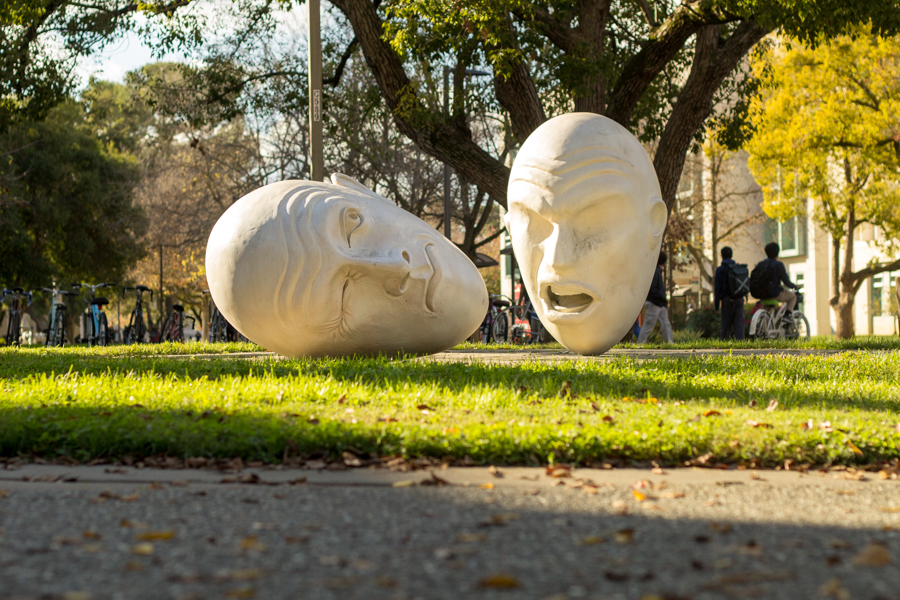
The iconic statues recently heard about the mannequin challenge and set out to acquire internet fame.

“We felt that we could really bring something special to this challenge,” said one of the eggheads who, in addition to being a well-known statue on UC Davis’ campus, is also a parkour enthusiast. “We’re pretty good at standing still, I would say. I think it’s because we do a lot of yoga and we’re really in touch with not only our bodies, but also our souls. You probably wouldn’t get it. It doesn’t hurt that we’re made of stone and anchored to the ground, but I think it’s mostly because of the yoga.”

The eggheads filmed their mannequin challenge in front of the art building. They say it went “viral” on YouTube, amassing tens of views in a matter of weeks.

“It’s truly an honor to have our video be so well-received and critically acclaimed,” said the second egghead, a straw wrapper collector.

It is possible that the egghead was referring to the single comment left on the pair’s YouTube video: “How did I even find this video?”

The pair of statues told The California Aggie that they are excited for what their video will do for the “egg community.”

“You know, Humpty Dumpty is constantly being talked about, and all he did was fall off a wall or something. That’s not heroic. Standing still in a video while participating in a dying internet fad is heroic. We’re thrilled that we can be positive role models for all the young eggs out there. I just wish the hen who gifted us to the world could see us now. She’d be so proud.”

Written by: Brian Landry — bjlandry@ucdavis.edu

Where does the money go?

0
Hannah Lee / AGGIE
Hannah Lee / AGGIE

Breaking down the difference between tuition, Student Services Fees, campus-based fees

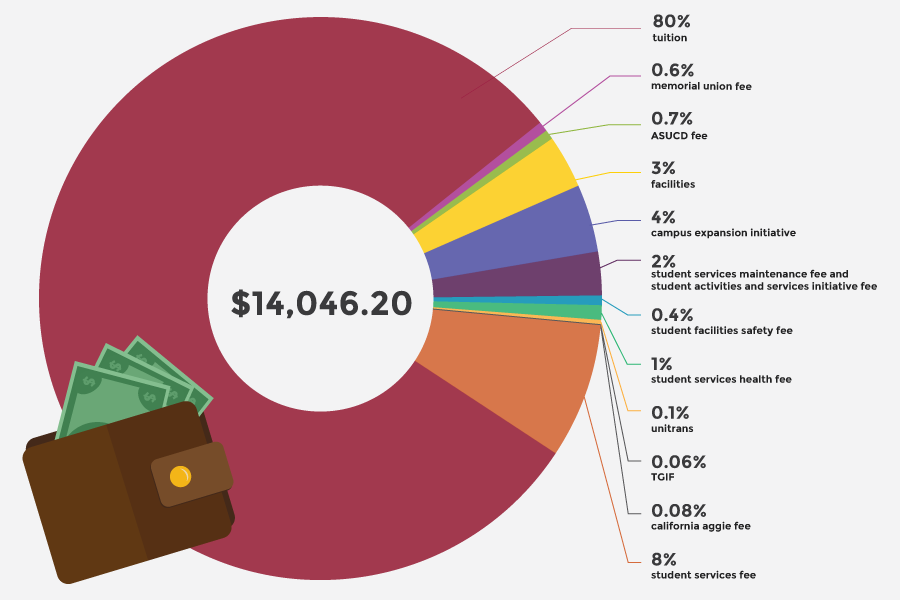
University of California (UC) students are not so different from one another; whether attending school in Davis, Berkeley or LA, all UC students pay a baseline cost for education. Tuition, along with the Student Services Fee (SSF), is set by the UC Regents and is the same across all campuses.

California residents pay an annual fee of $11,220 in tuition to attend a UC school as undergraduate students. This amounts to 80 percent of the annual fees of attending UC Davis for California residents. The remaining 20 percent is comprised of the SSF — set at $1,074 — along with a number of campus-based fees that vary at each UC institution.

As a state university, all UC’s are also state-supported. Sarah Mangum, the director of Academic Budget and Policy, pointed out that funding from the State of California to the UC system as a share of the universities’ budgets has decreased over the past decade.

“There [were] big cuts about five years ago,” Mangum said in an e-mail interview. “For example, in 2007-2008, state funds made up 17 percent of our total revenue, now they are 9 percent.”

Tuition and state funds make up the pool of money that goes toward the university’s educational mission, supporting teaching, public service and research. Examples of this instructional support include faculty salary and benefits, teaching assistants and readers, as well as classroom infrastructure such as audio-visual equipment.

“There’s an Office of the President policy called Return-to-Aid,” Mangum said. “Approximately 30 percent of all tuition for undergraduates goes right back into financial aid. The rest of [tuition] goes toward supporting the cost of teaching.”

Return-to-Aid is governed by policies of the UC Office of the President and the UC Board of Regents and is applied to tuition on all UC campuses. At UC Davis, most student fees have a Return-to-Aid component.

Non-academic services are funded by the SSF. These services support students through activities like counseling, advising and tutoring. A small portion of the SSF, $61 per student, funds mental health services.

Campus-based fees are the services students pay for besides tuition and the SSF. This includes the ASUCD, Memorial Union, Facilities and Campus Enhancement (FACE), Campus Expansion Initiative (CEI), Student Services Maintenance/Student Activities and Services Initiative (SASI), Student Facilities Safety, Student Services Health (not to be confused with the SSF mental health fee), Unitrans, the Green Initiative Fund (TGIF) and The California Aggie Fees, totalling $1,753.

Nearly all of these fees were approved by student leadership and votes. The student fee initiative process at UC Davis is overseen by The Council on Student Affairs and Fees (COSAF), which follows a guide when reviewing the creation of a student fee initiative. After endorsement by COSAF, the student body votes during Winter Quarter ASUCD election. If approved, the initiative is reviewed by the vice chancellor of Student Affairs and Campus Diversity, the UC Davis budget officer and finally the UC Davis chancellor. It ultimately reaches the UC Office of the President, where final approval is granted by the Office of the Regents.

Essentially, passing a student referendum on fees is an extensive and time-consuming process.

“A lot of misconception about the COSAF council is that we change student fees, which is not what we do at all,” said Madeline Garcia, a fourth year political science major and co-chair of COSAF. “COSAF […] decide[s] for the three fees that have an inflationary index whether or not to apply a consumer price index adjustment. [If COSAF recommends to the chancellor that CPI be applied] then [that will] make the purchasing power from last year the same this year [to] keep [the] programming going. The chancellor has never gone against what [COSAF] suggests. [An initiative without] a CPI adjustment has less money to spend, but [COSAF is] not taking away money.”

The three fees COSAF annually reviews are those that lack a sunset clause, which means there is no set limit to these student fees. FACE, CEI and SASI have an inflammatory index and were all passed with the ability to increase with inflation. It is the role of COSAF to maintain the integrity of student’s interests and desires throughout the duration of these initiatives. Another entity responsible for the checks and balances of student fees is ASUCD.

“[ASUCD represents] every student, and I’m sure there are many departments saying ‘How are my dollars being spent?’’ said Greg Ortiz, ASUCD advisor to the Athletics and Administrative Advisory Committees. “[ASUCD is] making sure that if there’s money involved, [it’s being] used well.”

Understanding the sources and allocation of money on campus becomes even more nuanced with the consideration of increased enrollment. It seems as though the services paid for by student fees should benefit from increased enrollment, but that is not always the case.

“The most counterintuitive thing about higher education increased enrollment right now is that, even though there are more people coming and paying fees, [our] level of service is going backwards — it’s declining,” said ASUCD President Alex Lee.

An example of this is Unitrans, a service sewn in the fabric of Davis culture since 1968. Unitrans has multiple revenue sources, receiving about $99 from each student per year through CEI, ASUCD and its own exclusive Unitrans fee. This amounts to $2.7 million from student fees. The rest of its $5 million budget comes from a combination of grant funds from the City of Davis, federal funds, sales tax and miscellaneous revenue like bus fares from non-student riders.

With more students comes more money, so why is Unitrans already digging into its reserves?

Despite what sounds like a large income, the state’s unprecedented and rapid increase of the minimum wage is causing the bus service to rely on every penny of its funds. Unitrans has the third largest ridership in the California, and students are beginning to notice that some routes are becoming increasingly impacted. More riders means more service and, therefore, costs more money to meet demand. The task now is to find an equitable option for students in order to keep such a valuable service.

“And that’s the thing,” said Anthony Palmere, general manager of Unitrans. “At some point you don’t know what’s the straw that’s too much to know so that you’ve kind of drawn the line. [Unitrans] certainly recognizes there’s a limit, and that’s why we’re trying to have the conversations early to know [how] we can keep the service going.”


Written by: Marlys Jeane — features@theaggie.org  

Children’s Candlelight Parade lights up downtown Davis

Genesia Ting / AGGIE

35th annual tree lighting ceremony kicks off with Davis Food Co-op sponsored event

Candles lit the streets of Davis on Dec. 1 as children of all ages join in on the annual Children’s Candlelight Parade. The event has been a staple in Davis for 35 years.

“The Children’s Candlelight parade is one of Davis’ most time-honored holiday traditions,” said Lucas Frerichs, a Davis city councilmember. “It’s such a great experience to see the community gather at the Davis Food Co-op and make their way to the E Street Plaza for the holiday tree lighting and other festive holiday activities.”

The parade and tree lighting ceremonies are two of Davis’ oldest community traditions, organized by many members of the City of Davis and produced by Bob Bowen, Davis city manager.

“The annual Children’s Candlelight Parade has been sponsored by the Davis Food Co-op for over two decades,” Bowen said in a press release.

Children who wish to participate in the parade received free candles with safety drip cups courtesy of the Davis Food Co-op. The Co-op also accepted voluntary donations to the Wallace and Vannucci Women and Children’s Shelter prior to the parade.

“The candlelight parade is one of the ways that we partner with the City of Davis every year,” said Lis Harvey, marketing manager of the Davis Food Co-op. “The City of Davis puts on a beautiful kick off to the holiday season with the tree lighting ceremony downtown, and we host the Children’s Candlelight Parade portion, which is how that whole evening starts.”

The candlelight parade winds through Downtown Davis, past decorated storefront windows garnished for the Christmas holiday.

“It’s this super sweet Davis event, and every business downtown participates in some sort of fun way, and one of the things we love about it is it’s not a commercial way for us to feel festive,” Harvey said.

Since the final destination of the parade is the tree lighting, Davis residents can just follow the halo of light and chatter of children as they make their way downtown.

“Walkers, strollers, wagons and bicycles are welcome and festive holiday lighting on parade entries is encouraged,” Bowen said in a press release.

“It’s an opportunity for people of all ages to spend a festive evening in downtown Davis as we prepare for the upcoming holiday season,” Frerichs said.


Written by: Sam Solomon — city@theaggie.org

Opportunities for UC Davis community members to give back to others this holiday season

Genesia Ting / AGGIE

Mercer Clinic for Pets of the Homeless, UC Davis Children’s Hospital, ASUCD Pantry all solicit donations’

This holiday season, Aggies have many opportunities to give back to the UC Davis community.

Currently, the Mercer Clinic for Pets of the Homeless, an organization run by UC Davis students, is asking for monetary donations in order to support its cause as well as donations of jackets and coats for the animals themselves.

“The smaller, very young and elderly dogs and cats especially need sweaters and coats to protect them against nighttime temperatures,” said Eileen Samitz, the coordinator of the program, in a statement for UC Davis Dateline.

Community members can also donate toys to the UC Davis Children’s Hospital. Donations are accepted at the UC Davis MIND Institute from Dec. 20 to 23 between 9:30 a.m. and 4:30 p.m.

“We really appreciate all of our donors who make the holiday season brighter with their gifts,” said Diana Sundberg, manager of the UC Davis Child Life and Creative Arts Therapy Department in a statement published to PRWeb. “The kindness of donors will make an important difference in the lives of many families who have a sick child in the hospital this time of year.”

Students can also participate in the Pay It Forward campaign, an ongoing partnership between the ASUCD Pantry and Ciao, located in the Coffee House. Through this program, students who purchase a slice of pizza at Ciao can also pay to donate an extra slice to a student in need.

“I was inspired to spearhead the program when I learnt that one out of three students in the UC system skip meals for various reasons,” said Adilla Jamaludin, a third-year environmental policy analysis and planning major and ASUCD senator. “As a student with a busy schedule, I couldn’t imagine having to skip a quick meal because I could not afford it. So that’s why I wanted to make this food option accessible to students.”

Vouchers for the pizza can be obtained from the ASUCD Pantry in Lower Freeborn.


Written by: Kenton Goldsby — campus@theaggie.org