54.1 F
Davis

Davis, California

Tuesday, December 23, 2025
Home Blog Page 199

UC Davis assistant water polo coach arrested by FBI, indicted by grand jury 

Daniel Noble was charged with the “distribution of visual depictions of minors engaging in sexually explicit conduct,” according to a news release from the U.S. Attorney’s Office


By KAYA DO-KHANH — campus@theaggie.org


Content Warning: This article contains discussions of sexual misconduct and abuse which some readers may find disturbing.


On May 19, the assistant coach for the UC Davis men’s water polo team, Daniel Noble, was arrested by the Federal Bureau of Investigation (FBI) for charges related to possession of child pornography, according to a charge letter on the investigation into allegations against Noble. 

As of May 20, Noble ceased to be a UC Davis employee, according to a statement from Chancellor Gary May regarding the situation. The statement goes on to say that Noble has been ordered to stay away from campus and will be arrested if he returns. 

According to a June 2 news release from the U.S. Attorney’s Office, Noble was part of a Kik Messenger group that exchanged videos and images that displayed the sexual abuse of children. The release states that Noble shared videos of children being sexually abused to the group multiple times throughout 2022. 

A federal grand jury returned an indictment on June 2, charging Noble with “distribution of visual depictions of minors engaging in sexually explicit conduct,” according to the news release. 

“Noble has been released on a $100,000 bond, with special conditions including no-contact with minors and home confinement with electronic location monitoring,” the news release reads. “If convicted, Noble faces a maximum statutory penalty of 20 years in prison, with a mandatory minimum of five years in prison, a $250,000 fine, and up to a lifetime of supervised release.”

The university also launched an investigation into Noble’s activities on May 20, which, according to an investigation report to UC Davis from June, was conducted by former Assistant U.S. Attorney Ellen London and her law firm, London & Stout P.C. The investigation focused on determining if Noble had violated any university policies and if there were any potential victims in the UC Davis community. London and her team worked with law enforcement to gather evidence, interviewing 17 witnesses and reviewing over 10,000 documents, such as end-of-season surveys completed by members of the men’s water polo team and emails sent to and from Noble’s UC Davis email account.

The findings from the report state that there was no evidence found that demonstrates Noble engaged in conduct violating the University’s Sexual Violence and Sexual Harassment Policy (SVSH) in his coaching activities. There was also no evidence of potential victims of the type of conduct described by his charges within the UC Davis community.

In the course of the investigation, however, according to the report, there was some evidence found that Noble may have been engaged in conduct that could constitute an improper governmental activity (IGA) as defined in the University’s Whistleblower Policy. Noble was overpaid approximately $10,000 as a result of an administrative error, and a witness disclosed that he was aware of the overpayment but did not report the error. The university later recognized the error and ordered Noble to return the overpaid amount of money, to which he agreed. 

The money has since been fully returned, and while there is some question as to whether Noble’s initial conduct in the situation would constitute an IGA, the university’s action in correcting the situation was the appropriate action, according to the report.  

The report goes on to state that there was no evidence of another IGA found.

“That evidence demonstrates that Noble kept any alleged activity involving [Child Sexual Abuse Material] separate from his professional life at UC Davis,” the report states. “With the potential exception of the overpayment issue identified in this report, we found no evidence of conduct by Noble in connection with his coaching that violates the relevant policies.” 

UC Davis Athletic Director Rocko DeLuca was contacted on Aug. 2 and had not responded as of Aug. 10. UC Davis Men’s Water Polo Coach Daniel Leyson responded to request for comment with a link to the investigation report.


Written by: Kaya Do-Khanh — campus@theaggie.org

 

Davis residents can now view local COVID-19 rates, tracked via wastewater testing

Healthy Central Valley Together is now conducting COVID-19 wastewater testing in Davis 


By SYDNEY AMESTOY — campus@theaggie.org


Davis residents, as well as residents in some other central valley communities, can now check local COVID-19 rates based on their city’s wastewater via the Healthy Central Valley Together (HCVT) program, a collaboration between UC Davis and UC Merced researchers. 

According to the HCVT website, the program currently tracks the spread of COVID-19 via wastewater from water treatment plants in the cities of Davis, Woodland, Winters, Esparto, Merced, Turlock, Modesto and Los Banos. 

Dr. Heather Bischel, an assistant professor at UC Davis and one of the lead researchers on the project, described the scope of the project’s recent expansion. 

“We are working with seven new cities and their wastewater treatment plants to measure COVID-19 rates, and working with public health departments in three different counties to increase access to public health data,” Bischel said.

Data from each community, including Davis, can be found on the HCVT website and measures for three different variants of SARS-CoV-2. According to the website, information taken from the sampling of local wastewater updates once or twice a week. 

“This kind of test is not biased by the test-taking behavior involved in people going out and getting tested or taking a home test in which that information doesn’t get reported to a public health officer,” Bischel said, “As home tests get more popular, the public health agencies get less information, and that gap in data can be measured through wastewater tracking.”

According to Bischel, the surveillance project’s expansion to the central valley, as well as other cities in Yolo County, was born due to a lack of COVID-19 wastewater monitoring in these communities.

“There was a real gap in [wastewater] monitoring,” Bischel said. “Most of the monitoring had been done in urban or coastal areas and fewer areas in more rural or disadvantaged communities. Knowing that this was valuable public health knowledge, we wanted to work with smaller rural communities.”

Colleen Naughton, an assistant professor at UC Merced and another lead researcher on the project, also spoke on the goal of improving wastewater testing in disadvantaged communities.

“We are doing a lot of advocacy to expand [wastewater tracking] to other communities, even if it is not through us,” Naughton said. 

“Healthy Central Valley Together’s framework is equity, and as we expand and think long-term, we should prioritize communities that have less access to public health data,” Dr. Bischel said. 

The information gathered from HCVT is not only on their website but is also a part of the California Surveillance of Wastewater Systems, otherwise known as ‘Cal-SuWers,’ according to Naughton. 

“Any data that is submitted to the [Center for Disease Control and Prevention] national wastewater surveillance system, goes through the California Surveillance program,” Naughton said, “So either [Cal-SuWers] themselves do the monitoring and data, or they partner with organizations such as Healthy Central Valley Together, SCAN (Stanford University’s Sewer Coronavirus Alert Network) or other monitoring organizations and coordinate that data as part of their funding by the state.”


Written by: Sydney Amestoy — campus@theaggie.org


Commentary: What the body neutrality movement offers that body positivity doesn’t

And why we may be moving into a body-neutral future


By CORALIE LOON — arts@theaggie.org 


If you’ve been on social media recently, you may have noticed a term gaining popularity and traction: body neutrality. Whether you’ve seen the term mentioned by a celebrity, on an educational Instagram post or used as a hashtag, it has been circulating the internet and challenging the approach of the body positivity (BoPo) movement.

The body positivity (BoPo) movement, which emerged in the 1960s during the fat acceptance  movement, aims to “[promote] love and acceptance of the body in an effort to improve body image.” The movement as we know it today first appeared on Instagram in 2012 and is mentioned in millions of posts.

After decades of exhaustion from super-skinny influencers like Kate Moss, the glamorization of drug use and eating disorders — culminating in the “heroin chic” aesthetic — and the constant perfectionism expected of women’s bodies perpetuated by photoshop, it’s no surprise that a countermovement in beauty standards emerged. BoPo discards the idea that any particular type of body is the” ideal,” and instead maintains that “all people deserve to have a positive body image, regardless of how society and popular culture view ideal shape, size, and appearance,” according to Verywell Mind.

With the rise of the movement came the rise of body-positive influencers, like Tess Holliday and Jessamyn Stanley. On their feeds, cellulite and stretch marks were not things to be ashamed of but things to be celebrated. Companies like Aerie also began to participate in the movement, launching campaigns spreading body positive messages. Even Target committed to abandoning photoshop beginning with their 2017 swimsuit campaign.

But while the BoPo movement is an important (and even revolutionary) way to challenge what many young women think they know about beauty, in practice, it hasn’t always been able to achieve its goals. According to Medical News Today, studies have shown that most posts using BoPo hashtags “feature young, white, non-disabled females.” Additionally, with its emphasis on positive affirmations and the rejection of all negative self-talk, body positivity runs the risk of becoming a form of toxic positivity, which can lead to suppressing one’s emotions and “experiencing guilt” from feeling emotions that aren’t happiness or love.

Also, for people who’ve been fed negative messages about their bodies for years, the expectation to suddenly love their appearance may just feel like another expectation to either live up to or fail at. Focusing on appearances, positive or negative, can lead to its own form of exhaustion. For this reason, body neutrality may seem like a more appealing alternative to some.

Rather than focusing on what the body looks like, the body neutrality movement focuses on how the body feels and what it can do. According to the New York Times, body image coach Anne Poirier popularized the term in 2015 as a way to help people with negative relationships to their bodies. The goal is neither to love nor hate your body, but to feel no particular way about it.

Since body neutrality focuses on how the body feels and functions, it can also be helpful in forming a healthy workout routine by shifting the focus of movement from future goals to present enjoyment. 

Instead of positive affirmations, body neutrality urges people to focus on phrases that don’t refer to appearance, like: “my thighs are strong and help me walk,” “my arms allow me to hug the ones I love” or “my weight does not define my worth.”

This is because body neutrality aims to avoid both the fixation on the body’s appearance and the possibly unrealistic expectation to go from body hatred to body love.

Even those who are viewed as advocates for the body positive movement, such as actress and public figure Jameela Jamil, sometimes don’t support all aspects of BoPo. Instead, she explained that she believes in body liberation and body neutrality in an interview with Trevor Noah. In a post on the Instagram account for her podcast, “I Weigh,” Jamil urged her followers to shift conversations away from the body, its weight or its shape, and to instead practice using neutral observations about themselves (rather than positive or negative).

Of course, this doesn’t mean that one can’t have an opinion about their body, or that body-confident individuals should stop loving their bodies. It just means that it isn’t necessary to always love how your body looks in order to feel satisfied, worthy of love or happy with your life.

In the future, it’s unclear how conversations regarding bodies will continue evolving. We constantly see cycles of trends followed by trend-exhaustion, such as the extra skinny “supermodel” trend of the early 2000s ​​followed directly by the “slim thick” trend of the mid-2010s. To some, body positivity may feel like a counter-trend to the merciless perpetuation of white, tanned skinny bodies, while body neutrality may be the middle ground that outlives them both.

But whether you feel more connected to one movement or the other, the goal of both is to imagine a future where beauty is individual, acceptance is limitless and all souls can heal their broken relationships to their bodies.


Written by: Coralie Loon — arts@theaggie.org


Downtown Davis hosts 2nd Friday ArtAbout Tours 

The open-to-all walking art tours make a reappearance after a hiatus due to the pandemic


By RIDDHI PURANIK — city@theaggie.org


The Davis Downtown Business Association hosts monthly self-guided tours that explore art installations, galleries and businesses in Davis. The Davis Downtown website says that the ArtAbout tours will take place on the second Friday of every month. 

The tours are aimed at helping visitors discover local and regional talent by showcasing a variety of artistic elements. Natalie Nelson, director of Pence Gallery and an administrator for ArtAbout, talked about the project’s goals. 

“The main goal at least now for ArtAbout is to build a sense of community and connection through the arts, and to of course support our participating artists and arts venues by offering art for sale.” Nelson said. “It’s the primary event of the visual arts in our town monthly, and is the culmination of countless hours and funds spent by artists to unveil their latest work. It’s important also for the non-art businesses who participate, as they have also been hit by Covid issues, and thus it generates traffic and interest for their own business.” 

ArtAbout is a free event, open to the general public. All venues host open art receptions conducted by regional and local artists. The tour not only showcases art venues but also includes local businesses that offer food and entertainment. 

According to Nelson, Davis 2nd Friday ArtAbout has been going on since the 1990s. Since 2008, it has been coordinated by the Davis Downtown Business Association. The website adds that the event is held from 5:00 p.m. to 9:00 p.m.. Monthly calendars and guides for the tours are available on the Artery’s website

July’s ArtAbout took its visitors around town to the Pence Gallery, Logos Books, Bankers Lending Group, Arboretum Art works, The Artery, The Paint Chip and other off-map events such as the Davis Community Gallery. 

ArtAbout offers a way for people to meet artists and listen to them talk about their work. It presents a learning experience about Downtown and art while also being a social event where one can meet new people. Nelson talks about her favorite aspects about the ArtAbout tours. 

“I love seeing the art studios by the Arboretum, or Third Space Collective, which also has studios. You can see people making work right in front of you, and buy it directly from the artist,” Nelson said.

The Pence Gallery website mentions that their partners, Logos Books and the Artery, hold receptions at their respective locations as well. 

Pence Gallery’s website describes ArtAbout as a “wonderful celebration of new exhibits, which are held at various locations throughout downtown Davis.” 

These venues are made available on flyers on the Tuesday before ArtAbout. The website also details that the 2nd Friday ArtAbout events are sponsored by Dawn Coder, Coldwell Select Real Estate and the Davis Downtown Business Association.

The ArtAbout tours are held year round at art-friendly locations in downtown Davis. These events offer exciting opportunities to explore parts of Davis that one might have left unexplored. Nelson explained why ArtAbout is important to Davis. 

“ArtAbout is really important for arts venues as that’s when we get about ½ of our monthly visitors, and almost all of our art purchases are made that opening night. So stop by!,” Nelson said.


Written By RIDDHI PURANIK — city@theaggie.org


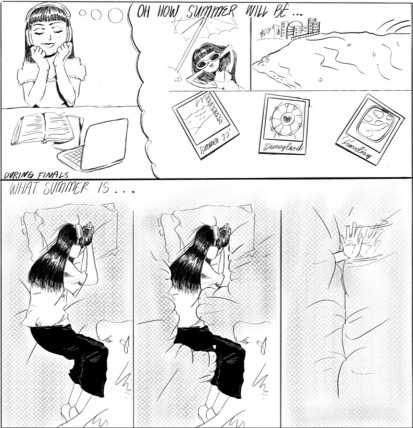
Cartoon: Summer ‘22

By PRISCILA JIMÉNEZ CORRALES — pjimenez@ucdavis.edu

Drawn by: Priscila Jiménez Corrales –– pjimenez@ucdavis.edu 

Disclaimer: (This cartoon is humor and/or satire, and its content is purely fictional. The story and names of “sources” are fictionalized.)

The conflict between queer identity and Muslim faith

Davis community members discuss struggles they have encountered as queer Muslims

By UMAIMA EJAZ — features@theaggie.org

Content warning: This article contains discussions of homophobia and trnsphobia that some readers might find disturbing.

Disclaimer: Some sources have chosen to remain anonymous for their safety. Saeed Zaheer and Sumaira Khan are pseudonyms for these sources’ identities. 

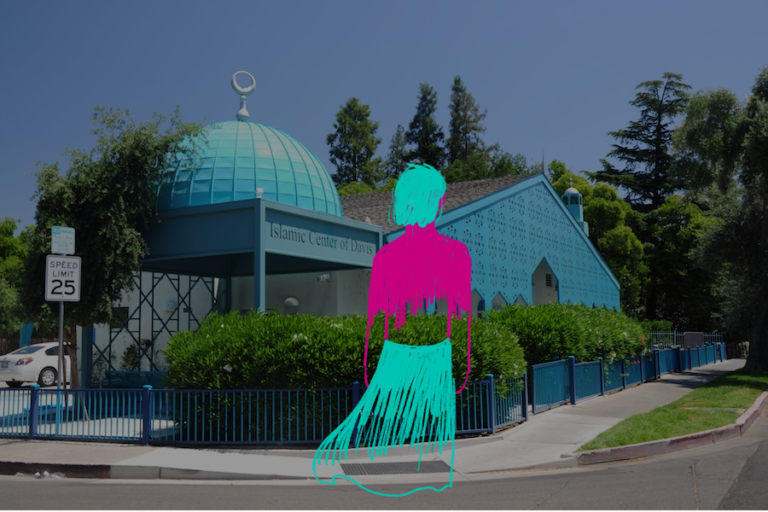
“Allah, can I please not cry once a month, when I’m not dressed as a woman?” Saeed Zaheer, a fifth-year Neurobiology, Physiology and Behavior (NPB) major, said. 

Zaheer, whose name has been changed, has lived as a brown cis male for 23 years. There were days when he wore khaki pants and a brown hoodie while he played his favorite instrument, a bass guitar. He said that it wasn’t until September 2021 that he recognized that there was more to his identity than he had previously thought. 

Nowadays he still wears khakis and a hoodie, but on others, he wears his black midi-length cotton dress, black eyeliner and favorite sneakers. Zaheer now identifies as a bisexual, bigender Muslim — bisexual meaning that he is attracted to more than one gender and bigender meaning that he identifies as a man and a woman simultaneously

It has only been a week since Zaheer made the decision to publicly share his identities, but he said that as a Muslim queer person, this means his problems “don’t add up they multiply.”

Although Zaheer grew up in a Muslim household, he said that it wasn’t until college that he truly embraced the religion. He said his family has been one of his biggest support systems, especially his father, who has always instructed him in the art of humility and acceptance, which he believes Islam teaches. 

Zaheer said that he has struggled to find a place within the community especially at the mosque — and he often does not want to go at all because he feels like he does not fit in.

“The Quran says the male is not like the female, but I’m not going to force anyone to be in those boxes,” Zaheer said. “I get tossed back and forth between these two boxes as a bigender person.”

Zaheer sees emulating his religion’s central figure, the Prophet Muhammad, as the ideal way to lead one’s life. He believes that the Prophet Muhammad would always address someone the way they wished to be addressed, as it is a Prophetic characteristic to be respectful to people, to speak to people gently and to call people what they wish to be called, especially if doing otherwise would cause them psychological distress.

“Even the Quran commands us to go observe the natural world,” Zaheer said. “There are researchers at the [American Pyschological Association (APA)] who believe biological factors such as genetic influences and prenatal hormone levels, early experiences and experiences later in adolescence or adulthood may all contribute to the development of transgender identities. The psychological evidence that this doesn’t go away is convincing.”

For Zaheer, the conflict that comes with having both of these identities has proven to be a threat to his faith, community and happiness. While Zaheer is trying to balance his life with his family’s help, he said that not all can.

Sumaira Khan, another student whose name has been changed, identifies as a bisexual second-generation Pakistani-American. She said that she spent most of her Sundays with her friends studying the Quran and eating the food her mother made in their home in Roseville. This home was far away from her roots, but she said that in these moments, she felt complete. She had found everything her identity and community in her hometown.

When she began to go through puberty, Khan recalls finding that she was attracted to girls, and how that changed this Sunday tradition for her. 

“I still remember how and when my favorite Sundays started feeling suffocated,” Khan said. “I felt like an imposter around my friends. They would make homophobic jokes, and I would stop and think, Oh my God, nobody in this room knows that I’m attracted to girls, and I feel like if they did, they would all be very uncomfortable with the fact that I was here.”

Khan wondered if perhaps, despite her friends’ close-mindedness, her parents would accept her true self if she were to reveal it to them. But that was not the case, she said. 

“I told my mom and my dad, and they freaked out,” Khan said. “Like with many other Muslim parents, it was a blame game. It’s your mom’s fault, or it’s your dad’s fault. ‘What did we do while raising you?’ After that moment, I think they’ve decided that I just never said that. They’re choosing to pretend like I didn’t say it. Every now and then, they say, ‘Thank God you’re not attracted to girls anymore.’”

Both Khan and Zaheer shared experiences of feeling that the Muslim community had generally been hostile toward the queer community. 

Imam Azeez, a senior imam (leader of prayer) and cofounder of the Tarbiya Institute, an Islamic organization, has been open about his apprehension towards the LGBTQIA+ community. 

According to Azeez, Islam doesn’t define people by a particular identity but teaches that God advises that there is a healthy way to live and that being queer is “not a healthy lifestyle.” 

“LGBTQ is a way of life that is not conducive to happiness,” Azeez said. “Islam doesn’t require me to impose anything on them or force anything on them. Islam requires me to maintain a cordial relationship, to maintain a mutual respect.” 

He nonetheless acknowledged that judging other people can indeed be harmful and emphasized the notion that everyone should be welcome at places of worship.

The Aggie reached out to the Muslim Student Association (MSA) for a comment but didn’t hear back from them.

Many young queer muslims still often feel unsafe in their communities, but some are working to improve their situations. Zaheer wants to study clinical psychology because he believes that there needs to be more people of color in the mental health field. 

“Some people’s view of gender is not something that can be applied to queer Muslims,” Zaheer said. “Telling a Muslim kid struggling with their gender that ‘gender is all made up; its just society,’ is not going to help. There needs to be more Muslim therapists.”

Written by: Umaima Ejaz — features@theaggie.org

City of Davis announces return of public piano program

“In the Key of Davis” public pianos reappear in Davis after a long hiatus


By RIDDHI PURANIK — city@theaggie.org


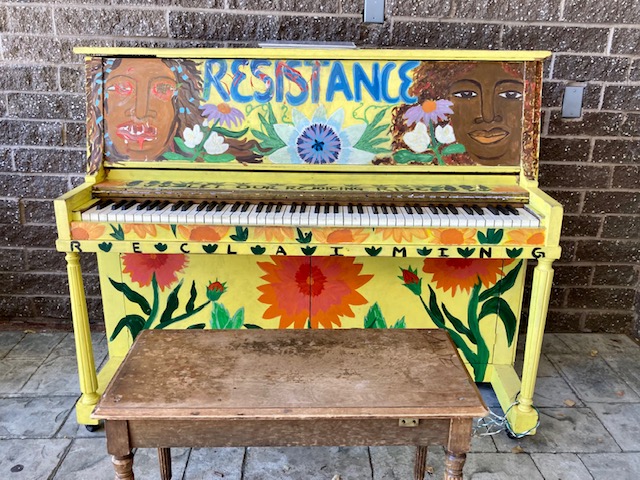
The city of Davis relaunched its public piano program, In the Keys of Davis, which features six pianos placed around town that are part of a public arts program run by the city of Davis. 

The city of Davis website outlines the locations of all six pianos. You can find them at Davis Commons (500 First Street), Davis Food Co-Op (620 G Street), Hunt-Boyer Plaza on the corner of Second and E Street and Mary L. Stevens Davis Branch Library (315 E. 14th Street). 

New additions to the collection include pianos at Manetti Shrem Art Museum (245 Old Davis Road, UC Davis campus) and at Central Park on the corner of Third and C Street. 

The new piano at Central Park was designed by Birch Lane School’s sixth-grade teacher Amy George’s students. The website states that the students were inspired to design the piano while conducting an in-depth study of Yosemite National Park. 

In the Key of Davis is supported by the City of Davis Arts & Cultural Affairs Program, and according to the city of Davis website, it was founded by two local teenagers, Isabelle and Hailey Shapiro. Laura Shapiro, organizer of the In the Key of Davis program and mother to Isabelle and Hailey Shapiro, elaborated on the inspiration behind the program. 

“The Davis program was started after my family traveled to Seattle and Vancouver and saw public pianos in those towns,” Shapiro said. “My daughters both play the piano and really enjoyed playing those pianos. It was so fun to surprisingly happen upon the pianos on our vacation. Our daughters thought Davis would be a perfect town to have a similar program because it values art and it is dry all summer so we wouldn’t have to worry about the pianos getting rained on like in the cities we visited. When we got back, they wrote a proposal to the city and the city approved the program and agreed to help sponsor it.” 

Shapiro said that her family hoped the program would foster community and interest in the arts. 

“Our hope was that it would encourage community building and allow people to feel that rush of excitement of discovering a new beautiful piano in an outdoor space,” Shapiro said.

In a press release, former mayor Gloria Partida recognized the importance of the program. 

 “The city recognizes the social and emotional health benefits of making and listening to live music,” Partida said in the press release. “The pianos help create a positive space to bring the community together.”

Shapiro talked about the nature of the organization. Since it is a volunteer-run organization, they appreciate people keeping an eye out on the pianos and using them appropriately so they do not get destroyed. 

The community’s response to the pianos has been very positive. Shapiro mentioned some of the positive effects that access to the public pianos has made. 

“Little kids getting exposure to a piano, people being able to practice when they don’t have access to their own piano, people being able to show off musical ability and impromptu jam sessions,” Shapiro said. “Kids have a sense of pride in creating something for the community. Some of the pianos have been painted by local artists or people associated with the Manetti Shrem museum so there is always a local connection.”


Written By RIDDHI PURANIKcity@theaggie.org


MLB’s top-performing pitchers halfway through the 2022 season

The Aggie highlights some of the best pitchers so far this major league baseball season


By PATRICK FIGUEROA — sports@theaggie.org


Having an ace starting pitcher can give a baseball team a significant advantage, as they can prevent their opponents from scoring runs and save a bullpen’s energy by pitching for more innings, but they are generally hard to find. With Major League Baseball (MLB) having recently had its annual all-star game, The Aggie wants to highlight some of the pitchers who made the cut, as well as highlight some pitchers that might have deserved to be all-stars but were unfortunately snubbed. 


Sandy Alcantara, Miami Marlins 

Sandy Alcantara has the best pitching record at this point in the 2022 season. In 19 games, Alcantara has pitched the most innings in MLB (138.1) with 123 strikeouts, a league-best two complete games and a 1.76 ERA. Alcantara is the early National League (NL) Cy Young favorite. 


Tony Gonsolin, Los Angeles Dodgers 

Gonsolin’s success this season is a surprise to some Dodgers, and baseball, fans. Through 17 games, Gonsolin has a perfect record of 11-0, a 2.02 ERA and the best WHIP (walks and hits per inning pitched) in the NL (0.843). Gonsolin’s surprising performance has turned out to be much needed for the Dodgers, who have dealt with pitching injuries this season. Clayton Kershaw has missed time this season and 2021 NL Cy Young candidate Walker Buehler is expected to be out for a few months. 


Joe Musgrove, San Diego Padres

After being acquired by the San Diego Padres in a trade with the Pittsburgh Pirates, Musgrove has been the Padres’ best pitcher this season. Through 16 games, Musgrove has been electric with a 2.42 ERA, 102 strikeouts and an 8-2 record. The Padres tried to extend Musgrove earlier this year, but negotiations fell through. If Musgrove continues to perform at this level, he should expect to become one of the highest-paid pitchers in MLB. 


Shane McClanahan, Tampa Bay Rays

After losing star pitcher Tyler Glasnow for most of last season and the start of this season with Tommy John surgery, the Rays needed a new ace pitcher, and Shane McClanahan has stepped up to the plate. Through 18 games, McClanahan is an early American League (AL) Cy Young candidate with a 1.71 ERA, 147 strikeouts, the most in MLB this season, and the highest WHIP in MLB (0.795). With the AL wildcard race heating up, McClanahan must continue performing at this level to maintain the Rays’ wildcard spot.


Nestor Cortes, New York Yankees 

In a starting rotation that features star Gerrit Cole, Nestor Cortes stands out as having the best 2022 season for the Yankees. Cortes has lived up to his nickname of the “Nasty Nestor.” Through 17 games, Cortes has a 2.63 ERA, 99 strikeouts and a 7-3 record. He is one of the primary reasons why the Yankees have the best record in MLB this season. 


Shohei Ohtani, Los Angeles Angels

The only two-way player in baseball right now, Shohei Ohtani, is having an excellent season on the mound. Through 15 games, Ohtani has a 9-4 record, a 2.38 ERA and 123 strikeouts. In addition, Ohtani provides elite hitting, with 19 home runs and 51 RBI.


Carlos Rodon, San Francisco Giants 

In his first year as a Giant, Carlos Rodon has been their best pitcher. Rodon has a 2.66 ERA, 131 strikeouts and an 8-5 record through 18 games. More importantly, Rodon has pitched 100 innings this season. If he reaches 110 innings pitched, he can opt out of his two-year deal with the Giants and seek a new contract this offseason. Given the way Rodon has pitched, this might be the best move for the 29-year-old.


Zack Wheeler, Philadelphia Phillies

The 2021 NL Cy Young runner-up Zack Wheeler continues to dominate in the 2022 season. After a disappointing April, where he had a 5.79 ERA through four games, Wheeler has turned his season around. He now has a 2.89 ERA, 108 strikeouts and an 8-5 record through 17 games. Some were surprised that Wheeler was not named an all-star. 


Dylan Cease, Chicago White Sox

While the Chicago White Sox have underperformed so far this year, Dylan Cease has broken out as a star pitcher. 26-year-old Cease has a 2.30 ERA, 142 strikeouts and an 8-4 record through 18 games. If the White Sox are going to turn their season around, they will need Cease to continue performing at this level.

These are just some of the best pitchers in baseball right now. Others not mentioned in this article include Houston Astros’ Framber Valdez, Toronto Blue Jays’ Alek Manoah and Atlanta Braves’ Max Fried. Baseball fans were able to watch some of these players showcase their talent in the recent all-star game, and they should keep an eye out for these players for the rest of the season to see who will win the NL and AL Cy Young awards. 


Written by: Patrick Figueroa — sports@theaggie.org


UC Davis researchers are first to measure percentage of live microbes in daily diet 

Scientists weigh in on how many microbes we should eat, how many most people are eating in everyday diet


By MONICA MANMADKAR — science@theaggie.org


Nutrients in food and beverages are essential to ensuring that bodies are equipped with the building blocks necessary to stay healthy and fight disease. UC Davis researchers have measured the number of friendly microbes in raw and fermented foods in participants’ everyday diets in a new study to assess how many of the necessary nutrients they are getting. 

For years, researchers have been studying the live microbes that can provide a health benefit when taken in certain amounts and what the daily intake of microbes is for the average person. The researchers at UC Davis noted how people’s diets decades ago contained a much higher level of living microbes than the level they found in most diets today. On the other hand, another set of researchers also suggested that several new diets in the past few decades have contributed to the rise of microbes in our diets.

 Dr. Maria Marco, who is a co-author of the study and a professor in the Department of Food Science and Technology at UC Davis, explained what she and her team hoped to discover through their microbe study. 

“We set out to test the hypothesis that exposure to non-harmful, commensal microbes in foods is associated with improved health,” Marco said. “Our rationale is laid out in more detail in the past paper we published in 2020.”

The researchers found that the consumption of live microbes has gradually increased in the United States over the last few decades. However, they also found that only about 50% of U.S. citizens consume foods with a high level of microbes, like fermented foods. 

“One cup of yogurt can contain up to 1 billion good bacteria,” Marco said. “Foods that are not cooked before eating, like fresh fruits and vegetables, can contain over 10 to 100 million microbes per serving.”

The researchers in this study are only setting the stage for the main objective, which is to see if the consumption of live microbes can be positively correlated with health status.

Dr. Colin Hil,l  a professor of microbial food safety in the School of Microbiology at University College Cork, Ireland and a co-author of the study, explained how the group of researchers hopes to further this research in the future. 

In the long term, if we can establish a positive link between the consumption of live microbes and good health, we could try to persuade authorities to include recommendations to consume live microbes in dietary guidelines,” Hill said.


Written by: Monica Manmadkar — science@theaggie.org


Sucrose consumption linked to increased risk of type 2 diabetes

Sucrose, sugar’s more natural form, found to be “as harmful” as high-fructose corn syrup


By MONICA MANMADKAR — science@theaggie.org


According to a study published by UC Davis researchers in the Journal of Clinical Endocrinology and Metabolism, consumption of sweetened beverages has been linked to increased risk factors for cardiovascular disease. Participants between the age of 18 to 40 were assigned to three beverage groups and instructed to drink three servings of a sweetened beverage for 16 days. In order to control the study, participants lived in the research center for the first and last 3.5 days of the study and ate a uniform diet on those days. Each group’s beverages were sweetened with a different sweetener: one with sucrose, another with high-fructose corn syrup (HFCS) and a third with aspartame. Aspartame is an artificial sweetener that is 200 times sweeter than sucrose. 

“Throughout the two-week span, liver fat and insulin sensitivity significantly changed within the two groups that were consuming the sucrose- and HFCS-sweetened beverages,” Dr. Kimber Stanhope, a co-author of the study and a researcher and nutritional biologist at the UC Davis School of Veterinary Medicine, said. 

Stanhope explained that their lab has been studying sugar and its effects on the body for many years. She said that she has found that usually, people only associate the negative effects of sweetened beverages with the consumption of aspartame-sweetened beverages; however, sucrose- or HFCS-sweetened beverages can also have negative effects. 

The study found that consumption of any of the sweetened beverages significantly increased liver fat and decreased insulin sensitivity in participants. These results indicate that young, healthy adults can be at an increased risk for developing type 2 diabetes and non-alcoholic fatty liver disease after consuming sugary drinks for just fourteen days.

“Our findings offer an important insight into how acute exposure to added sugars in the diet can put one at risk for severe chronic diseases,” Dr. Desiree Sigala, another researcher and a postdoctoral scholar in nutritional biology at UC Davis, said.

Sigala said that her interest in nutrition and human health was inspired by witnessing diet-related health disparities growing up in a predominantly Hispanic community in Central California. Following these results, Sigala said that she and her team are continuing to look at chronic disease risk factors associated with added-sugar consumption, investigating consumption over a longer period of time and in a more controlled situation where a carefully-formulated diet is provided. 

The researchers hope that these findings can have a positive impact on public health policy and create formative changes in the food environment — particularly in low-income and Black and Brown communities where access to affordable nutritious food has historically been limited and chronic disease prevalence has been disproportionately heightened.


Written by: Monica Manmadkar — science@theaggie.org


COVID-19 testing and the Daily Symptom Survey now optional for students

Free, voluntary campus testing has moved from the ARC to the Human Resources Building  


By KAYA DO-KHANH — campus@theaggie.org


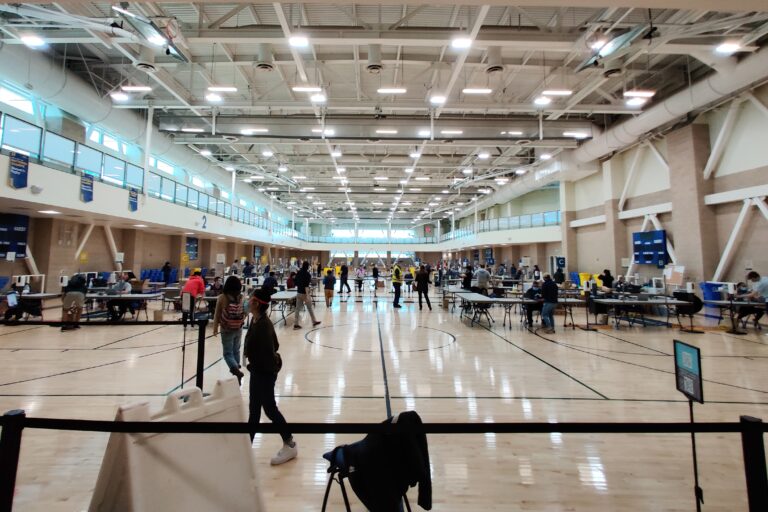
As of June 24, UC Davis has ended its COVID-19 testing requirement for students, according to an announcement from Chancellor Gary May on June 13. The free PCR tests will still be available to students and employees on a voluntary basis, according to Associate Vice Chancellor of Safety Services Eric Kvigne.

“​​I believe our students are resilient and will continue to utilize testing options albeit on a more flexible basis,” Kvigne said via email.

Along with the updated testing requirement, the COVID-19 testing kiosk has moved from the UC Davis Activities and Recreation Center (ARC) to the Human Resources Administration Building across the street. The new testing kiosk opened on July 5 and will be available via appointment through the 2022 calendar year Sunday through Thursday from 8:30 a.m. to 4:30 p.m.

“We continue to monitor and respond to the evolving context of the pandemic,” Kvigne said via email. “For the time being, we are at minimum planning to continue saliva-based testing through the end of the calendar year. Additionally, we are planning to test all new students living in on-campus residence halls at the time of move-in.”

Also effective as of June 24, students are no longer required to fill out the Daily Symptom Survey prior to entering campus facilities. The survey will still be accessible to students who wish to monitor their symptoms or to provide proof of isolation status. UC Davis employees working in university facilities will need to complete the survey as it fulfills  requirements from the California Division of Occupational Safety and Health. 

“For the Davis campus, we closely monitor our COVID-19 dashboard and Yolo County case and hospitalization rates, as well as other factors such as the seriousness of COVID-19 illnesses and the presence of the virus in wastewater,” May said in an email announcement. “We are optimistic that the current trend will continue downward. Regardless, we will continue to follow the direction of our Yolo County Public Health officials.”

According to Dr. Cindy Schorzman, medical director of UC Davis Student Health and Counseling Services, any student who tests positive for COVID-19 through campus testing or reports it to the university during fall quarter 2022 will receive information regarding isolation procedures.

“While the availability of dedicated isolation/quarantine space is dynamic, based on multiple factors […] Student Housing and Dining Services will work closely with those individuals in congregate on-campus housing to help them find the best solution available for isolation,” Dr. Schorzman said via email. 

The Campus Ready website provides the university’s most up-to-date health and safety requirements as well as guidance on what to do if exposed to an infectious COVID-19 positive individual. 

“We will continue to provide an isolation space program with priority being given to students living in on-campus residence halls,” Kvigne said via email. 


Written by: Kaya Do-Khanh — campus@theaggie.org

 

Makeup commencement and regalia refund updates announced after cancelled ceremony

The makeup commencement ceremony will be planned based on feedback from a survey sent out in late June to recent graduates, according to UC Davis Chancellor Gary May 

By JADE BELL — campus@theaggie.org

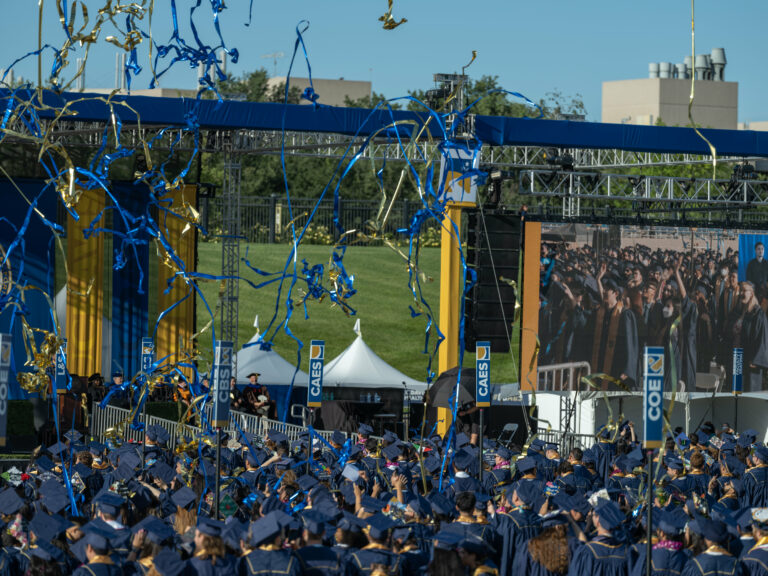
Plans for a $58 regalia refund and a makeup commencement ceremony for undergraduate students were announced by UC Davis Chancellor Gary May after heat safety concerns caused the original graduation ceremony on June 10 to be cut short

To address concerns such as travel and financial costs, the university sent out a survey for spring 2022 graduates to fill out by July 6, which May wrote about in his June 13 Checking in With Chancellor May newsletter.

“We are also working on a survey that we will send to […] impacted students about their feedback for the timing of a makeup commencement,” May said. “Once we get feedback from the survey, we’ll provide further details about dates and times.”

The survey, which, according to UC Davis alumna Marielle Rikkelman, was sent out to recent graduates on June 27, asked about how important certain graduation components were to them. These elements included walking across the stage, listening to student speeches, having their name read, student awards and so on. 

In addition, the survey asked undergraduate students to rank suggested times for a makeup ceremony. Those times were either late Aug. 2022, Dec. 2022, June 2023 or another time not listed. 

However, despite the use of this survey to gather feedback, students such as Alejandra Mejia, who recently graduated with a degree in psychology from UC Davis, cited various concerns about the makeup ceremony.

“I feel like the makeup commencement is a slap to the face to the student body,” Mejia said via Instagram direct message (DM). “UC Davis had months to plan. It is also a very privileged mindset for them to think that people and their loved ones have money to travel and take time off work for something that should have gone smoothly. UC Davis has the money and resources to plan a successful commencement. They chose not to, so I won’t be attending.”

Kai Obens, who graduated with a degree in design from UC Davis in the spring, also expressed travel concerns.

“I’ve planned out my whole summer with little margin for unexpected travel,” Kai said via Instagram DM. “I don’t think my family can make the time either, which would have a large factor in my decision.”

Bea Rondon, who graduated in the spring with a degree in cinema and digital media, applied for the regalia refund, expressing that it was the least she could do to ease the graduation’s financial burden on her family.

“Although I got to use my regalia during my assigned commencement ceremony on June 10, I did not get to walk up on stage and see my name on screen,” Rondon said via Instagram DM. “My family cannot take back the money they spent on plane tickets, hotel rooms, and car rentals to attend my commencement, only for it to be canceled midway. Applying for this refund is a small way I can make it up to my family for their financial sacrifices to support me and my graduation.”

Chancellor May also responded to student concerns about commencement being cut short in his June 13 newsletter. An update released on the day of the canceled ceremony announced plans for shortened Saturday and Sunday ceremonies which would include guest speeches but not reading the graduates’ names; following this update, May said that student feedback was taken into account in order to revise the plan again.

“After we shared that update with you, we heard from many of you about how important it was that you could cross the stage and have your name announced,” May said in the newsletter. “Because of the revisions we made to Saturday and Sunday’s ceremonies, we made it possible for everyone who attended either ceremony to be recognized on stage. Again, I want to acknowledge the disappointment that some of you have voiced on what should have been a time of celebration.”

Written by: Jade Bell — campus@theaggie.org


UC Davis Health study finds that long-term risks are associated with opioid dose reduction

Increased rates of overdose and mental health crises spur closer monitoring of patients undergoing opioid tapering


By BRANDON NGUYEN — science@theaggie.org


The opioid epidemic or crisis began in the 1990s when pharmaceutical companies marketed opioids as non-addictive and encouraged physicians and clinicians to prescribe the medication at a higher rate for patients with acute or chronic pain. However, this led to widespread misuse of prescription and non-prescription opioids as they led to addiction among users. 

According to the U.S. Department of Health and Human Services, over 10 million people have misused prescription opioids, not accounting for non-prescribed or illicit use of opioids. In addition, over 70,000 people have died from drug overdose due to the medications’ addictive nature. In response to the crisis, physicians across the country have agreed on efforts to reduce opioid dosages to prevent overdose, also known as “tapering.” 

A recent UC Davis Health study examined the potential long-term risks of opioid dose tapering. The researchers found that patients on stable but higher-dose opioid therapy who had their dosage tapered by at least 15% had significantly higher rates of overdose and mental health crisis in the second year after tapering as compared to their pre-tapering period.

Dr. Joshua Fenton, a professor and vice chair of research in the Department of Family and Community Medicine at the UC Davis School of Medicine and the lead author of the study, provided context around the efforts to taper opioid doses.

“It’s become increasingly clear that prescription opioids are connected to this larger problem of increased overdose rates annually,” Fenton said. “Over the past 10 years, there have been a lot of policy changes and regulatory changes that have come out from the CDC, for example, and tried to put the brakes on this. And sometimes, this has been done very rapidly, where doctors have taken patients who are on very high doses to much lower doses over short periods of time.”

This dramatic shift in dosage, Fenton explained, led to concerns of overdose and mental health crisis yet again, despite reducing the strength of the medication. 

“There’s been a lot of concern about the safety of that practice [of tapering] and the potential adverse effects of that practice,” Fenton said. “Some of our workers have really suggested that that’s a significant problem.”

For Dr. Elizabeth Magnan, a physician in the Department of Family and Community Medicine at the UC Davis School of Medicine and collaborator on the study, the crisis is much more complex than simply resolving it with tapering.

“The idea behind tapering was that we thought it would be safer for people, and we thought that perhaps people might even have better control in some cases, but newer research and anecdotal reports have shown that this might not always be the case and that there are risks with tapering,” Magnan said. “The crisis is very complicated, and I think that it has to be taken at an individual level between the clinician and patient, guided by some national guidelines and ideas, but not have a one size fits all or really strict guideline for how we manage people and their pain.”

Daniel Tancredi, a professor of pediatrics at UC Davis Health and co-author of the study, helped with the study’s design, which collected data from a database of more than 28,000 patients who had been prescribed long-term opioids over a 10-year period. 

“We used an innovative observational study design to understand the patients’ experience before and after opioid-dose reduction,” Tancredi said. “We compared outcome rates in pre- and post-taper periods with patients serving as their own controls. This design has the advantage of controlling for patient characteristics that may influence relationships between tapering and adverse events.”

According to the study, results revealed that for every 100 patients, there was an average of 3.5 overdose or withdrawal events and 3 mental health crises during the pre-tapering period, compared to 5.4 events and 4.4 crises in the second year of the post-tapering period. That is a 57% increase in overdose or withdrawal incidents and a 52% increase in mental health crises.

To account for the risks of overdose and mental health crises in the process of tapering, Fenton emphasized the need for doctors to closely observe and check in with patients prescribed opioids in efforts to end the opioid epidemic.

“The Department of Health and Human Services has made some recommendations to make the tapering process more bearable and successful for patients,” Fenton said. “Managing patients who are undergoing tapering and monitoring them is part of that, and we definitely think the patient should be seen regularly as they should be very carefully assessed for substance misuse, as well as how they’re tolerating the taper and their pain level and how they’re coping from a mental health standpoint. Problems with depression and suicidal ideation, for example, need to be kind of carefully monitored and addressed as they arise.”


Written by: Brandon Nguyen — science@theaggie.org


City of Davis celebrates the 4th of July 

The city of Davis hosted a free celebration honoring Independence Day on the 4th of July at Community Park. 


By RIDDHI PURANIK — city@theaggie.org


The city of Davis organized a celebration in honor of Independence Day on Monday, July 4 at Community Park (203 East 14th Street).

According to the City of Davis website, snacks and treats were available for sale from several local non-profit groups such as the Boy Scout Troop, Davis Musical Theatre Company, Davis Phoenix Coalition, Davis Youth Softball Association and the Tese Foundation. A game zone was featured in the celebrations hosted by the Discovery Christian Church. 

Carrie Dyer, Management Analyst for the City Manager’s Office, outlines the specifics of the game zone.

“The Fun Zone put up by the Discovery Christian Church has a lot of old fashioned games like corn hole, huge checkers and other games like that that everyone is welcome to enjoy.”

The Davis Kiwanis Club, which focuses on the well-being of the youth and seniors of Davis, presented their Kiddie Parade. The Kiddie Parade is a Davis 4th of July tradition that  the club has been  organizing since 1960. The Kiwanis website details the key components of this parade. 

The parade features Kids of any age through 6th grade entering their creations in one of six categories: wagons, bicycles, scooters, strollers, walkers and groups,” the website says, “The parade also regularly features the Davis Senior High School Pep Band, the City of Davis’ antique fire engine and the Nation’s Colors are presented by our local Boy Scout Troops.”

According to a press release, additional activities planned for the evening included the Swimsuits and Sparklers event at the Community Pool and watching the softball game hosted by the Greater Sacramento Softball Association at 8 p.m. Carrie Dyer talked about the live music  performances

“We work very closely with the Davis Live Music Collective,” Dyer  said, “We really appreciate our partnership with the Davis Live Music in terms of organizing music for us and stage management.”

Live music was coordinated by the Davis Live Music Collective. The 4th of July festivities were accompanied by live performances from AJ Lee, Blue Summit and The Coffis Brothers.

The annual fireworks display returned to Davis after a two year hiatus, as mentioned in the press release, due to the COVID-19 pandemic. This city-hosted firework display is the only legal use of fireworks allowed in Davis. Carrie Dyer, the Management Analyst for the city manager’, presented the firework display as the highlight of the City organized festivities for the 4th of July. Additionally, she encouraged the community to look forward to a fun evening. 

“Bring a blanket or some chairs and plan to enjoy the evening,” Dyer said, “Plan to come out and spend an evening with our community.”

The city of Davis website strongly discouraged celebrators from bringing dogs to the Community Park for the length of the fireworks show. Attendees were encouraged to use a bike or walk if feasible due to the limited availability of parking. Self-serve bike parking was made available in the Community Park in the dog run area, according to the press release. Mayor Gloria Patrida commented on the 4th of July celebrations in a press release

“The City of Davis is excited to bring back the 4th of July community festivities after a two-year hiatus. We look forward to the opportunity to gather family, friends and neighbors together in celebration as the City eases back into events.” said Mayor Gloria Partida.


Written By RIDDHI PURANIK — city@theaggie.org


New immunotherapy for dogs can help researchers understand lung cancer therapies

UC Davis researchers uncover and compare potential benefits of dog immunotherapies


By MONICA MANMADKAR — science@theaggie.org


Comparative oncology is one of five research programs within the UC Davis Comprehensive Cancer Center, which has a long history of supporting collaborative comparative and translational research between the medical and veterinary schools. This is in part because many models to study cancer require the induction of tumors into animals that have compromised immune systems, which can limit researchers’ ability to study novel immunotherapies for cancer.  

Naturally-occurring cancer is the leading cause of death in domesticated dogs, and several of these cancers are clinically, molecularly and genetically similar to cancers that occur in humans. Because dogs naturally develop these cancers in the presence of an intact immune system, studying novel immunotherapy strategies in dogs has the potential to help both dogs and people.  

  Surgical oncologist Robert J. Canter at UC Davis Comprehensive Cancer Center and canine oncologist Robert B. Rebhun at the UC Davis School of Veterinary Medicine are the corresponding authors of a study on immunotherapy for dogs that is helping them understand lung cancer therapies that could potentially be adapted for human use in the future as well. 

“Cancers that dogs get [are] very similar to the cancers that people get, so dogs are an innovative [model] to develop and translate novel cancer therapies — especially for immunotherapy, which is hard to study in mice and hard to test in humans because clinical trials are time-consuming and expensive,” Canter said. “We had an idea that delivering immunotherapy via a breathing treatment would overcome some of the barriers to success of this specific immunotherapy approach previously.”

The key results of the study were established from the first published trial which determined the safe dose of interleukin-15, an inhaled protein that serves to activate the immune system to fight cancer. Because it is inhaled directly to the lung, it is aimed at metastatic tumors that spread to the lungs. 

The goals of the study were to establish protein’s safety and determine if it helped to shrink any of the tumors. The researchers found that this treatment was well tolerated and, importantly, some of the dogs experienced durable responses despite only receiving a short two-week-long therapy.

While interleukin-15 has been shown to activate the immune system in human patients with cancer, when injected by itself, it has not proven effective.  

“Our trial showed that delivery of inhaled [interleukin-15] directly to the lungs of dogs could lead to durable responses,” Rebhun said. “However, based on the results from human trials and because less than half of the dogs appeared to benefit from this therapy, it is believed that [the protein] may be more effective when combined with other immunotherapy strategies.”

Canter also explained that the study found that the approach was well-tolerated and easy to administer with acceptable side effects. He said that since the immune system was activated in response to the treatments, the treatments were likely having at least some of the intended effects.

Since not all of the tumors responded, the researchers hope that ongoing studies will help identify whether patient- or tumor-specific factors could predict whether an individual patient, either dog or human, might be likely to benefit from this therapy. These results could also help guide the researchers in selecting different therapies for lung cancer, and ways of testing these therapies, in the future.


Written by: Monica Manmadkar — science@theaggie.org