57.3 F
Davis

Davis, California

Wednesday, December 24, 2025
Home Blog Page 366

Basic Needs and Services Referendum referred to Internal Affairs Commission at Feb. 6th ASUCD Senate meeting

Confirmations for controller, committee positions

The Feb. 6 ASUCD Senate meeting was called to order at 7:13 p.m. by Senator Shondreya Landrum. President Justin Hurst, Vice President Shreya Deshpande, Senator Lylah Schmedel, Business and Finance Chair Filip Stamenkovic and Gender and Sexuality Chair Elena DeNecochea were absent. 

After Senator Khalil Malik was elected interim Senate pro tempore, Landrum and Academic Affairs Commission Chairperson Naomi Reeley awarded seven students with ASUCD scholarships. 

Second-year Annoushqa Bobde was confirmed as one of the new External Affairs Commision (EAC) commissioners. 

“She has experience in a lot of things that our commision lacks right now,” said EAC Chair Shelby Sayler.

“As an international student, I understand how crucial it is for off-campus bodies to have a good relationship with the student body,” Bobde said. “And I want to help build those relationships and maintain those relationships.”

After Bobde’s confirmation, the Senate then moved into the Mental Health Initiative’s (MHI) quarterly report. 

The report was largely focused on the recent Mental Health Conference that took place on Jan. 25 and 26. The conference featured a total of 12 workshops on topics including legal policy, human trafficking and reproducitive health, as well as student and professional panels, a resource fair and break-out caucuses. 

Since the Mental Health Conference, MHI has been focusing most of its work on the upcoming Mental Health Awareness Month which will take place in May. MHI plans to have approximately 20 themed days over the course of the month, including days based around ethnicity, basic needs, LGBTQIA+ identities, incarceration and masculinity.

MHI discussed the outreach its done to get the Basic Needs and Services Fee Referendum passed, internal team growth and other ongoing projects. 

After, Internal Affairs Commission (IAC) Chair Ashley Lo left the meeting, and the Senate then moved into the reconfirmation of current ASUCD Controller Kevin Rotenkolber. Landrum gave her recommendation of Rotenkolber.

“[He makes] sure that we are not making bad [financial] decisions,” Landrum said. “He’s making sure that we’re keeping ourselves accountable, and making sure that we can come back in 20 years and see what we left behind.”

In his next term as controller, Rotenkolber said he would like to completely restructure the way that ASUCD Reserves are handled, in addition to continuing other current projects.

Rotenkolber was confirmed as controller.

The Senate then moved to confirm Maya Clark as the Transfer, Reentry and Veterans Committee chair. 

“She has incredible ideas for outreach, organizing of the community and ways to actively advocate for transfer, veteran, and nontraditional students,” Deshpande wrote in a letter of recommendation for Clark.

In the position, Clark hopes to focus on reestablishing the committee and collect data about the background of transfer, reentry and veteran students as to best direct the committee’s efforts. Additionally, one of Clark’s main goals as chairperson for the committee is to increase engagement of transfer, reentry and veteran students and provide them with resources to help their transition into UC Davis.

Clark was confirmed as the Transfer, Reentry and Veterans Committee chair.

Kaelyn Tuermer-Lee, the editor-in-chief of The California Aggie, gave the unit’s quarterly report. During the report, Tuermer-Lee spoke about The Aggie’s efforts focused on raising awareness about the Basic Needs and Services Referendum, The Aggie’s move from Lower Freeborn Hall to a house on A St., documenting the history of The Aggie and hiring new staff members. 

The Senate then moved into the confirmation of the Aggie Public Arts Committee chair. The candidate was confirmed.

During the introduction of new legislation, Senate Bill #31, a bill to put the Basic Needs and Services Referendum onto the Spring Quarter Elections ballot, and Constitutional Amendment #67, an amendment to rewrite and clean up the ASUCD Constitution, were referred to the IAC.

The Senate then moved into the confirmation of two students to the Elections Committee. Both of the candidates, as well as the Elections Committee chairperson and Senators, highlighted the importance of being impartial and fair. Both candidates were confirmed. 

Landrum then pushed the table back into the consideration of old legislation. Introduced by External Affairs Vice President Adam Hatefi, Senate Resolution #1 asks the Senate to endorse a previously outlined 10-year plan for the association, which includes business practice reforms, best practices surrounding the legislative process and the expansion of the association.

Along with slight grammatical and format adjustments, the major change to this resolution since it had last been introduced was ASUCD’s creation of a partnership with campus council, instead of hiring a legal fellow at the legal counsel’s office, which will result in no cost for ASUCD. 

The resolution passed as amended. After public announcements, ex-officio reports and elected officer reports — all mainly focused on the fee referendum — the meeting adjourned at 10 p.m.

Written by: Jessica Baggott — campus@theaggie.org

UC Davis physicist takes temperature of dark matter

Researchers learn more about properties of light-distorting dark matter particles

For a substance that makes up approximately 27% of the universe, there is surprisingly little knowledge about dark matter. Despite not actually detecting a dark matter particle yet, we know that dark matter exists because its existence is necessary for galaxies to hold themselves together gravitationally. We also know that dark matter distorts light from distant celestial objects, and this is the property that Chris Fassnacht, a physics professor at UC Davis, and his team utilized to study the substance. 

“I have been using gravitational lensing and high-resolution imaging (where you can see many small details) for over 20 years to learn about the properties of the Universe,” Fassnacht said, via email. “About 10 years ago, I started taking advantage of the new ‘adaptive optics’ technology that allows the Keck Telescopes to correct for the blurring effect of the Earth’s atmosphere to get really detailed images of gravitational lenses.”

Gravitational lensing is a non-traditional method of testing theories surrounding dark matter. It is the distortion or bending of light by distant objects as it passes by massive celestial objects. 

The standard model of dark matter assumes it to be ‘cold’ and thus have particles that move slowly in comparison to light. A warm model, however, has been proposed that explains the difference between what the cold model predicts and what observations reflect. 

“The goal was to see what limits can be set on the ‘temperature’ of dark matter,” said Leon Koopmans, a professor at Kapteyn Astronomical Institute, via email. “Warm dark matter clumps less and gives fewer or smaller anomalies in lensed images. Since we do see some anomalies, we can set limits on how warm dark matter can be (if it’s too warm, we would never see anomaly).”

This study looks mainly at flux-ratio anomalies, although “surface brightness anomalies” are also examined via techniques like gravitational imaging to provide insight into the temperature and corresponding behavior of dark matter. 

Former UC Davis postdoc John Mckean — now a professor at Kapteyn Astronomical Institute — was working with Fassnacht on the observation of gravitational lenses using the Keck Telescope in Hawaii. His goal was to identify companion, or satellite, galaxies to mainland galaxies to understand the overall mass distribution of the lenses. 

“[What is expected] is that the dark matter is quite smoothly distributed throughout the entire halo but if the dark matter is clumpy, that causes an aberration in the lens which causes the images to look different from what we’d expect in the case of a smooth model,” Mckean said. “What we are trying to do is to look for small differences between what we’d expect from clumpy or a smooth lens galaxy where the clumpiness tells us that dark matter is more consistent with the cold model. Or, if the clumpiness is quite low and the halo is quite smooth we think that is more consistent with what we call a warm dark matter particle.”

The hope is that this study will help narrow down the definition of dark matter, making it easier to identify. This research increases constraints on the nature of dark matter, laying the groundwork for tighter constraints in the future. 

Written by: Husn Kharabanda — science@theaggie.org

Review: Sex Education

The sex-ed course we all deserved 

The second season of “Sex Education” premiered on Jan. 17, and it has surpassed all expectations. Netflix has done it again, this time through a dramedy with the educational value of a documentary focused on the epidemic that is shoddy sexual education. 

The show takes place in a fictional town in the United Kingdom, where Otis, a sexually confused teenager, gives out sex advice to fellow high schoolers. The difficulties of adolescence, especially pertaining to sex and sexuality, are highlighted by the varying concerns Otis’ classmates express to him. 

Season two opens with school-wide hysteria over a misconception that chlamydia is airborne. The overdramatization of students’ reactions is amusing, but perhaps more valuable is the resolution of the scare, when we learn about the true nature of the disease. The audience is taught something about the treatable and common STI, while the storyline seamlessly transitions to Otis’ mother, a sex therapist, working at the school for the obvious need of improved sexual education. 

This is where the show succeeds in tying entertainment and education together; the plot is supported by the teachings of Otis and his mother to troubled sexual novices, but, at the same time, this gives viewers knowledge that may be common to some and news to others. 

This also makes way for some relevant social commentary. The extreme lack of education is what caused the dramatic reaction to an STI and, more generally, leads to the success of Otis’ business in sex therapy at the highschool. The slew of sex and relationship issues he addresses sheds light on the detriment of an uneducated group of youth who are sexually active and calls out our education system for its disservice to students who have been denied sufficient information about sex.

The show depicts the characters’ countless sexual inquiries on topics that should be covered in the classroom. When a young man wants to have sex with his boyfriend, he goes to Rahim, the openly gay new kid, for advice. Rahim calls him out for his inability to communicate with his partner; if he can’t be open with him, should he even be having sex in the first place? 

Maybe these conversations would be easier if we were taught that talking about sex is normal. For young people watching, this scene, among many others, offers reassurance and reflection on decisions about sex. 

The characters’ predicaments touch on some deep-rooted social constructions of gender and sexuality as well.

Otis and his girlfriend Ola offer up a different heterosexual dynamic than is usually portrayed onscreen. When Ola is ready to “go all the way,” Otis is still too nervous to do anything too crazy. Their relationship switches the stereotypical narrative of an uncertain girl who is pressured into having sex to an apprehensive boy who is constantly given space by the girl who is more interested in sex. Their open dialogue makes for a much safer and healthier relationship.

Then there’s Adam who, arguably due to his emotionally abusive and sexually repressed father, experiences internalized homophobia. His development this season highlights the forces that create men with this type of hateful personality and reminds us that we’re much better off owning who we are.

The struggles each character faces, sexual, social or otherwise, paired with a solid cast, make it easy to become invested in this show. In addition, the ‘80s aesthetic ties it all together — the interior design and fashion choices almost mock how far we are from adequate sex-ed.

In just two seasons, we’ve seen riveting character development and several societal issues get called out, with a lightheartedness throughout that makes this show so special. 

The title says it all. “Sex Education” gives us the awkward, hearfelt hilarity that is adolescence, while filling in the gaps in our own sex-ed knowledge. 

A television show shouldn’t be a better teacher than our education system, but given the circumstances, I’m not mad about it. 

Written By: Allie Bailey — arts@theaggie.org

An NYT columnist argued the humanities are in crisis, but UC Davis professors disagree

1

Academic apocalypse: in theory vs. reality

The study of English, and even the broader humanities, are coming under a crisis of apocalyptic scale — at least that’s the opinion of New York Times columnist Ross Douthat. In a recent article entitled “The Academic Apocalypse,” Douthat argued that in addition to the crumbling of departments due to a long-term trend of declining enrollment, the humanities seem to be experiencing a crisis of faith in humanities studies. Several UC Davis humanities professors, however, oppose this analysis and defend their field of work. 

Finding value in the humanities

According to English professor Claire Waters, not only has English enrollment at UC Davis remained consistent during this period of national decline, but the humanities remain necessary as they contribute creative skills and ways of thinking that can be applied to different career paths.

“Do we really want to live in a world where people aren’t creating things and thinking about them?” Waters asked. “It’s not like academic training in the humanities is the only place that that comes from, but I think it’s a sustaining force. I think it would be a loss not to have it.”

History professor Kathryn Olmsted said students can find similar value in taking history courses.

“I think the history major prepares the students for so many challenges in life and helps engender a lifelong approach to […] critically analyzing information, and this not only makes you employable, but it makes you a better citizen,” Olmsted said. 

Not only do the humanities provide necessary skills, taking humanities classes is no different than any other type of learning, according to English Professor Matthew Vernon.

“[The humanities] is thinking,” Vernon said. “It’s not mathematics, but on some level, I don’t know what the difference between a really tightly constructed logical statement and a really tightly constructed essay is.”

An apocalypse? Not so much

Despite steady enrollment in the English department, other humanities majors such as history have seen a decline. According to Olmsted, however, this trend is not concerning.

“The decline in history majors began with the 2008 financial crisis, and I think that’s a logical consequence,” Olmsted said. “When students become more concerned about getting jobs, they become more interested in more practical majors rather than liberal arts majors. I think that that will turn around. I don’t think it’s an apocalypse that we’re facing.”

English professor Matthew Stratton took particular issue with the fact that Douthat categorized this as a “crisis.” 

“A crisis [is] literally, ‘The world is ending,’” Stratton said. “I would rather see the English major disappear than all of the species and basically the globe disappear. But that’s a false choice. And that’s one of the problems with using the language of crisis is that it’s a false dilemma in the first place.”

A problem with the humanities or with faith?

Throughout the New York Times article, Douthat repeatedly used the word “faith” in connection with the humanities, ultimately calling for a renewal of faith and return to the humanism of the past. To Stratton, this language choice is problematic, and is consonant with his religious writings on faith.

“What he [Douthat] wants, as a self-described conservative Catholic, is some return to some mythically stable point of being, as if there was this moment in the Catholic Church that was stable and not evolving,” Stratton said. “I’d call this: Make the humanities great again.”

Douthat does not make a distinction between the nonreligious study of the humanities and humanism, which Stratton defines as Christian humanism, incompatible with modern understandings.

“If you ever come into the secular study of the humanities, […] what that means is you have […] a nonideological commitment to multiple perspectives and viewpoints, minimally,” Stratton said. “A faith-based intellectual inquiry means that you’ve arrived at some conclusions before you start your inquiry. … The moment at which you begin with ‘I am this and now I will go forth and start asking questions,’ you start running into problems ideologically.”

Stratton also said Douthat’s argument, to an extent, misses the point in discussing struggling English departments. 

“The language that he uses conceals or occludes a leap in logic that takes you from one domain of thinking — declining enrollments — to […] an obviously true answer, which is a return to some kind of faith in the way that things used to be studied or faith that the things are valuable in themselves,” Stratton said.

The concept of faith linked to the humanities also caused issues for Vernon. He said he was suspicious of faith because it allows room for oversight.

“Faith is useful for some things, but faith is often something that blinds you to things,” Vernon said. “With English, the question should be ‘Why didn’t we do this? What do we want to include?’ That questioning is so useful, […] and I’m not sure that the language of faith really encapsulates that.”

The evolving canon and global perspective

A principal issue in the study of humanities, specifically English, and in the creation of class curricula is the widening of the canon and its changing focus from western to global. For the study of the humanities to remain relevant, Douthat argued that academics should be debating this canon and reevaluating what to incorporate into humanistic education. For Waters, however, specifically defining the evolving canon is not a primary concern.

“The question is not so much about teaching a […]  narrower or wider canon, but about being responsible about thinking about what kinds of texts people need to have an awareness of to have a rich understanding of this realm of endeavor,” Waters said. 

To recover from recent setbacks, Douthat suggested humanities departments needed to justify themselves and find greater value in their study. Waters argued, however, that this phenomenon is true of any area of study.

“I actually think that almost any field you work in requires some sustaining of your faith in the worthwhileness of doing that work,” Waters said.

According to Olmsted, however, although the humanities could improve from an increase in student interest and renewed commitment, Douthat’s argument does not accurately represent humanities education today.

“I’m not going to say I wouldn’t encourage people to rededicate themselves to the humanities, but I don’t think it’s a crisis right now,” Olmsted said. “There’s a dip because of the economy. As the economy recovers, I think that there will be more humanities majors again.”

Written by: Sophie Dewees — features@theaggie.org

Humanities majors deserve better

Not everyone wants to be a doctor

For the sake of this column, the humanities’ unlikely hero is me. I would like to be taken seriously for once, and I’d like to defend my brothers in English, history, design and all of the other “useless” majors.

Entering my first year at Davis, I didn’t comprehend the magnitude of STEM and the stigma around other majors. I’m just a couple months in, and chemistry, biology and NPB have me in a corner. 

My friends compare problem sets day in and day out, bemoaning the insurmountable tower of work that sits on their desks every night. And then there’s me: the happy-go-lucky English major. 

I love my major – I’m not bemoaning a thing. In fact, I’m loving school. I get to read souped-up fairytales and write essays on literary terms for points. And to top it all off? I get to enjoy all the extracurriculars I want because I have a ton of free time. 

Regardless of all this happiness, some of the odd stares, raised eyebrows and smirks about my major got to me. I decided that I would try my hand at STEM by registering for a biology class this quarter. I felt that since the consensus about liberal arts majors was so wholly negative, there must be some truth to the matter — maybe humanities majors really are a cop-out. 

Let me tell you, there is a special type of dissociation that only occurs when you’re an English major in a biology lecture. 

As I sat down in my first class, I thought to myself: “This is what I’m supposed to be doing! This is what my parents are paying for!” I’m swiveling around in the fun seats in California Hall, my 30 colored highlighters ablaze, topped off with just a little too much caffeine. 

But about thirty minutes in, it dawned on me: “What the hell am I doing here? Why would I subject myself to this? How do people subject themselves to this?”

Sitting in that biology class three days a week for two weeks changed my mind completely. 

The professor was fantastic and California Hall was a dream. The notes were clear and concise, but I just didn’t like it. I couldn’t even pretend to be enjoying it. My passion for ornate graphs and lengthy data tables can only go so far. 

Kids who excel at the humanities are often underlooked in favor of those who are more STEM-oriented. They aren’t considered less intellectual, but their intelligence just isn’t recognized or celebrated in the same way as it is for STEM-oriented students.

For as long as I can remember, I’ve been particularly bad at math. I remember the snickers from my third-grade classmates one day when my teacher posted my “C” grade performance among an ocean of “As” for a math homework assignment. The next week, however, my language arts teacher read one of my essays out loud and cried. Despite this, I wasn’t considered a “smart” kid by my peers and, as a result, by myself. 

The truth of the matter, however, is this: No one major is better than another. To be a STEM major — or any major —  and have a superiority complex over other majors is completely bogus, particularly because any of us could’ve clicked the microbiology box over the history box when selecting our majors. 

I also think that the stigma surrounding humanities majors encapsulates students who are undeclared. Being undeclared is completely reasonable — maybe even more reasonable than deciding at the tender age of 18 that you want to spend thousands of dollars and eight more years to graduate from another school. 

Some argue that harder disciplines, by nature of their difficulty, are worth higher merit. I don’t have three-hour labs or impossible midterms, but I do have lengthy papers and seemingly incomprehensible readings. I’d suggest trying Chaucer out for size before disparaging English majors, or interminable tech weeks before belittling theatre majors. All majors are equally difficult in their own ways, and the level of difficulty does not define prestige.

What is most detrimental about dismissing a major is that it deters individuals from pursuing what they are most passionate about. I knew in my heart of hearts that I didn’t need or want to take the class, but I thought that taking it would somehow magically get me to like science and, therefore, help me secure my place in the workforce.

I’m here to tell all of my humanities majors and undeclared peers that there isn’t a point in coupling your dreams with someone else’s expectations. You aren’t wasting your time if you’re doing what you love. 

Written by: Isabella Chuecos — ifchuecos@ucdavis.edu 

Disclaimer: The views and opinions expressed by individual columnists belong to the columnists alone and do not necessarily indicate the views and opinions held by The California Aggie

Is going car-free possible?

It’s time we join cities around the world and make serious attempts to transition away from cars

My utopia is a city with car-free streets. San Francisco is one of my favorite cities, but the traffic and congestion is a primary reason for my irritation with cars. Two summers ago, during a brief visit to Amsterdam, I finally had the chance to experience my utopia. In three days I probably saw as many cars throughout the city as I did in a single hour in San Francisco. 

With an inordinate amount of cars and traffic, San Francisco is one of the worst cities to drive in. This is surprising considering that San Francisco has one of the better functioning public transportation systems in California — possibly even the country. The Bay Area Rapid Transit (BART) and the San Francisco Municipal Railway (Muni) are all fairly reliable services. I’ve always thought that if there was a city that could move toward going car-free, it would be San Francisco.

This past month, two miles of San Francisco’s Market Street — its busiest and possibly the most dangerous street for pedestrians — finally went car-free. Instead of being gridlocked with cars, Market Street has now been taken over by pedestrians, bicyclists and transit services like Muni. Making Market Street car-free has been a long time coming, and this year critical steps toward improving safety, mass transit and lowering carbon emissions were taken.

“More people move on Market Street than any other street in the city,” San Francisco Mayor London Breed said in a blog post on Medium. “It is past time to return this civic boulevard back to pedestrians, bicyclists, and transit riders to prioritize people first.”

San Francisco is one of many cities looking to move away from cars and toward streets that are more safe and environmentally sustainable. Due to the very present and imminent concerns over death from air pollution, cities such as Oslo and Barcelona have made significant strides to shift away from cars in order to dramatically reduce greenhouse gas emissions. Representative Alexandria Ocasio-Cortez’s Green New Deal also recognizes the role of prioritizing public transportation to reduce emissions.

But San Francisco, Oslo and Barcelona are all high-density and heavily urbanized centers. Going car-free in these cities only works when there is an ample amount of public transportation and almost every destination is made easily accessible. Last year, California Governor Gavin Newsom announced plans to forgo the San Francisco to Los Angeles segment of the high-speed rail due to budgetary concerns, instead focusing on segments of the rail that go through parts of California which lack proper mass transit. This includes Merced, Bakersfield and cities in between. This infrastructure project could serve as an economic boost to regions of the state that aren’t well connected to other cities. Connecting the Valley to the coast, however, doesn’t come without potential costs to consider, primarily social bifurcation.

Although ambitious projects such as the high-speed rails are commendable for moving toward more climate-focused policies, transitioning to car-free streets in rural areas means coming up with solutions that give residents the option to be mobile without a car. The high-speed rail is a much-needed technological feat, but would mainly serve to connect riders between cities. Improving local transit systems like bus lines is an important step not just for the sake of going car-free but because traffic congestion might not be a solely urban problem anymore. 

Making changes to the current transportation systems will not be an overnight fix — it’s going to require careful budgetary considerations, assessment of spillover effects and possibly even a reorientation of our physical landscape. This issue has been regaining traction, especially in the context of reducing greenhouse gas emissions. Transportation policy deserves to be in the forefront of our politics if we want to be able to alleviate not just traffic and congestion but reach our very ambitious, yet crucial, climate goals. Continuing to live a car-oriented life is unsustainable, a threat to public health and an economic drain.

Written by: Simran Kalkat — skkalkat@ucdavis.edu

Disclaimer: The views and opinions expressed by individual columnists belong to the columnists alone and do not necessarily indicate the views and opinions held by The California Aggie

Police Logs

0

Quiet down your drinking game!

January 30

“911 Hang up. Screen is broken, and he can’t seem to get his phone to stop dialing 911.”

January 31

“Black SUV seen driving in reverse and on wrong side of road.”

February 1

“Unknown subject locked themselves inside the women’s restroom, not allowing access to patrons.”

February 2

“Approximately 7 subjects playing loud music and generating a lot of noise while playing their drinking game.”

“911 Hang up. Incoherent male — when asked if he needed assistance, he provided his social security number and was asking about the FBI.” 

February 3

“Vehicle parked by tennis court has a nude occupant. Saw a light male leaning over in his vehicle which exposed his buttocks.”

“Ongoing issue with vehicle being tampered with; last week beer was poured over it and tonight it was egged.”

February 5

“Male came into store and stole liquor and chicken.”

Yolo County undertakes project that would widen roads, aimed at improving safety

0

Residents to have options of wider roads for bike safety

  In a press release published on Jan. 27, Yolo County announced that it will be undertaking a County Road (CR) 98 Bike and Safety Improvement Project. The project involves initiatives designed to benefit residents of Yolo County by widening roads such as CR 98 and increasing access for large agricultural vehicles. 

        “The project has currently received federal funding for preliminary engineering,” the press release read. 

        Darlene Comingore, a principal civil engineer and the head of the engineering group at Roads Division in Yolo County Community Services, provided details about the widening of CR 98 and other aspects of the project. 

        “The project will widen CR 98 from Solano County (Putah Creek) to 1300 feet south of CR 29 (north of Davis) to include, in each direction, a 12-foot lane, 8-foot paved shoulder (to accommodate wide agricultural vehicles and bicycles) and an additional 12 foot clear recovery zone,” Comingore said via email. “A clear recovery zone is an area where hard obstacles and steep slopes are removed so that an errant driver can recover from a mistake.”

        In order to incorporate these changes, ditches and overhead utilities need to be moved away from the new road that will be built. In addition, the project involves the widening of CR 98 and other components that are designed to benefit residents of Yolo County.

        “We are adding a class 1 shared path between the bike path on Russell [Boulevard] (CR 32) and Hutchison Drive,” Comingore said via email. “Roundabouts will be built at the intersections of CR 98 with Hutchison, CR 32 and CR 31.”

        Now in Phase II, the project is currently in its design and planning stage. There will be a southward extension of the improvements made in 2014 after Phase I of the Bike and Safety Improvement Project was implemented. Once completed, the project aims to promote increased bike safety for residents of Yolo County.

        “By having paved shoulders and clear recovery zones, there is less potential for accidents and especially injury accidents since drivers will have a place to escape in the event of errant drivers,” Comingore said via email. “It will provide easier and safer access for wide agricultural vehicles. It will provide a wide shoulder for bicycles and reduce the potential for conflicts between motorized vehicles and bicycles.”

        Not only will the widening of the CR 98 likely benefit residents of Yolo County, but also the new roundabouts currently being planned will better control traffic at intersections since vehicles can slow down without completely coming to a stop. 

Members of the Yolo County community can  participate and observe the development of the project as it progresses. Community members can also attend a meeting regarding the project and “review roadway, drainage, and proposed right of ways and provide comments on the initial intersection construction’s staging,” according to an alternate press release published by Yolo County.

The Yolo County Community Services Department held this meeting on Feb. 12 from 6 p.m. to 7:30 p.m. at the Social Hall of the Unitarian Universalist Church of Davis. 

The project to improve current infrastructure was long overdue.  

“There was not a discreet event that showed a need,” Comingore said.  “For decades County of Yolo has been working on improving our roads to include shoulders wide enough to accommodate bicycles. Especially on the more major through roads, where we have right of way or funds to expand the right of way we try to widen the pavement.”

The CR 98 Bike and Safety Improvement Project hopes to ultimately provide more options to those who need accommodations.         

Written by: Shraddha Jhingan city@theaggie.org 

California Babies Project works to better understand lives of Mexican families in Yolo County

Human development research focused on often overlooked communities 

In California, Hispanics have surpassed whites as the largest ethnic group in the state. Although it is often thought that this increase is due to immigration, it is actually caused by individuals already living in the state and building families. 

Hispanics increasingly choose to raise families in the U.S., yet little research has gone into understanding their family dynamics and childhood development. Instead, research in human development has historically been focused on white Americans of European descent, resulting in a lack of representative knowledge. Leah Hibel, an associate professor of human development and family studies, is striving to bridge this racial gap in scientific research and learn more about the lives of Hispanics in the U.S.

The California Babies Project began in 2017 with the intention of learning how stress factors impact childhood development in Mexican families in the Yolo County area. The project selected families that had already been studied through the California Families Project, a childhood development study that started at UC Davis in 2006. 

The children that are part of the ongoing California Babies Project are the descendants of those who participated in the 2006 California Families Project as children. Hibel’s study hopes to better understand the daily lives of the families through understanding the main stressors they are facing and the resilience mechanisms they rely on to combat challenges.

“The main goals of the project are to understand daily life as it’s lived, how parents are supporting their infants’ development and their infants’ ability to regulate their physiology, emotions and sleep” said Andrea C. Bühler-Wassman, a doctoral candidate in human development. 

To collect data on the families and children, the study started with children at six months old and plans to follow them until they reach the age of four. A key part of data collection relies on the diaries that the families use to document the many fluctuations in daily life during two-week periods.

“What is unique about this project is that we have the families filling out questionnaires each day, so we can see how life is lived each day and how each day is impactful,” Hibel said.

Beyond the daily diaries, a quantifiable aspect of the study is the recording of the stress hormone cortisol. To measure cortisol, saliva is collected from both the parents and the children. This physiological measure serves as an objective view of the parents’ stress levels and as an indicator for the way in which the parents’ stress is impacting their children. Additionally, sleep patterns are recorded to understand how differing amounts of sleep impact the health of the family members.

Although the study is still primarily in the data collection phase, early analysis has already identified stress factors and resilience methods among the families. Correlations can be found between partner hostility and the amount of sleep mothers receive each night. For mothers sleeping the recommended seven to eight hours a night, less partner conflicts are observed. These are experiences to which many families in the U.S. can relate; however, a specific stressor for the families in this study is the fear of deportation. 

The study has seen a significant difference in the depression symptoms for mothers who are worried about deportation compared to mothers with less concerns about deportation. Bühler-Wassman pointed out that it is not just undocumented mothers who are negatively impacted by the fear of deportation. Regardless of citizenship status, these mothers still have fears surrounding deportation — from concerns about other family members to racist assumptions that they might be undocumented — which may result in symptoms of depression. 

In the face of these stress factors, the families have shown strong resilience through familial support. The importance of family and the support members receive from one another helps them fight the challenges they face in the U.S. 

“We are currently studying how social support affects the families’ mental health, because when families are living in these stressful environments, the main thing that buffers that stress is familial support,” Bühler-Wassman said.

The researchers hope that more evidence-based research on Mexican families in the U.S. will ultimately lead to positive changes and more enjoyable lives for the families they study.

“I really want to make this research be reflective of the needs of the community and I hope that this research will be able to help them and give back to them,” Bühler-Wassman said. 

To help the families, policy and social services need to be catered to their specific needs. It is important for the societal support to be inclusive of all family types. This research will help policy-makers come up with specific solutions that will be most beneficial to the families they hope to serve. 

“It’s important to meet families where they are at and be able to provide families with prevention and intervention,” Hibel said. “We need to make sure those interventions are culturally appropriate and need them to be able to fit into their day to day lives.”

Although there has been widespread objection to policies that are negatively impacting immigrants and their families, Jonathan Mulligan Sepúlveda, a staff attorney for the UC Davis Immigration Law Clinic, emphasized that such policies have been this way for years.

“There does seem to be significant push back that is saying this is extremely inhumane policy, yet it seems like policy has been this way for a long time,” Mulligan Sepúlveda said.

Hibel stressed that it is ultimately a societal limitation to not support all the diverse aspects and people of the U.S.

“What is important to recognize is that our country is diverse and our communities are diverse, and that diversity is an asset,” Hibel said. “If we are not supporting and acknowledging aspects of our society, it holds our society back.”

Written by: Alma Meckler-Pacheco — science@theaggie.org

Online payment portal at West Village down as February begins

Residents encouraged to pay via check or money order

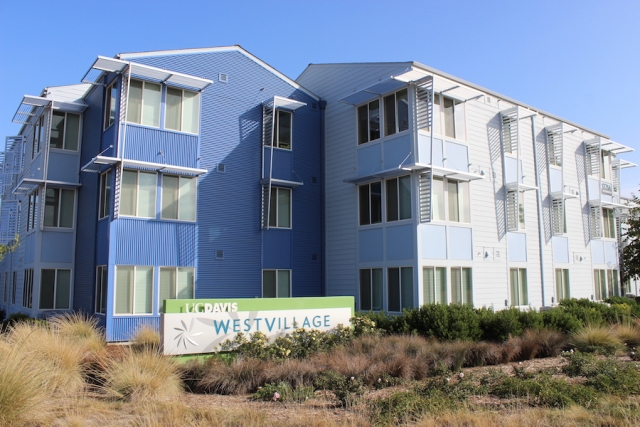
Residents of West Village, a luxury apartment complex in Davis popular among students for its pre-furnished homes and other amenities, have struggled to access their website payment portals for the past few weeks. 

According to a Feb. 5 email issued in response to an inquiry from The California Aggie, “residents and guarantors” of West Village received notifications about the issue on Jan. 29 and Jan. 31, respectively. 

“We have been made aware of an issue with our website, particularly in residents being able to access their portal,” the statement said. “Our IT team is currently working on a solution. As a result of the portal system being down, we encourage all residents to make installment payments via check or money order if possible.”

West Village — which is owned by Greystar, a company presiding over several apartment complexes in Davis — has promised to “honor a 5 day grace period from when the portal issue is resolved for online payments only,” explaining that it will update residents once the IT team has fixed the problem. 

This isn’t the first time that West Village has landed in the news for hindrances. In November 2019, some residents complained about the noise from a construction site, where UC Davis is currently building The Green, a Net Zero Energy apartment complex which is supposed to be ready for occupancy by fall 2021. 

Although West Village remains an appealing choice for students due its amenities and modern appearance, residents have previously expressed concern about a general lack of institutional responsiveness to issues including leaks, maintenance and roommate harassment. 

According to Yelp, within the past eight years, Sol at West Village has accumulated 103 one-star reviews, 14 two-star reviews, 12 three-star reviews, 61 four-star reviews and 53 five-star reviews. 

A Yelp graph mapping monthly ratings from the last four years shows that West Village reached its peak ratings in 2017. Notably, the apartment complex experienced a significant decline in these ratings between 2018 and 2019, and throughout the last calendar year, monthly trends appeared to be significantly lower than before. 

Written by: Rebecca Bihn-Wallace — campus@theaggie.org 

UC Davis D-Lab combines art, engineering in new course

From teaching to research projects, D-lab focuses on sustainability

When Dr. Kurt Kornbluth looks back on his time designing and building wheelchairs in Africa and Central America, he regards his work as only semi-successful. Although he built better wheelchairs, the project revealed an inherent flaw: He had not accounted for the societal changes that would be required to maintain the positive impact his work had made. Instead of getting discouraged, Kornbluth was inspired to integrate technology into society in a more meaningful way.

Kornbluth is now a professor in the department of biological and agricultural engineering as well as the founder and director of the UC Davis D-Lab. The D-Lab, founded in 2009, is Kornbluth’s realization of his goal. Kornbluth and his staff work with clients, both local and international, to develop low-cost, clean and efficient technologies that are uniquely situated within the client’s requirements and vision.

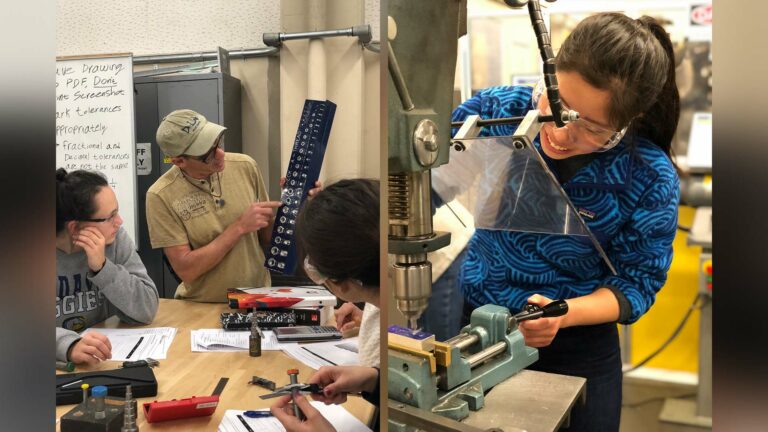
The D-Lab also maintains a strong educational component. D-Lab courses, typically offered quarterly, assemble cross-disciplinary student teams to create sustainable solutions for a real client, both in the planning and prototyping phases. The D-Lab teaches a methodology that guides students in research and integrates four lenses of sustainability: social, environmental, financial and technical.

Kornbluth’s courses are a type of research in and of themselves. Working with the dean of the College of Engineering, he is developing experimental courses for the Engineering Student Design Center and figuring out how to most effectively facilitate professional and hands-on learning experiences. Kornbluth developed these pilot courses over the past few years, with research focuses ranging from Zero Waste and Zero Net Energy to their latest collaboration: Art and Engineering.

  The Art and Engineering course is the conceptual brainchild of Kornbluth and Luke Turner, the exhibition manager at the Jan Shrem and Maria Manetti Shrem Museum of Art. Both Kornbluth and Turner aim to reconcile two disciplines that are often seen as being in diametric opposition.

  “Art foregrounds a dimension of criticality and social engagement that engineering projects do not necessarily require,” Turner said. “This art coefficient brings a surplus value to projects that engineers may not be trained to recognize or address.”

  Projects commissioned by the Manetti Shrem Exhibition Department focus on sustainable exhibition design and an increasing push toward accessibility. One student team is exploring the use of natural or biodegradable exhibition furniture materials and adaptable modular design to reduce waste of furniture that traditionally must be custom-made for each exhibit. 

Although the museum itself is designed to be highly accessible, students are also looking at how to make the exhibition experience for everyone. Possible directions include engineered pedestals that allow the artwork to be lowered, while keeping the piece out of harm’s way.

Another student is in the process of developing an “immersive tea lab experience” for the UC Davis Arboretum, using concepts of art, design and engineering to convert an RV into an accessible experience for all.

  The class also incorporates art theory into “traditional” D-Lab projects that involve both local and international solutions to sustainability issues. One of these clients is the Student Farm, for which the D-Lab is conceptualizing plans for an electric tractor that is both quieter and more efficient. International projects include sustainable logging and waste management systems in the Democratic Republic of the Congo and Burkina Faso, respectively.

  Outside of the course, the D-Lab plays a big role in the UC Davis zero net energy initiatives. Kornbluth is an author of “Big Idea: Sustainable Cities,” a plan wherein the UC Davis community serves as a microcosm of a city, and project-based student courses use sustainability research to solve campus energy problems.

  Although other renditions of the D-Lab exist, the agricultural and energy research underway at UC Davis offers an opportunity to develop and prototype systems that translate particularly well into the real world, especially in developing countries.

  Spring Quarter 2020 will see the continuation of the Art and Engineering course as “D-Lab II: Design, Build, and Test.” Students interested in the course or learning more about the D-Lab should reach out to the program manager, Abigail Edwards, at amedwards@ucdavis.edu. 

Written by: Kat Hanrahan — science@theaggie.org

Seeds optimize sprouting time based on genetic responses to environmental cues

Genetic variation across climates affects seed germination

Seeds may appear lifeless as they lay dormant in the soil, but inside each little capsule is a complex biochemical machine waiting for the right time to spring to life. A new study led by UC Davis researchers investigated how climate conditions may play a major role in regulating the timing of plant life cycles. 

The most critical first step in a plant’s life is germination is the process of a plant sprouting from a seed. For a baby seed, timing is everything. To maximize their chances of survival, seeds should germinate only when the environmental conditions are just right. 

“If they germinate when there is too little water around, or under the snow, or when there are too many competitors, the plant won’t be able to survive,” said Daniel Runcie, an assistant professor in the department of plant sciences, via email.

Germination depends on a number of factors, including internal genetic instructions. Variations in the delay of germination 1 gene, or DOG1, were previously known to regulate seed dormancy. Researchers hypothesized that DOG1 may also be responsible for seed responses to cold temperatures.

This study used a traditional model organism called Arabidopsis thaliana, which is a weedy, fast-growing plant in the mustard family also known as the thale cress. Although it is native to Europe and Asia, it has been introduced around the globe and grows in many different climates. It is also an annual plant, meaning its entire life cycle is contained within a single growing season. These plant characteristics — fast growth, a short life cycle and the ability to adapt to many climates — make its seeds the ideal model for this study.

“The germination characteristics of seeds vary in different parts of the world because they have been selected by different climates, so we used Arabidopsis thaliana seeds from across its native Eurasian range to investigate different germination responses,” said Alejandra Martínez-Berdeja, the study’s lead author and UC Davis postdoctoral scholar in the department of evolution and ecology.

Arabidopsis seeds were collected from different locations across Eurasia that represented a variety of local climates. The researchers brought seeds from over 500 distinct lineages back to the lab and subjected them to 13 different cold treatments. Exposing the seeds to different temperatures shows which environment each plant is best suited for.

“Cold treatments simulated different seasonal cold conditions including fall and spring experienced by seeds,” Martínez-Berdeja said.

The Arabidopsis seeds were removed from cold chambers and allowed to germinate, with a very diverse range of results. Germination varied along a gradient of climates, indicating that seeds are able to detect and respond to environmental cues like temperature.

In seeds from warmer climates in Western Europe, cold temperatures cause the seeds to stay dormant to outlast the winter and germinate when temperatures become favorable in spring, so the plant won’t freeze to death before it reproduces. In other plant lineages from colder climates like Scandinavia, cold temperatures actually induce germination so that plants will grow in winter when it is most advantageous in that area.

“That was the cool result of the study,” said Johanna Schmitt, a distinguished professor in the department of evolution and ecology, via email. “In some genetic lines, prolonged chilling induced secondary dormancy, but in other lines brief chilling actually induced germination [without] secondary dormancy. These strategies were associated with climate.”

Researchers found variations in the DOG1 gene that correlate with plants found in significantly different climates. Aside from its previously known role in controlling seed dormancy, these results now link alleles of DOG1 to certain climates.

“I think the most exciting result is finding that DOG1 — a gene that is already well-known to affect dormancy — really affects dormancy in multiple ways depending on what environment it ends up in,” Runcie said. “The effects of different alleles at the DOG1 gene depend on the environment.”

  With the discovery of the underlying genetic instructions for seed responses to climate comes further research questions. Although Arabidopsis thaliana is a simple model plant, farms that grow its relatives in the mustard family may also benefit from the results of this research.

“Arabidopsis thaliana is related to important crops such as mustard, cauliflower, broccoli and canola, so research findings can help understand the germination responses of other plants, including domesticated plants and other wild species,” Martínez-Berdeja said.

Understanding the mechanisms that influence germination times allows crop breeders and farmers to grow and harvest crops more efficiently. Maximizing germination rates not only helps farmers grow more plants with the same seed input, but also treating seeds before sowing helps the crops germinate at the same time and mature together as well.

“Germination — and particularly cold effects on germination — is very important in crops, as farmers need all plants to germinate at the same time,” Runcie said. “Better understanding the genes that control when seeds [choose] to [remain] dormant, and are thus more difficult to get to germinate, could help breeders develop varieties that germinate more consistently.”

Written by: Lauren Glevanik — science@theaggie.org

Davis School District sues JUUL over e-cigarette addiction among teens

0

Davis School District joins nine other school districts statewide seeking compensation for teen vaping epidemic

On Jan. 22, the Davis Joint Unified School District (DJUSD) filed a lawsuit against JUUL Labs, Inc. in the Yolo County Superior Court (case no. CV 20-93). DJUSD joins nine other school districts in a statewide lawsuit represented by Baron & Budd and Panish Shea & Boyle LLP.

In a media statement, DJUSD explained its reasoning for the lawsuit.

“Davis Joint Unified School District filed a lawsuit against JUUL Labs, Inc. for the company’s role in cultivating and fostering an e-cigarette epidemic that disrupts the education and learning environment across the District,” the statement read.

The District seeks financial compensation for truancy attributed to student JUUL addictions, educational programs about the dangers of vaping and enforcement actions including vape detectors and increased staff on school campuses.  

“Davis Joint Unified is holding JUUL accountable for marketing dangerous products to youth, which has, in turn, wasted resources intended for education,” said Davis Superintendent John Bower, according to the statement. “Our students and community deserve better.” 

Representing the school districts alongside Panish Shea & Boyle LLP, Baron & Budd released a statement that described the lawsuit’s scope. 

“These ten school districts, which represent over 900,000 students, are part of a statewide movement to hold JUUL accountable for the expenditure of public and taxpayer resources required to respond to the vaping crisis,” the press release read.  

DJUSD is joined by the Chico, Ceres, Campbell Union High, King City Union, Glendale, Los Angeles, Compton, Anaheim Elementary and San Diego School Districts in the fight against teenage vaping. 

JUUL described its efforts to limit teen vaping on its website in response to nationwide outlash against minors with vaping addictions. 

“In the fall of 2019, in response to the troubling rise of underage use, we took a series of wide-ranging actions, including suspending the distribution of non-tobacco and non-menthol flavored JUUL pods and suspending all product advertising through broadcast, print, and digital channels,” the website read

Upon first visiting JUUL, a pop-up asks for the age of the visitor. Selecting the “under 21” option redirects a visitor to teen.smokefree.gov. 

If a visitor selects an age over 21, they get access to view the website along with all JUUL products. If a purchase is attempted, however, the site initiates an age verification process that requires the buyer’s full name, date of birth, home address and the last four digits of a social security number. 

Despite JUUL’s actions to prevent teen vaping, the U.S. Surgeon General released a public advisory on vaping titled “The E-cigarette Epidemic Among Youth.”

“E-cigarette aerosol is not harmless,” the advisory read. “Most e-cigarettes contain nicotine. Nicotine exposure during adolescence can impact learning, memory, and attention. Using nicotine in adolescence can also increase risk for future addiction to other drugs.” 

The advisory also notes that many teen vapers are ignorant about the presence of nicotine in JUULs. 

“Despite these risks, approximately two-thirds of JUUL users aged 15-24 do not know that JUUL always contains nicotine,” the advisory read. 

The National Institute on Drug Abuse outlines the impacts of vaping on teen nicotine use on its website

“Vaping devices are popular among teens and are now the most commonly used form of nicotine among youth in the United States,” the website read. 

In 2018, 37.3% of high school seniors reported vaping within the past year, according to the National Institute of Health.

“We’re sending a message that when you create a problem and knowingly addict young children, we aren’t going to sit by and not respond or take some sort of action,” said Davis School Board President Cynthia Pickett, according to KRCA.

Written by: Eden Winniford –– city@theaggie.org

Creating community within the Domes

0

Student input on how this co-op serves as an oasis for personal connection

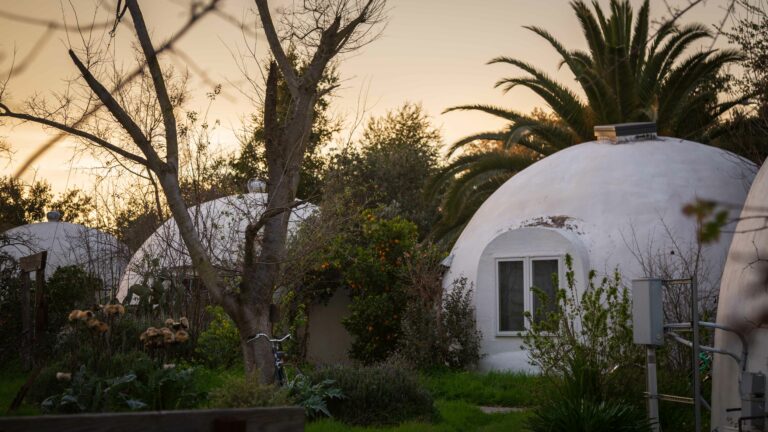
The Domes — a living-learning cooperative community on the Northwest edge of campus— are comprised of 14 white hemispheres that serve as a reminder of the free-minded thinking of the 1970s. Surrounded by foliage and gardens, this living community feels like an oasis, drawing students from a diverse set of backgrounds. 

Because of the Domes’ altruistic history, inhabitants still maintain an emphasis on innovative thinking and harmonious living. The Domes were inspired by a need for a low-cost housing option for Davis residents who wanted a unique housing experience. The utopian community was threatened in 2011, but it was saved thanks to student and supporter mobilization.

The structures themselves are made of fiberglass and are mounted on concrete bases. Each dome houses two individuals, and a loft inside provides additional space. Each dome is unique, which aptly represents the wide array of individuals residing there. Some domes have intricate murals passed down from former inhabitants, while others are home to a variety of indoor plants. The effect is a collection of all things new and old, making each dome drastically different from the last. 

Ross Collier, a fifth-year English major and a current resident at the Domes, has found the co-op experience to be both eye-opening and valuable.

“I used to have a very individualistic mindset, but coming here, it’s honestly better to have a more communal mindset because one, you can’t do everything by yourself and two, it’s good to have people there for you,” Collier said. “It’s a lot warmer and a feeling that’s hard to describe.”

Hailing from Oakland, Collier found out about the Domes from a friend, and was attracted to the initial notion of a supportive, community based group on campus.

The Domes’ culture of mutual support presents itself in a variety of ways, from nightly potluck dinners to weekend clothing swaps. According to Collier, the most rewarding element of the Domes is the sense of community built through acceptance and kindness. 

“Everyone is really open and kind, and wants to see everyone succeed,” Collier explained. “[The Domes] are here to advocate for anyone who needs help, and we value and cherish community and love and prosperity for people of all intersectionalities.”

Collier laid out the structure for his ideal society, mirroring the Domes’ call for change.

“I’m going to keep going back to that word: community,” Collier said. “Sometimes it feels like a lot of people are just out there for themselves, especially in this capitalist mindset. I feel like we need to focus more on people and on helping one another to bring each other up. I want a world where there is more equity and more community, because I feel like that will lead to less marginalization of different communities, [particularly] communities of color.”

Written by: Athena Aghighi — features@theaggie.org


Guest: Allegations made by anonymous members of the Greek community are false

ASUCD vice presidential candidate Akhila Kandaswamy and running mate, Kyle Krueger, respond to accusations that Kandaswamy unfairly targeted Greek life

Disclaimer: The views and opinions expressed by individual columnists belong to the columnists alone and do not necessarily indicate the views and opinions held by The California Aggie.

To the Editor: 

Re “ASUCD vice presidential candiate’s attack on Greek life is unjustified” by anonymous members of the Greek community (guest opinion, Feb. 17):

Hi, everyone! We would like to begin by stating that the allegations made in the article “ASUCD vice presidential candidate’s attack on Greek Life is unjustified” are false. 

The comment that I, Akhila, actually made was on collaborating with Greek life to implement a campus-wide policy. I, Akhila, proposed to have a sober safety patrol officer who is a member of Greek life themselves present at parties, not a police officer. A fraternity brother as a sober safety patrol officer is already standard practice under the UC Davis IFC (Interfraternity Council). This is also a widely used and accepted practice in universities across the U.S. We are genuinely interested in using research methods and other resources to assist the Greek community in making the UC Davis campus safer. Other individuals can confirm that this is the platform point that we have been publicly advocating for, rather than what was alleged in the article. 

We support lively, open discourse and debate on difficult topics such as sexual assault awareness and advocacy. We value hearing from a wide range of backgrounds and perspectives. But “ASUCD vice presidential candidate’s attack on Greek life is unjustified” was not interested in this constructive debate. We were never contacted directly about the claims made in this article, and the alleged comments attributed to us are slanderous, untrue and, frankly, unacceptable.

You may still disagree with us in some ways, and we look forward to learning from a wide variety of perspectives as we identify how to best end sexual assault on campus. But we think you deserve to know the truth regarding what was said.

Our slogan is “problem solving, not politics.” We came up with this slogan because we idealistically dreamed of a straightforward, positive campaign without slander or misinformation. And we still hope that it’s policy, not politics, that will matter most at the end of the day. Please reach out to us if you have any questions: krueger.kandaswamy4president@gmail.com

Written by: Akhila Kandaswamy and Kyle Krueger 

Akhila Kandaswamy and Kyle Krueger are running together for ASUCD vice president and president.