55.1 F
Davis

Davis, California

Saturday, December 20, 2025
Home Blog Page 493

Athlete Ally opens new chapter at UC Davis

0
COURTESY OF ATHLETE ALLY

Organization aims to educate athletics community, end homophobia in sports

Athlete Ally, a nonprofit organization dedicated to ending homophobia and transphobia in sports as well as activating the athletic community to champion LGBTQ+ equality, recently added UC Davis as a new chapter to its organization. UC Davis is now part of a list including 35 campus chapters, 188 pro ambassadors, and over 24,000 people joining the Athlete Ally movement.

The organization was founded in 2011 by Hudson Taylor. Taylor, a former “new breed” of wrestler out of the University of Maryland, is a three-time All-American and was ranked No. 2 in the country going into his senior collegiate season, according to the Athlete Ally website.

“My sport has given me everything,” Taylor said. “I think that still in 2018 LGBTQ+ athletes are being denied those same opportunities, experiences and access and it’s a shame. If we are not trying to do something about it I think we are in part responsible for it.”

A theatre and drama major as well as a wrestler, Taylor witnessed friends come out and be accepted in the theater environment, while homophobic and sexist comments were uttered nonstop on the wrestling mat. In order to stand in support with the LGBTQ+ community, Taylor made a decision that ended up being a driving force in starting Athlete Ally.

“I was in a really unique position,” Taylor said. “I was the captain of my team so I had a lot of privilege and I had the platform. I started speaking out and did what I thought was a small gesture in wearing an LGBTQ+ sticker on my headgear and as a result of that I got 2,000 emails from closeted athletes. So that was sort of the moment of wow there is a real need and we can have a real impact if other athletes also speak out.”

Taylor initially had an idea to compile all of the e-mails sent to him and tell all of the stories of LGBTQ+ athletes, and wanted to create Athlete Ally as a platform to tell stories. Once he created the website, made a pledge for the organization and started touring around the country speaking at different colleges and universities, Athlete Ally quickly grew in support and infrastructure to become what it is today.

Today, Taylor believes that it is more important than ever to continue to speak out in colleges and universities about solving this issue. After he received an email asking him to come and speak at UC Davis, he knew that this was an opportunity to continue to advocate for Athlete Ally.

“We want to solve the problem and the only way we can do that is if our efforts are scaleable,” Taylor said. “Working in professional and collegiate sports you have massive governing bodies that if one thing changes, it has a huge ripple effect on the whole organization. It is really those athletes who are going to practice and class everyday who know first hand if it is an inclusive environment and what needs to change.”

After Taylor’s speech at UC Davis, junior forward Hailey Rittershofer, a member of the UC Davis soccer team and student athlete liaison of the LGBTQ+ center on campus, approached Taylor about opening a new chapter at UC Davis, which she now leads.

“For the [UC] Davis chapter, our goals are to foster inclusion in athletics and in the athletic community,” Rittershofer said. “We do that through education of our members to spread that education, social activities within the LGBTQ+ community and social events to bring different people together, both allies as well as people in the LGBTQ+ community.”

All students are welcome to join the UC Davis Athlete Ally chapter. The only  requirements are to attend one meeting and participate in one event. The schedule for this quarter’s chapter meetings are still being finalized, but meetings are expected to happen four times throughout the Fall 2018 quarter, with one big event held.

“This is a club where members and officers feel like family and it’s a club where people that are very diverse can get together and that are passionate about supporting the LGBTQ+ community,” Rittershofer said.

Rittershofer is proud to have a chapter for Athlete Ally at UC Davis, and believes that it is extremely important to continue to foster equality inside and outside of athletics.

“Whether you are an athlete and you are of a particular race or you have a particular gender or sexual orientation, it’s harder to be something more than just ‘the athlete’”, Rittershofer said. “I think it is especially important to me that Athlete Ally gives people with different intersections and orientations a chance to be themselves and get the most out of their [UC] Davis experience. I feel really blessed and thankful to be a part of this organization. It has been a big learning/growing experience and I hope I can run it as best as I possibly can to represent the Davis community.”

Anyone who wants to learn more about Athlete Ally can visit its website, and more information about the UC Davis chapter can be found on its Facebook page.


Written by: Ryan Bugsch — sports@theaggie.org

Humor: I have invented a new sport: baseball

JAMIE CHEN / AGGIE

I have labeled it “America’s Pastime”

If there is one thing America lacks, it’s sports. We just don’t really have a lot of them! So far we only have foosball… hot-dog eating contests… those prize machines in bowling alleys where you have to use the claw to pick up your prize. Oh, also bowling.

Seeing as we have a meager selection of sports to choose from, I figured I would introduce a new incredible sport completely of my own invention.

I call it “baseball.”

When you read that, I’m sure there’s just no possible way you could ever imagine how such a sport is played.

Well, the first rule is that you can’t use your hands. Just throw that right out. Don’t got hands? Well that’s alright, ‘cause in this one you don’t need ‘em.

The next rule is that you can’t use your feet. I think you see where I’m going with this. Don’t got feet? Great! Knees, however, are necessary for this sport. You better have some goddamn patellas.

Next, cups for folks with penises is very necessary, and a guard for folks with vaginas is also very necessary. Protection is important. Of course by now you know exactly where I’m going with this.

You see, there is in fact a ball in this sport. But no one can touch it with anything except their crotches. Unconventional. Avant garde. Sports are self-expression and this is my canvas.

There are no points, by the way. Or winning. Games are about four hours long and really all you do is knock this ball around. By the way, the ball is made entirely of concrete. I know, I know… this is incredible.

Close your eyes. Picture two teams of six in a dirt pit four feet deep and twenty-by-twenty feet wide and long. All of them are on their knees, sweating and thrusting with their hips wildly at this concrete ball.

Truly, this is what people mean when they talk about how sports can bring out the best in the human spirit. You are welcome.  


Written by: Aaron Levins — adlevins@ucdavis.edu

(This article is humor and/or satire, and its content is purely fictional. The story and the names of “sources” are fictionalized.)

Cartoon: Bus Stop

ROSEY MOREARTY / AGGIE


By ROSEY MOREARTY — rosey@morearty.org

Tune into KDVS

VENOOS MOSHAYEDI / AGGIE

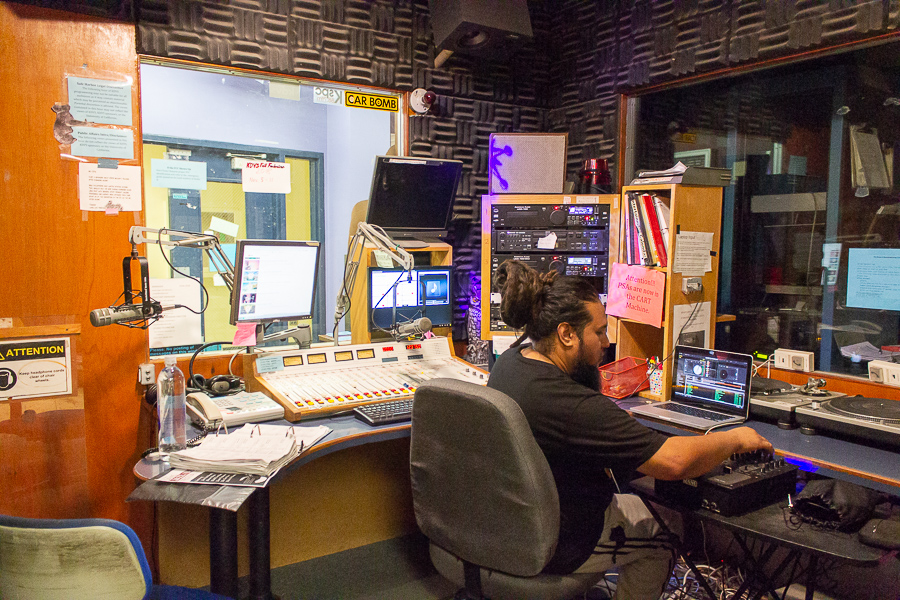
Preview of what KDVS is offering this quarter

In the basement of Lower Freeborn, KDVS is dominating the airwaves 24 hours a day, just as it;s done since the 1960s. The new school year brings both new programming and returning favorites. Students and community members tuning into 90.3 FM can expect a wide variety of shows.

“I think the beauty of KDVS is that you can hear anything and everything at a different time,” said Ammaar Vayani, a second-year year chemical engineering major and the KDVS staff development coordinator. “So if you’re listening to reggae for an hour, the next hour it could be something completely different. It could not even be music it could be a talk show, it could be news, it could be sports.”

Noel Fernandez, a second-year economics major, hosts “The Circumstance” on Tuesdays from 1 to 2:30 p.m. His colleagues have applauded how he takes spoken word records and layers them over other tracks.

“It’s a mishmash,” Fernandez said. “[My show is] mostly like electronic music, but a lot of hip-hop too. I felt like that track was barren, it was like a James Blake track. I felt like I could add something to it. So I tried, I guess, to put my mix onto it.”

Most of the staff can agree that one of their favorite shows is “A Face for Radio,” hosted

by community member and renowned local DJ Indiana Chones. The eclectic show airs Monday nights from 8 to 10 p.m. and features a variety of early 80’s R&B mixed with 60’s and 70’s world rock.

“[Indiana Chones] is really into finding music of the specific genre he likes from different parts of the world,” Vayani said. “So sometimes he’ll play an Ethiopian record or Ethiopian garage rock or Turkish funk. He’s super into record digging. He’s a really cool community member that we have and he’s super passionate about records.”

Other returning favorites are “The Office Hour” and “Dr. Andy’s Poetry and Technology Hour.”

“The Office Hour” is hosted by professor of religious studies Naomi Janowitz. She interviews other faculty members on campus to inform the public about what is happening at UC Davis. It airs 5 to 6 p.m. on Tuesdays. “Dr. Andy’s Poetry and Technology Hour” airs 5 to 6 p.m. on Wednesdays.

With about one-third of the programming being new shows, listeners have a lot to look forward to. New shows that have staff members especially excited include Esquire Ali’s “Gunesh Enterprise” and “The Saturday Morning Folk Show.”

“Gunesh Enterprise” features Esquire Ali speaking to listeners over popular soundtrack music as if on the intercom of a spaceship. It airs on Thursdays from 2 to 4 a.m. “The Saturday Morning Folk Show” is exactly like it sounds — three hours dedicated to folk music.

“This is the first time in a while I’ve seen a folk-only show by students,” said Becca Ridge, a fifth-year gender, sexuality, and women studies and communication double major and KDVS fundraising director. “I’ve just never heard of like, twenty-somethings who are really into that, so that was kind of cool to see.”

KDVS will also be hosting an art gallery and music show in Sacramento on Nov. 3. At the 1810 Gallery, KDVS will kick off its weeklong fall fundraiser with 12 KDVS DJs performing and local artists selling their art. Information can be found on the KDVS Facebook page and website.

KDVS represents Davis’ diversity in thought and embodies the idea of freeform radio. The station is open to anyone in the Davis community who is interested in either volunteering or just perusing the record collection and taking a step back in time by looking at all the memorabilia decorating the walls.

“There’s nothing else like it,” said Gabe Ferralez, a fourth-year math major, who goes by DJ Booger. “Coming down here, it’s kind of like away from everything else on campus, away from anything that isn’t just music and arts and culture. […] getting into a conversation with someone, you’re more likely to come across some niche something you’ve never heard of before.”

Written by: Liz Jacobson – arts@theaggie.org

Eighth annual International Festival

JULI PEREZ / AGGIE

Davis residents come together to rejoice in unity of diversity

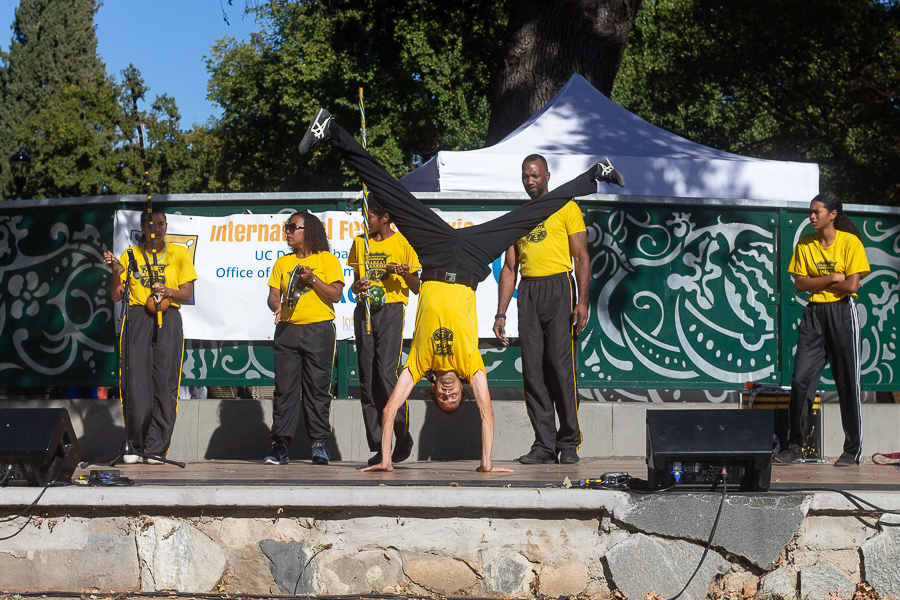
Thousands gathered together to commemorate the unity of diversity at the International Festival, located in Central Park, on Oct. 7. This year marked the eighth annual International Festival sponsored by the International House, which included food trucks, culture booths,  dance performances and even live music. Residents look forward to the first Sunday in October every year, making the festival a Davis tradition.

The best part of the event for me is seeing so many people sharing what they love most about the places they are connected to with so many people of all ages in a beautiful environment full of music, dance, crafts and food,” said Rijin Sahakian, the executive director of the International House. “The fact that it is free and open to the public is mark of what a unique, enjoyable community event this is.”

With the growing popularity of the festival, this year included new participants like Sudwerk Brewery, the UC Davis Campus Community Book Project, Taller Arte del Nuevo Amanecer and a Woodland-based silkscreen workshop.

There were many notable attractions at the lively event. Performances ranged from Japanese taiko drumming to a Brazilian Capoeira demonstration and so much more. Food trucks lining the grassy field filled the air with the sweetness of churros and the mouth-watering flavors of Greek gyros. People from near and far were able to feel back at home again as varying cultures were vividly exhibited.

“I am fortunate to work with the Davis Phoenix Coalition, the Yolo Interfaith Immigration Network, My Sister’s House and the Multiculturalism Rocks! pop-up bookstore,” said Anoosh Jorjorian, the program and outreach manager for the International House. “I’m a fan of so many of the local businesses that participate in the festival. I love to see them make new connections. At the I-House Davis booth, I get to see friends and their kids enjoying themselves because of our hard work. This is what we do it for: bringing people together to learn, to share, to have fun and to connect.”

Booths like Jorjorian’s were excited to be present at the event and used the time to acknowledge the spectacular local businesses in Davis. These booths and countless volunteers helped bring the whole festival together for all to enjoy.

It was my second time going, and I love seeing the diverse representation of culture in Davis, especially since it’s sometimes hard to connect with that when being on campus all the time,” said Katherine Mushik, a Davis resident and festival attendee. “It’s a refresher to see the community outside of college students, and I think the International Festival really shines light on that concept.”

The International Festival brings those from diverse backgrounds together to rejoice in the love they have for their cultures.


Written by: Lauren Tropio — city@theaggie.org


Students live in Tercero residence halls despite ongoing construction

RAUL MORALES / AGGIE

Pine, Currant Hall residents compensated with Aggie Cash for inconvenience

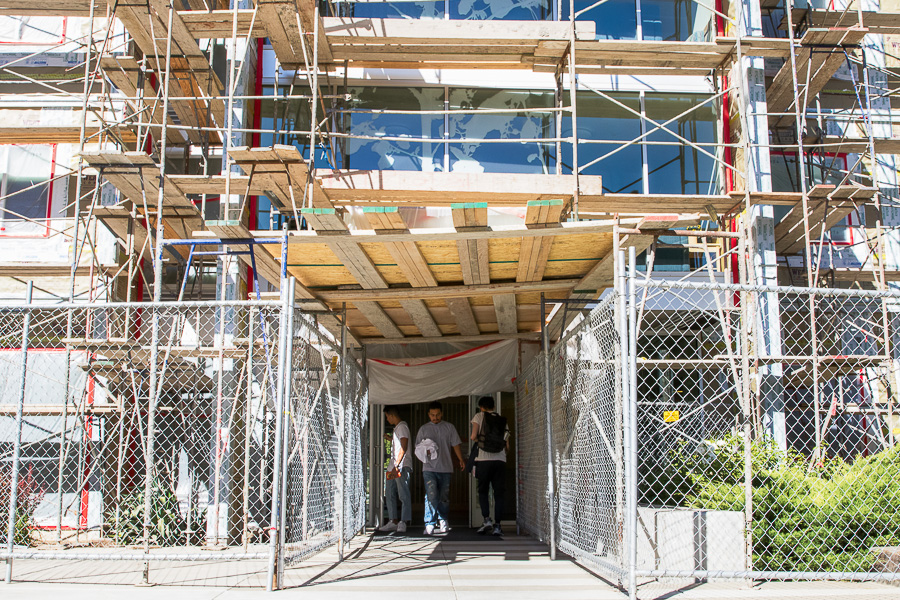
Two residence halls in the Tercero housing area remain under construction while students occupy them.

Scaffolding surrounds Currant Hall and Pine Hall while the buildings are being retrofitted for a water-intrusion issue that causes windows to leak when it rains. There is no stucco on the outside of the buildings and access to windows is cut off from students by plastic coverings.

“The plastic sheeting covering the windows is required to protect them, and to provide students with privacy while the work is in progress,” said a notice posted on students’ doors in each of the buildings.

Currant and Pine Halls were first occupied by students in 2014 and the water-intrusion issue was noted during the first winter rain season, according to Mike Sheehan, the interim executive director for Student Housing and Dining Services, via email.

“We began systematically addressing the water intrusion issues starting summer of 2017 when we worked on four of the seven buildings,” Sheehan said. “During the summer of 2018 we began work on Pine and Currant.”

Students were notified about the work being done on their buildings, but only shortly before they were due to move in. It was anticipated that work could continue into Fall Quarter, Sheehan said.

Even with the notice, the construction did not deter students like Grace Chitoures, a first-year undeclared major and resident of Currant Hall.

“I was sent an email maybe a week before I moved in, so it was after all housing things were made final — after roommates, etc.,” Chitoures said. “I didn’t really want to not live in Currant because it’s the [University Honors Program dorm].”

Because of the construction, special considerations were made to get feedback from the students who are living in the buildings.

“During opening weekend, a number of staff made themselves available to residents and family members to answer questions and hear any feedback,” said Branden Petitt, director of the Office of Student Development, via email. “So far, there have only been a couple of e-mail inquiries about the early start of some of the work being done. Overall, the residents have been understanding of the situation and we have had very few complaints.”

The site is safe and noise is the largest impact on students, according to Sheehan.

“Dust is minimal,” Sheehan said. “The contractor may start setting up at 7:30am but construction does not begin until 8am and ends at 4:30pm. Bike parking is available on the site but locations right at the building entry points have been blocked off.”

Chitoures spoke about the work being done early in the morning. She said that work does start around 7:30 a.m., but that it isn’t necessarily a bad thing for her.

“It’s kind of good I think because if I wake up at 7:30 a.m. then I start doing my stuff and I don’t sleep in until like 9, 10 o’clock,” Chitoures said. “So in some ways it’s really helpful to remind yourself to get started on your day, start doing your homework etcetera.”

Students were given $50 dollars of Aggie Cash to compensate students for the inconvenience. They also received UC Davis-branded Tupperware-type containers. According to the statement posted on student’s dorms, there will also be special events held, like ice cream socials and coffee carts, to mitigate the burden of the construction.

Most recently, Sheehan said it was just finalized and agreed that all Pine and Currant residents will receive a $300 credit on their November bills.

“We also notified them that there will be some work happening on occasional Saturdays,” Sheehan said. “This is to ensure that the project gets completed as soon as possible and prior to the winter season.”

When it comes to the cost of living in the dorm, however, the price has stayed the same, according to Chitoures.

“Our bill is the same, which kind of sucks, but I think they are supposed to be giving us coffee carts and various events over the quarter, but I don’t know, they might be on the schedule,” Chitoures said.

When asked if she had seen any of these special events, Chitoures responded, “Nope!”


Written by: Kenton Goldsby — campus@theaggie.org


ASUCD senator announces opposition to working with president

JORDAN CHOW / AGGIE

Htoo accuses Gofman of disrespect, Gofman denies allegations

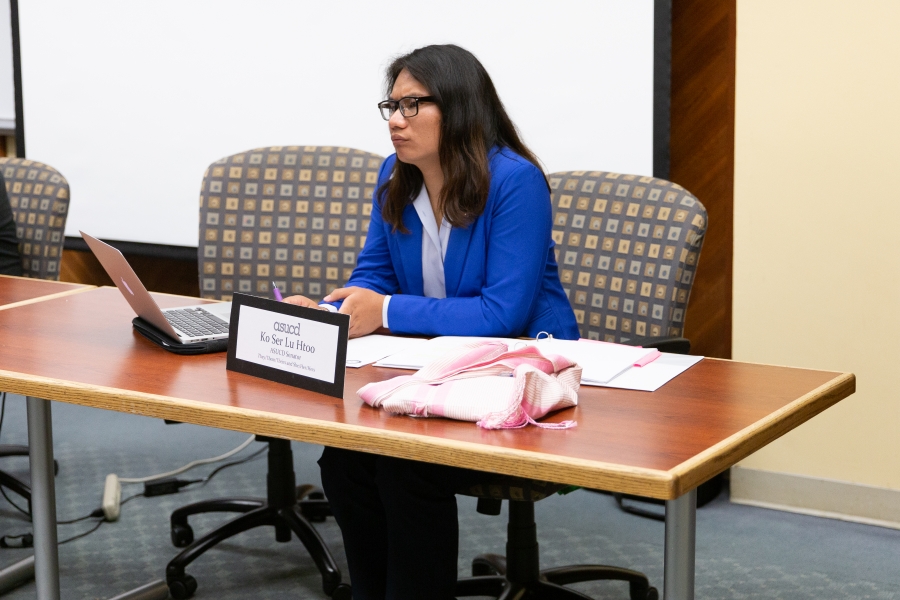
In a Sept. 27 letter addressed to members of ASUCD, Senator Ko Ser Lu Htoo announced their intention to boycott President Michael Gofman’s State of the Association Address. Htoo stated that Gofman was “disrespectful to members of the LGBTQIA community, minorities and refuse[s] to listen to members of this Association.”

I oppose this president,” Htoo said in the letter. “I don’t honor this president. I don’t respect this president. I am not going to attend and I am not going to pretend like I have a good working relationship with him.”

In a subsequent interview with The California Aggie, Htoo said Gofman has been disrespectful to members of the LGBTQIA community, including them.

Gofman denied these allegations, stating three individuals who ran on his ASUCD slate are members of the LGBTQIA community.

“These are people that I have had long-lasting personal and professional friendships with,” Gofman said. “The reason why I am uneasy with this whole situation is, reading throughout this email, there isn’t a single concrete example of anything.”

Htoo said Gofman has refused to use inclusive, gender-neutral language.

“My entire job is to reach out to different people, groups and communities on this campus and establish relationships for the sake of ASUCD between these groups,” Gofman said. “This idea that I am not willing to work with communities is fundamentally false, and there is an overwhelming amount of evidence that shows it is false.”

When asked what it would take for a reconciliation, Gofman said it’s “a combination of taking some time to let things diffuse on their own” and not holding grudges.

“I don’t really take things too personally,” Gofman said. “If there comes a time a time when we can all work together, I am excited for it because the association as a whole would be more effective.”

Htoo said Gofman must listen to people — ”whenever we offer advice” and “whenever we propose something to listen.”

Htoo said that they would like to see Gofman attend more community events put on by diverse communities and meetings held with commissions such as the Ethnic and Cultural Affairs Commission (ECAC).

“If I have the chance to work with him, what he needs to do is start paying attention to [Rina Singh] who is the ECAC chair,” Htoo said. “[Singh] and I work together a lot to make sure we [raise awareness] about racism, ethnicity and international issues. We are going to be having a series of workshops to educate domestic and international students about [these] issues.”

Htoo hopes Gofman will participate in these workshops and work with them on issues that affect marginalized groups.

“As I have stated on almost every single occasion [that] has come up since I have taken office, my door is generally always open,” Gofman said. “I welcome anyone in here if they want to have a productive conversation about anything. If there are any bills or issues that Ko needs my help on and needs me to approve them, then certainly I am not going to factor in what has turned into a personal disagreement into that.”

ASUCD Vice President Shaniah Branson was asked how Htoo and Gofman can resolve their differences.

“I fully respect Senator Htoo’s stance on not working with President Gofman,” Branson said via email. “However, I have made evident to them both that although they do not need to [be] the best of friends within ASUCD, they should be willing (or more than willing) to work together productively. Our main focus, as an Association, should be the students.”


Written by: George Liao — campus@theaggie.org


Why archeologists dislike Indiana Jones

VICTORIA SWENSON / COURTESY

Part one of a continuing series about experiences on an archeological dig in Poland

Indiana Jones, Laura Croft, “The Mummy” movies. These famous depictions of archeologists are often pitted against powerful, rich enemies that seek to loot and destroy archeological sites. In reality, looters are rarely criminal masterminds that steal treasures from famous sites. Instead, they’re often just ordinary people looking for cool stuff to collect. Additionally, these archeologists are more often portrayed as looters than scientists.

“The site is right here, I mean someone could come up and walk away with human bone,” said Tiffany Loera, a student from the Slavia Foundation, which ran the archeology school I attended while in Poland.

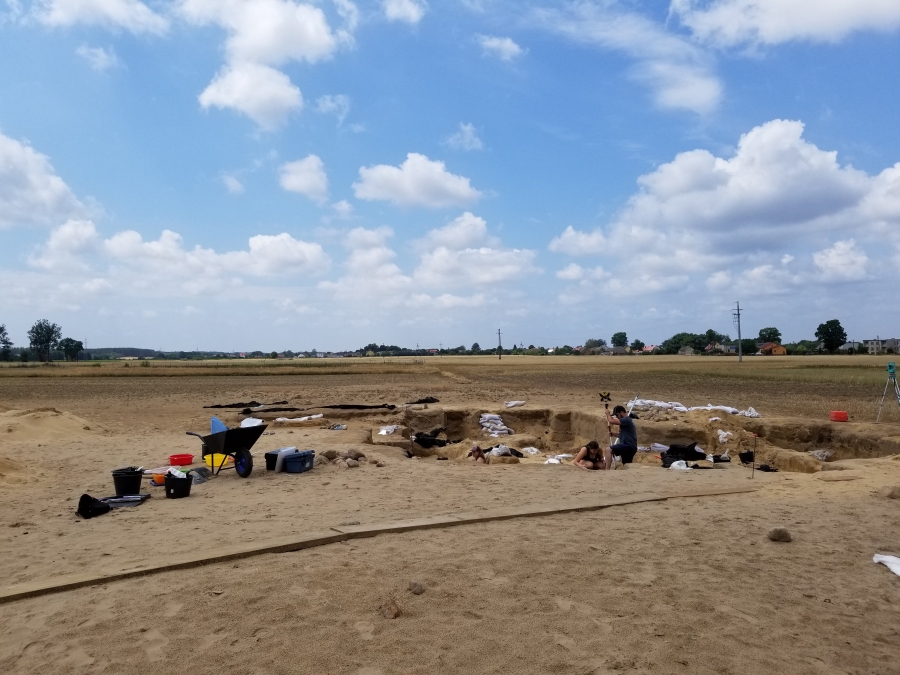
The site we worked on was in the middle of farmland in Poland; the students and I excavated Bronze Age and 16th to 18th century materials while surrounded by wheat. Just looking on the surface, one could see tiny fragments of bone and pottery from these eras. And just like Indiana Jones, others could have and probably did loot items from the site.

Archaeology is the study of past material goods in order to understand past societies and cultures. In this way, we can understand why we are where we are today and hopefully it will help us for the future.

“People don’t really understand why it’s bad…they go to these big sites and they just take stuff, and it’s like why, it’s just going to go and sit in a museum,” said Ashley Stewart, an osteologist at the field school. “And it’s like well we know what it means, you know, when it came from, we know who made it, we can look at, like pottery for example. We can source it and see where it came from. And if you have it, we’re not doing any of that, but also the knowledge isn’t being expanded for everyone, the whole populous can’t enjoy it and learn from it, which I think is the most important thing.”

By this definition, Indiana Jones acted more like a looter than an archaeologist. For instance, when Jones took a gold statue from a temple in the tropics, he never stopped to study the temple or anything near the statue. This information is valuable in figuring out why the statue was so important to the people or what it represented. By simply taking the gold statue, the information about where it was found and what materials were found with it are completely lost.

Every archaeologist’s worst nightmare is someone who took artifacts from a place without documenting anything about it. In this way, artifacts are seen as neat trinkets instead of valuable pieces of information that can be used to understand and piece together daily life hundreds to thousands of years ago.

In Poland, we excavated a graveyard that had Bronze Age items and 16th to 18th century coffin burials. Everything we found held important information about the people that lived at the time. Coins found on the bodies could help show how old the burials were and parts of skeletons could help piece together what life was like during that era.

Unfortunately, there were some disturbances we called “potato pits”. These pits were about six feet wide and randomly scattered around. The most likely explanation for the pits were that looters came through the cemetery not too long after the burials occured. It is not known what they were looking for, but everything in the pits was either destroyed or messed up in some way.

[The potato pits did] a lot of damage to the burials…their grave was just cut in half because there was a potato pit like right above it,” said Victoria Swenson, the field school’s osteology instructor. “And a couple years ago we had one [a pit] that was just full of femura sitting up vertically and random bones. And then the graves that were nearby, that they cut into, were just destroyed.”

Anyone who disturbs a grave for a keepsake not only ruins future academic research, but also shows that they do not respect the dead or the dead’s living relatives. Not only is valuable information lost for those trying to understand past peoples and cultures, but the final burial place for someone is also obliterated. So next time you see a cool old trinket, please leave it alone. At the very least, don’t tell Indiana Jones about it.


Written by: Rachel Paul—science@theaggie.org


Crepeville back in business

BRIAN LANDRY / AGGIE

Not an infestation after all, two cockroaches found

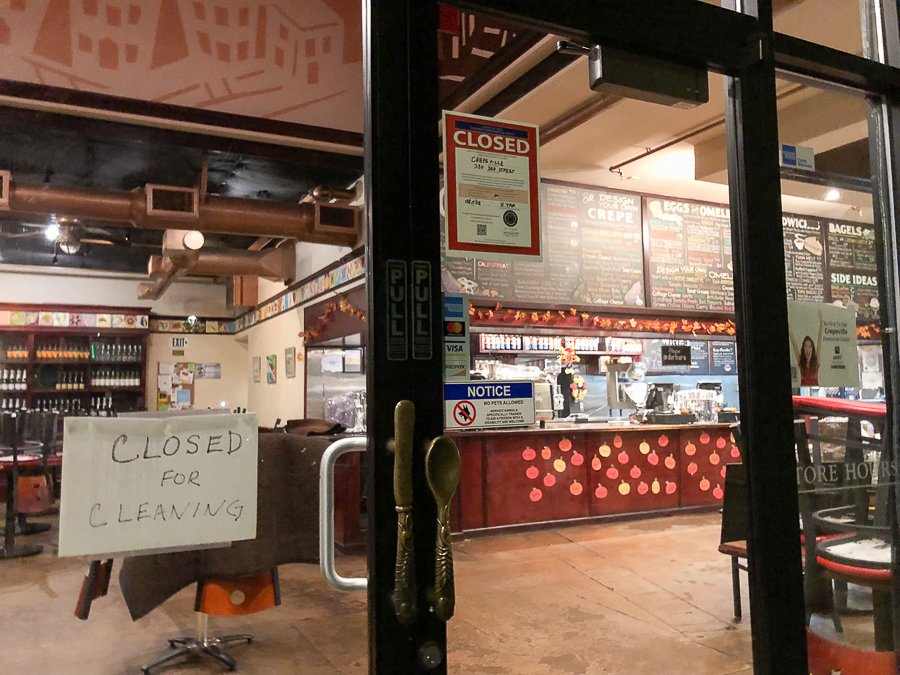
What was originally thought to be an insect and rodent infestation at Crepeville ended up being nothing of the sort. The health inspector, who assessed Crepeville on Monday, Oct. 15, found two cockroaches in a non-service area. The health code violation it thus fell under was insect and rodent infestation, although that was hardly the extent of the situation. Customers were given refunds and left to evacuate the restaurant. All food, cooked or uncooked, was thrown away. Derar Zawaydeh, the owner of Crepeville, was taken aback by the whole situation.

“What was blown out to be an infestation was — literally — two cockroaches in a non-service area in the back,” Zawaydeh said.

Crepeville is sprayed by pest control services twice a month for safety precautions and is visited by the health inspector every six months. The findings by the health inspector were unfortunate for both the owner and his employees.

“Now here’s the problem that we face as restaurants: We come in and they have this red placard — they say our policy is one cockroach, it’s okay, and two cockroaches is a closure,” Zawaydeh said. “Now they don’t apply any — in my opinion — common sense. Because you get deliveries on [a] daily basis, these cockroaches will come in the boxes whether you like it or not, so you’re constantly monitoring.”

Four hours after closing and deep-cleaning the entire restaurant, Crepeville was reopened to the public.

“People have to understand that if it was really a serious problem, there’s no way we could’ve opened in four hours,” Zawaydeh said. “Another thing is that […] these reports and everything like that can have a big effect on a lot of families. When it’s online, it’s online forever. It’s really sad that it was blown out of proportion.”

Dante Rivard, a Crepeville employee for four years and a Davis resident, was not working the night of the incident, but believes that the incident should never have been deemed an infestation in the first place.

“So, infestation is a strong word,” Rivard said. “They found what they found in a dry storage room and shut us down as policy — it’s what they do. So I think that even calling it an infestation is very, very harsh. Definitely beforehand, [we’ve never] had serious issues — at least that I saw.”

Crepeville has served the Davis community and its customers for 18 years, never having any infestation problems or major complaints. The fact that this incident was categorized as a rodent infestation was nothing short of unfortunate. Nonetheless, this seems to be a minor setback for Crepeville and its business, as customers have returned, happy for its reopening.


Written by: Kaelyn Tuermer-Lee — city@theaggie.org

Just like Grandma used to make?

CAITLYN SAMPLEY / AGGIE

Da Vinci high schooler caught giving classmates cookies containing human remains

An average day at Da Vinci Charter Academy was turned upside down after what seemed like an act of kindness from a fellow classmate turned out to be a vile gesture. An investigation is currently underway by the Davis Police Department after a worrisome report was made that cookies baked by a high school student contained human remains in the form of ashes. More specifically, investigators are under the impression that the master chef behind these cookies used her grandparents’ ashes.

Cases of marijuana-laced cookies are not as rare in a high school setting, but this recipe took a more serious turn. At least nine of these sugar cookies were handed out to peers. While a few were aware that there were human remains in them, the rest had no idea what they were getting themselves into. Currently, the cookies have not been officially tested, and police are working to figure out the necessary charges, as a student’s testimony has given enough substantial evidence that this treat was not just the basic ingredients it should have been.

The cookies contained noticeable gray flecks and had an unusual consistency, making those who did not know of the one special ingredient to question what was truly in them. The school is currently being overwhelmed with the growing popularity of this bizarre incident.

“When wrongdoing is found to have occurred, disciplinary measures are applied and at the same time measures are taken to repair the harm within the community,” said Maria Clayton, the public information officer for Da Vinci Charter Academy, via email. “This recent case has been particularly challenging and we have responded appropriately and in the most respectful and dignified way possible.”

The California Aggie reached out to the Davis Police Department for comment but did not receive a response. As this story of a sweet treat gone wrong travels nationwide, the high school and everyone involved have decided to make this a personal family matter. The privacy of families that are associated with this wrongdoing are being respected and the community hopes to move forward for these cookies did not cause harm to anyone who consumed them — healthwise that is.


Written by: Lauren Tropio — city@theaggie.org

Review: A Star is Born

ALLYSON KO / AGGIE

Lady Gaga, Bradley Cooper remake falls short after hype, anticipation

Lady Gaga made her film debut with co-star and director Bradley Cooper, in “A Star is Born.” Ally, played by Lady Gaga, is a struggling singer, who waitresses by day and performs by night. Jack, played by Bradley Cooper, is a veteran singer who discovers Ally and is immediately infatuated by her voice. With him by her side, she rises to fame and stardom. As their relationship progresses, Jack’s fight with his inner demons becomes more apparent.

The story lacked depth and tried to be in too many places at once. At the premiere of the film at the Venice Film Festival, Lady Gaga received an eight minute standing ovation. A noteworthy accomplishment, but I find myself thinking — for what? From start to finish, it was difficult to pinpoint where the story was going.

Multiple opportunities for deeper plot development of the several serious issues presented in the film were missed. It felt as if someone was driving and looking for parking, but passed every empty parking space. Alcoholism, toxic family relationships, suicide and fame were all topics that were introduced, but never truly addressed by the characters.

Jack clearly had a problem with alcohol, and he even went to rehab, but the root of the issue was never directly addressed. Jack’s relationship and conversations with his brother Bobby, played by Sam Elliot, revealed tidbits of Jack’s relationship with their father. Viewers can guess that Jack’s problems are rooted in being raised by an alcoholic father, but like many other issues in the movie, it is never directly confronted.

References to Edith Piaf were made throughout the movie. Ally sang “La Vie en Rose” during the bar scene where she met Jack, and a neon sign with the words “La Vie en Rose” written in cursive hung in their home. Again, there was a lack of depth because it’s quite unclear how Ally, who impersonated Edith Piaf, relates to her extremely depressing life. Is Jack Ally’s Edith Piaf?

Several drag queen personalities made cameo appearances. Willam Belli and Shangela gave the audience some quick and witty one-liners that appealed to many of Lady Gaga’s fans. It was definitely a “Gaga” touch.

One thing that is undeniable about the film is the incredible soundtrack. Lady Gaga has one of the most recognizable and powerful voices in the industry and will always be remembered as an icon. Bradley Cooper compliments her well and the two of them make for a bone chilling duo on stage. Their relationship is difficult to get a grip of when they speak to one another, but all curiosities are put to rest when the two are singing. “Shallow” and “I’ll Never Love Again” are examples of the lasting impressions that the soundtrack will leave in years to come.

“A Star is Born” is currently in theaters and playing at the Davis Regal 5 and 6 in downtown Davis.


Written by: Josh Madrid – arts@theaggie.org


Vampires in Poland

RACHEL PAUL / COURTESY

Part two of a continuing series about experiences on an archeological dig in Poland

One of the most iconic Halloween costumes is the vampire. Dark clothes, a cape and fangs are all you need to imitate Dracula or any other vampire from popular horror movies. However, there was a time when people were genuinely afraid of vampires, and evidence of this can be seen in a cemetery on the outskirts of Poznan, Poland.

This summer I participated in the Slavia Foundation’s archaeological field school. We excavated both Bronze Age (IV and V Period) cremated burials and Early Modern (16th-18th c)  burials. The Early-Modern period in Poland was dominated by Christianity, but many Pagan beliefs were still practiced.

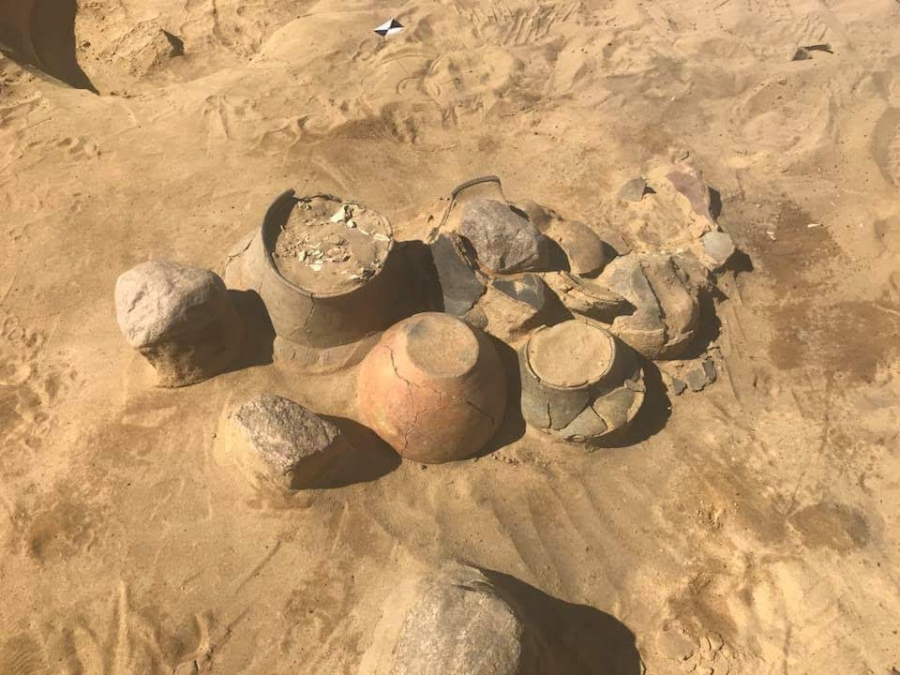
‘Typical graves’ consisted of skeletons that had no rocks, sickles or any other items on them. Coins have been found in the atypical and typical graves, but these are a common funerary item and are not considered atypical. On what we called ‘atypical graves’, rocks had been placed on necks or on other body parts. Sickles had also been found at this site, carefully placed on the necks of the decreased.

“I think that the atypical burials are the most interesting because I have dug some cemeteries in Poland, probably a couple hundred graves by myself, and they never have that kind of atypical grave like you find here,” said Maciej Gembicki, an archeology instructor with the Slavia Foundation.

This practice was thought to stop the recently deceased from being inhabited by a demonic spirit, such as a vampire, that would cause trouble for the living. In other sites across Europe more extreme examples to prevent or stop vampirism have been seen, including body mutilation. One example of this is cutting off the feet of a body that is suspected to be possessed by vampires. No one is quite sure why the efforts to prevent vampirism were only directed at some graves.

“On the bones there is no evidence they were different,” said Marta Gwizdala, the project osteologist. “There was nothing wrong with them on the bones. I think maybe because of their [the deceased’s] behavior or maybe because their death was sudden and unexpected…For sure, I believe they wanted to protect themselves and also the person who was dead.”

Though the site does not have a church associated with it, the burials are known to be Christian due to how they were found. In this time period, Christians were buried facing East due to their beliefs about the resecuration and the end of times. Clearly, the people who once lived near the graveyard had a dual set of beliefs that were of Christian and Pagan origin. No one knows where the first instances of vampirism beliefs originated, but people in Poland and other Slavic areas thought vampires existed long before the legend of Dracula in Transylvania.

“It’s just interesting how they merged the idea of Christianity and old Pagan beliefs in the burials around here,” said Colin Steele, a student who also helped excavate the site. “They [the archeologists] were saying they even found some rosary beads around. Which is interesting because it means they’re finding new means to fight off old evils.”


Written by: Rachel Paul— science@theaggie.org


Aggie football victorious in a game for the ages

JULI PEREZ / AGGIE

UC Davis wins thriller in front of Homecoming crowd

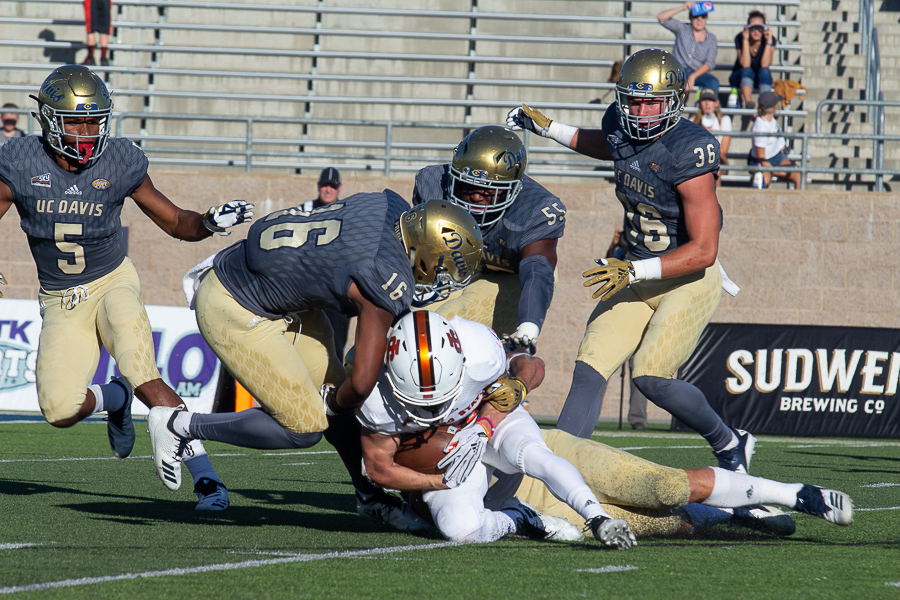
The UC Davis football team pulled off an exhilarating 44-37 overtime victory over visiting Idaho State on Saturday evening, much to the delight of a packed house at Aggie Stadium on Homecoming weekend. In front of the third sellout in stadium history, the Aggies overcame a 16-point deficit and now sit in sole possession of first place in the Big Sky conference for the first time ever.

“No matter who we play, our guys have showed up, played hard and hung in there,” said UC Davis Head Coach Dan Hawkins. “We had some things go against us today, but then we were able to have a little resiliency and come back.”

On the final play of regulation, a 27-yard field goal try by Idaho State narrowly sailed to the right of the upright, sending the game into overtime.

UC Davis got the ball first and put the pressure on Idaho State by quickly finding the endzone. On a fourth-and-two play from the four-yard line, redshirt freshman running back Ulonzo Gilliam ran around the edge for a touchdown on a toss play to the left side of the field.

“It’s one of those plays that you only practice for one time at the end of the game for certain situations,” Gilliam said. “When he called that play, I knew it was going to work. I just got to the edge… and I was able to take it in.”

There was not a sliver of doubt in the minds of anyone on the Aggie sideline that the team was going to go for it on the fourth down, instead of kicking a field goal and opening the door for Idaho State to win the game.

“We were confident, at home with the crowd behind us, we had momentum, and we had a great plan,” Maier said. “We were out here in February doing pretend overtime with nobody around.”

Both Hawkins and Maier credited the team’s practice routines for preparing them to have success in a do-or-die situation.

“We do a lot of situational football in practice, so I didn’t really worry about it too much,” Hawkins said. “We do that kind of stuff every day in practice so our guys are very used to it.”

On the ensuing possession, the Aggie defense made stops on four consecutive plays to seal the win, which pushed the team’s record to 5-1 on the season. On a fourth-and-three play from the 18-yard line, senior cornerback Vincent White stepped in front of a short throw over the middle to break up the pass, and the entire Aggie sideline proceeded to streak across the field in absolute delirium.

“They had been coming at me all game and I gave up a few,” White said. “I knew I had to hunker down and make that play for the team.”

The team’s celebration continued into a raucous locker room party, with music blasting, dancing and pounding on the walls.

“It’s not so much the celebration of winning, but the celebration of the process to success,” Hawkins said. “You get in there and see the happiness of a whole body of work that’s been going on for a long time. It’s about how hard they worked, the summer they put in, their dedication and commitment, and how they go about things.”

After getting gashed by the Idaho State run game for three quarters, to the tune of 226 yards on the ground, the Aggie run defense buckled down late and held the Bengals to just 17 rushing yards the rest of the way.

The UC Davis offense took over at its own 23-yard line with three and a half minutes remaining in the fourth quarter, facing a 37-29 deficit. Three consecutive completions to sophomore wide receiver Jared Harrell got the Aggies into a rhythm, and a 20-yard catch by senior wide receiver Keelan Doss set them up at the six-yard line. Two plays later, Doss ran an out-route to the corner of the endzone for a wide-open touchdown to put the Aggies within two.

On the ensuing two-point conversion attempt, Maier rolled out to his left and scanned the field for several moments before finding Harrell running across the back line of the endzone. Harrell made a tip-toe catch in bounds, behind a slew of defenders, and Aggie Stadium erupted in a frenzy.

“That’s a two point-specific play that we’ve been running for three or four weeks, but have never had to use it,” Maier said. “It’s just a play that’s been in the bank for us for a while. It’s just one of those progression reads. You start to your left and work all the way across the field until you see a guy that you feel is open and let it rip.”

With just over one minute remaining, the Bengals swiftly marched the length of the field on consecutive completions of 12, 28 and 17 yards. After a couple running plays bled the clock down to five seconds, Idaho State attempted a potentially game-winning field goal that steered to the right of the upright.

Maier’s touchdown throw at the end of the fourth quarter was his fifth of the game, which is a personal career-high. When it was all said and done, Doss’ 131-yard night was the fifteenth 100-yard game of his career, a new program record.

“For all the stuff you see physically with Keelan, there’s way more than that,” Hawkins said. “You see what a great person he is, how hard he works, how tough he is and what a great teammate he is. He’s a special kid.”

UC Davis jumped out to a quick 7-3 lead after the game’s first two drives. The Aggies looked to extend their lead with another quick scoring drive, but Maier was picked off at the two-yard line on a ball thrown into traffic and deflected up into the air. Idaho State returned the ball 83 yards on the play, before Maier made the tackle at the 15-yard line.

This turnover sparked a shift in momentum toward the visitors, as the Aggies missed an opportunity to make it a two-score game and then let the Bengals score the next 20 points. UC Davis showed some signs of life toward the end of the half, when Harrell’s 12-yard touchdown catch capped off a meticulous 72-yard drive to make it 23-14.

Idaho State came streaking out of the locker room and began the third quarter with a lightning-quick, four-play touchdown drive that included pass completions of 21, 20 and 25 yards.

The action slowed down for the majority of the third quarter until the Aggies countered with under four minutes left. Freshman wide receiver Justin Kraft hauled in a 45-yard bomb over the middle for his first career touchdown and also added a two-point conversion to cut the score to 30-22.

Idaho State did not flinch, putting together a game-long drive of over five minutes to take a 37-22 advantage.

Once again, UC Davis immediately battled back with another systematic scoring drive, culminating with a seven-yard touchdown catch by Gilliam at the eight and a half-minute mark.

The teams traded punts back and forth until the Aggies got the ball back and drove down for their game-tying score.

UC Davis will hit the road next weekend for a date with Cal Poly in San Luis Obispo, before traveling to face Montana the week after. The Aggies will return home to play Northern Arizona on Nov. 3 in a 1 p.m. kickoff at Aggie Stadium.


Written by: Brendan Ogburn — sports@theaggie.org

An interview with UC Davis Police Chief Joe Farrow

KATE SHASKY / UC DAVIS POLICE DEPARTMENT

Chief talks about recent Davis thefts, how to secure one’s belongings, fostering better police-to-community relationship

The California Aggie recently sat down for a question-and-answer conversation with UC Davis Police Chief Joseph (Joe) Farrow. Below is a transcript of the interview. It has been edited and condensed for clarity.


The California Aggie: It seems kind of out of the blue for some people that there has been this uptick in thefts and robberies in Davis. From your knowledge, is this a statistical uptick in what we are seeing, or is it on par with how many robberies we see in a year, but just concentrated in one time frame?


Chief Joe Farrow: I think it’s the latter. We have thefts from time to time. The stealing of laptops is not unusual on this campus, and the stealing of backpacks isn’t either. Those burglaries that we had occurred three weekends in a row, which really got our attention. I think statistically speaking, we are probably at the same amount. They were concentrated in a short time frame, which led us to believe we were really looking for the same person on multiple of these cases.


TCA: The laptop thefts off campus have been particularly alarming to students. How is the UC Davis Police Department working with the City of Davis and assessing these crimes?


CJF: Those are very brave. Those are very bizarre. We are working very closely with the City of Davis—they’ve formed a little task force to take a look at this issue. […] Certainly there are a lot of people here with laptops, so it’s easy for the thieves to concentrate here.


These are all crimes of opportunity. They are very specifically looking for a device: laptops, cell phones, backpacks. They see them in plain view and I think they make an assessment. It’s all about the opportunity. They see it, they look around the room, think, “I can grab this thing and be faster than the owner,” and they run.


TCA: When it comes to the robberies that have been at residences, do they involve breaking and entering or were the homes not properly secured?


CJF: They weren’t secured. None of them were secured. One of them has a sliding door that was left partially open with items that were in plain view. This campus is relatively safe. For as many people as we have on this campus, it is relatively safe. I think for the most part, what we have to teach ourselves is: watch out for what is going on, understand my surroundings and understand that there are people here that will take your backpack if you leave it in the wrong place.


TCA: What can people do to secure their belongings when they are out and about and what can they do to secure their homes?


CJF: I used to teach a class, and I have a corny way of looking at it, but all crimes have three elements: the bad guy, the victim and then we have what they call the “den of iniquity”—the perfect place to commit the crime. If one of those is missing, nothing happens. If you eliminate any of the three, you have no crime.  


Let’s take the cars. All of the vehicle break-ins have one thing in common — the property that was stolen was inside the cab. They are not breaking into trunks because they can’t see in. Remember, it’s all about opportunity. Securing property out of sight is the best way to go.


In terms of the residence — lock the door. Secure belongings out of sight, especially in the common areas. You don’t always know who you are surrounded by. Take your property with you; keep it in a lockable place.


If out and about on the town at night, for example, I think the best advice I would ever tell anybody is to recognize the fact that some of the stuff you have may be valuable and, somebody, if given the opportunity, will take it from you.


TCA: When it comes to situations where there is kind of a squabble over belongings, is it worth it to try and get your items back?


CJF: It’s easy for you and I to say, “Just let them have it.” What happens is that the fight in all of us kind of materializes, but there’s nothing worth getting seriously hurt over or killed over. Phones and cameras and stuff, they can all be replaced. But we understand the inherent desire for some people to go, “Oh, this is just wrong.” But you take risk. I think the common play is to just let it go. Don’t let yourself become more of a victim than you already are. Be a good witness — try to identify somebody, try to get a license plate number. Let’s see if we can’t go back and get it back at some point.


TCA: What are some details about the robbery that occurred in Lot 47, and what are some updates you can give?


CJF: It was right outside of the Tercero Housing Area. We thought it was four, but it was actually five of our students: three first-years, a second-year and a fourth-year. They had come back and it was late at night. It was the first week of school. They were out in the parking lot, just talking.


They see a car go by, and they don’t pay much attention to it. But then it comes back by a second time, and they take notice of it. The third time it comes, it was really odd because they turned off their headlights. Their suspicion got up a little bit, thinking, ‘What is all this about?’


At that point, the car pulled up, two individuals got out of the car, and they had a gun in their waistband. They could see the silhouette of a gun — they didn’t pull it out, but they knew they had it, or all five of them believed that they had it. They said, “We want all of your property.”


One of the students was very hesitant in doing that. She didn’t want to give up her property. One of the suspects hit her a couple times. They were able to grab whatever she was holding and they fled the scene.


We responded in 90 seconds. That’s pretty fast. We tried to lock down the campus as fast as we could, but they got off campus. We have some really good leads on that one. We have two people assigned to that full time. That one is progressing very well.


The student that was hit was seen by paramedics. I think she had a little bit of swelling. She was treated at the scene and released.


This incident is particularly concerning. These students, three of them have been on campus for a week. We all feel horrible that that happened. I think the students appreciated the fact that everybody cares.


CJF: Now are you familiar with some of these scam calls going on?


TCA: No, I am not.


CJF: You ever get any of those robotic calls, telling you you’ve won the lottery, or an email saying you’re a first cousin of King so-and-so, and I have a million dollars? Give me a bank account number and I can put the money in?


We have students who are falling for some of those scams because they have never heard of them before. We are really working hard with our international students in that scamming is alive and well on this campus. We have had five students who have been victimized by phone and email scams, where they pose as some sort of legal authority, asking for money. And once you pay them, … you’ll never get it back and there’s nothing we can do about it.


The scam call in Mandarin that comes out, they are talking about visas, your [student] visa is messed up. It scares people. […] If you’re not aware of these scams, you’re like “Mom, Dad, whoever, I need $216 to fix this issue with my visa.” A lot of times you don’t know if you’re the victim or not, but you’re never going to get the money back.


I feel so bad because we meet with these students and they look at you like, “Can you get our money back?” And I already know, no. You’re never going to get it back. We had one student that paid $4,000, that’s the highest.


Farrow then explained the steps that are being taken to secure the campus.


CJF: We are really in the process of looking at overall security on this campus. We are putting in more of those blue lights, those cameras. In fact, four or five of them are going in as we speak. We are looking at ways that we can do keycard access to buildings and have additional cameras on campus. We have some cameras on campus, just not that many. So your overall security is going to be enhanced.

Relatively speaking, this is one of the safest campuses out there. Our number one theft still is bicycle theft, and as long as we can keep it at that, that’s good, right? That’s good. And a lot of those bicycle thefts are because they are unlocked, they are locked in the wrong place, or the locks they have are easily violated.


Farrow went on to describe the public image of the UC Davis Police Department.


CJF: We don’t get every vote. In fact, sometimes people are very, very angry with the police. We get all that and we are listening to that. A lot of the things you hear and see on TV, that’s not us. We are trying to make this organization the best we can. We are completely changing the culture of this police department.


TCA: Because people still think back to 2011, that’s what everyone’s image is.


CJF: It’s funny you mention that. About a week ago, I was waiting for somebody at the airport and I was just scrolling on YouTube and here comes UC Davis, the pepper spray. So I’m sitting there, and I’m just watching every one of these videos. There’s like an hour.


TCA: There are videos of the incident, and there’s Katehi’s Walk of Shame.


CJF: Yeah, I saw that. I always tell everybody [that] people tell me, “I bet you just want to forget about it.” And I say, ‘Oh no, I don’t want to forget that. I want that as a reminder of an event in time that has defined us and has defined this police department.’


Now the real issue is, can you change? Can people see the meaningful change where that becomes the distant past and they now focus on today? What we are trying to do here is that it’s all about this new, contemporary values system that we have, which I call the 21st century model of policing. It’s all about partnership. […] My job is for you to be able to walk around this campus at 9 at night and feel safe. That’s what I have to do, that’s what I have to create. The only way I can do that is through partnership.


So I’m trying to get past the pepper spray, but also acknowledge that that wasn’t our finest moment and that we wounded this entire campus for years and years and years to come.


Since this interview took place, there have been at least two additional robberies in the City of Davis.


Written by: Kenton Goldsby — campus@theaggie.org


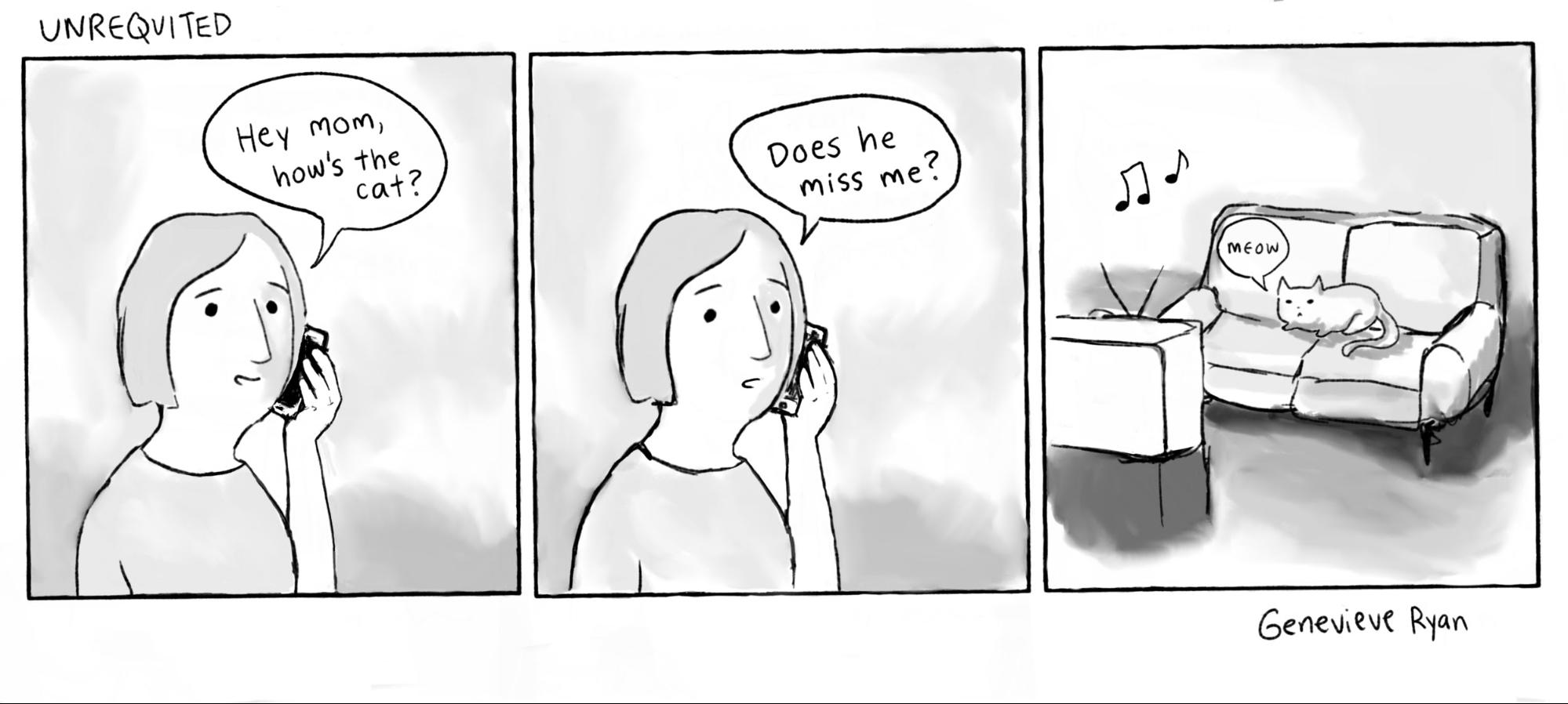
Cartoon: Unrequited

GENEVIEVE RYAN / AGGIE

By GENEVIEVE RYAN — geryan@ucdavis.edu