57.5 F
Davis

Davis, California

Wednesday, December 24, 2025
Home Blog Page 786

UC Davis employees speak out on asbestos exposure in older campus buildings

0

University Denies Carcinogenic Exposure, Announces Further Investigation

On Aug. 17, Sacramento’s News10 published an article in which two university employees and five student assistants revealed how the UC Davis Academic Technology Services Department’s unsafe practices may have exposed students to the carcinogen asbestos.

According to the report, buildings built before 1980 likely contain asbestos due to the construction materials used during this time period. State and federal laws require workers to handle buildings built before 1980 as if they have asbestos.

In a written statement to News10, UC Davis News & Media Relations Executive Director Dana Topousis said that although older buildings on campus may contain asbestos, this does not necessarily mean that students are at risk of exposure.

“Asbestos was widely used in various construction materials for decades through the 1980s, and consequently many older buildings contain asbestos,” Topousis said. “The presence of asbestos in building materials in older buildings…does not equate to airborne asbestos exposure.”

However, employees Trevor Williams and Mark Kellogg state that they were instructed to drill in the walls and ceilings of the campus’ older buildings while air conditioning and ventilation systems were on and while students were in the classrooms. The workers also report that they were never informed of the exact location of the asbestos.

“My manager Joe Kelley and project manager Derald Reedy knew that there was a possibility of exposure and they told us to drill anyway,” Williams said.

UC Davis provided News10 with a released air sampling test that showed no detection of asbestos. However, according to Kellogg, this air sampling was likely done after a few days of no movement in the room and with the air conditioning shut off.

“They’re preying upon the ignorance of the public and the students,” Kellogg said. “It’s not difficult to show a clear air sample. All it takes [for asbestos to spread] is one maintenance person agitating some asbestos within that building and putting [it] in the air.”

Kellogg also refutes the claim that asbestos is not a problem in UC Davis buildings because of a lack of health complaints from workers.

“It could take up to three to ten years for any of us to get sick,” Kellogg said. “Because the [asbestos] fibers are so small, they embed themselves in your lungs…moving deeper into the air sacs of your lungs. So it could take years for you to start having [health] problems.”

The possibility of asbestos in these buildings has also raised the question of how well UC Davis enforces safety policies to protect both its students and its workers. Both Kellogg and Williams said that they did not receive any training at the time of the incident.

“There is zero safety training whatsoever in our department,” Kellogg said. “Granted, they’re scurrying right now to get it all together.”

Environmental Health and Safety Specialist James Dunbarr stresses that there are several steps to ensuring safety when dealing with asbestos.

According to Dunbarr, UC Davis employees make an initial hazard assessment for buildings by taking samples from the walls, ceiling or floor tiles in order to check for asbestos. Based upon the level of asbestos present in the sampling, the university has professionals deal with the asbestos presence and set up containment. Once it is removed, a third party conducts an air clearance sampling before taking down the containment and re-opening the space.

The News10 report also interviewed Thom Jensen, author of the asbestos report, asking him about the asbestos abatement process in Olson Hall, one of the older buildings on campus.

“A worker showed how floor tiles and wall panels were removed from at least two classrooms,” stated Jensen in the article. “Less than an hour after that visit the workers tented the classroom doorways and started running large filtration systems that remove asbestos and other contaminants from the air.”

In the article, Jensen noted that this abatement project did not seem to align with safety procedures that CAL/OSHA Senior Safety Engineer Jeff Ferrell spoke of.

However, Dunbarr states that proper procedures were enforced in Olson.

“At that particular time, the project manager said that they were not [yet] doing asbestos abatement,” Dunbarr said. “My feeling is that that might have been a misunderstanding by that reporter.”

In light of this potential asbestos exposure and several other asbestos exposure occurrences at other California schools, the Environmental Working Group (EWG) Action Fund sent a letter to health and education officials calling for a statewide inspection of schools. In response to this letter, UC Davis issued a statement on its news website Dateline to reaffirm safety as a priority, restating that there is no presence of asbestos in the air of the buildings and announcing that the university will continue investigating to make sure that all safety procedures have been followed.

Kellogg says that he would not feel surprised if other California schools face asbestos problems as well.

“I believe it’s probably rampant throughout the entire UC system,” Kellogg said. “I can’t say it is for sure, but I believe it is.”

Meanwhile, Kellogg and Williams still work for the university in the Academic Technology Services Department.

“I don’t think they’ll fire me directly,” Kellogg said. “I think they’ll can my department. They’ll let the department go and lay everyone off.”

Williams and Kellogg’s priority in making these complaints public is to ensure that students, faculty and workers will be safe when in these buildings.

“[I want] the safety procedures that the university claims to follow [to] actually be followed,” Williams said. “And that the people responsible for this violation be punished. And that I am not discriminated for doing the right thing by looking out for the public.”

Photo by Katie Lin.

Title IX protects students’ right to use restrooms matching gender identities

Students, activists discuss gender-neutral bathrooms in university settings

For thousands of transgender students across the country, a trip to the restroom is a far more difficult task than most of their cisgender peers could ever imagine. Apprehension over this topic can lead to anxiety, dysphoria and in extreme cases, serious problems with mental and physical health for many of those students.

Equal access to restrooms has always been a prominent topic in the LGBTQIA community, and over the past few years, also a prominent topic in the U.S. This year, 16-year-old trans student Gavin Grimm sued the Gloucester County Public School District after being denied access to the boys’ restroom in Gloucester High School, Virginia.

In June, the U.S. Department of Justice expressed that denying him access to the restroom violated Title IX, a federal law that prohibits discrimination on the basis of sex in any federally funded education program or activity. With this, the Department of Justice officially affirmed that Title IX protects a student’s right to use the restroom that matches their gender identity.

“With my identity as a genderqueer person, I don’t feel comfortable using a women’s restroom. There’s a lot of anxiety for me surrounding that,” said Ruby Curiel, a LGBTQIA Center community intern and fourth-year sociology and Chicano/Chicana studies double major. “In this whole campus there are only two bathrooms I feel comfortable going in.”

These two bathrooms are the ones located in the Student Community Center (SCC) and the Women’s Resources and Research Center (WRRC) – both of which are gender-neutral. Restrooms designated only as male or female can become violent spaces for individuals who prefer to self-identify outside the binary.

For this reason, University of California (UC) President Janet Napolitano appointed a task force to closely examine the issue of equal access to restrooms across the UC system earlier this year. Napolitano also issued a directive on June 10 (which came into effect on July 1) requiring inventory of all single-stall restrooms on every UC campus and the conversion of these restrooms to gender-neutral ones by Feb. 28, 2016.

Curiel – who was considered a female at birth but now adopts “a more masculine presence” – has had unwelcoming experiences in restroom settings due to their identity.

“I was at a mall, and this lady was in the women’s restroom with her child,” Curiel said. “She just gave me a really horrified look. She was horrified I was there and quickly snatched away her child. It affected me because I’m not a bad person, but the way that she acted me made it seem like I was going to do something terrible.”

Curiel said people without similar kinds of experiences may be unable to understand that visiting the bathroom can be an intensely emotional and stressful experience. For Curiel, the Chicano/Chicana and LGBTQIA communities on campus are where they feel most comfortable. Outside of these spaces, they do not feel entirely safe, supported or even welcome.

The Harassment and Discrimination Assistance and Prevention Program (HDAPP), which seeks to prevent issues that violate Title IX protections, is actively working to address this safety concern and the courses of action outlined President Napolitano’s directive.

“We have already completed our inventory of all the single-stall and we are developing a new plan for integrating gender-neutral restrooms,” said Lisa Brodkey, the HDAPP director. “And the next phase would be to make a plan for converting multi-stall restrooms. The idea is that no one is more than a two-minute walk away from a restroom that meets their needs.”

Brodkey also belongs to a work group involving the directors of the LGBTQIA Center, WRRC and other campus organizations. The group, chaired by Assistant Vice Chancellor Allen Tollefson, works in tandem with various construction, office and event planning committees. According to Brodkey, many planners booking events at the ARC and Mondavi Center have expressed an interest in providing gender-inclusive facilities for their attendees, and a commitment is already in place to ensure that any new buildings on campus will be designed with gender-neutral restrooms.

These major changes will require an announcement and effort to inform the larger UC Davis community about Title IX protections and subsequent actions.

“I think it’s Allen Tollefson’s intent to work with Strategic Communications to help people understand what the need is, what President Napolitano’s directive is and why we’re doing what we’re doing,” Brodkey said. “I do think there are some individual units on campus who are engaged in the work that we do. In a broader perspective though, it’s going to take a lot of people to collaborate with us and educate them on this issue.”

On a national level, the education effort is spearheaded by Asaf Orr, the Transgender Youth Project Staff Attorney at the National Center for Lesbian Rights.     Orr co-authored Schools in Transition, which provides information about how to support transgender individuals. In the publication, Orr also acknowledges the importance of supporting school administrators, as they often receive backlash from the surrounding community when attempting to integrate more inclusive policies. He believes that the concerns do not come from a place of understanding but rather misinformation, and that schools can be better prepared to inform the community at large about the needs of transgender students.

Orr also stressed that allies of the LGBTQIA community can participate in the effort to make this Title IX protection more visible and pervasive.

“Allies shouldn’t assume that a space on campus is safe. They should really reach out to trans and gender nonconforming friends and find out what more they can do,” Orr said. “In schools where there’s this negative response to what has happened, allies should attend board meetings and speak out publicly. They can say, ‘I’m non-genderqueer or non-trans but I still find this issue important.’”

At UC Davis, allies can participate in foundation training at the LGBTQIA center, which educates administrators, students and faculty about the significance of being an ally and issues like privilege, identity, oppression and social justice issues—including equal access to restrooms. Curiel assists allyship training and is passionate about deconstructing the concept of gender.

“It’s very upsetting to see that a school can shape the way people grow up and contribute to an oppressive society,” Curiel said. “I think the way we as a society enforce gender upon children is in itself really harmful and restrictive. It’s important to educate youth how gender is a social construct and it’s not inherently natural.”

However, as sex-discrimination cases nationwide demonstrate, it appears that education is only one step towards progress. Litigation is often necessary to create fully gender-inclusive policies in schools and universities.

“That’s where the promise of Title IX comes in,” Orr said. “With Title IX, we can create environments where students can feel comfortable expressing their identity in whatever way they see fit.”

Photo by Katie Lin.

100 years of representation, advocacy

ASUCD celebrates its centennial

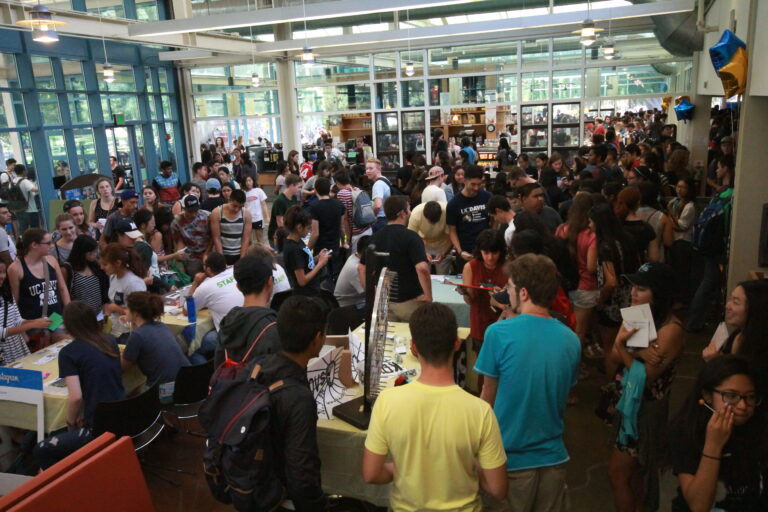
This year, UC Davis celebrates the 100 years of service and student representation that the Associated Students of UC Davis (ASUCD) has provided since its start in 1915.

“We create student governments to better serve students and to make sure there are people who are willing to do the work to solve the problems on campus,” said Mariah Watson, ASUCD president and fourth-year international relations and philosophy double major.

According to Watson, ASUCD is the “perfect” example of students who came together to inspire a campus and provide for a growing community. This inspiration kindled the beginnings of what evolved into the hard-at-work association it is today.

“[ASUCD] came out of a necessity to be represented, and now a hundred years later we are the largest student employer,” Watson said. “ASUCD [is] always here to serve students – in a number of different ways.”

ASUCD’s ever-growing catalog of services, events and units, such as the Pantry, Aggie Reuse and Picnic Day, kept the government afloat throughout a long and intricate history of shifting politics and changing sides.

“There was a time period of immense growth,” Watson said. “That was when we ventured into the student services side with how we can be more effective, how we can do more for our students, [and] how creative we can be.”

These units have served as such extensive contributions to the student experience, that facilities such as the Women’s Resource Center and the Cross Cultural Center are now viewed more as commonplace rather than previously hard-sought after services.

With the past 100 years’ legacy in mind, executive officials of the association, such as Watson, plan for continued growth in ASUCD’s future.

“That’s what makes this hundredth year especially interesting,” said Watson. “We’ve been riding off of the glory [of these services], and now we all have to put the work back in and invest in our student association. These next hundred years we’re going back to basics, back to student advocacy.”

ASUCD vice president and fourth-year political science and history double major, Gareth Smythe, agreed with Watson’s view that ASUCD still has a long road of improvements ahead.

“We’re not shutting down on our hundredth birthday. We’re making improvements and we are making sure that as we are building new things, that those old doors that have served students this long remain open,” Smythe said. “We are attempting to show how robust our services and representation are.”

While feeling the same pride for the UC Davis campus as the rest of his ASUCD student colleagues, Smythe said that reflecting on the past [100 years] is one way to help ASUCD grow.

“Student politics change, but [what] has lasted is our services,” Smythe said. “These concepts have lasted past all of us, past the politics, past the fees. That would be what we should reflect on in our hundredth year.”

Not only does this centennial allow for reflection on ASUCD’s steady growth, but it also offers students the opportunity to find out more about what ASUCD’s future has in store, and in turn what ASUCD has in store for UC Davis students’ futures.

“The direction that we’re going in is a positive direction, and it clarifies [this] by showing us now, a hundred years later, what our mission can be and still is,” Smythe said. “It [has] allowed us to look at the future and ask what the next hundred years [will] look like.”

Though the executive branch plays an important role in representing the student body, Smythe said that it is important to remember those who have served as the backbone of ASUCD for the past 100 years as well.

“[The backbone is] the unit directors, it’s the people driving the busses, it’s the people pouring your mocha – those are the people that do the hard work,” Smythe said.

In this hundredth year, fourth-year human development major and unit director of the ASUCD’s Pantry Erika Hapa expects many students to lend a helping hand in the coming years to services such as the Pantry.

“I’m surprised that we’ve come this far; I think it’s great that the Pantry and other units are a part of ASUCD and [that we are] bringing all those students together as one large community,” Hapa said. “The fact that [my last year at Davis] is the hundredth year feels kind of epic, that I’m part of what ASUCD has to offer.”

Hapa said that her staff’s teamwork is what has helped her unit expand over the past years.

“It’s my job to push the next generation to be very successful as well, I found my home at the pantry and I’m sure so many others have found their home at a unit of ASUCD [as well],” Hapa said. “I think of [the association] as a way to connect the students with each other as well as our campus.”

UC Davis alumna and current ASUCD business manager Janice Corbett credits the work gone into these last hundred years to the students of the campus and of the association.

“I think that given that we’re one hundred years old, there’s nimbleness and flexibility that comes with that,” Corbett said. “ASUCD is always trying to serve its population, and what that looks like might look different than fifty years ago and fifty years from now.”

Celebrations for the centennial will also involve working with ASUCD alumni.

“We’re going to start the ASUCD Legacy Endowment for educational and leadership development and our goal is $100,000 for a hundred years – so we’ll see!” Watson said.

In addition to the ASUCD’s Night Out event that was held on Tuesday, there will be activities put on by the ASUCD throughout the year as constant reminders to students of how far the campus has come.

Opportunities to get involved in ASUCD will be presented to the students as a way to serve the campus and the community – and make an impact on the association’s next 100 years.

“People who want to run for senate: run for senate! You just need a passion for student life and be willing to put in the work,” Watson said. “This is [the] time for us to [see] what the next hundred years will look like.”

Photos by Jay Gelvezon.

UC Davis researchers make discoveries in treating neuropathic pain

0

Lead researchers discuss findings linking neuropathic pain to endoplasmic reticulum stress  

Following a discovery that could benefit millions worldwide, UC Davis researchers are making strides in developing a drug to more efficiently address neuropathic pain.

According to the American Academy of Pain Medicine, about three to four and a half percent of people around the world suffer from neuropathic pain, a chronic pain that results from nerve damage. Neuropathic pain is a common result of conditions like diabetes, HIV and herpes which can lead to nerve injury or nerve cell death.

“If you fall and hurt yourself, that type of pain is not usually neuropathic or chronic,” said Ahmet Bora Inceoglu, a lead researcher at the UCD Department of Entomology and Nematology and the Comprehensive Cancer Center. “But if there is an underlying nerve damage, such as if you lost a finger or a limb, the type of pain that occurs is constant and doesn’t fully get treated by a lot of the drugs that are available.”

Neuropathic pain is different from inflammatory pain in duration—the treatment is not quite as simple.

“You’ve probably experienced inflammatory pain, pain associated with the flu or joint pain, pain that is resolved quickly and can be speeded by taking an aspirin,” said Bruce Hammock, a distinguished professor at the UCD Department of Entomology and Nematology and the Comprehensive Cancer Center. “Chronic pain and neuropathic pain are used interchangeably. Neuropathic pain goes on for longer periods of time and is unforgiving, unrelenting, impractical and could go on for life, [and] options tend to have many side effects.”

While working on drug candidates for inflammatory pain in the Hammock Lab, researchers discovered that the compounds blocked inflammatory pain as expected, but surprisingly also blocked neuropathic pain with great efficiency and displayed none of the side effects common neuropathic pain treatment drugs exhibit.

“No one knew why the compounds we were working on also blocked neuropathic pain,” Hammock said. “That’s when I ran into Fawaz Haj, whose expertise is endoplasmic reticulum (ER) stress. Working with [Haj], we found that a number of the various diseases that the inhibitors worked on all seemed to be related because they all had in common ER stress.”

The endoplasmic reticulum is an organelle in the cell with multiple functions, including protein transportation. ER stress occurs from an imbalance between the cell’s demand and export of proteins.

“The ER is basically where the proteins are made and transported toward the outside of the cell,” Inceoglu said. “ER stress is when the capacity of the cell cannot meet the demand of the proteins. The ER starts to control the problem by taking a few measures.”

Earlier, in the Haj lab, researchers discovered an association between diabetic pain and ER stress.

“The molecular mechanism underlying neuropathic pain remains largely unresolved hindering targeted therapeutic interventions,” said Fawaz Haj, professor at the UCD Department of Nutrition, Department of Internal Medicine and co-director of the Endocrinology and Metabolism Core. “Uncovering endoplasmic reticulum stress as a significant contributor to neuropathic pain aids in developing strategies for targeted therapies.”

While other studies examined ER stress in terms of weeks, months or even years, the Hammock Lab looked into the immediate early stages. Researchers examined diabetic animals suffering from neuropathic pain. It had already been discovered that diabetes caused ER stress, but researchers realized the nerves of the diabetic animals were also stressed.

“ER stress was not known to be associated with pain but it is known to be associated with several diseases like diabetes, Alzheimer’s and Parkinson’s,” Inceoglu said. “In all these conditions, due to one reason or another, the endoplasmic reticulum of the nerve cell is overloaded. What was interesting for us to see, different from everybody else’s work, is that this is happening within a scale of seconds to minutes regarding pain.”

This allowed researchers to consider whether ER stress was related to neuropathic pain, especially since the diseases their compounds seemed to work on all shared ER stress.

“When we induced ER stress, there was an immediate, painful response,” Inceoglu said. “When we blocked ER stress, there was an immediate cessation of pain. This discovery allows exploration of targets of ER stress pathways so other labs can try to develop drugs to treat pain. This predicts more than a dozen targets that were never thought of as pain targets.”

The compounds used in this research were from a drug that is used for a different, unrelated condition. This means the drug is already FDA approved, and medical doctors are able to initiate clinical trials to repurpose the drug.

“Now we have this mechanism for chronic pain and a compound that we are trying to move into chronic pain treatment,” Hammock said.

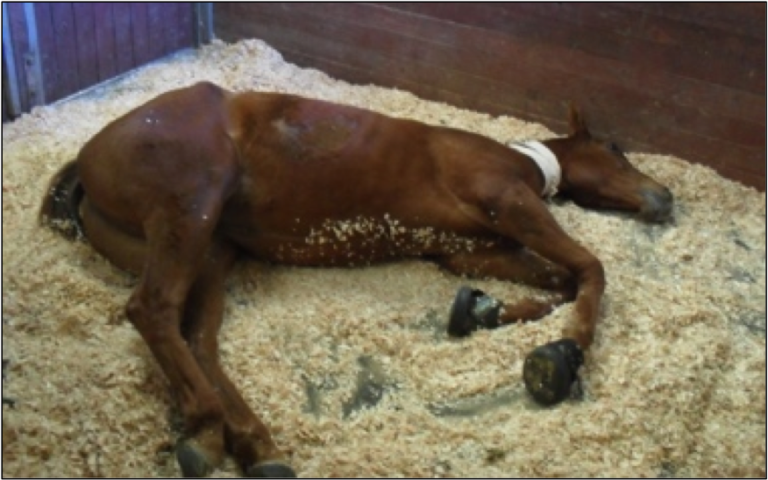
Hammock has been working with the veterinary school at UCD to develop drugs for companion animals, and results have been successful so far. Hammock predicts the drug will first hit the market in horse treatment since researchers have already successfully treated eleven horses at UC Davis. This included one case of a horse suffering from laminitis and unable to walk, and with successful treatment, regained the ability to walk.

Researchers are currently looking at a 40-dog study, and hope to make the drug available for use for animals as well as people. A clinical double-blind crossover trial in India for people with severe and crippling diabetic pain also yielded very positive results with a topical administration of the drug.

“One goal is to get the drug to patients, whether cats, dogs, horses or people,” Hammock said. “We’re also trying to develop an oral drug to go along with the topical drug.”

With one drug already FDA-approved, a topical drug being perfected and an oral drug on the way, things could be looking up for patients with neuropathic pain.


Photos courtesy of Bruce Hammock & Kathy Garvey.

How the California drought has affected the Davis community

drought3
Graphic by Tiffany Choi

People reflect on drought, effects on Davis and community

With billboards everywhere sporting the all-too-familiar phrase “save water,” restaurants only serving water “upon request” and talk of a possible and much-needed El Nino in the midst, it is no news that the current drought is one of the worst California has seen in years.

“The current drought is close in severity to the 1977 multiyear over the 100 plus years in record,” said Associate Research Engineer for Civil and Environmental Engineering and Center for Watershed Sciences Dr. Josué Medellín-Azuara. “What is different this time is that population and agricultural demands are at historic highs and environmental concerns to maintain ecosystems play a significant role in water management and allocation statewide.”

The drought is manifesting itself in communities all over California, and Davis is no exception.

“I try my best to curb my water usage,” said ASUCD Senator DaniMae Santiago. “I try to tell my roommates not to use the washing machines unless it’s a full load and we use the dishwasher only with full loads.”

Governor Jerry Brown has issued a 25 percent reduction of water usage to be upheld in every California city. While Davis has reduced its water usage by about 30 percent, not everyone in the community is taking note of the dry conditions.

“My apartment complex still waters their grass every night,” said Ph.D candidate in biomedical engineering Erik Hammes. “While I do think people are more aware of the drought, I don’t think they are actively trying to combat it.”

Not only are UC Davis students worried about their apartment water usage, but are also concerned about campus usage.

“I would be walking to class and see the lawn being watered,“ said fourth-year computational statistics major Ferheen Khan. “I live across the street from campus so I see them water Hutchinson field a lot. Considering California’s severe drought crisis, I think the school should seriously reevaluate the amount of water they use on lawns.”

One author of the recent California drought economic report, professor Richard Howitt, said that although it may not seem so, the UC Davis campus is making a conscious effort to conserve water.

“[The] campus has its own well system, so I assume it is exempt from rules regulating public utilities,” Howitt said. “However I believe the ground staff are cutting back on water without letting lawns die completely which is probably the best approach.”

Websites offering help on how to save water hope to better educate California residents on how they can help beat the drought.

“Education and outreach is critical to get the notion of water scarcity in the population’s mindset,” said Medellín-Azuara. “At the end of the day, enduring water conservation actions might prevent expensive infrastructure investments and more severe mandated water use cutbacks to confront the next drought.”

Not only has the drought led to a change in daily habits such as watering the lawn and doing the dishes, but it has also affected those who enjoy regular and seasonal recreational activities.

“In the winter, I would go skiing with friends and with a club, and the snow was just horrible,” said recent UC Davis graduate Sam Moffitt. “There wasn’t even really snow.”

With the decreased water usage of the Davis community, it is clear that many residents of Davis are concerned about the drought, and are trying their best to help out in their everyday tasks.

“I try to take shorter showers, my parents save water from washing vegetables into a bucket to use for outdoor plants and I use a thermos to drink tap water,” said fourth-year economics major Stephen Tang. “Oftentimes I see college students just purchase plastic bottled water in contempt for Davis water quality and end up using more plastic and littering the environment.”

To combat the drought, changing habits to cut back on water usage is key. Like Tang, taking shorter showers and using water appliances that use little to no water could be a helpful step towards conservation.

“I believe everyone should consider researching changes in their life style to conserve water,” said Tang. “People may be unwilling to change because they think they have a minuscule impact and notice other people around them aren’t accommodating for the drought as well. But in the end, drought impacts everyone whether you’re a farmer or a student.”

Photo by Angela Willis.

Corey Hawkins signs deal with Miami Heat

Former UC Davis standout will compete for Miami’s 15-man roster

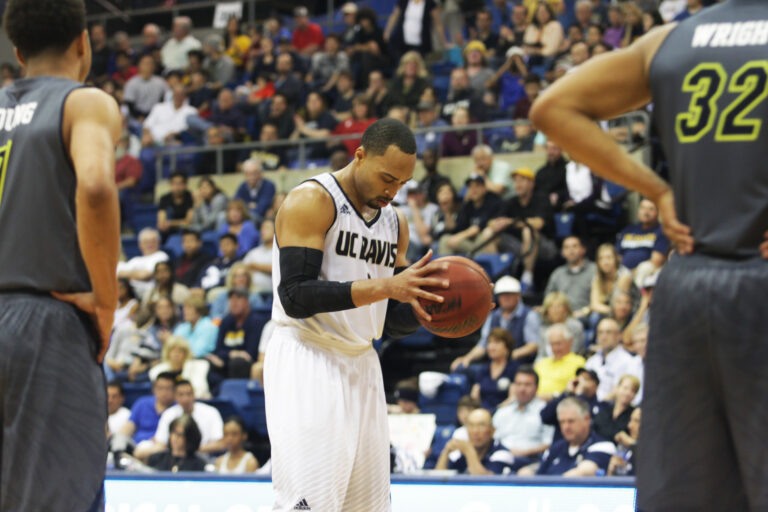
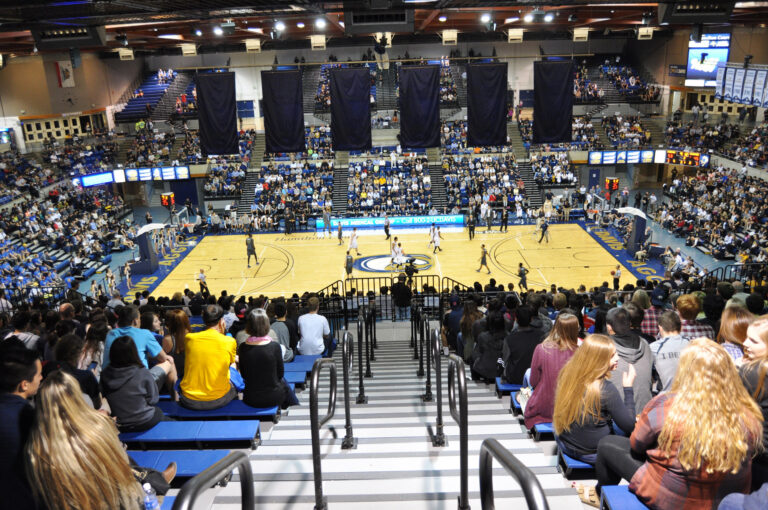
After a 2014-15 season of unbridled success on the UC Davis men’s basketball team, recent graduate Corey Hawkins was signed by the NBA’s Miami Heat on August 21. The terms of the deal were not released.

Following the news, Hawkins tweeted: “Proud to announce that I am a new member of the Miami Heat organization, truly a blessing. More work to be done. Thanks for all the support!”

Hawkins led the NCAA this past season with a .488 three-point shooting percentage and was instrumental in the Aggies’ first Big West regular season title, averaging 20.9 points per game. The team finished with a 25-7 overall record, a perfect 14-0 at home.

As the Big West conference scoring champion for the second time in his career and the first UC Davis athlete to be named Big West Player of the Year, Hawkins will look to carry his success over to the NBA. Hawkins, the son of former NBA player Hersey Hawkins, was part of the Sacramento Kings summer team last month, but he was unable to see any game action because of an ankle injury.


Photo by Jay Gelvezon.

Bryan Sykes can be reached at sports@theaggie.org.

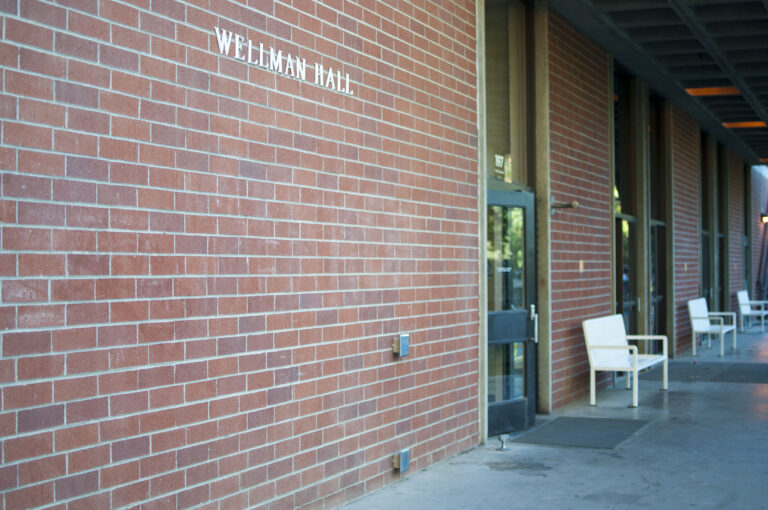
News in brief: UC Davis employees report asbestos exposure in Wellman, Olson Halls

0

This story was updated on August 24 at 1:00 pm to reflect new information. 

Two UC Davis employees and five students reported exposing students to asbestos, a carcinogenic mineral formerly used to insulate walls, while drilling holes in older buildings, according to an investigation performed by Sacramento TV station News10 in an article posted on Aug. 17.

The workers are part of the university’s Academic Technology Services Department, responsible for installing and removing video and audio equipment across campus.

According to employees Mark Kellogg and Trevor Williams, the workers drilled walls in several older buildings, including Olson and Wellman Halls, while air conditioning and ventilation systems were running and students were in the classrooms.

“We’re endangering students because of the decisions our managers are making just to get the job done,” Kellogg told News10. “The management team stood up, and they stated, ‘they’re going to be testing for asbestos. Drill the holes now, so we don’t get shut down.'”

The action is in direct violation of UC Davis’ Health and Safety Regulations which state, “Employees will be informed in writing the locations of asbestos in their work areas and they’re not allowed to drill holes in asbestos-containing materials or access areas or access areas above ceilings.”

The workers report that they have never been told where the asbestos is located and have worked several times in violation of the regulations without warning.

UC Davis records obtained by News10 showed that asbestos was found in wall texturing and joint compounds, a material used to seal sheets of drywall, in Wellman Hall. Additionally, testing also reported traces of asbestos in the floor tiles and wall panels of Olson Hall.

According to state and federal laws, structures before 1980 must be treated as if they contain asbestos. Wellman was built in 1969, and was evacuated in 2011 due to belief that asbestos had been exposed through the ventilation system.

UC Davis denies any traces of asbestos on the campus.

“Air sampling tests conducted by a certified professional showed no detection of asbestos and no health concerns for anyone entering these buildings,” the university released in a statement to News10.

In the wake of the News10 article, UC Davis issued a statement confirming the usage of asbestos in older buildings.The university, however, denies that the carcinogen is exposed or airborne in Wellman, Olson and Haring Halls, according to independent testing performed in late July by a third-party consultant.

“Recent media coverage about asbestos abatement during work in Wellman, Haring and Olson halls has caused some confusion in our community,” UC Davis issued in a statement. “First, we want to reassure students, faculty and staff that your safety is our number one priority. Independent testing by a certified third-party consultant has confirmed there is no presence of asbestos in the air in these buildings. They are safe.”

More details surrounding the investigation are to come.


Photo by Jay Gelvezon.

Jason Pham can be reached at campus@theaggie.org.

2014-15 Goodbye Editorial

0

The Editorial Board says Goodbye

By MUNA SADEK
Editor in Chief

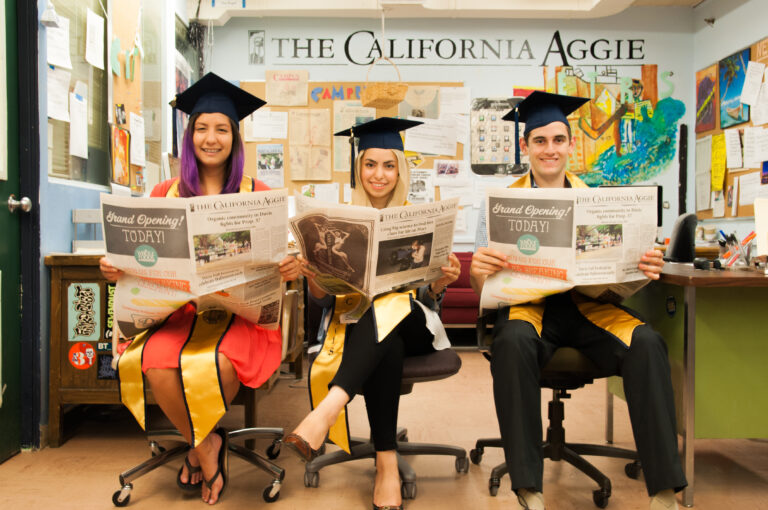
In my final weeks at the newsroom, even the things that were once so off-putting have begun to make it increasingly difficult to say goodbye. The windowless walls which occasionally dulled my spirits have become endearing; The tattered office chairs and couches, in my eyes, have become prized relics; The once reprehensible Justin Bieber poster that hangs above the sports desk is now “eclectic” and an homage to contemporary popular culture.

The start to this year was undoubtedly challenging for Aggie staffers. In the fall, the campus had become home to an entirely new class of students who had never seen a fully-stocked Aggie newsstand, and reporters and editors returned to a newly out of print paper on a completely volunteer basis.

They accepted the challenge. Editors worked unforgiving hours of the day to ensure that what was published was top-notch. They thought out-of-the-box to increase readership which had shifted to entirely online. They became cheerleaders, salesman, spokespeople, in addition to journalists, to pave an entirely new course of action to secure the paper’s continuation.

It earned the approval of our 2015-16 budget by the ASUCD Senate. The budget seeks to support a resurgence of three printed issues per quarter – roughly nine issues a year. Their unwavering dedication to The Aggie’s survival is only a testament to the impact it has and will continue to have on its staff and readers. It’s quite possibly the start to a new beginning.

Below, outgoing and incoming editors bid adieu to The Aggie’s graduating editors.

_

Fearless Sports Editor Ryan Reed

By MELISSA DITTRICH
Opinion Editor

While he may at first seem intimidating with his over 6′ height and his constant talk of sports, spending a few minutes with Ryan will show that he’s really just a funny guy with a love for sweets and video games. Ryan has worked tirelessly for The Aggie these past two years, first as a reporter for the sports desk and this past year as the desk’s editor. He’s followed every game, enthusiastically contributed to editorial board meetings and taught his writers how to use their skills to report on matches, tournaments and post-game interviews. Along with that, he is also the friend that reminds people to breathe during stressful situations. Ryan will be following his dream of moving across the country when he starts school in August at Georgetown Law. While we are looking forward to see what he will do with his very bright future, we will miss his humor, his sports talk and his friendly face.

(Queen) Copy Chief, Elise Nicolas

By GABI HAMLETT
City Editor

Who gives a f*#k about an oxford comma? Elise Nicolas, our Copy Chief sure does! Elise has been an incredible asset to the California Aggie for the past year. She’s spent hours on end each production night directing her team in perfecting news articles for publishing. Working at the Aggie around individuals with many of the same motivations and goals as her, she says, has been an experience she will never forget. Next year Elise plans on getting her teaching credential in hopes of pursuing her dream of becoming a high school English literature teacher. Though we are sad to see her go, we know she will excel wherever life takes her next.

The Arts Editor with the Ever Changing Hair, Akira Olivia Kumamoto

By AMANDA ONG
Associate Arts Editor

It’s the rare person who is able to juggle writing two honors theses, an editor position at the Aggie, an internship, a job at the library, and performing in an a cappella group – all while taking a full load of classes each quarter. Akira Olivia Kumamoto is one such person. But the best thing about Akira is not all of the wonderful things she has accomplished during her three short years here at Davis, but the sense of compassion and warmth that she brings to all that she does. She makes herself available to her writers, is kind and generous when the inevitable missed deadline occurs, and encourages derpiness and laughs from the group of [f]arts writers that she manages.

This fall, Akira will be taking her talents to journalism school at Berkeley. She will be sorely missed but she will leave behind the derpy group of arts writers she has trained, and (hopefully) the really awesome picture of Sam Weir from Freaks and Geeks that hangs above her desk. She will also no doubt have the time of her life studying something she is incredibly passionate about.

From fashion design to graphic design, Design Queen Jennifer Wu

By RITIKA IYER
Features Editor

Whether it’s a perfectly crafted yet highly practical rainy day outfit or an extremely well-executed infographic about Yolo County health initiatives, Jennifer Wu never fails to impress. A graduating design student, Jenn has led The Aggie’s Art and Design team to extraordinary excellence this year. Her unique knack for creating beautiful visual representations of a wide variety of topics has made every accompanying newspaper article that much cooler. From managing tight deadlines for her desk to championing last minute graphic requests from us desk editors, Jenn really has made an amazing contribution to our staff and publication.

The Editorial Board will miss Jenn’s personality and talents greatly next year, but know she’s onto bigger and better things and we wish her the best. First up, a cross-country road trip. We have no doubt that Jenn’s creative juices will begin flowing on her trip and the cities of America will serve up some great inspiration for her upcoming artistic designs.

Actual perfect human being/goddess Editor-in-Chief, Muna Sadek

By AKIRA OLIVIA KUMAMOTO
Arts Editor

Muna spends a lot of time telling us editors and writers how much she appreciates us and how lucky she is to associate herself with all of us, but Muna, Muna, Muna, we, dear, are the lucky ones. Not only is Ms. Sadek just about the hardest-working, most passionate journalist and editor I – and anyone really – has ever met, but she is kind, considerate and somehow, extremely level-headed, even in the most difficult situations. This school year at The Aggie was a whirlwind of economic and emotional trials and Muna lead us through it all without ever breaking a sweat (not to mention her outfits were always on point?!). She is truly the definition of the just and compassionate leader.

Having just graduated, Muna will be interning at different media outlets this upcoming year. Her welcoming personality and unconditional understanding and love will be missed at The Aggie, but we cannot wait to see how far she will soar in her journalistic pursuits; love you Muna.


Photo courtesy of Jay Gelvezon.

Male Team of the Year: Basketball

0

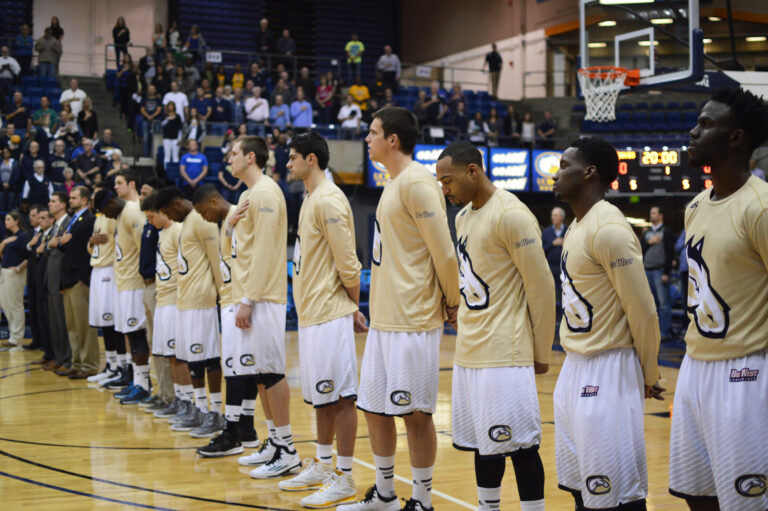
A Big West regular season title and a perfect home record of 14-0 at the Pavilion are just some of the evidence for why UC Davis men’s basketball has been named The Aggie’s Men’s Team of the Year.

UC Davis started its season with outstanding play both in the Pavilion and on the road.  Combining incredible passing with several outstanding shooters from beyond the arc, the team found the winning formula.

The Pavilion was a house of perfection as the Aggies finished the season with zero losses at home.  Fans were gifted with heart-stoppers and clutch plays during the season as the resilient team pulled out win after win on home territory.

Head coach Jim Les proved to everybody that he could helm a winning team with so many tough competitors in the league.  Leading the Aggies to their first conference championship and a Division I postseason appearance, Les made sure his team made a mark in the realm of college basketball.

Les, a good shooter in his playing days, instilled a game plan that involved plentiful passing and three-point shooting, eventually leading to the Big West Regular Season Championship.  For those who fear the Aggies will lose Les after his success, worry not.  After the season ended, Les signed a contract ensuring he will be with UC Davis through the 2020-2021 school year.

Senior guard Corey Hawkins exemplified dominance, poise and leadership on the court. He was the go-to player and could always be counted on to make the big play or change the momentum of a game.  With an unbelievable .503 shooting percentage from three-point land and a team high 39 steals, Hawkins has clearly made an impact on the court.

The Aggies, however, have also proven that they are not a one-man team.  A plethora of play-makers were on this season’s team, with each one adding to overall success during the season.  Senior guard Tyler Les made several clutch threes throughout the season while senior center Josh Ritchart provided size in the paint as well as a steady hand from beyond the arc.  A combination of steady role players like these led to successful passing, wide open shots and inevitable victories during the season.

Although the aforementioned seniors will not be with the team next year, many younger players have proven that they are capable of stepping up. Junior forward Josh Fox and sophomore point guard Darius Graham have shown the Aggies that they are willing and able to lead the team to further success in the upcoming years.  Fox and Graham’s momentum-changing and aggressive playing abilities have given the team and fans an offense power to look forward to.

Throughout the season, the Big West standings showed an incredibly tight race.  Despite UC Irvine’s stubborn presence in second place, the Aggies maintained their force and finished the year with the prized Big West title.

Entering the postseason, the team was in a brand new territory.  Post season basketball being a completely different experience compared with regular season play, The Aggies’ nerves appeared rattled.  The team pulled out a win in the quarterfinals against CSU Northridge which propelled them to the second round where they faced Hawaii.  Despite putting up a fight and a late game comeback, the Aggies fell to Hawaii.  It was a heartbreaking loss for the Aggies, but the team stood tall.

This was not the end of the road for the Aggies as their Big West Regular Season Championship had granted them an immediate spot in the National Invitational Tournament, but unfortunately for UC Davis fans, a first-round loss to Stanford was the only thing that came from it.

UC Davis men’s basketball was a beacon for success this year; they proved to the school, the fans and their opponents that UC Davis is a force to be reckoned with.

Graphic by Jennifer Wu.

Women’s Athlete of the Year: Ashley Marshall

0

After a year of ups and more ups, senior sprinter Ashley Marshall has officially crossed the finish line of her athletic collegiate career. Big West’s Track Athlete of the Year, recipient of the Dr. Hubert Heitman Award and ninth place national time holder for the 100-meter dash, Marshall graduates UC Davis with many awards

Known for her short distance specialties, Marshall is renowned for shattering all-time school records in both the 100 and 200-meter events. Her time of 11.22 in the 100-meter dash, set at the Mt. SAC Relays in April, was the ninth fastest time in the country. In the same meet, Marshall topped with a time of 23.18 in the 200-meter for a 24th best in Division 1 this season.

Marshall showcased raw talent during May’s Big West Championship Tournament, where she took first place in both the 100 and 200-meter races with times of 11.52 and 23.35.  Marshall earned Big West’s Track Athlete of the Year for the third time after earning the same title in 2013 and 2014, a feat never accomplished by the same athlete for three consecutive years. Additionally, Marshall’s contribution to the 4×100 relay tipped off the Aggies for Big West’s fastest time this season.

On May 31, UC Davis recognized Marshall as UC Davis’ top female student athlete of the 2014-2015 year. She accepted the Dr. Hubert Heitman Award at the annual recognition luncheon held at the ARC ballroom along with senior basketball sensation, Corey Hawkins and senior soccer player, Brian Ford.

Though falling short of the top at the NCAA National Competition on May 30 in Austin, Texas (Marshall took 19th place in the 200-meter dash), Marshall remains confident she can turn her college career into an international feat. For this sociology major from Moreno Valley, representing the United States or the Barbados in professional track competition is a dream worth fighting for.

Graphic by Jennifer Wu.

UC Davis professor awarded $2.88 million for breast cancer research

Professor Boone and radiologist discuss research, grant process

UC Davis biomedical engineering professor and Vice Chair of Radiology, John Boone, was recently awarded a $2.88 million grant for his research on using computed tomography (CT) in breast cancer screenings and diagnosis.

“Our real goal is to help our physician colleagues detect breast cancer earlier and increase the survivability of breast cancer,” Boone said. “We’re doing this research with the intention of ultimately helping humanity, which is really what most research in the medical world is about.”

Boone is also the president of the American Association of Physicists in Medicine. According to Boone, choosing to research breast cancer and CT was a natural combination of his strengths, as he has always had an interest for breast imaging and mammography.

“As an academic scientist, it’s important to follow research that has impact,” Boone said.

Breast cancer affects both men and women, though it is very uncommon in men. According to Boone, 12.5 percent of women will be diagnosed with breast cancer at some point in their life. The National Cancer Institute recommends that women over the age of 40 undergo annual screening in order to detect small tumors before they spread.

Annual screenings are typically conducted using mammography. If a mammogram reveals a suspicious lesion, the patient is taken for a diagnostic examination, which could involve an ultrasound or MRI scan. Boone aims to gain approval for CT as an alternative in both the screening and diagnostic stages.

“The problem with mammography is that you’re making a projection of a 2-D image from a 3-D object — the breast,” Boone said. “Every point means a path through the thickness of the breast, which is about five centimeters. So if a woman has dense breasts, some normal anatomy of the breast could get in the way of the lesion, reducing the probability of a radiologist detecting it.”

For the past 15 years, Boone’s lab has been working on making a 3-D image of the 3-D breast.

“The whole idea is to not have the issue where breast anatomy gets in the way of detection,” Boone said. “We’re actually slicing the breast image into tiny images using computers. That’s what CT does. That allows the radiologists to look at each slice one at a time, rather than at one dense five centimeter path.”

While mammography is relatively inexpensive, the issue of patient comfort arises.

“We conducted a survey on mammography compared to breast CT,” said Karen Lindfors, professor of Radiology and chief of Breast Imaging at UC Davis. “Patients preferred breast CT for comfort level because it doesn’t require breast compression.”

Some patients find mammography painful because the breast needs to be flattened in order to create the 2-D image. Breast flattening is not required for CT.

Mammography is a screening technology, but greater efforts are required if lesions are detected. Once a lesion is identified, diagnostic tests are required to determine whether the lesion is a tumor or not. At this level of examination, breast MRI is used, and is always accompanied by the injection of a contrast agent into a woman’s veins. This helps distinguish tumors.

The second part of Boone’s research aims to display CT as a more cost- and time-effective alternative to MRI.

“With CT, we’re also going to inject a different kind of contrast agent into the woman’s veins and image the breast with breast CT,” Boone said. “This can then be compared with MRI.”

The final stage in breast cancer diagnosis is a biopsy, in which a tissue sample is sent to pathologists who determine whether the tumor is cancerous.

“The hope is that we will be able to reduce number of biopsies of breasts with benign lesions and increase detection of those that are malignant,” Lindfors said. “We want to better differentiate non-malignant from malignant in the least invasive way.”

The Boone lab has been operating on grants of about $1 million per year for the past decade. After 15 years of research, the lab has reached the final clinical trials for CT in screening and diagnostics respectively.

“In the last five years, we’ve applied for maybe 30 grants, and got a few funded,” Boone said. “We’re in a relatively grim funding era with [the National Institute of Health], maybe eight out of 100 labs are chosen. It’s a pretty typical obstacle.”

According to AJ Cheline, Director of Marketing and Communications for the UC Davis Office of Research, a total of 67 projects at UC Davis have received awards from the NCI between 2012-2015. UC Davis receives an average of $20 million in funds from the NCI per year.

“As you can see, the average NCI award at UC Davis is about a million dollars,” Cheline said. “Between two to $10 million are very strong awards, so this award is definitely significant.”

The life sciences tend to receive the most awards, according to a survey published by the National Science Foundation. Stem cell, cancer, nutrition and pathological research tend to have the most impact and are fast growing paths, Cheline said.

“Reviewers pick apart your science, you edit the grant and resubmit,” Boone said. “It’s a matter of convincing smart people that your science is more important than other scientists’. But, 10 students have gotten PhD’s with this research, it’s been impactful, and we’ve published a lot. Now we’re just at the final clinical trials.”

Clinical trials have already been conducted on over 400 patients at UCD. Boone hopes to accrue 400 more patients in the next five years. Each patient will undergo two modalities of testing: screening and diagnostic. This means participants will get all four methods of testing, mammography, CT, MRI with contrast injection and CT with contrast injection.

“The women who participate in the trials will all be UC Davis patients with suspicious lesions,” Lindfors said. “CT will be compared to the other modalities to determine accuracy in information about malignancy as compared to non-malignancy.”

While all 400 women will have lesions, some will be benign and others will be malignant. Radiologists who are unfamiliar with the patients’ cases will examine the scans and rate on a scale of one to five how certain they are that the results show a tumor or not. After imaging trials are complete, all participants will be biopsied to determine whether or not the cells are cancerous.

“The results of these studies will tell us essentially how good CT is,” Boone said. “We’ll see how it compares against mammography in screening, and how contrast enhanced CT compares to MRI in the diagnostic environment.”

Boone hopes to see the integration of CT in breast imaging tests, first at the diagnostic level, then later as high risk screening tool and ultimately as a replacement for mammography.

While Boone’s team consists of biomedical engineering graduate students, in addition to medical physicists, radiologists and breast imaging experts, he encourages students to explore research.

“It’s a great joy to have the honor to be in this position,” Boone said. “It takes people who are smart, curious, creative and willing to work hard. The rewards of research are many. It isn’t for everybody, and it’s a tough business, but as undergraduates, especially scientists in training, explore this career path by participating as an undergrad in a research lab.”

According to Boone, research is an adventure of its own.

“Research, especially medical research, is a new frontier,” Boone said. “The Earth has been studied; there isn’t one place you can go that people haven’t been before. So the explorers of today really are researchers.”

Graphic by Jennifer Wu.

Myths and Misconceptions about Health

0

(Insert Symptom Here): There’s a pill for that

Headaches, asthma, fever, viral infections, high cholesterol, high blood pressure, depression, anxiety and any other conditions all seem to have a pill to treat them. Pharmaceuticals have become a normative form of treatment in the U.S. There are advertisements for them on television, the internet and in print. A recent phenomenon has emerged where consumer-patients are becoming the target of pharmaceutical industry. Pharma-representatives aren’t just persuading doctors to prescribe their drug to patients, but now they are persuading patients to ask their doctors for the medicine. Perhaps this is because medical discourse has become so prevalent in the U.S., an explanation which seems especially likely considering that the U.S. is a society obsessed with efficiency and longevity. Everyone wants to be in the best shape possible and be up-to-date with the latest medical technology and treatment. People want to look young while also living as long as possible. People equate looking young and living a long time to being healthy, which they equate to taking pharmaceutical drugs.

I want to discuss the misconception, which exists mostly in the U.S., that pharmaceutical drugs are of the utmost importance in medical treatment. The U.S. populace places a lot of confidence in the effectiveness of medical drugs. People think that the science behind pharma is reliable, so they couldn’t imagine an error being made in clinical trials or in FDA approvals. To some extent, science itself is a cultural construction because people designate the criteria needed for something to be deemed scientific. Thus, there are a lot of half-truths and false reporting in the pharmaceutical industry as a means to get more money. In this article, I want to investigate whether or not science is manipulated to produce results that align with corporate interests.

Pharma reps pay, doctors prescribe and patients consume

I find it difficult to believe that pharmaceutical corporations don’t reshape their data and drug efficacy results to look more appealing to their consumers, because pharmaceuticals is a business after all. Personally, I have observed pharmaceutical representatives at work in a clinical setting. The reps are young, fit and charming. They come bearing gifts to the whole office (usually food). Between the doctor’s patient-viewing, the reps pitch them their latest drugs with a clipboard and pen in hand, ready for the doctors to sign an agreement that they will prescribe their drug. Not all doctors listen and sign, but many do because it will bring in the money.

There really isn’t any reason for pharmaceutical businesses to keep patients healthy, or at least too healthy, because that would decrease their profits. Patients need to be sick enough to have to take their drugs, but well enough to continue taking them. Ultimately, pharmaceutical drugs are more about managing symptoms, not about resolving the underlying causes of disease and illness.

Trials

We assume that a drug on the market wouldn’t have been approved if it didn’t produce satisfactory results in the clinical trials. However, we often forget to ask critical questions about what the nature of these clinical trials is. Are the companies hiring their own researchers? And do these researchers already come in with a hypothesis in mind? Perhaps their studies are influenced by the results they want? Might the researchers only create tests that legitimize the drugs the company that employs them makes? Who are the people getting tested anyway? How would that affect their results? And what are the ethical implications? Are these people being exploited?

Why aren’t people asking these questions?

What good is science if it allows populations to become the human subjects of a science experiment designed to profit an industry?

Many people feel that medical drugs are their only hope in getting better. Information about the importance of sunlight, diet, nutrition and exercise is often left out of the conversation. People view their doctors as authorities, so if their doctors tell them to take a drug, they often trust it is their only or best treatment. In addition to this, individuals think that because medicine is produced scientifically it must be correct and reliable, so they likely won’t consider a second option.

Maybe we should rethink what health means to us. Is health only staying alive for as long as possible?

Graphic by Tiffany Choi.

Women’s Team of the Year: Golf

0

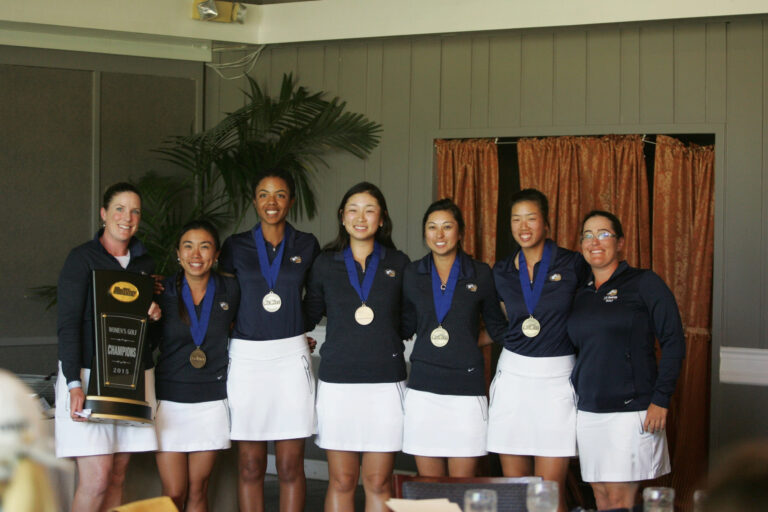
After an outstanding year, which culminated in an 11th place finish in the NCAA Finals, UC Davis women’s golf has been named the Aggie Women’s Team of the Year.

The Aggies started their year off with phenomenal play, taking third, second and third in their first three tournaments. The team scored several early individual wins as well, with junior Andrea Wong finishing in first for stroke play at the East & West Match Play Challenge and sophomore Paige Lee and senior Blair Lewis tying for fourth at the Edean Ihlanfeldt Invitational. Still, the team stumbled into their mid-season break at the Stanford Intercollegiate, finishing No. 13 out of 17. This was an early test against some of the best in the country, with athletes from USC and University of Washington competing.

After their trying trip to Palo Alto, UC Davis entered the spring season ranked No. 30 in the country, ready for another trip to face off against Stanford. The Aggies bounced back nicely in their return, finishing in second place just three strokes behind University of Oregon. Lee ended play on top of the leaderboards, her first individual victory as a collegiate player.

With Stanford behind them, the Aggies quickly took seventh in the UC Irvine Invitational before ripping off a stretch of four straight top three finishes, including a dominant victory at the Big West Championships. Their championship marked the sixth straight year that the Aggies have won. Four UC Davis players finished within the top five individually.

The stretch of high finishes moved UC Davis to a No. 20 ranking nationally and rewarded them with a trip to the NCAA Regionals in South Bend, Ind. The Aggies finished fourth at the Regionals behind a fifth place individual finish from Lewis. Lee also made her way into the top fifteen, helping UC Davis earn a spot in the NCAA Finals.

The Aggies fought valiantly at the finals, making the cut after the third round before being eliminated. UC Davis fell four strokes short of advancing into the top eight, a spot that the team hovered near through the entirety of the tournament. With that, the Aggies finished their season ranked No. 20 nationally.

Additionally, members of the team found significant success individually. Lee is currently ranked No. 41 in the country, while Wong is right behind at No. 50. She was also named a 2014-15 All-American honorable mention by the Women’s Golf Coaches Association, the third All-American in program history. Lee was a big part of another successful season for the consistently excellent UC Davis women’s golf team.

Graphic by Jennifer Wu.

Men’s Athlete of the Year: Corey Hawkins

0

Senior guard Corey Hawkins has been at the head of the UC Davis men’s basketball team’s enormous success during the 2014-15 season. Going 25-7 overall and holding a perfect home record of 14-0, the Aggies had their most successful season yet since joining Division I. Hawkins has been a strong leader, and not just because of his performance on the court.

“He’s a great player. You look at his numbers and they wow you,” said head coach Jim Les during the 2014-15 season. “What people don’t know and what makes him special is his character, his leadership ability [and] his work ethic. He’s been an unbelievable ambassador for this university and he’s an unbelievable student athlete.”

Hawkins scored 30 points against UC Irvine to help cement the Aggies’ perfect season at home, making it his eighth time scoring 30 or more in a single game as an Aggie. The win was a part of a résumé that earned the Aggies their first trip to the National Invitation Tournament, thrusting them into the national spotlight.

Hawkins averaged 20.9 points per game, which made him a consistently deadly force at game time, while his 48.8 percent three-point shooting percentage led the nation and earned him recognition from across the country.

The sheer amount of awards and records Hawkins has received and set are nearly too many to list. This season alone he has been selected as an All-Big West First Team recipient, placed on the All-District Team by the U.S. Basketball Writers Association and participated in the State Farm College 3-Point Championship along with women’s basketball senior Kelsey Harris.

In addition to being named Big West Player of the Week three times this season, Hawkins was also chosen as Big West Player of the Year, a UC Davis first.

During the Reese’s Division I College All-Star Game, Hawkins put 20 points on the board, ensuring the West’s triumph over the East by outscoring all other players. This led to him becoming MVP at the conclusion of the game.

Hawkins, the Associated Press’ All-American Honorable Mention, finished his career as an Aggie on the top of his game. With seemingly endless accolades under his belt, he elevated the performances of all he played beside, most notably his Aggie teammates.

Hawkins and his teammates “became the first [team] to put UC Davis basketball on the map on a national scale,” Les said. That is part of Hawkins’ legacy that he shares with his teammates.

Hawkins is the clearest choice for the Aggie’s Athlete of the Year, leaving UC Davis to hopefully pursue a future in professional basketball.

Graphic by Jennifer Wu.

A farewell to Davis

Graduate creative writing master’s students to hold farewell reading

The members of the creative writing program at UC Davis have spent the past two years together taking workshop classes, reading each other’s work and growing close as a cohort. Now, their master theses have been defended, their graduation gowns have been ordered and they are preparing to go their separate ways. They will gather as a group for the last time on Wed., June 10, for their farewell reading. The reading will be held on Wyatt Deck in the Arboretum. Each of the students will read a short selection of their work and there will be light refreshments.

Mary-Kathryn Nielsen, a second year poet in the program, describes her fellow graduating program members a unique and diverse group of writers.

“It’s a small program, and pretty quirky,” Nielsen said. “There are people from all walks of life, with insane personalities. It’s people with really different personalities coming together.”

Meagen Youngdahl, also a second-year poet, says that one of the things she will miss most about her time at Davis is her tight-knit circle of writers.

“There’s a lot of passionate people in the creative writing program. I would describe the graduates as very different but in the best way.” Youngdahl said. “There are a lot of things that we’ve gone through together as a group, involving the program and department.”

The graduating creative writing students will also miss being in the company of the talented and distinguished creative writing faculty.

“I’ll miss the professors so much,” Emily Meehan, a second-year fiction student, said. Meehan said that one of the most challenging things about the program was learning how to respond to the oftentimes harsh feedback that her professors gave her.

“You have to have a thick skin, which is really good because that’s what real life is like. The professors are not people pleasers. If they don’t think your work is good, they’ll just tell you,” Meehan said. “But grumpy as they can be, it’s just so great to able to talk to them about your writing or even just about life.”

Nielsen fondly recalls a non-fiction workshop she took with Professor Lynn Freed, a class which ended up being one of her favorite classes at UC Davis.

“[In her class] we read everything, from seemingly boring essays to hilarious memoirs to really sad, devastating essays on the Holocaust,” Nielsen said. “She really attacked our pieces with grace and humility.”

The professors seem to have inspired and positively impacted this year’s cohort, as Nielsen, Youngdahl and Meehan all expressed that they plan on continuing writing after their program ends. Youngdahl will be pursuing a PhD in creative writing at the University of Kansas, Meehan will continue working on her screenplays and will attempt to publish the non-fiction piece she submitted for her thesis and Nielsen will be working at a startup in Berkeley.

All three writers also attended the farewell reading last year and are expecting this year’s reading to be just as bittersweet.

“It’s always a joyous and sad event. People usually cry but are also happy to be together one last time,” Youngdahl said. “I’ll definitely miss my cohort and I’ll also miss the first year writers.”

And now that the second years have gone through the stress of balancing writing, taking classes and teaching, they have some words of advice for the first year writers and the incoming cohort.

“Take a lot more classes than you need to take,” Nielsen said. She said that she would encourage all the creative writers to take advantage of the talented faculty and all the literary resources that UC Davis has to offer.

Meehan advises incoming writers to come in with an open mind, and be open to being changed by different styles of thinking and writing. Youngdahl would like to tell the first years to remain close as a cohort.

“Writing is less lonely when you stay together and you learn from each other,” Youngdahl said.

The reading will be held on Wed., June 10, at 7 p.m. at the Wyatt Deck in the Arboretum. Please visit the Facebook event page for more details.

Graphic by Jennifer Wu.