53.3 F
Davis

Davis, California

Thursday, December 25, 2025
Home Blog Page 801

aggieANGELOUS

In loving memory of the inclusivity and resilience of Maya Angelou

The Poetry

“My Exhale”

By CAMILLE IMAN WOODS

Unleash the Marxist monster.

break the exploitation

manifested as social constructs

produced by capitalism

Unload the commodity of its fetishism

release mass consciousness

so that it may recalibrate

to a state of commune and homeostasis


Retain the autonomy that capitalism birthed out of the womb of feudalism.


Halt the reign of consumerism

destroy the intimacies

of global commerce

and world war


Remove the weights of human hierarchy from this bridge called my back


so that I the lochness,


may arise from the pollution that fills the sea and breath the air of my own salvation.


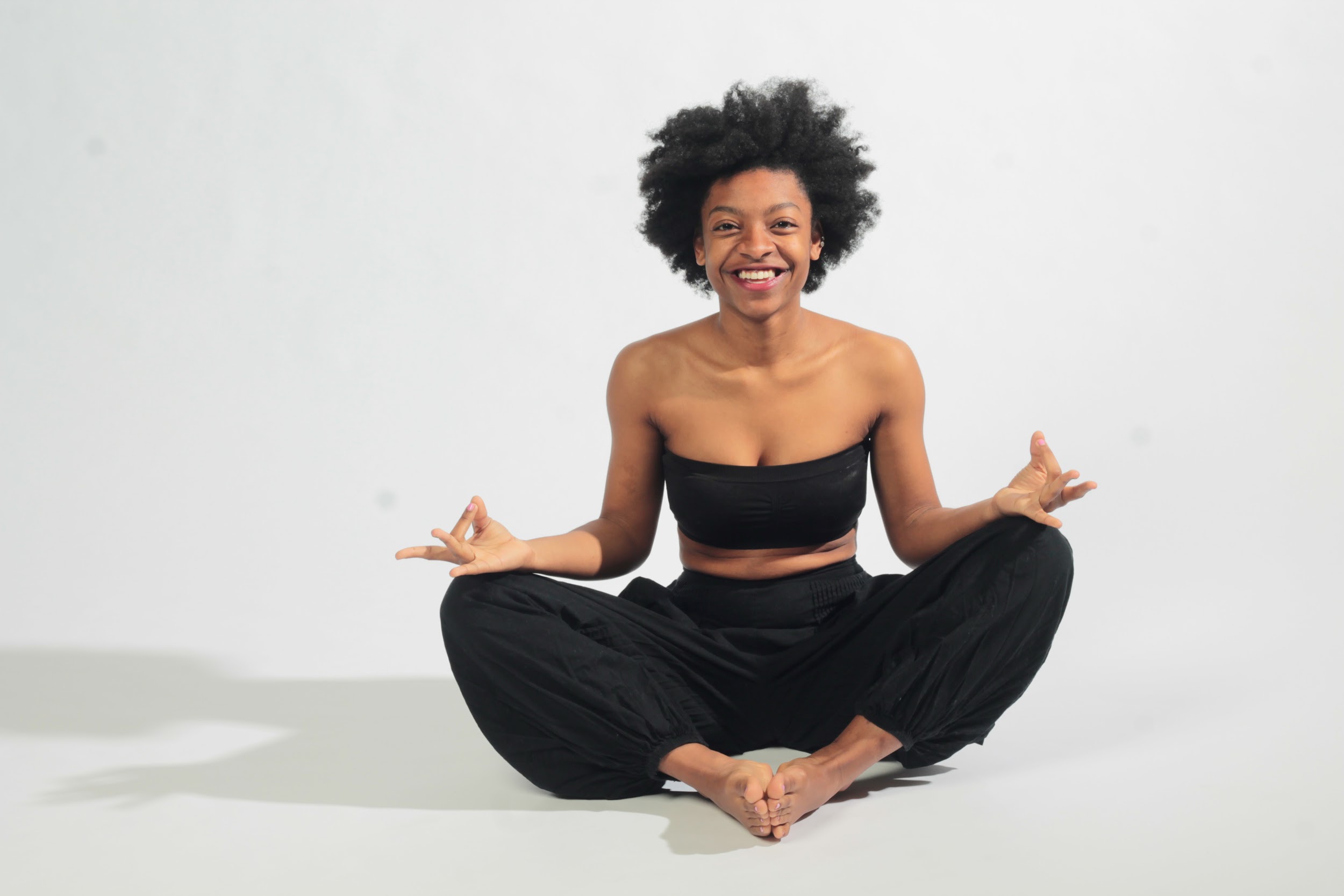
ThePoets&ThePoetesses: A note from the creator
camille

Welcome back to aggieANGELOUS for Spring 2015. I have been honored to have had the opportunity to read the artistic products of UC Davis through submissions for this column and I am humbled by the bravery of my peers who offer up their vulnerability through their poetry. I have written a poem to start off this Spring Quarter and I am excited to read the submissions for this spring.

If you have questions for me personally, please do not hesitate to send me an email at aggieangelous@gmail.com or check out my personal blog at mscamilleiman.blogspot.com.

Be featured in aggieANGELOUS:
Send your poetry to aggieangelous@gmail.com with your name, major, year and a short one- or two-paragraph description about yourself. Feel free to include your interests and/or hobbies, or maybe even your favorite quote!


 

Photo by CA Aggie Photo Team.
Graphic by CA Aggie Graphic Design Team.

This week in men’s sports

0

Men’s sports action from March 30 to April 6

Baseball (19­10­1):

UC Davis vs. Saint Mary’s (W, 11­2)

UC Davis @ Hawai’i (L, L, L, W)

The Aggies had four straight games in the Aloha State, but first had to finish off a four game homestand with a competition against Saint Mary’s. UC Davis rolled to an easy victory after scoring seven runs in the first three innings. The win was their seventh in a row after taking their first three straight Big West games against UC Riverside.

Hawai’i proved to be a tougher matchup as the Aggies quickly found themselves on a three game losing streak. UC Davis lost the first two by five and eight points, respectively, before playing a slightly tighter third. On their final day overseas, the Aggies were able to buckle down on defense and hold their opponents scoreless, despite allowing eight hits. Meanwhile, UC Davis batted in three runs in the first two innings to provide just enough offense.

Golf:

ASU Thunderbird Invitational (7 of 14)

Cowboy Classic (5 of 18)

Just a week before UC Davis men’s golf hosts the El Macero Classic, the Aggies found themselves busy with back-to-back tournaments in Arizona against dominant competition. On the first day of the Thunderbird Invitational, the Aggies finished in fourth place behind a phenomenal 2-under 68 by junior Luke Vivolo in the first round. The team, however, struggled on the second day and dropped to a seventh place finish. Vivolo ended the tournament two over par, No. 14 individually.

A similar storyline played out in the Cowboy Classic as the Aggies jumped out to a first place finish on the opening day of play. Senior Mike Brockington shot a career low 7-under in his first round and ended up first individually, while Vivolo came in fifth. Each player slipped drastically on the second day, however, as the Aggies stumbled to a still solid fifth place finish. Brockington shot a 2-over 74 and came in No. 10 on the leaderboard while Vivolo finished at No. 17.

Track and Field:

San Francisco State Distance Carnival

Stanford Invitational

UCLA Legends Invitational

UC Davis track and field athletes spanned the California map on April 3 and 4, competing in three separate invitational events. The Aggies struggled to make in impact on the leaderboard on the first day of the San Francisco State Distance Carnival. The highest UC Davis finisher in any of the distance events was junior Amar Dholakai who took No. 13 in the 10,000 meter. Freshman Drake Foote was able to leave his mark on both the long jump and high jump, finishing No. 5 and 7 respectively. Sophomore Hawk Hammer added a No. 4 finish in the pole vault. The second day proved more fruitful as several Aggies took high finishes, including sophomore Matt Moreno who finished seventh and No. 12 in the 400 and 200 meter races, respectively.

Junior Trevor Halsted won the 5,000 meter for UC Davis at the UCLA Legends Invitational on the first day, while four Aggies took home finishes in the top-15 in 1,500 and the 100 meter races on the second day. Junior Jason Chandler won the 400 meter hurdles and several other Aggies finished within the top ten of their individual meets. There was no team scoring for this event.

The final competition of the busy two day stretch took place in Stanford, with only a few Aggies competing. On the first day, senior Nathan Strum finished No. 12 in the 1500. The next day, senior Trevor Ehlenbach came in eighth place in the 800 meter while sophomore Marc Toney tied for first in the pole vault. The Aggies will reconvene as a team for the Arizona State Sun Angel Classic on April 10 and 11.

Graphic by Jennifer Wu.

Four Aggies compete at NCAA Regionals

DeFrancesco, Judal, Montell and Nogaki make UC Davis known on big stage

The highly competitive NCAA Regionals held at Berkeley’s Haas Pavilion on April 4 was a melting pot for athletes from all over, hailing from Georgia to Utah. UC Davis was able to send four qualified individuals to the meet, following stellar performances from each earlier in the season.

As a team, the Aggies have been a powerful force for the entire season, bringing in five first-place finishes, with the most recent resulting in UC Davis reclaiming their spot as the Mountain Pacific Sports Federation [MPSF] champions.

“[It was] probably the most intense gymnastics meet I have ever been involved with,” said Head coach John Lavelle when describing the championships.

Narrowly missing the team qualification for the regionals – the top 36 teams are allowed to compete against each other – the MPSF meet concluded with seven athletes receiving all-MPSF honors, four of which then qualified for the NCAA Regional individually.

Senior Tiana Montell entered the meet as an all-arounder, and was joined by senior Kala DeFrancesco on the floor, junior Dani Judal on beam and sophomore Katy Nogaki on vault.

With Judal scoring a 9.850 on the beam, the Aggies received the highest individual placing of the day, ending fifth out of 42 competitors. Montell finished with a 9.725 and was tied for 19th.

Even with Judal’s lofty score, Lavallee said that it should have been higher.

“She should have won the beam,” said Lavallee. “[One] judge thought it was the best routine of the day on balance beam… [Judal performed at] the elite level.”

On vault, Montell came through with a 9.875, tied for 9th with three others. Only 75 thousands of a point separated those who tied for first and Montell’s final score. Nogaki finished the event in 41st with a 9.675.

Both Aggie seniors – DeFrancesco and Montell – tied for 25th in the floor event, brandishing a 9.750 apiece.

Montell was the lone Aggie on the bars, tying for 30th with a score of 9.725.

By the end of the meet, Montell finished in eighth place in the all-around results, scoring a total of 39.075 – the fourth time she has surpassed 39 points this season. Additionally, the 9.875 that she earned in vault is the best an Aggie has ever done in a post-season event, and her all-around score was the first Aggie performance that broke past the confines of 39 points in a NCAA Regional.

“I’m really happy that I ended my career that way,” said Montell. “I didn’t really pay attention to the scores that much during the meet… [but] when I saw that I was 39 in the all-around, it was really exciting.”

After an outstanding season of significant victories, and with some of these athletes’ careers completed, their results must be put into perspective. Because of this, it is worth it to mention that all of the women competing in the NCAA Regional’s are at the top of their game. Each and every score received in this event would be a high contender in any other meet. These are the best around.

Graphic by Jennifer Wu.

Davis Art Studio Tour to be held this weekend

Local artists invite public to see their work space

Do you want to immerse yourself in the Davis community and help support local artists? Then you are in luck, because The Artery Gallery in Davis is sponsoring an exhibit of local artists’ work from April 1 to 13.

There will be a gala opening on Friday from 7 to 9 p.m. at The Artery’s located at 207 G St. in downtown Davis. There you can purchase tickets to tour artists’ studios. On Saturday and Sunday from 10 a.m. to 5 p.m., local artists will open their workspace to those with Studio Tour tickets. Ticket holders will gain a perspective into the lives of working professionals in the Davis art community.

You can also purchase tickets at each of the studios during touring days. The ticket price includes artist bios and a map of 30 studios. This is a self-guided tour.

In the artist’s workspace, you can watch demonstrations, chat with the artists and purchase locally made art. Ceramicists, print-makers, textile designers, woodworkers, jewelers, painters, photographers and mixed-media artists will open their studios and answer attendee’s art-related questions.

There will be something for everyone: portraits, still-lifes, landscapes, abstract work, contemporary polymer jewelry, traditional stone jewelry, sculptures, mosaics, fish skeleton prints, wood prints and color and black-and-white photography.

UC Davis alumnus Deladier Ameida is an oil painter who will be participating in the open studios.

Ameida, who used to draw cartoons for The California Aggie during his time at UC Davis, expressed why he feels art-related events are important to the Davis community.

“Davis is a small market [for artists] and there is a tendency for artists to reach for larger markets,” Ameida said. “It is important to maintain contact and a link with the community. It’s a valuable aspect to reassert a connection.”

Another featured artist, Thelma Weatherford, is a member of the Radiate Art Collective, located on Third Street.

“We have seven artists represented [in our collective]. There are five studios, a showroom and a classroom that can be used for workshops,” Weatherford said.

Sara Post is one of the co-chairs behind the Davis Art Studio operation. When The Pence Gallery could no longer go forward with the organization of the studio tours, Post and other local artists decided to take over the event.

Post spoke of the “celebratory atmosphere” the people of Davis bring to art and artists.

“It’s so valuable to bring people into a studio. You get to experience the part of art-making nobody sees. Galleries get the finished product, but in an artist’s studio you get the chance to have interesting conversations and exchange ideas with the artist,” Post said.

In order to make these personal connections and gain insight into the lives of Davis artists, you can purchase a Studio Tour ticket for $10 at The Artery April 1 through 13 or directly from an artist.

Graphic by Jennifer Wu.

Girls just want to have fun

HellaCappella to feature Spokes and other NorCal a cappella groups to raise money for charity

hellacapella1

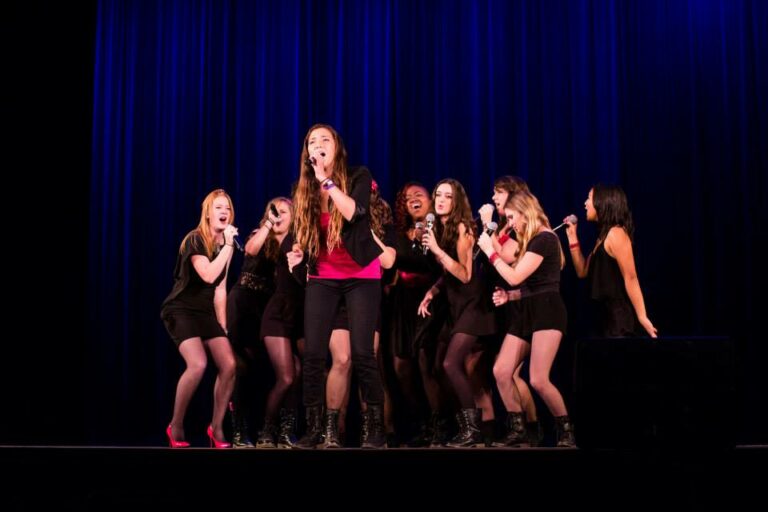
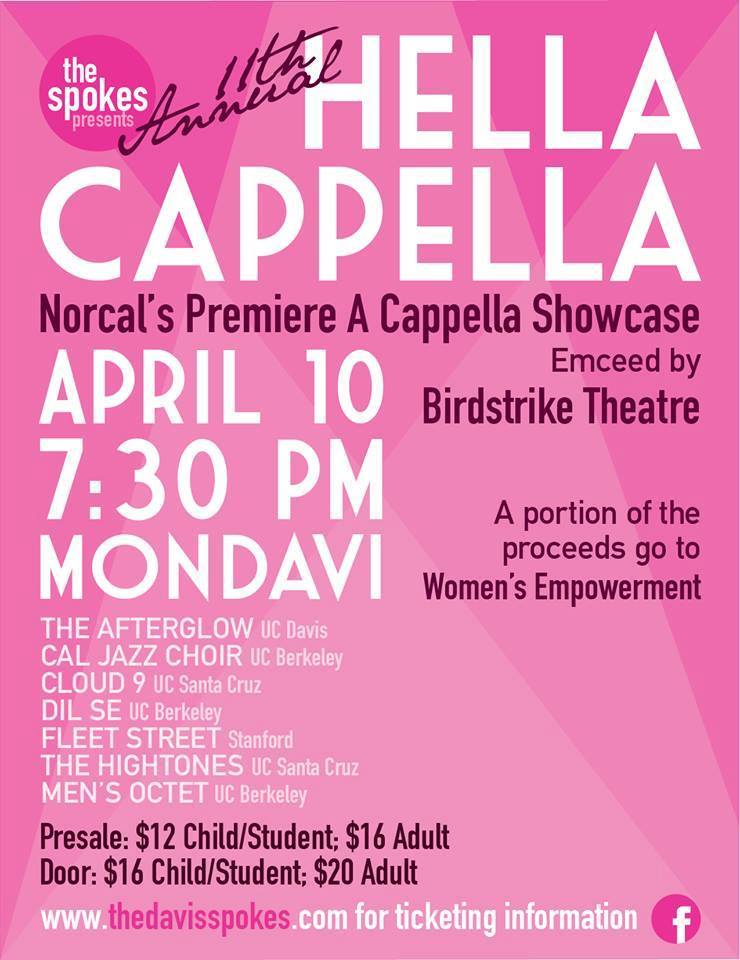
If you’re into great music and kick-butt (lady) singers, then you’re in for a treat! The 11th annual Spokes-produced showcase extravaganza, HellaCappella, is set to take place at the Mondavi Center for the Performing Arts this Friday. The Spokes is UC Davis’ own all-female student-run a cappella group and they are known for their smooth vocals and on-point performances. Joining The Spokes is a myriad of other a cappella groups from around the northern part of California, including UC Davis’s all-male a cappella group, The Afterglow.

Something that makes HellaCappella unique in comparison to other Mondavi shows is the fact that a percentage of the proceeds will go to a local Sacramento charity organization. The organization is called Women’s Empowerment and it sets out to educate women, often homeless women, who lack the necessary skills to obtain a job. The people at Women’s Empowerment aim to teach women in need how to build up their resumes and act professionally in order to get a job and, hopefully, financial stability and a peace of mind.

Anya Stewart, a third-year political science major and co-president of the Spokes, was touched by Women’s Empowerment after visiting the organization.

“[The women there are] so hard-working and so inspiring, [especially as they] transition [into] a better life,” Stewart said.

Third-year animal science major and musical director/social media chair of The Spokes Lynsie Mason also expressed excitement over the opportunity to work with the organization.

“[I find it] cool that they’re called Women’s Empowerment,” Mason said. “[As] an all-female group, that’s what we [also want] to do: inspire people through music as well as physically [inspire women by donating to] Women’s Empowerment”.

Another exciting aspect of HellaCappella is the the fact that the show will take place in the Mondavi Center. The state-of-the-art facility has impeccable acoustics and seats over 1,800 people, making the event significantly larger than most shows put on by the Davis a cappella groups. In 2013, following the popularity of the Pitch Perfect, the show sold out and The Spokes hope to reach this big of an audience again.

Molly Huff, a first-year international relations and French double major, is one of The Spokes’ newest members, and is excited for her first big Spokes-hosted concert.

“This is really just a great opportunity to perform in the beautiful Mondavi for family and friends,” Huff said.

Stewart expressed that she is looking forward to once again performing in a venue of such high quality.

“I am always excited about the professionalism that the Mondavi brings to a cappella,” Stewart said.

In addition to The Spokes and The Afterglow, HellaCappella will also feature an array of musical genres including the Cal Jazz Choir, UC Berkeley’s a cappella vocal jazz ensemble, and Dil Se, a south Asian fusion a cappella group.

The Afterglow has been involved in HellaCappella in the past, including last year’s stint as HellaCappella’s emcees. This year, the group will return to the stage to perform a full set, while Birdstrike comedy group emcees.

Third-year psychology major and co-music director of The Afterglow Ian Nool said he is looking forward to the Mondavi stage yet again.

“We are honored to participate in HellaCappella because it is such a big show,” Nool said. “We want to expand our audience by showcasing [our] passion for music and performing.”

Stewart said she hopes to show a fun side of the Spokes through their musical set list.

“In the past years, the Spokes, being all-female, have had trouble being goofy like the guys, but this year we’re going to kill it because we had so much fun with our set list,” Stewart said.

If you are looking for an awesome musical experience, make sure to buy your ticket for HellaCappella because seats are going fast. Tickets can be purchased online or on the Quad in front of Memorial Union every day from 10 a.m. to 2 p.m. at The Spokes’ table. More information can be found at thedavisspokes.com/#!hellacappella/c12nn.

Photos courtesy by The Spokes.

Rape? Yes, I do want to talk about it: Alcohol — why its familiarity makes it that much more dangerous

0

Fact: Every 21 hours there is another rape on an American college campus. Fact: College women are most vulnerable to rape during the first few weeks of the freshman and sophomore years. Fact: 90 percent of all campus rapes occur under the influence of alcohol. Fact: These facts sound just as familiar as a Friday night spent with your head in the toilet from drinking one too many shots of tequila. Observation: we know we should be scared of alcohol, but we’re not. Why?

Think about it.  When was the last time you watched your parents sit around the fireplace and enjoy a line of cocaine? How often did your mother add a dash of meth to her pasta sauce, or cleanse your wounds with pills of ecstasy? Now replace all of those scary drugs with alcohol — sounds like a pretty typical Tuesday night at home, doesn’t it?

Alcohol has been present in our lives from the get-go. We’ve slowly developed our trust with the substance; we watched it sit on the countertop in those big, pretty red bottles — from our first soccer match to our senior prom.

So when we’re offered that first sip of “Natty Light” at a college party, the revolting taste is, understandably, accompanied by an instinctive feeling of safety. Alcohol’s familiarity makes a shot of vodka look just about as terrifying as a shot of Arrowhead water.

But, I’ll let you in on a little secret. That vodka you’re drinking is about as close to what your parents are drinking as grape-flavored candy is to actual grapes. College kids can hardly pay for a much needed bar of soap, let alone a bottle of Pinot noir. So instead we buy whiskey – with an alcoholic content around 60 percent (six times more alcoholic than the average wine bottle). I mean hey, more alcohol for less money — good deal, right? Kind of — but here’s the problem: Whiskey, and most hard liquor, tastes more like lighter fluid then alcohol. And sorry, but nobody likes “sipping” lighter fluid.

But it seems like a good idea to pour gallons of hard liquor down our throats at once.  Why prolong the wait to feel those fun effects anyways? If I feel happy after two shots, aren’t I going to feel like a unicorn in Candy Land after 10? It seems like a logical conclusion to jump to. More always seems better. But the faster we drink, the less likely we are to stop when the fun does. Soon enough, alcohol’s effects start to feel less like a euphoric high and more like a repulsive stomach flu. And I don’t know about you, but I’m hardly ever able to find Candy Land in a toilet filled with my own vomit.

So why is college drinking so dangerous? It is dangerous because our brains are more sensitive to alcohol. It is dangerous because we don’t know how to drink or what we’re drinking, so we mindlessly drink past the point of making responsible, logical decisions. And it is dangerous because 90 percent of college student sexual assaults involve alcohol, and 100 percent of those instances could have been safer if we just understood that alcohol isn’t.

There’s a reason your body forces the alcohol out of you. There’s a reason your mind blacks out and your body passes out. We’re not meant to drink in excess like this, and our bodies are desperately trying to tell us to stop. You might not have listened to your body before, but you can listen to me now: Don’t high five about “forgetting the night.” Last time I checked, drunk driving, suicide and rape were not and will never be “cool.”

Alcohol might make your mom laugh a little harder at your dad’s jokes, but when used in excess, it can also turn ignorant people into complete monsters. I don’t hate alcohol, and I definitely don’t want to discourage the occasional good time. I just think that before you go to another frat party on Friday night, maybe think about drinking a substance you can actually stand to swallow.
Like her bluntness? Contact MADDY PETTIT at mepettit@ucdavis.edu.

Graphic by Jennifer Wu.

In Our Nature: The Cosumnes’ Endless Flow

0

If there’s one thing that’s safe to say about college, it’s that when you go there, life changes. Everything starts to get more complicated. Some people thrive on the complexity, while others (like me) often find themselves lost in reverie, dreaming of simpler times. As pastimes go, this one is bittersweet; even while the memories bathe us in their warmth, their frailty as mere imaginings lends a melancholy tint to their glow.

Few things trigger this melancholy more powerfully than returning to places we once knew. When I go back and wander the streets of my childhood, I find myself surrounded by time capsules attesting to all my past selves and states of mind. The local park where my friends and I always used to meet; the corner café we used to frequent, where now no one knows my name. These places and many others are emblems of a past I cherish, and life has changed so much since then that it sometimes knocks me breathless thinking of how much I wish I could live in them again.

But as I was walking at the Cosumnes River Preserve south of Sac the other day, I was struck by a strange realization. Through all the times I’ve been there and all the memories I’ve made, in the coalescence of my thoughts of it there is no tinge of loss. I remember the still air of the autumn dawn I saw just after I moved into my first apartment. The pale orange haze and the half-deserted trees it softened with tentative warmth reminded me that even as one time draws to a close, others begin. Then there was the bright spring morning when I first brought my best friend there, and that glowing evening long before I came to Davis when my parents and I watched sandhill cranes fly into the sunset. And then there was that time just a few weeks ago, when the day had proven too heavy but Cosumnes ushered me into its quiet night with gentle and caring arms.

All of these are times I’ll never have back, moments that will never repeat. And yet with this truth I find myself oddly at peace. The memories of Cosumnes do not feel distant to me, they are not part of some remote and inaccessible reality to which I am enthralled. As I’ve come to realize, this is because over the course of my time with it, Cosumnes has grown and changed alongside me. Unlike the buildings and boulevards of my adolescent wanderings, its natural display renders no static images. With every experience I’ve had there and each second I’ve spent, I’ve received something new, another layer of understanding of the place and of my place in it. I’ve seen it develop through days, seasons and years, and mirrored in its passage I’ve seen my own.

The amazing truth is that this continual transformation underpins all things, even those we want to deem “permanent.” What we learn through nature is that the only thing that’s permanent is life’s constant change. Like the throng of water comets John Muir once saw in Upper Yosemite Falls, life is made of a tumult of moments, “ever wasting, ever renewed.” Unknowable before they occur and starting to fade the instant they do, these moments come and go in continuous flow, with infinite freshness and boundless originality. In things that we build and attempt to control, this flow is often difficult to see. But in nature, it is as present and obvious as the sun’s ongoing journey through the sky and the river’s never-ending exodus to the sea.

To understand the flow and to feel one’s place in it can help us see our memories in its context as well. All the moments we’ve known, whether loved, hated or dearly missed, have been instants along life’s path. They’ve shaped us into who we are, and holding them close to our hearts is one of the wonderful capacities that make us human. But it’s also important to remember that we only have this capacity because our consciousnesses, our selves, are here now. Life’s changes and complications are all part of the journey ending in the present moment, and it is in this moment we are always living. This means we won’t always be able to hold onto everything we once loved, but that’s OK; in each present moment, nature brings a million new wonders into the world, ready and waiting to be made into beautiful new memories.

So I encourage all of you to find time to seek out a wild place — try Cosumnes! And when time and circumstances allow, go there to soak in the changes and truly experience present-ness. Through nature, you can uncover the flow that’s always present but easily hidden in your own life.

For my part, when I’m not out there with you, I’ll be finding a new café where I can spend my lazy afternoons. Maybe someday, they’ll know me too.

Look up, look out, look around — change is in our nature.

If you have any questions or comments, want to get more in touch with nature, or just want a down-to-earth chat (I promise I don’t always talk like this!), feel free to contact me, NICK JENSEN, at njensen@ucdavis.edu.

Graphic by Jennifer Wu.

Self-care Warfare: Privilege, Check It

0

Privilege. If you’ve taken an -insert category here- Studies, or sociology class, you’re bound to have come across this term before. You’ve also probably been told that you have “privilege” and that you need to “check” it. But just so we’re all clear on what “privilege” is, Carmen from autostraddle.com defines privilege as a concept that “encompasses exclusive rights and resources only made available to members of a specific social group.”

But what does that mean?  It’s the idea that certain groups of people have access to more resources and rights than others as a result of federal policy. Quite often these people are white, cis gender, straight, male, able-bodied, neurotypical, Christian and (upper) middle class (often occupying these multiple identities, though if you occupy one of these you do experience privilege that those outside do not experience).

You’re probably wondering how privilege relates to self-care and community-care. Privilege is important because acknowledging your privileges due to your identities allows you to begin to understand that we might never know what it is like to be on the “other side.”  Acknowledging your privilege, naming your identities and thinking about your positionality in our culture allows us to hold ourselves accountable for our actions and words. It allows us to become more sensitive to the myriad of ways in which our actions and words, whether or not we say or do them without harmful intent, can be understood by others. It allows us to understand how the systems of power that interact with our lives, and the histories that underlie our own experiences, affect the ways we think of ourselves and others.

An easy way to illustrate this would be to look at #blacklivesmatter. During the beginnings of the #blacklivesmatter movement, privilege and the ways it can simultaneously benefit and inhibit a movement toward social change were a hot-button topic. In conversations about police brutality and racism in our culture many were deterred by the fact that the hashtag forefronted Black lives over “all” lives. Many saw, and still currently see the hashtag, which was generated by Black queer women, as exclusionary because of its focus on solely Black lives. They argued that we say that all lives matter because we are all human, all one “race,” all oppressed and all suffering. As many critiques of those comments have noted, that argument derails the conversation. It loses sight of the greater issue at hand – that Black bodies are denied the right to exist in our culture. For example, yes, as a person of colour I do face various racial and heteronormative obstacles, but this isn’t to the same extent as Black Americans because Asian Americans benefit from participating in a culture of anti-blackness. When a white or non-black person of colour tweets or blogs #alllivesmatter in reaction to #blacklivesmatter, it takes away the power and voice of the movement toward the end of white supremacy (one of the major structural issues which causes so much pain in our society).

So where does recognizing privilege come into play in self-care? By recognizing that I benefit from a system of anti-blackness, by understanding that yes all lives matter but that this conversation relates to anti-blackness and police brutality, I can begin to understand the ways that I can care for myself and for the communities I am a part of by aiding in dismantling anti-blackness. I can do this by retweeting and reblogging posts about anti-black racism, police brutality and #blacklivesmatter without editing or removing content from the original post. I can do this by showing up to rallies and allowing the voices of those affected to speak. I can do this by pointing out anti-black racism in conversations in my own community. I can do this by questioning my own understandings of what it means to be Asian American, as it relates to anti-blackness. I can do this by listening to the narratives of those from different positionalities, and attempting to understand through compassion and empathy – acknowledging at the same time that I might never fully understand.

When we discuss privilege and the ways it intersects with self-care and community-care, it is important for those of us in privileged positions to support those without privilege by shutting up. Simply shutting up and listening, understanding when it is one’s place to speak up and when it is one’s place to stand down can serve as a way to care for one’s self and the community.

By allowing members of other communities and positionalities the chance to speak on an issue that directly affects them, you allow yourself a chance to understand experiences that you might never face. You allow yourself a moment of pause to contemplate your own experiences and actions that might serve the detriment of another community. You allow unheard narratives to spread. You allow knowledge to be produced.

Speak up when others appear uncomfortable in conversation if someone makes a blatant or subtle offensive statement/joke. And be prepared to have a loving and honest conversation about why those remarks are oppressive, or at least attempt to have one. Step down when you do not have adequate knowledge regarding an issue. Step down when conversations of oppression do not directly affect your community. Step down when it is not your place to talk.

However when you speak up, come from a place of compassion because that is how change can begin to occur and how safe spaces can begin to be created.

Have I not adequately checked my own privilege? Want to tell me to stay in my own lane? Am I being too vague? Contact Gilbert Gammad at gdgammad@ucdavis.edu

Graphic by Jennifer Wu. 


Made possible by listeners like you

Student-run radio station KDVS to hold their annual fundraiser  

kdvsfundraiser_ar

If you’ve ever tuned in to 90.3 FM, now’s your chance to make a (tax deductible!) donation to the independent student radio station that broadcasts 24/7, seven days a week. KDVS will be having its annual fundraiser from April 20 to 26. Supporters of KDVS will be able to donate by visiting the fundraiser website and donations will also be accepted by phone via the number (530) 754-KDVS. The KDVS directors and DJs have worked hard to incentivize donations by offering fun premiums, such as T-shirts and compilation albums, for those who donate.

“DJs have different genres like blues or rock, so their premium consists of albums from that genre of music. Sometimes, as a DJ, you have a listener fanbase, and if they really like your show, there’s a high chance they’re going to pay for your premium,” said Nicole Nelson, a KDVS DJ and third-year economics and community and regional development double major.

Since KDVS prides itself on being a student-driven organization, Nikki Schneider, a third-year design major and publicity director for KDVS, said that she wanted to make sure the premiums were curated by the KDVS community.

“With KDVS we’re educating the community with our business and it’s entirely student-operated so it’s really rare and unusual,” Schneider said. “It’s really special we have KDVS, which has the biggest college music library in California behind Stanford. Fundraisers are the way we add to that library and keep it maintained.”

Along with buying new records to help grow and maintain the extensive KDVS library of music, proceeds from the fundraiser will also help fund the KDVS core staff and to help maintain important equipment, like the broadcasting tower. Schneider said that even though KDVS is subsidized by ASUCD, the fundraiser is absolutely essential to KDVS because it is where they get the funds to operate for the rest of the year.

“We get subsidies from ASUCD, but the majority of the money we get goes right back to [ASUCD]. All the other student-run ASUCD subunits are getting their budgets cut so the fundraiser is the way [we hold on to] all the things we need,” Schneider said.

Ashley Hanson, general manager of KDVS and a fourth-year clinical nutrition major, said that making sure KDVS stays funded is important, considering the unique free-form aspect of its programming.

“We’re very unique when it comes to college radio because we’re one of the few remaining free-form radio stations in the country and that means we give our DJs autonomy over what they play. We don’t tell them what they can and can’t play. You’re hearing music that’s wildly different from what you hear on commercial radio,” Hanson said.

Last year, KDVS was able to raise $50,000 during its fundraiser and Schneider hopes that this year it can surpass that amount through publicity and outreach so people can hear about KDVS and the benefits that it provides to the campus.

“What we do is we try to go to a lot of UC Davis student events,” said Schneider. “This quarter we’re going to be tabling on the Quad at the Farmers Market, and having live music or a DJ from [noon] to 1 p.m. … We also have volunteer events where people can learn about KDVS and learn about us,”

Nelson, who first heard about KDVS through a volunteer meeting she attended her freshman year, said that DJs often go to extreme lengths to publicize the fundraiser and to try to get listeners to donate.

“I’ve heard of DJs dyeing or shaving their hair [for the fundraiser], and I love KDVS so I would be ready to rock a half-shaven head,” Nelson said. “KDVS is a station with a lot of character and it’s one of the best places on campus.”

To donate to KDVS, visit their fundraiser website or call (530) 754-KDVS. The fundraiser will take place from April 20 to 26.

Graphic by Haley Belenis. 

Slow Magic and GLSS at the Quad Review

Throughout the week, the question “Are you going to Slow Magic on Saturday?” was widely heard around campus. On Saturday, the UC Davis Quad became an electrifying festival ground for Slow Magic, opened by GLSS. By 7 p.m., the grassy lawn was strewn with picnic blankets occupied by students decked in crop-tops, flower bands and a need to celebrate the beginning of Spring Quarter. The soothing techno beats of GLSS, a duo of Philip Scott and Brandon Whitney from San Francisco, filled the air and set the mood of the night: energetic and ethereal.

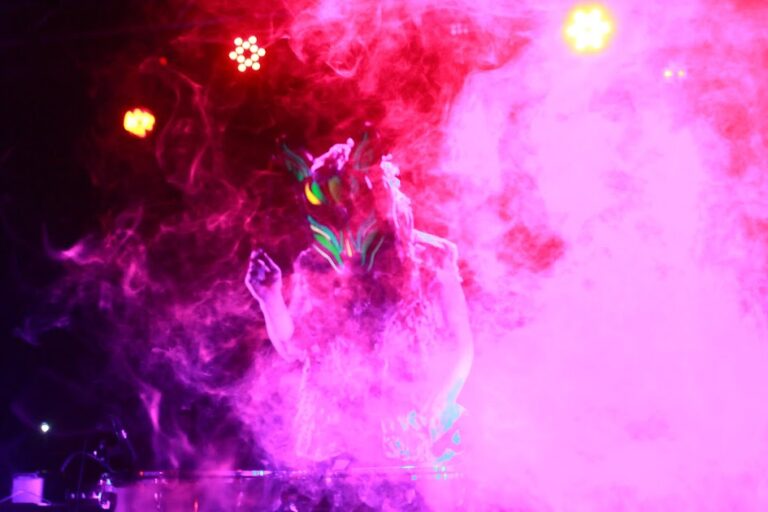
When 8 o’clock rolled around, a hooded figure in a colorful animal mask leapt to the stage, pulling in the crowd around him. Slow Magic’s otherworldly set began mellow, easing the audience into a dream-like state. The students, unsure of how to dance to the music at first, swayed and cheered as our masked performer shot a heart out to his audience. With boundless energy, Slow Magic danced in a fashion similar to Where the Wild Things Are, stomping and heaving his great, glowing mask across the stage. As his self-described genre is “no,” Slow Magic does not fit into any one genre, and instead, is unrestricted and draws inspiration from many different genres.

Bright, sometimes blinding lights flooded the stage as fog rolled in and Slow Magic churned music out. As the night went on, the music picked up tempo as well, and the audience pushed and shoved their way to the front to get a glimpse of Slow Magic’s unyielding energy. As an anonymous musician, Slow Magic claims to be everyone’s imaginary friend, which he proved through this performance. Each song came from the depths of our imaginations, bringing together childhood and adulthood through music that touches on both dreamlike and electronic elements.

Slow Magic did not play a set list, and instead improvised and played many songs from his newest album “How to Run Away”. Toward the end of the show, he performed an improvisation of “Corvette Cassette” from his 2012 album “Triangle”. At this cosmic and upbeat piece, the audience burst with enthusiasm and rippled with swaying, dancing and shoulder-sitting.

At 9:15 p.m., Slow Magic disappeared just as quickly and mysteriously as when he had first arrived. But all isn’t lost, as our imaginary friends never really leave us.

Photos by Jian Gelvezon and Katie Lin.

Avant Garde Benefit Fashion show struts towards Davis runway

National sorority to host historic fashion show at UC Davis

Lights, camera, fashion! Slip on your most stylish attire and strut on over to UC Davis’ Sciences Lecture Hall on Saturday for Sigma Omicron Pi’s (SOP) historic Avant Garde Benefit Fashion Show.

The charity fashion event invites fashionistas to enjoy three runway shows featuring clothing and accessories donated by designers from around the country, each of whom were handpicked by members of each SOP chapter.

The event, which is separated into urban, menswear and fashionista categories, will include an auction during the runway show, when guests can bid on the featured pieces. Proceeds going toward Books for Asia, a nonprofit organization committed to improving education in developing areas around Asia, and Autism Speaks, an organization devoted to funding research and raising awareness for autism spectrum disorders.

According to Christianne Abad, national philanthropy vice president for SOP, Books for Asia was chosen as a benefited charity because of SOP’s status as an Asian-interest sorority and the sorority’s historic attachment to teaching. She encourages community members to attend the show for the charitable spirit they will feel afterwards.

“Not only will you be enjoying yourself, but you’ll know for a fact that the money for the ticket will be given back to charity,” Abad said. “It’s for a good cause. People should go for that.”

Beverly Nabua, co-founder of Hawaii-based fitness and casual streetwear brand Shred Life Apparel, donated three female racerback tanks in red, black and heather white. Although Shred Life Apparel is a small company, Nabua feels the charity fashion show is a great way for her company to give back using the resources that it has.

“Our company is very small right now. It’s in the beginning stages, but we’re all about giving back,” Nabua said. “We’re not a big company to be donating a lot of charity funds, but we can give what we can and right now it’s our apparel pieces. Any situation where brands can bring awareness is wonderful.”

Other participating brands range from local businesses, such as Sacramento-based streetwear store American Gypsy Apparel and Davis boutique Pinkadot, to national companies, including New York-based women’s clothing brand Jump Apparel and Los Angeles-based formalwear store My Clothing.

When not watching models strut down the catwalk, guests can also catch performances from R&B/soul YouTube sensation Jeremy Passion, who will also be doing an included meet-and-greet after the event, as well as former American Idol finalist Jayne Rio.

According to Abad, the last time this fashion show has been held was in 2009, and prior to that, the show had not run since the 1980s. Joyce Wong, a third-year human development major and president of UC Davis’ SOP chapter, finds it an honor that UC Davis was chosen to host this historic event, and sees Davis as a prime location for the charity show because of its abundance in college students.

“I was actually excited for this show because we haven’t hosted this sort of event at Davis in a very long time, so it was a nice change,” Wong said. “Since it is a college town, it’ll give us a chance to reach out to more college students.”

Although the show will be filled with fashion-related festivities, Abad hopes that attendees take away philanthropic passion from the event.

“I want people to know it’s not all about the money, it’s all about giving back,” Abad said. “Fashion designers, they’re not all about the money, and they’re up-and-coming fashion designers and they’re giving their clothing just for charity. We want people to know to give back whenever you can because there are people in need. That’s what I want people to get out of this show.”

Avant Garde Benefit Fashion show will begin at 7:30 p.m. on Saturday at UC Davis’ Sciences Lecture Hall. Tickets cost $15 and can be purchased online.

Courtesy photos by Shred Life. 

Davis Does Native American Culture Days

Week-long event to honor Indigenous history and customs nacd_ar_Gonzalez

On Monday, students cherished a sunrise together with song, prayer and reflection. They heard empowering talks of Native American education and experiences. They even dug into the cultural roots of dream catchers while crafting one with their own hands. These are just some of the many ways people have been exploring and engaging in the rich layers of Indigenous culture at the 46th annual Native American Culture Days (NACD). While the celebration kicked off Monday, more activities are in store until Friday.

Presented by the Cross Cultural Center and the Native American Culture Days Planning Committee, NACD is a week-long event honoring Indigenous people of the Americas. Themed “Gathering the Roots of Tradition; Weaving a Dream for the Future,” NACD aims to spread awareness of Native American social, cultural and political history, as well as bring solidarity to the culture as a whole.

Program coordinator Crystal Marich mentioned that UC Davis has been active in celebrating Native American culture and raising awareness for many years.

“The UC Davis campus [has consistently held] one of the longest-running student-organized powwows in the state of California, and that’s something our campus should be really proud of,” Marich said. “NACD is one of the few spaces and times on campus where people feel like their culture is able to be seen on their own terms in a way that’s empowering, educational and also respectful.”

NACD’s mission to bond cultures and communities starts from within. According to Briana Rivas, Native American Community and Culture Days coordinator, planning for NACD involved a collaborative approach.

“The opinions, ideas and suggestions of the Native community on our campus [were] incredibly important for me to incorporate in NACD,” Rivas said. “As a result, the NACD committee wanted to focus more on interactive workshops as a way to allow participants to engage in the community, and so that’s what we tried to emphasize in our events.”

Some of the week’s upcoming events include a talk on Xican@s and Indigenous relations today, a gallery walkthrough for Inuit stone art on Wednesday and two gift-making and gift-exchanging workshops on Thursday.

“On Thursday, we have two events: ‘Gifts of the Land’ and ‘Gifts from the Sea,’” Marich said. “[The planning committee members] all come from different tribal and Indigenous traditions and communities, but one thing that is really similar [among all] native communities is [the principle] of respect and generosity, and that was something we wanted to share and give with other people.”

As for Friday, NACD will present the first annual Indigenous Arts Market. In store for the all-day bazaar are 20 arts and crafts vendors and live performances. To headline the show, NACD has invited Sicangu Lakota hip-hop artist Frank Waln to make his West Coast debut.

Though hip-hop-driven, Waln described his Lakota culture as the engine of his creative process.

“I use hip-hop to see through the lens of my culture,” Waln said. “I just tell stories about my life, what I’m going through and what [the] people I love are going through — our realities. I guess the overall theme is [that] I just want people, native or not, to realize that Indigenous folks deserve to be happy and healthy just like everyone else. We’re human beings just like everyone else.”

Consistent with NACD’s mission, Waln treats music as a powerful platform to build connections, spread awareness and dispel stereotypes. He recently took his music to the MTV series “Rebel Music,” which did an episode on Indigenous musicians using their art to make social change.

“Music is a good way to not only express history, facts and information, but just impact emotions and feelings as well,” Waln said. “[Working with MTV] was a learning experience for me but it was also a privileged position to be in as an artist coming from a group that is marginalized and [because] our voices aren’t portrayed in mainstream media.”

From music to multifaceted discussions, NACD blends activity and awareness with intent to nourish our campus and community climate for days to come.

“I’m incredibly proud of each and every event; they all have a lot to offer,” Rivas said. “Our Culture Days provide more awareness and visibility to Native and Indigenous culture while cultivating a sense of community and building allies beyond the community.”

Visit NACD’s event page for more information.

Graphic by Dulce Gonzalez.

Digital Ghosts: What happens to your digital history when you die?

0

If Facebook is forever, what happens after we die? This question has haunted my over-caffeinated brain since I was in elementary school. We were driving back from L.A. and my miniature self was sprawled across the back seat amidst a sea of empty Cheetos bags, Hit Clips cassettes and faded bedding. Drifting in and out of consciousness on the long drive home, I remember listening to a program on the radio about a man who’d recently died and what would become of his digital history.  Even though it was a long time ago, I remember lying down in the back seat and staring up at the stars through the rolled-up window. The program kind of scared me as well as the dark thoughts it asked me to think about: namely, death and the not knowing what comes after it.

I’m a little older now – or a lot older, depending on whether you’re a pessimist or an optimist – but I still think back to that radio program sometimes, especially when my mind wanders into the sensitive, yet endearing territory of contemplating my own and others’ mortality. It’s a beautiful thing, really, coming to terms with the fact that you can die at any moment and the possibility that it will be sudden, unexpected, slow or maybe even painful. Usually, it’s not something we like to spend time with in a social or public context, the whole reality of dying thing. But I wish talking about death could become more normalized in our society, to the extent that it will no longer be something to fear or feel anxiety toward, but rather something to inspire us like the mysteries of deep space. In fact, the crème de la crème of the hipster tech elite over at Facebook have recently released a new feature, one you may have heard of, called a “legacy contact.” In a nutshell, a legacy contact is the person who you want to take over admin control of your profile when you croak. If that’s not creepy enough for you, it gets better. What about the other aspects of the feature, like age requirement, being memorialized and how the contact can change/edit your profile photo? Like, what if it’s an ex-partner, or someone hacks into your account, designates themselves as your legacy contact without your knowing, then straight up has you killed only to completely defile and bash your reputation once you’re dead??? Phew. Good one, Facebook.

This brings me back to the purpose of mentioning the radio program and the crux of my argument: the technology we use to live our lives has redefined what it means to die. As a result, technology also transforms what it means to live because, let’s face it, dying in 2015 doesn’t look the same as dying in our parents’ generation. From the moment we activate our accounts across our varied platforms to the moment our feed literally stops refreshing, our digital selves are eternally preserved in the collective consciousness. I cringe a little at the thought of all the tens of thousands of terabytes of ghost data – images, blogs, emails, the transcripts of late-night conversations with strangers in chat rooms – where do all those files go? Would Dante deem it necessary to designate a tenth circle of suffering for those of us condemned to a life of eternal sorting, archiving and deleting? Can you even erase a person’s digital history? I’m dying to know.

After all, what is more permanent than the experience of death itself?

Whitney Davis enjoys bad puns and oscillating between positive and negative poles. Drop her a line at wmdavis@ucdavis.edu

Graphic by Jennifer Wu.

Do you get what you pay for? – Experiences in American and Danish Higher Education

0

The biggest difference between the American education system and the one that I come from is the price. In Denmark, I don’t pay anything to attend university. In fact, I get a government grant to cover both living expenses and other expenses for about $750 every month.

I wouldn’t dare attempt to guess how much an American college degree costs. Besides tuition, there’s accommodation, food, transportation and all the extra stuff. And it’s not as if living in California is exactly cheap.

Of course, my parents and I have already paid for my education indirectly via taxes that are some of the highest in the developed world. It’s a progressive tax system, so it’s hard to say what the percentage is. As a student worker at my old job, I paid 37 percent of my salary in taxes, but my parents pay a lot more.

As an exchange student studying at UC Davis for the year, I stand with a foot in each system, and it got me wondering: which is the better one? If you stopped a Dane in the streets of Copenhagen and told her how high the tuition fees are at UC Davis, I am certain she would find it outrageous.

However, after having spent almost seven months in California now, I can tell that American students definitely have a different experience than Danish students. For better and worse.

For starters, most Americans get a choice of where they want to go to university. There are so many universities in the United States that the possibilities seem endless — if you have the money, of course. In Denmark, I had four choices of university when I started — all public, no private universities. There’s a certain glamour of having attended Stanford or Yale. The Danish universities are good, but they are state schools. No glamour in that.

Admission systems are also different between the two countries. If you have taken the required classes in a Danish high school, you can apply for any program you are interested in. For example, the medical school in Copenhagen admits a pool of students based solely on those with the highest GPA. Extracurricular activities and personal statement essays are not a part of the college admissions process. While it takes an American student weeks to complete a single university’s application, a Danish student can finish one in as quickly as five minutes. I realize this system probably wouldn’t work in the states because of the sheer size of the country and the number of applicants.

Another difference I find funny is that Americans have school spirit. License plates declare that the driver is a UC Davis alumnus, and you can’t walk one minute on campus without seeing people in UC Davis sweatshirts. At the University of Copenhagen, I have never seen a person wearing a sweatshirt saying University of Copenhagen.

I don’t feel particularly proud to attend University of Copenhagen. Not because it’s a bad school — it has a fine ranking, but it’s just school. In one way, school spirit is quite nice, but the cynic in me says that it’s been invented to make people feel good about all the money they’re pouring into their education and for alumni to continue donating money.

Campuses in the U.S. definitely have some advantages — free access to swimming pools, fitness centers, computer rooms, other sports facilities. My university in Denmark had none of that. These types of resources are definitely available in the city of Copenhagen, but then you’d have to pay. We don’t have sports teams either. You could say that any cost that is not considered essential to education itself is scraped away in Denmark.

One aspect I really like about American education is office hours. That’s just brilliant. Before coming here I’d never been to a professor’s office. I suspect it’s a cultural thing. It might be possible to go talk to a professor at the University of Copenhagen, but I imagine it’d be pretty awkward. Here it’s encouraged, which is great.

American universities also have TAs, but I’m not sure I’m so enthusiastic about that. In one way, it’s good that there is easy access to people who can help you, but I also think that the paper you spent ages working on deserves to be reviewed by your professor, not by a graduate student who’s probably just a year older than you. I’ve never had a TA in Denmark. My papers have been corrected by my professors.

I think the way the universities are in both countries is logical. They are shaped by the way they are financed. An American university offers a lot more than a Danish university. A Danish university gives you an education and that’s it — an American university gives you an experience. Of course, the latter is nice, but in the end, a Danish university allows you something invaluable — freedom.

We are not dependent on our parents, we don’t need to work three jobs, we don’t need to try to finish earlier so it’ll be cheaper and we don’t have any debt when we come out on the other side.

Graphic by Jennifer Wu.

Aggie Daily Calendar

0

TUES., APRIL 7

Classical Bassoon & Wine Tasting

5 to 7 p.m.

Monticello Seasonal Cuisine, Davis

Free baroque bassoon performance by Ricardo Rosales with wine tasting host Susan Leonardi.

Salsa Night

9:30 p.m.

The Graduate, Davis

Dance lessons with Cori from ‘Barbara’s Dancing Tonight,’ hosted by DJ Miguel. Tickets are $6.

Tap the Mic Tuesdays

5 to 8 p.m.

Sudwerk Dock Store, Davis

Enjoy poetry, music, stand up and various other act at this free open mic!


WED., APRIL 8

Open Mic

8:00 p.m.

Sophia’s Thai Kitchen, Davis

Enjoy a night of free entertainment including singing, poetry, dancing and more!

Unofficial Scrabble Club

5:30 to 11:30 p.m.

Crepeville, Downtown Davis

Play everyone’s favorite word game and compete with local Scrabblers! All levels welcome.

Trivia Night

8:00 p.m.

Ketmoree Thai Restaurant

Compete against other teams in answering the hardest trivia questions! Free and open to all ages.

Connections

10:00 to 11:30 a.m.

International House, Davis

Mingle with other students and members of the Davis community while enjoying refreshments and crafts!

Evan Daly

9:30 p.m.

Our House, Davis

Enjoy a night of live Blues music free of charge.

Davis Science Cafe

5:30 a.m. to 6:30 p.m.

City Hall Tavern, Davis

Join the scientists of the Davis community in this event to discuss any and all aspects of science.


THURS., APRIL 9

Kick It and Create

8 to 10 p.m.

Third Space, Davis

Create some great art with fellow Davis artists for a suggested donation of only $5.

DJ Smilez

11 p.m.

Our House, Davis

Dance floor opens up for a free night of dancing!

Trivia Night

9 to 11 p.m.

Woodstock’s Pizza, Davis

Join teams of three to six people to answer unique and challenging trivia questions. Prizes, fun and pizza are in store.

Point of Departure

8:00 p.m.

Wright Hall, Davis

MFA Theatre & Dance event at the Arena Theatre performed by Daniel Bear Davis and Chris Wolfe.


FRI., APRIL 10

ArtAbout

5:30 to 8:30 p.m.

Downtown Davis, Davis

View some of the best art in the Davis community at this free, monthly gathering which includes refreshments and the opportunity to meet new and upcoming artists and musicians.

Sea of Bees

7 to 10 p.m.

Delta of Venus, Davis

Enjoy music from the talented Julie Ann Bee for free!

Live Music with Bob Wren

5:30 to 8:30 p.m.

Monticello Seasonal Cuisine, Davis

Traditional and international live music featuring instruments including the violin, banjo and mandolin.

Author Event: Thomas A. Cahill

7:30 p.m.

The Avid Reader, Davis

Join UC Davis professor Thomas A. Cahill in his reading of the final entry in his sci-fi Ark Asteroid Trilogy, Ark: Post Asteroid Eden.

HellaCappella 2015

7:30 p.m.

Mondavi Center, Davis

Come support Davis a cappella group The Spokes at one of their most popular a cappella concerts of the year for tickets ranging from $12 to $20.


SAT., APRIL 11

Garden Work Day

9 to 11 a.m.

Central Park Gardens, Davis

Spend a beautiful morning helping the gardens of Davis! All tools and training provided.

Point of Departure

8:00 p.m.

Wright Hall, Davis

MFA Theatre & Dance event at the Arena Theatre performed by Daniel Bear Davis and Chris Wolfe.

Stories on Stage Davis

7:30 to 9:00 p.m.

Pence Gallery, Davis

Fiction stories acted out on stage featuring author Natalie Baszile and emerging writer Theresa Morales. Tickets are $5.

Plant Sale

9 a.m. to 1:00 p.m.

UC Davis Arboretum

Build your own personal garden with the most beautiful local plants available for sale!

Local Live Music

9 p.m.

Woodstock’s Pizza, Davis

Enjoy a fun night of live music free of charge!


SUN., APRIL 12

Food Not Bombs

1:00 p.m.

Central Park, Davis

Enjoy free vegetarian meals with the fellow food-lovers of Davis.

Point of Departure

2:00 p.m.

Wright Hall, Davis

MFA Theatre & Dance event at the Arena Theatre performed by Daniel Bear Davis and Chris Wolfe.

Live Irish Music

4 to 7 p.m.

de Vere’s Irish Pub, Davis

Enjoy drink and food specials while listening to traditional Irish music.

International Folk Dancing

7 to 9 p.m.

Davis Arts Center, Davis

Learn how to folk dance, first time free! All levels welcome!


MON., APRIL 13

Dank Ocean

7:00 p.m.

Delta of Venus, Davis

Enjoy a night of free jazz music!

Pub Quiz

8:00 p.m.

de Vere’s Irish Pub, Davis

Free quiz night hosted by Dr. Andy, with teams of up to six players. Arrive an hour early to secure a table.


This calendar has been corrected for accuracy. The Davis Science Cafe meets at City Hall Tavern, not Davis Food Co-Op.