55.4 F
Davis

Davis, California

Thursday, December 25, 2025
Home Blog Page 800

UC Davis’ hard hitter

0

UC Davis men’s baseball currently holds a respectable 20-13-1 regular season record and are in the middle of the pack in the Big West with a 4-5 conference record.  A steady and successful offensive strategy has been critical to the team’s early success.  With a confident overall team batting average of .287, it is clear that UC Davis has found an answer against their opponents.  Hard hitters are scattered all over the Aggie lineup, but one player in particular has been a shining example of what UC Davis offense is all about.

Senior catcher Izaak Silva has been hitting hard and making plays this season.  Contributing a .364 batting average to the team, his play is an undeniably major part of the current winning record.

A communications major from California town Soquel, Silva started his baseball career at a very young age.

“One day my Dad came home and he told my mom he signed me up from little league and from there on I fell in love with it.  It’s a very complex game compared to other sports and that’s what I love about it.  You tend to fail more than you succeed but the times you succeed feel that much better,” Silva said.

After playing more and honing his abilities, it was clear to Silva and those around him that he had a talent to be a catcher. Catcher, one of the most demanding position in baseball, requires quick reflexes, a smart mind and good instincts.  The man behind the plate is the foundation of the defense and generally a big contributor to the offense.  A catcher’s success is critical to the entire team and Silva’s contributions during his time at UC Davis cannot be understated.

“In little league, there weren’t a lot of kids that wanted to do it,” said Silva about his introduction to the position. “I could do it well and my Dad, who was my coach at the time, put me back there.”

Playing as catcher for the Soquel High Knights, Silva batted averages higher than .400 in both his junior and senior year and was selected as a four-year All Santa Cruz County Athletic League Honoree.

In his first three years as an Aggie, Silva batted a steady .250 average.  He has continued his dominance into his senior year by being selected as the Big West Hitter of the Week for the first time.  Recently, in a loss to Cal State Fullerton, Silva blasted his first career home run, adding to his already strong baseball resume.

“It means the world to me,” said Silva about being an Aggie.  “This organization offered me a place to go to school and get a great education.  We have a rich history here with a lot of great players that have come before me and a lot of players that still care about this organization.  Every time you put on that jersey you really want represent this school well.  It’s not just playing for yourself and I think this team does a good job embodying this school and what it means to be an Aggie.”

After two straight losses to Cal State Fullerton, the Aggies hope to break their skid with an upcoming home game against the University of San Francisco.  They will then take a 3 game conference road trip to UC Irvine where they hope to improve their current Big West record.

Designed by Jennifer Wu.

This week in men’s sports

0

Men’s sports action from April 7 to 12

Baseball (19-10-1):
UC Davis vs. Saint Mary’s (W, 11-2)

UC Davis @ Hawai’i (L, L, L, W)

Baseball (20-13-1):

UC Davis vs. Sacramento State (L, 4-2)

UC Davis vs. CSU Fullerton (W, L, L)

UC Davis baseball started off Big West play with a sweep of UC Riverside, a part of a seven game winning streak that included four straight at home. Since then, the Aggies have gone a lowly 2-6, including three straight losses to Hawai’i. UC Davis was visited by Sac State for one game, losing 2-4 after allowing two runs in the last two innings. Ten hits, including three by senior catcher Izaak Silva, wasn’t enough to get the offense up and running.

With CSU Fullerton, currently second in Big West standings, in town, the Aggies were able to steal the series opener before falling in two straight. The first game was a low scoring affair, with UC Davis holding their opponent to two runs. The next two matchups, however, saw the Titans score 10 and 13 points while the Aggies were able to muster only 4.5 runs per game.

The Aggies will have one more game at home, against University of San Francisco, before heading to UC Irvine for a three game stretch.

Golf:

El Macero Classic (1 of 9)

Back on their home turf, the Aggies looked comfortable as they held first place for the entirety of the El Macero Classic. Junior Luke Vivolo was the driving force behind the UC Davis victory, finishing No. 1 individually. On the first day, Vivolo shot a 5-under 67 for the lead, four strokes ahead of two teammates who finished tied for No. 8.

The junior continued to play well in his second round, carding a 6-under 66 while no other teammate shot under a 73. Vivolo struggled on Sunday, finding himself as high as 5-over before finishing strong with a 1-over 73. Junior Patrick Soli added a No. 8 finish after shooting a 1-over 73 on the final day. The Aggies won the event by 10 strokes, setting themselves up nicely for the Big West Championships on April 26 – 28.

Tennis (15-4):

UC Davis vs. Cal Poly (W, 5-2)

UC Davis vs. UC Santa Barbara (W, 4-3)

UC Davis men’s tennis is on a roll this season, finishing undefeated at home after beating Cal Poly and UC Santa Barbara. The Aggies, currently ranked No. 68 in the nation, upset the visiting No. 49 Mustangs after scoring the doubles point and winning all but two of the singles matches. Sophomores James Wade and Bryce McKelvie were each able to score two victories after winning both their singles and doubles play.

With the No. 65 Gauchos in town, the Aggies were able defeat another higher ranked opponent. UC Davis swept doubles play and won the top two singles matches, but needed a three set win by freshman Everett Maltby to take home the win. The Aggies have now played their final home matches of the season and will face two opponents on the road before heading to Indian Wells, Calif., for the Big West Tournament.

Track and Field:

Arizona State Sun Angel Classic (No team scores)

After a busy week that included three separate invitational meets, the Aggies headed to Arizona to soak up the sun and compete in the Arizona State Sun Angle Classic. Several UC Davis athletes had notable finishes during the weekend against the high level competition present. Senior Nathan Strum finished in fourth in the 800-meter premiere race while junior Jason Chandler added a No. 9 individual finish in the 400-meter hurdles.

Junior Matthew Bender finished within the top-10 in the discus and hammer throw, placing No. 9 and 4 respectively. Senior Brandon Greenberg added a ninth place finish in the premier shot put.

The Aggies will once again split up, taking on the Azusa Pacific Brian Clay Invitational and the Mt. SAC Relays on April 16-18.

Graphic by Andrew Li.

This week in women’s sports

0

Women’s sports action from April 7 to 12

Golf:

DAC/SMU Invitational (3 of 16)

After an outstanding showing in Hawai’i at the Avenue Spring Break Classic, the Aggies hoped to recapture some of the magic in Dallas, Texas. The first day of the Invitational was more of the same, with UC Davis finishing in second among a talented field. Sophomore Paige Lee was outstanding, shooting a 4-under 68 for her second round to finish 1-under on the first day.

The Aggies slipped slightly on the second day after Lee shot a 6-over 78 to finish No. 6 individually. Junior Andrea Wong, who finished first in Hawai’i, crept up the leaderboard to finish No. 7 after to a 2-over 74 final round. The Aggies finished the tournament tied for third place, five strokes behind second place Purdue. The next tournament up is the Big West Tournament that will take place at the El Macero Country Club from April 19-21.

Lacrosse (3-10):

UC Davis @ Fresno State (W, 11-6)

UC Davis @ California (W, 13-8)

UC Davis vs. Oregon (L, 10-7)

After one win in their first 10 games, something finally clicked as the Aggies won two out of three games including a victory in Berkeley over California. Against Fresno State, UC Davis was able to jump out to a 4-2 lead at halftime and went on a 7-4 run to win by five. Senior Elizabeth Landry led the way with four goals.

Junior Courtney Neff was the star of the show for the Aggies against Cal, scoring five goals, including three in overtime. The two teams played a tight match through regulation, with Cal able to force overtime. UC Davis then shut down their host for the final period, outscoring the Golden Bears 5-0 in overtime for their second straight win.

Riding high after beginning their first winning streak of the season, the Aggies were felled by the visiting Oregon Ducks 10-7. Landry finished with three goals, but no other UC Davis athlete was able to score more than one goal. The Ducks finished with a 24-12 shooting advantage.

Softball (14-22):

UC Davis @ Sacramento State (L, 5-4)

UC Davis vs. Cal Poly (L, W, L)

Big West play has not been kind to the Aggies thus far as they have fallen to 2-7, tied for the worst record in the Conference. In a non-conference matchup dispersed between Big West games, UC Davis faced off with Sacramento State and fell 4-5. The Aggies scored three runs in the first inning, but allowed three in the final two innings to give their opponent the final edge.

With three straight games at home against middling Cal Poly, the Aggies hoped to grab a few conference wins, but were only able to come away with one. The first two games were played in a double header, with the Mustangs taking the first after holding UC Davis scoreless. The Aggies brought early offense to the second game, bringing in four runs in the first two innings. Their offense once again abandoned them for the final game of the series, as UC Davis was able to score just one run despite getting six hits.

Tennis (10-11):

UC Davis vs. Cal State Stanislaus (W, 7-0)

With a week break before and after their Saturday matchup against CSU Stanislaus, the Aggies had plenty of time to prepare for the second-to-last opponent of their season. The time off seems to have done the team well as they swept their visitors, only allowing CSUS to win two sets.

The Aggies dominated in doubles, winning all but three games. The only real competition was in the first and second singles spots, with each going to three sets. UC Santa Cruz will visit the Marya Welch Tennis Center for the final match of the season. If the Aggies are able to capture a victory, they will finish their season with a .500 record.

Track and Field:

Arizona State Sun Angel Classic (No team scores)

Mesa Track and Field Classic (No team scores)

Leaving the comforts of California, the Aggies travelled to Tempe, Ariz., to take part in two meets. Several UC Davis athletes made their way to the top of their events. Senior Cekarri Nixon finished No. 9 and 6 in the 200 and 400-meter premiere events respectively while senior Raquel Lambdin added a No. 4 finish in the 1500-meter premiere. Senior Veronica Smart also grabbed two top-10 finishes, nabbing third place in the shot put and sixth in the hammer throw.

At the Mesa Track and Field Classic, Smart continued to see her name at the top of her event as she finished in fourth in both the shot put and the hammer throw. Sophomore Michaela Mundt ended the day in fifth in the hammer throw, one spot behind Smart. The Aggies have a number of meets left, including hosting the Woody Wilson Classic, before competing in the Big West Championships between May 8 and 16.

Water Polo (16-12):

UC Davis @ No. 12 Long Beach State (L, 7-6)

UC Davis @ No. 5 UC Irvine (W, 6-5)

With a week of rest under their belts, the Aggies travelled to Southern California for a two game road-trip, returning with a victory and a loss. Against Long Beach State, UC Davis seemed to have the win in the palm of their hand as they led 4-2 at halftime and 6-3 in the fourth quarter. The 49ers had a comeback in the works, however, and roared back with four straight goals to take a 6-7 win.

With the sting of a comeback defeat fresh on their minds, the Aggies came into their contest against UC Irvine thinking upset. The game did not look promising as the Anteaters scored the first three goals of the game.  UC Davis, however, worked its way back into the game and the two teams found themselves tied at five apiece entering the final quarter. Senior Elsie Fullerton scored the lone goal of the fourth on an outside shot, winning the game.

The Aggies have now played their final Big West game and sit in fourth in the Conference. They have two warm-up games at home against non-conference opponents before the Big West Tournament in Hawai’i between April 24 and 26.

Graphic by Andrew Li.

Football resumes for Aggies

0

UC Davis football returns to the field for spring football

The UC Davis football team has kicked off spring training and is preparing for the 2015-16 season. UC Davis will be entering the third year of the Ron Gould era, who assumed the head coaching duties in 2012. Gould has a 7-16 record as the UC Davis head coach, including last season’s horrendous 2-9 campaign that was marred by injuries, but was highlighted by the rise of junior quarterback Ben Scott and senior wide receiver Ramon Vargas. Fourteen new recruits were welcomed in the off-season, along with three new coaches. However, the Aggies also lose 15 graduating seniors and have several voids to fill, especially in the backfield. As Gould enters his third year, he hopes to compete at a consistent, high level after inconsistent play cost them many games in 2014.

UC Davis will return five starters on offense, including Scott, who threw for 1,734 yards and 19 touchdowns in six games and Vargas who recorded 665 receiving yards along with eight touchdowns in seven games. Scott and Vargas gave the team a much needed mid-season spark in an overall disconcerting season.

“We are doing well,” commented Scott. “The offense is looking pretty good, and the defense looks good, too.”

Things should be going well for Scott, especially after the season he just had. After being named the starting quarterback, Scott threw for at least two touchdowns in every game while averaging 289 yards per game. In his first game as a starter, Scott earned 379 yards and threw for four touchdowns against No. 11 Montana State in a Homecoming loss. With Scott at the helm, the Aggies’ total offense yards increased from 300 to almost 500 yards per game. UC Davis’ scoring increased from 19.2 points per game to just under 30.

Vargas was the main beneficiary of the quarterback change. In the homecoming loss, Vargas gained 141 yards in eight receptions and brought one in for a touchdown. Vargas ended the season as the Aggies’ leader in receiving.

“Those guys had a little magic going on….” Gould said after closing the last practice of the week for the Aggies.

The Scott-Vargas connection is exciting and something to look out for this coming season for the Aggies. Vargas’ rise as the star wideout has also stirred the competitive spirits of his teammates.

“We have other receivers that are playing really well,” continued Gould.  “That’s exciting for us, because those other guys are starting to step up, so Ben will have other weapons that he can throw the ball to.”

UC Davis, however, lost two key players on the offensive side of the ball in left tackle Ian Joseph and running back Gabe Manzanarez. Joseph was the Aggies starting left tackle for the last four years and was a consistent anchor for the Aggies offensive line. But UC Davis has deep offensive line, and only lost two graduating seniors.

“We have a lot of guys that can step up. We played with six offensive linemen all year last year. Parker [junior center Parker Smith] is going to play left tackle,” Scott said. “He’s played a lot of games for us, he does really well. I don’t think we are going to skip a beat in the o-line. We are going to be very strong.

Smith’s transition to the left tackle position will be important for the Aggies. The young, but experienced, offensive line will look to bring consistency to the Aggies’ offensive attack.

The bigger question mark lies in the backfield and who will replace Manzanares as  the principal ball carrier. Manzanares was a dual-threat running back for the Aggies during his two year career at UC Davis. Last season he led the Aggies with 833 rushing yards and 227 receiving yards, second on the team behind Vargas. The running back led UC Davis in all-purpose yards with 1,102 yards, despite missing the first four games of the season due to injury. The second leading rusher, Colton Silveria, 280 total yards, also graduated.

“We have to find someone to replace Gabe that we can give the ball to,” said Gould. “I feel really good with the running back situation.”

Sophomore wide receiver Jermale Jefferson was the third leading rusher for the Aggies with 219 yards in 17 attempts, averaging 11.9 yards per carry, and rushing for two touchdowns. Junior running back Manusamoa Luuga also rushed for 137 yards for the Aggies.  Manzanares will be tough to replace, but Gould has experience working with young running backs. During his tenure as the running backs coach at Cal from 1997-2012, he coached the likes of Super Bowl champions Marshawn Lynch and Shane Vereen, as well as Justin Forsett and CJ Anderson.  Gould’s experience and the addition of running back coach Jim Chapin will help the Aggies find their ball carrier.

Chapin was named the running back coach in January 2015, after previously coaching for the Indiana University (Pa.) Crimson in the same capacity.

“Coach Chapin understands the defensive line, the linebackers and the secondary,” Gould said. “Having him in a defensive room has been phenomenal because he looks at it from a coordinator’s perspective.

Along with Chapin, UC Davis also welcomed David Braun in February 2015 to serve as the offensive linemen coach, Braun previously served as the co-defensive coordinator and linebackers coach at his alma mater, Winona State. Braun’s background as a coordinator will bring lots of knowledge to the Aggie defense. UC Davis will present a strong and experience defensive group, returning nine starters and their top three tacklers.

The third addition the coaching staff was Wes Nurse who returns to UC Davis after coaching at the University of North Dakota for the past two seasons. Nurse will coach the defensive backs.

Gould is hopeful that the addition of these coaches will help him turn the UC Davis football program around. “Discipline and leadership is what I’ve seen from all theses coaches,” Gould said.

The Aggies will also benefit from an easier schedule after playing the most difficult schedule in school history that included matches against Stanford, and two FCS ranked teams. UC Davis will open the 2015 campaign on the road in the Silver State as they take on the Nevada Wolf Pack in Reno, Nev on Sept. 3, 2015. The Aggies will host the South Dakota Coyotes for the home season opener on Sept. 12, 2015 at Aggie Stadium.

UC Davis will conclude spring camp on Sat., April 25 in a scrimmage that will be open to the public.

Graphic by Jennifer Wu.

Come together

0

Asian Pacific Islander culture to be celebrated with night of music, dance, comedy.

asianpacific_ar1

Asian Pacific Culture Night is the capstone event of Asian Pacific Culture Week and this year’s culture night promises an exciting lineup featuring hip hop artists, cultural dance troupes and comedy. It will be held Fri., April 24, at the ARC Ballroom. The theme of this year’s event is Our Story: From the Ground Up. To Donald Yu, a fourth-year economics major and one of the student coordinators of Asian Pacific Culture Week, the theme signifies an acknowledgement of the root and history of the Asian Pacific Islander (API) community.

“The theme also signifies using our culture as a foundation to stabilize our future and ambitions,” Yu said. “[To me] being Asian American means incorporating my traditional culture from China and Taiwan and living my life in America without losing sight of who I am ethnically and where I grew up.”

One of the headliners, Jason Chu, a Chinese American hip hop artist based in Los Angeles, believes that cultural events like Asian Pacific Culture Night are important because they allow historically marginalized voices to be heard. Growing up as an Asian American in Delaware, Chu says that there were few opportunities for him to interact with the API community so he makes a conscious effort to support his community whenever he can.

“I didn’t have the opportunity to see a lot of brothers and sisters who were doing the same thing musically or performance wise,” Chu says. “Any time I can give back and share my music in a venue that’s different from your normal scenes is really important to me.”

Gokulesh Killer, a fourth-year neurobiology, physiology, and behavior major and the captain of Jhankaar, a South Asian a cappella team, also believes that cultural events are crucial in the development of strong communities on campus.

“A lot of people are curious about the culture they come from and it’s important for people to participate in these sort of events because it opens your eyes to new things and gives you a sense of home,” Killer said. “There’s a comfort when you’re performing with a group of people you can relate to on a cultural level.”

Killer, who describes his group’s music as a mix between Bollywood music and western songs, believes that music is an important tool that can help bring different cultures together.

“Music and dance have a special place in most cultures, in that you can transcend language barriers,” Killer said. “If you have a certain set of lyrics that are emotional, it doesn’t matter what the words are but if the feeling is there, it comes across to any audience.”

It is this transcendent exchange of culture that makes Asian Pacific Culture Night a unique event. The API community is made up of a vast group of cultures and this night allows people to experience the art of a culture that they rarely get to interact with.

“I’ve seen the lion dance team a couple times now and they continue to blow my mind,” Killer said. “It’s something I wouldn’t have known about if I hadn’t been to an intercultural event.”

Chu agrees that one of his favorite aspects of Asian Pacific Culture Night is the chance to see what other members of his community have been up to.

“Culture night is literally almost the only time I get to see my Hmong friends, what their traditional culture looks like,” Chu said. “And there’s the Filipino a capella group, how they’re killing it, and as a Chinese American, I may never know how big they are in their community unless we come together to celebrate.”

And to Chu, coming together to celebrate is exactly what Asian Pacific Culture Night is all about.

“My hope is to present my story and the story of my friends and hope that people will resonate with it and look at the world with a little more hope or optimism for change,” Chu said. “We need to celebrate us because if we don’t nobody else will.”

Courtesy graphic by Asian Pacific Culture Week.

Aggie Style Watch

0

Fast Fashion Versus Conscientious Consumption.

There are dozens of feature articles concerning the wasteful and environmentally unsound practices of fast fashion and the culture encouraged by retail chains like Forever 21, Charlotte Russe and H&M. Most of these stories highlight the abhorrent consumerism and the alarming rate at which shoppers discard trendy, low-quality clothing.

But could the repercussions of fast fashion influence shoppers on a more individual level? What kinds of lifestyle habits and attitudes do these kinds of retailers cultivate? Is having a centrally located Forever 21 in a college town a good idea for students?

I spoke to customers leaving the U-Mall with bright yellow Forever 21 bags and asked if they could describe their shopping experiences in a few words. Most shoppers emphasized the convenience, the variety and the fact that it is one of the only shopping options in Davis.

For me, leaving Forever 21 empty-handed is a rare occasion. There is something about the hundreds of colorful clothing racks and the loud feel-good pop music melodies that encourage spending. The attitude of the store is frenzied; it can be an absolute madhouse.

Most of the items I have bought aren’t even in my closet anymore. It seems that nothing about the clothing at Forever 21 is made to last in a wardrobe forever. That crop top I bought last month is just as ephemeral as a stick of chewing gum.

Sometimes I deliberate whether or not the disposable nature of it all can be good; maybe buying clothing and only holding onto it for a few months is OK for this transitory time in my life – after all, I am in my 20s – I don’t need ridiculously high-quality clothing right now.

I spoke with the chair of the design department, Susan Avila, regarding her views on college town consumerism and fast-fashion culture.
“It’s frivolous and wasteful and seductive and wonderful,” Avila said. “It seems to fit well with students’ lifestyles, because the clothing is inexpensive and trendy. It allows you to change your identity, and it feels good to express yourself in a new way.”

Herein lies the problem with constantly reinventing your personal image through fast fashion clothing: “It breeds dissatisfaction with one’s self,” Avila said.

Personally, I become bored of the Forever 21 pieces in my wardrobe. Consequently I grow tired of myself because I am living my life in those clothes.

Fast fashion can negatively affect our planet, societal attitudes and our individual self worth if we give into its flashy allure. We can start to remedy this consumption conflict by changing our attitudes toward shopping and being mindful about what we really need. We should also make sure not to let our dirty laundry pile up, because I know from personal experience I usually feel the need to go purchase new clothing right around laundry day.

It’s as simple as reducing your overall consumption, reusing clothing from secondhand stores or clothing exchanges and perhaps even recycling and repurposing fabric. We must adjust our mindsets so that we don’t continue to generate 12 million tons of textile waste each year in North America alone. It’s time to be conscientious consumers.
ALLISON REISS can be reached at arts@theaggie.org.

Graphic by Tiffany Choi

Sacramento Area Flood Control Agency to propose making levee improvement

Proposal to reduce flood risk by 2016

With levee structures that were built hundreds of years ago by farmers, the infrastructure does not meet new safety standards set by the state. Sacramento Area Flood Control Agency (SAFCA) hopes to begin improvement on the levees to address problem areas that do not meet the new 200-year standard. SAFCA is proposing to start construction before the United States Army Corp of Engineers (USACE) because it may take years for the USACE to be able to make structural changes.

As of now, the Sacramento levees do not follow the new 200-year level of flood protection standard. The 200-year protection guards against a flood that has a .5 percent possibility of flooding in any given year. The 100-year standard refers to the levee’s ability to withstand a flood that has a 1 percent possibility of flooding in any given year.

Eric Simmons, Federal Emergency Management Agency (FEMA) Region IX engineer, explained that to verify what changes need to be made, they look at what has happened in the past in terms of waterflow history.

“There are networks of gauges along the streams and rivers that record the history of water flow, how much water [there was] in a peak event that year, so there’s a history of that. For that particular stream, reach or river, we’d look at that gauge data, the history of that information,” Simmons said.

Simmons clarified a misconception that the general public might have concerning the 100-year flood chance. He explains that people often incorrectly believe if a flood has already occurred in the last 100 years, there will not be another flood.

“Some of us in the communication, prefer the term 1 percent annual chance flood because it better communicates that this type of major flood event can occur each year. Some people may incorrectly think that if you’ve had one major flood you’re safe for 100 years, but major floods could occur in back-to-back years or it could be many, many years between flood events,” Simmons said.

In August 2013, the USACE had withdrawn its certification for the Sacramento levees because of the levees’ failure to adhere to the new standards.

If granted permission, SAFCA will potentially spend approximately $160 million to rebuild the most crucial levee parts before the USACE. The SAFCA will later be reimbursed by the federal government.

Jay Davis, an SAFCA consultant, stated in an email that as of now, no established agreement between the SAFCA and the USACE has come about.

“In 2015 SAFCA plans to begin the process of applying for a USACE Section 408 Permit. A 408 permit would grant SAFCA permission to make levee improvements,” Davis said.

Funding for the Sacramento levee project has not been established. According to Davis, SAFCA is still refining its project design which is necessary to approximate the costs for construction. SAFCA, however, anticipates that they will receive funding through state programs such as the Urban Flood Risk Reduction Program which is administered by the California Department of Water Resources.

According to Chris Gray-Garcia, a spokesman for USACE, there are levees that come through the Sacramento River and the American River. In northern parts of Sacramento there are creeks that are also levied. The flow of water comes down the Sierras, down the American River into the city which is also controlled in part by the Folsom Dam. There is a two-part system that includes the Sacramento Weir Bypass, sometimes referred to as Sacramento’s third river. The bypass shovels water around the city, through the bypass, to bring the river level down and put less pressure on the levees. As a result, there is less concern about the water coming over the top and flooding the city.

Gray-Garcia explained how SAFCA and the USACE are both involved and emphasized that because the USACE is a federal agency, they cannot do any work unless it is authorized and funded by Congress. Both groups are involved in the project however SAFCA is in charge of doing the most critical segments first where the risk is greatest.

“The Corps of Engineers’ main role is to produce projects that reduce risk to the level, what’s considered federal interest… [SAFCA’s work] is kind of a subset of the plan. [The USACE is] making a recommendation as part of the study. Right now we’re seeking public input and then we come up with, based on that input, a final plan,” Gray-Garcia said.

According to Davis, since the USACE’s withdrawal back in 2013, the SAFCA has been evaluating collected data and planning out levee improvements to prepare for construction. During the year prior to the withdrawal, SAFCA had been at work as well.

“In 2012 SAFCA initiated a civil engineering effort to collect and evaluate data to determine if the levees protecting Sacramento along the Lower American and Sacramento Rivers are adequate enough to meet the minimum requirements of the National Flood Insurance Program. This evaluation included collecting several hundred geotechnical borings throughout the flood control system,” Davis said.

There are approximately 120,000 residential dwellings in the floodplains, many have been built too close to the levees. Hoping to address the new standards and eventually allow the certification of these levee systems, the ultimate goal of groups such as the SAFCA is to reduce flood risk. Other subgoals include avoiding mandatory flood insurance requirements by steering away from remapping.

One negative impact of remapping, Davis said, is that many property owners would be subjected to mandatory high-rate flood insurance.

“If improvements are not made and the levees remain uncertified, the FEMA would ultimately remap several areas in Sacramento into a ‘high-hazard’ zone. This would make high-rate flood insurance mandatory for most property owners and it would impose strict federal building restrictions, severely limiting any future development,” Davis said.

According to Olivia G. Humilde, external affairs and mitigation outreach specialist for FEMA Region IX, FEMA uses their flood insurance rate maps to inform the community about local flood risk and set minimum floodplain standards.

“[We] may determine the cost of flood insurance for property owners to financially protect themselves against flooding. FEMA maps the 100-year or 1 percent annual chance of flooding in any given year,” Humilde said.

Humilde explained that developing and updating a flood map is a collaborative effort and that projects can take up to three to five years to finish, sometimes longer.

“Flood maps are produced using the best available science and analyzed by some of the leading engineering firms in the field. The mapping standards are later published, vetted, peer reviewed and updated constantly so that they are in line with current, best practices,” Humilde said.

Humilde expressed that it would be difficult to accurately foresee what would happen if remapping were to occur because of how many years it would take to improve the levees and for FEMA to update a flood map.

“We could be looking at 10 years or more in the future,” Humilde said.

The SAFCA’s proposed project includes improvements six-miles along segments between downtown Sacramento and Freeport for the Sacramento River East Levee which accounts for 3,000 feet of bank protection. Another part of the project involves the North Sacramento streams. Along the Natomas East Main Drainage, Canal East Levee, Arcade Creek North and South Levee, there would be four-miles of improvements.  Prospectively, construction near the North Sacramento streams would begin in 2016 and changes would be made near the Sacramento River East Levee between 2017 and 2018. This project would aim to enlarge the Sacramento Bypass. The goal is to widen the bypass to double its size and to add a second weir.

According to Davis, the first thing that needs to be done in terms of construction, is to construct cut-off walls.

“The primary method that will be used to improve the levees is to construct slurry cutoff walls along the centerline of the levee. Cutoff walls, which are approximately three-feet wide and extend anywhere from 40 feet to 120 feet deep, will prevent water from seeping through and under the levee. Water seeping through and under levees has been known to lead to levee failure,” Davis said.

Referring to the Bypass, Gray-Garcia explained that the last major piece of the project is widening the Sacramento River’s Weir Bypass, which gives the whole system more flexibility and resiliency.

“When the water gets high, we can put more water through the bypass so it helps kind of relieve pressure,” Gray-Garcia said.

After Gray-Garcia explained the work that USACE had been doing on the Folsom Dam and on the American River, he described the sandy levee foundations that make levee improvements all the more needed. When a levee has a sandy foundation, water can leak especially when the water levels rise. Seepage, which is when water leaks through the levee, can occur.

“[Seepage] can cause a levee to fail so that’s a big problem that we’re trying to address throughout all of this work…[A levee cut-off wall] strengthens the levee and helps prevent water from leaking through it or under it,” Gray-Garcia said.

Because the levees were built close to the river, Gray-Garcia also expressed concerns regarding erosion.

“They’re very subject to erosion [because] a lot of times [water flows are] very fast and just tear the levee while it’s going downstream. So one way we deal with that is, we try to put large rocks to kind of armor the levee and then we plant vegetation on top of that so that it has a natural look and is environmentally friendly and it could conceal the rock for aesthetic purposes,” Gray-Garcia said.

According to Humilde, Sacramento residents who want to learn more about flood risks can visit floodsmart.gov. For tips on how to create a disaster preparedness kit and draw out a family emergency communication plan, they can go to ready.gov.

Simmons also provided his take on what residents should do.

“One of the first important steps in this is knowing your risk and taking steps to reduce that risk,” Simmons said.

Davis encourages residents that live in levee protected areas to stay informed and understand their flood risk.

“Furthermore, even if residents live in a levee-protected area where flood insurance is not mandatory, SAFCA encourages property owners to carry low-cost Preferred Rate Policy flood insurance,” Davis said.

Gray-Garcia referred to the seriousness of the flood issue.

“It’s not just about meeting standards, it’s very much about us being at risk for a very severe flood,” Gray-Garcia said.


Photo courtesy of Creative Commons. 

43rd annual UC Davis Powwow event brings light to Native American culture

0

photo

This Saturday, April 11, several students and staff members have collaborated to create a week-long cultural celebration and Powwow event in recognition of the Native American community in Davis. This year’s Powwow is expected to be even larger than those of past years.

“We will be collaborating with Decision Day for our 43rd annual powwow,” said Cross Cultural Center Program Coordinator crystal marich [sic]. “Usually we expect around 1,500 people to come for Powwow alone, but for Decision Day we expect around 5,000 to 6,000 additional people on campus, so it will impact our event and increase exposure.”

From 1969 to 2005, the UC Davis Powwow was celebrated as a large three-day event, but was cancelled due to budget cuts in 2006 and 2007. The annual event resumed in 2008, but has only been a one-day event since then. This year’s Powwow will host an indigenous arts market and guest performances starting on Friday.

“We will have 20 arts and crafts vendors selling weavings, textiles, rugs, hand drums, tiki lights, silk screen shirts and more on the West Quad,” Marich said.

Friday’s performances will display many contemporary and traditional fusion music and songs from around the world.

“On the East Quad, we will have a stage from noon to 5 p.m. that will feature various contemporary indigenous performances like San Jarocho, Okinawan native music and also performers like Frank Waln, a hip hop rapper,” Marich said.

Historically, the Powwow consists of a series of collaborative tribal dances that follow a specific protocol. Over time, the events have been a vital factor in keeping Native American culture alive in areas outside traditional reservations.

“The dances are important because it allows people to really learn the history,” Marich said. “Ultimately when our people go out and dance for a powwow, they are putting out prayers, good energy and positive thought. That is really what our culture teaches us.”

From 1790 through the 1950s, the U.S. government passed legislation pertaining to Native American land and cultural assimilation. The self-determination and civil rights movement in the 1960s challenged these notions, and there was an increasing amount of Native Americans seeking for ways to reconnect to their culture and past. As a result, powwows gained popularity.

“In 1952, the American government passed the Urban Relocation Act,” said Native American Studies (NAS) professor and department chair Steve Crum. “It pressured Native peoples to move to the city and with the intent to assimilate. However, many Native Americans chose to maintain ties with their native culture and resist assimilation by coming together in intertribal powwows.”

According to Crum, the U.S. government began implementing policies encouraging ethnic and cultural minorities to seek higher education in the late 1960s. With the influx of minority students at universities, campus powwows became more prevalent as an opportunity for students of all backgrounds to learn and share traditions.

Many students, including third-year animal science and environmental horticulture double major Briana Rivas, participate in the powwow as a way to stay in touch with their culture.

“Getting involved in the Powwow allows me to reflect on where I came from and where my family came from,” Rivas said.

Crum said the self-determination movement lead to a resurgence in cultural awareness and education about the Native American community, especially on the university level. With eight lower division and 24 upper division courses, UC Davis has the most NAS classes in the entire UC system.

“What really sparked my interest in the native community is NAS 5 [Introduction to Native American Literature],”  Rivas said. “I learned a lot from there. It impacted me and changed my perspective, and because of that I wanted to get more involved.”

Many NAS professors, including Crum, aim to display the perseverance of Native Americans throughout history in their classes.

“We haven’t forgotten our cultures and past,”  Crum said. “Our resilience and ability to carry out resurgence has made us look for any way to renew and continue our cultural traditions.”

 Photo courtesy by Crystal Marich.

How has Davis helped us grow?

0

Students reflect on their decision to attend UC Davis

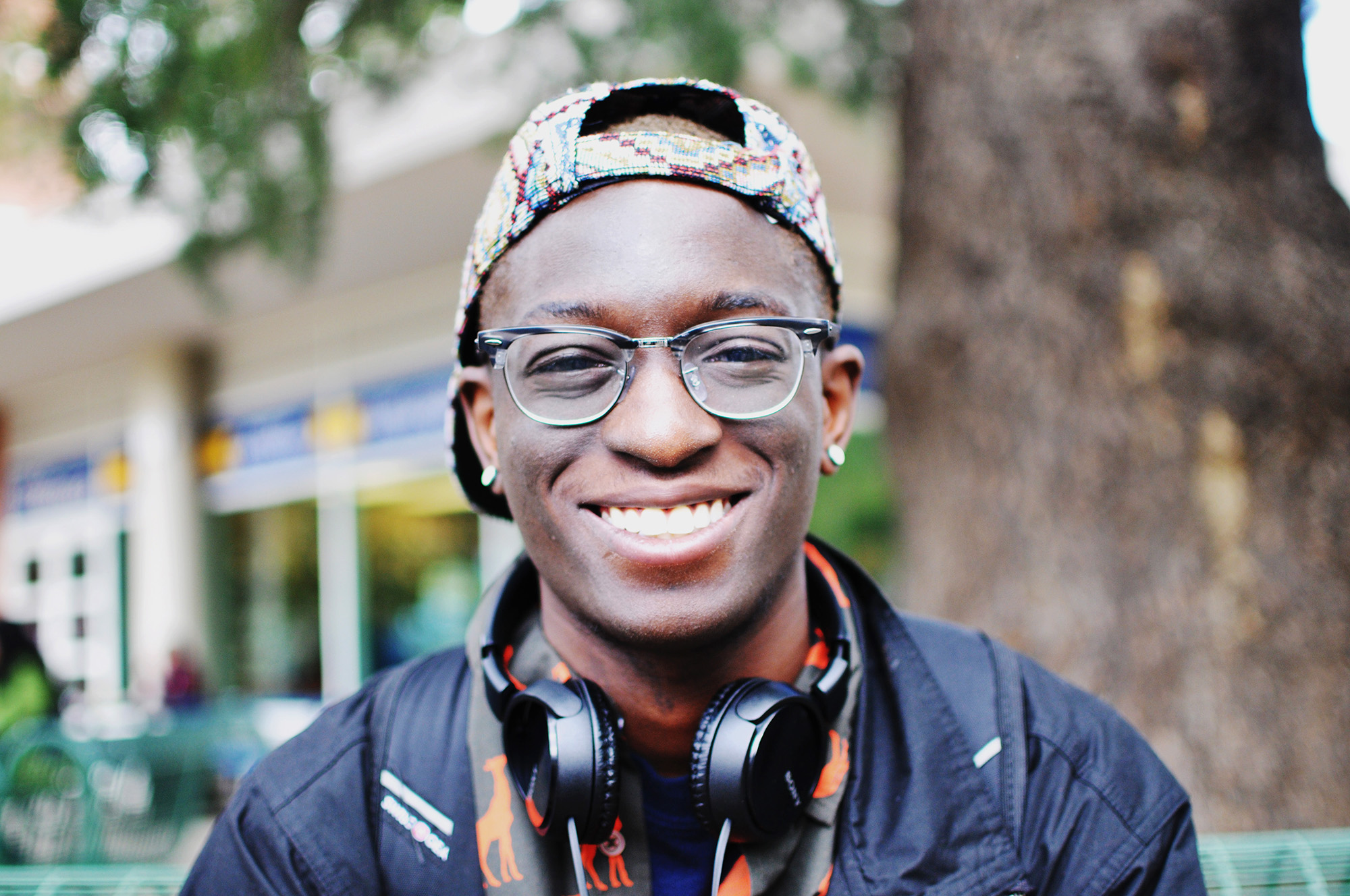
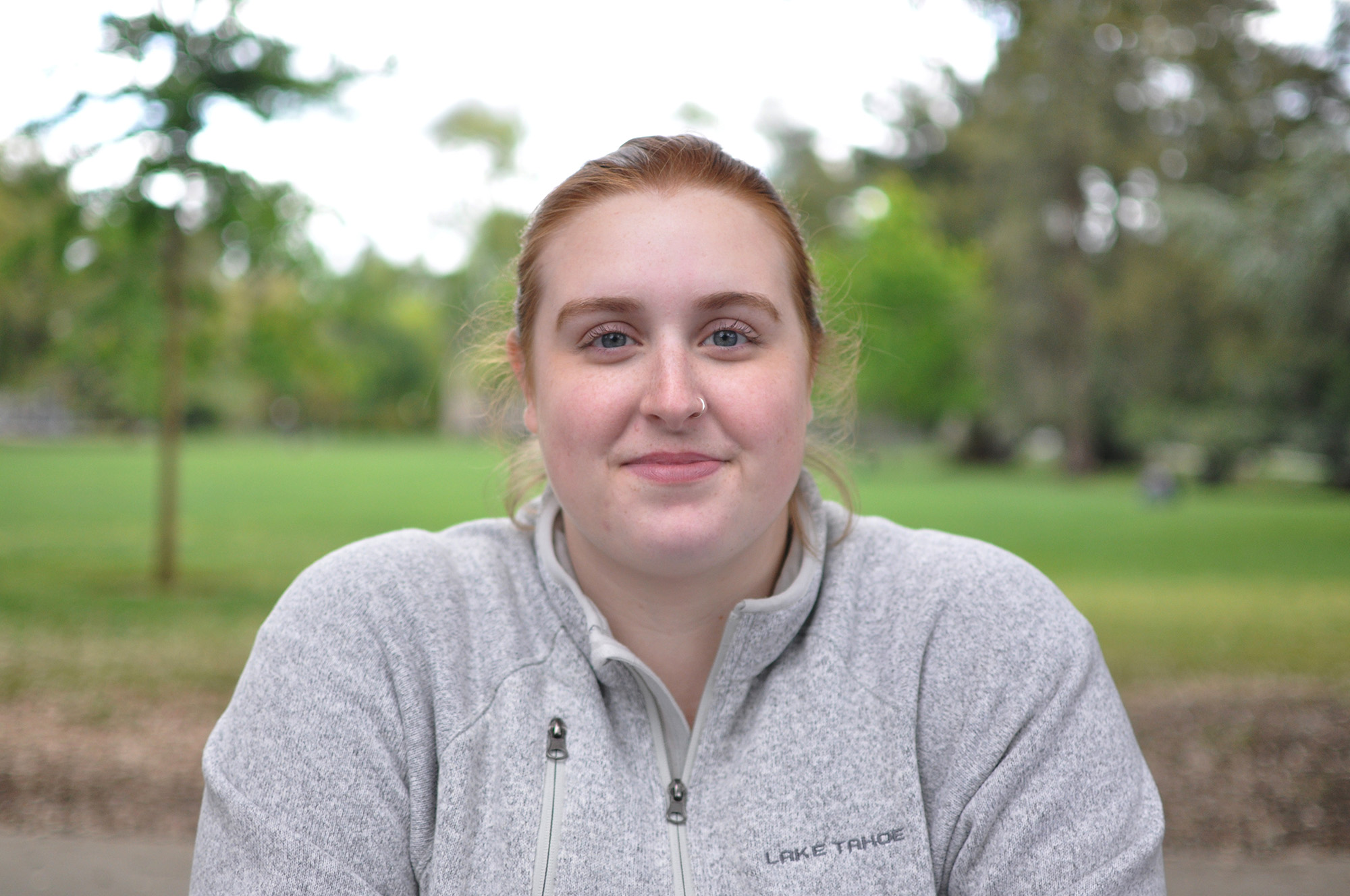
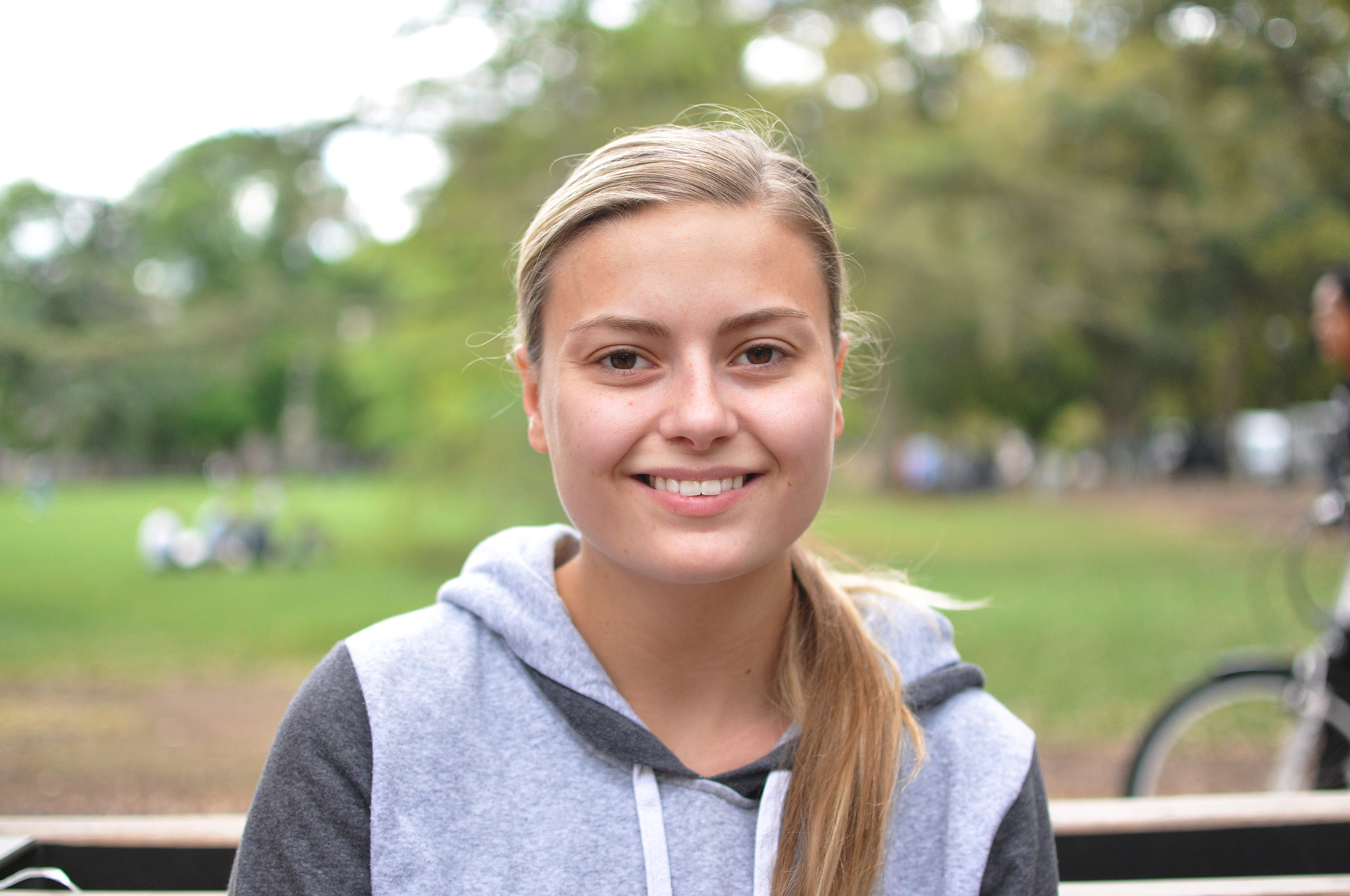
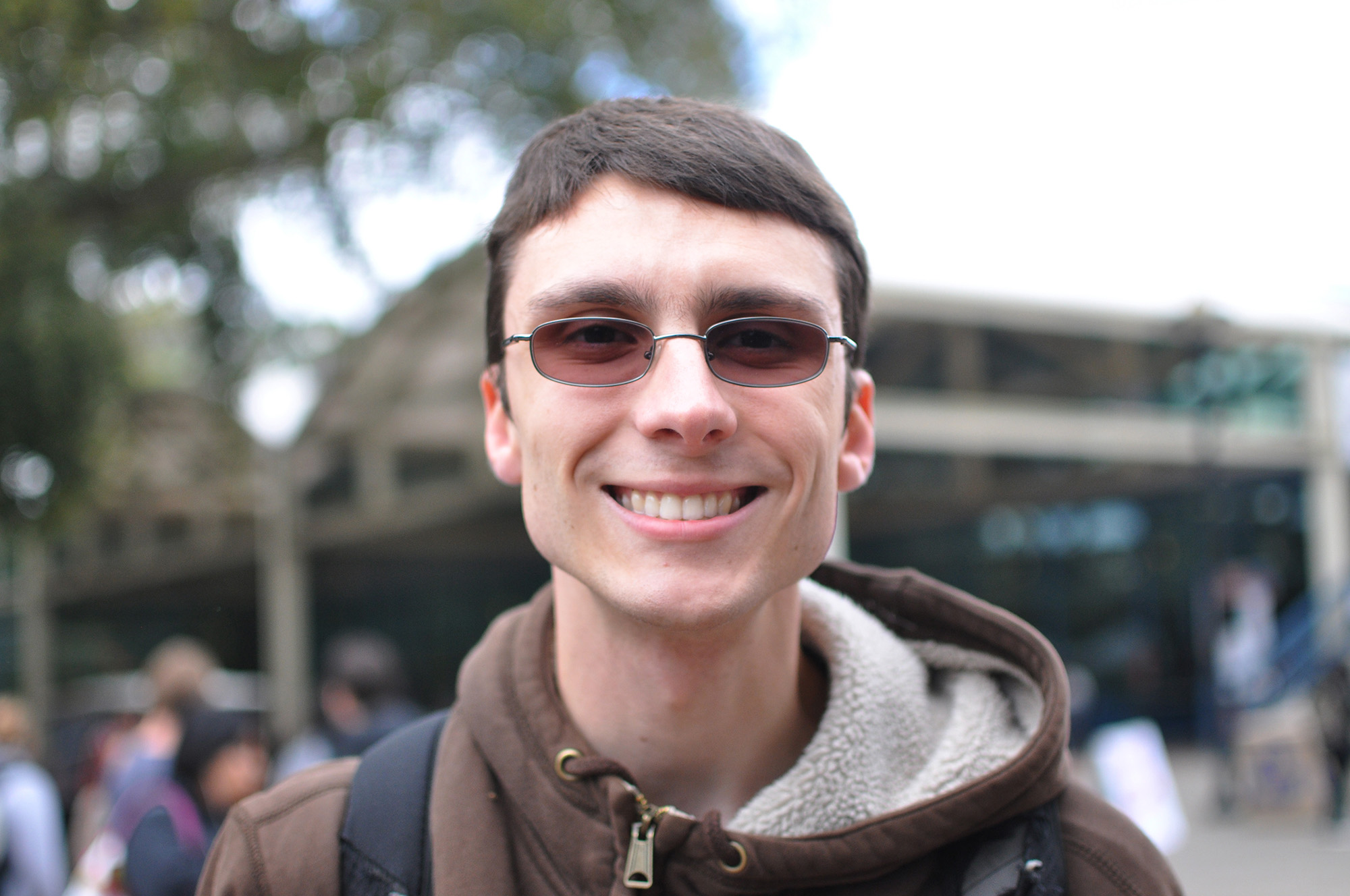
How do you feel that your decision to attend UC Davis over other schools has cultivated your academic potential?

catherine_trinhCatherine Trinh

Fourth-year neurobiology physiology and behavior major

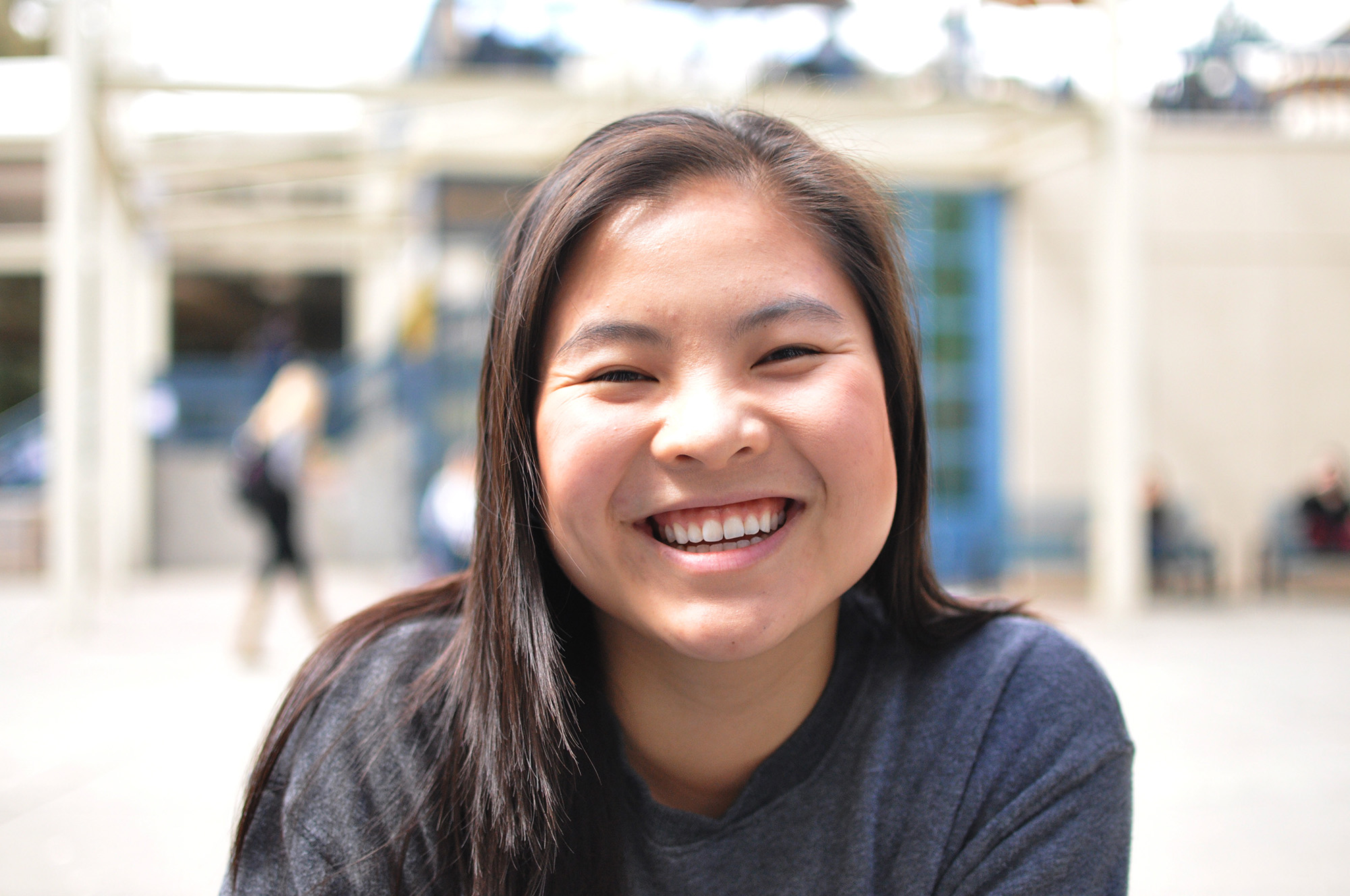
“Just the culture here — it’s a good learning environment. It’s kind of more of a close-knit school even though it’s so large, and there are a lot of opportunities here. The environment is friendlier. The Internship and Career Center here — they make it really easy for you to get internships, which is actually kind of hard for people at other schools.”

benjamin_calderomBenjamin Calderom

Fifth-year applied mathematics and history double major

“I actually got accepted into better schools — I got accepted into Berkeley and other schools like that, and I chose Davis because of the atmosphere here. It seemed like Berkeley was sort of more ‘go to school to be super competitive, don’t enjoy your college life,’ but I came to Davis and did a campus tour, and everyone was smiling and happy and that’s why I chose to [come] here.”

Senators(Gareth)_CieraPasturelGareth Smythe

Third-year political science and history double major

“I think that because of the prestige of this university, and because it is a public university I’ve gotten resources that I wouldn’t have gotten anywhere else. I have a network of sister universities which is awesome… Also I think it’s made me more international; it’s not a homogenous group by any means so I’ve learned [about] different cultures, different foods, different environments — which in a globalized world, that’s invaluable. Also, I’d never been to Northern California before and I would have never come here, but I love it up here.”

zsofia_burdsallZsofia Burdsall

Second-year communication major

“The reason why I chose Davis is because it was so far away from home since I’m from L.A. So I feel like me coming here was a great opportunity for me to branch out into another region of the state. It’s definitely a change of scenery and a change of pace, so I feel like in that way I was able to grow and branch out. Plus [I’m] meeting new people and meeting new friends, and [I’m getting] the whole college experience and everything.”

jason_kaoJason Kao

Fourth-year biological sciences major

“I was debating between two schools — UC Irvine and UC Davis. Since I live in Southern California, Irvine was very close to my house, so I felt that going up to Davis I could be more independent and learn more about myself being far away from home. Davis is a really good university because it gives you a lot of opportunities — I got to do research here [and] I got to meet such wonderful people… Everyone’s so open-minded and it’s awesome; I think Davis really opens up your imagination.”

Courtesy | Claudia Dastmalchi

Claudia Dastmalchi

Third-year biotechnology major

“The main reason [I came to Davis] was this was one of the few schools that had biotechnology as an undergraduate degree, and that was one of my main criteria — that was the major I wanted. Another reason is it’s close to home and I toured and got a really welcoming vibe from the school. I came and I’m happy with the way it’s turned out. I have access to a lot of good resources here, and many good professors because it’s a research institution as well. My field in particular is very emergent in this school.”

sasha_selvamSasha Selvam

Fourth-year managerial economics major

“I think one thing for sure is the people are overall friendlier, and having people that are supportive makes you want to succeed as well. I’ve seen at other campuses everyone’s more competitive, whereas here my friends have definitely been my support system.”

almany_kabbaAlmany Kabba

Third-year human development major

“For me, I chose Davis because it’s closer to my family and family’s really important to me — that was one of the decisions I had to make. Also this campus is [closer], and the people here are friendlier so it’s easier to network in this campus and also connect with others. I’m trying to [become] a pediatrician, so I also came here because you’d kind of get a step into maybe going to UC Davis Medical School afterwards. So basically, networking and the close family feel you get here [are important]. Even being away from home, you still have family here at Davis.”

glynis_kincaidGlynis Kincaid

Third-year women’s studies major

“My other option was University of San Francisco, so a big difference was I kind of liked the town of Davis. I loved San Francisco as a big city but I felt like Davis would be really comfortable and would help me grow because it’s a research institution [and] so there are a lot of opportunities to succeed academically. I had a big sister who went here and I knew she really liked it. I came in originally as political science and then I chose women’s studies, and I found the Women’s Resources and Research Center – and there’s the Davis Feminist Film Festival which I’m campaigning for – just a lot of really cool feminist, social justice-minded spaces which I didn’t really know existed before I came.”

ashley_haysAshley Hays

Fourth-year human development major

“I came into Davis as a transfer from a community college, and I originally came into clinical nutrition and it just taught me that even though I love it, it’s so hard. That’s why I switched my major to human development, because it’s something that I also love. And I also work at Davis Diamonds [coaching] gymnastics, so that’s really helped me figure out what I’ve really wanted to do in life.”

jacob_adamsJacob Adams

Fourth-year linguistics and international relations

“I came to Davis mainly because I got to be a regent scholar here, and to maintain a regent scholarship you have to maintain a certain GPA, which always gave me a baseline for how well I should do in school. I’m in the linguistics club, and I’m going to be at Decision Day. That’s part of the reason why I chose to apply to the schools I did, because of linguistics. And it helps me to become a linguistics professor which is what I want to do. I enjoy [the Linguistics Department] here, I think it’s very good.”

grace_kaufmanGrace Kaufman

Third-year community and regional development major

“First of all the campus itself has a very community feel that goes with the town. And that’s something that I didn’t feel at UCLA, I didn’t feel at Berkeley — and that is going to help me as a person grow and my values and my life perspective. Also, Davis is in the top nine in the nation, they’re pretty impressive. So I think coming to this university and being exposed to the caliber of professors we have here is what’s going to help me succeed.”

luis_ruizLuis Ruiz

Fourth-year pharmaceutical chemistry major

“UC Davis is a very friendly campus, a lot of students walk by and say hello and I really like that. Overall, there’s a lot of resources you can use too. I’ve taken the science classes – chemistry, math – and there are a lot of resources you can use to help you through all those classes, [so] I’m very grateful for that. Also the staff, the professors are really friendly.”

Feature photo by Samantha Hartmann. 

Portraits by Jian Gelvezon.

Myths and Misconceptions about Health: Protein Mania

0
Designed by Tiffany Choi

Where do you get your protein? No, where do you get your fiber?

As a vegan, I often receive the question “Where do you get your protein?” In the past, this question used to bother me because I felt like I was being made fun of by this protein-obsessed culture. How could I not receive the appropriate amount of nutrients with a diet filled with fruits and vegetables?  Their question derives from the common belief that humans need to consume large amounts of protein and that the source must obviously come from meat or milk. It is not uncommon to find people consuming protein shakes, protein bars, or even the more recently popular “protein pancakes.” Somehow, protein seems to be directly correlated with health. The idea is, the more protein you consume, the healthier you will be.

However, this belief about protein is misconceived. Yes, it is true that protein is an essential nutrient, but it is not necessary to consume it in such large amounts nor does it only come from milk and dairy. Despite vegan diets being on average lower in protein than non-vegetarian diets, there has been no proven indication that having more protein in your diet is advantageous. Now, I realize that the question, “Where do you get your protein?” is not necessarily a dig at my dietary preference, but instead it’s an outcome that stems from a common misunderstanding about protein itself.

The first misunderstanding is that protein can only be found in meat and dairy. This idea is contested by the fact that there is actually an incredible amount of naturally occurring plant-based sources of protein. For example, beans, grains, nuts, seeds, and even vegetables contain a substantial amount of protein. Given that a vegan eats a wide variety of these foods and a sufficient amount of calories, it is not a problem for them to get enough protein.

Even with the evidence that there is protein found in plant-based foods and grains, there are still individuals who sneer at diets that reduce or remove meat and dairy. The common argument against plant-based protein is that they are not “quality” sources of protein. There are people that say meat, dairy, and eggs are high quality sources of protein, completely disregarding that soy, quinoa, and spinach are also considered to be high quality protein. In fact, not only are vegan sources of protein just as attainable, but they are also rich in fiber.

The question I then offer in response to the one about protein is: where do you get your fiber? Too often is the need for protein overemphasized, so much so that the importance of a fiber-rich diet is completely disregarded. Fiber, especially ones found in plant-based foods, works wonders for digestion, keeping one’s gut clean and smoothly functioning. On the other hand, conventional forms of protein such as meat, dairy, and eggs are not as easily digestible, and therefore require more energy from our bodies to digest these foods. Similarly, these foods tend to sit in our bodies a lot longer, which may contribute to gastrointestinal discomfort.

More important than the misinformation and physical discomfort of conventional forms of protein, is the proof that meat and dairy are major contributors to the formation of disease. Yes, meat and dairy provide individuals with protein, but they also provide unnecessary fat and cholesterol content, which increase the risk for heart disease, diabetes, and high cholesterol. Plant-based sources offer the same essential protein nutrient, but without the cost of increased susceptibility to disease.

Now, the point of writing this is not to convince you to become vegan (although it would certainly be a favorable outcome), but rather to offer you an inquiry into the information commonly dispersed about health. It was merely an attempt to have you question certain health practices that may seem like common sense. More than anything, I would like you to read this and think about the reasons that you actually consume these milk and dairy products. If you eat them because you think that they are the only sources of protein, or that their protein content is healthy and will prevent you from getting any sort of deficiencies or disease, then maybe you should reconsider.

Tiffany Marquez can be reached at tmmarquez@ucdavis.edu.

Graphic by Tiffany Choi.

Bike shop opens for Women Trans Femme communities

0

Bike Forth addresses male-dominated activity

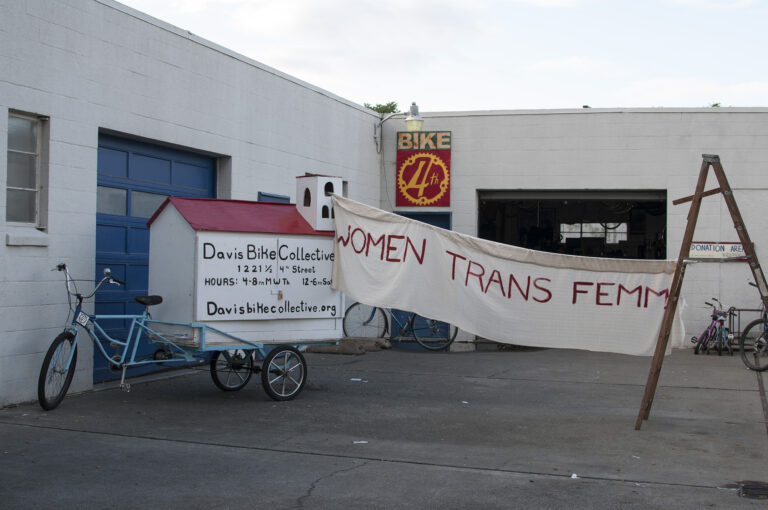
Bike Forth, a community bike shop on the corner of Fourth and L streets run by volunteers for the Davis Bike Collective, is open to the general public for a few hours every Monday, Wednesday, Thursday and Saturday. But, starting in February, the shop began opening its doors every other Tuesday, specifically for people who identify as part of the Women Trans Femme (WTF) community.

Anyone who needs to use the tools and space for bike maintenance is welcome to do so in the Bike Forth garage. However, volunteers have noticed that most customers are men, a trend that is common among other bike shops as well.

“I love this shop. It’s empowering for everyone who comes in,” said Jenny Van Wyk, a volunteer at Bike Forth. “Everyone should always feel welcome to come here. I’m not saying that you shouldn’t go to bike shops and have them fix it, but you can fix it yourself, you can learn how and we have all the tools to do that.”

WTF night is Bike Forth’s response to the common view that bike maintenance is predominantly for men.

“The idea is for people who might feel uncomfortable coming to the shop in general to have a safe space to come and learn about bikes,” said Anne Hereford, a volunteer at Bike Forth who helped initiate the latest incarnation of WTF night in Davis. “At the shop it’s a very supportive community, but some people still feel intimidated about coming to work on their bikes, specifically women and people who identify as women. We want to empower them to work on their bikes, and if that means having a special night where they can come and not feel intimidated then that’s what we want to offer.”

Van Wyk, who is also responsible for the return of WTF night, said it started in Davis in 2008 and has made a few comebacks in the years since. After starting as a volunteer for the Bike Collective, she decided to begin a new iteration to help these marginalized groups get a handle on bike maintenance.

“If you don’t know how to work on your bike it can often be intimidating, or you have the experience where you come in and someone says, ‘Let me do it for you,’” Van Wyk said. “This happens in mechanical realms. This happens across the spectrum in traditionally male-dominated activities.”

Part of addressing this intimidation includes limiting access to the shop on those Tuesdays to only people who identify with the WTF community.

“We don’t exactly turn people away — we say, ‘Do you identify as part of this community?’” Hereford said. “If you don’t feel you’re a member of the Women Trans Femme community, this is not a space that you’re invited to. So it’s more of a self-selection.”

People who identify as men are encouraged to go to the shop’s regular open hours on the other days of the week.

“There are still women and transgender people in our society who feel intimidated when they’re in a male-dominated space,” Hereford said. “Frankly, the shop is often male-dominated. If you go in on an afternoon that is not WTF you’re likely to see more men than women.”

On top of regular shop hours, volunteers planned a series of workshops designed for teaching the fundamentals of bike maintenance.

“The beginning of every session, from 4 to 4:30 or 5 [p.m.], we run a specific workshop about fixing a specific part of your bicycle,” Hereford said. “We set out to break the bike down into component parts to look at. The most basic thing that anybody needs to know is how to change a flat. That happens to everybody if you ride around long enough, and that’s something that’s pretty simple to grasp. And then we are progressing to more difficult parts of bike maintenance. We’re ending with a night on overall bike tune-up and bike maintenance, an overview, how often you need to look at different parts of your bike and how to keep it clean and running smoothly.”

Bike Forth has held five workshops on WTF night and plans to do at least two more on April 21 and May 5. The volunteers hope to continue at least the open hours portion of WTF night but whether they will do another series of workshops depends on the turnout.

As part of the workshops, participants see how the work is done on an example bike before they move on to practicing on their own bikes.

“We’ve been building up a bike all together as the example bike every week, and that bike is going to be donated to a homeless woman when we’re through,” Van Wyk said. “You’d be shocked by how much having a working bicycle can empower someone in the homeless community, so that’s part of our mission right now.”

Van Wyk mentioned that four participants are in the process of building their own bikes from scratch. One of them is Caroline Larsen, a graduate student in ecology at UC Davis who has attended each of the workshops.
“The most surprising thing is just how easy things are once you know how to do it properly,” Larsen said. “I’m really surprised how feasible it is to actually build your bike up from scratch once you break it into little parts.”

Larsen commented that she knew very little about bike maintenance before going to the workshops, but she feels confident in being able to use the facilities at Bike Forth.

“[Biking] is the main mode of transportation here,” Larsen said. “That’s the easiest way to get around. You don’t have to deal with parking your car, you can ride it anywhere. Being able to bike around — it’s nicer, it’s calming, it’s a way to get exercise. And obviously it’s a more environmentally friendly choice, and if you don’t have to drive then why would you? Especially when you’re in a place where biking is encouraged.”

Photos by Anisa Bashiri.

Grindr app provides dating, hook-up options for LGBT men

0

Students, users weigh in on pros, cons of app

The popular location-based dating app for LGBT men “Grindr” has extended its reach to university-level male students – especially those who’ve had no luck with the similar app, “Tinder.”

“There’s a variety [of users]: teens, geeks, jocks, college students obviously, gamers, mature men,” said second-year animal science major Johnathon Silva. “You can talk to people in the LGBT community. It also makes it easier to date because there’s not the ‘I wonder if they’re gay’ factor you have to worry about.”

Similar to the wide-spread dating app Tinder, Grindr uses location services to help users find a possible match close by. Grindr has grown greatly since its launch in 2009, with over five million males in almost 200 countries around the world currently using it.

“Grindr and Tinder are both based on location where you are able to find people nearby and yet some additional settings can help you find people elsewhere too,” said the Lesbian, Gay, Bisexual, Transgender, Queer, Intersex, Asexual (LGBTQIA) Resource Center Office Coordinator Joanna Villegas. “Both allow for hook-ups, and conversations. Tinder allows for a change in settings where you can view only women, only men, or both men and women near you. Grindr has filters as well based on social and physical characteristics.”

There are two versions of the app available to smart-phone users: Grindr and Grindr Xtra. According to the app’s website, Grindr Xtra requires the user to pay a monthly fee in order to gain access to extra bonuses and the “VIP treatment.”

“I personally don’t think it’s worth it based on the fact paying monthly will just give more guys looking to hook up,” said third-year linguistics major Joshua Traser. “If you’re looking for true love, you’re not going to find it on these kinds of apps, generally.”

Each Grindr user has their own profile, which includes a picture, display name, headline, age, height, weight, body type, ethnicity, relationship status, a short description about the user, as well as links to social media such as Facebook and Instagram and their “grindr tribes.” Grindr tribes are attributes gay cliques that a gay man would identify as, such as a jock.

“I believe having a decent profile will help show the surface of someone, but having too much might take away find out things via conversation,” Traser said.

Not all users include a completely detailed profile, which sometimes makes the need for social interaction even greater.

“Some people or others just don’t have pictures so they’ll message you and you’ll ask for a picture and they’ll say no,” Silva said. “Why would I want to talk to someone if I don’t know what they look like?”

There are what are called “scenes” to choose from, such as masculine – or “masc” – individuals seeking other masculine men. Other commonly used Grindr terms include “fats” (a term for overweight individuals), “femmes” (a term for individuals who are usually more feminine in personality) and “old” (a term used for older men, usually ranging 40 and over).

“There are beauty standards and a specific type of masculinity, and performance that is often privileged in gay spaces,” said Villegas. “Where femme men and fat people fall outside of what is believed to be desirable. Femmephobia and Fat Phobia are real issues and there’s definitely a larger discussion that needs to continue to happen to break down such hurtful and damaging ideas.”

Although classified as a dating app for men, Grindr has received a lot of criticism for serving mainly as a way of hooking up rather than finding a partner.

“It is an app primarily for men that sleep with men, and self-identified gay men that are looking for other men near their current given location,” Villegas said. “From experiences people have share with me regarding Grindr, it appears it is primarily a site for hook-ups.”

Third-year biological sciences major Gerardo Montoya also agrees with Villegas, speaking about his own personal experience using the app.

“Grindr is primarily a waste of time, unless you are looking for a hookup,” Montoya said. “It is not the place where you will find love, only guys lusting over one another while pretending to be looking for ‘friends’ or ‘dates.’ Although a few friendships have arisen from such a place, they were very ephemeral, since sexual attraction was probably the reason an initial message was sent.”

Photo by Courtesy.

Adopt-a-Park information night to take place Thursday

0

Davis Police Department, Parks and Community Service Department discuss volunteer opportunities with Willow Creek residents

Tonight from 5-7 p.m., the Davis Parks and Community Service Department and Davis Police Department (DPD) will be holding an information night at Willow Creek Park for their adopt-a-park program. Every three weeks, meetings are held at local parks to inform residents on upcoming events and volunteer opportunities.

“Generally, it’s about all the parks but always our focus is the people who live around that park we are doing it in. For instance, Willow Creek Park for this week, we are looking for volunteers for that park…. We will have information about the adopt-a-park adopting a park process, Davis Police Department will be out there with information about how to keep your home safe while you are on vacation,” said Eli Smith, Adopt-a-Park Coordinator for the Parks and Community Service Department.

Smith adds that these events allow community members to meet the people who keep the parks running, including maintenance staff members. Smith explains that they bring props such as lawn mowers and irrigation equipment to demonstrate what goes into keeping up local parks.

Davis Police Department Volunteer Coordinator, Kellie Vitaich, explains that the DPD discusses volunteer opportunities as well as crime prevention and neighborhood watch at the adopt-a-park events.

“Graffiti abatement is an all volunteer endeavor here in Davis so we have a lot of different people and different ways they can help us and part of that is if people are at a park a lot or willing to help clean up graffiti we can train them and give them some of the supplies to do that,” Vitaich said.

Vitaich adds that the events are beneficial because they allow residents to express their concerns. The DPD can then direct residents to the best resources and investigate the situation.

Community Service Superintendent, Christine Helweg, explains that another key aspect to the information nights is to educate residents about the adopt-a-park program which gives individuals and groups in the community the opportunity to take part in park maintenance.

“There are a lot of groups that are interested in doing community service work and this is a way, an official program, we can provide, to support volunteers in the community to assist with park maintenance,” Helweg said.

She adds that the extent to which volunteers contribute to the adopt-a-park program can vary based on the circumstances. Volunteer groups as well as individuals are encouraged to take part in the program.

“It’s really customized to the individual. We have volunteers that do really extensive work in the parks, they’ve created garden areas and things of that nature, whereas others periodically help pick up trash and remove graffiti,” Helweg said. “A lot of them will do occasional, seasonal planting or helping distribute mulch.”

Graphic by Jennifer Wu.
Gov. Brown imposes statewide mandatory water restrictions for municipalities

0

Restriction in response to record lows of snowpack, projected indefinite drought

On April 1 Governor Jerry Brown announced the first statewide emergency mandatory water restriction which aims to reduce municipalities’ water usage. The water restriction would enforce a 25 percent reduction in water usage, projected to save 1.5 acre-feet of water over the next nine months.

The announcement includes replacing 50 million square feet of lawns throughout the state with drought tolerant landscaping, creating a temporary, statewide consumer rebate program that promotes the use of more energy and water efficient appliances.

“The governor moved from a voluntary to a mandatory structure and he is asking a 25 percent savings of urban water users… the emphasis is on landscaping. Landscaping and outdoor water use in urban areas is a place where a lot of savings can be made, ” said Tim Moran, public information officer of the California State Water Board.

According to the governor’s website, local water agencies are ordered to adjust their rate structures to implement conservation pricing, the idea that water usage will decrease with the increase in price of water. The state will also increase monitoring of decision-making of water infrastructure projects, requiring state agencies to report to the Governor’s Office on any application pending for more than 90 days. The policy also refers to the freshwater supplies in upstream reservoirs for human use and habitat protection for endangered and threatened species, streamlining “permission and review of emergency drought salinity barriers”, including emergency drinking water projects.

The enforcement of the order will be done by individual water districts, who report to the State Water Board on a monthly basis. According to Moran, the State Water Board is authorized to issue fines that can go up to $10,000 per day.

“I think we’ve worked with them to get them into compliance before it takes place,” Moran said.

Moran also asserts that since it is an emergency order, it will take effect for 270 days and can be renewed to extend the period. The order is heavily targeted to large landscapes, such as golf courses and campuses. The reduction will be compared to a 2013 baseline, according to Moran. Cities such as Davis, that have already implemented water reduction policies, will not be affected by this newly implemented order.

“We are using the 2013 baseline to measure how much people are saving. The places that have been saving all along won’t have to do this dramatic changes,” Moran said.

Although the new policy also requires agricultural users to report more water use information to state regulators, the restriction displays a new approach to the drought condition that does not focus on the agriculture sector. According to Wendy Fink-Weber, senior director of communications of Western Growers, an agricultural trade association, farmers have already lost a large amount of water and there are reportedly approximately 17,000 jobs lost due to the drought and water usage policies. According to Wendy, the state water allocation announced in January will allow the agriculture sector to receive 20 percent of the water, however the farmers affected by the Central Valley Project who receive federal water, will receive none from the state water allocation.

“Agriculture has taken a lot of hit during the drought through our water rights system. Over 400,000 acres of farmland [were hit], and there was a lot lost in farm workers jobs. They suffered quite a bit during this drought,” Moran said.

According to Richard Tsai, senior utility resource specialist for the City of Davis, Davis has implemented several water reduction policies, including resolution 14-124 which implemented emergency regulations in relation to water during the drought starting September 2014. The resolution includes prohibiting usage of water in street and sidewalk cleaning, gutter flooding and limiting car wash facilities to only using recycled water.

There are also restrictions on when to water the outdoors, which is not allowed between 9 a.m. and 6 p.m. except when watering with a hand-held container or hose with a shut-off nozzle or for very short periods when adjusting a sprinkler system. The policy also encouraged several technological improvement in water usage, such as the reparation of irrigation systems including sprinkler heads, valves, and main lines, and an upgrade in irrigation controllers, radio communications and flow sensors.

According to Tsai, the city wells collectively pumped 16.5 percent less water in 2014 compared to 2013. In addition to that, the city had a reduction of 4.7 percent for the first quarter of 2015 compared to the first quarter of 2014. The City of Davis has reached out to the community through SaveDavisWater.org, Utility Bill messages and WaterSmart workshops.

Graphic by Jennifer Wu.

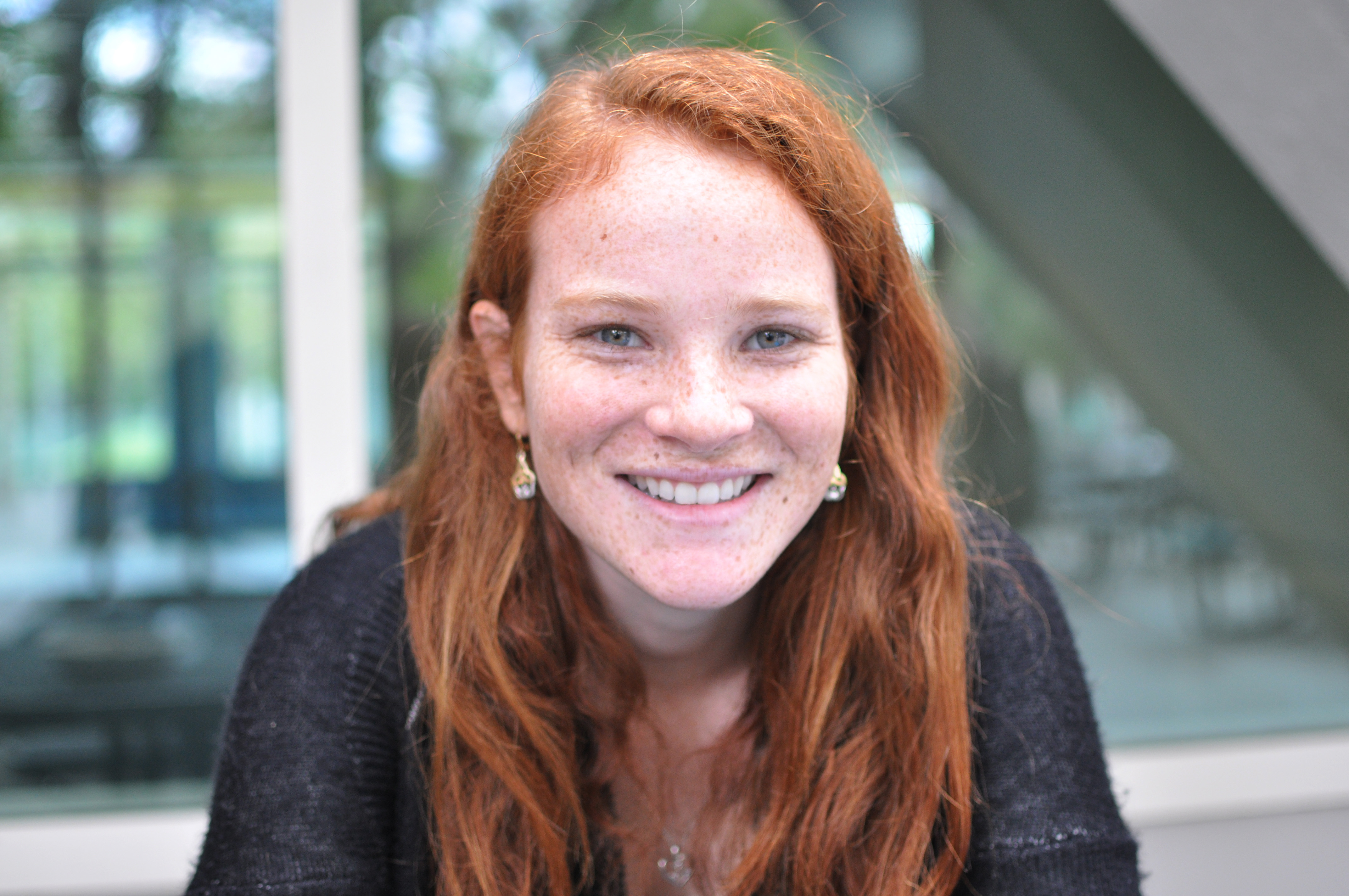
ASUCD officials contemplate UCSA paid membership amid budget cuts

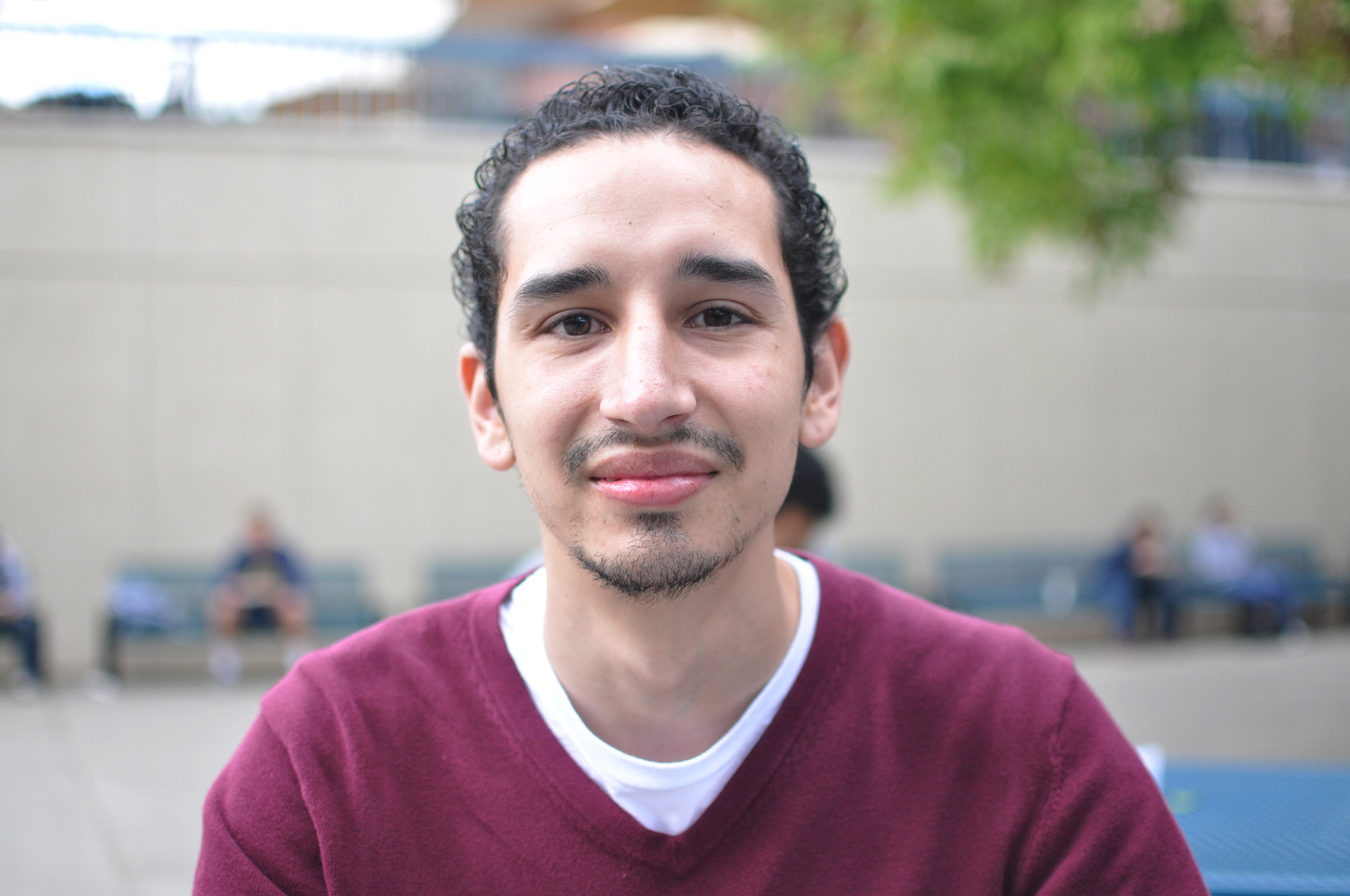
With the deadline for the executive office’s budget proposal quickly approaching, newly seated ASUCD president Mariah Watson is gearing up to draft a minimum of $50,000 in budget cuts.

Watson must provide a comprehensive set of budget recommendations by week six of this quarter. As a result of senate’s passage of Senate Bill 46 (SB46) last quarter, the budget proposal will have to make about $50,000 in cuts to develop a fiscal buffer in preparation for potential future deficits.

The ASUCD Capital Reserves has fallen from $1.2 million in 2003 to under $60,000 this year. Furthermore, the Net Revenue Fund dropped from $1.6 million in 2011 to just under $500,000 at the end of 2014. SB46, co-authored by former ASUCD vice president Maxwell Kappes, cites misuse of ASUCD funds, a lack of accountability and oversight and a “culture of complacency” among its reasons for the losses.

ASUCD senator Alex Lee noted that many ASUCD units appear to lack a strong drive to make a profit.

“Units generally operate under the philosophy of, ‘Breaking even is great. Running a deficit is kind of acceptable,’” Lee said. “[The] kind of a philosophy our student government has is that we shouldn’t be operating as a business.”

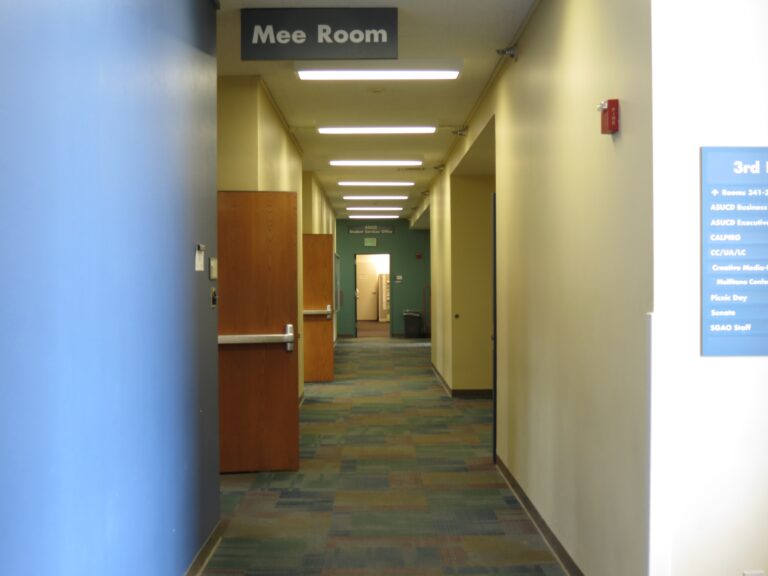
Additionally, the $50,000 in cuts necessitated by SB46 may not be the only new financial outflow that ASUCD programs will experience this year. In accordance with Watson and ASUCD vice president Robyn Huey’s platform to improve student representation at the state level, Watson said that she would attempt to restore ASUCD’s paid membership with the University of California Student Association (UCSA).

UCSA is a coalition of student representatives from across the UC system that advocates on behalf of all UC students to officials at the State Capital, UC Office of the President (UCOP) and UC Board of Regents.

ASUCD left UCSA in 2006. A diversity of explanations for the divorce exists, and all are somewhat vague.

In January 2015, UCSA granted ASUCD a membership fee waiver that will expire in May. This waiver was the product of a collaboration between the director of the ASUCD Office of Advocacy and Student Representation, Harley Litzelman, and UCSA Board Chair Kevin Sabo.

To continue membership with UCSA, ASUCD must pay about $36,000 by this December. Together with the charges of SB46, UCSA membership could result in more than $86,000 in cuts to ASUCD programs.

“I want us to be there,” Watson said. “I will be very, very frank: I want to find the money somewhere.”

However, Watson does not want to fund membership by risking harm to units.

“I do see the need, and I see what our students have asked us to do,” Watson said, referring to the campus protests that erupted last year in response to rumored tuition hikes.

In light of the minimum of $50,000 in cuts, ASUCD senator Roman Rivilis wants to prioritize units that provide large, tangible benefits to undergraduates.

“I’m looking for a budget that can look at every senator, bold-faced, in the eye, and say, ‘Units can be cut if they are not meeting the demands of the student body,’” Rivilis said.

If Watson’s executive team attempts to make room for UCSA membership fees in the budget proposal, senate would have an opportunity to deny that funding in May’s budget hearings. However, Watson said that a budget line for UCSA was unlikely.

According to Lee, an alternative means for funding UCSA membership might include eliciting funds from the UC Davis administration, although it is unclear how feasible that option is.

A 2009 constitutional amendment currently disallows UCSA membership to be paid via a fee-based initiative. Thus, the only way to fund UCSA fees through a fee-based initiative would be to pass another constitutional amendment, Rivilis said.

Advocates for rejoining UCSA point to the many benefits that membership offers. These benefits include institutional connections to the UCOP and the UC Regents, the opportunity to help select the UC Student Regent, entry into advocacy workshops, the expertise of full-time professional advocacy staff and access to a database of information on the UC system and past and current legislation concerning students.

“We’ve done this trial period for about a year, and it’s worked really well,” Watson said. “We’ve already had meetings with UCOP and the Governor and a lot of other really cool things.”

Litzelman also indicated that ASUCD was misrepresented during the time it was not a part of UCSA and would run the risk of being misrepresented again if it did not continue its membership. The reasons for these are twofold: first, UCSA is the only body that the UCOP and UC Regents regard as a formal representative of all UC students; second, UCSA does not provide for non-member association.

“Therefore, we [wouldn’t be] contributing to the conversation that determines how we are represented,” Litzelman said. “And that’s unconstitutional in my opinion.”

The Preamble to the ASUCD Constitution states that the Association is “constituted to represent its membership in the University of California and in the greater community and to increase the role and impact of its members on those decisions affecting their lives.”

“There are other things ASUCD does. They’re great, but right now we are not doing what we are chartered to do,” Litzelman said. “We are missing so many things, and the 27,000 undergraduates students at ASUCD deserve better.”

Photos by Samantha Hartmann.