54.7 F
Davis

Davis, California

Friday, December 19, 2025
Home Blog Page 513

Success of Center for Chicanx and Latinx Academic Student Success

REBECCA CAMPBELL / AGGIE

Center for Chicanx and Latinx Academic Student Success offers robust resources, support for students

On September 27, 2017, the Center for Chicanx and Latinx Academic Student Success opened its doors to the UC Davis community. Since its grand opening, the center’s check-in system has already accounted for roughly 10,000 students coming through its doors.

“Our main responsibility and mission is academic-based — we want to be a space to academically support our Chicanx and Latinx students from first year up to when they graduate,” said Cirilo Cortez, the director of CCLASS. “I reach out to the students that are not in good standing so they can come in here and use the services, get them up to speed, and acquainted to the university system.”

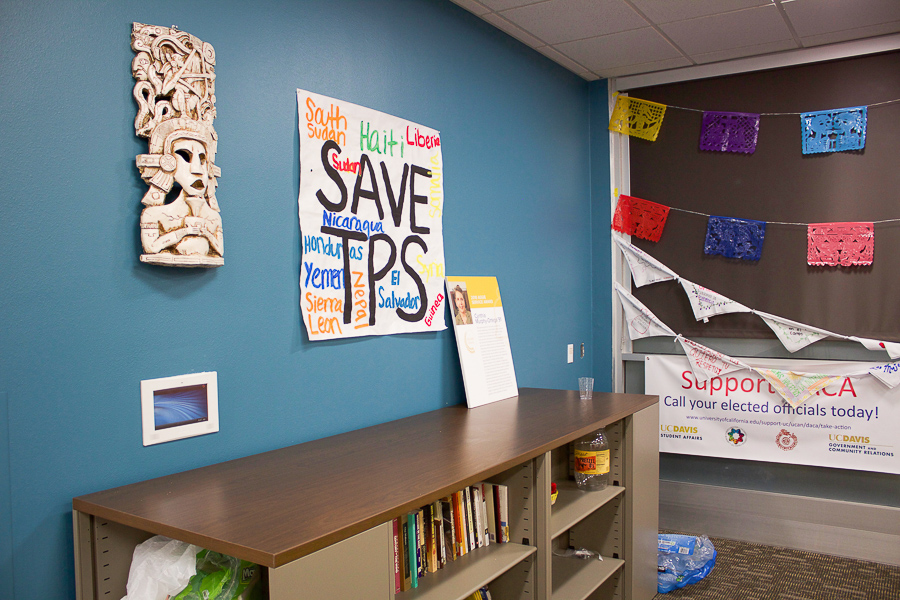
The Center can be found on the second floor of the MU, right at the heart of campus. Inside, students can find study tables and cushioned chairs, some computers and a printer, a table laden with pastries and coffee, as well plenty of Chicanx and Latinx peers and staff members. But this center didn’t just appear overnight — the development process took a few years.

“The initiative itself, our overall umbrella is the Chicanx/Latinx Retention Initiative, under that is the Center,” Cortez said. “It began in 2015 with the hiring of the director, which is myself, after that then I began to develop the strategic plan to shape the initiative moving forward with the team. Then the second year we became an office over by what’s now the writing studio. That’s where I first hired the associate director, Lina Mendez, and then a team of student staff.”

With Chicanx and Latinx students making up roughly 25 percent of the current undergraduate population, there was a need to move out of the tiny space in the University House Annex. Cortez estimated that more than 70 percent of the Chicanx/Latinx population is made up of first generation students, making the need for a centralized retention center even stronger.

“It really took about two years in the making to figure out where the location would be,” Cortez said. “[It meant] working with student affairs, working with academic affairs, and the administration team to see where we would establish the new center, looking at the blueprint, looking at the sign, looking at multiple community meetings with students and the community to get feedback.”

Cortez is a UC Davis alumnus himself, having received his master’s degree in education with a social and cultural emphasis, as well as a Ph.D. in education. When he was a student here, there was no centralized form of resources for Chicanx and Latinx students like CCLASS offers today. In fact, Cortez wishes that centers like this existed on all university campuses with a high population of Chicanx and Latinx students.

“I think it really helps out create community, a sense of belonging for first generation,” Cortez said. “[It] helps the student organizations work together, get additional academic support, somewhere to come and speak to professional staff about their experience or their recommendations on how to navigate the university system on a campus this size where they can access academic resources and tutoring, advising, seminars, all that good stuff.”

The CCLASS offers a robust set of resources for its students. For example, the Dean’s offices for the College of Letters and Science and the College of Agriculture and Environmental Sciences send advisors multiple days during the week, and there are also math, physics, and writing specialists that come to help students throughout the week.

There are also a variety of seminars offered throughout the quarters. In the fall, the focus is on research support where librarians come to offer academic support to Chicanx and Latinx students. In the winter, the focus is for the transfer population, and then identity support seminars are offered in the spring.

However, these are just a minor sampling of all of the resources and services offered by CCLASS and its staff.

“We plan graduation every year for the community, and that one is growing, there’s going to be over 400 students this year,” Cortez said. “We recently reactivated the Chicano/Latino Alumni Association; now it has leadership and a strategic plan. We just established our first round of scholarships and then we will continue in the future with some endowments to get more financial support. And we have a retention advisory committee that formed to work with students, faculty, staff.”

Perhaps one of the greatest resources of the center is access to professional staff, especially when it comes to helping students graduate and think about pursuing graduate or professional school. Cortez can help in this realm, as can associate director Dr. Lina Mendez, who received her master’s from Harvard University and her Ph.D. from the UC Davis School of Education.

“I think even for me and [Cortez], because we both have Ph.Ds, is we’re able to help students through graduate school, so helping them with letters of recommendation, helping them about even how to ask professors for letters, personal statements,” Mendez said. “I do believe that this particular center has helped so many students who sometimes don’t feel like they see themselves in other places on campus.”

Mendez hopes that students across campus realize that the CCLASS is not an exclusive space only for Chicanx and Latinx students and that students of any ethnicity or background are welcome. If students are paying tuition to go here and have access campus resources, then that means access to every single space on campus.

“I have to tell that to students so they feel welcome, and they don’t feel like it’s just for some other people or that they’re taking advantage of resources that are for someone else,” Mendez said. “The reality of these centers is that we focus on these communities in order to retain them and help them graduate, but it doesn’t mean that anybody else can’t use our resources, either the study space, the printing, or even our own knowledge.”

Mendez has been a part of the initiative since its early stages. Another student who became involved early on was Janet Garcia, a third-year Chicano/a studies and linguistics double major and student staff member at the CCLASS. She found out about the initiative during her freshman year when she was enrolled in an education research class that Cortez helped develop.

“They had four peers, but then they had two special positions, which were the student assistant research ones,” Garcia said. “[Cortez] asked the whole class who was interested [to] keep going and developing more research tactics and what not, and I wanted to so that was how I was able to get hired and develop my research skills. That was really great.”

Garcia noted that each student staff member brings a unique aspect to the job. They provide peer-to-peer help, information on classes, connecting students to outside resources and services and simply keeping an eye on the center and making anyone who walks in feel welcome and appreciated.

“I feel like every time I go into new places I always come out [having] met more folks, since folks know me more than I know them just because I’m always there [in the Center],” Garcia said. “[Working there] is really fun, just being in a community where it’s really welcoming and part of my roots are there. It has been a really great experience.”


Written by: Marlys Jeane — features@theaggie.org

Editor’s note: A previous version of this article misspelled the associate director’s name as Lena Mendez. Her name is Lina. The article has been updated to reflect this change.
Aggie staff homebrewers get crafty

CASEY WALKER / UC DAVIS CONFERENCE AND EVENT SERVICES

Fourth annual staff brewing competition at UC Davis

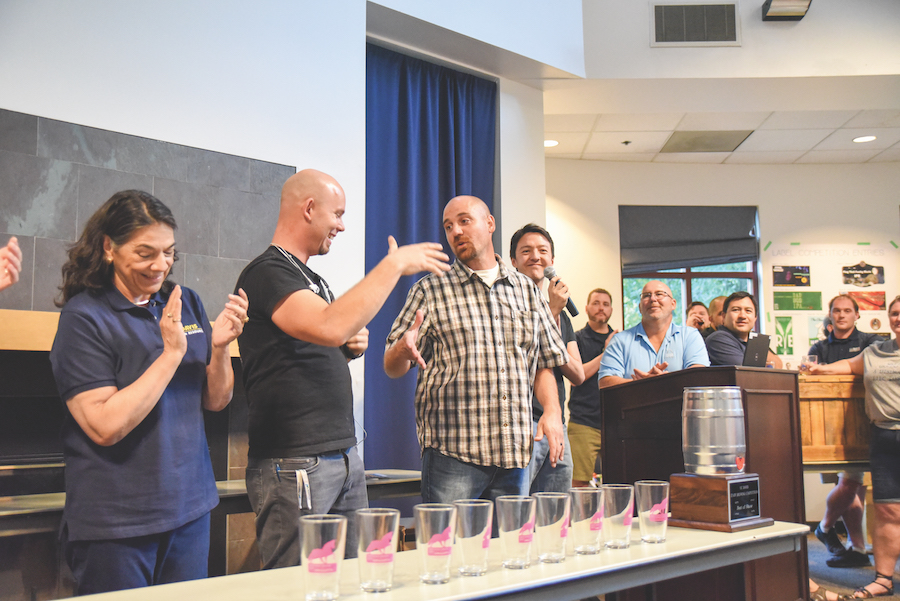
The Fourth Annual UC Davis Staff Brewing Competition was held in the Buehler Alumni Center on Friday, May 11, featuring IPAs, ales and ciders all homebrewed by talented UC Davis staff members and graduate students.

With tasting glasses in hand, tasters made their way around the stations, sipping the unique creations.

“We had 28 entries this year: 15 IPAs, eight brown ales and five ciders,” said Jeremy Dalveck, an administrative IT staff member at UC Davis and one of the key organizers of the brewing competition. “We had about 15 teams enter this year, but a lot of those teams brewed in two or three different categories.”

Most of the competitors are amateur hobbyists, brewing out of their kitchens and garages.

“This year we have about 11 judges, a mix of [Beer Judge Certification Program] certified judges, industry professionals, we had the brew master from Three Mile Brewing Company in Davis, and we also had a cider professional help out,” Dalveck said. “Then we had some other home brewers help out who are experienced with competitions. They all met up at Sactown Union Brewery last night and spent about three hours scoring and providing feedback on all of the entries and they selected the best of each category.”

Six awards were given to Best Specialty IPA, Best Brown, Best Cider, Best of Show, People’s Choice and Best Label. The judges deliberated the winners of all of the categories, with the exception of “People’s Choice,” which was decided by the 252 tasters who attended the event.

Last year’s winners, Nick Harden and twin brothers Jared and Ryan Duncan, or team “Hop Heads,” came back with two entries this year: a New England IPA and a dry hop cider. Their dry hop cider took home the Best Cider award this year.

“The cider, we were going for a dry white wine character,” said Ryan Duncan, a UC Davis utilities worker in the machine shop. “Two ounces of hops with a five-gallon batch of beer, just a cider, no back sweetening.”

They currently make five gallon batches using minimal equipment, but hope to expand by doubling the size of their batches. The team jokingly explained their homebrewing operation was moved to the garage after they were “kicked out” of the kitchen.

“Then we have the New England IPA which has a lot of tropical hops, really low bitterness, but more hop flavor and aroma,” Ryan Duncan said. “Real smooth mouth feel, not bitter or harsh is kind of what we were going for.”

The trio previously went by the team name “Here for Beer,” and last year, their stout entry swept the board, winning three awards.

“Our stout last year won judges choice [for Best Stout], people’s choice, and best of show,” said Nick Harden, an instrumentation and control staff member at UC Davis. “It was a chocolate oatmeal stout, we used a lot of cacao nibs and a lot of oats.”

This year’s winner of the Best Specialty IPA and the Best of Show awards was microbiology and immunology graduate student Beau Parry for his hazy IPA, “Beyond Pale.”

“Hazy IPAs are relatively new style, in fact for all the beer categories there are as far as tasting notes go, there’s no category for a hazy IPA because it’s so brand new,” Parry said. “They only revise the tasting guide for beer judges every so often, and hazy IPA hasn’t been added in yet.”

Emerging from the basements of homebrewers, the relatively new hazy-styled New England IPA trend was spawned by homebrewers, according to Parry. In recent years this style has been popularized by big names on the East Coast such as Tree House Brewing Co. and The Alchemist.

“It’s unique style because it goes against a lot of the dogma with most beers, it’s meant to be hazy,” Parry said. “Most brewers consider good beer to be very clear.”

This has to do with fining agents, Parry explained. Typically, the protein and yeast drop out of solution before you serve the beer. However, with hazy IPAs, late hop additions, the types of yeast strains used along with the higher protein malts all contribute to its cloudy, hazy appearance.

“The big difference is that we tend to do aroma additions,” Parry said. “So for the hazy IPA that I brewed, I added late addition hops, which actually contribute less to bitterness and more to aroma.”

Parry also won the Best Brown award for his “Bigly Brown” ale.

“Brown ales are way simpler,” Parry said. “They are brewed in the typical style of an ale which is a standard process for most beers. Except it’s low IBU and you add roasted malts to get a toffee-caramel character to it.”

Color is used as a gauge for how much roasted malt to add. Too much and it is considered a stout or a porter, which is much darker than a brown ale.

“You want to strike a nice balance so you get a nice brown character, it’s mild, it doesn’t have a lot of hops in it,” Parry said. “Brown ales are also lower in ABV so it’s around 5 percent.”

Despite winning three awards and his extensive knowledge on brewing, Parry is a new homebrewer.

“I just started brewing a year ago, but I’m a microbiologist so I like to do a lot of research before I do anything,” Parry said. “So these are recipes that I’ve stolen and tweaked some things and made them my own […] It doesn’t take a rocket scientist to go online and find a recipe.”

The full list of results for the competition were as follows:

  1. Best Cider – a dry hopped cider by Hop Heads (led by Jared Duncan, FACILITIES MANAGEMENT)
  2. Best Specialty IPA – Beyond Pale by Team 6 (led by Beau Parry, MICROBIOLOGY AND IMMUNOLOGY)
  3. Best Brown – Bigly Brown by Team 20 (led by Beau Parry, MICROBIOLOGY AND IMMUNOLOGY)
  4. Best of Show – Beyond Pale by Team 6 (led by Beau Parry, MICROBIOLOGY AND IMMUNOLOGY)
  5. People’s Choice – Red IPA by One HR (led by Guerren Solbach, HUMAN RESOURCES)
  6. Best Label – Dad Bod IPA by Beer Belly Brew (led by Ellen Jordan, DEVAR)


“It’s nice to see different departments come together who otherwise wouldn’t really be in contact,” Dalveck said. “I hope it does [continue to grow in years to come], I really like it because it spreads the hobby of homebrewing and it gets people together.”


Written by: Grace Simmons — features@theaggie.org

Historic Dresbach Hunt-Boyer Mansion reopened for city, business use

JORDAN KNOWLES / AGGIE

Mansion will house offices of new police substation, Valley Clean Energy

May 5 marked the grand reopening of the Dresbach Hunt-Boyer mansion, which has been repurposed to serve as a downtown Davis Police Department substation and headquarters for Valley Clean Energy. The City of Davis hosted an open house for the mansion followed by a ribbon-cutting ceremony led by city manager Michael Webb.

“The services that we provide at the HB mansion are related directly to some of the needs of our downtown: having that direct accessibility walkable to businesses, literally across the street and next door, and having that friendly face of our staff also being able to be accessible with immediate access instead having to walk halfway across town,” Webb said.

The Dresbach Hunt-Boyer mansion was first built in 1875 by William Frederick Dresbach. Dresbach was a businessman and was also known for naming the town Davisville. What made it stand out from other houses in the area was its Victorian architecture, which was uncommon for houses in the Davis Area. Throughout the years, it was passed down to the Boyer and the Hunt families. According to Bob Bowen, a city historian, the mansion is on a national registry for historic buildings.

“In the [1970s], there was a proposal to pick this house up and move it somewhere else and build a modern building here,” Bowen said. “A lot of folks in the community raised money and said, ‘No, this a historic house, we want to keep it here.’ It’s been constantly changing, so this new cycle is encouraging and [it supports] our downtown and our general community.”

The city of Davis bought the house in 1994 from private owners. Today, the house can be found on the corner of Second Street, where it is distinguished from the surrounding buildings by its Victorian architecture. Since 1994, the house has been in constant use by the city and small businesses.

Last fall, the previous occupant of the Dresbach Hunt-Boyer mansion — the startup Davis Roots — vacated the house in order to become digital. Afterward, the city council looked at the potential reuse of the house to suit the needs of the community.

According to City of Davis Police Chief Darren Pytel, the substation at the Hunt-Boyer Mansion will primarily be dedicated towards two departments: the Homeless Services and Outreach Department and the Downtown Davis Bike Officer office. This is the first time in 17 years that the Davis Police Department has had a substation downtown after relocating from City Hall to the current station.

“One of the primary reasons for moving homeless services down here is that a lot of the clients are in this area,” Pytel said. “And so we’re hoping that it is easier for [the officers] to meet with people so that we’re not having to drive people around or having them make express arrangements to have them come over to the police department.”

The other main service of the Dresbach Hunt-Boyer mansion will be the Valley Clean Energy office. Valley Clean Energy is a new, locally owned power provider that will launch in June 2018 and provide power for many areas of Yolo County.

“We have three members of the organization: currently the City of Davis, the City of Woodland and the unincorporated Yolo County,” said Lucas Ferrix during the ribbon-cutting ceremony. “Those three governments are partnering in this new power providing role of Valley Clean Energy. We are so happy to have our first headquarter offices here in downtown Davis.”

According to Bowen, the Dresbach Hunt-Boyer mansion’s history aligns with that of Davis. And while the house has gone through many different hands over the past hundred years, Bowen thinks that this knew repurposing will take a part in making the community of Davis stronger.

“This [house] was on the edge of town,” Bowen said. “This was built in 1875, [and] the university opened to students in 1908. The city of Davis was incorporated in 1917. So this house has lived through all of that […] over the years. It’s pretty extraordinary to think about.”


Written by: Hannan Waliullah city@theaggie.org

Last week in Senate

HANNAH LEE / AGGIE

Concerns raised over candidate for OASR director position

On May 10, Vice President Shaniah Branson called the Senate meeting to order at 6:10 p.m. Both Senator Daniella Aloni and Controller Meital Machulsky were late.

The first order of business was the The Pantry’s quarterly report. The representative from The Pantry said that in addition to giving out points when students buy a beverage or food, it also has a $250 scholarship competition in the works. Students just have to fill out a form, write a personal statement and submit an application.

Up next were panel interviews for committee candidates for the following units: Specialized Transportation Services/Tipsy Taxi Unit Director, Environmental Policy and Planning Commission Interim Commission chair, Business and Finance Interim Commission chair and Ethnic and Cultural Affairs Interim Commission chair. After a thorough and lengthy questioning session for each candidate by the table, all four people were confirmed with no objections.

This was followed by consideration of old legislation.

Senate Bill #69 would allocate $660 for ECAC to put on the event “Tunnel of Resistance” on June 1 from 3 to 7 p.m. from Senate Reserves. Questions and comments from the table were expressed. Senator Atanas Spasov questioned what the commission had spent its “$1,000 dollar budget” on when “other commissions only get $100.”

Senator Jesse Kullar proposed that it “would be better to do a resolution and a spending bill separately, because this background information will be hidden in a spending bill.” Internal Affairs Commission chair Jacob Ganz replied that information in the background “will not technically be endorsed by the student body and will get buried with the spending bill.” Further discussion on spending details followed. Senator Kullar motioned to Senate discussion, seconded with no objections.

In discussion were suggestions to seek donations from local hardware establishments, but dissent was expressed on the availability of donors. Different funding approaches were broached. Finally, the bill went to vote with amendments to the bill’s language. SB #69 was confirmed as amended.

Next up was the EPPC’s quarterly report. Notable topics from the report included sustainability audits, conversations with unit directors, purchasing, water usage and a waste initiative. The commission expressed hope to bring back the report every year instead of every other year for concern of losing institutional knowledge. Other topics discussed were Environmental Week, Conscience College Road Tour, Green the Greens, a campaign to reduce pesticide use on the MU Quad, the Fair Trade Campaign with Dining Services and Toilet Talks — a poster in bathroom stalls about environmental topics.

The following item was a detailed confirmation hearing for nominee Edgar Malagon for Office of Advocacy and Student Representation unit director. President Michael Gofman nominated Malagon. Before proceedings began, Gofman gave an overview of the nomination process and acknowledged Bylaw 504(D), which states that the confirmation of an incoming director must be within four academic weeks of the seating of the new ASUCD president and said the Senate is running late on the confirmation.

Gofman credited Malagon’s past experience. During discussion over the confirmation, ECAC chair Rina Singh read a statement from Destiny Padilla, the current director of OASR, that said:

“Not saying something will be a disservice. [The] interview process has been sneaky; [Malagon’s] application came in late. There’s a conflict of interest with IAC. Encourage everyone to ask hard questions. I do not endorse [Malagon]. Senators should not be complacent. Some questions: How will next director stand against UCOP? Is the director really devoted to serve students or is he just the president’s friend? Look around to who is advocating for candidate; and do you see a pattern? I do not recommend [Malagon].”

After reading the statement, Singh asked about Malagon’s thoughts on the statement, to which he responded by saying “one shouldn’t pass judgement without actually knowing them and without basing it on one’s character. It’s a bit unprofessional and disgusting.”

Htoo asked about Malagon’s connections with the city of Davis, to which Malagon replied that he feeds “the homeless in Davis and Sacramento.”

Senators Atanas Spasov and Alisha Hacker asked Malagon about his plans for the city of Davis and OASR. He discussed plans to “meet with the city council, hold forums” and  “meet with residents […] to target city policies” as well as other “state assembly members or sign a letter to UC Regents.”

Testimony from the public came next. The final vote to confirm Malagon was conducted and he was confirmed with 11 yes votes and one no vote from Htoo.

There was a break from 9:25 p.m. to 9:39 p.m.

Public Discussion commenced after the break. A discussion over what changes can be made to legislation took place. External Affairs Commission chair Amanda Bernal said there is a “misconception on table that when you send Shaniah legislation, you can change it. The one you send her is the end all be all.”

Halawi, however, said “we should be able to make changes along the way, or else Senate meeting will just be longer.” Branson replied, “You can’t make changes along the way because there is a system in play.”

During consideration of old legislation, Senate Bill #67, an ASUCD Senate Bill to streamline the process of rehiring positions, was discussed. Hacker, who authored the bill, said, the bill would make a change to “make it easier to rehire people.” The bill passed unanimously.

Next up was Senate Bill #68, which would make changes to the interview process. Hacker, the bill’s author, said, she wanted to table the bill “because there are some changes we made in IAC not reflected here.”

SB #68 entered into public discussion. Senator Spasov said, “Unit director should be on interviewing committee to learn and continue along with the unit, but when the outgoing senator leaves, they no longer matter.” In related over the resignation of Senator Halawi, Senator Gaven Kaur asked “Why is it that the outgoing senator doesn’t need to be there but the outgoing director does?” Senator Hacker responded that “the outgoing unit director needs to be there because they need to know what’s going on.

Debate continued until a motion to divide the house was approved; the language in #SB 68 was amended to allow the option for the outgoing senator to be on the Interim Senator Interviewing Committee. The vote count was five yes votes, four no votes and three abstaining votes.

Discussion followed on Senate Bill #70, which would reallocate $1,858 to cover backpay for entertainment and additional parking costs related to Whole Earth Festival.

“Whole Earth Festival is usually right before budget hearings,” said the bill’s author, Senator Jake Sedgley. “They need to base off the new budget on their old budget. By that time, the WEF budget is two years old.”

Machulsky added that “it should be within their rights to move their own funds around.” The bill passed.

Hacker discussed Senate Resolution #13, which supports ballot measure J and the Nishi project.

“It would’ve been nice if it was sent to EPPC, because housing is related to environmental issues,” said EPPC Commission chair Lois Kim. “This is a very large controversy in environmental justice.”

Senator Hacker said that “a lot of people who were against it before were using environmental concerns as a smokescreen for their antigrowth ideals.” Amendments were subsequently made and SR #13 passed as amended.

New legislation was considered next, including Senate Resolution #17, which expressed frustration over the misallocation of funds related to the hiring of counselors, and Senate Resolution #18, which supports housing.

During public discussion, Sedgley discussed his frustration with only four senators showing up to the recent budget summit.

“You were elected to represent people on campus,” Sedgley said. “People have not been going to meetings, having adopted units, or haven’t written bills. This is week one stuff; we’re in week six. I am seeing people not talk, not taking bills seriously, and not taking the Bylaws seriously.”

Ex-officio reports were then delivered followed by elected officer reports.


Written by: George Liao — campus@theaggie.org

The Importance of Statewide Primaries and Municipal Elections

JAMIE CHEN / AGGIE

The importance of voting in these elections

Mark those calendars, Aggies — the California statewide direct primary and general municipal elections will be held on June 5 this year. The statewide direct primary ballot allows voters to decide among a host of different ballot initiatives and potential candidates. The last day to register to vote is May 21.  

“For the primaries, that’s pretty much the election that happens before the general election,” said Victoria Garduno, a fourth-year political science major, the co-chair of membership for the Davis College Democrats and member of the Yolo County Central Committee. “We’re pretty much picking the top two candidates for every position. In the state of California, the top two vote-getters for Governor, assembly member, or state Senator will then advance to the general election which happens in November.”

In addition to what Garduno described, the California statewide primaries give voters the opportunity to vote on multiple other offices and ballot measures, including House members, Lieutenant Governor, Secretary of State, Controller, Treasurer, Attorney General, Insurance Commissioner and Superintendent of Public Instruction (a full list can be found here). If students are registered to vote in Davis, they also have the opportunity to vote on a more refined level, deciding on matters pertaining directly to the city of Davis through the citywide municipal elections.

“In the municipal elections, we [vote for] the Nishi project and [other] measures and the city council,” said Andrew Mendoza, second-year political science major and chair of the Davis College Republicans.

There are multiple ways in which students can register to vote in the city of Davis. Several groups of UC Davis students have even organized voter registration drives to mobilize the student-population to effectively utilize their votes.

“There’s many different ways [to register to vote],” Garduno said. “You can register online. You can also register at post offices and there’s also ways on campus. My club has teamed up with other clubs and organizations and certain city council candidates, and together we’re always tabling to try to get people registered to vote.”

General midterm elections already have fairly low voter turnout rates, with roughly 40 percent of eligible voters actually utilizing their voting power in the polls. Statewide primary elections, however, have substantially lower turnout rates — according to the Public Policy Institute of California, only approximately 25 percent of the eligible voting population in California actually votes in statewide primary elections. Mendoza attributes this low voter turnout to the lack of information provided about statewide offices.

“It is about information,” Mendoza said. “Even now the media still focuses 24/7 on national politics, and they never talk about the state legislature. People come to college and they don’t even know it exists; they don’t know what the state assembly is or the state senate. I think that if more people were educated on the issues that affect them, then they would naturally have a say.”

According to Garduno, the current political climate places a significant amount of weight on national politics, shifting the focus away from political affairs happening on the state and local levels.

“I think a lot of it has to do with the amount of publicity that happens when general elections happen,” Garduno said. “We know when candidates are deciding to run for President pretty much two years in advance. With state elections and primaries, there’s less media involvement, so it’s not on [people’s] radars all the time.”

The lack of participation in state and local elections has become of huge concern to many individuals. Many UC Davis students see their time in Davis as only temporary, so they see no real value in voting on citywide issues that will cease to affect them in the distant future. Mendoza emphasizes the importance of voting on local issues such as affordable housing because they directly impact current students as well as future ones.

“Affordable student housing is an issue to everyone living in Davis because there’s a huge housing crisis going on here,” Mendoza said. “There are students that are living in their cars because they can’t afford housing. Issues like affordable student housing is affected on the local level the most, because cities have the biggest say in development.”

Garduno believes that if students use their voting power to voice their opinions on matters that they care about, they harness the power to enact tangible change.

“I feel it’s important because, especially if you’re barely starting your time here, you’re going to be here for a while,” Garduno said. “And a lot of the issues that are brought up can be fixed within the time that you’re here. It’s really important to pay attention to these things because by the time you [leave Davis], these problems can be fixed for the next group of students. To better the situation for future students, it’s really important that we take the initiative.”

Aska Fujimora, first-year political science major and field representative for ASUCD Senator Ko Ser Lu Htoo, believes that voting is a privilege that should not be taken for granted.

“Voting in the United States is a right that we have; people in other countries do not

experience this same right,” Fujimora said. “I think it’s important to realize that it is almost like our civic duty to go to and vote. Even if you are not directly impacting your life, in the future you could influence future UC Davis students’ lifestyles, which I think is also very important.”

Written by: Emily Nguyen — features@theaggie.org

Be an informed voter

CAITLYN SAMPLEY / AGGIE

Vote for gun reform in California primary on June 5

As the June 5 primary elections fast approach, candidates for local, state and federal positions are scrambling to establish themselves as the best people for the job. The primaries serve as the first major hurdle before being sworn in as a public official, and it’s essential that an electorate is informed and weighs its options before the general election.

Although California is largely Democratic, the state’s political leaning is no guarantee of who will end up on the ballot in November. The competition within the California Democratic Party — and the diverse local elections — means that no two candidates are the same. The Editorial Board urges all Californians to vote in these primary elections. Your vote counts, especially during the early stages when votes are more widely cast among a larger pool of candidates. It’s the time to identify those who resonate with the issues you feel are most important and put them in office.

In such a diverse state as California, it’s not as simple as voting along party lines. Decide what issues you believe are essential in a candidate, and cast your ballot based on that. Vote for candidates who endorse policies that align with your views on the environment, the economy or other areas.

In the upcoming elections, the Editorial Board believes that gun control is among the most important issues to face the state. California needs strong and vocal elected officials at all levels of government to protect those who could fall victim to preventable gun violence.

The movement that swept through the country following the Parkland shooting must not falter. The Editorial Board urges all Californians to find the candidates who have taken firm stances on enacting gun control regulations throughout the state and nation.

No more of this nonsensical talk of arming teachers. The Editorial Board recognizes the need for serious legislative accomplishments that will cement the importance of strong gun control laws and take firearms away from those who could do harm to their surrounding communities.

It’s the power of collective action that can enact positive change. Become informed and make your voices heard. Take a strong stance and make the candidates earn every donation they receive and every ballot cast in their name. Interact with your public officials — it’s our responsibility to hold them accountable. But most importantly, vote on June 5 in the 2018 California primary elections.


Written by: The Editorial Board

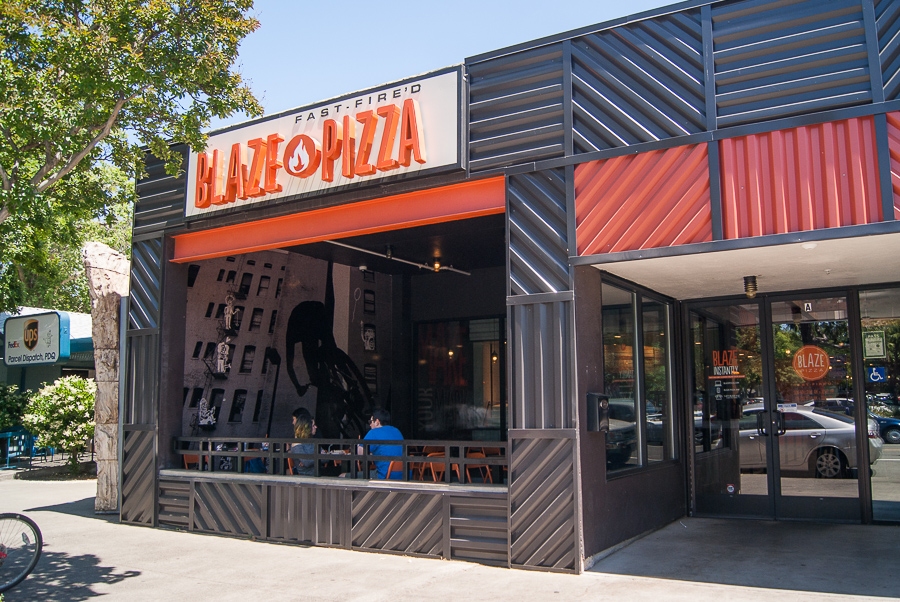
Best Pizza: Blaze Pizza

KAILA MATTERA / AGGIE

Who has time to wait an hour for pizza delivery these days? Students definitely don’t, which is why Blaze Fast-Fire’d Pizza was voted “Best Pizza” by UC Davis students for the second year in a row.

Known for its delicious menu items, such as the Red Vine and Green Stripe, creative build-your-own options and endless toppings, Blaze caters to every craving. For less than $10 you can order an entire pizza for yourself or share it.

The short wait time, unique topping selection and unique open-stove fast firing technique are just some of the reasons Aggies love this Davis staple.

“I like that they have so many options, like gluten-free,” said fourth-year political science major John Hancock. “It’s much faster than other places can be, aside from when a sorority or fraternity is hosting an event.”

In addition to the variety of pizza entrees, Blaze is also known for its desserts. After watching your pizza get built right in front of your eyes, you can order a s’more pie, sea salt chocolate chip cookie or olive oil browny to satisfy both the savory and sweet cravings. Tie it all together with one of their refreshing agua frescas or flavored lemonades, and bon appetit!


Written by: Gillian Allen — features@theaggie.org

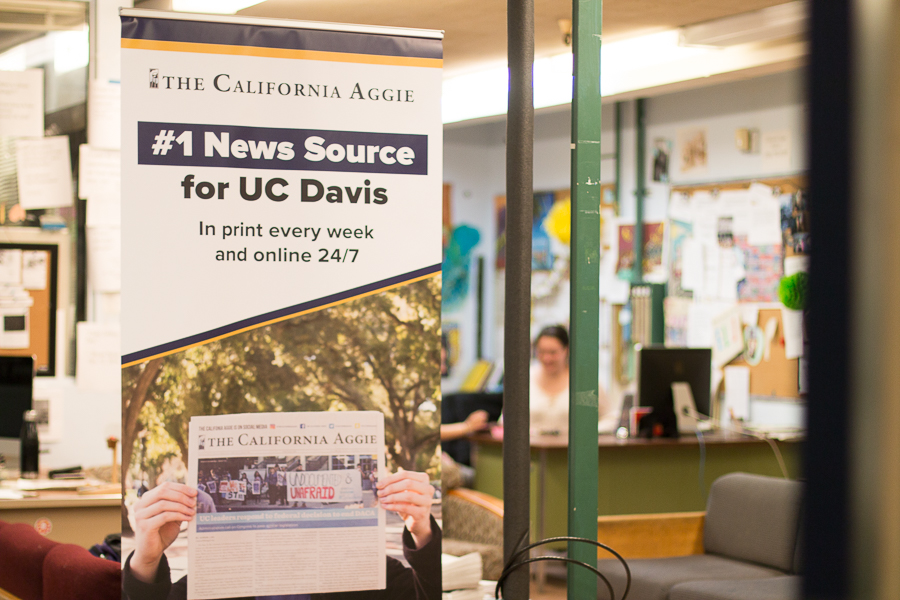
Best ASUCD Unit: The California Aggie

TAYLOR LAPOINT / AGGIE

Was this category rigged? Absolutely not — that would be a terrifying abuse of our positions as journalists, an utter disgrace to that which we hold in such sacred regard.

Now, was this category skewed by the volume of the Aggie staff and community who voted on it? Without a doubt, due in no small part to the staff size of The California Aggie.

It’s the people who make The California Aggie the best ASUCD unit — the passionate, hardworking students who dedicate what little free time they have to creating a newspaper from scratch. If any one of them didn’t do exactly what they needed to do, the paper would simply cease production.
It’s the people who stay up late finalizing a story; who drop everything to take photos of an emerging protest; who design the newspaper’s layout each week; who edit and fact-check every piece; who illustrate a graphic to complement a story. It’s the people who came together to fight for the survival of a print newspaper during a time when everyone seems to say that journalism is on its last legs.

Working at The California Aggie isn’t just a resume builder. The basement office of Lower Freeborn gives students the chance to learn firsthand what it’s like to be a journalist and to become part of a larger community, comprised of current staff and alumni. And the quotes on the wall are testament to all the strange things that go on down here.


I have never been more proud to be a part of anything in my entire life.


Bryan Sykes

Editor-in-Chief


Written by: Bryan Sykes — editor@theaggie.org

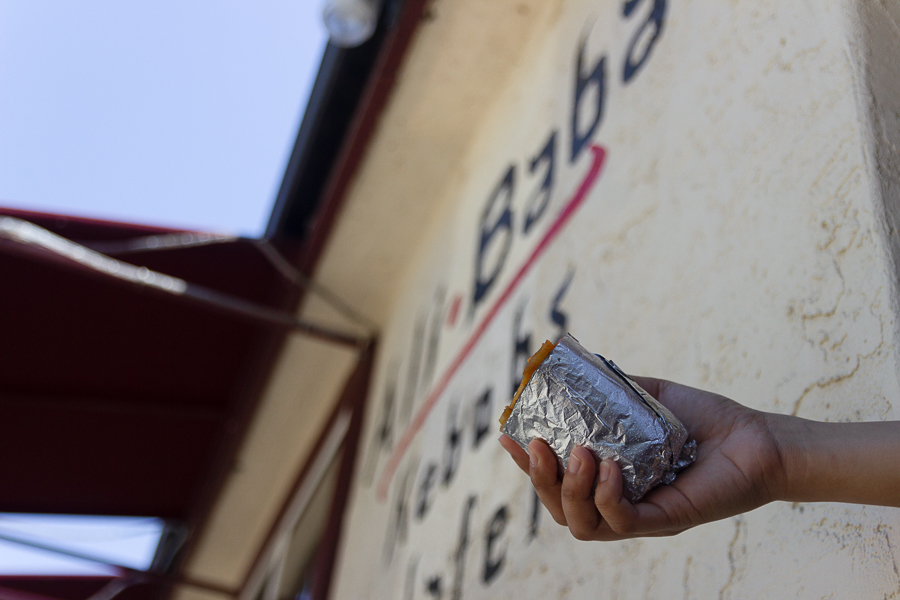
Best Breakfast Burrito: Ali Baba

HUCK VAUGHAN / AGGIE

Breakfast burritos are a staple of almost every college student’s diet. Cheap, filling and almost always delicious, there are so many different ways to make each of these morning meals special and tasty in their own right. But this year, voters have decided that the best breakfast burrito in town belongs to Ali Baba.

Ali Baba is known for its Middle Eastern food — gyros, souvlaki and rice platters — but it also has great burgers and burritos. It’s this marriage of different cuisines that makes Ali Baba the unique, vital Davis fixture that it has become. Settled on the corner of 3rd and A Streets, Ali Baba is also conveniently located less than a block from campus, so students can easily stop in between or around classes to refuel and tackle the rest of their day with a full, satisfied stomach.

“I love Mexican food — Mexican food and Asian foods are my favorites,” said Ali Moghaddam, the owner of Ali Baba. “Even though this is a Middle Eastern restaurant, I thought it’d be a shame not to take advantage of the fact that it’s a college […] with so many different people. I remember reading something about Taco Bell, that they always make new items, but they never use new ingredients, they just use what they have to make new items […] so I figured I use what I have, what I’m known for, like the beef gyro and the bacon that I have.”

Moghaddam also wanted to express his thanks and gratitude to everyone who has supported Ali Baba over the last decade, emphasizing how important his employees are to him.

“I just wash dishes, [the employees] really do everything to keep this place going,” Moghaddam said.

These mouth-watering, hearty burritos are amazingly delicious, and unique to the cuisine Ali Baba specializes in. A fusion of Middle Eastern, Mexican and American foods, the burrito is filled with eggs, potatoes, bacon, beef gyro and a honey-Tapatio sauce that’s slathered all over the ingredients and makes the dish the finger-licking breakfast staple that it is. The breakfast burritos sell for $6.77 and are sold all day long, so they’re a great way to start your day or end your night. Ali Baba is open 8 a.m. to 9:30 p.m. on weekdays, and 8 a.m. to 9 p.m. on weekends, so if you haven’t already, be sure to stop in and grab a quick breakfast burrito!


Written by: Ahash Francis — city@theaggie.org

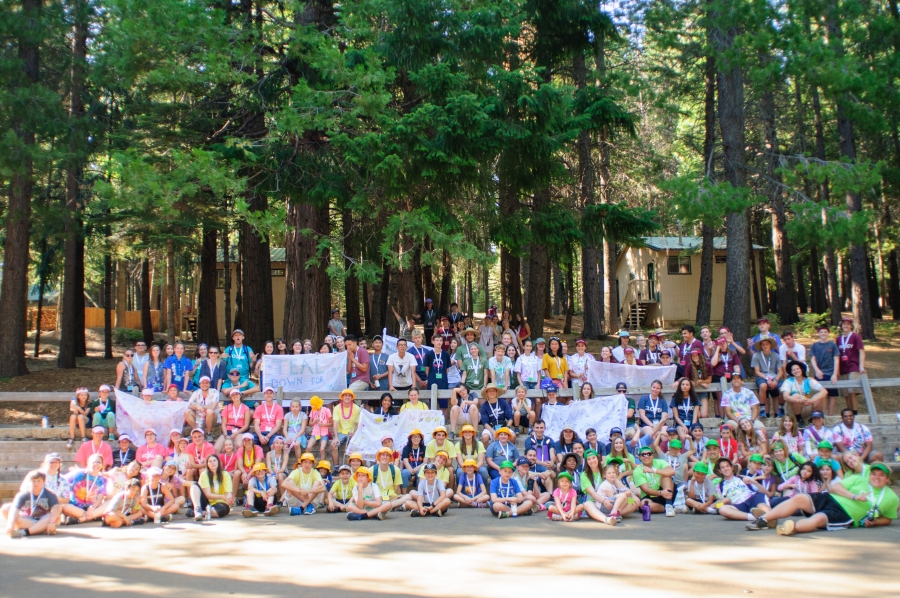
Best Student Group: Camp Kesem

IAN JONES / AGGIE

Next to Odd Fellows Hall in downtown Davis is a bright and colorful mural that embodies the youthful magic of this year’s best student organization: Camp Kesem. This display of public art, like Camp Kesem, leaves a lasting impression on the community.

Camp Kesem is a national organization. The Davis chapter’s mission is to fundraise enough money to send 250 children with parents fighting cancer to a week-long summer camp. The fundraising for Camp Kesem is entirely student-run, and it’s and maintained by a group of over 100 students. The annual week-long camp is a free experience that gives its campers a part of the carefree childhood they deserve — that’s what makes Kesem so magical.

“Coming to Davis, I wanted to find a group or some organization to join that suited my interests,” said fourth-year genetics major Ryan Fischietto. “Kesem is a family that welcomes you in and helps you grow to your potential. It’s a community that encourages healthy communication, positive change, and mutual support. I met campers who are wise beyond their years, who have taught me to value everything I have and to be the most caring to others I can be. Kesem is so much love. Kesem is family. Kesem is magic.”

The coherency and compassion that the counselor share for each other is an intrinsic aspect of Camp Kesem.

“Kesem is an organization filled to the brim with the most fun-loving, caring and down-to earth-people,” said Camron Clifton, a third-year food science major and next year’s Camp Kesem co-director. “Whether it’s yelling ridiculous nicknames across the Quad or getting hair bleached for fundraising, Kesem counselors get together to be fun, be ourselves, and most importantly, work toward an amazing goal.”

Camp Kesem brings together children with similar at-home experiences and teaches them they aren’t alone. Information to get involved is available on the Camp Kesem website.


Written by: Josh Madrid and Caroline Rutten — features@theaggie.org

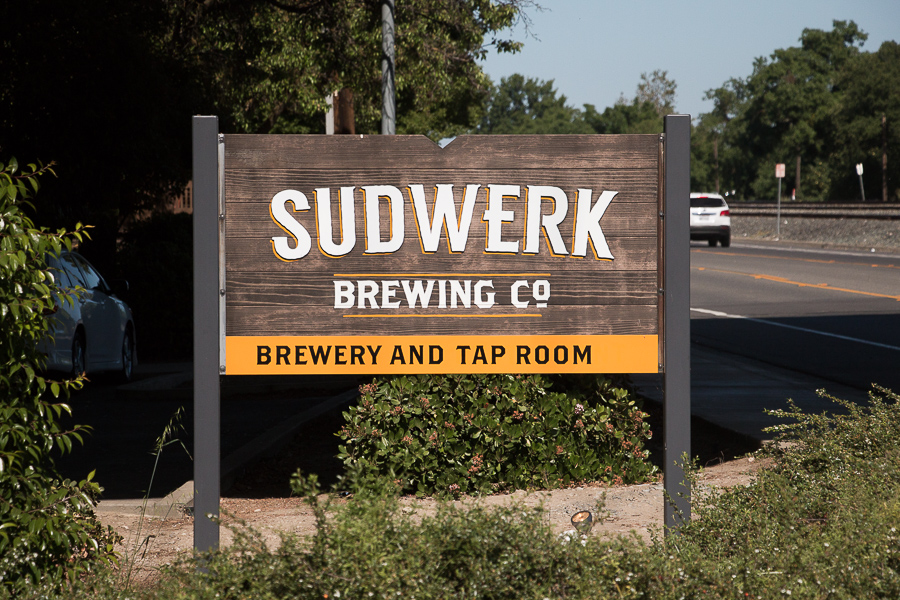
Best Brewery: Sudwerk Brewing Co.

MARINA OLNEY / AGGIE

Not only is Sudwerk Brewing Co. one of the first craft breweries of the Sacramento region, but it holds the title of the best brewery in Best of Davis 2018.

Founded in 1989, the brewery prides itself on its unique, German-style lager with a West Coast twist. One of the co-founders of this longstanding Davis establishment is Dean Unger. Today, his grandson, Trent Yackzan, carries on the legacy as co-owner of the brewery.

“Sudwerk has become an institution [of] not only Davis but the greater region and I’m proud to be a part of such a passionate team that works tirelessly to drive our community and industry forward,” Yackzan said in an email interview. “From a professional perspective, I’ve always preferred to ‘learn on the job’ and Sudwerk has provided me incredible hands-on experience in running a small business.”

Sudwerk is nestled under the Pole Line Road overpass, reachable by a quick bike ride down 2nd Street. As of a little over five years ago, Sudwerk opened its dock store (open Tuesday through Saturday) to bridge the interface between the customer experience and the brewers’. It’s a cozy place to spend a Friday night: under the string lights, drinking beer and enjoying live music or a game of cornhole.

“We’ve built many other great relationships with a growing number of UC Davis student groups and campus affiliates via hosting regular fundraisers at our tasting room called ‘The Dock,’” Yackzan said. “We encourage any UC Davis student group that would like to raise funds for a cause to inquire about hosting a fundraiser. We’ve raised tens of thousands of dollars for the community over the past few years and look forward to continue fostering these great relationships in the years to come.”

In addition to their robust community involvement, Sudwerk maintains a great relationship with UC Davis and its students. The brewery is partnered with the UC Davis undergraduate and Master Brewers Extension programs. The masters program is located on-site at the Sudwerk Brewing Co Dock Store, where students can learn firsthand the craft of brewing beer as a complement to their conceptual classroom sessions.

“‘Sudwerk’ translates to ‘Southern Factory’ literally, but it’s also a slang term for ‘community brewery,’” Yackzan said. “The brewery name continues to drive our mission, which is to be an asset to our community and to develop Davis into a world renowned brewing destination. I like to say ‘Davis Grows Brewers;’ both Sudwerk and UC Davis play an integral role in making that statement a reality.


Written by: Marlys Jeane and Grace Simmons — features@theaggie.org

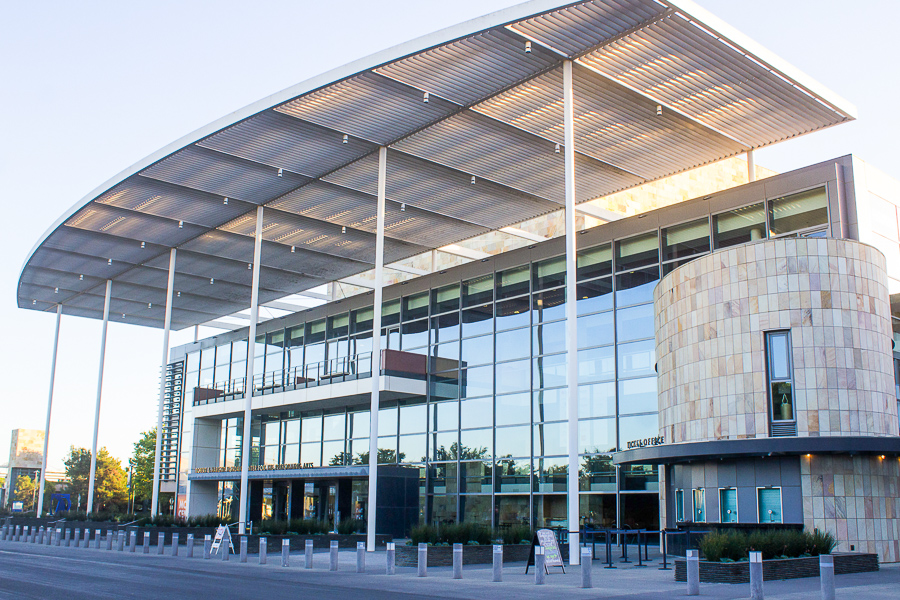
Best Building on Campus: The Mondavi Center

RAUL MORALES / AGGIE

The Robert and Margrit Mondavi Center for the Performing Arts has been voted the best building at UC Davis.

The iconic building, which is clearly visible from Interstate 80, is an important landmark that welcomes people to campus. Since opening in 2002, the Mondavi Center has hosted a wide range of events in Jackson Hall and the Vanderhoef Studio Theatre. This makes it convenient for students and the community to see famous speakers, dance groups, jazz musicians and orchestras from across the globe. Jackson Hall is also home to the University Chorus, Concert Bands and UC Davis Symphony Orchestra.


“These are just amazing versatile spaces,” said Don Roth, the Mondavi Center’s executive director.

Roth discussed the significance of having a world-class performing arts center in a small town.

“The quality of our venue is so top-rate, that artists are happy to go off the beaten track to perform here,” Roth said. “What they get here are excellent hosts (our Mondavi Center staff), terrific audiences, beautiful weather and surroundings, beautiful architecture and acoustics — a nice break from touring to urban areas only.”


Attending conferences across the country, such as the Arts Presenters Conference in New York, is crucial during the booking process, which is typically concentrated between September and January.


“At those conferences, and in between, we pursue artists who interest us, we hear from artists and their agents about interesting projects and we start to put the jigsaw puzzle of our season together,” Roth said. “Generally the larger the ensemble, the further in advance we book them. So we will be working on booking orchestras for the ‘20-’21 season while we are booking jazz and popular music groups, speakers and comedians for the ‘19-’20 season.”

Features like its massive awning, many glass windows and large three-story lobby help the building stand out and contribute to its striking design.

“We also are very fortunate to have wonderful natural materials: old growth Douglas fir wood panels inside Jackson Hall and sandstone from quarries in India on the outside of the building,” Roth said. “We didn’t cut down any trees to get the wood — our architects found it at the bottom of a lake in Canada!”


Written by: Benjamin Porter — features@theaggie.org

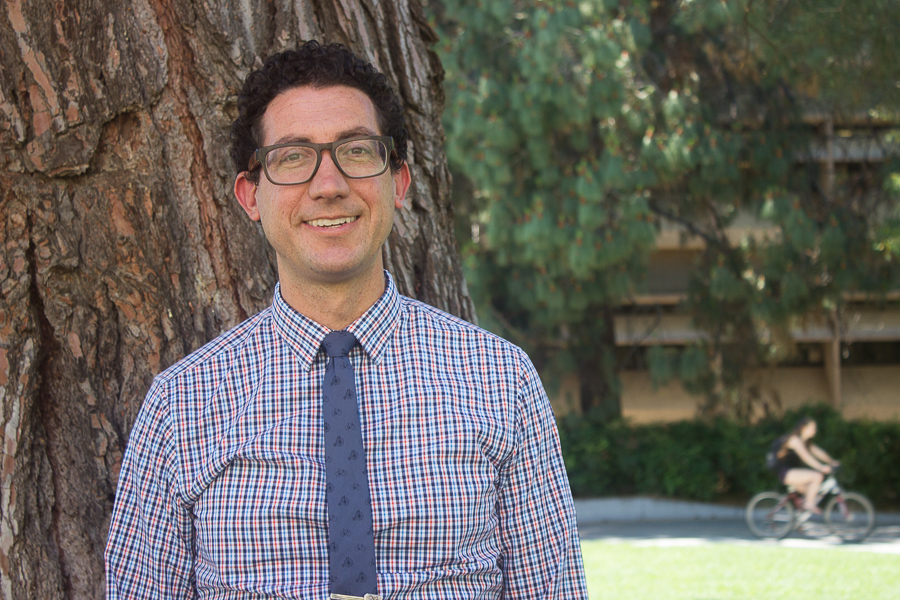
Best Professor: Dr. Bryan Enderle

MACLEAN HARTFORD / AGGIE

Chemistry is a passion for some and the bane of existence for others. The way that students approach chemistry has a lot to do with the professor. One such professor is well known for converting students who go in disliking chemistry to loving it by the end. He is popular on campus for taking advantage of technology and social media by posting educational videos on his YouTube channel, which you’re probably familiar with if you’ve ever had to take the CHE 2 series. His name is Dr. Bryan Enderle.

My use of media is primarily outside the classroom,” Enderle said. “I started using YouTube for students who missed a lecture, office hour or review session. I was not expecting students from other classes or institutions to make use of these videos. In the classroom, I prefer examples, life applications and chemical demonstrations to drive home points and make class interesting.”

Enderle is exclusively a lecturer, which means he has dedicated his entire career to the education of his students. It shows in his teaching: he makes a careful effort to connect with his students on a personal level to make sure everyone feels heard.


Written by: Kriti Varghese — science@theaggie.org

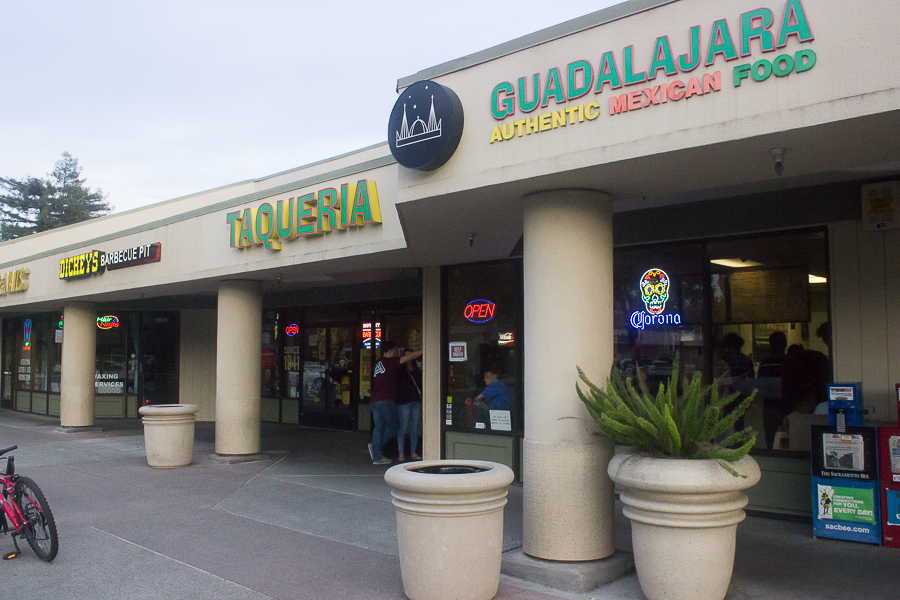
Best Mexican Food: Taqueria Guadalajara

MACLEAN HARTFORD / AGGIE

Affectionately known as “Guads” by its patrons, Taqueria Guadalajara is a Mexican food staple for many Davis residents. Since opening up its first location in 1991, the restaurant has grown to serve three restaurants located in Woodland, South Davis and North Davis. Each spot is owned by a different family member and features slightly different menus.

An employee at the North Davis location, Daniela Esparza, a second-year human development major, noted the burritos and tacos are the taqueria’s most popular items.

“For students, I think it’s definitely the best because you don’t have to carry around a fork, knife and all that for lunch,” Esparza said. “We wrap it in aluminum. You can take it in a bag and just eat it halfway through class or after class, so it’s like the most convenient. The meats that most get picked are marinated steak and spicy pork. Those and tacos go hand in hand.”

In addition to the food being tasty and as close to authentic Mexican food as you can get in Davis, the staff is friendly and helpful. Their regular customers, long lines out the door and a constantly ringing phone line are testaments to the staff’s commitment.

“Fridays, Saturdays and Sundays, you’ll never find it empty here,” Esparza said. “People just like the food. We always have a lot of happy customers. Our owner always makes sure everyone is satisfied.”

The UC Davis Spanish Department often orders Taqueria Guadalajara catering. Follow in their footsteps and try this place out for yourself.


Written by: Cecilia Morales and Sahiti Vemula — features@theaggie.org

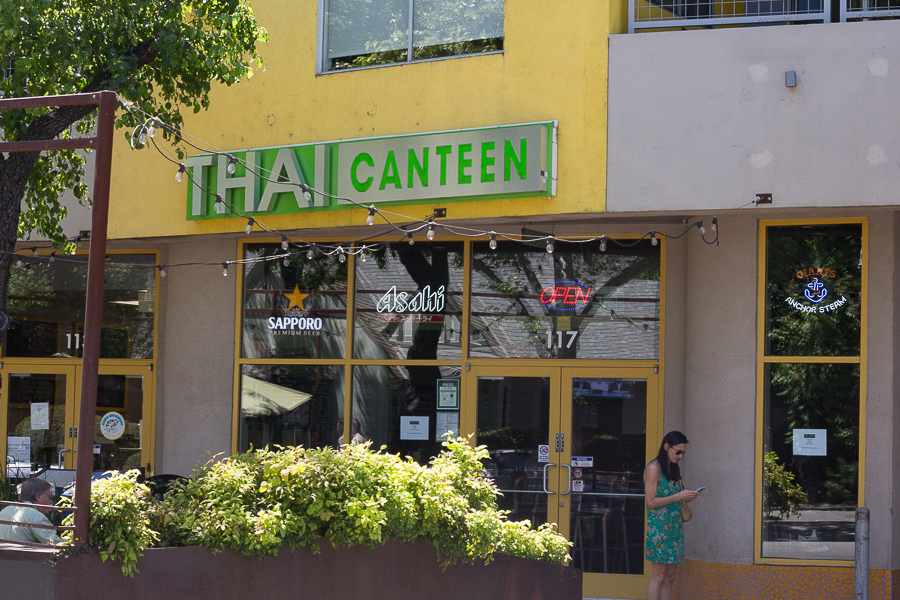
Best Thai Restaurant: Thai Canteen

JONATHAN HSU / AGGIE

It must be the combination of fresh and authentic Bangkok-style street food, quick service and low prices that keeps hungry customers coming back to Thai Canteen, and it must be the reason UC Davis students chose Thai Canteen as the best Thai restaurant for the fourth year in a row.

Third-year human development major Grace Grant is a frequent Thai Canteen customer and introduced Thai Canteen to her friends for lunch.

“I come here a lot,” Grant said. “It’s delicious.”

Grant said that, as many times as she has been there, one dish keeps her coming back.

“I always get the [Panang Nuer],” Grant said. “It’s really good. I like it. That’s the only thing I have [tried] here.”

The Panang Nuer is a semi-spicy beef kaffir curry with a coconut milk base.

Customers can choose from something light to snack on, such as crispy taro fries or vegetable spring rolls, or opt for something heartier such as rice plates and noodle dishes. The drunken noodles and pad thai are crowd favorites.

Thai Canteen opens at lunchtime daily and can accomodate those late-night hunger pangs after an intense study session, serving food until 2 a.m. on select days.


Written by: Bobby John — sports@theaggie.org