


By Julie Torres
Disclaimer: The views and opinions expressed by individual cartoonists belong to the cartoonists alone and do not necessarily indicate the views and opinions held by The California Aggie.
By Julie Torres
Disclaimer: The views and opinions expressed by individual cartoonists belong to the cartoonists alone and do not necessarily indicate the views and opinions held by The California Aggie.
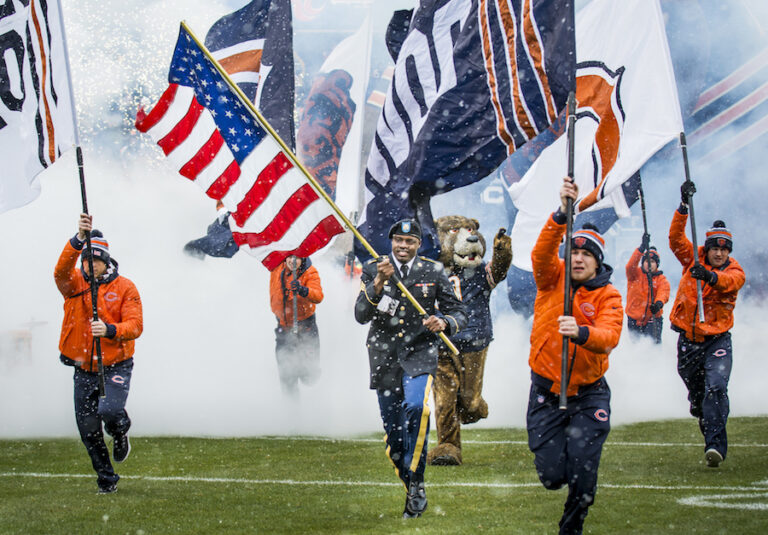
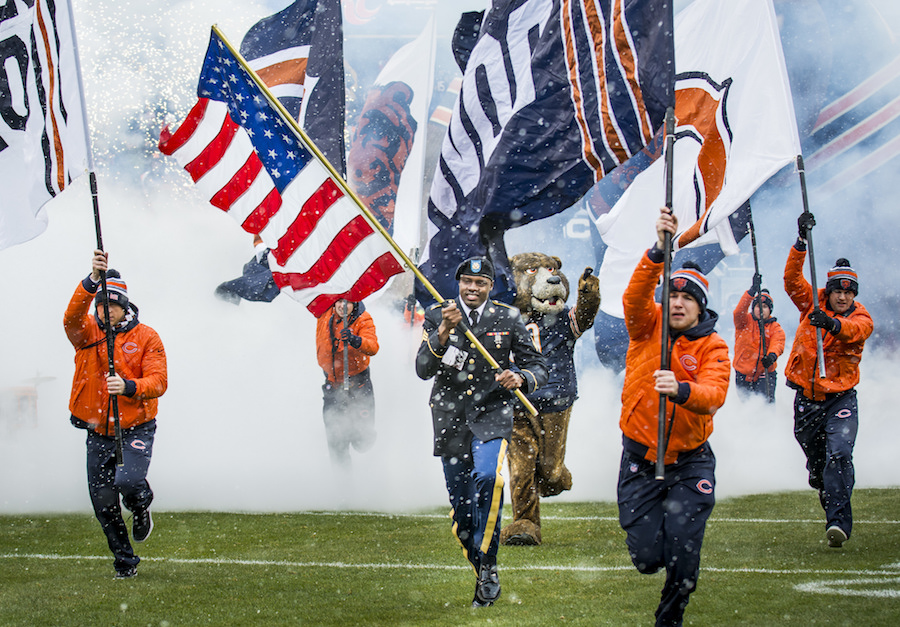
 Flags and the people waving them tend to make the news. The American one bleeds red, white and blue, but underneath it lies a wasteland of controversies that never quite seem to dissipate. Of course, this is nothing new. Amid all the normal flag-waving and chauvinism of the patriotic masses is an issue that has riled up the nation’s militarism like little else can.
I am — of course — talking about the NFL national anthem protests. Never has the ostensibly apolitical platform of sports been such a mecca for politically-charged dissent, unless we invoke the image of Tommie Smith and John Carlos performing a black power salute at the 1968 Olympics. Still, the ubiquity of the NFL players’ actions move this particular episode of anthem protests into a new realm, separated from Smith and Carlos’ gloved fists by the nature of its backlash.
Browsing social media comment threads and news interviews with angry NFL fans, it becomes quite clear why so many people take offense to what Kaepernick started last year — to them, kneeling during the national anthem is supremely disrespectful to the military.
But why does the American flag only represent the military in this context? Why does kneeling warrant such a strong reaction in defense of the military’s preservation of “freedom”? Why does the typical objector to Kaepernick & Co.’s protesting feel offended on behalf of the military, and not for themselves?
The American flag does not solely represent the military. The national anthem is not reserved exclusively for military grandstanding. What world do we live in — or even want to live in — when American soldiers are fetishized for the purpose of deciding who’s a proper patriot and who isn’t? Our soldiers did not die on the battlefield so that those offended by a legitimate and (what should be) uncontroversial protest could cry “foul” and label people of good faith and true patriotism “unpatriotic.”
Besides, the act of kneeling itself seems a surprising locus for targeted animosity. Little Leaguers often kneel when a fellow player is hurt, as do their counterparts in collegiate and professional leagues. Ever knelt in prayer? It’s usually a sign of respect toward whatever entity is being prayed to. Tim Tebow famously knelt in prayer during his limited NFL career — the once-marginally-popular term “tebowing” was derived from these acts of Christian deference.
Even Colin Kaepernick genuinely thought kneeling was the proper way to honor the flag while bringing attention to salient issues. His conversations with Nate Boyer, a retired NFL player and former Green Beret, led him to adopt kneeling as a gesture of respect, not scorn. Boyer cited how American soldiers will take a knee to honor a fallen comrade and suggested that Kaepernick do the same to demonstrate at least some measure of reverence toward the anthem to avoid offense.
Their dialogue — a rare case of ideologically-differing adults reaching some form of consensus — was supposed to bridge the gap between the military world and the world Kaepernick was trying to bring to the forefront of conversation. Instead, self-described patriots lost their marbles, and the issue of racial injustice has been bypassed altogether.
What began as a simple protest that had no intention of disrespecting anything or anybody (indeed, steps were taken to defend against this very accusation) has since mushroomed into heated political trench warfare. President Trump’s epithet targeting Kaepernick and other players who have protested, per usual, only made the ideological chasm wider.
It’s disappointing. Kaepernick’s original intention has been obscured by a dubious narrative sourcing the military as the ultimate victim of simple acts of kneeling. The news has been infested by calls for boycotting games and NFL fans throwing adult temper-tantrums — perhaps copying our president and vice president.
But hey, don’t forget that football season has arrived. Time to toss the pigskin and start tailgating. Bring out the tattered jersey and munch on chicken wings, the whole nine yards. Just remember that winter is coming. And the snowflakes are all too real.
Written by: Nick Irvin — ntirvin@ucdavis.edu
Disclaimer: The views and opinions expressed by individual columnists belong to the columnists alone and do not necessarily indicate the views and opinions held by The California Aggie.
A hands-on experience like no other for students and faculty alike
Maker spaces exist across the country, providing a place and resources for students and teachers of all ages to participate in creating something with a perceived goal in mind. Since 2014, the Translating Engineering Advances to Medicine’s Molecular Prototyping and BioInnovation Laboratory (MPBIL) has been a maker space geared toward people interested in biology, engineering, and biotechnology. UC Davis is currently the only school in the UC system to have such a space and has inspired other schools to start their own biomaker labs.
Marc Facciotti, an associate professor in the Department of Biomedical Engineering and the UC Davis Genome Center, has seen many students and projects come through this space.
“[A maker space] is place that has low barriers to entry for a lot of people, like technical cost barriers, to come and be creative and make stuff,” Facciotti said. “The idea [behind the biomaker lab] is that we want to provide a place for people to come and make things in biology — engineering biology itself or engineering things for biology.”
The process begins with a specific problem or end goal that the student wants to achieve, but, aside from knowing that detail from the start, the possibilities are endless.
“Basically, what we do is we have genes that we’re interested in into e. coli, and e. coli can make proteins using that genetic information,” said Lisa Illés, a third-year biological systems engineering major. “Those proteins can be super useful. We could make vegan cheese, for example, by putting cow’s proteins into some e. coli.”
Though the biomaker lab has yet to see a large number of students, Facciotti states that the interest is growing and that they’re hoping to have more success cases to show that undergraduates can excel with independent projects, when given the time, space and resources.
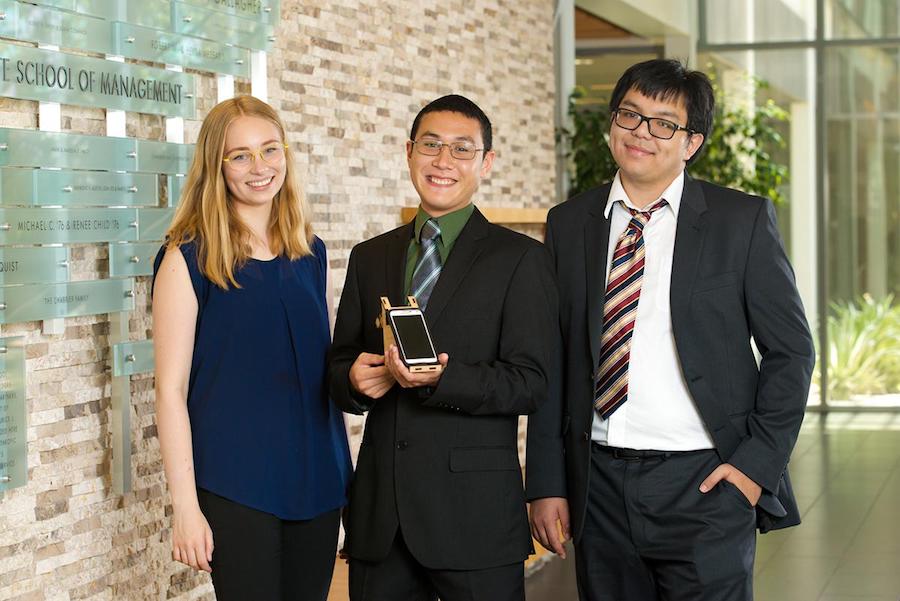
Of the most recent of three projects to come out of the lab — Chromatiscope, founded by Nicholas Dao and Alexander Godbout — became its own company. Illés and others have pitched in throughout the past two years. The Chromatiscope is a simple device for high school labs that combines four common pieces of laboratory equipment: a microscope, spectrophotometer, colorimeter and fluorimeter. It is is a cost-efficient tool, due to the use of computer code and the fact that most, if not all, students have smartphones, meaning that there’s no need to add machinery for computing power. After acquiring information through labs, students can check their results from the Chromatiscope on the accompanying website.
Some of Chromatiscope’s prototypes were funded by VentureWell, which has backed other projects from the MPBIL, such as Ravata Solutions and Ambercycle. Chromatiscope also won second place in the Big Bang Business Competition earlier this year.
“It came out of a course that we offered in that facility,” Facciotti said. “We were doing a training exercise, and it involved making new pieces of DNA that would make e. coli light up different colors. It was a relatively simple thing, and it wasn’t the main point of the quarter, but it was linked with trying to build a kit for a high school teacher.”
Due to new California education standards, local schools including Davis High School have been changing their curriculum to meet the hands-on portion of science classes. However, the outdated equipment and lack of funds causes problems, because replacements would cost thousands of dollars.
“[Ann Moriarty] told the class, ‘Could you build us this new device [the Chromatiscope] to replace our existing device which doesn’t work very well anymore?’” said Nicholas Dao, one of the founders of Chromatiscope, who received a bachelor’s degree in biomedical engineering. “Me and my cofounder, Alexander Godbout, decided to take it on, and we started using the lab space simply because it was available to begin development. That’s largely where we founded our company out of.”
Davis High School is slated to receive the Chromatiscopes within the next few weeks. Dao stated that, if the Davis High School version goes smoothly, he and Godbout will pitch the idea to more California high schools.
“You go out into the world, identify a problem and build your solution to that problem around the people who need that solution and the problem itself,” Illés said. “I think that the fact that Chromatiscope did that made it a super valuable product. Even if it’s not going to be mass-produced, it still has value to the people who have used it because it solves an urgent need for them.”
That problem-solving aspect is an important aspect of the MPBIL, and Facciotti hopes that the biomaker lab can provide students an opportunity to try something new without the fear of failure.
“The experiment ‘worked’ or this thing ‘worked’ or ‘didn’t work’,” Facciotti said. “ ‘The experiment yielded something that was unexpected. So it didn’t work.’ That’s the wrong attitude, so you have to fight this. No, it gave you some information that you now have to interpret and you do it again, or you revise what your hypothesis was. This idea that everything has to ‘have a definite outcome’ or ‘have a predetermined outcome’ is something I find that I have to fight against. Science is not measured that way. Neither is engineering.”
Facciotti hopes that UC Davis will work harder in creating and promoting opportunities for undergraduates to get involved in MPBIL and other maker spaces early in their college careers.
“We’ve got 30,000 students, who, in many cases, come with the mindset that their job is to consume something and then wait four years to get their piece of paper at the end,” Facciotti said. “I would like the mindset and the structure to be something where we are encouraging more creative activities.”
Both Illés and Dao have experienced these difficulties as undergraduates and hope that UC Davis will continue to support these types of extracurricular activities.
“I really do think that a lot of people have good ideas, but the problem is that you don’t know the resources that are available,” Dao said. “You can have a good idea that really could be marketable, if you had the right resources to guide and direct you, but the unfortunate reality of UC Davis is, and they’re aware of it too, [that the resources are] still not very well publicized.”
However, Illés also thinks that the expectation of college lasting only four years and the stigma around students taking “extra” years are key parts of the problem.
“More people should show up to these spaces,” Illés said. “If that means making time in your schedule by taking a fifth year, I think more people should do that. Especially engineers. The best thing you can do during your time here is make something.”
Written by: Jack Carrillo Concordia — science@theaggie.org
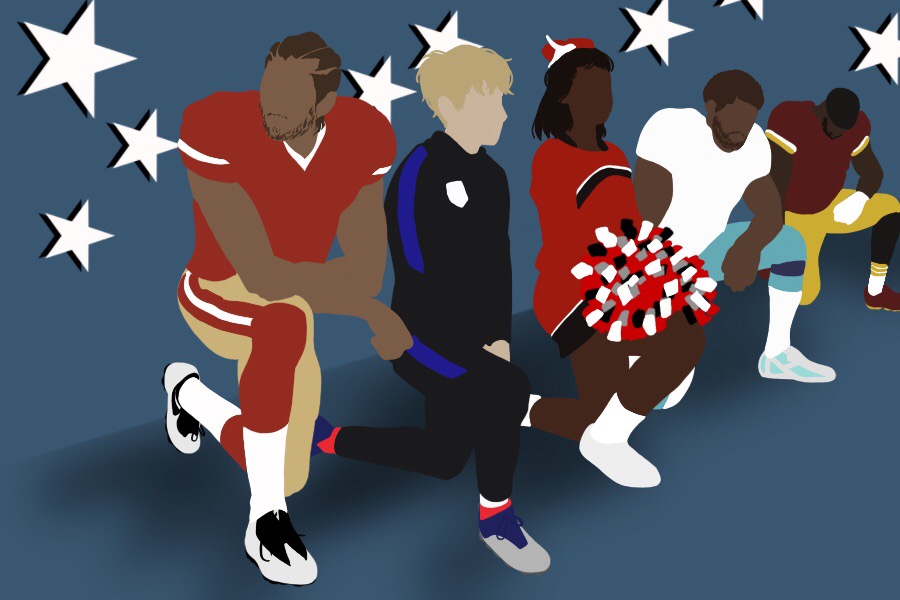
Recent anthem protests underscore the link between sports and politics
Over a year has passed since Colin Kaepernick — a former quarterback of the San Francisco 49ers — made the decision to sit for the playing of the national anthem. His silent protest, at first, went unnoticed. Kaepernick sat for the anthem during his team’s first two preseason games, but it was not until the third that his actions garnered national attention. His decision ignited a litany of both criticism and support, along with a frenzy of media coverage. Kaepernick’s protest, especially in light of recent events, highlights the profound power that sports have on a political climate. The controversy begs fans, coaches, league executives and political pundits to examine just how much freedom players have to speak their mind.
Kaepernick made the reasons for his protest clear: he wanted to draw attention to the ongoing issue of racial injustice that he felt was going largely unnoticed within the United States. Many found Kaepernick’s decision to utilize his platform for the promotion of social justice to be brave and admirable, while others –– for several different reasons –– took issue with his protest. Even some 14 months later, the debate over the protest remains relevant, especially now that President Donald Trump has aligned himself against such displays. Trump claims that the protests are “disrespecting our country,” and referred to players who chose to kneel as “sons-of-bitches.”
Before these recent statements by the President, the protests had gone on mostly uninterrupted by coaches and team executives. Comments were made and thoughts were shared, but there was never any tangible movement to counteract such displays. Since Trump’s comments, however, the anthem protests have received much more oversight and discretion. Rather than allow players to decide for themselves how to respond to Trump’s rhetoric, the National Football League has interjected with a stance that seeks to disrupt the protests.
Just weeks after linking arms with his players during the playing of the anthem prior to a nationally televised game, Dallas Cowboys owner Jerry Jones revealed to the media that he will not condone the protests, saying that his team “will not disrespect the flag.” The same afternoon that Jones made these remarks, Miami Dolphins head coach Adam Gase told players that they would either stand for the national anthem or go “back in the locker room.” Most recently, NFL commissioner Roger Goodell sent a letter to each of the 32 NFL team owners, outlining his belief “that everyone should stand for the National Anthem.” DeMaurice Smith, the executive director of the NFL Players Association –– a nonprofit collective bargaining organization designed to protect the rights of players –– has taken an effectively opposite stance. On Oct. 9, Smith tweeted a statement supporting players’ right to protest, saying that “no player is disrespecting our Country or our Flag.”
The debate has even leaked over into other professional leagues, including the National Basketball Association and Major League Baseball. During a prolonged media discussion in which he shared opinions on Trump and the anthem protests, San Antonio Spurs head coach Gregg Popovich said that if any of his players decided to stage protests of their own, they would have his “full support.” On the other hand, NBA commissioner Adam Silver explained that the NBA has “a rule that requires players to stand for the anthem.” Silver continued on to say that he expects players to “continue to stand” for the anthem. In the MLB, catcher Bruce Maxwell of the Oakland Athletics became the league’s first player to kneel for the anthem when he did so before a game in September.
The divisive politics surrounding the protest have cast an undeniably uncomfortable shadow over the NFL and American sports in general. Players, coaches, managers, commissioners and fans at all levels of competition have been presented with a question: what are your opinions on this protest? But no matter where any individual or organization stands regarding this highly nuanced question, what is important is that this question is being asked in the first place.
In recent history, American sports have been used as a facilitator of unity, where fans, players and executives alike could show togetherness on certain issues or recover from tragic events. In one of the most emotional displays, President George W. Bush threw out the ceremonial first pitch before game three of the World Series in New York City, just weeks after the Sept. 11, 2001 attacks. While this is an extreme example, the notion that sports build unity within our country is a common and attractive theme. In both Goodell’s and Silver’s statements, the commissioners touched on the “unifying” power of sports to help justify their stances.
Now, this tradition is being flipped on its head, as Kaepernick’s protest, intentionally or unintentionally, has forced everyone involved in the realm of sports to take sides in this severely polarized debate. Whether this political intrusion is beneficial or detrimental to the games that so many of us hold dear is up to interpretation, but one cannot deny the influence that sports has had on American politics in recent history.
American sport is constantly at the forefront of political change and has, in many instances, outpaced the progress of all other institutions. Athletics has been the laboratory for social change –– from Jackie Robinson breaking the color barrier in professional sports to Billie Jean King and her trailblazing leadership in the women’s sports movement to Muhammad Ali’s outspoken stance against the war in Vietnam and in support of African-American civil rights. History even shows that Kaepernick is not the first athlete to stage a protest during the playing of the Star Spangled Banner.
During the 1968 Olympic games in Mexico City, American athletes John Carlos and Tommie Smith held their fists high in a Black Power salute, showing solidarity for fellow African Americans struggling to find equality in the United States. Politics and political protests –– athletes expressing their views as individuals and imposing their will upon social issues –– is certainly not unprecedented.
Indeed, politics is thoroughly intertwined within the fabric of American sports. The freedom that athletes have to express their opinions is paramount when it comes to effecting societal change, especially if these opinions or protests at the time seem incredibly controversial. This freedom of expression works both ways; at times that expression will bind people closer and in other instances it will cause people to divide. The issue of whether or not players should be allowed to stage silent demonstrations that oppose the beliefs held by the entities that employ them is an evolving and ongoing issue that is still in the process of being resolved. But in the process of doing so, the precedent for political involvement, as well as the views that these athletes hold, should be considered and not simply stifled because they are controversial. All of the disagreement and conflicting opinions must be used constructively, so as to move forward as a society.
Written by: Dominic Faria — sports@theaggie.org
Disclaimer: The views and opinions expressed by individual columnists belong to the columnists alone and do not necessarily indicate the views and opinions held by The California Aggie.
New Mexican restaurant added to Davis eatery scene
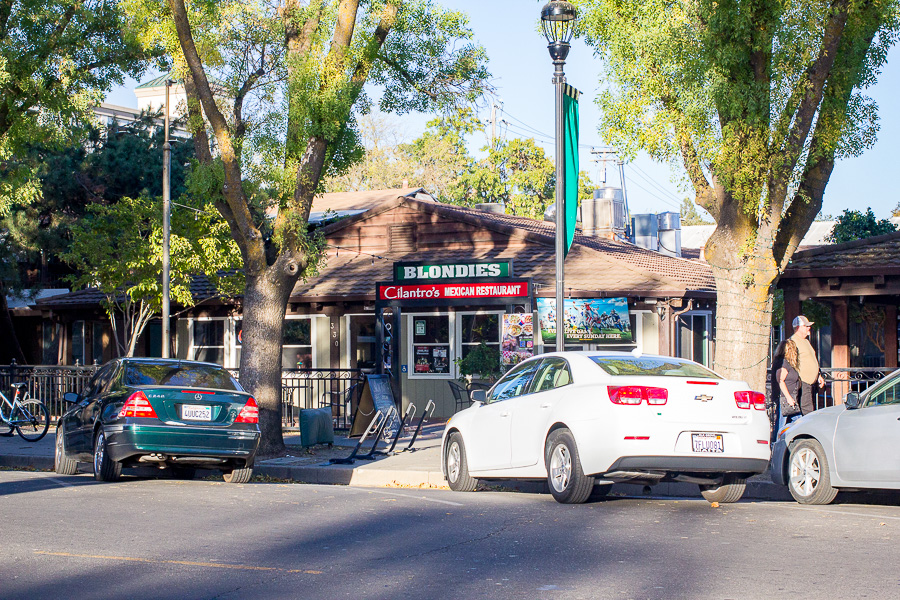
Calling all Taco Tuesday enthusiasts! The city of Davis welcomes its newest Mexican restaurant: Cilantro’s. In the space previously occupied by Blondie’s Pizza on G Street, Cilantro’s joined the downtown Davis eating scene on Sept. 29 and has since established a strong presence among locals.
Cilantro’s brings a new twist to Mexican cuisine. In addition to the typical menu, it also serves breakfast all day, as well as brunch on Sundays. And, of course, it serves $1 tacos on Tuesdays.
Blondie’s owner Jason Ojeda spoke with The California Aggie about the positive reaction from customers in regard to the transition.
“I think coming into this town, it’s definitely a pizza town, with pizza places all over the place. That was kind of one of our challenges as Blondie’s, trying to find a niche,” Ojeda said. “With Cilantro’s opening up, it’s been nothing but positive. People have definitely embraced the food.”
Cilantro’s not only serves up delicious tacos and enchiladas — the restaurant also fosters a welcoming and family-oriented environment. Owned by the Cervantes family, the Davis Cilantro’s is the chain’s third location. The two other locations are in Elk Grove and Sacramento.
“I can’t say enough good things about Davis and the people,” said Cilantro’s owner Hugo Cervantes. “Coming in, we’ve received nothing but love from you guys at UC Davis. I wanted to make sure my prices were within reason for all the students to come in and eat and enjoy themselves.”
Blondie’s is known for its service as a space for private parties, events and catering. Although the pizza is gone, the bar aspect of Blondie’s still exists alongside Cilantro’s. Bar-goers can order an assortment of burgers, wings, carne asada fries and more.
“A lot of people come in wondering where the pizza went, but I think they are really impressed when they try Cilantro’s,” said Kaylee King, a fourth-year linguistics and cognitive science double major and Cilantro’s employee. “Taco Tuesday is poppin’!”
King previously worked at Blondie’s Pizza and stayed throughout the restaurant’s transition.
Cilantro’s is located at 330 G St. and is open Tuesday through Saturday from 11 a.m. to 9 p.m. and Sundays from 11 a.m. to 8 p.m.
Written by: Sydney Odman — arts@theaggie.org
Students from other countries share their cowtown experiences
About an hour after the dishwasher was started, Dayoung Ryu wandered back into the kitchen to the shocking scene of foamy bubbles covering the ground, the soapy mound growing and growing with every passing minute.
“There [were] bubbles everywhere!” Ryu said. “It was like a pool of bubbles and it wouldn’t stop!”
Ryu is not used to dishwashers, something she says aren’t used in her home country. She had never operated one before coming to Davis, but quickly learned from the disastrous experience. Ryu is an international student from Seoul, South Korea, studying political science and international relations.
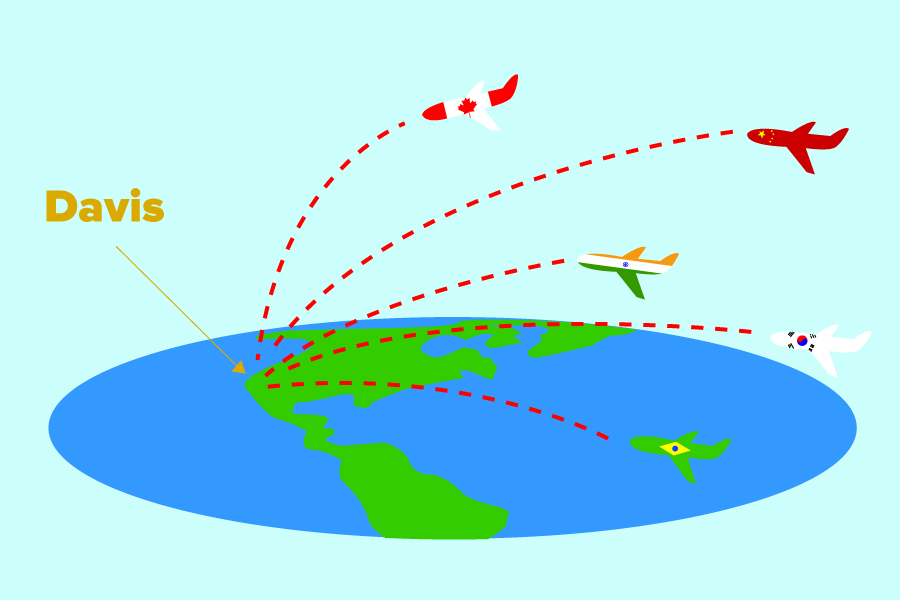
As UC Davis students we often hear about our fellow classmates jetting across the world on awesome study abroad adventures, but UC Davis is a popular study abroad location, too. There are more international students among the campus population than one might think, and they all have unique stories and experiences to share.
“There were some [representatives] who came from UC Davis to advertise [about] the school, and they talked about how student-friendly, peaceful and quiet the environment was, so I got really interested in that,” Ryu said. “I really like the safety and quietness of this town, [and] how people are super friendly.”
Ryu has noticed a few differences between her home university and UC Davis, one being the variety of food options such as those for vegans and vegetarians, something that’s nearly impossible to do in Korea. The other is the competitiveness of club sports.
“I did cross country and basketball back in my country but it wasn’t like anything like this,” Ryu said. “I didn’t know that students considered athletics really important. They take it really seriously and I think students here in general work out more.”
Despite these differences, Ryu mentions that she feels satisfied with her experience so far at Davis.
“I’m really happy that I chose UC Davis,” Ryu said. “Some people might say it’s a boring town, but for me I’m in a new environment and here I feel like I’m discovering myself more.”
The small-town college vibe is appealing to many students who come here to study abroad, often from big cities themselves, like Shannon Smyth, a study abroad student from Edinburgh, the capital of Scotland.
“Although Edinburgh is a lot more busy, I came to Davis to have a different experience,” Smyth said. “I kind of liked the idea of a small college town but with a very big university community because I thought that would be the best combination, but there’s going to be lots of people for me to meet, and it’s going to be a community that’s quite diverse.”
Smyth, a third-year English and history double major, is staying in Davis for a full year and is already noticing the little differences in her new life.
“It’s the little things that make a big difference,” Smyth said. “Like I can’t do mental math, so figuring out prices, the exchange rate, something as simple as that takes me much longer now. I don’t really call where I’d go to the toilet a ‘bathroom’ I’d just call it the toilet, or I’m going to the loo.”
However minor these semantics, Smyth embraces what these differences give her — the chance to meet new people.
Another study abroad student who can attest to this observation is Angela Yu, a third-year journalism student from Beijing Foreign Studies University.
Yu said that she has bonded with her roommates in her apartment off campus, who she gets to speak her native language with and who also transport her around Davis and the local area. Living in a spacious apartment, especially one with a kitchen, is something starkly different than her experience in Beijing, where students live in cramped living quarters.
“I finally get to cook, and it’s really exciting,” Yu said. “Most of us get a certain degree of freedom when we go to a university, but here [at Davis] it’s really like ‘oh my god I’m building a life out here’ and you get to arrange everything however you like.”
The people and living situations aren’t the only obvious differences between UC Davis and other universities around the world. Romy Chaib, a third-year international agriculture and development major at UC Davis, has noticed that the academic system here offers more freedom to students, giving them the chance to explore and challenge themselves.
“The system is better here, because you get to choose the courses that interest you,” said Chaib. “In France you have to take [major classes], and you have no choice. It’s better here because it’s more interesting and they encourage you to participate in class too.”
Chaib is from Lebanon, but moved to France for university when she was 18. She chose her university with very specific criteria in mind: that it had an exchange program with the universities in California.
“UC Davis [is] probably the best school for agriculture in the states, so that’s why I was like ‘ok this is going to be the one,’” Chaib said. “[I chose] international agriculture and development because I’m really interested in combining agriculture, traveling, and helping people, so it’s the perfect major.”
Although Chaib is only supposed to be here for one quarter, she wants to try to extend her study abroad experience. She has had many positive experiences that have made her feel at home.
“People are so nice here,” Chaib said. “I’ve only been here for three weeks, and I feel like I’ve lived here my whole life.”
One study abroad student who feels acclimated to the American university culture is Per Quast, a political and media sciences and sociology triple major, who comes from Dusseldorf, Germany.
“[I] only [live with] Americans,” Quast said. “I always wanted to do that, because if you live with people from your native country, at some point you just start talking in your native language. German people tell me I’ve picked up an accent, but I don’t think so.”
California was a top priority on Quasts’ list. When he had the choice between American National University in Washington, D.C. and UC Davis, both of which were in a partnership with his university, the choice was simple.
Quast noticed right away how embedded UC Davis is within the community, mentioning that he even had the option to get a debit card with the UC Davis logo on it when he first opened a bank account here. The small town feeling, the Saturday night football games and everything else that accompanies being an Aggie are why he already enjoys it here.
“Yeah [I’ve] definitely [found a community here],” Quast said. “I would come back every year and maybe even live here. It will be a place I’ll always remember.”
Written by: Marlys Jeane — features@theaggie.org

Parked cars to be used as a buffer between moving vehicles and bike lanes to increase safety, encourage more cycling
The City of Sacramento will soon be implementing its first permanent parking-protected bike lanes on various streets throughout downtown. This decision is the result of a three-day trial that city planners organized last week, introducing the idea to the public on P Street. Positive feedback from the community encouraged the planners to take action in establishing such lanes permanently.
These parking-protected bike lanes aim to protect cyclists as well as pedestrians by providing a buffer between the road and the bike lane. The intention is that placing the parked vehicles between the moving vehicles and the bikers will create a safer experience for everyone involved, as well as promote other forms of transportation besides just cars in Sacramento.
Ryan Moore, an interim city traffic engineer, explained that many big cities — including Oakland — are piloting this idea. Moore, along with other city planners, visited Oakland recently to see the idea in action.
“It’s an experiment that a lot of cities are increasingly trying to provide in especially urban areas,” Moore said. “The idea is to really get away from the notion that bicycle facilities are only for recreational things but try to make bike facilities more comfortable and more accessible and easier so people can use them for a more regular mode of transportation.”
Moore noted that the feedback was generally positive after the three-day pilot project on P Street, which was intended to test the effectiveness of the idea. Therefore, the decision was made to implement a few of them permanently in the downtown quarter of Sacramento.
The mayor of Sacramento, Darrell Steinberg, was one of the first individuals to try the bike lane during the three-day pilot project, and he voiced his approval of and excitement about the idea.
“Some of the best ideas are the simplest ideas,” Steinberg said. “It doesn’t take tens of millions of dollars always to improve public safety and to make our city friendlier toward those who bike and those who walk. This is first and foremost a safety issue, in fact, creating a little bit more of a barrier between moving cars and bicyclists and pedestrians.”
The newly implemented parking-protected bike lanes will also certainly affect the many UC Davis students who commute to Sacramento for jobs and internships. One of these students, Lexie Barrow, a fourth-year English and communication double major, expressed her enthusiasm about the new idea.
“I drive to Sacramento three days of the week for my internship and always feel like I have to be much more cautious about bikers there because it is a much larger and more crowded city than Davis,” Barrow said. “So I think this is a really great idea that would help me as a driver in Sacramento and help the bikers too.”
Cycling in an urban setting is certainly a hazardous feat for anyone, which is something the City of Sacramento understands and hopes to ease through the new parking-protected bike lanes.
Written By: Hadya Amin — city@theaggie.org
Now contracted with Turton Commercial Real Estate
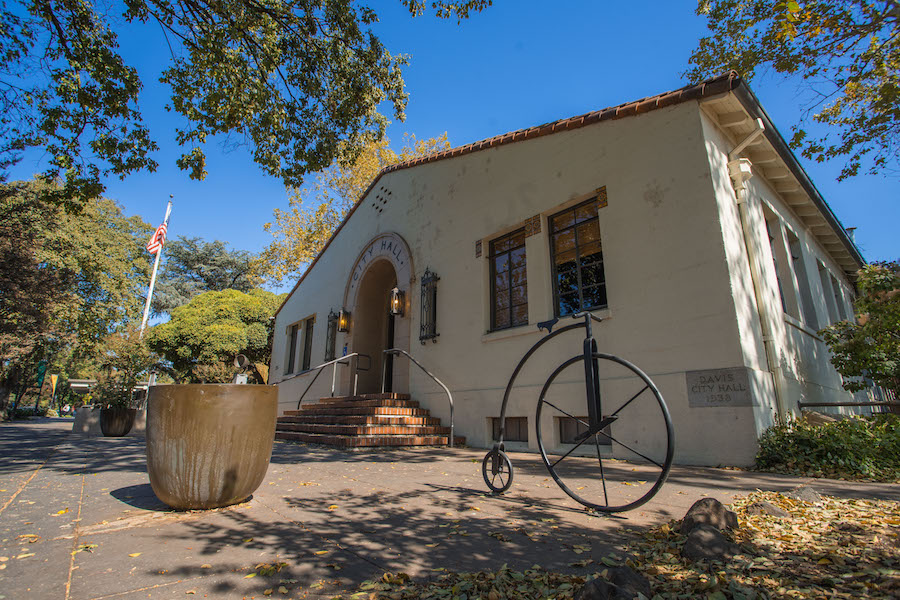
While City Hall will remain a historic artifact of the City of Davis, the building is currently in the process of being sold to a private entity. But the city will strive to maintain the hall’s image as a part of downtown Davis as part of the state regulation for selling city buildings.
“The most important thing to keep in mind is that it is not a city building for a while now,” said Davis Mayor Robb Davis. “It has been a restaurant for some number of years. It was sold to the redevelopment agency, which the state later cancelled. If you’re not using it for city purposes, therefore you have to sell it at market price.”
The hall now houses a restaurant and bar, so the state required Davis to put the property on the open market. Since then, the city has contracted with Turton Commercial Real Estate.
Ken Turton, the founder of Turton Commercial Real Estate, noted how intertwined City Hall is with the Davis community.
“This used to be the city hall for the City of Davis,” Turton said. “They loved this building, [and] they never wanted to sell this building, but they had to sell this building. There was a law change, and they put a private tenant to the building for profit. That is no longer permissible for subsidized renovation projects like this.”
However, the city hall no longer serves its original purpose. Davis explained that the city hall is now just an attraction and restaurant. Even so, the building holds the past memories and history of Davis. The city does not have to worry about any significant changes, however, as the property will retain its archival image since it was historically registered.
“It was built in 1938, and it’s a piece of Spanish Colonial architecture,” Turton said. “You can’t change the facade of the building and there’s some internal characteristics of the building that is also reserved. [Changes] never happen; in my 20 years, I’ve never seen anybody change the facade of a historically registered building.”
Stacey Winton, the media and communications officer for the City of Davis, explained her involvement with City Hall’s sales and how the process worked.
“I am the city staff to the Redevelopment Successor Agency. Regarding future changes, it will depend on who purchases the building,” Winton said. “The current tenant has a lease, which will remain in place until it expires, renews or is bought out.”
Winton went on to express how the city reacted because the building has been such a crucial part of the downtown atmosphere.
“It is a devastating loss to the city’s history,” Winton said. “It was the City of Davis’ first city hall and was then used as a fire and police station.”
While the city could not really gain ownership of the city hall, the building will still retain its architecture and historical value.
“We didn’t have a choice; the city was compelled by the state of California to sell that building,” Davis said. “It had to be sold; it had to be sold to a private entity. [However,] you can’t just demolish it or change its appearance. There is not much risk in changing the character of that building.”
The property was equally marketed to people who were looking to purchase the building. Turton Commercial Real Estate has been sending out emails and letting the public know about City Hall’s sale.
“The property is well marketed, so everyone has a fair chance to buy it. They have until Oct. 27,” Turton said. “We put a suggested minimum price, and that’s the term that the City of Davis is working for, and [people] can accept the offer early. There are three components: price, terms — review period, escrow — and the third variable is stewardship of the property. You will have to include a resume or history that demonstrates that you are going to be not [just] a good owner, but a great owner — that you will be able to maintain it.”
Not only will the buyer have to show that they are capable of purchasing the building — they must also do justice to its historical significance.
“Our goal is to find a buyer that will respect and preserve the historical nature and integrity of the building as well as invest in the property to ensure it continues to add to a vibrant downtown atmosphere,” Winton said.
Mayor Davis affirmed that the property will still be a part of the downtown Davis atmosphere, even with new ownership.
“This will not change anything in terms of the atmosphere,” Davis said. “I think it will continue to be a commercial space, and I have no reason to believe at this point that this will change the character of downtown Davis because it has been a restaurant and a commercial facility for more than a decade.”
Written by: Stella Tran — city@theaggie.org
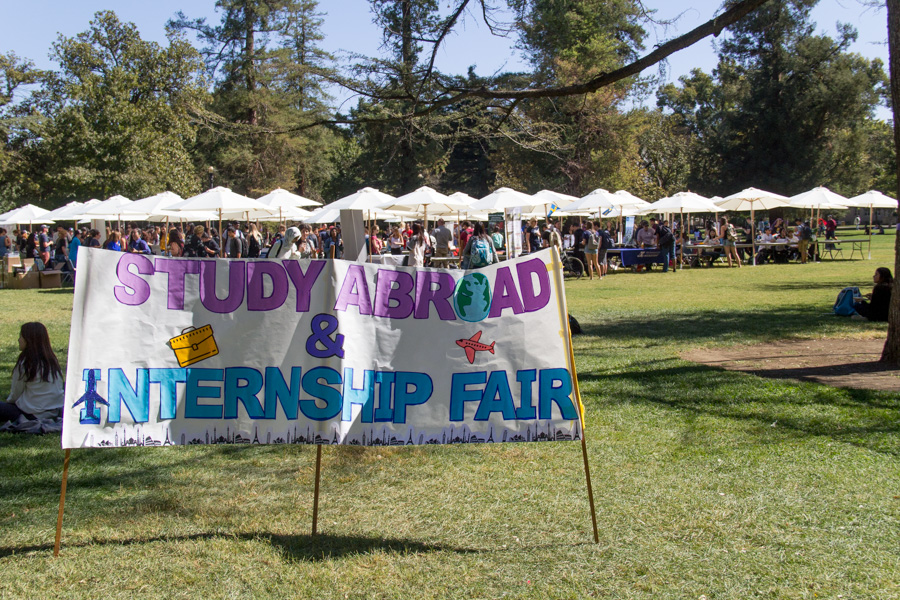
Fair informed students of study, internship opportunities across the globe
On Oct. 5, the annual Study Abroad and Internship Fair was held on the West Quad. Hosted by UC Davis Study Abroad and the Internship and Career Center (ICC), the purpose of the fair was to “inform students about opportunities to study, work and intern in areas all over the world,” according to the UC Davis Study Abroad website.
At the fair, students had the chance to “talk with study and intern abroad alumni about their experiences” as well as meet advisors and explore opportunities for scholarships and financial aid.
The fair featured information stands from various organizations dedicated to promoting study and internship opportunities abroad.
UC Davis Study Abroad offers the Summer Abroad program, an intensive eight-week program that provides students the opportunity to enroll in classes while participating in internships as well as cultural trips in places such as Hong Kong, Japan, New Zealand and Spain. The instruction and internships offered are in a diverse range of disciplines, including in business, communication, engineering and agricultural science.
This year, Spring and Fall Quarter programs are also available, with sites in Japan, Taipei, Australia and Italy.
“Studying abroad, you get a different viewpoint of the world and yourself and you figure out who you are as a person,” said Benjamin Ferguson, the enrollment coordinator and an advisor at UC Davis Study Abroad. “[It’s] getting to know people and making connections that could be lifelong.”
In addition to UC Davis Study Abroad, other organizations present at the fair included Accent, Camp Adventure and Kei. Accent offers students academic and internship opportunities in the humanities, with sites in Paris, Florence, London and Madrid. Camp Adventure partners with the Department of Defense to give students an opportunity to work with the children of military officials abroad. Additionally, Kei offers major-specific internships with international companies such as BMW and Air France.
“You stand out more and you develop global competence,” said Elizabeth Imasa, a graduate assistant with Kei. “[You’re] more able to deal with different people from different cultures. You also get a lot of soft skills like being more creative and proactive.”
In addition to the fair, various workshops were held throughout the day, including “Why You Should Study Abroad,” “Financial Aid For Studying Abroad” and “International Scholarships for Studying Abroad.”
Written by: Clara Zhao — campus@theaggie.org
Davis rallies behind Puerto Rico
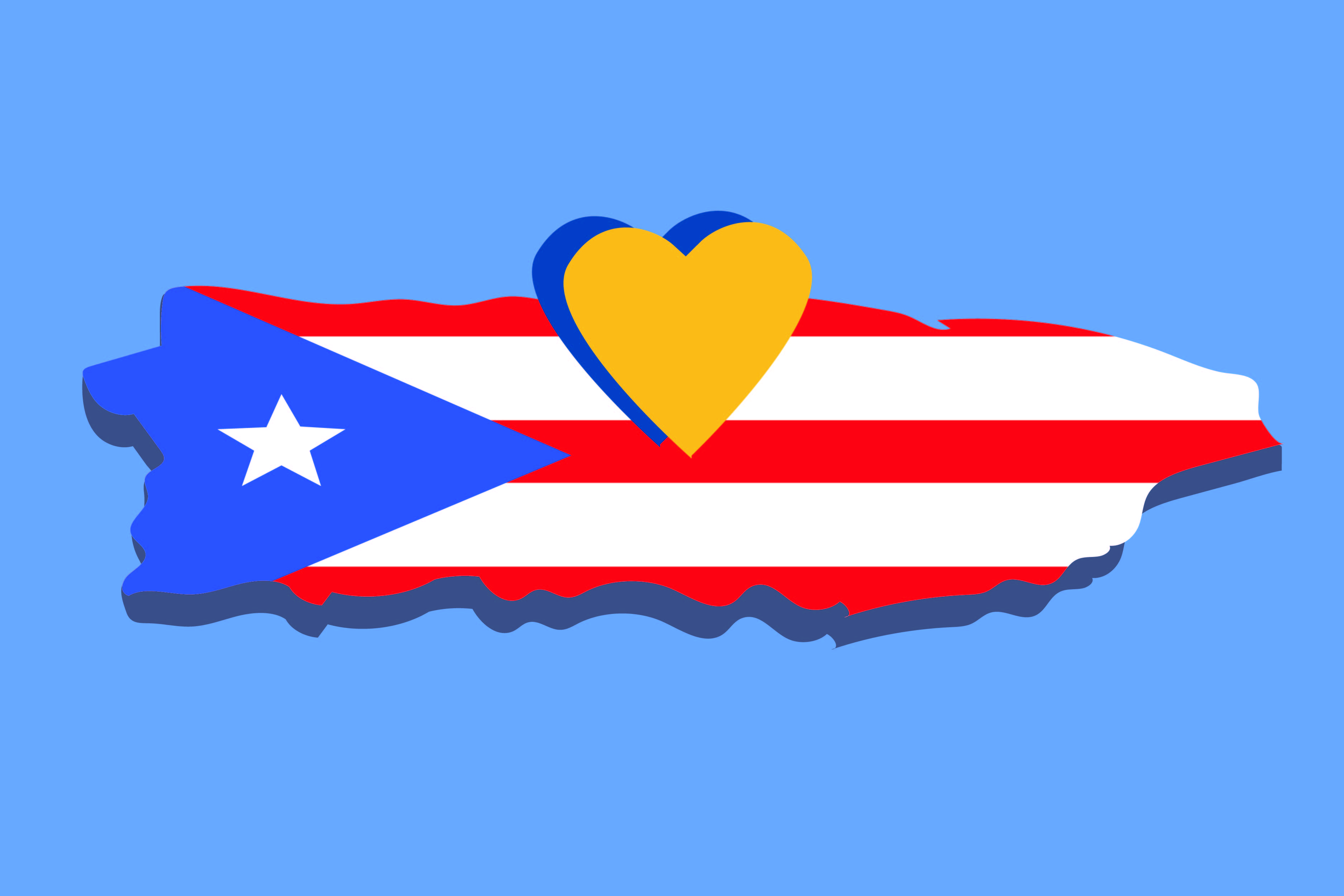
A group of Puerto Rican faculty and staff members at UC Davis have rallied together to fundraise for those impacted by Hurricane Maria. Since its creation just two weeks ago, their GoFundMe page has raised over $6,000. Students are encouraged to join in the efforts to aid those in Puerto Rico. The fundraising effort was spearheaded by Alexandra Colón-Rodriguez, a postdoctoral researcher at the Genome Center.
Hurricane Maria has left the island of Puerto Rico devastated and in dire need of aid. Puerto Rico was hit directly by a Category 5 hurricane on Sept. 20; winds up to 155 miles per hour ravaged the island. Two weeks after the storm, many residents still lack power and clean drinking water. Much of the island’s infrastructure was destroyed and the destruction made it difficult for relief efforts to access the island and those in need — with intervention efforts from the federal government lacking, many celebrities, politicians and individual activists have stepped up to support those in Puerto Rico.
“For me it is personal,” Colón-Rodriguez said in an email interview. “We are from Puerto Rico, and all of us have family and friends there. Thus, imagine the feeling of seeing your ‘home’ destroyed by a hurricane and being away with limited ways to help. That is what I feel.”
UC Davis’ team of activists is working with Casa Pueblo and the Hispanic Federation’s Unidos Initiative. Funds will be directly donated to ensure that 100 percent of the proceeds raised will go toward relief efforts in Puerto Rico. While Casa Pueblo works to provide solar light to Puerto Rican residents, the Hispanic Federation’s Unido Initiative is focusing on collecting and distributing goods like food, water, diapers and other necessary items.
“It’s nice to know that we have faculty that continually go out of their way to ensure the betterment of not only our community, but of anyone in need,” said Karina Kays, a fourth-year environmental toxicology major.
Samuel Díaz-Muñoz, an assistant professor in the College of Biological Sciences at UC Davis, has been working closely on the project with colleagues as well.
“Given the scale of the disaster, we knew from the start that everyone was going to have to be involved,” Díaz-Muñoz said in an email interview. “The GoFundMe is just the start. We have started matching students and faculty members in Puerto Rico with faculty that can host them here at UC Davis so that they can continue their work and not have their entire careers be derailed by this disaster. If they continue their work, the university community can recover, which will be critical in rebuilding and reinventing Puerto Rico.”
Currently, 175 UC Davis faculty and others have reached out to offer their homes to displaced graduate students and faculty from the University of Puerto Rico, where they can stay and continue their research here in Davis.
In light of the worst hurricane to hit Puerto Rico since 1928, students are encouraged to join in efforts to aid those impacted by Hurricane Maria by donating or lending their time and skills to the cause.
“Are you in an agriculture club? We have a colleague who is collecting seeds to rebuild agriculture in Puerto Rico,” said Díaz-Muñoz. “Do you have a capstone project for an engineering class? Maybe your project could be designing a plan for a school to be more sustainable and self sufficient.”
Written by: Ally Russell — campus@theaggie.org
UC Davis researchers explore the effects of the hormone oxytocin on social interaction
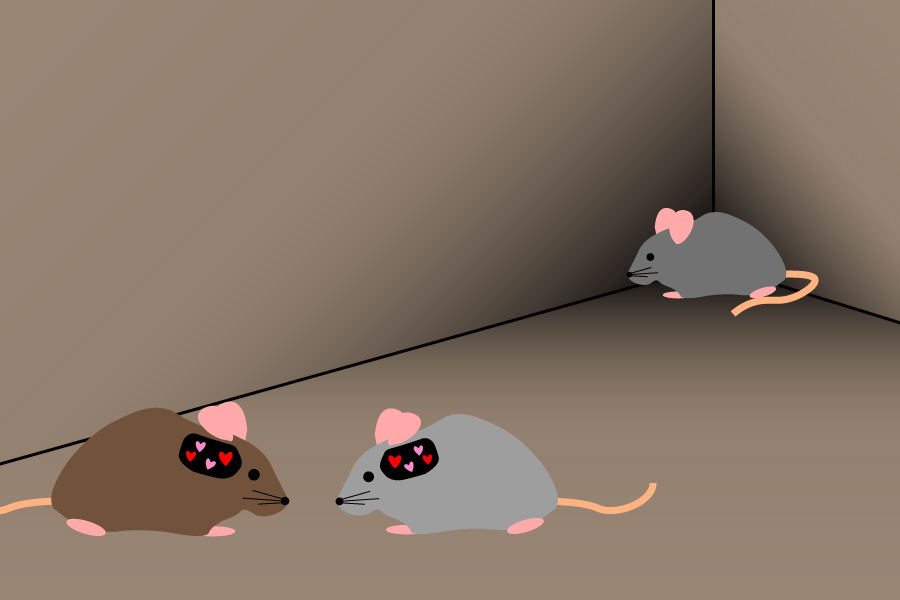
Upon extensive research, UC Davis professor Brian Trainor and his team have concluded that, when blocking oxytocin receptors in female California mice that have had a negative social experience such as bullying, their social behavior remained normal. In female mice that did not have their oxytocin receptors blocked, they became anti-social. In other words, oxytocin amplified social experiences that were both positive and negative in female California mice.
“For this paper, we asked what happens if we block oxytocin receptors if we know that oxytocin cells are more active after bullying experiences,” Trainor said.
This research has been in the making for some time. Trainor and his team had another study published in the journal Biological Psychiatry which concluded that the oxytocin in female mice became more active after a negative experience like bullying.
This finding was vital to the second paper, also published in Biological Psychiatry, because it is a continuation of their findings in the first paper.
“I feel like our results are exciting because they suggest that this extended amygdala might be an important circuit in mediating anxiety-inducing or anti-social effects of oxytocin,” Trainor said. “It is possible that oxytocin could be working in different parts of the brain to either increase or decrease anxiety.”
Along with these exciting results, Trainor also mentioned that people are starting to move away from using terminology like the “love hormone” and are now looking into “social salience,” which describes oxytocin as more of an amplifier of social experiences.
“We use social defeat stress in order to study the effects of social stress in males and females,” said Natalia Duque-Wilckens, a postdoctoral researcher on Trainor’s team and one of the authors of the first paper. “This is based on a naturally occurring behavior: defense of territories. Remarkably, even though there is no physical aggression, the animal who gets kicked out of the territory develops symptoms comparable to depression in humans. One of the projects I’m working on is trying to suppress the expression of oxytocin in certain parts of the brain to assess how that affects social anxiety behavior.
Looking forward, both Duque and Trainor are thrilled because this research has opened up new doors into the sex-specific effects of stress.
Trainor and his team’s research created opportunities for various people. It’s clear that the innovative research that Trainor and his team are conducting is inspiring to professors to undergraduate students. One of the people who have benefitted is Sae Yokoyama, a fourth-year biological science majors with a minor in Japanese who has been doing research since her first year.
“Early on, I helped with stereotactic surgeries with the mice, behavior testing, and taking pictures that were later used to collect quantitative data” Sae said.
Sae plans to continue to assist Duque in her future studies.
One thing is for certain: these findings on oxytocin are only the beginning for Trainor and his team.
“I don’t think I’m done asking these questions” Sae said.
Written by: David Soltero — science@theaggie.org
Late game flurry secures hard-fought victory over conference rivals
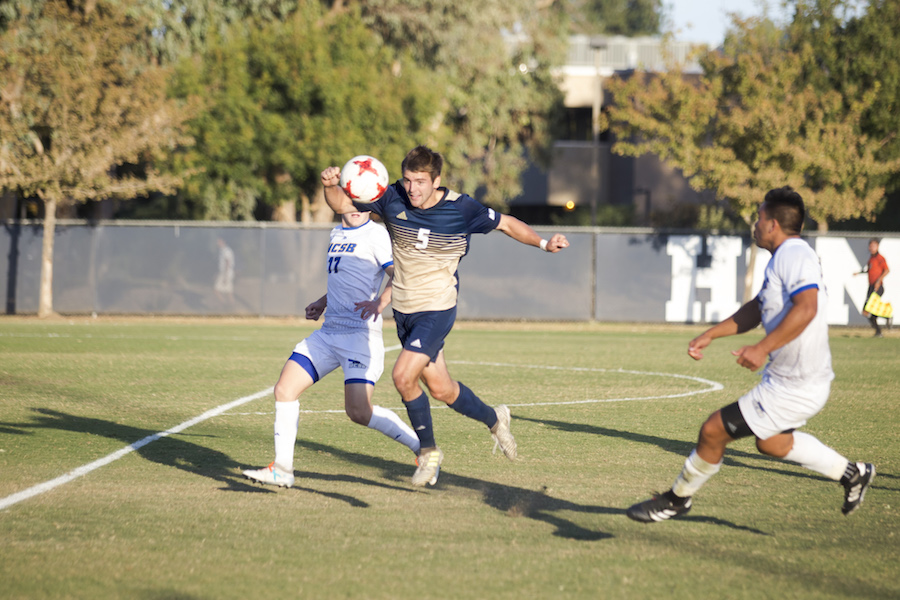
Coming off its recent loss at UC Riverside, the UC Davis men’s soccer team found its home field to be a welcomed site when it faced off against UCSB on Oct. 11. The Aggies stood at 4-1-2 on Aggie Soccer Field, as opposed to 1-5-0 away from it. With Big West rival UCSB coming in having won six of its last seven games, the Aggies knew they would need to come in prepared. To head coach Dwayne Shaffer, the home field is important for a variety of different reasons.
“I think being acclimated to the home home field is really what makes it different,” Shaffer said. “It’s kind of tough, too. Santa Barbara has to get on a bus and drive up here.”
Once the game started, it proved to be a hard-fought match on both ends of the field, with neither side giving each other much room for error. Shaffer credited his defense with setting the tone for the game, pointing out the 11-5 shot advantage his team held over Santa Barbara, applauding his defenders, junior Roy Boateng and senior Chase Rhode, as well as the work of sophomore goalkeeper Wallis Lapsley for their work all year.
“I felt like our defense played outstanding,” Shaffer said. “I’m just excited for the group.”
On the other side of the field, senior midfielder Lizandro Torres scored his third goal of the season off of a well-placed assist by fellow senior midfielder Miguel Acevedo, a goal which the Gauchos were unable to recover from, going scoreless for the game. Senior defender Greg Salazar credited the goal as the key to the way the rest of the game went.
“It takes a lot of pressure off the defense,” Salazar said. “It makes everything a lot easier. In a way, everyone gets more confident. Everyone defends better, and we start attacking better.”
The Gauchos were never able to escape from the hole that the first goal dug. After nearly 60 minutes of game time without a goal, the Aggies put the game away, thanks to a pair of goals by senior forward Noah Miller (assisted by junior midfielder Brian Quintero), and Salazar, his first goal of the season. Salazar beamed as he thought about the goal.
“It was great,” Salazar said. “It took a while, I would say, but it was definitely a good feeling to get my first goal here at home, and then against Santa Barbara — it’s even better against the competition.”
With conference standings growing increasingly important, Shaffer knows that wins like this one are not something to take for granted.
“There’s not much difference between the top team and possibly the bottom team,” Shaffer said. “But with that win right there, we’re on top now.”
The 3-1-1 conference record leaves the Aggies tied with Santa Barbara, but they hold that top spot thanks to the head-to-head advantage showcased in Wednesday’s game.
It is up to the Aggies to continue their solid start to conference play and take some of the positivity from their home games to the road. After a short trip across the causeway on Oct. 14, where the Aggies defeated Sacramento State 2-0, the team went on to play Cal Poly on Wednesday, Oct. 18. A game recap can be found at the theaggie.org.
Written by: Bradley Geiser — sports@theaggie.org

Festival brings four different films to area, illustrates human rights issues
The UC Davis Humanities Institute (DHI) will be hosting its inaugural Human Rights Film Festival from Oct. 19 to 20 in partnership with Human Rights Watch, screening a different documentary each day to present on a different human rights issue.
“I was returning after being on leave in Central Europe during the refugee crisis in Central Europe, Germany and Austria,” said Jaimey Fisher, the director of DHI. “I was able to experience firsthand the wave of refugees in Germany, which was around a million people entering Germany in 2015 and 2016. These types of issues have all been on my mind.”
The UC Davis Humanities Institute “supports research and teaching of humanities and art at the university,” including human rights studies, according to Fisher. With an event like this, DHI is able to expand its reach across campus and further impact the community.
“DHI is looking to do more public events rather than events just focused for students and faculty, so this is our first attempt in that endeavor,” said Becky Wilson, the event coordinator for DHI. “I think the human rights topic is something that many humanities people are passionate about, so it seems to fit.”
The films chosen — “500 Years,” “Nowhere to Hide,” “Black Code” and “They Call Us Monsters” — which have been vetted for quality and factual accuracy by the Human Rights Watch, will each introduce viewers to a different contemporary social problem of cultural and geographic interest. For many of these films, this festival is an opportunity to showcase otherwise unseen content. In fact, this festival is one of the first public showings for the film “Black Codes.”
“We tried to tailor it to the geography and political issues of California and the demographic of the university,” Fisher said. “There is one about Latin America, which is important to Davis constituency and Latin American immigrants in California. The one about the Middle East was chosen because […] it has been a huge issue in politics. ‘Black Code’ had the tie in because many of the people in the film are young people, many of them still students who are activists online, and that seemed relevant to student audiences. The last film is about California prisons, which made sense to bring it since it is California-relevant.”
For Danish Zuraidi, a fourth-year international agriculture development major, the diversity of the films’ subject matter has been a key factor in planning to attend the event.
“A lot of the films are really interesting from different parts of the world,” Zuraidi said. “They touch on so many different and interesting events and things that are going on that I would like to know more about.”
Since the festival is in partnership with the university’s Human Rights program, many of the films correlate with currently-offered classes in order to add an instructional aspect to the event. But this educational value is not exclusive to enrolled students; there will also be a discussion led by faculty at the end of each film.
“I think it is important to also experience something like this with an audience,” Fisher said. “In this way, you can engage in an audience and dialogue with the film and whoever is there for the event afterwards. The faculty can help unpack the film and make it a meaningful experience.”
“They Call Us Monsters,” the festival’s closing film, will be shown at the Crocker Art Museum in Sacramento. The film’s director, Ben Lear, will participate in a short panel about his work in an attempt to stimulate an in-depth discussion with the audience.
“We were interested in having as many filmmakers as possible come, but, with the nature of these films, they come from many different places in the world,” Wilson said. “Ben Lear is based in Los Angeles, so it made it logistically possible for him to come. We reached out to the others, and either they were not available or they were in different parts of the world.”
Since this is the festival’s inaugural year, DHI hopes to bring more filmmakers to future installments.
Fisher believes that documentaries can serve a purpose that other forms of media cannot.
“A documentary has the ability to show you people, images and political actors from across the world,” Fisher said. “Through the moving image and the audiovisual, cinema has brought faraway places back to the people since the beginning. And to also show places that are not that far away from Davis, like the California prisons, and to re-narrate those for us. The university as a whole is a place that can raise consciousness about the entire world. This can be empathizing with those who are far away or with those that we may not think about everyday. It is a core part of the university and a core part of humanities and arts.”
Likewise, a festival can help organize the complex ideas that are associated with human rights issues.
“It is worthwhile to be reminded of the rights and protections that were put in place after World War II to help navigate the world politically,” Fisher said. “We know that, with modern media, there are all these demands on our attention, and an event like this helps us focus our attention on a variety of issues.”
The festival is more than just an educational experience; it can have meaningful impacts on its viewers — students and other community members alike.
“Events like this are able to keep us informed,” Zuraidi said. “I think that people tend to be in their own bubbles when it comes to what they know about going on in the world, and this can even happen in pretty liberal places like Davis and California. The media can do a good job about covering events up or not reporting on them. Films and festivals like this can shine a light on a lot of issues.”
The event is free and open to the public. For a full summary of the films as well as locations and times, visit the UC Davis Humanities Institute’s wesbite.
Written by: Caroline Rutten — arts@theaggie.org
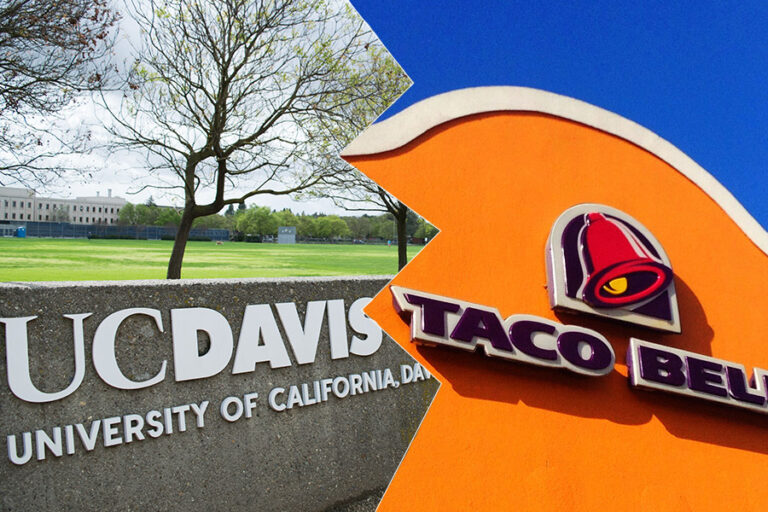
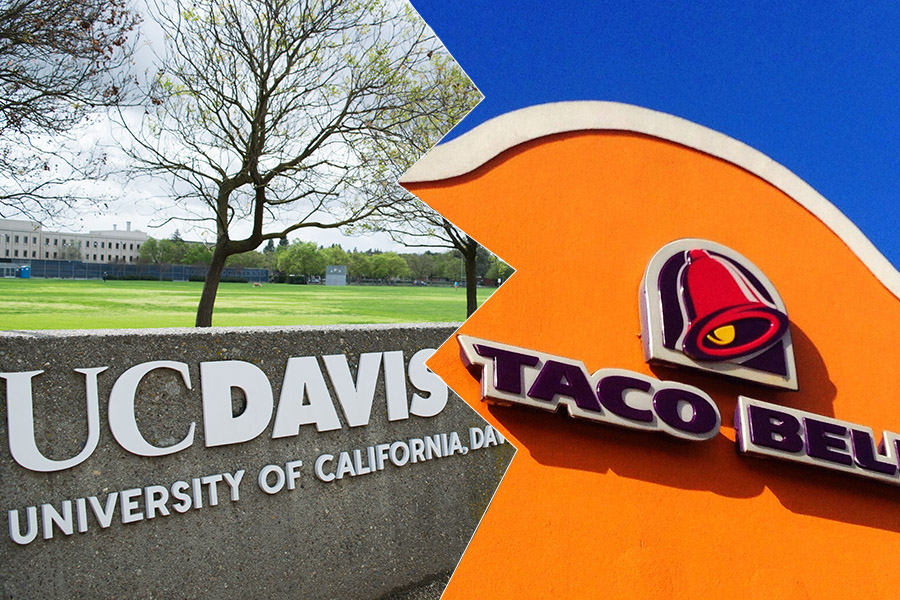
 All great love stories come to an end, as we have learned through several Lifetime movies. It’s just the same for the fiery passions between UC Davis and Taco Bell. UC Davis let Taco Bell into their home, gave it its own special corner and then kicked it to the curb.
“I know we had our problems,” Taco Bell said. “Me and my ‘real’ ground beef and Davis with their pepper spray. Yet, I never saw this coming. Davis kicked me out like we never had anything special. Like I never comforted its depressed students with my Quesoritos? Get real. Like I never aided in the freshman 15, giving the students a genuine college experience? Yeah, right. I did it all.”
UC Davis, ever the master of pettiness, took to the social medias to cut Taco Bell off. Posting on Sept. 27, the school went gaga over its “newly renovated Silo.” Taco Bell took action.
“You’re going to ‘new phone, who dis?’ me?! Are you kidding me?” Taco Bell wailed. “You’re really going to post that pic of your new boo and think I’m not going to do anything? I blocked Davis’ Instagram and then released a new Doritos Locos Taco flavor, ‘Rage.’ It’s bright red and tastes like my fist.”
UC Davis did this a week before National Taco Day, forever ruining Taco Bell’s holiday season. Taco Bell will now be scarred for life, just like every child on that first Christmas when Santa is revealed to be your stepdad Gary in a stained robe. UC Davis doesn’t feel much remorse on the matter.
“I had to cleanse my life, man,” UC Davis said to this lady reporter. “T-Bell was just too toxic. Honestly, I had diarrhea like every day. Thankfully, the cow smell masked it. Blame it on the cows, bro. Always blame it on the cows. I hit up Peet’s about a week after the breakup. It’s just more wholesome and mature.”
After the maturity card was pulled, Taco Bell was boiling with anger.
“MATURE?” Taco Bell screamed. “I’m not mature?! Really? You’re telling me a Starburst-flavored slushy isn’t mature? As if!”
UC Davis didn’t notice that Taco Bell had blocked its Instagram until this month: it wanted to take a screenshot of one of the new menu items to send to its buddy, UC Irvine, so that the two could gossip, but it couldn’t find the account.
“I really didn’t think that it would stoop to that level,” UC Davis said. “I blocked ‘em back and hit up Peet’s.”
Sometimes, UC Davis sees the billboards for Taco Bell or a student carrying a taco around campus and nostalgia hits it like a truck.
“There are some days when I slide into T-Bell’s DMs on Twitter,” UC Davis said. “I usually just say, ‘heyyy,’ but it only responds with gifs of someone rolling their eyes. Bell moved on. I get it. Yet, I always wonder…”
Taco Bell’s skin has never been clearer, and it’s more relaxed than ever, or so it says on Snapchat every day.
Written by: Olivia Luchini — ocluchini@ucdavis.edu
(This article is humor and/or satire, and its content is purely fictional. The story and the names of “sources” are fictionalized.)
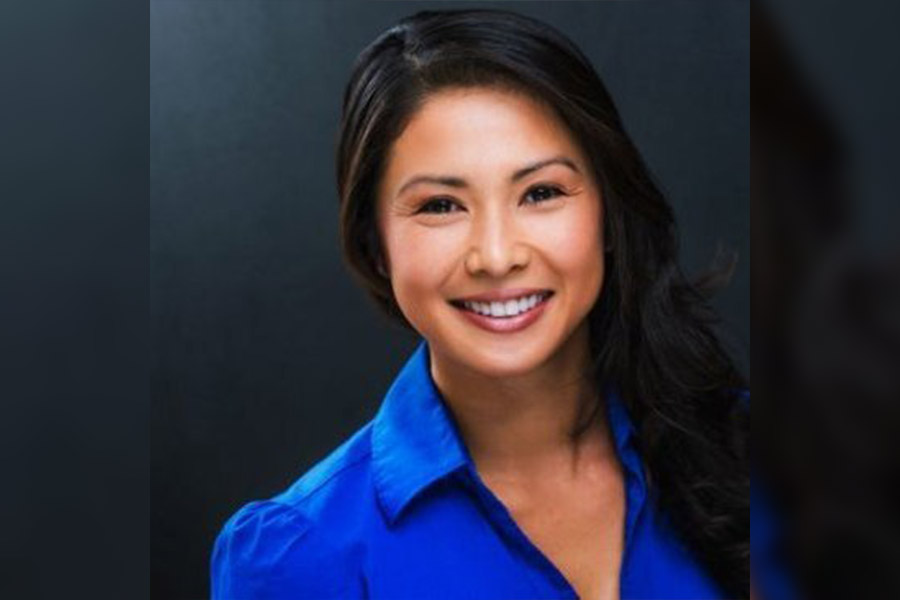
2007 UC Davis alumna Michelle Vo killed in shooting
The Aggie family lost one of its own, alumna Michelle Vo from the class of 2007, in the deadliest mass shooting in United States history. She was 32 years old. Vo earned a bachelor’s degree in communication from UC Davis and worked as a financial services employee for New York Life Insurance Co. She was “recognized for her ambition and work ethic,” as noted by Chancellor Gary May in his letter in University News.
Written by: Sahiti Vemula — features@theaggie.org

©2021, ASUCD. Designed by Creative Media.