52.4 F
Davis

Davis, California

Tuesday, December 23, 2025
Home Blog Page 595

In love with our landscape

VENOOS MOSHAYEDI / AGGIE

A behind-the-scenes look at crewmembers responsible for UC Davis grounds, landscapes

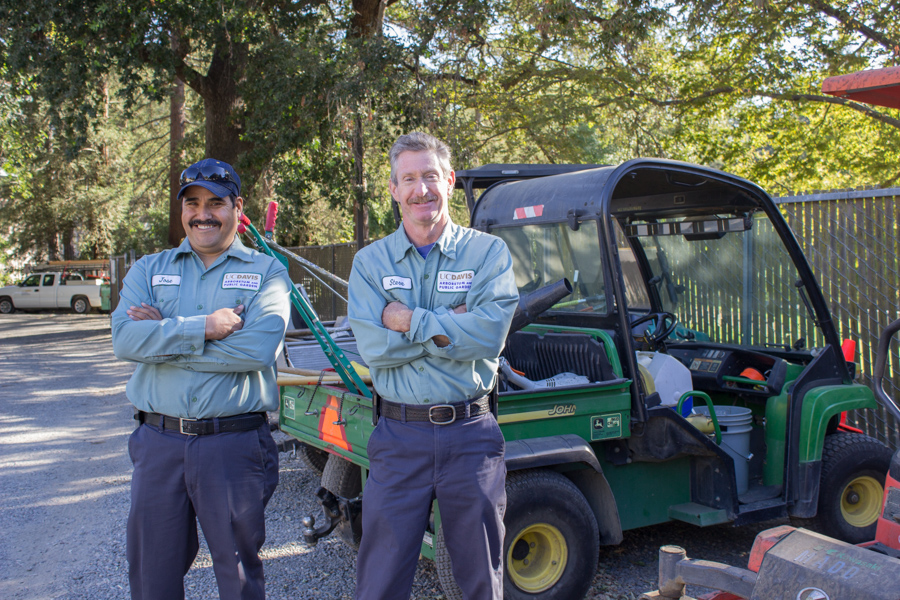
A bike ride from Shields Library to Hunt Hall is not too far in distance, but the breadth of natural beauty along the way seems endless. Massive oaks and vibrant lawns line the bike path, and not just on this particular journey, but all over campus.

UC Davis is known for the cozy comfort evoked by the presence of such well-kept nature on its campus, a characteristic feature of the university despite it being the largest UC campus by acreage. And it’s the people behind the scenes who we can thank for that: UC Davis Grounds and Landscape Services.

“We’re at 62 [workers] currently as we speak,” said Tyson Mantor, the grounds superintendent. “We are responsible for the landscaped areas on campus and some outlying country areas. It comes up to upwards of 700 acres on the central bit of campus that are landscaped and highly maintained, but to include the other sites around campus, it comes out to about 1,000 acres that we maintain. It’s a lot of space, and with the number of employees I just listed, it’s kind of remarkable.”

As a Davis alumnus, Mantor has seen the grounds crew blossom into one of the most successful in the landscape industry since he joined after his graduation. Since it began in the 1940s, the landscape department has seen a number of positive changes that have allowed it to become an exemplary leader of landscape management across the state — even the nation.

“This [year] is now the second time we’ve got a four-star accreditation with the Professional Grounds Management Society,” said Matt Forrest, a grounds supervisor who has worked on campus for nearly 30 years. “We were the first one to get it, so it’s an honor to be a part of that.”

Although there’s no official mission statement for sustainability measures, Mantor points out that sustainability is pushed culturally throughout the department and the school. The department has largely switched to utilizing compost on campus grounds, as well as using organic fertilizers and fungicides, subsequently reducing synthetic inputs by about 75 percent over the last three years alone.

“We know that we’re looked at as an example in the industry for sports turf, landscape maintenance [and] irrigation management, so we feel very happy to be a part of that,” Forrest said. “We try to bring our level up to a very high professional level, not only technically, but also [by] being open minded and better about our sustainability practices.”

The grounds crew is not only responsible for spaces popularly occupied by students, such as the Quad, but also for the athletic fields. Now that UC Davis is a Division I school, Kore Higuchi, Davis’ sports turf manager, is tasked with meeting the high demand of keeping these landscapes up to par.

“My crew [is] responsible for roughly 78 acres on campus between all the campus [recreation], intramural clubs and athletics,” Higuchi said. “With the drought we went through, I was challenged with trying to meet reductions in water. With that [we] took the opportunity to assess the conditions on all of our fields, and tried to reduce the amount of synthetic inputs [such as] the fertilizers, the fungicides [and] the chemical-type things.”

According to Higuchi, every day is a new challenge. Expanded student enrollment over the past few years has increased demands on all aspects of the job. Nonetheless, Higuchi is the best man for the job, having an appreciation and understanding for the problem-solving required in his work, especially in light of Davis’ upward climb in the realm of sports success.

“You know you watch professional sporting events and everybody watches the players, but if I turn the TV on I’m looking at everybody else’s field, knowing the amount of work that goes into doing that,” Higuchi said. “It is a huge part of that small piece that enables others to do what they do well, that’s what I really enjoy.”

Something Higuchi, Mantor and Forrest all have in common is a desire to do stimulating work in such a great environment that is also visually beautiful, and that is something they experience here at UC Davis.

“I get satisfaction out of doing work with my hands and getting things done,” Forrest said. “Our jobs change every day, hour by hour, we have to react to different conditions. So I think I enjoy the challenge but also realize that we get to work in a pretty darn nice environment, in a park-like setting in a community of a campus that is proactive. Being part of that campus in all that we do is a benefit for me personally, and I hope that I can share my gifts and my benefits and help the campus too.”

The draw for many students and employees to this campus is its stunning landscape, one that seems so perfectly natural to this historic little town, but takes a great deal of effort and hard work to maintain.

There’s a lot to be proud of as Aggies, but there is always room to appreciate even more those who work so hard to maintain this beautiful living space.

“If your first impression when you walk onto a campus, whether you be a potential student or you be a potential faculty member that they’re trying to recruit, if [ the grounds crew] can make that first impression for potential customers, that’s huge,” Mantor said. “If we can be that draw, be that reason why people come here, you can’t do much better than that.”

Written by: Marlys Jeane — features@theaggie.org
Humor: Freshman Exclusive: What your dorm says about your commitment to Scholastics™

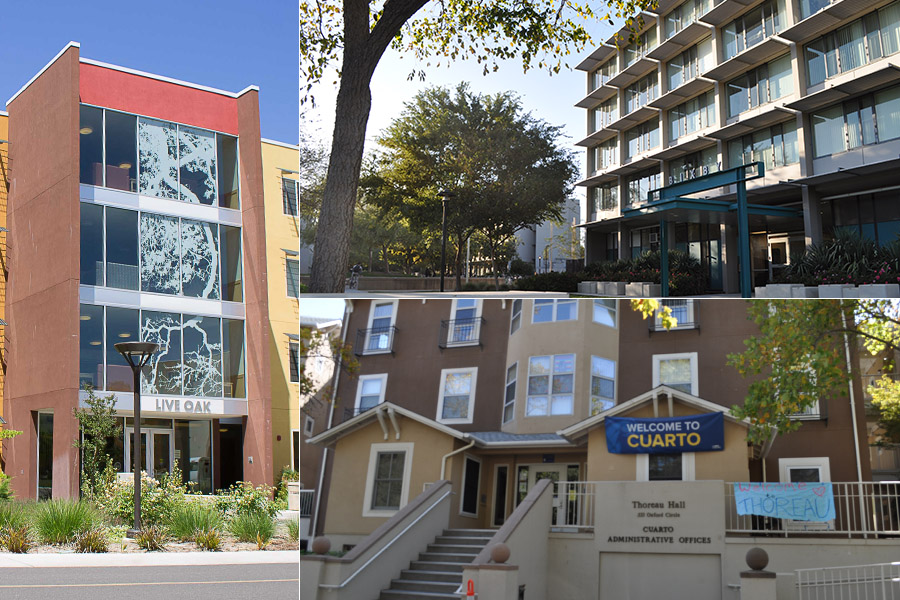
MEENA RUGH / AGGIE FILE (left), FARAH FARJOOD / AGGIE (top right, bottom right)

It might surprise you!

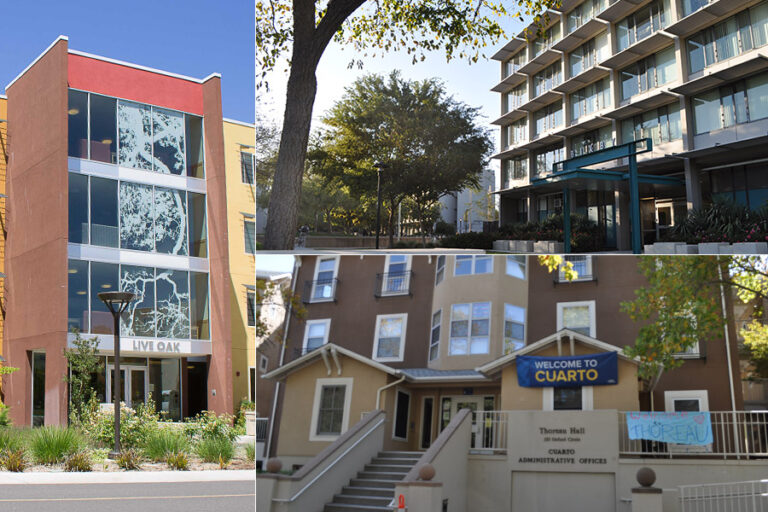
As the Class of 20-something starts to adjust to dorm life this new school year, you might be wondering, “What does the dorm building they were forced to inhabit say about their ability to thrive in a trying and rigorous academic environment?” Luckily, The California Aggie has got this question covered. We’ve created a foolproof breakdown of what each dorm building says about the personalities of the newest pseudo-Millennials on campus.
 

Segundo

Sorry, but if you live in Segundo, you have zero-to-no chance of thriving in this academic environment. The first-years who live in these dorms probably spend most of their time shotgunning La Croix to impress their floor and then making fun of La Croix to seem cool, only for their entire floor to discover that they actually genuinely enjoy La Croix. What these people don’t know is that school is not all fun and La Croix. It’s about balance, hard work and then La Croix.


Tercero

We’re not going to lie, we don’t really know much about the people who are stuck in this building. We imagine that they probably spend a lot of time trying to ride cows, considering that their building is right next to where the cows are kept. Our studies show that pseudo-Millennials love cows and disturbing the peace, so that’s probably what people who live in this place do. They might also spend a lot of time trying to scavenge around Davis for things to eat, considering they have to eat at the worst dining commons at UC Davis. You might try to argue with us on this point, but our research shows that having pizza bagels, like, once a month doesn’t qualify Tercero as a top dining commons. Anyway, the first-years who live here are clearly very busy living their worst lives and cannot be bothered to thrive in UC Davis’ challenging academic environment.


Cuarto

We think there might be something off about the people who live here, but they can probably handle the pressure of UC Davis’ quarter system death trap. After all, these people are social rejects. They are used to doing nothing all day but complaining about school and believing that they will stay pre-med throughout college. UC Davis built a pool in this dorm for a reason: because it makes these people look like they know what fun is.


After looking at our detailed analysis, you might be thinking, “Uh, isn’t it kind of crazy to categorize the people who live in different dorms considering that they’re placed by a randomized system?” Maybe, but isn’t it even crazier to not categorize people based on a randomized system? We think so.


Written by: Lara Loptman — lrloptman@ucdavis.edu

(This article is humor and/or satire, and its content is purely fictional. The story and the names of “sources” are fictionalized.)

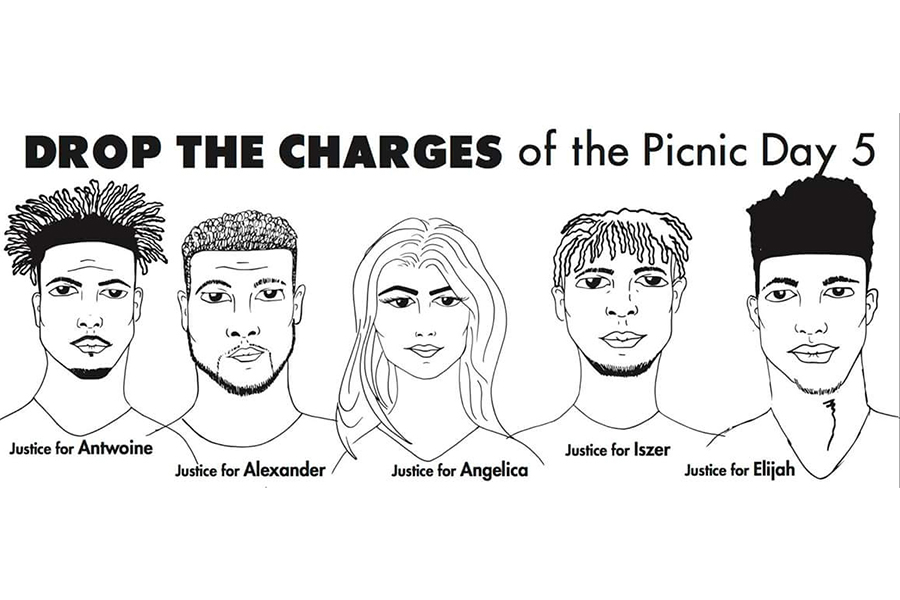
Protests for the Picnic Day Five

WILLIAM KELLY / COURTESY

Davis community at odds over Picnic Day brawl fallout

Last April, on Davis’ 103rd Picnic Day, a fight broke out between three regularly-clothed policemen and five young adults at College Park and Russell Boulevard. Days after the brawl, a dashcam video was released on the internet that showed a police van pulling up next to a crowd and three plainclothes officers getting out. The officers approached the crowd and a fight broke out. From the video, it is unclear who threw the first punch.

Four men and one woman, dubbed the “Picnic Day Five,” were arrested in the following weeks: Antwoine Perry, Alexander Craver, Elijah Williams, Iszir Price and Angelica Reyes. None of the five are Davis locals — all hail from Elk Grove or West Sacramento. All five were charged with felony assault of a peace officer but pled not guilty. By Sept. 8, all five had accepted identical plea deals that circumvent jail time, yet force them to take part in a restorative justice program that requires them to meet with the officers involved in the brawl and discuss what happened.

“It’s not yet justice, but it’s much better than we feared,” said William Kelly, a physics postdoctoral scholar at UC Davis who has organized several protests in support of the Picnic Day Five. “I think it’s a huge win for the community and for everyone who called the DA and showed up at the courthouse and signed the petition — they got this plea deal with no jail time and the chance to clear their record within a year. I don’t think they deserve this ‘informal probation.’ I also have concerns about this restorative justice. Just because you call something ‘restorative justice’ doesn’t make it ‘restorative.’ The five are being forced under threat of jail time to sit in a room with these police officers and apologize to them, and I don’t see any value in forcing them to do that.”

Protests have sprung up around Davis and the surrounding area in support of the Five. Students and residents took to the courts and to the streets, protesting city council hearings, flashing posters and signs and chanting through megaphones.

These kids were attacked by police who were in plain clothing in an unmarked vehicle who didn’t identify themselves,” said Kate Mellon, a lifelong Davis resident and activist. “[…] They [the five] have lost jobs, put their families in debt and have been publicly harassed. The police officers who were involved have not apologized and have not faced any consequences.”

The Davis Police Department did not respond to multiple requests for comment.

Some activists attributed the outcry to the larger conversation currently happening in the country about race and policing.

“The police haven’t had to experience any repercussions for what they’ve done,” said Stephanie Parreira, a Davis resident and activist. “There needs to be more of an equal response to this for it to be real ‘restorative justice.’ If the Black Lives Matter movement didn’t exist, none of us would have been paying attention to this stuff. The only reason we are paying attention to these issues is because BLM brought this issue to the forefront of the media.”

The court hearings took place in Yolo County courts, with protesters in attendance at the court dates. District Attorney Jeff Reisig, who prosecuted the five, declined to comment for this article.


Written by: Ahash Francis — city@theaggie.org

Editor’s note: An unedited version of this article mistakenly appeared online. It has been updated to reflect changes.

Humor: Anatomy student bewildered to learn that the clitoris is not a type of shellfish

MICHAEL DORAUSCH [(CC BY-SA 2.0)] / FLICKR
Content Warning: The article contains graphic sexual content.

What is the clitoris? Our journalists dive into the “investigation.”

You’ve heard of clams, mussels, oysters and scallops, and I’m sure you’ve chowed down on a tasty lobster, or perhaps little tiny shrimp. And I bet you’ve definitely taken a huge bite of a clitoris. Hah! I got you. One of these is not like the other. Which is it? Guess. Wrong! It’s the clitoris. Who knew!
According to a UC Davis professor, the clitoris is, in fact, a part of female anatomy and not just another type of California shellfish. I could’ve sworn I went fishing for clitoris one time in Monterey with my grandpa, but he was suffering from dementia for most of my childhood, so who knows what that prankster was up to!  

Yessir, a young lad in his Anatomy 101 class was absolutely floored to learn of this mysterious (nonexistent?) piece of the female body. We talked to Chet Vegas, a sports medicine major, to learn a little more about his strange experience and to get his take on the fabled “clitoris.”

“Yeah so I was in my anatomy class, and the teacher started going on about this thing called a ‘clitoris,’” Vegas said. “I was confused, like, why are we talking about shellfish in this anatomy class? What am I, a marine biology major? So after checking my major, I realized that the teacher was way off course. I asked some of my frat brothers in the group chat about the clitoris, and we were all confused. And it’s not like we don’t have sex. We have sex. Like a lot of it. I can’t put into words how much sex we have. Anyways, I remember ‘fishing for clitoris’ one time with my uncle, but then all he did was drive us to the mall. Plus I’m from Kansas and live like 2,000 miles away from any body of water. Weird.”

So what’s the consensus on “clitoris?” Is it a shellfish? Or some strange, hidden aspect of female anatomy? Is it even real at all? Unfortunately, there’s no way to verify this. This is not something that’s easily explained by science. It’s possible we’ll never know for certain what the clitoris is.


Written by: Aaron Levins  — adlevins@ucdavis.edu

(This article is humor and/or satire, and its content is purely fictional. The story and the names of “sources” are fictionalized.)

Humans: made for more than labels

MADDY SILVERSTEIN / COURTESY

Fighting transgender community stigma with JVMC, healthcare, hormone therapy at GHC

Social stigma can take a toll on lives — sometimes quite literally.

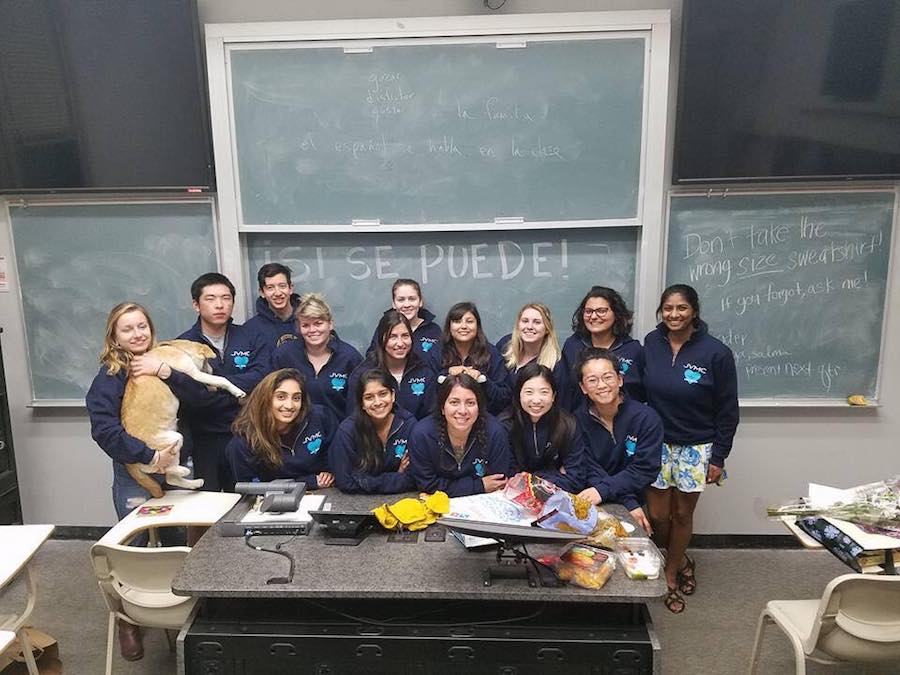
“Joan Viteri Memorial Clinic (JVMC), as its name implies, [was] founded in memory of Joan Viteri,” said Noreen Mansuri, a fourth-year NPB major and the co-director of JVMC. “She was a community member [of] Oak Park (a neighborhood in Sacramento) who died due to a treatable abscess. She passed away due to the stigma she received as [did other] people in her community who [used] intravenous drugs.”

Essentially, Joan Viteri died from an infection that was treatable, but lost her life due to social stigma against intravenous drug users that prevented her from seeking medical care. She was afraid of the judgement she’d receive from the medical community.

“JVMC was founded to prevent any deaths of that nature from happening again,” Mansuri said. “Right now we provide resources and primary healthcare to all Oak Park community members, but we have specific resources to treat individuals who use intravenous drugs, individuals who work in the sex trade and trans folk. Those are our three target populations.”

JVMC, which is located in Sacramento and run by UC Davis School of Medicine students, sends some of its volunteers to help at a nonprofit organization called the Gender Health Center (GHC), also located in Sacramento. The GHC is a resource for members of the LGBTQIA population seeking counseling and therapy services. It also provides people in transition with hormone therapy services. The members of these organizations strive to provide much more than medical services, trying to create a safe space for community members and patients.  

“We work with harm reduction services where they help provide resources for those who use intravenous drugs and [address other circumstances] that could be prevented by using harm reduction,” said Maddy Silverstein, a fourth-year biological sciences major and JVMC’s other co-director.

Harm reduction aims to reduce risk in a patient’s life by preventing an escalation of a condition or remediating it.

“Harm reduction is the idea, specifically in the context of drug use, [that is] about meeting the person where they are at and working with them on their personal goals and their vision for their health,” Mansuri said. “And that can build up to abstinence or it could not. It’s about minimizing risk.”

GHC provides many services to the LGBTQIA community, catering to social and psychological needs as well as medical and legal help. Many people drive to GHC for two to three hours to come to a place where they can feel safe and welcomed.

“Our doctors are willing — the emphasis placed on the willing – to prescribe hormones,” Mansuri said. “There’s not a great deal of education that goes on in medical curriculum about hormone therapy and it’s not that there’s a huge science behind it or anything, it’s the same hormones we’re familiar with [such as] testosterone and estrogen, and you just have to figure out the dose that’s appropriate for the particular person. There’s a lot of resistance and uncertainty because it’s not really familiar to a lot of people — they weren’t trained to do it. So there’s this kind of fear almost.”

Hormone therapy is described on the National Center for Biotechnology Information’s website as a treatment sought by “transgender men and women […] as part of the transition process. Exogenous testosterone is used in transgender men to induce virilization and suppress feminizing characteristics. In transgender women, exogenous estrogen is used to help feminize patients.”

Mansuri emphasized the importance of educating the next generation of medical practitioners, as these organizations are doing, on the needs of various groups of people. Catering to the needs of trans people through hormone therapy is one example of this.

There are also many assumptions about the moral compasses of those that use intravenous drugs.

“A lot of people with other health issues and diseases sometimes start using drugs because [they want to] cope with that,” Silverstein said.

Others have turned to drugs when their biology has failed them.

“You release endorphins, but if a person does not release the right amount of endorphins their baseline is much lower [and] much less happy than a typical person,” Mansuri said. “People who use drugs actually [may be] trying to help themselves, but the effects are pretty detrimental. Working with this population, [and] getting to know them and learning from them [teaches] you that it is not a moral failing.”

Jason Blanks and Danielle Wang are both second-year medical students at the UC Davis School of Medicine and work as JVMC’s coordinators and the GHC’s co-directors. They volunteer at GHC every first and third Friday of the month and assist in providing hormone therapy.

“What we do is just a very small medical side of things,” Blanks said. “We provide hormones [at a] free clinic [and] make sure they get the medications they need, and then we work with social workers and other folks to make sure they’re getting the support that they need.”

Wang mentioned that the hormone clinic has a patient panel of about four hundred. This led her to realize how much of a demand there is for medical aid to the transgender and other underserved communities.

“We did some research last year that basically says that [about] 90 percent of our patients have insurance for a primary care provider,” Blanks said. “So theoretically, 90 percent of our patients shouldn’t be our patients. They have a doctor who sees them for everything except hormones, which is — I guess from a medical perspective— very odd. Hormones aren’t complicated medicine from any stretch of the imagination.”


Written by: Sahiti Vemula — features@theaggie.org

Chancellor Emerita Linda Katehi reflects on career, looks to future

IAN JONES / AGGIE

Katehi talks about discrimination she has faced, salary, upcoming memoir; says she has returned to her calling

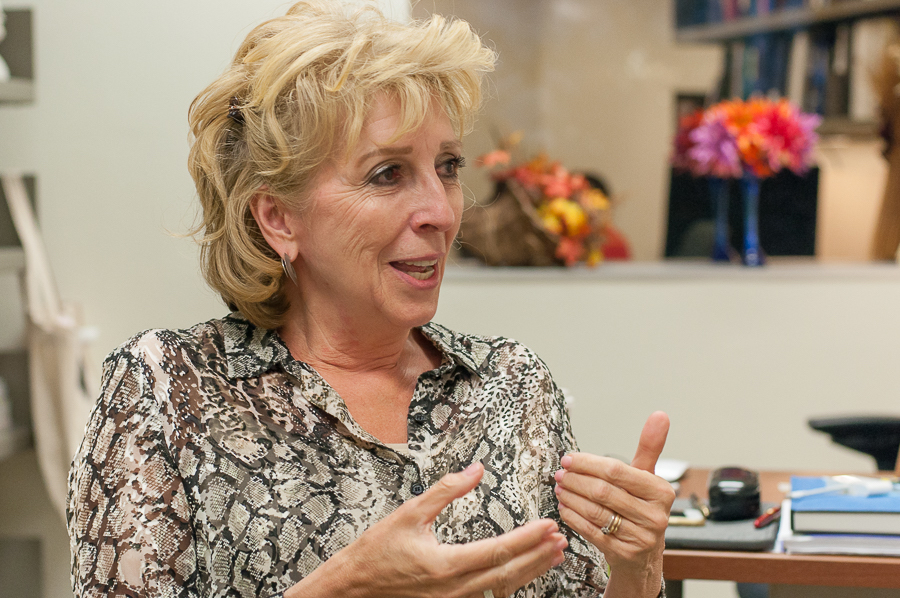
In her office within the Academic Surge Building, Chancellor Emerita Linda Katehi discussed her return to researching and teaching after her resignation from her position as UC Davis chancellor. She also addressed her controversial 2017-18 salary, disclosed stories about past experiences with sexism — an issue discussed in her upcoming memoir — and spoke about how she felt administrative work was unsatisfactory.

With regard to her $318,000, 2017-18 salary which, when annualized, will be about equal to that of the current chancellor, Katehi stated that her critics do not understand or recognize the complexity of the situation. This quarter, she is teaching a one-unit class.

“People don’t understand, everyone teaches one class because we do a huge amount of research,” Katehi said. “The university expects me to earn $500,000 in research a year, so I will [work] for my salary. Senior faculty members [like myself] are expected to do a lot of service on committees and review cases, besides teach and research. It’s very hard for people to understand the complexity of the job, so they just look at the one class.”

As a member of the UC Davis faculty, Katehi said she is happy to be done with administrative positions.

“I always felt like being a faculty member was more respectable than being [an] administration member,” Katehi said. “I was always very cynical of administrators — they are the people who tell you what not to do, even though you’re making so much money for the university. I see being an administrator as a service, not a career. I did not come to the university to become a chancellor, I found myself there. It is much more of a political position, and I don’t want to be a politician. Politics are dirty — they are about an agenda.”

Katehi said she originally joined the administration because she thought she “could make a difference” and said she now hopes what she accomplished while chancellor “will remain” in place.

Talking about her relations with the media — which she dealt with often while chancellor — she criticized muckrakers and agenda-driven publications.

“The only thing that matters is truth,” Katehi said. “You have to show evidence you discovered the truth. That’s not true anymore in the media with some people. I’m kind of sick of it. People call it ‘investigative journalism,’ and the last thing they do is investigation. I would bow to the journalist who really cared about the truth, not the ones who find evidence to support their view.”

Katehi was the recipient of a lot of criticism during her time as chancellor — including criticism that invaded her personal life.

“Last year, I was receiving phone calls in the residence saying ‘leave town, you and your family, get out of here,’” Katehi said. “We moved the number to a private number. How the heck did they find this? There was a time when those things bothered me, but not now.”

When asked about the progress on her memoir, which she began roughly a year ago, her face lit up. Katehi said she has “found a publisher” and “signed the contract last week.”

She has part of the book on a table in her office. The pages of pre-memoir notes were constructed mainly of drawings, thoughts and stories. Katehi talked about her memoir as a monument for her accomplishments against the odds of achieving her goals, including the sexism she faced as a woman in the science, technology, engineering and mathematics fields.

Katehi grew up on Salamis, a Greek island. In her home community, Katehi was first shamed for enjoying math, and so caught glimpses of the cobbled path ahead of her as a female electrical engineer.

“I grew up in a very small and remote place and was the only woman to go to the university then,” Katehi said. “I was very good at math. For a young girl to be good at math there was considered weird, and I was considered a weirdo for a long time.”

Katehi talked more about her experiences as a child in rural Greece and said she was inspired by international accomplishments in STEM.

“I wanted to become an electrical engineer after Apollo 11— that’s really what changed my life,” Katehi said. “In my small and uneducated […] community, my great-grandmother never even believed those pictures were right, and she thought that someone was lying about the pictures.”

Katehi said she had experiences with discrimination early in her career.

“People laughed in my face when I was younger and told them I was an electrical engineer,” Katehi said. ”How many kids have seen an electrical engineer that’s a woman?”

She spoke openly of one particular experience while still in Greece, after earning a degree in electrical engineering from the National Technical University of Athens. In 1977, while applying for jobs, a misogynistic call from an interested employer left her in disbelief — an interested employer had misread her posting and wrongly assumed she was a man.

“He said ‘Are you telling me are you are an electrical engineer?,’” Katehi said. “He then said ‘Do you expect me to hire you?’ I said ‘Yes?’ [And] he said ‘Thank you, but no.’”

She worked at the University of Michigan, Ann Arbor from 1984 to 2001 as a professor of electrical engineering and computer science. Starting in 1994, Katehi became the associate dean of academic affairs and graduate education. Katehi described the status of women’s rights in America as more progressive than that of Greece, although she continued to face multiple forms of discrimination in the United States.

“I never felt discriminated in the U.S. at first, but I then moved to [the] University of Michigan and became a faculty member,” Katehi said. “The students would call me ‘Linda’ even if I told them I was their professor. They talked to me like a secretary. The secretaries would come to me and say, ‘After the faculty meeting, you should go and clean the table.’”

She recounted a contest she was discouraged from participating in because of her gender that she ended up winning. After winning the contest, Katehi said, a University of Michigan staff member made a discriminatory comment about contest-holders purposely picking women.

Katehi was candid about experiences at the University of Michigan, as both an assistant professor and as a dean. She talked about the blatant sexism she faced and unprofessional behavior she endured during her time there. When Katehi asked for maternity leave while working as an assistant professor at the University of Michigan, she was denied and told that faculty members were not allowed such leaves.

”As an assistant professor at [the] University of Michigan, I […] got pregnant with my daughter,” Katehi said. “I had medical problems, and the administration was rude. I told them that the doctor told me I should not raise weights or stand too long, but I had a class to teach. I had to sit down to teach my class. Do you know how humiliating that is?”

Katehi recounted other situations in which doors were slammed in her face and students berated her with sexist language. Katehi said she recounts these stories in her memoir.

“I want [the memoir] to have a positive message,” Katehi said. “I was able to do a lot of things in my life. At the same time, I don’t want to hide problems I’ve faced. Most of the time when I was younger, I thought there was [a] problem with me. Am I too cold? Am I unfeeling? It gets in your brain. But if you know others have experienced the same, it can make you feel better. I was thinking about […] how [I] can speak of things that are very painful, without making people feel bad, so I thought I [would] try adding a bit of humor — so, this is what [the memoir] will be about.”

She said she envisions the book as a model for optimism, self-reflection and discovery for women and girls — Katehi said she would like to serve as a role model.

“You don’t see too many women engineers who become chancellors,” Katehi said. “In fact, I was the only one in the U.S. But if you see an example, then eventually you can see yourself in that opportunity. When I went to college, [there] were two girls in a class of hundreds. When I went to graduate school at UCLA, [there] were maybe two or three at most.”

Katehi’s current research includes working on wireless communication beyond 5G — cell phone frequencies of the future. Katehi holds 19 patents, and her previous cell phone, radio and antenna circuit technologies are used in transmitting and processing.

“I decided to take a new direction in wireless communications and it’s technologies for what we call beyond 5G,” Katehi said. “They expect it will go from 3G to 4G and then 5G. After that, people are trying to figure out where to go beyond 5G — how will people communicate in the future? What will phones look like? My interest is in adapting technologies that will make this wireless grid available to everyone because, so far, […] technology is expensive. The wireless grid is so pervasive — unless you’re part of [it], you won’t be able to get a job.”

According to Katehi, technology is already as important as water or energy. Her ultimate goal is to create cheap technology — “Why not go for a $10 iPhone?” she mused.

Besides her research, Katehi said spending time with students is much more gratifying than attending meetings all day.

“When I was a chancellor, while it was a demanding job, it was not intellectually stimulating,” Katehi said. “As a chancellor, you disconnect from the academic side. Most of the time, it’s solving problems [which can be] ugly, personal or beyond solution.”

Katehi spoke lastly about her emotional departure from the UC Davis administration. She said she enjoys where she is now, where she can easily see her everyday accomplishments, and looks forward to the future.

“For me, as [someone] who has a human need for immediate return, I needed to be a professor again,” Katehi said. “I always knew what my role was, being around students. I never anticipated that I would be in administration for that long. But it’s all good. At least I can say I’ve had a lot of experiences.”


Written by: Aaron Liss — campus@theaggie.org

Here’s an “eye-opener”: Removing the tired cliches about traveling

NICK IRVIN / COURTESY

Travel has more to offer than simply another story

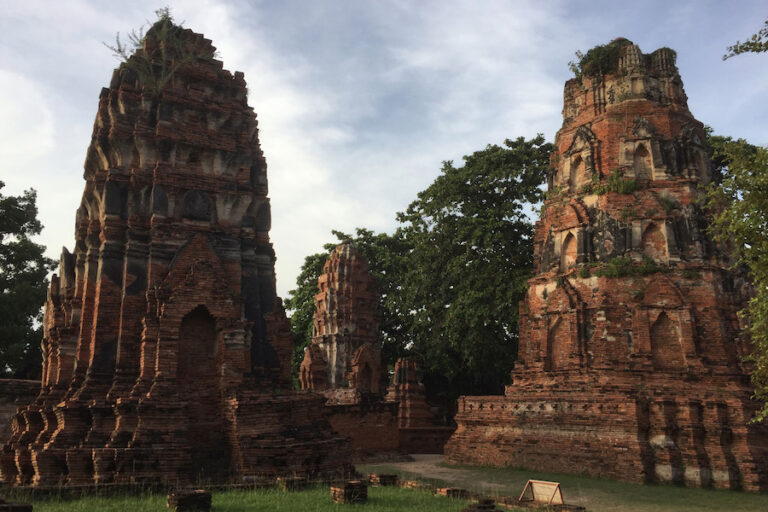
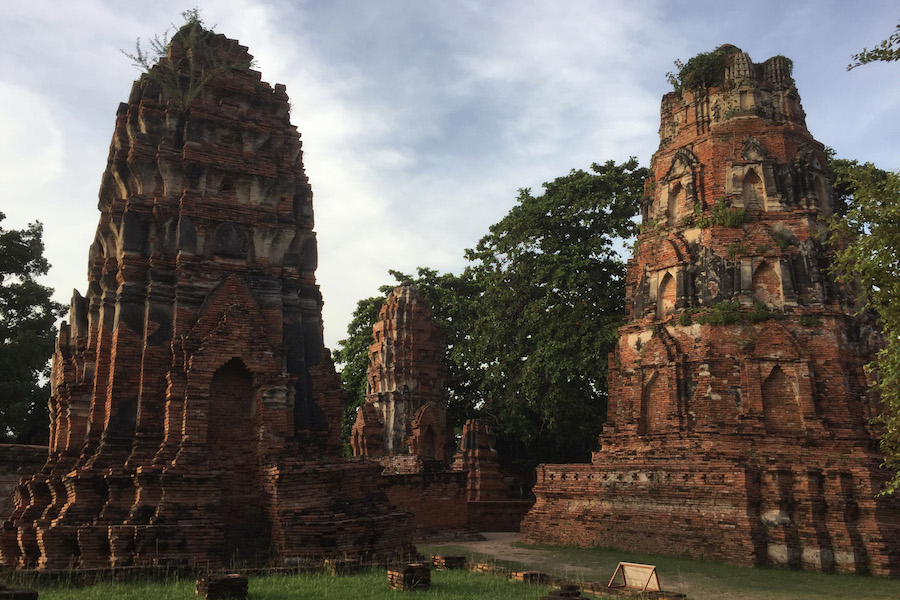
Over the summer, I traveled around Thailand and Malaysia by train and bus. It was a real doozy of a trip, but one hyphenated adjective I refuse to use is “eye-opening.” Travelers need to do better than resort to overused language that reflects pomposity and largely ignores the true meaning of travel –– that it’s different for everyone and just as necessary, too.

The statement that traveling “opens your eyes” is rather banal. It adds nothing to the conversation because undergoing any “eye-opening” experience has become a cliche in itself –– almost as fashionable as worshiping Harambe was last year. Such undertakings, or at least the appearance of them, create a system of playing catch-up that originates out of a yearning for a similar trip to tell a similar story to experience a similar opening of the eyes. This romantic view impedes our ability to think critically about why we’re even traveling in the first place.

When we talk to a traveler who has just returned from a trendy trip abroad, it’s hard not to feel a pang of envy as we listen to how this person was fortunate to climb mountains and traverse rickety bridges in the jungle while we stayed in our beds and watched “Game of Thrones.” Who wouldn’t want this same story to tell?

More often than not, however, such travel stories can delve into the cliches that only reveal the manifestations of missed opportunities. Expressions of gratitude and good fortune don’t provide the critical nuance that traveling (and traveling well) brings to those who seek out another culture for culture’s sake. Yes, we can be grateful for our experience, but isn’t there something more to bring to the table?

Traveling is one of the best modes of education, period. It enables us to witness instead of read. It makes us reflect and decide rather than dally over the trivialities of theory in a classroom. The process of a journey, whether to a distant land or to a neighboring town, requires a dose of courage that proves more about our capacity for vulnerability than almost anything else.

But reducing our travels to a mere “eye-opening” experience is lazy. Traveling is more than an idea that reflects our perceived capacity for learning. It is learning. Without it we cannot bridge divides or work to attain common, worldwide goals. Our eyes are already open by the simple thought of leaving our homes to encounter something bigger than ourselves. When we embrace the idea of change, we have taken that crucial step forward.

While opening eyes is in vogue, opening the heart and mind are still at the back of the experiential lexicon. Embracing the intellectual and reflective side of an experience away from home is just as important as the emotional and compassionate side. Our capacity to think about the whys and the hows of a place culturally or structurally divergent from domestic reality allows real learning to take place –– a kind that emphasizes human beings as people rather than as data points in a book. You can open your eyes to alternate standards of living or the delicacies of a local cuisine, but can you open the heart and the mind that form prerequisites for true knowledge?

Semantically speaking, these linguistic distinctions may seem nitpicky. But I truly believe that approaching travel with the right mindset is vital to bridging the culture gap that Americans (anecdotally) often have difficulty shaking off. Whether our lackadaisical approach to foreign travel is due to America’s vast interior or its island status between two massive oceans, or something else entirely, we can help to remedy it by adopting a mindset more conducive to a globalized perspective.

A famous man once said that travel “is fatal to prejudice, bigotry, and narrow-mindedness, and many of our people need it sorely on these accounts.” That man was Mark Twain, and those people were Americans. Could there be anything more relevant today?


Written by: Nick Irvin –– ntirvin@ucdavis.edu

Disclaimer: The views and opinions expressed by individual columnists belong to the columnists alone and do not necessarily indicate the views and opinions held by The California Aggie.

Humor: Intro to Freshman Year 101

Things they didn’t teach you at orientation

Being a first-year can often be daunting and overwhelming, and in a brand-new metropolis like Davis, it’s very easy to get lost in the sauce/system. As a third-year who’s still not really sure about anything, I’m writing from a place of sincerity and hope that these tips carry first-years in the direction of success and opportunity.

  1. RAs: Where do I even start? You WANT to be written up. I don’t care what anybody tells you. What makes a better story than telling all your friends how you got written up last Wednesday for being too loud? Make sure to blast music or just scream. Trust me, everyone will love hearing all about it, and they’ll definitely want to be friends with a rebellious, fun guy like you.
  2. DC etiquette: This is hard to figure out, but once you get it, it’ll stick with you forever. The main thing to remember is that you want to take as much food as possible and hand it out to fellow Aggies as a peace offering. Walk up to someone who is already eating and present them with a slice of pizza that you brought home in your takeout box last night. Who cares if they’re about to leave the DC? Make them sit and eat the food you brought them. It’s about friendship and vulnerability, and this act will show consideration and thought. Everyone comes to college with the hopes of gaining the freshman 15 anyway, and I’m sure your help and dedication to the cause will get your further than you think.
  3. Getting to know your professors: Email, email and more email. I cannot stress this enough. Compared to your old high school, Davis is probably kind of big. Professors will not know you if you don’t make a name for yourself. Participating is overrated, and in such a big lecture, the professor probably won’t hear you, so don’t even bother. Office hours are for people with too much time on their hands. If you show up, it’ll give the impression that you don’t take your academics seriously and spend your free time simply chatting with professors. Send long, frantic emails as often as you can. Make sure to include snippets from your essay or assignment without any questions just so they know that you’re on track.
  4. Befriend the squirrels: I know this might seem a bit counterintuitive considering you’ve probably been told that squirrels carry diseases and can be vicious. Wrong. Here at Davis the squirrels are pretty much your biggest “in” to Davis life. They always know where the parties are happening, and they’ll always have food for you when you need it. I suggest you don’t get to know the people in your hall because they’ll only take away time from bonding with the squirrel that sits outside your window. Bonus points: Bring your squirrel friends inside to meet your roommate and RA.
  5. Roommates: This person is essentially your best friend, and by that I mean that choosing a roommate means they’re automatically your best friend. It’s one of those fun situations in which you get to skip all the preliminary getting to know each other time and polite small talk. Go straight to taking their clothes without asking and getting into their bed to cuddle with them. They will appreciate you breaking the ice and will probably reciprocate by switching rooms, because they know how much you like your own space.


Written by: Rosie Schwarz — rschwarz@ucdavis.edu

(This article is humor and/or satire, and its content is purely fictional. The story and the names of “sources” are fictionalized.)

Humor: The real reason eggheads don’t have more body parts

JULIE TORRES / AGGIE


Disclaimer: The views and opinions expressed by individual cartoonists belong to the cartoonists alone and do not necessarily indicate the views and opinions held by The California Aggie.

UC Davis awarded $1.6 million to study water in Central Valley

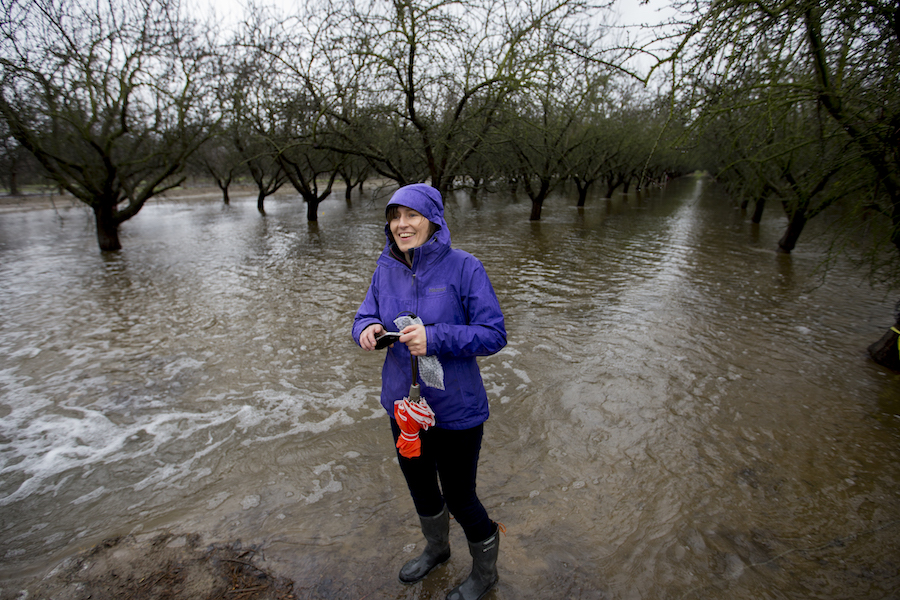
JOE PROUDMAN / UC DAVIS

Researchers launch water management project in disadvantaged communities

UC Davis was awarded $1.6 million by the National Science Foundation to study the dynamics of water and land use of disadvantaged communities, specifically in the Central Valley. There are several different departments that are collaborating on this research, which is led by Helen Dahlke, an associate professor of Integrated Hydrologic Sciences at UC Davis.

“Our goal is to understand the dynamic between hydrological and economic system[s] and the social drivers in the Tulare Lake Basin,” Dahlke said.

With the different departments coming together to do this research, each has more specific goals in mind.

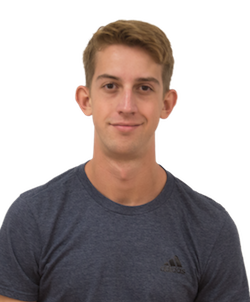
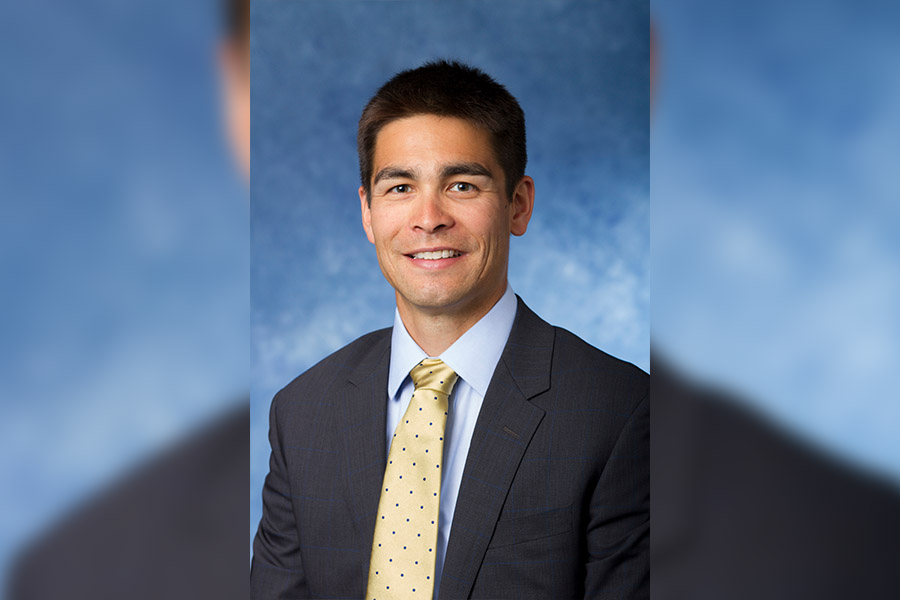
“One outcome is that we’re looking for infrastructure or policy options that may help the management of water in low economic places,” said Jon Herman, an associate professor in the Department of Civil and Environmental Engineering at UC Davis.

Rebecca Teasley, an associate professor of civil engineering and associate dean at the College of Science and Engineering at the University of Minnesota, is another researcher.

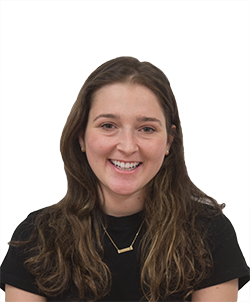
“Different stakeholders or interest groups can work together more collaboratively to achieve better water management across all sectors,” Teasley said.

This research offers the potential to rebuild the Tulare Basin’s water management system. The Tulare Basin is located in the Central Valley, and major cities including Fresno, Visalia, and Bakersfield are dependent on groundwater but are slowly transitioning to surface water.

“Tulare Basin is ideal for studying coupled natural human systems because we know agriculture has had a huge impact on water resources and vice versa,” Dahlke said. “The Tulare Basin was known for growing cotton; now you see a lot of almond trees which need a reliable source of water, which isn’t good especially during a drought like the one the Tulare Basin faced between 2012-2016, because perennial crops cannot easily be fallowed.”

The NSF grant gives undergraduate and graduate students the opportunity to work alongside professors to build models comparing groundwater and surface water in the Tulare Basin, although this is only the beginning. There is a possibility that Dahlke and her team will learn to apply what they learn to other disadvantaged communities.

“This grant provides an exciting opportunity to look for innovative solutions and an opportunity to train students for a future in water management,” Teasley said.

Along with conducting research, Dahlke and her team hope to create “water schools” for K-12 students.

“Water schools are courses focused on educating school kids on the topic of water and the issues we face in managing water,” Dahlke said.

By educating students on the issues surrounding water management and conservation, Dahlke and her team aim to spread awareness about the human use of water and land in the agricultural sector.


Written by: David Soltero — science@theaggie.org

A conversation with director of athletics Kevin Blue

0
MARK HONBO / UC DAVIS ATHLETICS COMMUNICATIONS

Blue comments on his first year in the position, goals for the upcoming school year, future

In May 2016, UC Davis named Kevin Blue its new director of athletics. Previously, he worked as the senior associate athletics director for external relations at Stanford University, where he served a seven-year tenure. During his time at Stanford he helped oversee relations with key sponsors such as the Pac-12 Network.

At UC Davis, Blue oversees all 23 athletic teams in a program that competes at the  NCAA Division I level. About 600 student-athletes included in these teams also compete in other various conferences, such as the Big West Conference, the Big Sky Conference, the Mountain Pacific Sports Federation, the America East Conference and the Western Water Polo Association.

After coming into a high-level position, and finishing his first year as the director of athletics, The California Aggie had the chance to sit down with Kevin Blue to recap his first year as well as lay out plans for the current year and the future of UC Davis Athletics.


Last year [2016] was your first year as director of athletics. How do you feel it went?

I think it was a good year. There were a lot of positive steps forward in the athletic program. The campus community has been very supportive in my transition to the UC Davis campus and I have appreciated that very much. [I am] feeling optimistic about the direction of the athletics program as a part of the university.


What did you learn from your first year on the job and how does that affect how you are approaching this year?

I learned a lot of things, as I do every year. I would say at the top of that list is that I learned how invested our student athletes are in being successful not only in competition but in their academic work and preparing themselves to be successful for the rest of their lives. The student-athletes are a dedicated group of undergraduates, and that was reinforced to me during my first year. I also learned that when done well, athletics can be a valuable program for the university at large.


What were your goals going into your first year for UC Davis sports? Which goals were accomplished and which are still ongoing?

Strictly, we have goals from a fundraising standpoint that we exceeded last year and we hope to exceed them again this year. But we really just approach every day with the intent of improving the organization and are pretty focused taking it one day at a time. The results end up taking care of themselves.


Recently, there have been a lot of new coaching positions hired on various sports teams on campus. What was the general plan for all of these new hires?

We are always interested in bringing people into the organization that have the same value system as the university in regards to athletics: highly competent and are able to produce very competitive teams, while also embracing the scholar athlete ideal and all of the great things that go along with the university and its focus academically and in the community. The people we brought on board we feel represent that.


I have overheard players and coaches talking about your personal involvement in athletics, and how they appreciate your presence at games and trying to really develop a connection with the players. Any comments?

It’s a good question. We have 23 teams and many important needs, so I can only be at one place at one time, but I do try my best to experience first-hand our events and to be around our teams on a first-hand basis as much as possible. It really helps me understand the opportunities, successes and challenges that everybody faces.


In a perfect world, what does the future hold for UC Davis sports?

To tell you the truth, I would just like to see our teams continue to improve, to see a continuation of a building of enthusiasm among all the students and community members about athletics. I would like to see us be successful in continuing to fundraise effectively. I think that athletics has the opportunity and is increasingly serving as a rallying point for the university, and we would like to continue to build upon that.


Written by: Ryan Bugsch — sports@theaggie.org

“Land, Water, and Rock”: Understanding South Asia

ANH-TRAM BUI / AGGIE

Sen brings places, animals, people out of immediate reach

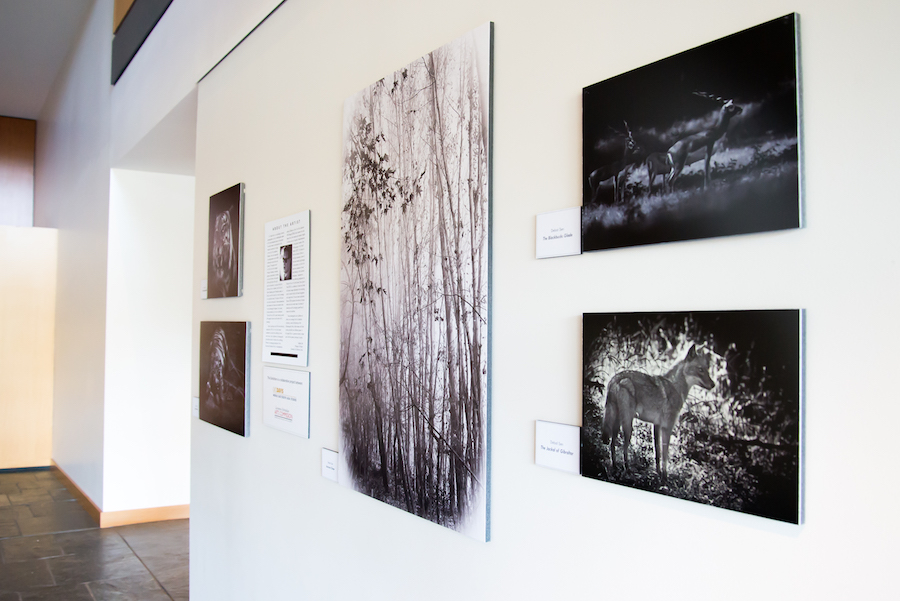
Kolkata-based wildlife and nature photographer Dr. Debal Sen presented his work, “Land, Water, and Rock,” on Sept. 29 at the Mondavi Center at its opening reception. Hanumantha Rao Unnava, the dean of the UC Davis School of Management, gave a speech to kick off the event. He ended with a poignant anecdote about a colleague.

Due to the poverty that afflicts a large population of India, toys, like kites, are only available to the few who can afford them. The child who has one is considered “king,” which often entails sharing the kite (for a minimal amount of time) with the other kids. Unnava’s colleague, recognizing the polarization of kite owners, bought a whole group of children their own kites. He recalled fondly the children’s shrieks of happiness in each owning their own kite — one that didn’t have to be shared.

This story was shared, among many reasons, to exemplify the characteristics of South Asian culture. This story of the children and their kites was an appropriate way to preface Sen’s presentation of his work. In his own speech, Sen explained that his photography similarly masters the heart that embodies the region.

“Land, Water and Rock” is a part of the larger South Asia Without Borders initiative put on by the UC Davis Middle East/South Asia Program. The program, designed to highlight the region in today’s greater global context, emphasizes the potential, the creativity, the vast landscape, the beauty and the centralized culture of the region. With its clear mastery of the art and its spot-on connection to the initiative itself, Sen’s photography collection of Himalayan and South Asian nature scenes sets a high standard for the rest of the program’s events.

While specific to the subject of nature, “Land, Water, and Rock” pushes boundaries, capturing the essence of the area as a whole. The diversity of wildlife and the grandeur of the natural landscape are unique to the region, and Sen’s work presents such details to the viewers in a personal manner. From scenes of cranes departing from great bodies of water to a tiger seated regally in the jungle, the multiplicity of natural landscapes and creatures found in this single region is amazing. More surprising is that this work is only a small collection of what embodies the area. In Sen’s work, South Asia is limitless.

Furthermore, there is a sense of disillusion and disorientation with the collection, as the photographs are in black and white. The play with lighting and the intense chiaroscuro brings attention to intricate details of both animals and mountain landscapes. With such a technique, the viewer cannot distinguish light, time of day or even season. The area thus feels otherworldly — an area in which a full understanding has yet to be discovered.

Going beyond the collection, the opening reception allowed the photographer to display more of his work that was not part of the collection. Sen’s photos are physical proof of his mastery of the subject as well as his connection to the region. A personal favorite photograph includes a mountain night scene — bright stars over the dark silhouette of mountains in the foreground. The stark contrast and the elemental harmony makes the viewer wonder how grand the scene would be in person.

Sen also presented photographs of indigenous peoples and places of worship that he found serendipitously on his hiking trails — small tribes in their daily routines and stone relics among a mountainous landscape. These photographs, with stunningly balanced composition, further show the diversity and idiosyncrasy of the region through nature and its human inhabitants.

Sen is thus not just a photographer of nature, but of portraits as well. Likewise, he is not just a photographer, but a true adventurer. The often dangerous ways in which Sen took these photographs adds an extra layer of depth to the experience. He has called his collection “some of [his] fondest memories of the last 60 years,” which is truly no surprise. Through his photography, Sen has climbed 18,000-foot summits, carrying all necessary food and camera equipment.

Because of this, the camera he uses isn’t as important as what can fit in his pack. His photographs, which are complex, yet balanced and extremely detailed, are therefore not a reflection of technology, but rather of his abilities as a photographer. Sen has also demonstrated his skills as a cultural middleman.

There is a paradoxical aspect of “Land, Water, and Rock”: the vast diversity of the area becomes personal and close to the viewer, yet it is simply just a taste. There truly is more than meets the eye. But that’s the point; there is still so much to discover outside the confines of our region of the world. There are areas of immense beauty — ones that embody vastly different landscapes — that also deserve the same amount of recognition and admiration. “Land, Water, and Rock” sparks further exploration from the viewer; an area of this greatness deserves as much.

“Land, Water, and Rock” will be on display in the Mondavi Center Lobby from Sept. 29 to Nov. 1 free of charge.


Written by: Caroline Rutten — arts@theaggie.org

Beers and bratwurst for the better

DIANA LI / AGGIE

Local Rotary Club hosts Oktoberfest fundraiser

While many UC Davis students enjoyed oversized pretzels and beers abroad at Munich’s annual Oktoberfest, Davis community members enjoyed their own version of the German folk festival in Central Park at the Davis Sunrise Rotary’s Oktoberfest on Saturday, Sept. 30.

The event was hosted by the local Rotary chapter as the organization’s largest fundraiser of the year, according to Meaghan Likes, the communications and public relations director for the Davis Sunrise Rotary. Tickets for the event sold for $35 per person and included dinner, beer and a customized beer mug.

“We’ve been doing this for many years,” said Tim Daleiden, the Rotary’s director of fundraising. “We enjoy it, and it seems like the people who attend it enjoy it also. I thought the event was a big success for both the club, the participants, as well the community organizations that will gain support as a result of our fundraising events.”

This year, the Oktoberfest event gained notable popularity, as evidenced by many at-the-door ticket purchases and the dwindling supply of beer mugs. Guests indulged in a selection of beers from local vendors, including Sudwerk Brewing Co. and Three Mile Brewing Co., to accompany the evening’s main entree: bratwurst with a side of sauerkraut. Keeping in line with Bavarian tradition, Davis Rotarians wore lederhosen and dirndls for the event. The night culminated with the occasional intrusion by the Grand Isle Fire Brigade Street Band, which danced around guests and chanted Oktoberfest-style jeers as further encouragement to top off that final beer.

While the festival itself served as an evening of entertainment for locals, the event will also act as a source of generosity for the greater Davis community. Last year, the Davis Sunrise Rotary Oktoberfest raised over $23,000. This money, along with funds from other Rotary fundraisers, supports local projects and organizations, such as the building of school garden boxes and maintenance work for Empower Yolo’s women’s shelter. The local Rotary chapter also helps finance international projects, including the Zimbabwe Water Project, the Nepal Public Health School and the Tanzania Children’s Hospital.

Davis Sunrise Rotarians provided event guests with the opportunity to express their opinions regarding the allocation of funds to community projects. Tucked inside the customized beer mug, a flyer reminded guests of  the Oktoberfest event’s philanthropic purpose. On the back of the flyer, space was provided for participants to write down local nonprofits in need of funding. Daleiden stated that the surveys will be reviewed and tallied to help make decisions regarding future Rotarian donations.

“I had a really good time at the event,” said Stephan Zharkov, a fourth-year computer science major at UC Davis. “I think it’s inspiring to see the level of the community brought up by these events. We need more of that in every community.”

Like many other Oktoberfest attendees, Zharkov sees the value of the fundraiser, but also admitted his true delight in experiencing the evening’s delicious beer and bratwurst.


Written by: Eliana Sisneros — city@theaggie.org

Buck Education Grant offers leverage for education system

BEVERLY SANDEEN / YOLO COMMUNITY FOUNDATION

Yolo Community Foundation provides county-wide grants

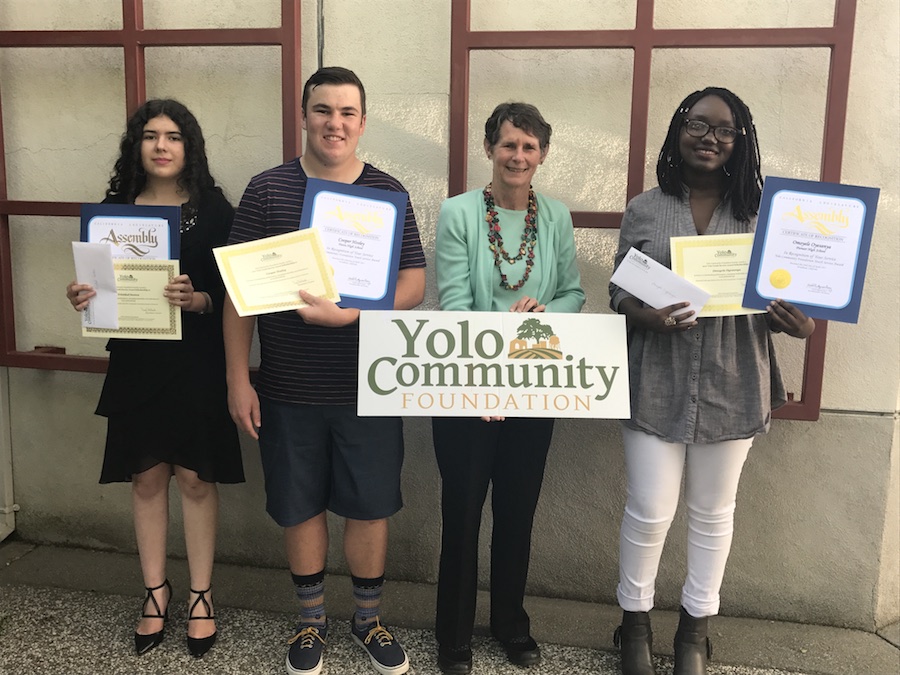
In support of education advancement, the Yolo Community Foundation is launching a new program called the Buck Education Grant, which will support early childhood and K-12 education efforts in Yolo County. The foundation will consider STEM-related education, literacy and the arts.

The Buck Education Grant stems from the Frank H. and Eva Buck Foundation, which was founded in 1990 to support education. The foundation ceased operations during the spring of 2016, which marked the 25th anniversary of its scholarship program.

Beverly Sandeen, the executive director of the Yolo Community Foundation, explained how they were still able to receive funds for this education grant through the Buck Foundation.

“Since the Buck Foundation closed in 2016, they had to give out their assets to other nonprofits,” Sandeen said.

Meg Stallard, the board president of the Yolo Community Foundation, explained how the two foundations remained connected even after the Buck Foundation closed.

“The Yolo Community Foundation was established around 2001 by people throughout the county who wanted to support philanthropy,” Stallard said. “One of their early programs was giving grants, and they got money from the Buck Foundation and they gave these grants to teachers and specific classroom projects. This was the initial contact with the Buck Foundation.”

Since the Buck Foundation’s closure, the foundation is still looking to distribute its assets to local nonprofit organizations — like the Yolo Community Foundation — that want to be involved in education.

“They were looking for other places to do their grants and reached out to us and gave us money to grant out to the county,” Stallard said.

Nora Moore Jimenez, the grants committee chair for the Yolo Community Foundation, described the foundation’s philanthropic goals to contribute to the community. Education is only a small sector of what the foundation focuses on; the foundation wants to assist all parts of the community in any way that it can.

“The Yolo Community Foundation is a public foundation that focuses on philanthropy, and the way it does that is to help community members pursue their own goals and also distribute funding to local community nonprofits,” Jimenez said.

The Buck Education Grant will focus on the parts of education that have the most need. Jimenez stresses how important education is, especially literacy, in Yolo County. Moreover, the community foundation hopes to provide more support to parents, as they are crucial assets in students’ wellbeing and success.

“The grant is focused on literacy and reading at grade level, which is a need in Yolo County, and it would also support general education, art education, early childhood education and, more importantly, encourage parental involvement,” Jimenez said. “Those are all needs within Yolo County schools, and the fact that this grant can support the initiatives over the long haul and help with those grants inspires me.”

The emphasis on literacy is important because communication is a primary source of human interaction.

“What we are looking for is improvement with literacy and a program or programs that will help kids to learn to read and write and encourage parents to become more involved with their children in schools,” Stallard said. “Studies do show that students with parental involvement tend to do better in school, [especially] with my personal experience, having watched it throughout the years.”

This education grant will contribute to the bigger picture with regards to kids’ futures. It will not only provide assets but will also allow the community to come together and support education more so than it has in the past.

“I’m excited because this is one of the largest grants of its kind, and our mission is to inspire and support giving and provide leadership throughout Yolo County, so we want to live that mission,” Sandeen said.

This education grant could kickstart a new motivation to change the education system and keep improving the community.

Proposals for the grants start on Oct. 31 for those interested in applying, and the Yolo Community Foundation will be making a decision by the end of December.


Written by: Stella Tran — city@theaggie.org

Three new Tercero dormitories welcome new class to UC Davis

BRIAN LANDRY / AGGIE

Tercero Phase Four project also includes communal building

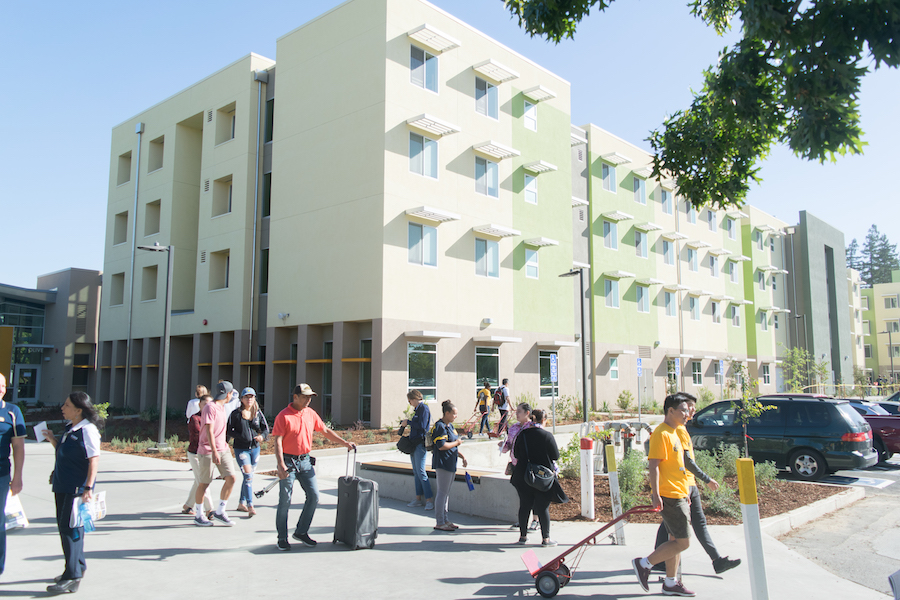
Around 600 first-year students have officially moved into the three recently-opened dormitory buildings in the Tercero area. The three new residence halls are part of the student housing development project referred to as “Tercero Phase Four” –– a $59.1 million project which, in addition to the new residence halls, also includes a communal building.

New amenities include common areas, a fully-equipped kitchen, a quiet study lounge, a wellness room and a gaming room where students can take advantage of multiple gaming stations as well as foosball and air hockey tables.

“We’ve got a music room, so I can practice, and an outdoor kitchen area,” said Zak McGaugh, a first-year political science major living in the new Tercero dorms.

Students can enjoy more square feet in the new dormitory rooms as well as comfortable floor lounges. Tanner Gross, a first-year psychology major and a new resident of Redwood Hall, said he was surprised by the layout of his room.

“The room is way bigger than I thought it would be,” Gross said. “I really like the community aspect of [the] housing.”

Redwood Hall is one of the three new dorm buildings in the Tercero dormitory area. The building itself has multiple fanned wings to accommodate a nearby grove of redwoods that can be seen from the dorm rooms. Dotted throughout the area are sprawling old cork oak and redwood trees.

“The cool thing about an existing site is that it forces the architect to be creative with the design,” said Mike Sheehan, the director of facilities services for Student Housing and Dining Services.

The three new dorm buildings are Cottonwood Hall, Redwood Hall and Madrone Hall. Olive Hall is the newly-opened communal building. All four buildings are named after trees that grow throughout the UC Davis campus.

Sheehan, who accompanied The California Aggie on a tour of the new residence halls, actively sought out student feedback and opinions of the new spaces.

Sheehan said his team is striving for a LEED Gold rating for Tercero Phase Four’s sustainable design. Around the new buildings are drought-resistant plants, permeable surfaces for bike parking and recycled water used throughout the site. Some of the site’s surrounding natural elements have been worked into the design. In Olive Hall, wood that was originally used in Leach Hall, a former residence building which has since closed, has been reclaimed and refashioned into a large sliding door.

Students can also look forward to Tercero Dining Commons 2, projected to open in 2019.

“There will be a traditional dining facility,” Sheehan said. “And then the other portion will be a retail dining property.”

According to Sheehan, the dining commons is slated to include a sushi area, a smoothie bar and international cuisine.


Written by: Ally Russell — campus@theaggie.org