54.2 F
Davis

Davis, California

Friday, December 19, 2025
Home Blog Page 627

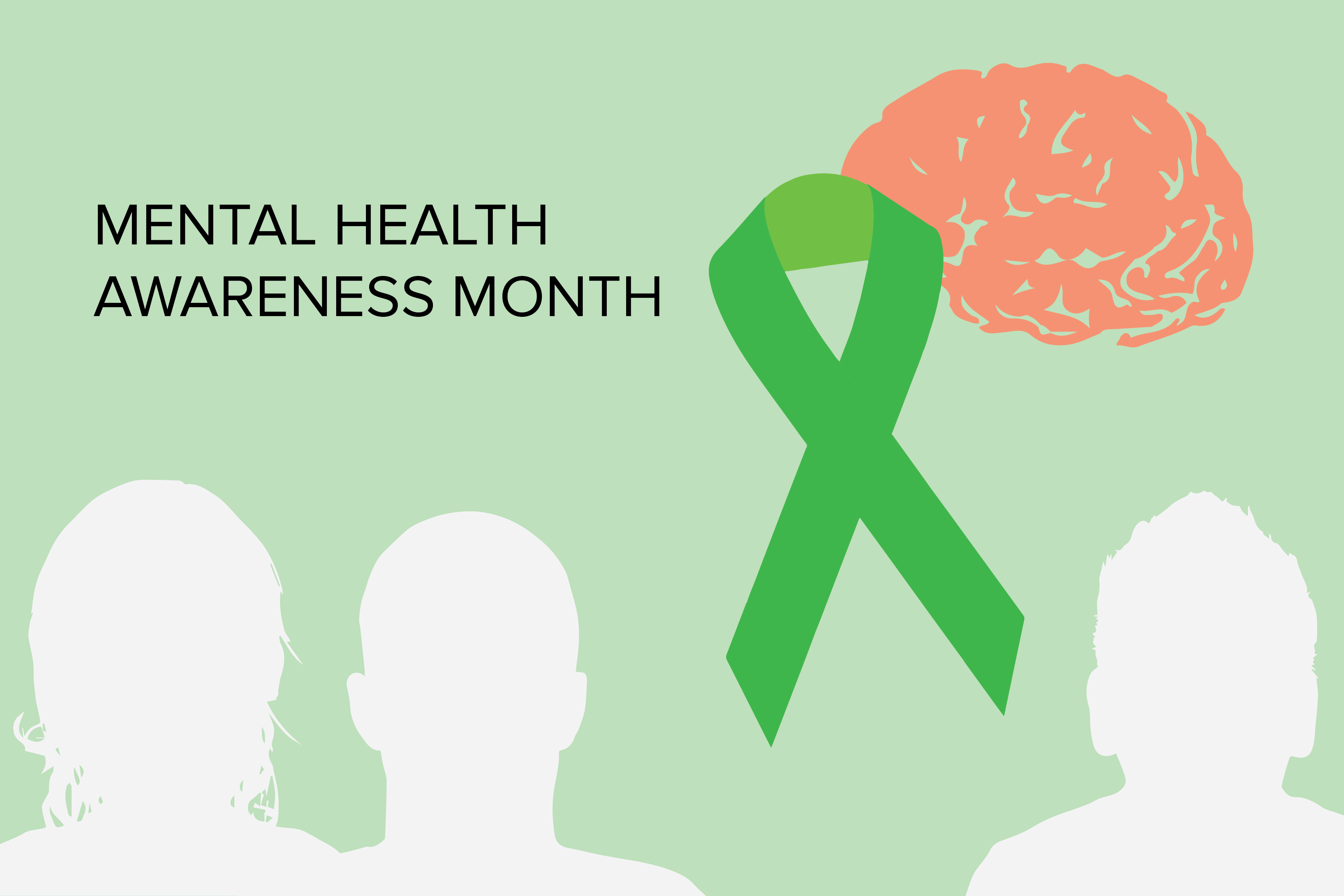
UC Davis celebrates its first Mental Health Awareness Month in May

NICKI PADAR / AGGIE

Month hopes to engage students with mental health dialogue

For the first time, UC Davis is hosting Mental Health Awareness Month this May as a component of the UC Davis Mental Health Initiative. The month was organized by ASUCD Senator Samantha Chiang, a third-year English and psychology double major, who also successfully planned the first ever UC Davis Mental Health Conference in February.

Chiang started planning the awareness month shortly after the Mental Health Conference. She had a large team of volunteers and board members to assist her in planning the initiative.

According to the The UC Davis Mental Health Initiative Facebook page, the initiative “aims to engage students in destigmatization and education efforts, prompt attendees to organize around mental health issues and offer them the opportunity for self-reflection and healing through mental health discourse.”

In the future, Chiang hopes to start planning earlier for Mental Health Awareness Month so that the preparations for the conference and awareness month can overlap. Funding for the initiative this year came from ASUCD, UC Davis Student Affairs, UC Davis Campus Stores and Acacia Counseling & Wellness. The initiative is comprised of 53 events throughout the month.

“Everyday we have multiple events hosted with different departments, student organizations and centers on campus,” Chiang said. “We’re working with four out of five centers housed within the Student Community Center, […] Student Health and Counseling Services, specifically Health Education and Promotion, Office of Advocacy and Student Representation, Intercollegiate Athletics, as well as all of the mental health organizations on campus — Active Minds, Students Against Suicide and National Alliance on Mental Illness (NAMI).”

Chiang is excited about the “Affirmation in the Dorms” event, in which volunteers will table at various dining commons and encourage students to write positive affirmations to themselves or to other students.

“There’s so much psychological research that shows the good outcomes of writing yourself affirmations as well as writing other folks gratitude letters,” Chiang said.

The keynote speaker from the Mental Health Conference, Monica Porter, an attorney of the Disability Rights Advocates organization, will be returning to Davis to host a Know Your Rights seminar about how mental health fits into the frameworks of disability rights advocacy and legally entitled disability accommodations.

Another event Chiang is looking forward to is having State Assemblymember Kevin McCarty, author of legislation AB 2017, come to campus.

“AB 2017 proposed a $40 million grant […] to go towards mental health in the UC, CSU and community college systems,” Chiang said. “Unfortunately this was vetoed by Governor Jerry Brown but Assemblymember McCarty is working on reintroducing this in the budget for this year. Hopefully we’ll be able to see some very tangible outcomes in terms of funding allocated for UC direct mental health services.”

Many events during the awareness month are collaborations with departments on campus. The bookstore will hold a display with sales of Mental Health Awareness Month shirts and a 25 percent discount will be given on books concerning mental health on the first Friday of May. The Coffee House’s drink of the month will be strawberry basil lemonade because the drink’s colors are similar to the Mental Health Awareness Month logo.

Jacklyn Leonardo, a fourth-year neurobiology, physiology and behavior major and NAMI president, got involved after feeling the need to help raise awareness which will in turn allow students to help themselves and others. Leonardo believes that while it is not possible to completely break the negative stigma against mental health in such a short duration, the Mental Health Awareness Month can educate the students on available support and allows people to learn more about mental health clubs on campus.

“Mental health isn’t something that people know how to talk about, and if we have a whole month dedicated to it, it gives everyone space and time to slowly learn the dialogue,” Leonardo said via email. “It’s been so shunned that many don’t even know what the stigma actually is and if they have it at all.”

Emily Prieto-Tseregounis, the assistant vice chancellor and chief of staff to the vice chancellor of student affairs, met Chiang on The Council on Student Affairs on Fees (COSAF) and is also involved with the mental health initiative.

“We are funding a pretty big portion of the mental health awareness month,” Prieto-Tseregounis said.

Prieto-Tseregounis explained that it is a priority of the Division of Student Affairs to increase mental health awareness and resources for students. Prieto-Tseregounis explained that there will be a new executive director of health and wellness starting July 1.

“She has been charged with making this an absolute top priority to address the overall physical and mental health of the students,” Prieto-Tseregounis said. “She will be looking [to make sure] we have the leadership in place, the resources and support to be in the best place to support our students.”

Each week’s events for the Mental Health Awareness Month are available on the event page and there will be tabling every day from 11:30 a.m. to 1:30 p.m at the Memorial Union.
Written by: Jayashri Padmanabhan — campus@theaggie.org

MRIs successful without sedation in children with autism

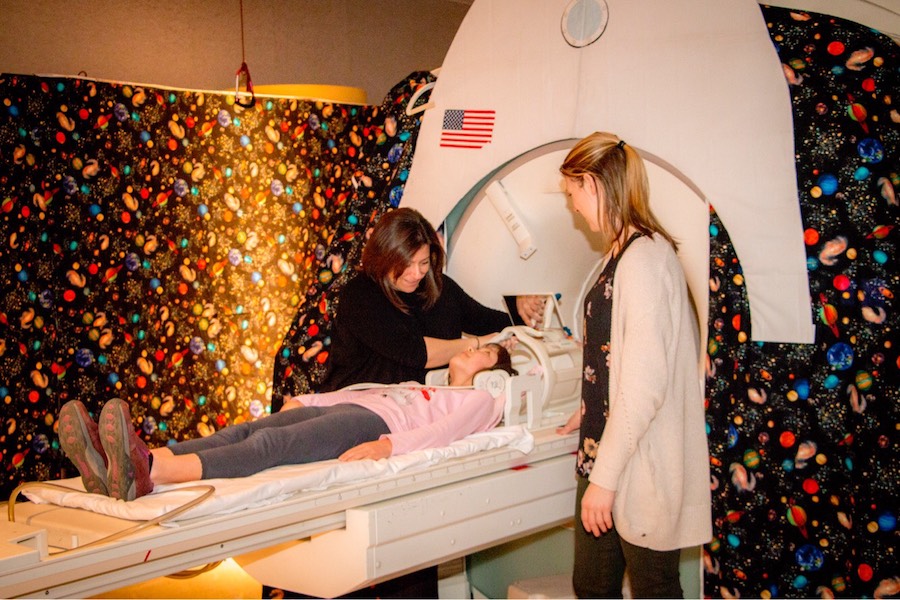
CHRISTINE NORDAHL / COURTESY

Applied behavioral analysis eliminates need for sedation in high quality brain scans, advances understanding of the disorder

Autism Spectrum Disorder (ASD) occurs in about 1 in 68 children, affecting all racial, ethnic and socioeconomic groups. The prevalence of this developmental disability prompts both researchers and impacted families to seek a better understanding of ASD.

Christine Nordahl, a UC Davis MIND Institute faculty member and an assistant professor of psychiatry and behavioral sciences, published a study on obtaining high quality Magnetic Resonance Imaging (MRI) brain scans in children with severe autism without using sedation.

Board-certified behavioral analysts worked with the children to provide a safe and comforting environment in order to achieve a successful scan.

“The MRI studies are critical for understanding differences in the brains of people with ASD, which will provide clues about the causes of the condition and eventually potential biological treatments to optimize outcomes for affected people,” said Leonard Abbeduto, the director of the MIND Institute and a professor in the Department of Psychiatry and Behavioral Sciences.

MRI scans provide information about the organs and structural components that cannot be seen with an X-ray or computed tomography (CT) scan.

The goal of the study was to understand the neural basis of autism. Before finding a treatment for the disorder, scientists must first understand what is going on in the brain.

The study aimed to gain high quality structural MRI images in children with ASD, aged 9 to 13, without using anesthesia or sedation.

“Much of the previous research using MRI has been limited to higher functioning individuals with ASD who can understand verbal instructions and can remain still in the scanner for long periods of time independently,” Abbeduto said.

The lack of MRI scans of more severely impaired individuals with ASD seriously limits the understanding and ability to develop treatments for them.

“This means that much of what we know about the brain may only be applicable to a subset of individuals with ASD,” Abbeduto said.

Previously, applied behavioral analysis (ABA) has been used to prepare children with ASD or other intellectual disabilities for clinical visits to the dentist or other medical appointments.

ABA therapy is a technique centered upon bringing positive change in behavior, often paired with social or tangible reinforcement for completion of a certain task or supportive measure.

“Essentially, we are combining the expertise of the behavioral analysts and research to get successful MRI scans,” Nordahl said.

Some of the behavioral strategies the analysts utilized were peer modeling and increasing the sense of control and motivation with the aid of positive reinforcers.

In addition, children were prompted with verbal reminders, visual timers and countdowns to help create a relaxed environment throughout the scan.

The requirements of an MRI scan include being able to lie still for thirty minutes in a confined space while being able to withstand loud banging noises from the machine.

“For a child with severe deficit or intellectual disability, this is hard for them [because] they need extra guidance and familiarization to get them through the scan,” Nordahl said.

A technique used sometimes to achieve successful MRI scans of children with ASD is the use of sedation, specifically general anesthesia. Although general anesthesia poses minimal risk, many families prefer not to have their children sedated and choose not to participate in the imaging process. This causes a lack of valuable MRI scans that could be used to study the disorder in more detail.

“There are few previous studies about analyzing MRI scans of children with severe ASD, but in those cases, those children were all sedated,” Nordahl said. “We wanted to take that [sedation] risk out.”

The researchers of the study aim to share their improved and safer methods for obtaining high-quality images in a broader spectrum of children with ASD. The ABA therapy provided by behavioral analysts was performed in a mock MRI setting to adequately prepare the child as much as possible for a successful scan. A critical component of the researchers’ success was open communication with the families of the participants.

Interaction with families is absolutely integral for obtaining successful scans and keeping the child comfortable throughout the process. For example, the child was allowed to pick their favorite movie to watch during the imaging process.

Other questions directed to the parents included how sensitive their child was to sound, and if they were able to wear headphones to perhaps block out sound or listen to music. Through open communication with families, researchers were able to achieve a 94 percent success rate of high quality MRI scans.

In regards to the scientific field studying any disorder, it is important to study as many cases as possible. These new methods combining ABA to achieve successful MRI scans has provided significant information to researchers about understanding ASD that was previously lacking.

“After seeing their child successfully complete the MRI scan, many families leave feeling very proud of their child and can’t believe their child completed it,” said Melissa Mello, a board certified behavior analyst at the MIND Center. “I think doing this successfully proves just how much children with autism are capable of.”

The authors of this study hope their methods can be used by other scientists to gather critical information about the disorder.
Written by: Shivani Kamal — science@theaggie.org

May Event Calendar

NICKI PADAR / AGGIE

What to look forward to this month

Relay For Life, Sat. May 6 – Sun. May 7

Where? Russell Field

When? 10 a.m – 10 a.m

What is it? Support an amazing cause by participating in Relay For Life, a 24-hour long event dedicated to fundraising for the American Cancer Society. Throughout the event, participants from each team take turns continuously walking around the track. Meanwhile, each team hosts various games, food, activities and more at their campsites. Don’t miss this opportunity to get involved and make a difference! Join a team at https://secure.acsevents.org/site/SPageServer/?pagename=relay.


Whole Earth Festival, Fri. May 12 – Sun. May 14

Where? UC Davis Quad

When? Noon – 10 p.m

What is it? Celebrate UC Davis’ 48th annual Whole Earth Festival this Mother’s Day weekend for a day filled with live music, dance performances, artwork, workshops and fun! The entire event emphasizes eco-friendliness and sustainability in order to celebrate the preservation of our beautiful planet.


3rd Thursdays at the Manetti Shrem Museum of Art, May 18

Where? Jan Shrem and Maria Manetti Museum of Art

When? 5 – 9 p.m

What is it? Enjoy a night of fascinating art exhibitions, live performances, craft events and more on every third Thursday of the month at UC Davis’ very own on-campus art museum. Experience new exhibitions by artists Sadie Barnett, Marc Johnson and more.


Davis Pride Festival and Run for Equality, Sun. May 21

Where? Central Park, Davis

When? 9 a.m

What is it? The Davis Phoenix Coalition invites all members of the community to participate in the Davis Pride 5K/10K run/walk to raise awareness in regard to the prevalence of hate crimes against the LGBTQIA+ community. Davis Pride strives to promote a safer, more inclusive space for all. Register at http://davispride.org/.


St. Lucia, Sat. May 27

Where? Opera House Ballroom at Margrit Mondavi Theatre

When? 10 p.m

What is it? Take a trip to the beautiful Napa Valley to see what is sure to be a breathtaking performance by St. Lucia for a night of indie-electronic sounds. The South Africa-born musician will most likely be featuring his newest album, Matter, which was released last year. St. Lucia’s unique synthpop style is catchy and even a bit nostalgic, with the use of booming drums, keyboards and electronic beats throughout.
Written by: Sydney Odman — arts@theaggie.org

Vaccinating the UC

HANNAH LEE / AGGIE

New vaccination policy should help ensure a healthy student population

The University of California (UC) is instituting a new policy that will require incoming students to be vaccinated, starting Fall 2017. This new policy follows in the footsteps of the 2015 California Senate Bill 277 (SB 277), which removed a number of exemptions to vaccine requirements for public and private elementary and secondary educational institutions. SB 277 was followed by an outpouring of dissent, but 95.6 percent of kindergartners in California completed vaccinations for the 2016-2017 school year.  

The change in vaccine requirements has caused controversy, as opponents of vaccines believe that the new policy infringes on constitutional law. However, the UC system has made it clear that the impact of this new policy will mean a safer, healthier campus. The UC system has had multiple cases of infectious diseases every year, including a case of meningitis at UC Davis in February of 2015.

For those who cannot receive vaccines for health reasons, such as an allergy to the vaccine or a congenital condition leading to an impaired immune system, the new policy will offer “herd immunity” from life-threatening diseases.

The Editorial Board supports the new UC policy in the light of the potential for a campus-wide outbreak. The illnesses mentioned above have been largely eradicated due to vaccines. Vaccines work and they protect those who are susceptible to illness but who cannot receive vaccines for medical reasons. In the interest of protecting every student on campus, it is imperative that exemptions to vaccines for non-medical reasons are denied.

However, we recognize that there are hurdles to jump in order to get full participation UC-wide. How much more work will have to be done on the administrative level in order to ensure that all students are up-to-date on their vaccinations? What if a student can’t afford to get vaccinated?

Luckily, the UC system has been phasing in vaccine requirements for the last three years. As of 2016, all incoming UC students were expected to have the required vaccines and campuses have been working to make students aware of the upcoming requirement. On the Health-e-Messaging system for UC Davis, the home page states the following message: “All entering UC Davis students are required to complete a Tuberculosis Risk Screening Questionnaire and provide Proof of Vaccination against: Measles, Mumps, Rubella (MMR), Varicella, Tdap, Meningitis (under age 22 only).”

The Affordable Care Act has made vaccination much more accessible. According to the U.S. Department of Health and Health Services website, if a student is uninsured, the Vaccines for Children (VFC) program may also be able to help. VFC is eligible for those under 19 years of age and provides vaccines at no cost. “Underinsured” individuals, or those who have health insurance that does not cover vaccinations, can receive VFC vaccines through Federally Qualified Health Centers or Rural Health Centers.

This editorial board hopes these measures will help spread awareness on the importance of getting vaccinated, and we encourage those who are not up-to-date on their vaccines to head over to the Student Health and Wellness Center or a private physician. Find more information on vaccination exemptions and requirements from the University of California Immunization Exemption Policy document.

Fossil Free UC Davis demonstrators hold overnight sit-in at Mrak Hall

ALEXA FONTANILLA / AGGIE

Organization demands UC’s $2.5 billion divestment from fossil fuel industries

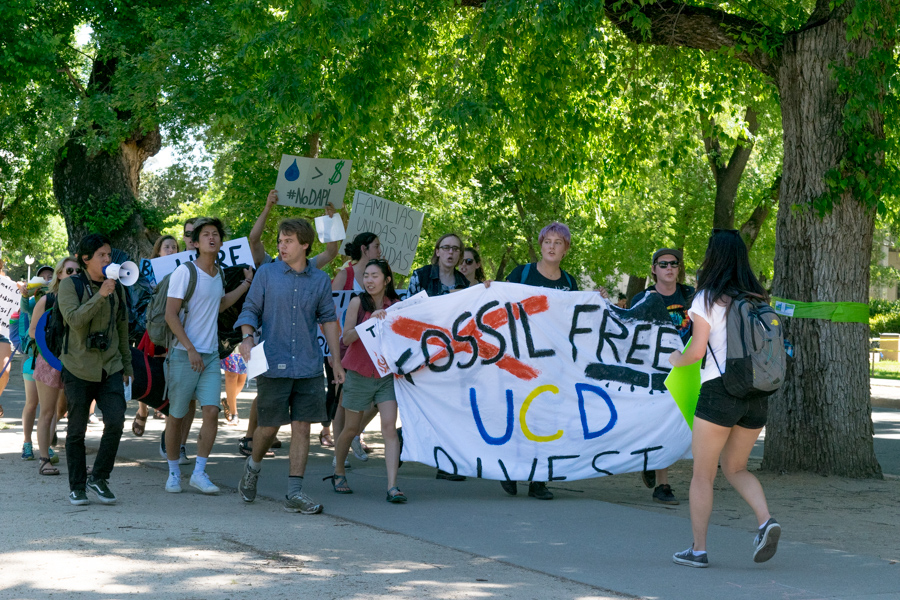
Students gathered at the Memorial Union (MU) Quad on May 2 to join in Fossil Free UC Davis’ movement, “UC Direct Action: Divest from Fossil Fuels.” Following the march, students began a sit-in at Mrak Hall, which they plan to continue until their demand is met — that UC Regent Richard Sherman divests from the UC’s 2.5 billion dollar stake in companies that support fossil fuels.

Currently, the UC system has close to three billion dollars invested in companies that heavily rely on fossil fuels for their industry.

The Fossil Free UC Davis demonstrators began their protest at the MU flagpole by holding signs that read, “Time is running out,” and chanting phrases such as, “Hey Sherman, hey you, we deserve a future too.” The activists then made a lap around the Quad before marching to Mrak Hall.

“We’re going to sit-in until [the UC Regents] agree to meet with us, because the University of California has $2.5 billion invested in the fossil fuel industry and when we’re claiming to be green and sustainable, it’s super hypocritical,” said Evan Steele, a fourth-year environmental policy and planning major. “With the current federal administration being climate deniers, it’s really crucial that we as a scientific community and as a community that invested in our future that we acknowledge that climate change is real and that we act upon it. We are trying to get the University of California Regents and Regent Sherman who is in charge of investments to listen to the voices of their students.”  

The sit-in at Mrak Hall began the afternoon of Tuesday, May 2, and according to the group’s Facebook page, its protest was arranged with facilities management. Fossil Free UC Davis made an agreement to only occupy the space during business hours. In return, the students would be allowed to continue their sit-in each day.

On May 3, the Fossil Free UC Davis affiliated students arrived at Mrak Hall at 8:00 am. According to Sarah Risher, a third-year environmental policy and planning major, the organization had managed to contact members of the UC Davis administration, such as Interim Chancellor Ralph J. Hexter and various other administrators, who said that they would assist in helping the protesters speak to Sherman. Sherman later said that he could not meet with the protesters.

“We will continue this sit-in for however long is necessary,” Risher said via e-mail. “We are waiting to hear back about Sherman’s schedule. We are trying to coordinate a time that works best with all involved parties.”

During the evening on May 3, the group’s Facebook page reported that the protestors were being asked by administration to leave the building and were taking names and student ID numbers of those remaining in Mrak Hall after the group was shown the campus’ policy on civil disobedience. A number of students decided to spend the night in camps set up both inside and outside of the Mrak Hall lobby, despite facing possible Student Judicial Affairs action and police action.

Students involved expressed their views that this protest was vital, as climate change is a growing global threat.

“If you‘re not part of the solution, you’re part of the problem,” said Therese Burns, a second-year evolution, ecology and biodiversity major. “People don’t have an excuse not to care about this because you eat food, you live on this planet, you breathe the oxygen, chances are you’ve been in a car. You have no reason not to take even a few steps in the right direction because it affects you and everyone else. Being complacent isn’t helping anyone and being active is the only way to be.”

The UC Davis Fossil Free student chapter’s protest is the latest in a series of movements put on by other UC chapters, all aiming to encourage UC Regents to support green industry and divest money from indirectly or directly supporting fossil fuels. UC Berkeley held a sit-in at Sproul Hall on April 24, and UC Santa Cruz had its own “Divest from Fossil Fuels” protest on April 20.

The Fossil Free UC Davis Facebook page also offers the phone numbers of Sherman, the Chief of Investments Office and the Regents administrators. Student activists encourage others to call these numbers to increase dialogue between the campus community and UC Regents regarding the UC’s fossil fuel investments.


Written by: Lindsay Floyd  — campus@theaggie.org


California drought declared officially over

CHELBERT DAI / AGGIE FILE

Governor Jerry Brown announces end of drought emergency

Governor Jerry Brown signed an executive order officially ending the state of emergency surrounding California’s multi-year drought on April 7.

The last five years have been the driest on record in California, with record-breaking temperatures in the triple digits and the amount of rainfall and snowpack far below average.

In 2014, three years into the drought, Governor Brown issued an executive order declaring a state of emergency.

“I find that conditions of extreme peril to the safety of persons and property exist in California due to water shortage and drought conditions with which local authority is unable to cope,” Governor Brown said in the executive order.

The order called for a reduction of California water consumption by at least 20 percent and requested “local urban water suppliers and municipalities” to “implement their local water shortage contingency plans immediately.”

The local Davis contingency plan includes restrictions on watering outdoor plants between 9 a.m. and 6 p.m., with further restrictions on how many days per week watering is allowed. Washing off driveways, sidewalks or cars with a hose is outlawed. In addition, restaurants are only permitted to serve water upon request. In 2016 alone, Davis residents reduced their water usage by 22.6 percent.

During the previous winter, California received its highest amount of rainfall in 122 years, with an average of 22.81 inches of rain; in Gov. Brown’s most recent executive order overturning the drought emergency, he noted that California snowpack was at “164 percent of the season average”, and that the “great majority” of California reservoirs are holding an amount of water “above normal levels.”

Governor Brown officially declared the California drought over, but also stated in his executive order that water conservation in California needed to become “a way of life.”

“Improving water use efficiency […] and strengthening local and regional drought planning are crucial to California’s resilience to drought and climate change,” Governor Brown said in the order. “The [Water Board] shall continue development of permanent prohibitions on wasteful water use.”

According to the Federal Drought Monitor, California is roughly 77 percent free of drought. However, drought conditions still persist in the Fresno, Kings, Tulare and Tuolumne counties, as well as in much of Southern California. Despite Southern California’s desert-like climate, it received slightly above its average amount of rainfall for the year, and Gov. Brown’s continued contingency plan is expected to help the 23 percent of California still in a drought.

“The way water is stored in [Southern California] is through underground aquifers,” said Kerjon Lee, the public affairs manager for Los Angeles’ Public Works Department. “The reason Southern California isn’t quite out of the drought yet is because those groundwater basins haven’t recovered yet, after five years of drought conditions.”

As for the counties of Fresno, Kings, Tulare and Tuolumne, Governor Brown has extended the contingency plan to provide drinking water to those counties with exceedingly diminished groundwater supplies.

Statewide efforts will continue to conserve water and many rules will remain the same — cities throughout California have been instructed to continue to enforce their own contingency plans concerning water conservation as Governor Brown stresses the importance of water conservation becoming “a way of life.”

“This drought emergency is over, but the next drought could be around the corner,” Governor Brown said in a press conference.

Written by Caitlyn Sampley — city@theaggie.org

What’s in today’s lunch box?

HANNAH LEE / AGGIE

How busy students find the time to eat lunch

College comes with many new challenges, but few would guess that lunch would be one of them. Many students who are on campus for a large portion of the day do not have time to go home and eat lunch. They find themselves making the choice to either buy food on campus or preparing a lunch ahead of time. Students oftentimes tend to be strapped for time and money,  too, so taking the time to prepare a lunch versus buying one can be a difficult decision.

Timothy Cater, a second-year microbiology major, has mastered the art of preparing his meals at the beginning of the week.

“I generally bring something that fits in a small tupperware that I can take with me,” Cater said. “Meals always center around some carb because those are easy and cheap. I’ll add a good vegetable that’s in season on that to keep it healthy.”

Cater decides what his meals will consist of based on how easy it is to cook a specific meal and how well it lasts throughout the week.

“I make beans once a week,” Cater said. “Also, spanish rice is super easy, and that’s like a perfect combination. I can generally have that three to four times in a week before I finish one recipe of it.”

Some days Cater adds hot sauce to his bean and rice dish, and other days he will bring a tortilla and cheese. Cater picks meals that he can add a different twist to throughout the week in an attempt to mix up what he is eating.  

“Something that is really basic is good to use,” Cater said. “You can rip off of it in different ways and have it packed in the fridge.”

While Cater finds it easy to plan and prepare his meals ahead of time, other students, like Sarah Rotondo, a fourth-year clinical nutrition major, take a less calculated approach to lunch.

“I have had quarters [when] I haven’t been able to go home for lunch,” Rotondo said. “I usually went to South CoHo or the Silo [or] I would pack something.”

Rotondo does not plan out her lunches for the week. Her lunch varies depending on if she has leftovers from dinner — that is, if she has the time to pack a lunch at all.

“I bring leftovers from the night before [that] I can heat up,” Rotondo said. “For grocery shopping I try to get at least a few meals […] mostly for dinner stuff and out of that I make stuff for lunch. I don’t really plan it, I guess I just wing it.”

Some students, like Sandeep Rai, a third-year human development and psychology double major, forgo packing a lunch altogether and instead choose to buy food on campus.

“I’ve tried bringing lunch to school but it’s too much,” Rai said. “I would forget some stuff at home and then I’d end up going to the CoHo or the Silo.”

Rai found that preparing her lunch ahead of time took more effort than it was worth.

“I just get too lazy to bring it,” Rai said. “I’d have to bring [my lunch] in a separate bag and I’ll forget to pick it up after class.”

While eating on campus may be more convenient for some students, Rai has found that the selection of food offered on campus can start to get boring over time.

“I wish there were more options here in the CoHo,” Rai said. “The Silo is fine but [the CoHo] is just the same old stuff and plus the lines are really long so when you’re in a rush it’s hard to get in and get out.”

Like Rai, Cater found that having the same basic foods for lunch can become bland, even when he adds different toppings and flavors. While Cater does not have to deal with the lines in the CoHo, he does have to think up more creative recipes in order to please his taste buds.

“The thing about meal prep is that you get a little monotonized — where you keep eating the same meal everyday,” Cater said. “Sometimes I’ll have two different meals going [at once].”

Cater offered advice for students who are trying to get into the habit of preparing their lunches ahead of time.

“This isn’t top chef or anything but make something that you want to eat,” Cater said. “Find something you like. Make something that you know that is easy, fast, and that is good.”

Cooking, planning or budgeting are all life skills that students can pick up from lunch.

“The only person you are trying to impress is yourself,” Cater said. “As long as you can eat it, you feel happy after you’re done, you should be good.”


Written by: Elizabeth Marin  — features@theaggie.org

Photo of the Week: 5/3/2017

The end of a Day in Davis. (DIANA LI) li

UC Davis partners with SEaB Energy to research sustainable energy generation

MORGAN TIEU / AGGIE

Research on SEaB’s FLEXIBUSTER to be conducted at U.S. Naval Base in Ventura County

In order to tackle food waste concerns, UC Davis researchers are collaborating with the SEaB Energy company to install sustainable energy technology at a United States Naval Base in Ventura County this fall.

Making its way from Southampton, United Kingdom, SEaB’s FLEXIBUSTER is an anaerobic digester (AD) designed to convert organic waste into energy and heat for immediate use, according to the SEaB website. Through grant-funded research by the California Energy Commission, the principal investigator, UC Davis Associate Professor Edward Spang, will lead his team in studying the AD at a prototypical scale from Oct. 18, 2017 to Oct. 18, 2021.

“This is a prestigious win for SEaB Energy and gives us coast-to-coast visibility in the US where we already have a burgeoning pipeline of contracts to fulfil this year,” said Sandra Sassow, the SEaB Energy CEO and co-founder, in a press release. “British engineering and manufacturing has an important place in the U.K. economy, and we’re very proud to be creating jobs and exporting worldwide.”

As an associate professor in the Department of Food Science and Technology and the associate director at the Center for Water-Energy Efficiency, Spang was interested in the research because he believes that there is potential for many prevention efforts to address food waste. His concerns lay in the fact that 30 to 40 percent of food in the U.S. is misused, according to the U.S. Department of Agriculture website.

Spang stressed the importance of finding alternative disposal methods of organic waste to prevent greenhouse gas emissions by methane.

“The project is focusing on this issue of diverting organic waste […] away from landfills,” Spang said. “There’s always going to be food waste. This project was looking into how we can take some of those food waste streams and convert it back into reusable resources as energy.”

The research will be conducted in Ventura County with the help of Biodico, a sustainable energy and biodiesel production company, as it already has a cooperative research and development agreement with the US. Navy. Additionally, Biodico has a preexisting network of food waste providers from the naval base and other institutions in the area that will be suitable for Spang’s research.

“Our company philosophy is [to] produce clean energy from locally available resources,” said Trey Teall, the vice president of operations at Biodico.

The physical FLEXIBUSTER will be at the naval base for Biodico to operate the system and aid in the collection of data. However, it will be monitored remotely by the research team in Davis to evaluate and improve the AD’s performance on a larger scale.

“[We will evaluate] the potential economic and environmental costs and benefits of deploying this size of technology versus some of the larger technologies that we’re familiar with,” Spang said.

Though Spang’s team consists of only a few UC Davis faculty, their study will be shared with the campus community through presentations. Student teams will also have the opportunity to contribute to the research. Spang said the team will use SEaB’s small-scale AD’s to determine how the system would work in full force.

“There’s a tradeoff between energy required to transport the food waste to the anaerobic digestion site and the amount of energy actually produced by the digester,” Spang said. “There’s a value in keeping the digester closer to the waste source so you don’t lose energy in its transport.”

Andy Pyke, the SEaB sales manager, said the project will hopefully prove the “viability of [..] converting organic waste into energy.”

“It really is a privilege to be involved with an American university and have our technology be brought out to California,” Pyke said.

Spang hopes the research will yield promising results for the future of recycling organic waste through sustainable energy technology.

“We do have quite a bit of wasted energy, water and food,” Spang said. “[But] there’s a lot of potential for us to be more efficient across these resources [and] for cities and communities to be more sustainable.”


Written by: Jeanna Totah — campus@theaggie.org

Humor: Legislators pass bill designating weekends “for the boyz”

DOMSTERSCH [(CC BY-NC 2.0)] / FLICKR (changes made)
Finally, a law I can get behind

After months of lobbying and protests, legislators in a recent congressional session finally voted on and passed a bill to designate weekends “for the boyz.”

The bill was introduced to Congress after UC Davis fraternities decided to form a super PAC. With their monthly dues all put towards the same goal of creating a weekend specially designed for the boyz, the fraternities were able to create serious traction in the Davis community, and eventually their movement caught on at a larger scale.

The movement went national and there were a lot of congratulatory remarks, like “nice job, bro,” and “seven, seven, seven.” But the bros knew their work was not quite done. They had to get the backing of some congressman or congresswoman.

The fraternities did what they knew best to try to make the change they wanted to see in the world: they held killer ragers. Congressmen and congresswomen such as Nancy Pelosi could be seen taking shots. There was Kevin McCarthy playing beer pong with Paul Ryan while talking about plans to secure the Republican majority in Congress. Bernie was doing that thing in which you chug a ton of beer through a hose. It was crazy. But by the end, after most of Congress had either fallen asleep on the floor or thrown up a lot, they were all in agreement that weekends most certainly should be made for the boyz.

In a moving display of bipartisanship, party leaders from boths sides of the aisle came together, one after another, to voice their opinion that weekends are truly for the boyz, and that it was not only necessary, but a moral imperative that weekends in general be declared as national holidays for the boyz. At that moment, all who were watching the congressional proceeding were crying or at the very least close to tears.

And I know what you’re thinking: “Why can’t weekends be for the girlz, too?” And my answer to that is I have no idea. Sororities can’t even hold parties in general. I don’t think the girls can even drink in their house. So I guess talk to the guy who made that dumbass rule.

Anyways, enough of that boring egalitarian talk! Weekends are for the boyz! Hell ya!
Written by: Aaron Levins — adlevins@ucdavis.edu

(This article is humor and/or satire, and its content is purely fictional. The story and the names of “sources” are fictionalized.)

From JC to UC

JAY GELVEZON / AGGIE

A look at UC Davis athletes who played first at junior college level

A handful of UC Davis’ athletes have not spent their entire collegiate careers at UC Davis, instead competing for their first two years at a junior college (JC). Although each athlete has different reasons for taking the path from a JC to a UC, oftentimes their experiences prove similar.

Senior quarterback Brock Dale first played football at Long Beach City College. After not getting enough looks right out of high school, Dale chose to go the junior college route and was later recruited to UC Davis by former assistant coach Kevin Daft.

“For me, it was that I wanted to play Division I football,” Dale said. “I wanted to play with the best talent I could possibly play against, whether it was Division I, DII, DIII, whatever it was, but I always thought that I could play at this level […] It ended up being a really good choice.”

Dale was attracted to UC Davis for multiple reasons, one of which being he loved the campus.

“I came up for a visit and loved what I saw,” Dale said. “So I decided that this was the best option for me, especially with academics and the football side. I knew the program was on the up and up, we’re getting better everyday, and with the academics paired with that, you know you’re going to have a successful career after you’re done here with all the connections, the alumni and all that.”

Baseball’s senior catcher Ignacio Diaz was recruited out of Napa Valley College. After sustaining an injury that didn’t allow enough at-bats during his senior year of high school, Diaz had to compete against 75 other players for a spot on the community college’s 35-man roster. Like many other JC athletes, it was up to him to catch the attention of a four-year university — in this case, UC Davis.

“It’s actually pretty funny because my best friend […] called Coach [Matt] Vaughn and we made a video together, and the next day Coach Vaughn was at my game,” Diaz said. “I remember having a pretty good game. I guess he liked it! In a couple weeks, [former assistant coach Tony Schifano] was there, and that’s when he was like, ‘yeah, you’re on our team.’”

UC Davis women’s water polo senior attacker Emily Perry and senior goalie Avery Dotterer were both recruited out of American River College (ARC). The teammates have been playing together since high school and were friends for years prior, although their motivations for playing water polo at ARC differed.

“I have always planned on playing water polo at the collegiate level,” Dotterer said. “I just felt like it would be silly not to since […] I had worked really hard in high school and I really wanted that hard work to pay off somewhere later down the road. I thought that going to a JC and training for two more extra years was going to give me the edge that I needed and it also gave me time to think about what I wanted to do and what I wanted to study.”

Perry was planning to attend a four-year university and not pursue a collegiate athletic career, but her coach at the time convinced her otherwise.

“My high school coach, who was going to coach at the JC that I ended up going to, convinced me that I would regret not playing water polo in college and going this route would be better for me in the long run and I would get to go to UC Davis, which is where I wanted to go for academics,” Perry said.

Both Perry and Dotterer echoed Diaz, saying that they had to present themselves as options for the UC Davis women’s water polo team.

“They don’t really look at community colleges, so you really have to advocate for yourself,” Perry said. “Luckily we had two really great coaches at ARC who really advocated for us.”

Despite playing different sports for UC Davis, each athlete has noticed differences in the caliber of playing, but maintain that the game is the same game no matter where an athlete plays.

“First, it was the playbook,” Dale said. “There’s a lot more complexities, more control for the quarterback as far as making checks and making audibles and all that. Other than that, same game […] A little bit bigger guys, a little bit faster, but nothing you can’t handle. It’s a little bit of a bigger stage.”

For Diaz, the most noticeable difference wasn’t the game, but rather the academics. The transition to UC Davis also included transitioning to a quarter system.

“The biggest [difference], I want to say, is the school,” Diaz said. “At Napa, you don’t really have to worry about school. And then here, you actually have to be at school every day, you have to study, every day homework. And then just the level, [it’s a] day and night difference.”

Transferring to UC Davis for their junior years, all four athletes had to make both the athletic and academic transition.

“For me, it was always a God thing,” Dale said. “He has a plan for us, so I’m on that. I trust in His process in my life.”

Perry, like the other athletes, doesn’t regret the path she chose.

“I think financially and academically, even athletically, it was one of the best decisions I could have made,” Perry said.


Written by: Liz Jacobson — sports@theaggie.org

UC Davis Native American Studies professor receives Mellon Foundation fellowship

ZOË REINHARDT / AGGIE

Liza Grandia’s research will merge social, environmental sciences to study the intersection of toxicology, rights of indigenous communities  

Liza Grandia, an associate professor of Native American Studies, recently received a $270,000 New Direction Fellowship from the Mellon Foundation for her research proposal entitled “Toxic Trespass.”

In her proposal, Grandia detailed the goals of her research.

“[I’ll work] at the interstices of environmental justice, Native American and indigenous studies, and cultural anthropology […] for building new transnational alliances based on mutual vulnerabilities to environmental hazards,” Grandia said.

Grandia will begin her research by spending a year at UC Davis taking toxicology and environmental epidemiology courses.

Zoila Mendoza, a professor and the chair of the Native American Studies Department, expressed her appreciation for the topic that Grandia’s research focuses on.

“UC Davis and the department of Native American Studies are fortunate to have among the faculty people like Professor Grandia who is a committed and engaged scholar who works closely with indigenous communities that rely on informed and effective interlocutors like her in order to fight for their rights and a better future,” Mendoza said via email.

The intersection of different educational spheres particularly interests Grandia.

“At UC Davis, there is an aspiration to bring the humanities and social sciences together with the hard sciences, and I hope to do that,” Grandia said to UC Dateline.

This opportunity will enable her to become “a more productive interlocutor” between indigenous communities and the environmental health sciences.

Mendoza conveyed the same sentiments regarding the importance of an intersectional understanding of socio-cultural and scientific circumstances when approaching issues of human-induced environmental hazard.

“It is certainly crucial in the case of any kind of community, because science and understanding of human and social behavior have to go hand in hand in order to develop strategies that work and that are sustainable,” Mendoza said via email. “Indigenous communities around the world need to have access to knowledge such as that which will come out of Professor Grandia’s interdisciplinary research in order to fight for their lives and rights which are constantly threatened by corporate interests.”

Although some of the courses Grandia will be taking are out of her field, she is nevertheless excited to learn material that will ameliorate her knowledge about toxicology.

“I need to put some organic chemistry where my mouth is,” Grandia said. “In a world in which corporations have released 85,000 chemicals into the environment, I’m interested in looking at the chronic impact it has on our everyday life and rais[ing] awareness about the greater injustices suffered by indigenous people and people of color from environmental hazards.”

According to Grandia, the acquired knowledge from the science courses will “enhance the scientific rigor” of her ongoing research with the Q’eqchi’ Maya people and also help her start her ethnography project on “ordinary people’s cultural perceptions of the risks associated with toxic chemicals in everyday life.”

Grandia further elaborated that in her role as a “translator” between anthropology and environmental science, she strives to know enough about the assumptions behind the science in order to learn the cutting edge environmental health research. By doing so, she aims to connect researchers with indigenous communities.

“In a complex, corporate-dominated world we have to understand the forces of globalization and nationalism that are pinging on the sovereignty and wellbeing of indigenous people,” Grandia said.

Grandia’s attempt to acquire an intersectional understanding of the social and hard sciences sheds light on the importance of a holistic perspective when approaching issues like the construction of the Dakota Access Pipeline and the Standing Rock Sioux tribe.

“The kinds of environmental injustices that indigenous people routinely suffer through the hemisphere and that the native people in America have suffered for a long time just made news this time,” Grandia said.

Grandia recounted her time in Guatemala when a Palm Oil company deforested the rainforest and exuded one of the very few illegal pesticides into the river. This contamination action resulted in the accumulation of several dead species which cost $10 million.

“No one bothered to measure the pesticide in the water,” Grandia said. “It would be helpful to provide the hard data to be used in legal settings but also in political and social movements to validate the citizen science that indigenous people have long had as they compare stories and take note of the health impact in their own lives. In certain political and social jurisdictions [the scientific data] is needed to validate the local understanding of pollution.”

Grandia’s proposal states that she will use a legal principle called “free prior informed consent” (FPIC) from the 2007 UN Declaration on the Rights of Indigenous Peoples in order to “draw attention to the non-consensual presence of synthetic chemicals in the bloodstreams of indigenous peoples […] and virtually everyone else on the planet.”

This inspiration stemmed from an unfortunate turn of events when Grandia was unexpectedly diagnosed with lymphoma. As a result, she was required to go through chemotherapy, which sparked her idea to investigate toxicology.

“To commit to chemo is an act of voluntary poisoning,” Grandia said. “Somewhat consensual, but somewhat not. […] Pumping poisons into my blood that were damaging to my health […] [made me think about] the body burden we are all carrying around, with hundreds of synthetic chemicals in it without permission.”

Grandia is interested in an unconventional approach to the regulation of chemicals in the human body. She would like to explore the interactive effects of the many chemicals that are present in the bloodstream at low doses.

This approach would contrast the single chemical regulation method that measures blood for a particular exposure.

“[This idea is] very new in the environmental sciences, and I think it’s very provocative,” Grandia said. “[I]t has the potential to mobilize new constituencies around environmental chemicals.”

According to Grandia, her efforts for environmental justice take place during a critical point in history when it is important to not only be environmentally conscious but also politically active.

“I think the discourse about eliminating two environmental regulations […] is quite insidious and an ideology we’re going to have to contend with for a long time,” Grandia said. “For every personal defense mechanism that we do to protect our environmental health we need to take steps to protect that civically […] so if you commit an act of green consumerism you should write two letters to Congress at the same time because otherwise we’re not going to push back the anti-regulatory tide.”

Mendoza believes that Grandia’s research will be very successful in bringing attention to environmental and health-related issues.

Professor Grandia’s research will contribute greatly to bridge tremendous gaps between the knowledge that exists in different disciplines, specifically in our campus, and the results will be a well-argued and well-researched corpus of knowledge that will be appealing for large audiences and that will have effects in policies and actions,” Mendoza said.

Written by Kimia Akbari — campus@theaggie.org

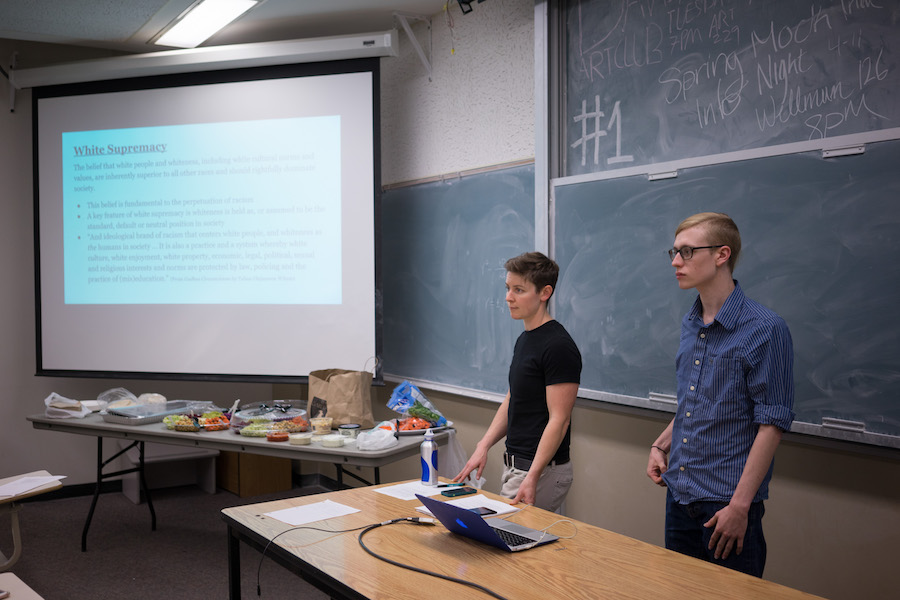
LGBTQIA Resource Center holds “Dismantling White Supremacy” workshop

NICHOLAS CHAN / AGGIE

Workshop seeks to build awareness, understanding about racism

Students of the Lesbian Gay Bisexual Transgender Queer Intersex Asexual Resource Center (LGBTQIARC) held a workshop titled “Dismantling White Supremacy: Part 1” on April 19.

The workshop’s purpose was to build awareness and understanding around issues of race, racism and white supremacy as well as to discuss ways to combat these issues.

Beth Boylan, graduate student in the Department of Sociology, and Matt Reese, a third-year linguistics and Chinese double major, work together at the LGBTQIARC and presented the workshop.

“I felt that I haven’t done enough relating to race and racism,” Boylan said when asked why she decided to hold the workshop.

In the first section of the workshop, the presenters defined key terms, which included white supremacy, racism and oppression. They pointed out that racism is intrinsically connected to the systematic imbalance of power.

During this section, workshop participants were each given a copy of Peggy McIntosh’s “Privilege Checklist,” which is a document that allows students to see how privileged they are based on how they answer a series of statements. These statements include “I can choose blemish cover or bandages in flesh color and have them more or less match my skin” and “I can turn on the television or open the front page of the paper and see people of my race widely represented.”

The audience and presenters discussed the difference between oppression of people of color versus what might be perceived as “oppression” toward white people. The presenters pointed out that, because racism must be related to the systematic imbalance of power, the oppression that white people might experience (such as bullying) is importantly different from systematic racism.

In the second part of the workshop, the presenters talked about the different dimensions of identity using an atom model with one’s race, sexual orientation, class and other factors surrounding one’s core identity.  

Next, the presenters discussed the intersectionality of identities. One example in their PowerPoint was how a disabled African American woman would face various combined forms of oppression relating to her ableness, race and gender.

Toward the end of the workshop, the presenters showed a video about the history of the word “Caucasian.”

The workshop ended with a discussion of how students can be an accomplice — someone who actively takes a stand against racism — rather than simply an ally.

“I like how it [the workshop] provided a lot of concrete basics to talk about oppression and racism,” said Faryal Irfan, a fourth-year anthropology major. “It means a lot […] I’ve been dealing with staying silent when I could have stepped out against microaggression and racism I saw in my daily life but I didn’t have the language or way to bring up how uncomfortable I felt and why I felt what they were doing was wrong.”

This workshop was part one of a series of workshops the LGBTQIARC plans to hold. Future workshop topics will include microaggression and family.

“Racism is often hidden from those who do not experience it,”  Reese said. “I wanted to educate other white people on racism and clear up myths regarding the issue.”


Written by: Clara Zhao — campus@theaggie.org

Chance The Rapper “Be Encouraged Tour” stops at Sacramento Golden 1 Center

JAY GELVEZON / AGGIE

Rap star performs at his biggest venue yet

Chance The Rapper brought the heat both literally and figuratively at the third stop of his “Be Encouraged Tour” Thursday night at Sacramento’s Golden 1 Center. Between misspoken lyrics, a multi-piece moving stage, an homage to Kanye West and actual explosions of fire, it was a night to remember.

The Grammy Award-winning artist from Chicago took a six-month break between his last tour — “The Magnificent Coloring Tour” — and this one. During his break, Chance met with politicians, raised money for Chicago Public Schools and, of course, spent time with his adorable daughter Kensli. Needless to say, fans are ecstatic to see Chance perform again.

After acts from two mediocre openers, DJ Oreo and King Louis, Chance finally took the stage around 9:30 p.m. The crowd exploded in screams and cell phone lights. The stage lights flashed onto the 24-year-old rapper as he walked to the center. It was clear by the young artist’s face that he had never performed in a venue quite so large.

JAY GELVEZON / AGGIE

The night kicked off with a performance of his song “Blessings.” Overwhelmed by the 15,000 person crowd, Chance accidentally repeated the line “I don’t make songs, I make make ‘em for freedom” instead of “They booked the nicest hotels on the 59th floor” during the second verse. He restarted the line and apologized for his mistake. A similar occurrence happened on SNL when he repeated lyrics during “Same Drugs” in December.

Chance made up for this mistake with a series of killer songs, dance moves and elaborate set pieces. He went completely off-track from the set list he performed at his San Diego and Oakland stops — an unexpected surprise for Sacramento audience members.

Next, green, yellow and blue bubble letters displaying the word “Angels” appeared on the giant monitor behind him. Chance jumped around the stage as the crowd went nuts.

He continued with music from his older albums, very different than “The Magnificent World Tour,” where he primarily focused on tracks from his latest album, Coloring Book. Songs such as “Everybody’s Something,” “Pusha Man,” “Cocoa Butter Kisses” and “Favorite Song” revved up the old-school fans in the crowd.

The set for this tour was completely different and much more minimalist than the last. Chance was not accompanied by his Gospel choir of colorful puppets, but by a much smaller crew, including Social Experiment members Peter Cottontale, Donnie Trumpet and others. However, the lack of big props on stage made it possible for more elaborate technical elements.

There is no telling how many lighting instruments and sound cues went into the staging of the night. Every song had multiple eclectic projections, lighting colors and electrical elements. Audiences were especially shocked by the large flames and sparks which erupted into the air behind Chance throughout the night.

JAY GELVEZON / AGGIE

During his homage to Kanye West, a big influence in his life, Chance was lifted off the ground by an elevated piece in the middle of the stage. He sang a trio of songs from Kanye’s Life of Pablo album, including “Waves,” “Ultralight Beam” and “Father Stretch My Hands Pt. 1.”

Chance followed his Kanye tribute with the song that exemplifies his humble roots: “Sunday Candy.” Chance told the audience a short story behind his project SURF. He described that in the broke financial state he and his team were in during the time, they only had enough money to make one music video, resulting in the one for “Sunday Candy.”

Chance announced, “Let’s really get the night started,” and continued with music from his newest album. He pumped up the crowd with an energetic version of “All Night,” followed by “No Problem,” and a slapping version of “Mixtape,” which shook the entire center with a booming bass.

Perhaps the most impressive part of the night came after a soulful performance of “Same Drugs,” when a massive vertical stage descended from the ceiling, spanning all the way from the stage, to the back of the house. In a very holy manner, Chance walked across the stage with thousands of people standing underneath him. He stopped at the edge of the stage, coming nearly face-to-face with the audience.

His face lit up with a massive smile as he performed “Juke Jam,” a nostalgic song about an old lover. Afterwards, he unclipped himself and walked back toward the main stage. One at a time, each part of the three-piece elevated stage flew up into the air.

The short, 90-minute concert concluded with “Summer Friends,” followed by a reprise of “Blessings.” Chance sent tons of love to the Sacramento crowd, thanking them for all their support. He announced that he will come back, perhaps at a smaller venue next time.

The night left a very different feeling than when he came to Davis in October. Perhaps it was the enormous size of the venue, smaller crew or the time he has spent not performing, but the night seemed to lack the sense of euphoria from the last tour. The “Be Encouraged Tour” is still in its very beginning stages, and I look forward to seeing how the rest of it plays out over the next few months.

Nevertheless, Chance’s performance at The Golden 1 Center took the audience on a visual and musical journey. There is no doubt that he loves his music and his fans. Between the mix of old-school classics and the gospel sounds from The Coloring Book, it was a performance, covered in confetti, to keep in the record books.


Written by: Myah Daniels — arts@theaggie.org


New galaxy an astronomical discovery

MORGAN TEIU / AGGIE

Astronomers led by UC Davis graduate student discover faint, distant galaxy

A team of ambitious astronomers led by Austin Hoag, a UC Davis graduate student in physics, have unearthed an incredible finding: the discovery of one of the faintest and most distant galaxies in the universe.

This ultra-distant galaxy, at 13.1 billion years old, is an ancestor galaxy from the Epoch of Reionization. This was a period of time after the Big Bang when cold, neutral hydrogen, which rendered the universe dark, was re-ionized by ultraviolet light emitted by galaxies. This led to the demise of the “dark ages” and the universe became visible.

“One of the main reasons for studying these distant galaxies is to determine how the Epoch of Reionization unfolded,” Hoag said, who was also the lead author of the paper published in Nature Astronomy. “Reionization was a major transition in the history of the Universe, and we really do not know much about it.”  

Interestingly enough, the newly discovered galaxy, deemed MACS1423-z7p64, falls short of extraordinary.  

“There is evidence that the Epoch of Reionization was primarily driven by intrinsically faint galaxies, which were much more abundant than the intrinsically bright galaxies at that time,” Hoag said. “The ordinary nature of this galaxy is that it is intrinsically faint compared to the other ones discovered at the same distance or further.”

This galaxy is exceptional in another way, however. It is located behind a large galaxy cluster, which bends the path of light as it passes by and magnifies the brightness of MACS1423-z7p64, thus making it visible to the scientists. The team was able to use images and spectroscopy from the Hubble Space Telescope and the 10-meter Keck Telescope on top of Mauna Kea in Hawaii to detect and confirm the distance of the galaxy.  

“The fact that the galaxy we study is located in the same direction as the galaxy cluster MACS1423 makes it a prime candidate for us to see,” said Marusa Bradac, a physics professor. “The light from the galaxy got magnified by this massive foreground structure.”

This discovery, along with future discoveries of galaxies, may reveal critical information about the mystical origins of the early universe and, specifically, the nature of the first galaxies and their role in reionization in the Epoch of Reionization.

“The main consequence of this study is that we have now definitively found evidence that what we believed to be typical galaxies at this epoch exist and appear to roughly have the properties they were expected to have,” said Brian Lemaux, a co-author of the paper. “Galaxies such as these will be the main targets of future telescopes and ones in the not-so-distant future, [like] the James Webb Space Telescope, which will be launched into space [in] a year’s time.”


Written by: Harnoor Gill — science@theaggie.org