
57.9 F
Davis

Davis, California

Monday, December 22, 2025
Home Blog Page 677

An earful: on music and timing

Cindy Cheung / AGGIE

When time management gets difficult, turn to these musicians for well-timed bass lines and synths

As finals week approaches, I have become increasingly aware of my limited study time (and my poor allocation of it).

Fortunately, there’s a handful of talented musicians who do a better job than I do at managing time. So here’s a brief list of musicians who have perfected the art of timing and rhythm — and who inspire me to cram in 10 weeks of course material before finals, despite stuffing myself with a cranberry-doused turducken less than a week prior.

Allan Rayman

As an artist on the verge of making your “Discover Weekly” Spotify playlist, Rayman is best known for his R&B beats and synths. In fact, it’s their sparse implementation that forgo his tracks from becoming another bad Top 40 EDM track.

The true genius of his work, however, is not in the beat alone; it’s the suede of his voice that complements his silky basslines — features that, despite being a fashion faux-pas, hit a musical sweet spot. Listen to tracks “Lucy the Tease,” “Graceland” (ignore the track’s obnoxious interlude) and “25.22.” Better yet, you can hear Rayman live at the UC Theatre later this month opening for James Vincent McMorrow.

Elliott Moss

The talented New York musician, producer and artist Elliott Moss formally entered the music scene in 2015 with the release of his freshman album Highspeeds. But if you haven’t already heard standout track “Slip,” the recent release of the music video for his song “Without the Lights” may have crossed your Facebook news feed.

The track, characterized by discordant synths and irregular rhythms, accurately demonstrates the off-kilter tone of the piece; the video, featuring stunning choreography by UC Irvine student Erica Klein, is an interpretation of domestic violence from a victim’s perspective, an eerie and literal visualization of the lyrics.

Bon Iver

Known for his haunting falsetto and folksy guitar strumming, Bon Iver singer-songwriter Justin Vernon has taken his music to new heights with his recent album 22, A Million. Infusing the sounds that made him famous with a newer variety of electronic synths, the album is one of 2016’s best releases.

Many of his rhythms are disjointed and jumbled, but eventually tie together with a well-placed drop in the bass line or simple silence. “33 God,” a single from the album, exemplifies this pattern, in which Vernon alternates between chaos and silence until the song’s climax: “I could go forward into the night / But I better fold my clothes.” But such a unique sound doesn’t stand alone; the lyrics explore themes of death, afterlife, spirituality and philosophical ponderings of “self.”

Caroline Smith

Despite a commonplace name, Smith’s music is anything but lackluster. The best description of Smith is a cross between Lorde and Florence Welch (of Florence and the Machine) — but less pop-y, and with a feminist twist.

With a wide discography, Smith’s sound ranges from catchy tracks like “Bloodstyle” to passionate, bluesy ballads like “Half About Being A Woman.” In fact, the latter conveys a powerful message about the dichotomy of female strength. Smith writes under the caption to her YouTube video: “The other side of strength. As women, we have this wonderfully complicated duality in us — sometimes we feel strong, and sometimes we feel weak. We often resent our vulnerabilities, but have to face them in order to move on and shamelessly accept ourselves. This is what being a woman is all about.”


Written by: Ally Overbay — arts@theaggie.org
Davis Thrifting: your guide to second-hand shopping

MEENA RUGH / AGGIE
MEENA RUGH / AGGIE

From casual wear to high-end fashion

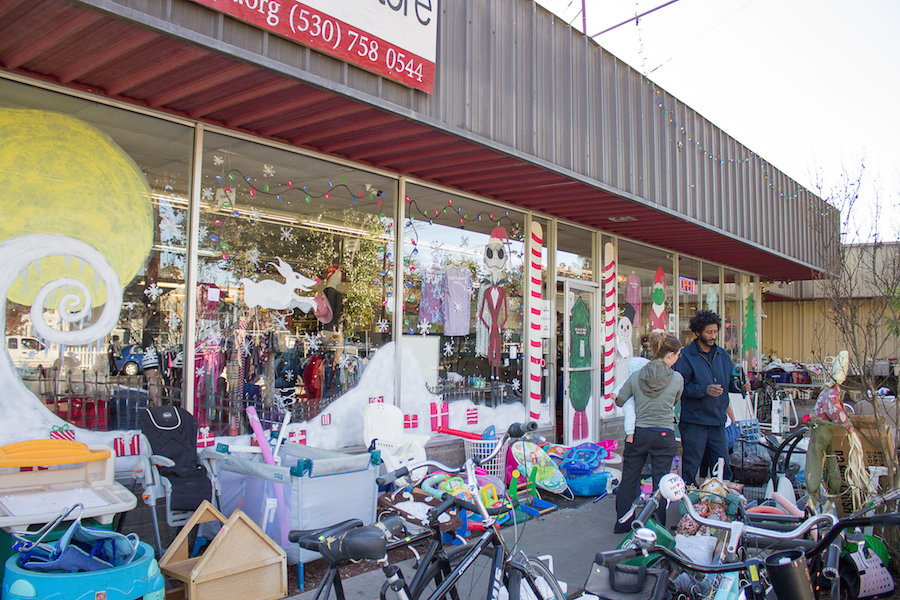
Davis isn’t known for its places to shop for clothing, especially for students on a budget. So here are few options to find the most fashionable, new styles at a fraction of the regular price.

SPCA Thrift Store

This store, located at 920 3rd St. Suite A and F, is the primary source of funding for the Yolo County Society for the Prevention of Cruelty to Animals. It is also a hoarder’s haven; with a wide variety (and quantity) of items, this is your one-stop shop for last-minute items.

The store’s merchandise includes clothing, jewelry, accessories, furniture, household goods, books, movies, music and even electronics. Anything damaged or broken will not be accepted. They employ paid workers and volunteer workers, and all merchandise comes from community donations, which are accepted seven days a week from 8 a.m. to 5 p.m.

The donations are processed the same day they come in, and the only reason they might not make it into the store is because there isn’t enough space. If something is brought in that is too worn to sell, they are resold per pound to clothing recyclers, and the Salvation Army picks up leftover items three times a week.

They also recycle all unsellable clothing to those in need, and the unsellable household goods are donated to  Davis Community Meals. Some other organizations that benefit from the SPCA are Families First, Communicare, the Battered Women’s Shelter and the Davis Cold Weather Shelter.

Aggie Reuse Store

Some of the practices this store carries out are waste diversion, creative reuse and environmental advocacy. With waste diversion, they aim to divert materials from landfills and redistribute them at a lower price to the community, which helps UC Davis stay green. With  materials from landfills, the store creates DIY crafts which allow for reuse. In addition, the store holds workshops about environmental issues.

Yudith Roman, a second-year psychology major, works at the Aggie Reuse store and believes that it is a great way for the community to help out.

“Being a thrift store on campus makes it convenient for students and even faculty. We get donations from lost and found, and sometimes we get scantrons, blue books and Davis gear. Just being on campus makes it unique,” Roman said.

The clothing sold in the store varies depending on the season, and they even have UC Davis-branded gear at a much lower price. So far, the store has employed around 120 students and saved 6,500 lbs of waste from landfills. This on-campus store is located next to the Silo.

Haute Again

This is a designer consignment store for women, which means that all traded-in clothing must be name brand and in pristine condition. The clothes they sell are reflective of the store’s environment so beware of venturing in while sporting your favorite yoga pants and t-shirt.

They sell new designer clothing along with vintage clothing — but don’t worry, they also carry classics like Banana Republic and J. Crew. Items donated need to be seasonally appropriate and must be freshly dry-cleaned or washed.

Haute Again will accept items by appointment only, but if you cannot make time for an appointment, they also provide an at-home service where they come to your house and clean out or organize your closet. They are currently moving locations to 129 E St. Suite B-4 (upstairs of their current location) and will open again in late November.

Bohème Hip Used Clothing

This is one of the only second-hand stores in Davis that will buy/sell/trade clothes, and even take your clothes for cash or store credit on the spot. It is a locally-run store and is extremely affordable, pricing most items from $2 to $12. Rachael Roberts, a longtime employee, is proud to work at a local shop that wants people feeling good about themselves when they leave.

“We have such a diverse amount of clothes and people, and the fact that we have such a loving and accepting vibe appeals to many,” Roberts said.

The clothes sold and bought change with the season, and the store is constantly bringing in new pieces. They accept almost all brands, including Free People and Anthropologie, which are the store’s favorites, according to their website. Check out their selection at 409 3rd St.


Written by: CaraJoy Kleinrock — arts@theaggie.org

Boiling Pot: a unique dining experience

LUCY KNOWLES / AGGIE

New restaurant brings Taiwanese hot pots to the Downtown Davis dining scene

Downtown Davis is known for its delicious array of food, but sometimes the rotation of the same restaurants over and over again can get old. When I noticed the arrival of a new restaurant near campus, I knew that I had to try it.

Boiling Pot, located on the corner of 7th and G Street, is the newest addition to the Davis dining scene. The restaurant, which opened on Nov. 7, specializes in Taiwanese hot pots.

From the moment I stepped into the spacious dining area, I was kindly welcomed by Boiling Pot’s attentive and gracious waiting staff. The restaurant fostered a relaxed environment with a sleek and modern design; a bright, colorful mural adorned the wall in front of me, and “Waiting for Love” by Avicii played faintly in the background as I was led to a table.

Personally, and I am sure I speak for many when I say this, I had no idea what a Taiwanese hot pot entailed, so I did some research. A typical Chinese hot pot consists of a simmering metal pot filled with broth alongside different vegetables, raw meats and dipping sauces. Usually, the hot pot is presented with a lit flame underneath, and the meats are supposed to be cooked in the boiling soup.

As a vegetarian, I opted for the Organic Veggie Pot instead. Some of the other hot pot options include a variety of atypical meats, such as octopus, pork belly, fish balls, intestine and pork-blood rice cakes. The menu also includes a selection of milk teas and boba, as well as an appetizing dessert menu complete with macaroon ice cream sandwiches.

Once my food arrived, I was initially unsure how to go about devouring my sizzling veggie hot pot. The bowl came with a side of rice, so I ate the two together, which proved to be the way to go.

The broth in my hot pot was flavorful, but difficult to eat due to the boiling temperature, and I nearly burned my tongue. However, I soon got the hang of proper hot pot technique, and enjoyed the rest of my meal. Overall, the food was satisfying, despite my initial struggle to figure out how to go about eating it.

Although Boiling Pot was a bit on the pricier side, with my meal coming out to approximately $20, the portions are large and filling, ideal for groups. For those seeking a different and authentic Taiwanese dining experience, Boiling Pot’s cuisine is definitely something worthy of trying out.

Boiling Pot is located at 630 G Street. More information can be found on its website.


Written by: Sydney Odman — arts@theaggie.org

Industrial agriculture on “fleek”

TAKEAWAY [CC BY-SA 4.0] / WIKIMEDIA COMMONS
headshot_arEmbattled agriculture industry generates 80 percent of food sales, yet is spurned

In a world where the global population is rapidly growing, humanity needs to start having a serious conversation about where its food comes from. It’s no longer a battle of organic and non-GMO producers versus conventional producers — it’s a matter of necessity. Large producers generate over 80 percent of food sales in the United States, yet they only make up a small fraction of all farms — about 3 percent.

Some might assume that large industrial farms are corporate-owned, but in reality, 97 percent are actually family-owned. As global consumption of grains and meat grows, productivity must also increase. Agriculture must evolve and industrialize in order to meet the needs of the nine billion people expected to populate Earth by 2050. Modern agriculture now utilizes new technology during production in order to grow food efficiently and sustainably. These methods help reduce soil erosion, better moderate planting and significantly reduce the greenhouse gas emissions associated with plant and livestock agriculture.

With the advent of this new technology, livestock and crop production more than doubled its output between 1948 and 1994. Additionally, the United Nations said that 70 percent of human kind’s future food must come from the current technologies we have today.

This food has to be consumer-friendly, environmentally-friendly and economically-friendly. With efficiency-enhancing technology helping reduce land and water usage and manure production across the United States, farming is becoming more sustainable every day. And based on a UN Food and Agriculture Organization projection, farming in 2050 will only occupy about 1 percent more land than was used in 2008.

Industrial farms have been able to overcome challenges to sustainability because they use new technologies emerging in the agricultural sector and focus on providing safe and healthy food for all. Because of industrial farms, people are able to eat more high-quality food, allowing for steady diet improvements across the globe. And in order to be able to feed the growing population, industrial farms are becoming more of a necessity.

However, some people think that these new technologies will destroy the environment, and so would consequently prefer to eat organically-grown food from small farms. A survey performed in 2010 by the International Food Information Council actually found that 98 percent of people who answered the survey were not concerned about food safety when related to the use of biotechnology, and 93 percent do not purchase organic food all or most of the time. It seems like the majority of people do not consider industrial farming a problem.

Food remains a very controversial topic, yet access to it is one of our most basic human needs. Instead of picketing against large farms, we should be looking into how we might help save the planet ourselves.

Millions of people go hungry every day, and the people who are against industrial farming are the ones least likely to realize that mass-producing safe, affordable and healthy food is a necessity. This will be one of our most important battles in the coming years. We cannot, as national and international populations, stand divided.

Farming is becoming more efficient and sustainable, and not because farmers want to cut corners and produce more food for personal profits — it’s because people are hungry and need to eat. Industrial farming is on the forefront of food production, helping bring cheap, healthy and consumer-friendly food to grocery stores everywhere.


Written by: Alice Rocha — asrocha@ucdavis.edu

Disclaimer: The views and opinions expressed by individual columnists belong to the columnists alone and do not necessarily indicate the views and opinions held by The California Aggie.

Mapping a future

0
Nicki Padar / AGGIE
Nicki Padar / AGGIE

Students use on campus resources to combat stress in career paths

Finals week, also known as “stress season,” is just around the corner and students at UC Davis are preoccupied with completing their degrees while also worrying about their futures. Whether students are conflicted about which classes matter for acceptance to medical school or if their majors will even guarantee employment, such concerns and more can be combatted through the variety of career-aiding resources available on campus.

One of the main career resources on campus is the Internship and Career Center (ICC), located in South Hall.

“We’re the primary center for helping students find their career direction […] through experience or learning,” said Marcie Kirk Holland, director of the ICC. “There are a lot of demands on students [for] their time in particular. Being able to just schedule an internship or a job is often a challenge.”

To decrease student stress, the ICC provides students with an array of career-related tools, including weekly workshops for developing skills such as resume building, interviewing and networking. The ICC also offers internships in nearly all fields imaginable, from ones in advertising to working at a zoo, most of which can be applied for through the ICC’s Aggie Job Link.

“Nobody told me it was important to do internships,” said Ashley Odell, ICC career advisor. “I came out of my undergraduate with not enough experience to do what I really wanted. It is important to be involved. You can’t just get a job now with [only] a degree — you need experience.”

The ICC holds four career fairs a year along with job application programs, for-credit career development academic courses, as well as career panels in which guest speakers such as UC Davis alumni and company executives discuss how they reached their respective career goals. In accordance with these programs, the ICC is hosting a Leadership Career Development Forum with Student Affairs and AT&T this spring to launch students’ careers.

For students who have a career in mind, the ICC has sets of advisors specific to various areas of industry, ranging from business to physical science, who aid students in developing their future plans. However, advising is also open to students still unsure of their career goals.

“I help students all the time who are like, ‘I don’t even know what to do with my major,’” Odell said. “I go beyond the first initial career questions and try to find out what the student is interested in as a whole. They end up walking away with […] resources they can use.”

The ICC website also features online resources including resume writing advice and information on different majors for students who may not have the time to attend a workshop or advising session. However, both Odell and Holland encourage students to visit South Hall.

“Come to the ICC,” Odell said. “Talk to an advisor — they’ll help you […] in terms of where your interests lie.”

Other on campus resources for help dealing with the stress of school and careers include UC Davis-affiliated professional clubs and fraternities. One such organization is the Design Careers Club (DCC). Its goal is to provide design students with easy access to the resources and skill sets needed to further their careers.

“What we do is pretty much try to empower design career students,” said Borair Elyacy, a fourth-year design major and DCC co-director. “We hope to help students become more successful by providing workshops that help them build [their careers].”

Similar to the ICC, the DCC hosts workshops that focus on resume-building and on subjects specific to design majors, such as contract-writing and web design. In 2014, the DCC put on its first successful design career fair, which was sponsored by the UC Davis Design Department and attended by 26 different companies. The fair was both a valuable opportunity and a learning experience for students.

“It is a really valuable career pathway to learn all these […] skills,” Elyacy said. “You become so versatile. You can learn pretty much anything.”

Another benefit of professional organizations on campus is the community aspect that members are able to share with one another. Phi Delta Epsilon is an international medical fraternity on campus that combines friendship with career mapping.

“It’s awesome [to have] people that are really driven [and] that are doing the same thing as you,” said Sidra Ali, a fourth-year neurobiology, physiology and behavior major and president of Phi Delta Epsilon. “You become a part of this family. If you ever need something, they always have your back. I know I can call any of my […] members and they’d be here for me.”

Phi Delta Epsilon aims to help pre-med students get into medical schools by providing members with useful experiences such as research, student-run clinics, philanthropy work and even leadership within the fraternity. Phi Delta Epsilon also has student chairs who specialize in different aspects of aid, such as an academic chair for class registration help and a wellness chair for physical and mental therapy.

“Being a student at UC Davis can be tough,” Ali said. “We show [members] everything they can do and provide them with those resources so they don’t have to go out and look for them.”

In any case, students of any major at UC Davis have a wide variety of resources available to choose from in times of career crisis.

“Sometimes [students are] really intimidated because everybody else [seems to] know what their goals are, when that’s really not the case,” Holland said. “They’re not behind. Career development is […] what helps people to lead a healthy vibrant life.”


Written by: Allyson Tsuji — features@theaggie.org

Measure H passes, voters support Davis schools

0
Jonathon Chen / AGGIE

Davis community renews local parcel tax for K-12 education

Since 1984, Davis residents have voted to support local schools and education with parcel taxes that help sustain important programs and enrichment opportunities for Davis K-12 students. This election proved no different, as the votes tallied up beyond the required two-thirds majority for Measure H to pass.

Measure H employs a parcel tax to each single-family home to fund various school programs including lab sciences, arts and music, school libraries, world language, drama, speech and debate, journalism, athletics and more. It not only maintains school curriculum, but also provides funding for aides, counselors, nurses and school psychologists among other teaching positions and staff.

“It’s kind of like the frosting on the cake,” said Courtenay Tessler, head counselor at Davis Senior High School. “If you take the frosting, you would still have the cake, you would still get an education, but the things that make it better and more supportive for students would go away.”

This measure renews and slightly increases expiring taxes that each single-family home pays, which totals to $620 per parcel per year. With state budget cuts and lost revenue, this tax, which raises about $10 million per year, sustains a high quality of education in Davis schools. Measure H also exempts seniors, those receiving disability and those receiving Supplemental Security Income, but they must first file an application with the school district for the exemption.  

Educators and staff are thrilled and thankful that the community continues to support students in their education.

“It really is a testament to our amazing community,” said Maria Clayton, the Davis Joint Unified School District public information officer. “Time and time the community steps up to support our schools […] we couldn’t be more delighted and grateful.”

According to educators, without Measure H, the education of young students throughout Davis would have suffered — with this funding gained by the passage of the measure, students will be able to build a foundation for better education.

“Secondary science teachers attest to a real difference they see in the science-readiness and content background that elementary science instruction provides for students entering seventh grade, which translates into more in-depth learning in middle school, and more students ready for higher-level courses,” said Ingrid Salim, science teacher at North Davis Elementary and Holmes Junior High, in an article published by the Davis Enterprise.

In the future, Davis educators hope that the community will continue to invest in young students’ education. For more information about Measure H, visit the Davis Joint Unified School District website.


Written by: Bianca Antunez – city@theaggie.org

Local residents attend Davis town hall meeting

0
Morgan Tieu / AGGIE
Morgan Tieu / AGGIE

College alcohol use, high-risk drinking discussed

Overall trends of public intoxication arrests in Davis have declined in recent years, said City of Davis mayor Robb Davis during the Davis Town Hall forum on Nov. 16. If only that were the case back in 2005 for one UC Davis freshman, a female student who spent a night out drinking in downtown Davis with friends and drunkenly tripped on the curb, hitting her head in a nearly-fatal incident.

“Since 2011, fewer and fewer minors have been getting arrested,” Davis said.

Still, Davis made sure that community members knew of the seriousness of the issue today, and that noise complaints, public urination and other alcohol-associated arrests are happening.

“B street, pee street,” Davis said, referring to public urination in downtown Davis which happens after late nights out at local bars.

Robb Davis, other notable community figures and student resource groups on campus spoke out about alcohol use and high-risk drinking during the public meeting. The meeting, titled “Enhancing our Safety and Well-Being: Where Does Alcohol Fit In?” was put on by the Student Health and Counseling Services (SCHS) at UC Davis. Nearly 50 Davis residents and students were in attendance.

One notable speaker was Dr. Nick Gorton, who works in the emergency room department at Sutter Davis Hospital. At the forum, he discussed the personal story of a local UC Davis student who nearly die from alcohol intoxication. He described the frantic phone calls that were made to local hospitals to see if they could treat her, as well as the dreaded phone call he had to make to the woman’s father to tell him that his daughter might die.

It was then that Gorton stressed to the audience that this experience could happen again unless appropriate measures from the local community and UC Davis are taken to prevent alcohol-related injury.

“[We’ve] got to do something. People are going to die if we don’t,” Gorton said.

Despite the bleak depiction of high-risk alcohol consumption, there was an overarching sense of hope from the various individuals who spoke. Many believed that alcohol concerns would be appropriately addressed by the community.

Thoughtful remarks were made by the president-elect of the Interfraternity Council David Bronstein, Davis Police Department officer John Renger and associate vice chancellor for student life, campus community and retention services Milton Lang. Each ensured the audience that there are improvements being made and resources accessible to students who might struggle with substance-related issues.

Jessica Bulgarelli and Melanie Hanson spoke on behalf of Aggie RISE, a support group at UC Davis that brings students together who are seeking to address recovery issues.

Bulgarelli described her personal experience of getting a DUI at 18 and having a felony on her record. Bulgarelli argued that having adequate peer support and a place on campus where students can go is helpful for those who need it. She added that it also helps erase the stigma behind alcoholism.

Similarly, Hanson explained that although the struggle of substance abuse is scary, no one should have to go through the pain by themselves.

“We at Aggie RISE are here for you. Struggling with substance abuse is lonely and isolating. You don’t have to alone,” Hanson said.

For more information, check out Aggie RISE’s Facebook page or e-mail Melanie Hanson at mejhanson@ucdavis.edu.


Written by: Anya Rehon city@theaggie.org

UC Davis Medical Center wins Consumer Choice Award

DANIEL TAK / AGGIE
DANIEL TAK / AGGIE

National Research Center names UC Davis Medical Center as Sacramento region’s best hospital

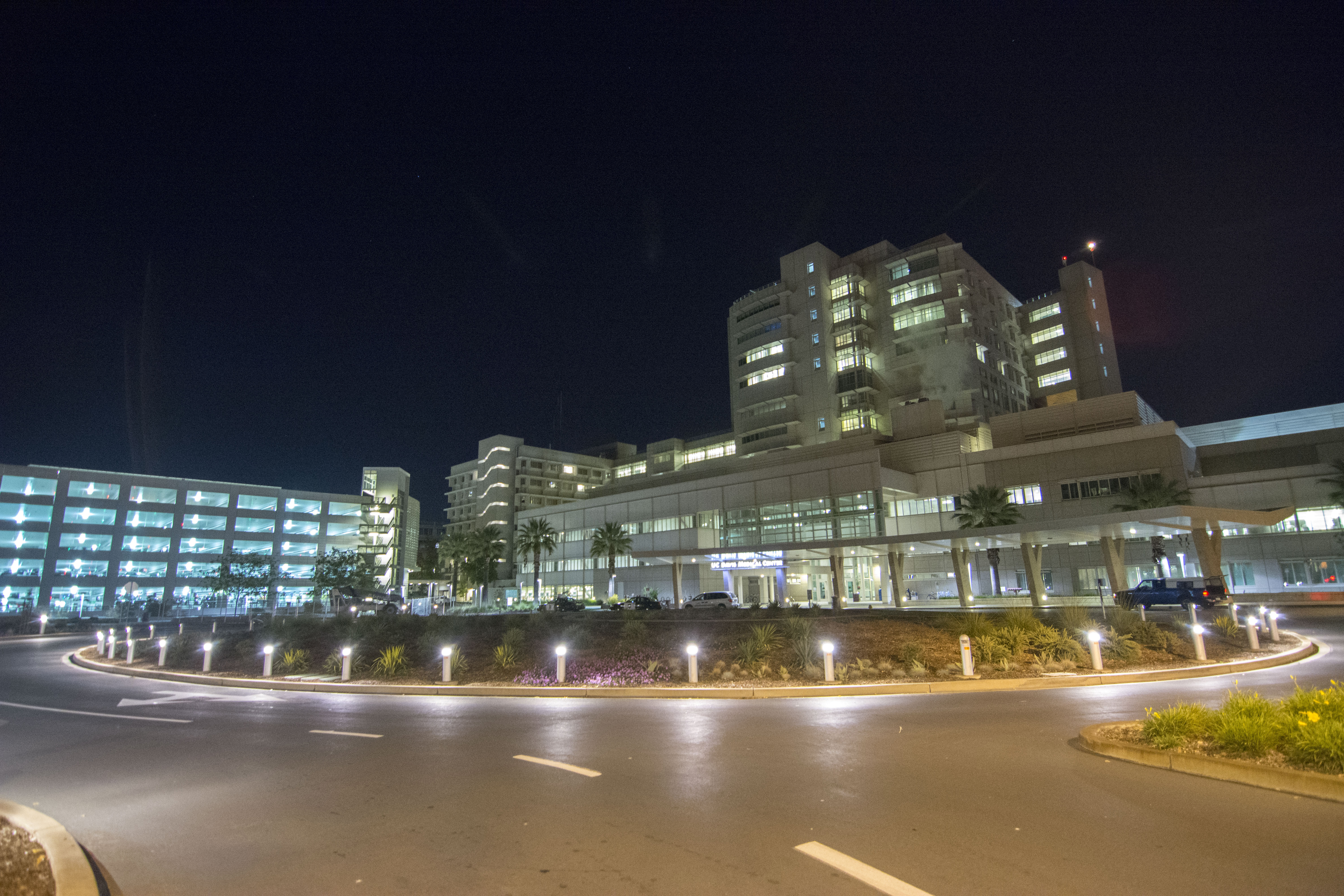
Based upon National Research Center (NRC) surveys, the UC Davis Medical Center (UCDMC) has been ranked as the best regional hospital in four areas: best overall quality, best image and reputation, best doctors and best nurses.

Between October 2015 and September 2016, 300,000 U.S. households were asked rated their local hospitals regarding health care choices. UCDMC, which is located in Sacramento, achieved the Consumer Choice Award due to its winnings in the four areas.

“The [award] is one of our most valued recognitions, because it is based on the trust and loyalty of those who have many choices for their health care,” said Ann Madden Rice, CEO of the Medical Center, in a press release. “It is a strong validation of our leadership in excellent, patient-centered care.”

According to a press release from the UC Davis Health System News Office, the survey is the nation’s most “comprehensive” and “largest consumer assessment” for the healthcare industry.

“Everyone here — our providers, staff and students — work hard everyday on behalf of our patients,” said Jonathan Jessel, a marketing communications officer for the UC Davis Health System. “We’re very proud to receive this kind of recognition and validation from our community.”

According to Jessel, the UC Davis Medical Center has a number of strengths, one of which is its trauma center.

“UC Davis Medical Center provides level 1 trauma care for a region covering 6 million people in 33 counties, spread across 65,000 square miles,” Jessel said. “At the time of our 2015 reverification, we were one of only three trauma centers in California with the highest verification in both pediatric and adult trauma care.”

The UC Davis Medical Center is known for offering diagnosis, treatment and technology earlier than other facilities. For example, it was one of the first in the nation to use a dissolving stent, a device used to treat patients with plaque-filled arteries.

The Medical Center also recently became the sole regional hospital to offer on-site fetal surgery to save premature infants.

Ivy Hsu, a third-year neurobiology, physiology and behavior major, volunteers for the Paul Hom Asian Clinic, a Sacramento clinic under the UC Davis Health Care system which works with Medical Center doctors and students.

“As a pre-med student, I feel like it really shows how great the resources and community we have over [at the Medical Center are],” Ivy said. “It’s really nice to have [the Paul Hom Asian Clinic] near [the Medical Center] because we’ll have a lot of collaboration from doctors that can help and guide undergrads. A lot of our doctors are from the UCDMC.”


Written by: Aaron Liss — campus@theaggie.org

Advocacy groups write letters to UC President amid concerns of anti-Semitism

BRIAN LANDRY / AGGIE

The letters come after two controversial student-led courses

Earlier this month, the AMCHA Initiative and Alums for Campus Fairness (ACF), sent out two open letters to the University of California (UC) president Janet Napolitano expressing concerns of anti-Zionist sentiment among UC professors and student instructors.

The letters, which were signed by 176 faculty members, 590 alumni and 47 religious, civil rights, education and research organizations, came two months after a student-run course at UC Berkeley was suspended, and subsequently reinstated, amid accusations of failing to follow the UC Regents Policy on Course Content.

“We write to express our grave concern at what we believe to be the improper behavior of anti-Zionist faculty and student instructors, who use the classroom as a pulpit for political advocacy and activism in violation of UC policies and conventional academic ethics designed to curb exactly such abuse,” AMCHA said in the letter.

The letters also address a course that was offered a year ago at UC Riverside, titled “Palestine & Israel: A Settler-Colonialism & Apartheid,” which was also criticized but never discontinued. In its own letter, ACF raised concerns about the use of UC spaces for specific political purposes.

“We are devoted University of California alumni who are deeply concerned about the misuse of UC classrooms by certain faculty and student instructors to indoctrinate students to their anti-Zionist agenda, and to wage a partisan campaign against the Jewish state of Israel,” ACF said in the letter. “Over the past few years, various UC campuses have offered student-led courses with absurdly one-sided reading lists, and rosters of speakers who are uniformly anti-Israel. These include a course titled ‘Palestine: A Settler-Colonial Analysis’ at UC Berkeley this academic year, and a virtually identical class titled ‘Palestine & Israel: Settler-Colonialism and Apartheid’ at UC Riverside during the prior school year.”

The AMCHA Initiative, which was founded in 2011 by UC Santa Cruz lecturer Tammi Rossman-Benjamin and UCLA professor emeritus Leila Beckwith, works to address anti-Semitism on college campuses. In a study published by AMCHA earlier this year, which looked at more than 300 incidents of anti-Semitism at over 100 public and private colleges, seven UC campuses were in the top 10 percent of schools with the most anti-Semitic activity, while four campuses were in the top 5 percent.

Zach Nelson, a fourth-year biomedical engineering major, is president of Aggies for Israel (AFI), a group that signed AMCHA’s letter.

“[The UC Berkeley class] was pretty singular in the perspective that was being given,” Nelson said. “And we don’t believe that any course that is given credit for, and this was a student-led course, should be biased. It should always be fair. We firmly believe that there needs to be alternative narratives to fully understand it, not just one, because that’s just indoctrination.”

The letters by both AMCHA and ACF listed the same set of demands. The first was for the release of a statement reasserting the Regents Policy on Course Content (2301) and UC Policy on Academic Freedom (APM 010), and the second was for the charging of each chancellor to urge their respective academic senates to review and ensure that each course is in compliance with the Regents’ Policy on Course Content.

“We believe that the policies that are already in place are good enough, but people have forgotten those policies, and you see it on a daily basis,” Nelson said. “The policies are there to prevent these things, and so when it happens, and the policies are already there, don’t create new policies — cite the old ones and hold them accountable for these ones.”


Written by: Ivan Valenzuela — campus@theaggie.org

Student Health and Counseling Services launches Nap Campaign

AMY HOANG / AGGIE
AMY HOANG / AGGIE

Students learn about the importance of sleep, receive nap kits

UC Davis’ Student Health and Counseling Services (SHCS) hosted its annual Nap Campaign from Nov. 7 to 10. The event celebrated healthy napping habits with over 800 participants given nap kits, which included sleep masks, earplugs and cards with information about naps.

On Nov. 7, students could pick up free nap kits at the Women’s Research and Resource Center (WRRC), the Student Community Center’s Reflection Room and the West Quad.

The following day, the campaign continued at the Student Community Center (SCC), where students received free buttons and were taught about the three different types of naps: planned napping, emergency napping and habitual napping.

Planned napping is when an individual naps before becoming sleepy with the knowledge that they will be staying up later than their regular bedtime. Emergency napping happens when one is suddenly tired and cannot continue their current activity, like driving or working. Habitual napping is napping at the same time each day.

On Nov. 9, the Nap Campaign tabled at the Memorial Union to decorate nap masks for students.

Emilia Aguirre, a sexual and mental wellness health educator from the Health Education and Promotion Department, viewed the Nap Campaign as a tool to encourage and educate students on proper napping.

“The main goal of the Nap Campaign is to encourage students to take 20 to 30 minute naps to improve concentration, increase energy levels and to help boost academic performance,” Aguirre said via e-mail.

Nisha Patel, the mental wellness student coordinator from SHCS’ Health Education and Promotion Department, said that the campaign’s goal was to remove the negative stigma associated with adult naps.

There is a prevailing stigma that napping is unproductive behavior, but in reality, napping allows for greater productivity when executed in the right manner, for the recommended lengths of time and in proper environments with dim lighting and minimal distractions,” Patel said via e-mail.

Patel said the main focus for this year’s campaign was naps as a tool to combat drowsy driving and avoid the fatal consequences lack of sleep can have on individuals.

In a SHCS blog post written by Patel, she wrote about how drowsy driving is statistically as dangerous as drunk driving, and recommended that students utilize ridesharing technology and take naps to avoid drowsy driving.

“Recent studies have shown that ‘drowsy driving,’ or driving tired after too little sleep, is just as dangerous as drunk driving,” Patel said in the blog. “Drowsy driving is tied to 1.2 million car crashes per year and results in up to 500,000 injuries and 8,000 deaths.”

In the blog, Patel wrote that driving after being awake for more than 18 hours is equivalent to a blood level alcohol of 0.05, and after 24 hours without sleep it is like having a blood alcohol level of 0.10.

“Just like being drunk, fatigue dulls your decision-making skills, reaction time, situational awareness and memory ­­— all of which creates a perfect, and deadly, storm when getting behind the wheel,” said Patel in the blog post.

According to the UC Davis Nap Map, the top three nap spots on campus are the SHCS Mind Spa, the SCC Reflection Room and the WRRC Righteous Babes Lounge and Reading Room.

Tommy Hoang, a third-year biotechnology major, didn’t know what a nap kit was before participating in the Nap Campaign.

“I thought it was like a pillow and some earplugs, but it was actually a sleeping mask with earplugs in a plastic bag,” Hoang said via e-mail. “I chose the library [as my favorite nap spot] because it’s quiet and because there [are] empty corners in the back that are perfect to nap in.”

More sleeping and napping tips can be found on the SHCS website.


Written by: Yvonne Leong — campus@theaggie.org

UC Davis receives $760 million for research

IAN JONES / AGGIE
IAN JONES / AGGIE

Funding for research in public health, veterinary sciences, agriculture tops $700 million

$760 million in external research funding was awarded to the UC Davis for the fiscal year 2015 to 2016. According to the UC Davis News site, this is the fourth highest among University of California (UC) campuses. The awards mostly came from the federal government. The U.S. Department of Health and Human Services, the Department of State and the National Science Foundation were the top contributors. Most awards were given to projects concerning public health and preventing the spread of diseases.

The California Department of Public Health awarded $48.9 million to the Communicable Disease Emergency Response program, a collaboration between the UC Davis Center for Occupational and Environmental Health and the Division of Communicable Disease Control of the Department of Public Health. Dr. Marc B. Schenker, a professor in UC Davis’ Department of Public Health Sciences, said the major sources of funding for the project are from the National Institute of Occupational Safety and Health, the National Institute of Health and the State of California.

“[Federal funding] is critical, it’s absolutely essential,” Schenker said. “We wouldn’t be doing research without it in any shape of its current form. All my research is supported by external funded grants.”

While the university pays for salaries, they generally don’t entirely fund the research.

“I think this funding total is a recognition of the excellence of research found at this institution,” Schenker said. “Research funding has increased substantially over the past decade, and that reflects the quality and quantity of the research being done here.”

The UC Davis School of Medicine received many of the awards, valued at $272 million total. Lars Berglund, the senior associate dean of research, is proud of UC Davis’ rise in the rankings over the past 15 years. According to Berglund, the National Institute of Health (NIH) is a major sponsor of research at the School of Medicine.

“All of these grants are peer reviewed. […] The funding climate right now at the NIH is very, very competitive,”  Berglund said. “Maybe the top 12 percent of applications get funded.”

The UC system holds some of the most famous research institutions and is a major contributor to some of California’s top industries.

“The UC system has superb researchers [who are] world renowned in an enormous breadth of areas,” Schenker said. “You name it, there’s expertise and research in the University of California.”

Berglund believes that it is UC Davis’ quality of research that has led to the high award totals each year.

“If the quality wasn’t very high, we wouldn’t be funded,” Berglund said.

UC Davis is particularly well known for its research programs, especially for undergraduates. This appeals to many applicants who hope to get involved with research in their field to gain better knowledge and understanding.

“I actually chose UC Davis because of its emphasis in undergraduate research,” said Sneha Vaddadi, a fourth-year student in neurology, physiology and behavior, via e-mail. “I wanted to go to a school where I could explore my research interest while taking interesting and challenging classes.”


Written by: Jayashri Padmanabhan — campus@theaggie.org

My first rave

JAY GELVEZON / AGGIE

Finding an unexpected family in a crowded place

As I headed to McClellan Air Force Base in Sacramento for Galantis’ performance, I wondered if I was wearing too much clothing. Having never been to a rave, I didn’t know what to expect. Upon arrival, although the weather was below 50 degrees, most people were not wearing much clothing.

Waiting in line, I saw all kinds of people; I could differentiate between those not in their right states of mind and those like me who were the designated drivers. The closer to the entrance we thought we were getting, the longer the line seemed. So long, in fact, there was a port-a-potty marking the halfway point.

JAY GELVEZON / AGGIE

Once we were inside, I was initially surprised by the size and emptiness of the venue. Since it was an airplane hangar, there was more than enough space for everyone — maybe a little too much space. (I was hoping a smaller, indoor venue would warm me up.)

The opening act was Young Bombs, and their set seemed to never end. It felt like they were on stage for three hours. In fact, it actually took three hours because Galantis had a last minute meet-and-greet at 10 p.m., pushing back their start time. As I danced in the crowd, a wave of comfort washed over me. I knew that no one was judging and that everyone was there for the same reasons I was: to hear a group they love and to have a good time.

I was pleasantly surprised that each time I rejected a prospective dancer, they were respectful of my wishes. For the first time, I could dance by myself and feel completely at ease about it. During the opening group, the crowd immediately felt like family. No one was aggressive about their spot in the crowd — at least not yet.

During intermission, however, my perfect spot was overtaken by taller people (which isn’t difficult considering I’m a whopping 5’2”). Three high school boys stood directly in front of me carrying bulky backpacks. The crowd had grown so packed that the boys had no choice but to stay in front of me. Once Galantis made it onstage, one of the boys considerately asked if I could see from behind him. I quickly (and sassily) replied no. He then asked if I wanted to get on his shoulders. I was, of course, too sober to accept.

JAY GELVEZON / AGGIE

Galantis performed all of their hit songs, with the crowd constantly going wild. I was especially excited to hear their song “Runaway,” the anthem of my study abroad trip. They played this song last as it is their most famous, probably hoping people would stay for the whole concert. Luckily, they had more than one song I liked. The ones that I looked forward to most were “Make Me Feel,” “Gold Dust” and “No Money,” and they did not disappoint.

As much as I hated being in extremely close proximity with so many people, the overall feeling of community triumphed above all. I left feeling like I had shared a memorable experience with a bunch of strangers, though most of them wouldn’t remember it at all.

Written by: CaraJoy Kleinrock — arts@theaggie.org

Two sexual assault occurrences reported during Fall Quarter

DEVIN McHUGH / AGGIE FILE

On campus resources available to students who are victims of sexual violence

Twice during Fall Quarter, students have been notified via e-mail or text message of sexual assaults occurring near campus. One incident was at West Village and another on A Street near the intramural fields.

The first occurred late at night on Oct. 2 when a male subject in the guise of an Uber driver demanded a kiss as payment.

“On [Oct. 2] between 1 a.m. to 1:10 a.m., an unknown male subject claiming to be an Uber driver picked up three females at the above address,” said an alert sent by the UC Davis Police to the campus community. “He dropped two females at their residences on campus. The third female was driven to her residence at West Village. The male Uber driver insisted on a kiss as payment for the ride but unlocked the door when a Police Department Safe Rides vehicle drove past him. The female exited the car and fled to her apartment.”

On Nov. 5, sexual battery occurred on campus near the A Street intramural fields.

“The sexual assault that took place on Nov. 5, 2016, [is] classed as a 243.4(a) PC Sexual Battery,” said Jennifer Garcia, interim UC Davis police chief, via e-mail. “A female student was walking on A Street near the UC Davis [intramural] fields. [An] unknown suspect riding a bicycle committed a battery on the victim and rode away on his bicycle. There is no other public information at this time.”

There are several on campus resources available to individuals who have experienced sexual assault. One of these resources is the Center for Advocacy, Resources and Education (CARE). CARE is a confidential resource for victims of various sexual crimes.

“Any situation of sexual harassment, sexual assault, dating violence, domestic violence or stalking is considered confidential through us, meaning we are not a responsible employee,” said Sarah Meredith, director of CARE. “We do not have to notify Title IX. In addition to that, we would not tell police or family members or friends, media, newspapers or that kind of thing unless we had a signed release from the client that we are working with.”

CARE serves as a resource to help victims discern the correct course of action for their individual circumstances.

“Our job or our position is not to persuade or dissuade from any course of action; we really just want to make sure that they know what all of their rights and options are so that they can make the best choice for themselves,” Meredith said. “Whatever choice they make at that time, we just want to make that as easy as humanly possible.”

In addition to serving as a resource for victims of crimes, CARE also serves as a campus educator to help prevent sexual violence.

“We are the primary facilitators for all of the mandatory education for incoming undergraduate students,” Meredith said. “We also collaborate with the Harassment and Discrimination Assistance and Prevention Program to facilitate the mandatory education for graduate and professional school students. In addition to the in-person orientation session, we hold numerous ongoing education opportunities.”

While CARE offers reporting to the police as an option for victims, the police also work with CARE when a sexual violence crime is reported to them.

“When someone reports to the police, all they need to do is call us,” Garcia said. “We will send an officer to their location to meet with them. We also contact a CARE advocate if they wish to help them through the difficult process. We make every effort to ensure victims are not re-traumatized through the process. It’s a difficult process for victims to relate what happened to them and oftentimes the system is frustrating at best. The goal for the police to is gather the facts and compile a comprehensive report that the judicial system will use for successful prosecution.”

According to ASUCD Senator Josh Dalavai, the reporting process is difficult because there is a stigma surrounding sexual violence.

“The primary barrier survivors face is an institutional and interpersonal lack of belief in their claims,” Dalavai said. “Police departments, peers and counselors are typically socialized to attempt to deflect blame from the perpetrators of sexual assault and instead place blame on survivors. A large part of breaking rape culture down starts at the most basic step of telling someone you believe them and being all ears.”

Some, like Meredith, work hard to break the barrier Dalavai described.

“I really wish that offenders would just stop doing what they are doing,” Meredith said. “I tell people all the time that I would be happy to work myself out of a job. I love what I do, but I would be more than happy to find another profession if we could just get [sexual violence] to stop.”


Written by: Kenton Goldsby — campus@theaggie.org 

An Introduction to the Man, the Myth, the Legend: Shohei Otani

0

SCOTT LIN [CC BY-NC-ND 2.0] / FLICKR
Japanese professional baseball superstar already being eyed by MLB, fans

In 1995, the Los Angeles Dodgers signed a star pitcher from the Japanese Professional Baseball League by the name of Hideo Nomo. Once Nomo won the Rookie of the Year and earned an All-Star nod in his first season, scouts and other baseball minds started to turn their attention toward the international market with the realization that other professional baseball leagues had players who were more than capable of competing in American baseball.

The Nippon Professional Baseball League has been a great source of talent for Major League Baseball (MLB) clubs since the Dodgers’ acquisition of Nomo, and many of its stars have transitioned to the MLB and remained incredibly successful. Ichiro Suzuki, Koji Uehara, Junichi Tazawa, Nori Aoki, Yu Darvish, Hisashi Iwakuma, Masahiro Tanaka and most recently, Kenta Maeda, headline the current wave of Nippon Professional Baseball (NPB) turned MLB stars who have been amazing acquisitions for the teams willing to take the gamble on them.

In today’s NPB, there are two great talents expected to garner a mega-deal that could reach $300 million. The offensive talent had 22 Home Runs, a .322 batting average, 67 RBIs, and a 1.004 OPS in only 382 plate appearances (for reference, Mike Trout of the Angels had 681 plate appearances) in his season for the Hokkaido Nippon-Ham Fighters. The other talent, a star pitcher, threw 140 innings with a ridiculous 1.86 ERA while racking up 174 Ks, also for the Nippon-Ham Fighters.

Is it a coincidence that these two are on the same team? No, because they are the same person! Let me introduce you to the Babe Ruth of the Nippon Professional Baseball League, Shohei Otani.

Otani’s pitching profile is something MLB scouts dream of. Otani throws between 94 mph and 97 mph as a starter, and during a relief appearance, he pumped it up to a ridiculous 102 mph. During one of his starts, he averaged 100 mph on the gun, which is absurd. To help put that into perspective, the top three average fastball velocities in 2016 were by Noah Syndergaard (98 mph), Yordano Ventura (96.1 mph) and Carlos Martinez (95.6 mph). Otani’s potentially elite fastball is also not the only astounding pitch in his mix. He has a wipeout slider that has drawn comparisons to that of Andrew Miller, but from the right side. He also throws a forkball, splitter, two curves and a changeup he learned from MLB legend Trevor Hoffman.

At the plate, Otani has tremendous power and incredible bat speed from the left side. These tools have helped him compensate for his sub-par pitch recognition and inability to hit inside pitching. At the young age of 22, Otani has plenty of time to clean up his mechanical flaws at the plate, especially with the help of American hitting coaches.

While Otani has tremendous potential, he does come with a degree of risk. He has dealt with leg strains in prior seasons, supposedly the results of poor conditioning and he has also had some issues with blisters on his pitching hand. Despite these mild issues, us fans need to see Otani come over to the United States as soon as possible. After an incredible 2016 postseason, Major League Baseball is riding a huge wave of momentum that bodes well for viewership and fanship in the future. The entrance of Otani to the picture would just accelerate this process. Imagine this superstar joining a big market team in the next year or so; ratings would surge as baseball fans would drool over the prospect of watching this guy on a nightly basis.

San Francisco Giants fans can brag all they want about how Madison Bumgarner is a two-way player and should hit in the annual Home Run Derby, but Otani is the real deal. Seeing a legitimate two-way player in the modern day MLB would be a sight to behold. To say a player of this caliber comes around once every blue moon would be an understatement, because I don’t think we’ve ever seen anything like him.

I fear that the Nippon-Ham Fighters won’t make Shohei Otani available until 2018, but if you love baseball, do yourself a favor and keep an eye on this guy. He will soon become a household name.  


Written by: Michael Wexler — sports@theaggie.org

Bats found on UC Davis campus may be ill, not tired

Nicki Padar / AGGIE
Nicki Padar / AGGIE

Bats testing positive for rabies raise concerns among Yolo County residents

An Aggie Alert issued by the Yolo County Sheriff’s Office and UC Davis raised concerns after it was sent out on the afternoon of Nov. 9. The warning followed the discovery of several bats near Gladys Valley Hall in the Health Sciences District.

Of the seven bats found, four were tested for rabies: three tested positive and one tested negative. The remaining three were not tested.

Now, the Yolo County Sheriff’s Office is advising students to steer clear of bats should they come in contact with one.

 “They haven’t actually picked up any more since the end of October. So, really what we were doing was just making people aware that those animals were discovered,” said Andy Fell, associate director of UC Davis News and Media Relations.

For many, what seemed like a sudden appearance of rabies-infected bats came as a surprise. However, it is not at all uncommon to see bats in the area during this time of year.

“[Bat sightings are] not unusual. Every year the same thing happens where I always hear about rabid bats in the fall,” said Rachael Long, a farm advisor with the UC Cooperative Extension.

This seemingly odd occurrence can be explained by a fairly simple biological phenomenon: migration.

“The Central Valley is [a] migratory flyway for bats,” Long said. “At this time of year, bats are migrating south where it’s warmer and there is plenty to eat.”

What many believe to be an unanticipated influx of bats is actually an annual occurrence.  Additionally, what appeared to be an increase in bats testing positive for rabies is actually correlated with the number of bats in the area.

“It’s not a big rabies outbreak. This happens every single year, and it’s just a numbers game. If they’re testing more bats because they’re finding more bats, then they’re more likely to find more bats that have rabies,” Long said.

Though several of the bats found on campus tested positive for rabies, a majority are probably not sick. Instead, it is very likely that the bats are just stopping to rest as they journey south.

“People think they’re sick but they’re just resting in certain places. They’ll call animal control because they see a bat, and they’re worried the bat is sick and has rabies,” Long said.

Still, precautions must be taken in order to ensure that rabies is not transmitted to humans because for humans, rabies is almost always fatal. Luckily, the possibility of infection is fairly uncommon and easily preventable.

In order to prevent the transmission of rabies from infected bats to humans, the Yolo County Sheriff’s Office has advised residents to look for abnormal behaviors in bats.

“You shouldn’t find them on the ground, especially not this time of year,” said Vicky Fletcher, Yolo County Animal Services chief officer.

Additional signs that a bat may have rabies include a lethargic demeanor and daytime appearances. Contrary to popular belief, bats do not fit the rabid stereotype typically associated with wild animals affected by the condition.

“Bats with rabies don’t become aggressive, they just get partial paralysis and can’t move,” Long said.

Since bats must be euthanized in order to be tested for rabies, it’s critical that residents recognize the distinction between normal and abnormal behavior.

“If they’re on the ground, then obviously they’re sick. But if they’re up high clinging to a wall or a tree and nobody has come in contact with them, then just let them sit and rest and they’ll move on,” Long said.

Direct contact with a bat who appears to be acting abnormally should be avoided. Though bats affected with rabies become lethargic, they will still bite in response to a threat.

“If [students] find one on the ground, they shouldn’t try to touch it. They should call and have us come and get it,” Fletcher said.

If a bat is found but no one has come in direct contact with it, community members are encouraged to contact Northern California Bats Rescue as opposed to Yolo County Animal Control. This option increases the chance of found bats’ survival.

Northern California Bats Rescue is dedicated to the retrieval, rehabilitation and release of bats. The organization has representatives in Davis who are able to come and collect the animals, and then decide whether the bat should be euthanized or nursed back to health.

Those who are worried about running into a bat on campus can rest assured, it is unlikely they should encounter a bat in the coming months.

“We haven’t picked up any at all since Oct. 31. It’s likely that the colony has moved on, otherwise we would probably still be getting calls,” Fletcher said.

In the case of a bat encounter, assess the situation and then contact either Yolo County Animal Services at (530) 668-5287 or NorCal Bats at (530) 902-1918.

“Bats do live a long time. They’ll live up to 30 years. They are beneficial,” Long said. “People think that they’re just flying rats, and they think that they’re just dirty and creepy. Really, it’s just that we don’t understand them.”


Written by: Abigail Saenz — science@theaggie.org