55.7 F
Davis

Davis, California

Monday, December 22, 2025
Home Blog Page 702

Davis brings new food to the table

JAY GELVEZON / AGGIE

Get the scoop on new eateries around the city

As a college town, Davis boats restaurants and chains that attempt to appeal to college students by bringing the latest food hype to the city. Popular restaurants, such as Ike’s Place, and trendy foods, like hot pot and milk tea, have all entered the Davis food scene this summer.

In recent years, multiple milk tea locations have opened in Davis, including Mandro, Sharetea and Gong Cha, which all have have become popular boba hotspots. The latest, Meow Gee, recently opened in East Davis.

As a milk tea enthusiast, I immediately went to try Meow Gee when I first heard of its opening. The store features a light pink wall and offers free polaroids to its customers. It also has a fairly large interior, despite looking somewhat small on the outside.

Unlike other milk tea shops, Meow Gee offers a larger selection of food, including tea balls and noodle soups, and a smaller menu of fruit and tea drinks.

I tried both the rose milk tea and honey milk tea. Because the drinks at this shop are on the sweeter side, I would recommend reducing the sweetness to 30 percent or 50 percent. Aside from the sweetness, I thought the pearls were fairly soft and chewy, complementing the milk tea well.

In addition to milk tea shops, many other Asian-style shops have recently opened in Davis, including Tasty Kitchen, a Cantonese-style restaurant located in Downtown Davis on G Street. Similar to Meow Gee, the restaurant looks small on the outside, but it is actually very spacious once inside.

The speed and efficiency of the customer service at Tasty Kitchen were above average. The servers were quick to take my order and bring out the food, but had trouble understanding English.

My friends and I ordered the crab meat with fish maw soup, beef curry, string beans with minced pork and the diced seafood and chicken with gravy over fried rice. Of all the dishes, the soup was my favorite dish, and I enjoyed that the waiter poured the soup for us. My least favorite dish was the beef curry. Although flavorful, the beef was tough and difficult to eat. Aside from the curry, the fried rice quickly became soggy from the gravy and was no longer edible despite only sitting there for about 20 minutes.

Overall, Tasty Kitchen is a decent restaurant. However, it is a bit overpriced for Cantonese food considering there are other, cheaper alternatives in Davis.

Cantonese food can also be found at Hong Kong Cafe, located near Pole Line Road and Cowell Boulevard. This cafe is fairly spacious and clean, and the menu offers a variety of food.

For a restaurant that only opened a couple of weeks ago, the service at Hong Kong Cafe was surprisingly quick and efficient. The waiter was courteous and made sure my friends and I had everything that we needed.

Along with good service, the food at Hong Kong Cafe was also delicious. Unlike Tasty Kitchen, Hong Kong Kitchen’s beef curry was easier to eat — and certainly more flavorful. The fried rice was also an enjoyable dish.

Overall, I would recommend trying all three of these recently opened restaurants in Davis. Although some, like Tasty Kitchen, are a bit pricier, I would encourage everyone to give each of them a try at least once.


  • Jennifer Duong


What’s else is new in Davis?


On August 4, Starbucks replaced Burger King at 403 Mace Blvd in South Davis. The new location features a drive-through, is well-lit and offers ample space for studying.

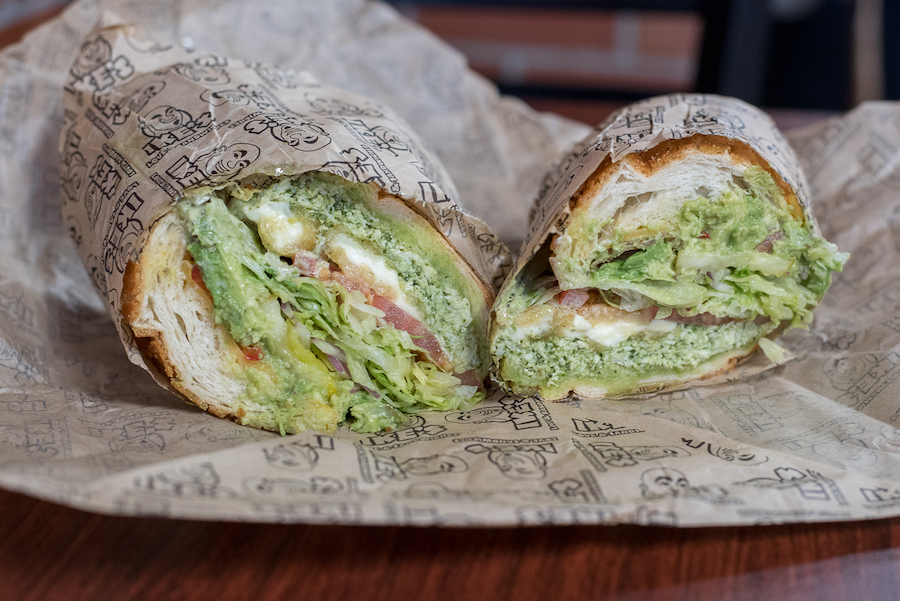
Ike’s Love & Sandwiches opened in Downtown Davis at 212 F Street, next to Blaze Pizza. Ike Shehadeh, the company owner, is a UC Davis alumnus, and many of the popular sandwiches are old recipes from his college days. Ike’s offers a variety of unique sandwich combinations that cater to meat eaters, vegetarians and vegans. A few sandwiches are exclusively sold at the Davis location. Top local flavors include the ‘Yolo County’, which has pastrami, ham, Aggie sauce and American cheese, a veggie sandwich called the ‘Picnic Day’ and the ‘Room 107’ with fried chicken, Aggie sauce and American cheese.

Local boba tea shop Lazi Cow, located at 407 G Street, imported a brand new ice cream roll machine from China to introduce ten different ice cream roll flavors. The new machine keeps the milk cold and frozen as it is flattened out and fresh fruits and other ingredients are added. Fried ice cream is then rolled up and served with toppings added on top.

“Our most famous is ‘Black Hammer’ which has brownies, Nutella and Oreos. ‘T-Swizzle’ has blueberries and strawberries,” said Christopher Ahn, one of the founders of Lazi Cow.

In addition to ice cream rolls, Lazi Cow serves milk teas, brick toast, and build-your-own drinks.


Written by: Jennifer Duong and Carla Arango – arts@theaggie.org
UC Davis offers various health resources for students

ROSIE SCHWARZ / AGGIE

Student Health and Counseling Services provide physical, mental health resources to all students

UC Davis’ Student Health and Counseling Services (SHCS), the department of the university devoted to student wellness, provides various physical and mental health resources for UC Davis students.

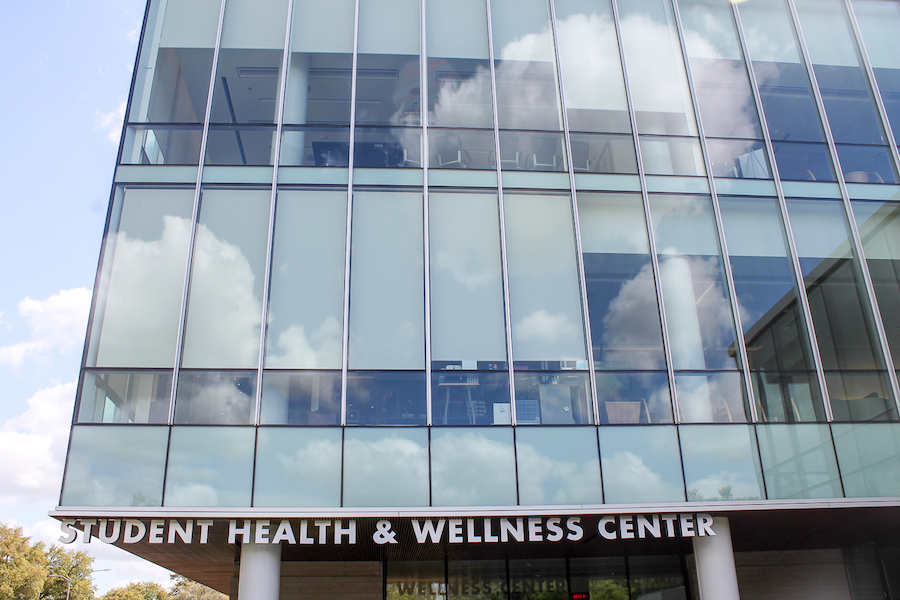
At the SHCS Student Health and Wellness Center, students can receive treatment for various issues and ailments.

“In addition to basic medical care, we provide consultation services in a variety of specialties including sports medicine, orthopedics, psychiatry, endocrinology, podiatry, acupuncture and nutrition,” said Thomas J. Ferguson, medical director for the Student Health and Wellness Center, via email.

Although having the Student Health Insurance Plan (SHIP) is helpful, Ferguson stressed that it is not necessary to receive treatment at the Wellness Center.

“While we cannot bill outside insurances, most services are relatively inexpensive and can be accessed via referral from a primary care provider in our clinics,” Ferguson said. “The most important thing I would like to remind our students is that you do not have to have our student health insurance plan in order to use our services!”

With a dual presence in both the Student Health and Wellness Center and in North Hall, SHCS also provides mental health services to all students with free initial sessions.

“SHCS provides a variety of mental health services,” said Sarah Hahn, counseling director for SHCS, in an email interview. “Our main service is that we offer individual counseling, couples counseling and group counseling to all registered UC Davis students at no cost at the time of service, since we are supported through student fees.”

Although all resources are valuable, Hahn sees one resource as particularly helpful and underused: the SHCS website.

“Aside [from] the direct mental services that SHCS provides, SHCS website provides [a] wealth of information [that is] related to mental health issues,” Hahn said. “This resource tends to be overlooked and/or under-used. However, the website includes not only the details of our direct services but also information on various topics of mental health […] and links to other resources.”

Former director of the office of advocacy and student representation, Sam Alavi, firmly believes that because each student has their own needs, each resource is just as important as another.

“Our campus is so diverse that every student comes to UC Davis with certain needs and struggles and most students end up using health resources at some point or another while at UC Davis,” Alavi said in an email interview. “And that’s what makes health resources so important; there are no ‘valuable’ or ‘less valuable’ resources.”

Alavi is passionate about making sure that mental health resources are available to those who need them.

“There are many student activists right now, including myself, who are working on getting more funding for mental health resources,” Alavi said. “We advocate for more health resources and more diversity in services and staff so that when a student decides to take initiative in regard to their health, there will be resources available that fit their needs and identities.”

One way that SHCS is working toward improving services is by hiring a larger staff.

“As we hire new counselors, we are also concentrating on bringing onboard clinicians who have skills and experience working with the diversity that exists here at UC Davis,” Hahn said. “This diversity encompasses not only diverse cultural backgrounds, but also non-traditionally-aged students, transfer students, student veterans, student parents, first-generation college students and students across the spectrum of gender and sexual-orientation identities.”

Alavi also reaffirmed the importance of reducing the stigma associated with mental illness.

“Students know there are health resources on campus, but do not utilize them because of social stigma and difficulty getting appointments when the counseling center or health center is so busy and under-resourced,” Alavi said. “So even once we get to a place where students know that these health resources are available to them, we have to make a safe and supportive enough environment so students will feel comfortable seeking the available resources.”

More information about SHCS can be found on its website.

Written by: Kenton Goldsby – campus@theaggie.org


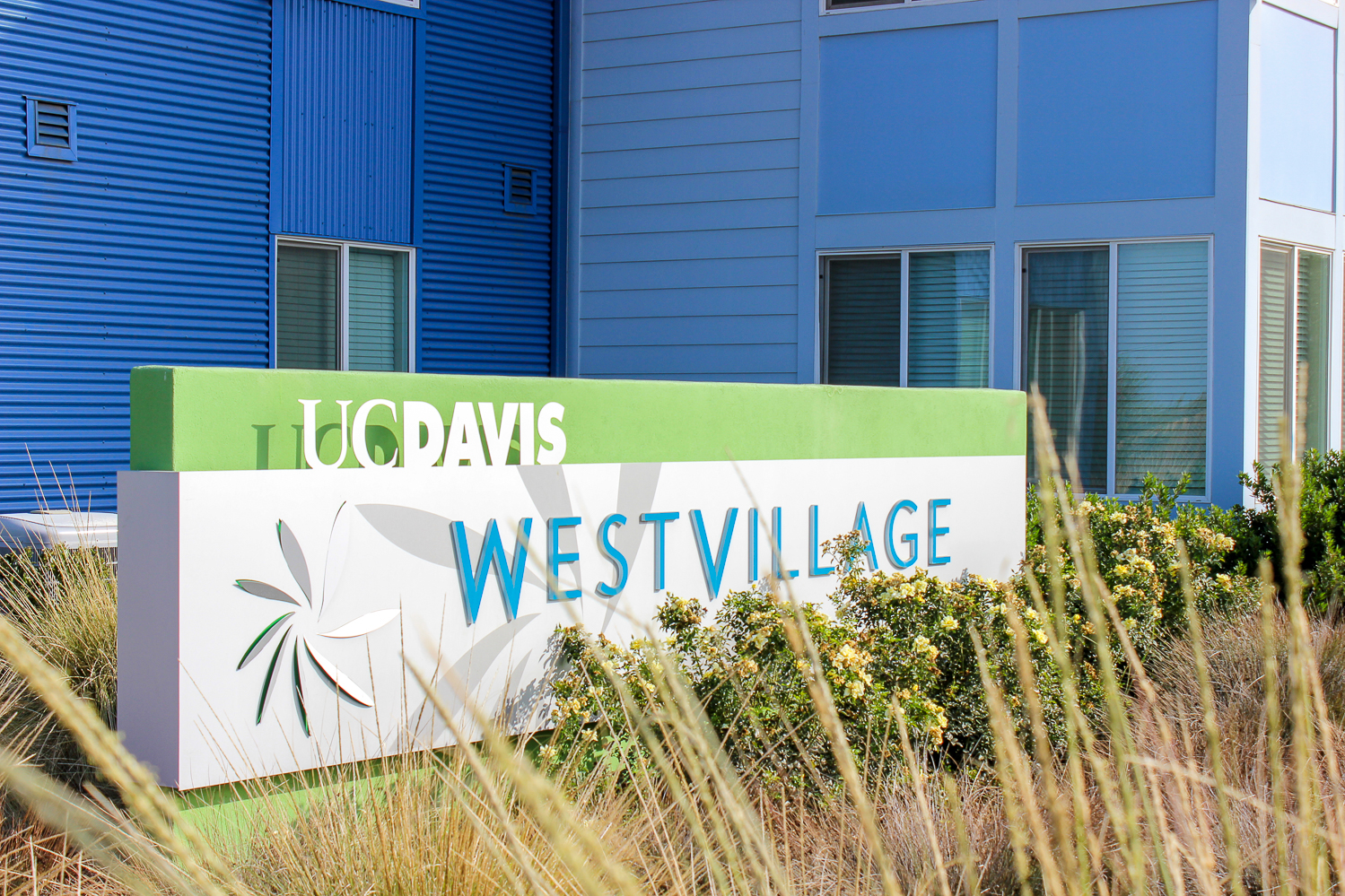
West Village, UC Davis begin project to build 50 homes for faculty, staff

0
VENOOS MOSHAYEDI / AGGIE

Project designed to provide housing for employees currently living outside of Davis, produce energy-saving homes close to campus

UC Davis announced over summer an upcoming project to build 50 single-family homes for faculty and staff at West Village by 2018.

The homes, which are all walking or biking distance from campus, will be sold at about 80 percent of the cost of comparable Davis homes. These homes will meet West Village’s ambitious efficiency and sustainability goals.

Jillian Ramsey, the assistant project manager, believes that this plan helps ease the issue of the expensive cost of living in Davis while continuing the pursuit for zero net energy housing.

“It is solving one of our biggest recruitment challenges,” Ramsey said. “Everyone has a challenge finding affordable homes here in Davis, so we hope this will encourage new faculty and staff to live close to campus. It will also model our sustainable growth progress, and that is really important to us.”

The problem is not unique to Davis; schools across the nation are struggling to hire and retain faculty members in cities where the cost of living is high.

Currently, the only university housing designed for faculty and staff is at Aggie Village, where there is an approximately 200-person waiting list for a complex that only sees a new vacancy every one or two years, on average.

Andy Fell, associate director of news and media relations at UC Davis, believes that this new project will attract potential professors and faculty employees to the university.

“What’s important is there is a need for housing in our area for faculty and staff,” Fell said. “Housing in Davis can be really expensive, so there is a kind of need for affordable housing that is biking or walking distance from campus that can be attractive and help lure in new staff.”

The project has been in the works since 1999, when the contractor who designed and constructed student housing at West Village also planned to incorporate single homes that could potentially be for faculty and staff. However, the project stalled due to various complications, including the housing market crash of 2009.

Last fall, the original contractor left before beginning work on the housing project, and the university terminated its master ground lease with West Village Community Partnership LLC, putting about 60 acres back under the university’s control.

Regenerating the project under its existing Long-Range Development Plan (LRDP), the university now can build up to 475 homes. The original project conceived under the LRDP included not only the 475 single-family homes, but capacity for 3,000 students, approximately 42,000 square feet of commercial space and a community college center with about 60,000 square feet of space. The Sacramento City College Davis Center has already been completed and running since 2011, making UC Davis the first UC campus to host a community college on its property.

Siegel & Strain Architects, an Emeryville-based firm which also worked on the Jess Jackson Sustainable Winery Building at UC Davis, has been selected to design the single-family homes. They are now working with the university, faculty and staff to develop initial design concepts. Once design and construction are completed, potential new residents will be chosen by a lottery process.

In order to receive input, the university is asking faculty and staff to fill out a survey addressing topics such as household composition, home design, energy efficiency and transportation and commute patterns.

BreAnda Northcutt, communications director at the Office of the Vice Chancellor and chief financial officer, says that both the faculty and staff have contributed to the housing design.  

Northcutt believes this is the start of a project that will draw in new faculty and staff, and provide them with a welcoming community.

“This is an important project for us to really show our faculty and staff that we are understanding of the challenges within the housing market and we want to reach out to them,” Northcutt said. “There is so much yet to come. This is only the beginning.”

Written by: Demi Caceres – campus@theaggie.org

Bike City, USA

0
GRAPHIC BY // AMY YE

Davis continues to lead as unofficial “Biking Capital” of the US

Davis may be a small town, but it’s a big deal to bicyclists since the city is consistently named one of the most bike-friendly places in America.

The League of American Bicyclists, a non-profit membership organization, seems to agree, awarding Davis a Platinum Bicycle-Friendly Community (BFC) Award in 2006. As of today, Davis is one of only five cities in America to achieve this status.

“Davis is really a leader in the United States in terms of investing in biking infrastructure and having a ton of people who bike,” said Ken McLeod, the state and local policy manager for the League of American Bicyclists.

Davis is currently seeking to become the first city to achieve Diamond status (cities are ranked, in ascending order, Bronze, Silver, Gold, Platinum and Diamond). So far, efforts to increase the ease with which Davis residents can ride their bikes have been successful.

“We have over 11 square miles of Davis and we have over 100 miles of designated bike paths,” said Bob Bowen, president of the US Bicycling Hall of Fame and publicist for the City of Davis.

Since the city of Davis first became incorporated, residents have been advocating for city improvements that encourage bike riding.

“In 1967, the city of Davis installed the very first bicycling lane on a street in the US […] we had to have state legislation passed and signed by then-governor Ronald Reagan,” Bowen said. “Since then, Davis has always tried to pride itself on being bike-friendly.”

2017 is the 200th anniversary of the invention of the bicycle, and the City of Davis is gearing up for the landmark occasion.

“Not only is it the 200th anniversary, next year is the 100th anniversary of the incorporation of the city of Davis — the only town that has a bicycle in its logo — and it’s the 50th anniversary of the first bicycle lanes in America,” Bowen said.

Another historical biking institution, the Davis Bike Club, is also preparing for the new school year with its big event, the Foxy Fall Century.

 “[The race is Oct.] 15. There are three loops: a 100 mile loop, a 100 km and 50 km loop,” said Richard Waters, one of the original members of The Davis Bike Club.

Davis Bike Club, formed of approximately 500 members, has been active since about 1974, after the previous Davis bike club “Cal Aggie Wheel” disbanded.

Davis Bike Club has rides that go out daily. Information on all of these rides can be found on its website. More information on the League of American Bicyclists can be found at www.bikeleague.org. For more information, visit the US Bicycling Hall of Fame in Downtown Davis, or take a look at its website.

Written By: Samantha Solomon – city@theaggie.org

BREAKING: Katehi resigns as chancellor

Photo by Jay Gelvezon
JAY GELVEZON / AGGIE

University of California (UC) President Janet Napolitano announced today, Tuesday, August 9, that she has accepted the resignation of UC Davis Chancellor Linda P.B. Katehi.

Katehi’s resignation comes after a three-month paid investigative leave, during which UC officials examined her role on outside corporate boards, accusations of nepotism and her approval of UC Davis spending at least $175,000 to erase the 2011 pepper-spray incident from the internet, among other allegations.

“The investigation is now concluded, and it found numerous instances where Chancellor Katehi was not candid, either with me, the press, or the public, that she exercised poor judgment, and violated multiple University policies,” Napolitano said in an email sent to UC Davis students, staff and faculty this afternoon.

While the investigation revealed that Katehi violated policies in her travel expense reports and through her participation in corporate boards, the UC Davis Academic Senate found Katehi innocent in most of the charges against her.

“Linda Katehi and her family have been exonerated from baseless accusations of nepotism, conflicts of interest, financial management and personal gain, just as we predicted and as the UC Davis Academic Senate found within days of this leave,” said Melinda Guzman, Katehi’s attorney, in a press release.

Katehi outlined the reasons for her resignation in a letter released by the UC Davis Academic Senate. In her letter, Katehi responded to critics’ claims of nepotism, misuse of student fees and outside board service, among others.

“I am grateful for the work of the investigation team in exonerating me in 5 of the 7 items which they ultimately investigated,” Katehi wrote in the letter. “It has been very important for me that the investigation team conduct this investigation and confirm that I did not violate policies that are central to the mission of the academy and to my family, namely the issues of nepotism, conflicts, financial management or personal gain. The other two issues concern unintentional misunderstandings between me and President Napolitano, and it remains my hope that over time these differences will be resolved.”

Due to a pre-existing contract with the school, Katehi will remain at UC Davis as a full-time faculty member. According to UC spokeswoman Dianne Klein, Katehi must vacate her on-campus chancellor’s house by Oct. 31.

“We will immediately form a search committee and conduct a national search for a new chancellor to lead this extraordinary campus,” Napolitano said.

Ralph Hexter will remain as acting chancellor during this time.

“With the resignation of Chancellor Linda Katehi, a sad chapter in UC’s history has come to an end,” California state Assemblymember Kevin McCarty (D-Sacramento) said in a press release. “UC Davis can now move forward and be known for what they’re best at: rigorous academics, world class research, an innovative medical center in Sacramento, and an active student body.”


NOTE: This story was updated at 10:00 p.m. to include information from afternoon press releases.

Scott Dresser contributed to this story. Alyssa Vandenberg can be reached at campus@theaggie.org.

Show Review: Audiotistic 2017

Insomniac surprises the Bay Area with Audiotistic

Since its inception in Southern California, Insomniac Events relaunched Audiotistic after a six year hiatus. The one-day event was brought to the San Francisco Bay Area and aimed to blend rap and dance music harmoniously. After hosting the marvelous cosmicMEADOW stage at Electric Daisy Carnival Las Vegas, without a doubt the Audiotistic brand came to entertain fans with two magnificent stages at the Shoreline Amphitheater and Grounds.

As with most Insomniac events, entering the venue went smoothly, as the event promoter aspires to make the experience memorable from start to finish. There were multiple lines for identification check and ticket scanning making entry a breeze for attendees and myself. As I roamed around the festival, food trucks and concession stands were scattered across the venue giving festival-goers multiple food options. I walked around some more and could see Insomniac’s dedication to health and wellness. Two water stations provided free water to guests to keep themselves hydrated. Positive-minded individuals with purple shirts or tanks could also be seen wandering around the venue with their backpacks packed to brim with essentials and water. They’re called “Ground Control” and they’re job is to make Audiotistic fun and safe for everyone who attends by seeking those who may be in need of medical or emotional support.

Two extraordinary outdoor stages adorned the grounds—the bigger one called “Frequency 1.1” and the smaller one dubbed “Frequency 2.2.” With Habstrakt’s recent collaboration with Skrillex, I started my day off with some “Chicken Soup” at Frequency 1.1.  Habstrakt was a transition master filled with heavy bass riffs that made the crowd dance. Up next, Ghastly made his way to the stage and made the crowd headbang with authority. Afterward, NGHTMRE made his way to the stage with producer-duo Slander meaning it was for the trio to bring “Gud Vibrations” to the Bay Area—a surprise to many. Because Slander were slated to play from 6-7p.m. and NGHTMRE, for one hour after, their time on stage turned into a two hour megaset.

Insomniac didn’t stop with the surprises because Playboi Carti and Lil Uzi Vert played a one hour superset at Frequency 1.1. Both artists took command of the stage with their own hit songs, and then, of course, with the duo’s hit single “Woke Up Like This.” Point Point extended their set until to 7:45, so I bounced on over to Frequency 2.2 to see them. Their unique sound filled the set with joyous positive melodies and remixes.

I made my way back to Frequency 1.1 to catch Flosstradamus, which is now spearheaded by Curt Cameruci since Josh Young departed to work on a solo career. His set started off strong and kept the energy going with seamless transitions that kept the crowd on their feet. Finally, Marshmello donned the stage equipped with his signature LED helmet to keep his identity a “secret.” Highlights of his set included various throwbacks to 90s alternative rock and his hits, such as “Ritual” and “Summer.”

Overall, Insomniac’s reincarnation of Audiotistic was a dream for all “Headliners” — Insomniac’s word for attendees. Pasquale Rotella, Insomniac’s CEO and found, previously announced that Beyond Wonderland wasn’t coming back to the Bay Area, so Audiotistic gave us something to look forward to—especially for those of us that couldn’t make the trip to Electric Daisy Carnival Las Vegas. Hopefully, the event comes back next year, bolder and bigger than ever.

Adderall: A mental steroid?

JAY GELVEZON / AGGIE

We’ve all been warned about the harms of substance abuse, how the use and abuse of illegal drugs can negatively impact both our academic performance and overall health.

But what about drugs like Adderall, normally prescribed to treat Attention Deficit Disorder (ADD), but are now being used to help students further their academic progress?

Adderall — which up to 18 percent of students admit to using at least once to study — is considered a Schedule II drug, according to the Drug Enforcement Administration (DEA). Like other drugs in this category, such as cocaine, methamphetamine and oxycodone, Adderall has a strong potential for abuse and comes with a string of physical and psychological effects.

Adverse health effects of the psychostimulant aside (which include anything from increased heart rate and blood pressure to sweating, loss of appetite and depressed mood), Adderall abuse actually translates to a lack of academic integrity. This drug, for those who have not been diagnosed with ADD, is comparable to a mental steroid. Using it means performing far better than a person would sans pharmaceuticals.

The controversy of using this drug undiagnosed is rooted in one question: does using the drug without a prescription in order to further academic performance constitute cheating?

I’d say yes, and so would 40% of students in a 2014 study.

It seems safe to suggest that these students take offense to the fact that, while they’re up all night cramming with more natural energy boosters like sugar or coffee, their peers have no qualms about popping a pill at the last minute to work with twice the speed and twice the focus.

And yet, our university does little to create awareness on the issue, let alone find a way to regulate it. It isn’t fair that some students create this advantage for themselves or, going to the root of the problem, that students feel so much pressure that they need to resort to such means of furthering their academic progress. And this phenomenon shouldn’t go unnoticed. Without regulation this abuse could easily continue and the demand for drugs like Adderall could increase.

In some way, students need to understand the health and ethical effects of this kind of abuse. What can begin as a couple of desperate attempts to excel on an assignment can quickly turn into a dependence on the drug. And exploitation of the drug over a long period of time can lead to serious damages to a person’s health, like permanent brain damage.

Without established consequences, Adderall abuse will only be more normalized. If students see how easy it is to get away with using the drug, and aren’t properly educated on the risks, universities will only face a larger epidemic than already exists.

You can reach HAYLEY PROKOS at hprokos@ucdavis.edu or on Twitter @haroulii14.

Trial by fire in the UC Davis Greek system

MELISSA O'DONOHUE [CC BY 2.0] / FLICKR
MELISSA O’DONOHUE [CC BY 2.0] / FLICKR
Ex-fraternity members, University officials discuss the impacts of hazing.

One chilly night last spring, a group of Phi Alpha Delta (PAD) candidates used all of their strength to roll fifty pound boulders onto the side of the I-80 freeway. Their task was to spell the letters Phi Alpha Delta with the hefty boulders, while members and alumni watched in amusement.

The members hadn’t prepared candidates for the group activity that night, commonly known as “Rocks” to some fraternities and sororities across the UC Davis campus.

Candidates were told to dress in athletic clothes, though they weren’t informed that they would be outside the whole time. The candidates were forced to participate in strenuous physical activities, as members and alumni shouted comments like ‘Go faster!’, ‘We’re going to be here all night!’ and the inspired ‘F*** you!’

Unfortunately, this experience of hazing doesn’t seem to be an uncommon one for students involved in UC Davis Greek life. In the last four years alone, several fraternities and sororities (including Chi Ro Omicron, Pi Alpha Phi and Lambda Phi Epsilon) have been suspended or placed on Revocation of Registration for acts of hazing, like many allege that Phi Alpha Delta had been doing.

Courtney Robinson, Assistant Director of Policy and Conduct at UC Davis Student Housing, oversees fraternity and sorority conduct, and admits that hazing investigations can be difficult to pursue because students are so reluctant to come forward.

Still, Robinson takes any report of hazing seriously. While protecting the identities of reporting parties, one of her first actions is having a conversation with the group in question and allowing members to respond. Reporting parties have the option to remain anonymous.

“If it’s more likely than not that something happened, then the party is held accountable,” Robinson said.

In the case of UC Davis’ former pre-law fraternity, PAD, five members decided to come forward with allegations of hazing in the fall of 2015. A majority of them attributed their departure to the jarring behavior of many fraternity members. Shortly after their exit from PAD, the fraternity was put under investigation for acts of hazing. It was at that point that remaining the PAD members decided to abandon their organization in favor of a new, emerging pre-law organization, Kappa Alpha Pi (KAPi).

This isn’t the first group to shut down a PAD chapter in pursuit of KAPi. UC Berkeley and UCLA students — among others nationwide — have initiated KAPi chapters, claiming various benefits unique to the KAPi organization. As of now, UC Davis officials have stalled registration of the petitioning Davis chapter of KAPi, since many group members are under scrutiny for their actions in PAD.

The Dirty Deeds

From beginning to end, former PAD members agree that the rush process was pretty unpleasant.

“I think it was a bit excessive. It’s like a whole quarter that you have to be doing ‘homework assignments’ and athletic things,” said third-year political science and gender, sexuality and women’s studies double major student, who prefered to remain anonymous.

She rushed PAD in spring 2014.

According to former members, PAD justified their actions through the Order of the Red Carnation (ORC), a process that requires candidates to prove their loyalty through a series of unpleasant tasks. Despite the international organization’s regulations against it, the UC Davis chapter made it a requirement for incoming members to follow ORC if they wanted to have a voice in the organization.

“[The UC Davis chapter of] PAD did things differently from what internationals wanted us to do,” said Blake Whitacre, fourth-year political science major, former president of PAD and current president KAPi.

While the international board of PAD mandated that membership was open to all due-paying students, the UC Davis chapter decided to use two types of membership: inclusive, for the people who generally wanted law school advice, and exclusive, for those who wanted to participate in more ‘fraternal’ activities in addition to professional ones, Whitacre said. Those who participated in all activities were rewarded with exclusive membership, which allowed a person to run for office within the fraternity and socialize openly with other members.

The “homework assignments” given by PAD members ranged from researching types of law and law schools for members, to more extreme cases, like attending “Rocks” and a party the night before the LSAT, the anonymous student said. It was also required that candidates shook the hands of members when they approached the candidates.

“You had three strikes. If you didn’t do an assignment or shake someone’s hand, then you would be dropped or disregarded,” the anonymous source said.

Not only could these activities be construed as hazing due to their seemingly derogatory nature, but some of them also proved to be hazards to the candidates’ well-being. One former PAD candidates reported having smashed a finger during Rocks, but I didn’t want to “make a big deal” by going to the emergency room.

PAD is certainly not the only group to engage in hazing, and it definitely doesn’t employ the ritual of Rocks as harshly as some other fraternities and sororities on campus, according to Robinson.

“I’ve had reports of [a group that’s lost its recognition] doing it in the middle of the day in 104 degree weather,” Robinson said.

The all-male fraternity was placed on Revocation of Registration in 2012 for hazing, among other things.

“The problem is that it’s forced physical activity,” Robinson said. “Even if the older members help out, there can be a coercive component to it, and that’s what makes it an act of hazing.”

The Psychology

There are a number of reasons that groups haze, according to Robinson, categorizing these reasons as both psychological and perspective-based.

“Sometimes they do it as a way to prove that you’re worthy of membership. There’s also the thought of ‘this is how we bond.’ And sometimes there’s a power dynamic involved,” Robinson said.

She also noted that an organization’s decision to haze is often fed by alumni’s value for tradition.

“Many want students to experience what they experienced as undergrads,” Robinson said. “Rather than working with the University to correct the behavior, they encourage it.”

This could explain sightings of alumni at PAD’s annual Rocks ceremony.

“There were alumni drinking and watching us with the members, if you can believe it,” the anonymous former PAD member said.

Former PAD member, fourth-year history and philosophy double major Joseph Wetherbee, described the influence of alumni as “an ‘invisible hand’ type of a force.” That is to say, the fraternity would try to intimidate younger members with the idea that PAD alumni would disapprove of any behavior that went against senior members.

Wetherbee rushed the fraternity in fall 2013 and just recently left in fall 2015, concerned that the fraternity’s abusive practices had gone too far.

The former members mainly attributed PAD’s dysfunction to the power dynamic Robinson described.

“As a whole, the reason why I think [hazing] occurs in general is that people’s positions go to their heads,” the anonymous former member said. “Just a little bit of power goes to people’s heads […] and it all gets out of control very quickly. I think that’s what happened in Phi Alpha Delta.”

Whitacre admitted that last year’s leadership in Phi Alpha Delta “sucked,” but he was quick to add that the up and coming KAPi is looking for a culture change for the pre-law fraternity, given the chance.

“Last year at Rocks there were people yelling [at the candidates], and that’s wrong,” Whitacre said. “I don’t stand for that. I would have shut it down.”

The Policy

While Robinson doesn’t believe in a zero tolerance policy, she does follow a strict set of guidelines when dealing with potential cases of hazing.

“When we get a report from third-party observers, from students who have directly experienced [hazing] or from others who have been a part of the group, we will talk to them to find out what the behavior was that may have constituted the hazing,” Robinson said.

After conferring with both sides, the reporting party and the current president of the group in question, the University determines a course of action. And since UC Davis is dedicated to gaining a full scope of the situation, anyone with knowledge from either side of the issue is welcome.

“Even if the behavior occurred in the past, we bring in the current president. But if that person wants to bring in other officers with knowledge or, say, a past president, then he or she is welcome to do so,” Robinson said.

Robinson also noted that the university doesn’t merely look at the physical implications of hazing; it considers psychological impact as well.

“The voluntariness of the act isn’t really relevant. If someone comes in and says, ‘They made us sleep in the basement for the night, and it really freaked me out,’ then we can potentially consider it as hazing,” Robinson said.

If hazing is proven, an organization can face either suspension or Revocation of Registration.

“The most severe thing we can do to a student group is revoke its recognition,” Robinson said. “When we revoke a group’s recognition, we generally do it for a period [of] no less than five years so that we can get the culture to change.”

The goal is for old members to graduate, so that the negative culture of the organization can change with new membership. Whether or not the group continues to operate despite its Revocation of Registration also plays a role in determining the extent of punishment.

“If a group is continuing to operate, then concerns might still exist,” Robinson said.

Suspension is often a temporary solution implemented to keep a group from operating while the university is still investigating.

The Impact

“I just don’t want anyone to die,” Robinson said.

And while there haven’t been any incidents at UC Davis in which a student has died as a result of hazing, the assistant director reminds herself and others of the possibility of going too far. She gave a 2005 case at Chico State as an example.

The incident led to the death of Chico State student Matthew Carrington, whose brain swelled and heart failed after being forced to drink an excessive amount of water. Four of Carrington’s Chi Tau (XT) fraternity members pled guilty to involuntary manslaughter, and his death ultimately led to to the passing of “Matt’s Law,” an ordinance of the State intended to regulate the consequences of hazing.

“I think of it because I’m sure the fraternity brothers didn’t think there would be any harm in forcing someone to drink water, and yet, a person died,” Robinson said.

In general, former PAD members support the school’s idea for a slow culture change, and it seems that University officials are, more or less, on the same page as the ex-members. Since there is a connection between KAPi and PAD, the University has delayed its approval for registration, according to Robinson.

“If a year down the road, membership is totally different, then the University would probably let them register,” Robinson said.

The Prevention

So, what should a student who is subjected to hazing do? For one, “having the wherewithal to say ‘no’ in the moment” can be powerful,” Robinson said. Reporting to the University is always helpful in terms of helping to prevent an emotionally abusive culture in UC Davis social groups. But she acknowledges that either of these actions are easier said than done.

“Support services will come into play once a person reports,” Robinson said.

With this support, students are able to work through feelings of isolation. Additionally, there are a few things the University is doing to educate groups on the harms of hazing, according to Valerie Lamarre-Laurent, sorority and fraternity life coordinator at UC Davis.

“We work with national and international organizations to make sure the fraternities and sororities are abiding by all policies,” Lamarre-Laurent said.

In addition to requiring all members to fill out the standard anti-hazing form, the coordinator focuses on new member education.

“At the end of the day, our goal is to keep students safe,” Robinson said. “I don’t want anyone’s college experience to be destroyed because of hazing.”

Written by: Hayley Prokos — features@theaggie.org

World’s largest autism study seeks effective diagnosis, treatment plan

KARIN HIGGINS / UC DAVIS

The Autism Phenome Project at the UC Davis MIND Institute studies the biological phenotypes of autism

Over the last 20 years, Autism Spectrum Disorder has become the fastest growing developmental disorder, presently affecting 1 in 68 children.

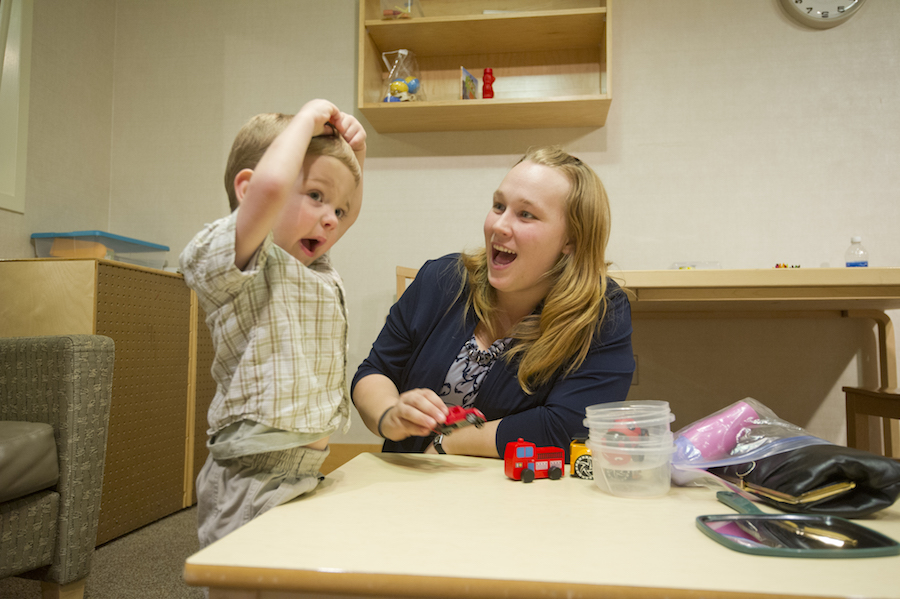
The UC Davis MIND Institute’s Autism Phenome Project (APP) studies the phenotypes of autism for a more accurate diagnosis and treatment plan. The APP works closely with participants and their families to collect data through medical history interviews and exams, as well as provide a blood sample for immune and genetic testing. In addition, an MRI is performed on the child to monitor brain activity while he or she is asleep.

“Recruitment of families happens through the MIND Institute Database. Families interested provide data and then we contact them,” said Deana Li, APP project coordinator and team member. “We also recruit in the community by attending local events like the Autism Walk to spread awareness about our study.”

According to Li, the majority of participating families come from California, though some travel from out of state to be a part of the study.

“This is an awesome project. The information that has been secured is important,” said Dr. Mary Steinfeld M.D., a pediatrician who provides evaluations and medical exams for the participants.

This project has already revealed three key discoveries: girls with autism have different brain development than boys, the immune system of some children with autism differs from their parents and that subsets of children with autism have specific patterns of blood metabolites that may be predictor of this developmental disorder.

The APP incorporates three different subgroups aimed at identifying certain phenotypes within autism: New APP, GAIN and APP Middle Childhood. New APP enrolls families with boys diagnosed between 2 to 3½  years of age, the GAIN study is for families with girls diagnosed between 2 to 3 ½ years of age and finally the APP Middle Childhood with participants aged between 9 to 12 years old.

“We were not able to enroll as many girls as boys and saw the need to increase girl participants,” Li said, regarding the creation of the GAIN study, the largest study of preschool-aged girls with Autism Spectrum Disorder.

There are differences between girls and boys with autism, including a higher prevalence in boys

“The ratio of autism diagnosis if a girl has an intellectual disability is 2 boys to 1 girl. A autism diagnosis with average IQ is 6 boys to 1 girl,” said Dr. Breanna Winder-Patel, a clinical psychologist who administers the behavioral assessments on participants. “Girls are getting diagnosed later than boys, and we are researching to find out why.”

The creation of the APP Middle Childhood was developed as the original participants of 2 to 3 ½ years of age entered elementary school age. APP Middle Childhood looks to collect data and analyze cognitive processes, attention, learning, memory and anxiety over age range.  

“We want to continue as long as we can with the kids. It is such a unique cohort and we are looking to expand,” Li said.

The MRI performed on the child during sleep is a contributing factor to the longitudinal analysis of this study.

“The MRI study has an 89 percent success rate. There is no sedation involved and parents are likely to participate since it is less invasive. We work very closely with parents to make this happen,” Li said. “They provide us with knowledge of their child’s bedtime procedures so the child is calm, relaxed and sleeping during the scan”

MRIs are extremely loud, but the APP has provided files of practice MRI sounds posted to their website so parents are able to familiarize their child to it beforehand.

“The imaging component allows us to look at early biological and neural predictors of autism. The MRI’s across different time points of a child is key to our longitudinal analysis,” Li said. “[The reason] why we continue to bring back the middle hood patients [is] to do more tests since we have all this data from when they were younger.”

Other components of the longitudinal analysis includes the medical history interviews and exams, as well as studying anxiety disorders.

“I interview the parents to find out how anxiety has impacted these kids. The parents have been wonderful sharing information,” said Dr. Winder-Patel. “The goal is to see if their symptoms have improved or not to when they were younger.”

Over 300 families have participated in the Autism Phenome Project, and it is now the largest study of children with autism in the world.

“The commitment of the parents is incredible because they have to keep coming back for follow-ups. They are generous with their time,” Steinfeld said.

Autism Spectrum Disorder varies from person to person. Because each person with autism is unique, scientists, physicians and psychologists have had difficulties identifying and creating a solution to the disorder.

The APP hopes to continue to recruit more participants and identify subgroups of autism through behavioral and biological data to better understand the disorder.

“Children with autism are delightful and funny. I love interacting with the kids and their families,” Steinfeld said. “I like watching the parents be patient while I talk to the kids. Parents may hear a story from their child a million times but not hear their child tell it to a new person.”

Written by: Shivani Kamal – science@theaggie.org

Farming the bacteria inside us

DANIEL TAK / AGGIE
DANIEL TAK / AGGIE

UC Davis researchers target carbohydrates to promote microbiota growth

Microorganisms inside the body outnumber our human cells 10 to 1. Microbes often receive a bad reputation for making us sick, but our bodies would not be able to function properly without them. This is especially apparent in the digestive tract.

Human cells can’t process certain complex carbohydrates like fibers, so we host a plethora of bacteria and other microbiota in our intestines that can. These symbiotic hitchhikers provide essential metabolic processes that let us properly digest and uptake nutrients.

Our gut flora is influenced by our diets and environment, and while most of these  microbes are beneficial, research suggests that some types of gut flora have ties to malnutrition and premature infant development. UC Davis researchers are studying these gut bacteria with the hope of clinical application.

Dr. David Mills is a professor in the Department of Food Science and Technology. His laboratory is focused on how specific sugars in human breast milk ‘farm’ the bacteria in a baby’s gut and promote growth of the right species.

Bacterial farming takes advantage of a bacteria’s specialized oligosaccharide (complex carbohydrate) diet, allowing researchers to specifically feed and promote beneficial bacteria while starving the deleterious strains.

In March of 2015, a study co-authored by Mills came out in the journal Cell. The study focused on Malawian identical twins, one with kwashiorkor (a severe manifestation of undernourishment, often recognizable by a distended belly) and one without.

“It turns out that this was related to the microbes of the kids, because obviously the twins have the same genetics,” Mills said. “It really is related to the unfortunate set of microbes that [got] inside one kid versus another.”

To determine how best to help the children, microbes from each twin were put into pre-sterilized, microbe free mice. The mice began exhibiting symptoms similar to those experienced with kwashiorkor. Researchers were then able to test the microbes by feeding the mice diets that promoted different types of microbes.

“We added some of the components from human milk that we knew helped ‘farm the right microbes’ shall we say. So they helped guide and encourage the good microbes. So in doing this, we had to get these components, and they’re not so easy to get from human milk because we needed them at scale. We needed kilograms of [carbohydrates],” Mills said.

Dr. Daniela Barile is an associate professor of food science and technology at UC Davis. Her research is focused on finding an alternative source for oligosaccharide manufacturing on a large scale.

“Because these oligosaccharides have very complex structures … biotechnology [is] not yet able to create the molecules in the lab. They can only create two or three out of [the] hundreds that are in human milk. And so that’s why we need to extract them from [animal] milk,” Barile said. “Right now, we’re doing this bioinformatics catalogue of all the milks that we can get … so that we can hope to understand the synthesis of these molecules.”

The Barile lab has tested a wide assortment of mammal milk, including pig, goat, mouse, and sheep milk. Cow milk in particular has been promising, partially because of the oligosaccharides it naturally has, and partially because of how easy it is to come by. For this reason, the Barile lab has partnered with Hillmar Cheese Company.

“We were lucky because [the oligosaccharides] are quite small molecules and they were escaping each filter,” Barile said. “[They are] not captured with the cheese, they’re not captured with the cream, they’re not captured with the protein, and they end up in this waste product. So that was a great news for us, because there are still millions of metric tons of the waste product that now we can harvest.”

This cheese byproduct, or cheese whey, has a higher concentration of oligosaccharides than milk alone. Because cheese whey is a waste product that manufactures usually have to pay to dispose of, it’s also cost efficient.

“Without companies believing in what UC Davis is doing, we could not be publishing in Cell,” Barile said. “It’s really important to get out the message that you can isolate the complex sugars from a dairy cow, and these complex sugars are similar to human milk and they may help reverse the problems of malnutrition.”

One application of this research is in helping prematurely born babies who did not have sufficient time to build up the proper microbiota.

“[My] research has been focused on preventing disease in premature babies that involves their intestines. So we give premature babies … live bacteria to try and prevent infection,” said Dr. Mark Underwood, chief of pediatric neonatology at UC Davis Medical Center.

Underwood treats premature babies and newborns with illness and infection. While the babies in the hospital are receiving the oligosaccharides that they need from their mothers’ breast milk, their gut biomes are still extremely sensitive to external microbes. Live bacteria, along with the right oligosaccharides from breast milk, introduce good bacteria to the baby’s gut and provide the nutrients for the right microbiota to establish and flourish.

“If a baby is getting his mom’s milk, that provides him with the sugar molecules he needs. Then the question is, does he need the bacteria as well? And it looks like the answer to that is probably yes,” Underwood said.

The research being done by UC Davis faculty on microbiota intersects human biology, food science and human health; a combination hard to replicate elsewhere.

“The beauty of being at UC Davis is that we have the analytical lab, we work with large companies that can scale up our ideas, and then [we] do the clinical translation right here so you can monitor [the results],” Barile said.

Written by: Meral Basit – science@theaggie.org

Reflecting on the middle

SANDY CHEN / COURTESY

I attended Wednesday’s Bernie Sanders’ rally today on campus and was pleasantly surprised to see that he opened up his speech with regard to the diminishing middle class. Throughout the quarter, I’ve been discussing the concept of the middle: the middle of class, the middle of race and the middle of immigration. I discuss these issues because I see them around me — either by directly affecting my life or by witnessing similar events. To have an authority figure speak out on something I’ve been mulling over is very exciting because to me, as someone of the middle, the focus is not so much on the extremes anymore. The middle is gathering national momentum.

Of course, the struggle of the middle is still ongoing, and I can honestly say that I don’t think there is or will be a definite solution. The matter is complicated, especially when more and more microscopic issues arise from previous macroscopic ones. For example, with the exposure of the middle class struggle comes with the upper-middle and lower-middle struggles. In the vast debate over immigrant rights comes the split between first and 1.5 generations. However, I think it’s important to acknowledge and be aware of the middle. If you identify with the middle, then it’s empowering, perhaps, to take action and really speak your mind. If you don’t, at least you can be aware what other people are going through. There is no clear-cut right or wrong answer to this situation, as the middle has been defined as a rather gray area.

As I prepare to graduate, I’ve been thinking a lot about my own association with the middle. I’ve been an average kid, and despite all the accomplishments I’ve made in college, I’m still graduating with concerns over how much I’ve broken out of the middle. Have I made any progress to let myself be heard? Have I really made myself into a unique individual? However, as I come to these thoughts, I realize it is important to understand that there are other people, going through their own feelings and experiencing their own struggles. It’s rather pessimistic of me to say there is no ending when there is at least a recursion, a turning point for us to take a step back and see how much we’ve accomplished. Though problems will continue to present themselves, our better understanding of the middle will only increase our awareness and open mindedness about our own beliefs.

You can reach SANDY CHEN at sichen@ucdavis.edu.

ASUCD senators start petition calling for Punjabi culture and language class

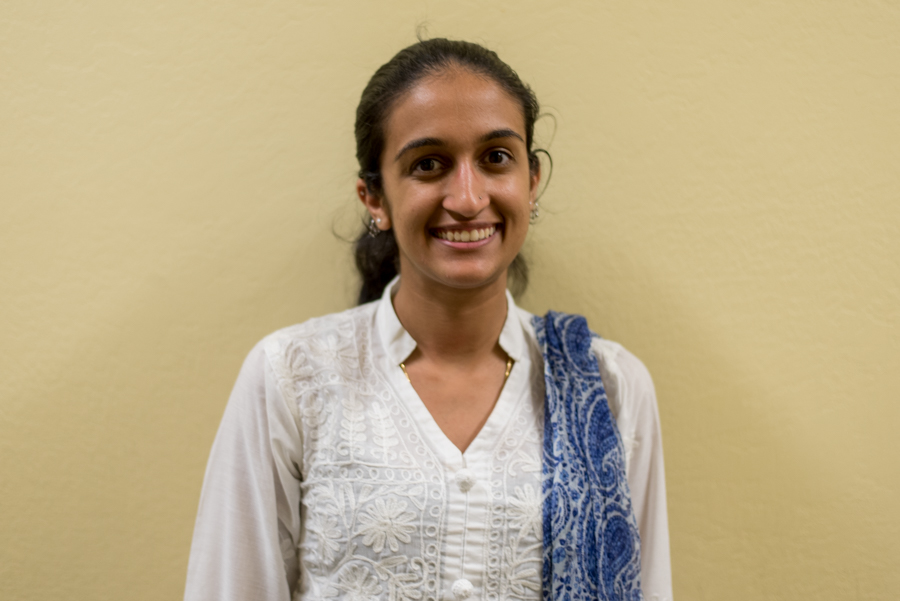
ASUCD Senator Irveen Grewal (JAY GELVEZON / AGGIE)

Class would offer opportunity to learn about Punjabi culture, literature and language

ASUCD senators and the Sikh Cultural Association (SCA) have kick-started a petition advocating for a Punjabi culture and language class at UC Davis. The class would aim to increase the awareness of the language, literature and culture of the state of Punjab, located in Northwestern India, the home of India’s Sikh community.

ASUCD Senator Puneet Dhindsa, a fourth-year political science major, was inspired to take action in response to the large Punjabi community on campus. She contacted other ASUCD senators and SCA members about her idea and received their support to petition for a Punjabi class.

Dhindsa has been working closely with fellow ASUCD Senator and second-year political science and psychology double major Irveen Grewal, who will take over the reigns of the petition after Dhindsa graduates this spring.

Grewal hopes that this class will encourage Punjabi students to embrace their culture and fight the generalization of identifying as simply “Indian.”

“A lot of [Punjabi] students here compromise how they’re being represented and say ‘Yeah, I’m Indian,’ but won’t say that they’re Punjabi because people don’t understand what it is,” Grewal said. “I think [that] providing that information in the form of a class would make students feel more comfortable on campus.”

Punjabi is most commonly spoken in Northwestern India and Pakistan. UC Davis currently offers Hindi, the official language of India, as a foreign language class.

ASUCD Senator and third-year managerial economics major Parteek Singh is taking a Hindi language class at UC Davis but has noticed a large amount of Punjabi students enrolled in his class.  

“A large portion of the Indian community at UC Davis is Punjabi, and a big portion of the students taking Hindi right now are Punjabi,” Singh said. “These students who can speak or want to learn both languages might get these two languages mixed up […] It makes me wonder if these students are taking Hindi because Punjabi is not offered.”

For self-taught Punjabi speakers, taking a class may still provide benefits.

“Having a teacher there beside you makes all the difference,” said Lovepreet Singh, a third-year computer science major and president of SCA. “Having someone who can teach you all of the essential parts of a language, such as proper pronunciation, is really important.”

Dhindsa believes that a Punjabi class at UC Davis would help accommodate the large Punjabi community and provide a space to celebrate Punjabi culture.

“I want people to be proud of their culture’s language,” Dhindsa said. “I especially want Punjabis to be proud of their culture. That’s the main goal of this class.”

Anyone interested in signing the Punjabi culture and language class petition or learning more about the class is encouraged to contact Grewal.

Written by: Emma Sadlowski – campus@theaggie.org

The Editorial Board endorses Hillary Clinton for Democratic nomination

HANNAH LEE / AGGIE
HANNAH LEE / AGGIE

Clinton’s experience, pragmatism make her top candidate

After a spectacular year of garnering support for his progressive agenda, Senator Bernie Sanders (D-VT) came to UC Davis Wednesday, June 1, to make his case for why he should be the Democratic nominee for president of the United States. And while Sanders’ presence has brought a fresh perspective to this election, it’s the candidate without the overwhelming support of Millennials who has the experience and sound policy proposals required of any president.

Hillary Clinton has a deep-seated commitment to public service, which includes, but is not limited to, her years as a dutifully active first lady, a New York senator and the secretary of state. This has earned her the confident endorsement of The California Aggie’s Editorial Board for the Democratic nomination for president.

Although Clinton’s choice of language in describing certain black youth as “super-predators” was reprehensible, her remarks, made two years after the passage of Bill Clinton’s 1994 controversial crime bill, should not diminish a long-standing record of supporting civil rights.

She combated segregation in 1972 by going undercover for the Children’s Defense Fund, which was trying to determine whether schools that discriminated based on race were receiving tax-exempt status from the federal government. As a student activist in 1968, Clinton favored the methodical approaches to social change that were championed by the likes of Martin Luther King, Jr. by working with black students at Wellesley College to increase recruitment of black professors and students.

As her political career has grown, Clinton has become well-versed in virtually every issue affecting American citizens. From protecting reproductive rights for women to fighting terrorism abroad, she has proved herself to be one of the most uniquely qualified candidates to ever run for president.

Sanders, who just recently registered as a Democrat, does not possess the same credentials as his opponent. He has done a fine job of instilling mainstream progressive rhetoric into the Democratic primary, encouraging Clinton to take more liberal stances on many issues, but his own beliefs resonate primarily with the politically and economically alienated.

Many of his ideas seem to stem from a basic repudiation of economic inequality, but reality is more complex. Not all problems can be explained by class conflict. The Vermont populist has primarily received support from young people with his promise to make college free by implementing a speculation tax on Wall Street transactions to cover tuition costs. Many of Sanders’ boldest proposals — including a “Medicare-for-all” healthcare system and a process of breaking up big banks — have been met with skepticism by policy experts who fear the self-proclaimed democratic-socialist will break the bank.

Even if these plans were sure to be economically feasible, they would still face the significant hurdle of getting past an increasingly polarized Congress. Sanders’ “political revolution” will not help him in meetings with GOP leaders who represent entirely different constituencies and special interests.

But a vote for Clinton should not be based on the shortcomings of her Democratic rival. It should be based on the merit of her own proposals.

She plans to make college more affordable by allowing students to refinance their student loans at lower interest rates — and by doing away with loans altogether for incoming students. Her strategy for education reform is rightfully rooted in the philosophy that, if you can afford to pay for college, you should. The children of hedge fund managers should not be made to contribute nothing to their universities.

And while her rhetoric on Wall Street excess doesn’t have the attractive populist edges that Sanders’ does, Clinton has a deep understanding of both the financial sector’s importance and excesses. She wants to strengthen Dodd-Frank, a set of Wall Street regulations that has been steadily eroded since passage after the Great Recession. Holding executives accountable by ensuring that no individual is “too big to jail” is another priority she shares in common with the Vermont senator.

Despite all her accomplishments and experience, Clinton is not the perfect candidate. Her trustworthiness is cause for concern. While attacks over her use of a private email account as secretary of state may be overblown, her refusal to release paid transcripts of Wall Street speeches undercut her calls to increase transparency and reduce conflict of interest within the financial sector.

And her stances on some of the most important issues of the day, like same-sex marriage, seem to be ever-evolving with the popular mood. But this phenomenon of changing views over the course of a political career is not unique, by any stretch, to Clinton, and voters should keep this in mind when they go to the polls next Tuesday.

Come November, Hillary Clinton will be the best candidate to fight the bigotry and bluster of Donald Trump, the presumed Republican nominee for president. As president, she will be the most effective advocate for today’s America — a diverse coalition of groups and communities — making her the best choice for Democrats looking to make a difference with their vote.

Out with the old, in with the Blue

DANIEL TAK / AGGIE
DANIEL TAK / AGGIE

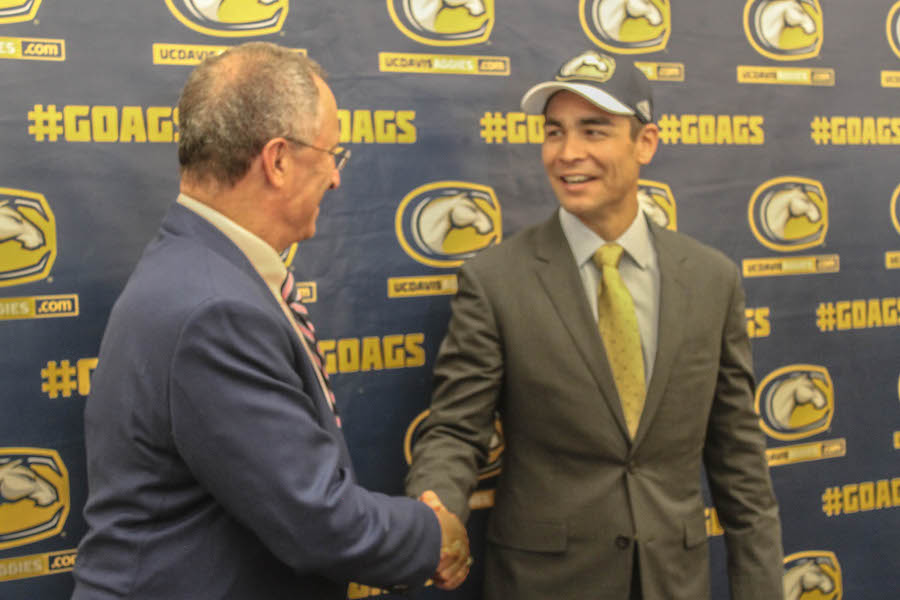
New UC Davis athletics director Kevin Blue to begin June 21

Terry Tumey announced his resignation as UC Davis athletics director in early April 2016. Teresa Gould was appointed just days later by Chancellor Linda Katehi in an interim capacity. An 11-person search committee was soon established to deliver no less than three candidates suitable replacements who met a set of criteria that were deemed essential to leading the Athletics Department.

According to notes from the search committee, the next athletic director should have proven experience in developing effective business strategies and generating income, strong management experience, a high regard for academics, and be someone who can effectively work with the student government, Academic Senate and Council of Deans and vice chancellors. Additionally, the group was looking for a candidate who would embrace and be involved in the surrounding community, a strong and impassioned leader and someone with integrity.

That someone was Dr. Kevin Blue. The former senior associate athletics director of Stanford was introduced as the new UC Davis athletics director on May 17, and will effectively take the position on June 21.

Blue was a student-athlete at Stanford, where he played for the men’s golf team. He later attended Michigan State University to earn a Ph.D. in sports psychology, returning to his alma mater in Palo Alto to work for seven years in the athletics department. As Blue comes to UC Davis, he leaves behind a job that gave him extensive experience in the business side of athletics, overseeing the Cardinal’s external business units, which satisfies the search committee’s finance-related requirements.

“In general, the two institutions approach Intercollegiate Athletics in a philosophically similar manner,” Blue said. “That, obviously, will make me feel comfortable immediately, and it was one of the reasons why I wanted to get this job.”

Acting Chancellor Hexter, in lieu of Chancellor Katehi, conducted interviews for the final four candidates for the position and is confident in his final decision.

“[Blue] is absolutely in alignment with our ideals and our values about the importance of competition in the sport, coupled with academic success,” Hexter said. “Above all, I sense that he would be extremely dedicated to working with all the campus constituencies, to enable the change that he will lead us on.”

In his first press conference as acting chancellor, Hexter confirmed that he would indeed appoint a new athletics director, a decision that could affect the university for the foreseeable future. Though Hexter will potentially only be chancellor during Katehi’s investigation, he is steadfast in his long-term decision to appoint a successor to the Athletics Department, citing the fact that he has been a part of the university leadership for five years, and the matter was too important to delay any longer.

“UC Davis is many things more than a chancellor,” Hexter said. “As important as a chancellor is, and we have had a great one, this is really something that we can and must move forward on, so I’ll take the responsibility of doing it.”

Scott Carrell, faculty athletics representative and associate professor in the Department of Economics, lauds Blue’s experience at Stanford and his plans for the future of the Athletics Department.

“My opinion is that Kevin was the best fit for UC Davis,” Carrell said. “If you think about the way he views and values athletics, his values are exactly in line with UC Davis’ values in terms of the student-athlete model. He also is innovative and progressive in his business operations, has great experience there and has done great things at Stanford, and then finally he was an athlete himself.”

As his official start date looms, Blue is working to familiarize himself with the inner workings of the department. Gould will aid in the transition, assisting Blue until Aug. 1.

“I look forward to just really listening and learning as much as I can,” Blue said. “You can’t make intelligent decisions without full information, [and] it’s my task in the beginning to get full information.”

With Blue at the helm, many believe that the future of UC Davis athletics is in good hands. Time will tell, but based on statistics alone, an extremely qualified and passionate individual is set to assume his new position before the month is out.

“The reason I’m in college sports and not another line of work is because I really enjoy the intellectual vitality that goes along with being part of the university community,” Blue said. “Just getting the community excited about Davis athletics even more than they already are is going to be a fun process too.”

Written by: Bryan Sykes — sports@theaggie.org

Women’s team of the quarter: water polo

ZHEN LU / AGGIE
ZHEN LU / AGGIE

Women’s water polo exceeds expectations, doesn’t let end result bring them down

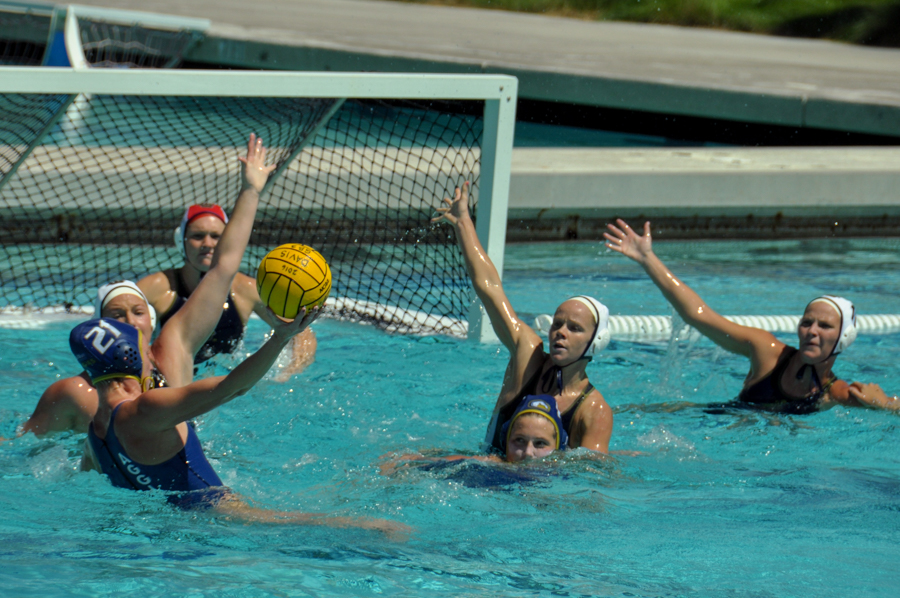
The California Aggie sat down with members of the women’s water polo team to discuss what made this the season they won’t forget, and why they are The Aggie’s choice for women’s team of the quarter.

“Even though it didn’t necessarily end as we had envisioned it, we don’t want the end result to overshadow all the things we did this season,” said senior center Allyson Hansen. “Like beating Cal for the first time in program history, top three finish at UC San Diego tournament, top six finish at UC Irvine — which we haven’t done for a long time — and getting our program’s 400th win.”

Hansen, a fifth year who was nervous about coming into the season without the players she initially came into the program with, started the Aggies this season in Big West Conference weekly honors with a Player of the Week award — the first of five UC Davis athletes this season. Despite having a 2-3 conference record, the Aggies did manage an overall record of 17-13, with some heartbreaking losses that followed tremendous wins.

“With every struggle comes growth,” said head coach Jamey Wright. “We had some character developing moments this year […] this is all part of the process, we’ve got to go through this.”

Wright refers to the defeat over Cal Berkeley and the comeback against Irvine.

“You learn more from your losses than your wins,” Wright said. “For having had some early disappointing conference losses, we finished well.”

Hansen knows that the losses did not affect the team’s bond.

“The experience and wisdom of the older players helped cultivate a whole cohesive team… we have team chemistry,” Hansen said. “This year, instead of being on the losing side of one-goal games, we have been on the winning side, which I think in the past hasn’t really happened […] When it boils down to it, the chemistry is what got us those wins.”

“This year, we had a lot of strong players so we were able to use all of the weapons we had versus relying on one or two players,” said junior center Carla Tocchini. “[That] is what a lot of teams normally do, to give everybody a chance to kind of shine.”

But what really makes the Aggies a strong team?

“One of the biggest things that we possess is a solid defense,” Tocchini said. “Our goalies were fantastic at anchoring us in the cage, all of our offense and everything we created came out of our tough defense and our defenders really fronting well. Everyone was doing their job on defence essentially, so I think, if we can carry that into next season, we will do very well for ourselves.”

Next season, the Aggies will be facing a lot of turnover as they say goodbye to seven seniors and welcome nine freshmen to the program. This will make the 2016-17 team predominantly underclassmen.

“I’d like to think of it as a really positive opportunity,” Tocchini said.  “Yes, it is a big group of girls that are going to have to learn a ton of new stuff coming into the program, but it also gives our team a whole new look.”

Wright also notices the toll this change will take on the team, but like Tocchini, does not fear it.

“It’s not always easy, especially when you have a big turnover, losing that leadership,” Wright said. “It puts a lot of pressure on the returning juniors this year.”

While the shift in players does not affect Hansen directly, she definitely connects with the idea of stepping up.

“That’s going to be a huge shift,” Hansen said. “I think for next year, they are really going to have to bond the freshmen in. The upperclassmen are going to have to step up; people besides the captains are going to have to step up.”

In attempt to pass down some of her knowledge, Hansen said, “If I learned anything these years, it’s to trust the process. You’ve got to be patient, [and] it all will come together at some point.”

The team was ranked fifth nationally this spring season and managed to maintain a 3.15 overall GPA. Coaching staff as well as the players agree that next season they will be working to integrate the recruits to continue and enhance this season’s success.

“I could think of a bunch of words [to describe the season], but I think the first word that comes to mind is ‘epic,’” Hansen said. “That’s kind of how it was. I never in a million years would’ve thought we would have beat Cal or beaten ASU or been in the top five […]  it’s stuff that I thought was unreachable or unobtainable. It’s pretty epic that we were able to pull together and do it.”

Honorable Mention: Women’s Lacrosse

If one thing is certain, it is that UC Davis women’s lacrosse has made amazing progress this season. Under first-year coach Tee Ladouceur, the Aggies’ 5-4 conference record is the first winning record produced by women’s lacrosse since 2000, and their appearance in the MPSF Championship tournament this season was their first appearance in six years. While this was a season for improvement, women’s lacrosse has shown tremendous strides to become a conference winning team in the future under Ladouceur.

Written by: Veronica Vargo and Ryan Bugsch — sports@theaggie.org