59.2 F
Davis

Davis, California

Friday, December 26, 2025
Home Blog Page 617

Voters to decide on reestablishment of ASUCD judiciary

FARAH FARJOOD / AGGIE

Amendment to establish Judicial Council, Judicial Council Oversight Committee

Students at UC Davis will have the opportunity to vote on the reestablishment of a judiciary body in their student government from 8:00 a.m. on May 24 to 8:00 a.m. on May 25.

ASUCD has been left without a judiciary body since it was abolished earlier this school year through a constitutional amendment approved by voters. A student brought a University of California Office of the President (UCOP) policy that requires the government to have a court to ASUCD’s attention, according to Nick Flores, the chairperson of the ASUCD Internal Affairs Commission.

“I believe in the fall, I had written another constitutional amendment that got rid of our old judicial branch which was called the ASUCD Court,” Flores said. “It basically just gutted the whole thing. At that time I didn’t plan on making a new [judiciary], I thought we could function fine without one. I just left it. I was just going to have us move on after that. It came to our attention that there is a sort of vague UCOP policy about student governments that kind of suggests that student governments, in order to be considered legitimate, have to have some sort of unbiased and fair arbitrator in their associations so that students can appeal elected officials to not other elected officials—to people who are tasked with being impartial.”

This new amendment takes the form of two articles: one to establish an impartial ASUCD Judicial Council and another to establish an ASUCD Judicial Council Oversight Committee. According to Flores, this oversight committee is, “not tasked with being unbiased.”

“While it is one bill, it is two separate articles,” Flores said. “Article IX is Judicial Council and Article X is the oversight committee. Those are two completely separate bodies. The committee is not tasked with being unbiased. It is made up of elected officials. […] It’s not part of the judicial branch, it is completely separate from it.”

Flores did not supply specific details about the UCOP policy that requires UC student governments to have judiciaries.

“I think the language is some sort of, it’s been awhile since I read it, but it basically mentions an adjudicating process that is fair and impartial to the decisions that student representatives make,” Flores said.

Flores said that he is attempting to set up a way to appeal to a higher body if a student is unsatisfied with a Judicial Council ruling. He referenced the United States federal government and how one can appeal to a higher court. Students in ASUCD would not be appealing to a higher court, but an oversight committee comprised of the ASUCD Vice President, the chair of the Judicial Council and the chairperson of the Internal Affairs Commission.

“That same institutional process of an unbiased decision that can overturn the president, that can overturn senate, is still going to be there,” Flores said. “But the only difference now is that if, like in the federal judiciary, you don’t like the decision of a lower court, you can appeal to a higher body. In this case, it’s not going to be another court, but it’s going to be a panel of the most experienced people in ASUCD.”

ASUCD Senator Simran Grewal, who introduced the amendment to the Senate and who communicated with The Aggie about this topic, did not provide comment before the deadline for this article. Former ASUCD Chief Justice Malcolm Rivera did not respond to requests for comment.

Students can vote in this special election from 8:00 a.m. on May 24 to 8:00 a.m. on May 25 at elections.ucdavis.edu.
Written by: Kenton Goldsby — campus@theaggie.org

Rising prevalence of Autism in U.S. linked to environmental factors

VENOOS MOSHAYEDI / AGGIE FILE

UC Davis Center for Children’s Environmental Health and Disease, researches impact of genes, environment on developmental disorders

More people than ever are being diagnosed with autism spectrum disorder in the U.S. This dramatic increase has led to a prevalence rate of 1 in 68 schoolchildren having autism, according to the Center for Disease Control and Prevention. This ratio is staggeringly high compared to the statistic 40 years ago, when the prevalence rate was 1 in 1,000 children.

Autism is a neurodevelopmental disorder that may impair a child’s skills regarding social interaction, communication, the ability to understand abstract concepts and other areas of functioning.

The UC Davis Center for Children’s Environmental Health and Disease Prevention (CCEH) seeks to identify environmental, immunologic and genetic risks of neurodevelopmental disorders such as autism.

The CCEH has a multidisciplinary team of researchers who investigate how the interactions between our genes and the environment play a role in the expression of autism.

“Children with autism have a different immune system and a different immunological response compared to those without the disorder, even with similar exposure of environmental factors,” said Dr. Julie Van De Water, a professor of medicine at the UC Davis Department of Internal Medicine.

The CCEH research goals seek a better understanding of the basis of neurodevelopmental disorders and hope to eventually prevent these disorders, not just treat them.

“Sometimes pregnant females have higher levels of inflammatory molecules and it can change the way the brain develops,” Van De Water said. “This is known to be associated with development of schizophrenia and autism.”

Research conducted at the center looks at how and why certain environmental exposures can change both maternal and child immune system function and response.

Environmental toxicants can impact developing neurons and brains and can change maternal immune systems, which in turn can affect development of the fetus or infant. However, the environment surrounding a child does not necessarily equate to the conditions outside. A child’s environment includes what they eat, breathe and what touches their skin. They can also be affected by what the mother eats, breathes and touches during pregnancy.

The awareness of how people’s bodies interact with environmental exposure is critical, particularly in the context of children.

“Children, pound for pound, get more exposure because of their body size,”  Van de Water said. “Adults have much more mass and tissue compared to babies.”

Known environmental factors that may impact neurodevelopment include heat stress and anesthesia; these factors seem to have an early onset effect in babies that can become a lifelong problem.

A projected housed under the CCEH is Markers of Autism Risk in Babies, Learning Early Signs (MARBLES).This longitudinal study gathers data from pregnant women who have a biological child with autism. Data collected in this study includes: samples of blood, urine, saliva and hair. Additional information is gathered through questionnaires about lifestyle and access to medical records to analyze behavioral aspects that may contribute to autism.

This project also incorporates the potential of environmental factors that can contribute to neurological disorders.

“We get dust samples in the main living area in the participants’ homes and obtain samples of dust from their vacuum to better represent their whole home,” said McKenzie Oliver, the project manager of the MARBLES study.

Participants are also asked about the cleaning products or pesticides they use at home. By looking at risk factors, both prenatal and postpartum, and genetic and environmental, scientists are able to get a more complete picture of autism’s development.

A sister study to MARBLES is Childhood Autism Risks from Genetics and the Environment (CHARGE), which studies environmental causes and risk factors for autism and developmental delay.

CHARGE gathers a similar array of data mentioned above from participants, who are children 24 to 60 months of age who have been diagnosed with autism.

Isaac N. Pessah, a professor of toxicology and an associate dean at the School of Veterinary Medicine, researches ryanodine-sensitive calcium channels and how disease or alteration of these complexes may lead to impacting neurodevelopment.

“We now know that the genes that encode two out of the three genetic forms of the receptors are highly variant in human populations,” Pessah said.

In one type of gene associated with the calcium channels, there have been over 300 variants identified. A subset of those variants is associated with environmentally triggered disease.

Impacted calcium channels, in the worst case, can be acutely lethal or result in harmful developmental outcomes.

Calcium signaling in autism is another research project housed under the CCEH and is testing the hypothesis of whether alteration to the genes involved in these complexes can influence susceptibility to developmental neurotoxicants during gestation.

Natural and man-made chemicals can both contribute as harmful environmental exposure. In past research, scientists isolated compounds from marine organisms such as organic molecules, brominated compounds and other halogens, which are very reactive elements.

“We hypothesized that these organic halogens also present in industrial byproducts have similar activity,” Pessah said. “That is, the compounds target calcium channels and impose real consequences in terms of neurodevelopmental and behavioral outcomes.”

Limiting chemical exposure to both children and their families can help create a healthy environment, such as avoiding pest control products and wiping home surfaces where cleaning chemicals may settle.

More information on how to limit chemicals in the surrounding home area and how to create a safer environment for babies can be found in the current CCEH brochure.

“Our work is for the future generation and we want to improve the variations of exposures children face,” Van de Water said.
Written by: Shivani Kamal — science@theaggie.org

Recently discovered pancreatic cell could serve as new insulin source

MORGAN TIEU / AGGIE

Research could lead to cure of both type I, type II diabetes

An estimated 29 million Americans live with diabetes and 86 million live at risk of the disease, which is recognized as a nationwide epidemic. However, the recent discovery of a new type of pancreatic cell may serve as an alternative insulin source to help those diagnosed with type I and type II diabetes.

The discovery of this new cell was published in Cell Metabolism by Mark Huising, a UC Davis assistant professor of neurobiology, physiology and behavior.

“Looking at how common diabetes is, this is not isolated to scientific discovery,” Huising said. “It impacts us all, and we have or know somebody with this health problem.”

Pancreatic cells, specifically beta cells, produce insulin to control the amount of glucose, also known as sugar, in the blood. People with diabetes do not make enough insulin (type I), or cannot use insulin properly (type II).

High amounts of blood sugar can lead to health effects such as heart disease, kidney failure, stroke, blindness and lower limb amputations.

Huising and colleagues unveiled a new type of insulin-producing cell that could lead to replacing nonfunctional or depleted beta cells in the pancreas.

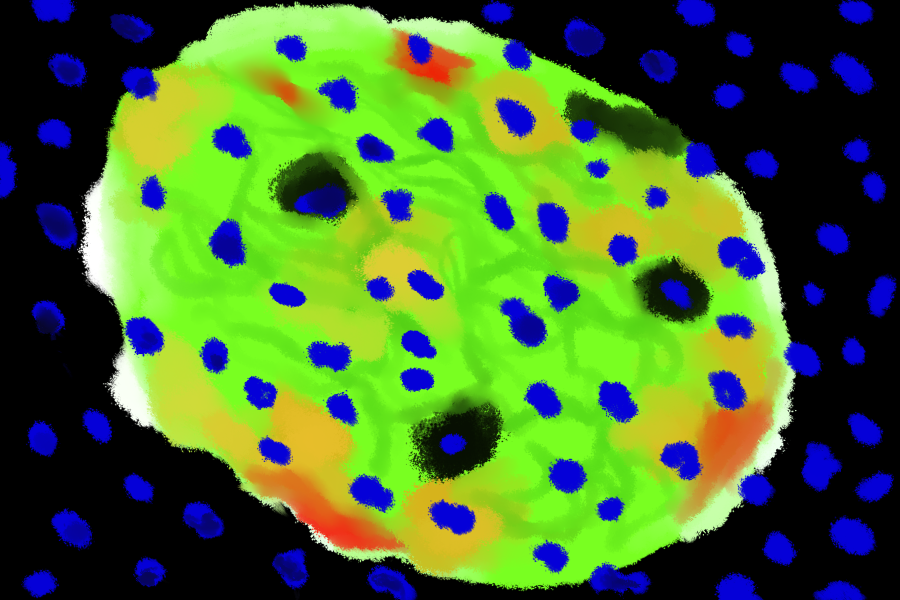
Through the use of specialized microscope imaging, scientists located a new type of cell around the pancreatic edges of islets. The observed cell had similar appearance to an immature beta cell.

Scientists concluded that these new cells are able to produce insulin, but they do not have the receptors to detect glucose, and are therefore unable to function as a full beta cell. These immature beta cells are actually at an intermediate stage, between the mature beta cell and the mature alpha cell, also involved in blood sugar regulation.

This study is the first time that critical cells in the adult stage can transform into a highly needed cell, such as the beta cell.

“This transformation is happening all the time in normal healthy islets, and occurs even in the absence of disease or injury,” Huising said.

Plasticity, or the ability to change, is a widely researched topic, but not in a manner similar to Huising’s. This research identified plasticity in a different angle, looking at it in minority cells, or cells that are not fully mature. Minority cells transdifferentiate, or naturally change from one cell into a different cell type.

This new beta cell population is unique because the nature of it has never been characterized before or identified in adults.

This research was accomplished through new order image strategy approaches. The new cell was identified via labeling in imaging. Traditionally, researchers kill the cell or tissue being examined and then induce staining to see it more clearly under magnification.

However, the novel discovery of immature beta cells was observed during live staining methods.

“Using confocal microscopy, we are able to image the cells alive,” said Dr. Siming Liu, a researcher at Huising Lab. “That is the unique part of this data included in the publication.”

An incorporated fluorescence protein was added so that scientists could label specific cell type. In this method, the stained tissue can be isolated and it is still alive.

The immature beta cell was observed in both mice and human tissue, prompting the idea that these cells could be conserved in other species as well, although it has not been confirmed.

Analyzing and organizing the genetic data collected can be accomplished in multiple ways. Regarding the context of Huising and colleagues’ particular questions, the interest mostly lied in identifying the genetic components that underlie the behavior of the immature beta cell.

“I used a computational approach to explore the differences between immature and fully mature beta cells, as well as the alpha transdifferentiate cells,” said Alexander Mawla, an author of the study and a UC Davis integrative genetics and genomics graduate student.

Not only does this this new population have the potential to serve as a replenishing source of the affected beta cells in type I diabetes, but they can also help understand the condition of cells with those of type II diabetes.

“The field used to think that beta cells in type II diabetes die, but more recent insight suggests that they regress into a state that is no longer functional,” Huising said. “And because these cells are still around, it gives us an opportunity to see if we can coax these cells back into functional cells.”

The immature beta cells may also help to develop stem cell therapies, since stem cells are undifferentiated and capable of developing into a wide range of other cells.

“[The immature beta cell population] gives us a blueprint on how we can make functional beta cells from stem cells,” Huising said.

Currently, growing real beta cells from stem cells has proven difficult because they are missing some traits and the full functionality that standard beta cell have.

Although much information is provided to the public with regard to managing and preventing diabetes, such as the CDC website, its widespread prevalence is cause for further research. In order to advance human health, it is essential researchers publish and share their findings.

“People reading this [publication] can understand how the biology performed in labs can be applied to health issues such as diabetes,” Liu said. “[As well as] applying their scientific knowledge to help studying this disease, and others as well.”
Written by: Shivani Kamal — science@theaggie.org

Service dogs play increasingly important role in mental health

MICHAEL [(CC BY-SA 2.0)] / FLICKR
Dogs specially trained for people with psychiatric needs

Service dogs are being used to an even greater extent to help those with mental health disabilities cope, a new UC Davis study has found.

The Americans with Disabilities Act (ADA) defines a service animal as “a dog that has been individually trained to do work or perform tasks for an individual with a disability.”  These tasks could include reminding a person with depression to take medication or retrieving items for a person in a wheelchair. Although guide dogs and mobility dogs are used to alleviate the difficulties of the blind and those who are physically disabled for a long time, service dogs are now steadily emerging to aid people with “invisible disabilities,” such as autism and post-traumatic stress disorder (PTSD), as well as individuals that get seizures.

As more awareness is raised for the crucial topic of mental health, the more demand there is for service dogs for psychiatric uses. In fact, the study, recently published in Frontiers in Veterinary Science, showed that facilities that place psychiatric dogs are on the rise.

“From the facilities that responded, we saw a notable increase in autism service dog placement from 2013 to 2014,” said Sandra Walthers, the lead author and an undergraduate at UC Davis. “Internationally, the number of autism dogs increased 26 percent, and 16 percent in North America. This is important because it shows a demand for these dogs.”

Conversely, some countries, such as Japan, have very few facilities to place assistance dogs, as well as stricter policies regarding who is eligible to have an assistance dog.  

“Currently, there are only 1,111 assistance dogs in Japan,” said Mariko Yamamoto, a researcher at Teikyo University of Science in Japan. “In the assistance dog law, only adults with visual disabilities, hearing disabilities and mobility disabilities can live with an assistance dog.  People with other types of disabilities, such as epilepsy, diabetes, autism and [mental illness], are not eligible to have one.”

Yamamoto is currently working to increase the access of Japanese people to service dogs in a way that embraces the Japanese lifestyle, which may include using smaller service dogs.

Though not considered tasks by the ADA, psychiatric dogs, in addition to their administered tasks, also provide ample emotional support to people struggling with mental illness simply with their natural, lovable presence.

“It is such a relief to have that animal there supporting them,” said Lynette Hart, who co-authored the study and teaches classes on service dogs at UC Davis. “The dog is unaware of the mental disability, and the person doesn’t feel that stigma that they constantly feel in their social lives.”

The inclusion of mental illness in the list of disabilities for which one can acquire a service dog is an encouraging indication of the gradually increasing awareness of mental illness in society. The expansion of the traditional role of service dogs not only acknowledges mental illness as a real issue that seeks treatment, but also sympathizes with the plight of those individuals whose conditions are “invisible.”
 Written by: Harnoor Gill — science@theaggie.org

Clean water is a basic human right

HANNAH LEE / AGGIE

The fight for clean water doesn’t end after drought stops

When you woke up this morning, what did you do? Did you brush your teeth, take a shower or perhaps cook some oatmeal for breakfast?

It’s so easy to turn on a faucet that most people don’t give a second thought to how much water they use on a daily basis.

However, water is a precious resource. The average American family uses more than 300 gallons of water daily, with 70 percent of this water being used indoors, according to the Environmental Protection Agency.

During the California drought, there was an increased awareness of water protection on the UC Davis campus. UC Davis created a Drought Response Action Plan and an Energy and Water Challenge in the residence halls. In December 2015, UC researchers led a UC Water Security and Sustainability Research Initiative. According to the UC Davis’ University News website, UC Davis lowered its nonpotable irrigation water usage by 30 percent from 2014 to 2015. The UC Davis Water Dashboard website shows how much campus water is being used, and the campus is currently on track to reducing its water usage by its 36 percent goal.

While the Editorial Board acknowledges the progress UC Davis has made in water conservation, we hope that students continue to become more aware of the need to preserve water and create sustainable water practices. We should not become complacent just because the drought has ended.

We also must become more aware of others’ inability to access clean water. In Flint, Michigan, citizens have not had access to clean water since 2014. The lead-contaminated water, which can cause children to have lower IQs and more issues with learning and language processing, affected as many as 8,000 children. Because of this, the people in Flint have been using bottled water to wash themselves, drink and cook. The amount of media attention given to this crisis has significantly decreased in recent years.

Clean water is a basic human right, and we need to fight to ensure that it is accessible to everyone.

On May 11, the ASUCD Office of Advocacy and Student Representation (OASR) hosted a Flint Water Crisis Learning Demonstration, where 112 water bottles with Flint fact sheets were given out to passersby. The Editorial Board applauds OASR for its efforts to increase student awareness of these issues and encourages students to attend events like these to learn more about the impact water has on communities.

Students who are interested in donating to or helping those in Flint can visit the website Help for Flint.

Roommate Horror Stories

HANNAH LEE / AGGIE

Students share tales of college roommate experiences

For many, the world of college brings to light a plethora of new experiences — classes that start in the afternoon, freedom from parents and, of course, dealing with roommates. While some students end up with the best-friend-and-roommate package deal, not everyone gets that lucky. In fact, many UC Davis students have cringe-worthy tales of their past roommates.

Sarah, a third-year global disease biology major, experienced a bad roommate during her second year at UC Davis when she moved into an apartment with her roommate from orientation.

“We ate lunch every day together freshman year,” Sarah said. “She was cool, everything was fine. When we moved in together, […] she wanted to do everything with me. She just started getting super controlling. She always wanted to know what I was doing and where I was going, like [an] ‘I need to keep tabs on you’ kind of a thing.”

The pressure of always having to tell someone where she was caused Sarah to start withholding the truth about her day-to-day activities.

“I would go on a date and then lie about it, […] or she’d want to come with me,” Sarah said. “Having someone always need[ing] to know where you’re going is really stressful. It’s like parents on steroids. [It was] turning into a stalker kind of thing, [and] it was never coming from a place of kindness, it was coming from a place of, ‘you can’t leave without me knowing.’”

Among other things, Sarah said that her roommate thought of herself as “the best cook in the world,” yet repeatedly burned things, and also “would get up and stare at [Sarah] while [she] was sleeping.”

Similar to Sarah, Kat, a first-year marine and coastal science major, experienced a particularly unsavory living situation earlier this year.

“[My suitemate] would keep a really weird schedule,” Kat said. “She would have this alarm that went off at 4 or 5 in the morning, and it was ‘Rockstar’ by Nickelback, and it was really loud. She would wake up to go watch Gossip Girl really loud in the common room. We would ask her to put in headphones and she’d immediately not do it.”

Kat also discovered that her suitemate’s hygienic habits were problematic for sharing a living space.

“[One time] she just […] puked and left it overnight and didn’t really clean it up,” Kat said.

According to Kat, the final straw was when her suitemate got a concussion and began staying in the common room permanently.

“She just used it as an excuse to be completely outrageous,” Kat said. “She just stayed on the couch in the common room and watched Gossip Girl.”

After this incident, Kat and her other suitemates moved out of the suite into other living arrangements, leaving their suitemate to live alone.

While the experiences of Sarah and Kat went on throughout the year, second-year environmental science major Casey told the story of a single event that changed his apartment dynamic entirely. His roommate studied abroad Fall Quarter and found a subletter to live with Casey in the meantime. One Saturday evening the subletter returned home from a Model United Nations social “very drunk.”

“I was on my phone in a chair [and] he immediately sat on my lap,” Casey said. “He started touching my shoulders […] to my back, getting lower, and I was like, ‘Okay, […] he’s drunk, this is fine, nothing weird about this.’ And then […] his head was getting closer to my ear, [and] he started complimenting me, not in directly sexual ways, but just like […] along those lines. He started to almost kiss my neck.”

According to Casey, he and the subletter had previously had open conversations about his bisexual identity. Casey had also explicitly stated that he had a girlfriend, with whom he was exclusive, and that he identified as heterosexual.

“I was starting to feel uncomfortable,” Casey said. “I was like, ‘stop, I don’t like this.’ I kept saying no. He continued to feel my back intermittently, as he started to come closer to my waist and then my butt. That’s where I actually got him and lifted him off of me.”

Upon pushing him away, Casey got up and went to the sink, where he began washing dishes to clear his head from what had just happened. The subletter, however, followed Casey to the sink and continued to touch him.

“I think he thought [I] was […] trying to play hard to get,” Casey said. “He came down really quickly and grabbed both my ass cheeks. I turned around and […] pushed him back and […] grabbed both of his wrists. I got in his face and immediately said, ‘Stop this shit, I don’t want this.’ That’s when he started to […] understand that I was not into this. He started to mellow out.”

After the incident, the subletter spent a few nights elsewhere, until eventually Casey confronted him and made clear his discomfort with the situation. Casey never harbored any grudges and they are still on speaking terms today, but Casey acknowledged that such an experience had the potential to go in a dangerous direction.

“I realized if I was in a situation where I wasn’t physically capable of pushing him back or grabbing him by his wrists, […] this could have been a lot different,” Casey said. “He was very aggressive, and [with] somebody that’s not physically confident or even confident with words, I could see this happening a lot. That’s why I’m [sharing this story] here today, […] so that this hopefully gives somebody [in a similar situation] confidence.”

Despite the extreme situations of Casey, Kat and Sarah, the roommate horror stories of many others are yet to be told. While some make for light, college-humor anecdotes to tell at the dinner table, others become important lessons to be learned.

“[Mine] is one story of roommate issues and […] sexual assault, but there’s tons of […] other people who have their own story,” Casey said. “I think their story, if it’s worth it, should come to light.”


*Last names have not been included in this article for confidentiality reasons.
Written by: Allyson Tsuji — features@theaggie.org

Humor: Investigation — Does the CoHo use powdered guac?

JORDAN KNOWLES / AGGIE

The horrifying truth behind what goes into that extra scoop of guacamole


It’s difficult to decipher, especially in this age of fake news, what’s true and what’s false. The only things worse than fake news are the misinformation it spreads and the mass hysteria it can cause. In order to stop this treachery, The California Aggie is taking on widely-debated topics one at a time. There seems no better place to start than investigating the UC Davis conspiracy of powdered guacamole at the CoHo.

The legend goes that a young, enthusiastic California Aggie columnist (whose name I cannot remember) wrote that the CoHo uses powdered guacamole — whatever that means. The Aggie issued a correction. Though naïve in his methods, the reporter really may have been onto something. But the public refused to hear his very legitimate claim.

While many thought this columnist was crazy for believing that guacamole was not made from avocados (a main ingredient of standard guacamole), but instead from guacamole “powder,” nobody at The Aggie seems to disagree.

If you think about it, no one’s ever actually seen guacamole being made with avocados at the CoHo. It’s all behind the scenes in the kitchen — kind of weird for a place that prides itself on transparency and not making guacamole from powder. In addition to that suspicious fact, no one has ever seen CoHo employees not using powder to make guacamole. That can’t be a good sign.

Though all the facts naturally seem to point toward the powder conspiracy being true, The Aggie still took the time to interview CoHo employees to explain their case.

“I’ve never heard of guacamole being made from avocados,” said CoHo employee and guacamole expert Eli Sketch. “I don’t think that’s how guacamole is made. It just doesn’t seem natural.”

Other students agreed with Sketch. Many were confused to hear that guacamole could be made with real avocados.

“If the CoHo doesn’t use powdered guacamole, then why doesn’t it call itself the Avocado House instead of the Coffee House? It just doesn’t make sense,” asked second-year fake news major Rosie Shortz.

Avocado supporters just can’t seem to back up their case. Their attempts to make the CoHo look as if it doesn’t use powdered guacamole, whatever that is, are more hollow than the avocados the CoHo doesn’t use to make their guacamole.


Written by: Lara Loptman — lrloptman@ucdavis.edu Twitter: @lllawra

(This article is humor and/or satire, and its content is purely fictional. The story and the names of “sources” are fictionalized.)

UC Davis students reflect on recent installation of Plan B vending machine

MORGAN TIEU / AGGIE

Accessible emergency contraceptives affect campus, community

The installation of the Plan B vending machine in the Activities and Recreation Center (ARC) this past March has made a statement for reproductive justice on campus. While this small addition to campus carries much weight, it has ignited diverse opinions and conversations about its effect on the UC Davis community.

“There is a lot of stigma around [Plan B], so students might not be okay with going to the Student Health and Wellness Center (SHWC) and talking about these issues with someone,” said Surbhi Sharma, a second-year biotechnology major. “[The vending machine] shows that UC Davis is willing to support its student community.”

Sharma, who is also a peer advisor for the Resident Hall Advising Team, commends UC Davis for providing students with a convenient and accessible way of getting the emergency contraceptives they might need.

I personally think [the machine] is a great thing because not everyone has the time and energy to go all the way to [the] Student Health [and Wellness Center],” Sharma said. “I think that even more than being convenient and accessible, [students] won’t have to explain to someone why they need [Plan B] which makes it nice, because there are already so many things stressing students out.”

According to Samantha Chiang, a third-year English major and ASUCD Senator, the installation of the vending machine is part of an important conversation about female students’ mental health. Chiang, who founded the UC Davis Mental Health Conference, believes that the effects of the vending machine are not limited to giving out Plan B and sexual health resources; the machine also creates a culture that allows women and other gender nonconforming students to speak up about topics that they feel generally uncomfortable with.

“Birth control is such a stigmatized topic in our society, and there are a lot of issues that intersect with mental health and reproductive justice that people who cannot get pregnant don’t face,” Chiang said. “One thing [the vending machine] does for women in particular and people who have the ability to reproduce is alleviate the stress of needing birth control and contraceptives, and by alleviating the stress, we help mitigate the burden that a lot of people feel surrounding this [issue].”

Chiang, like many students on campus, faces factors that contribute to her stress, such as academics, extracurriculars and social relationships, and she believes that the human body should not be one of these factors.

Later this quarter, Chiang will be working with a counselor from the Women’s Resources and Research Center (WRRC) to put on an event that specifically addresses women’s mental health. Between the consistent resources provided by the WRRC and now the new emergency contraceptive vending machine, Chiang feels that the UC Davis community is showing that it is one that uplifts students and provides several opportunities for support.

“One thing that’s really good on our campus that I’ve seen is our women are really good at uplifting each other,” Chiang said. “We have a lot of clubs and organizations for women in STEM, politics and others that are focused on helping this community of women better understand themselves.”

While, according to some students, the new vending machine might be an important factor in encouraging students to not feel ashamed of using and discussing contraceptives, it is crucial to understand the limitations of the machine.

“The pros are that it does empower women to have control over their bodies and their own privacy about what’s going on,” said human ecology professor Lisa Rapalyea. “I had a friend who used to also teach human sexuality and I told her about [the machine] and she said that it was both good and scary. There are some concerns. […] I have not found any real discussion about safeguards — who has access to it and who doesn’t. We have to evaluate the way the system is set up.”

Rapalyea, who teaches a course on human sexuality, has decided to address the new installation on campus in her lectures in order to open up a dialogue about the specificities of the subject.

“[Plan B] is not an abortifacient,” Rapalyea said. “If you’re already pregnant, it does not hurt the pregnancy. There are a lot of things that women need to be informed about. They need to understand what this does to your body, that it may not be suitable for everyone, particularly minors.”

Rapalyea commended the vending machine’s ability to provide privacy and alleviate concerns that students may have about shame or stigma. However, with this much accessibility, comes the responsibility of the UC Davis community being well-educated about sexual health, including the limitations of Plan B — especially when it comes to sexual assault.

“One of the ways [to educate] would be to make sure that incoming freshman are informed, [through] workshops and courses on campus that would give them a better knowledge and skill-set to make decisions,” Rapalyea said. “We just need to continue to have a dialogue of educating both men and women about what sexual rights are [and] what they mean, and about how in spite of different cultural beliefs, [contraceptives are] a very personal decision for women.”


Written by: Gillian Allen — features@theaggie.org

The role of professional staff in student-run organizations

HANNAH LEE / AGGIE

Career employees provide guidance

Before starting his job at Unitrans, Anthony Palmere had worked for public transportation systems in larger cities that he found to be bureaucratic and restrictive. At Unitrans, however, Palmere said that working alongside students was a “breath of fresh air.”

“The students […] were so enthusiastic and willing to try new things,” Palmere said. “They saw it as a service that they wanted to provide and make improvements to.”

Palmere, who is the general manager of Unitrans, has worked the organization for 17 years. Unitrans operates under ASUCD with the oversight of both career employees as well as student employees.

“We still want the students to be running the operation, because they do a great job of it,” Palmere said. “We want them to be able to have that experience and be able to say that, honestly, they ran the system.”

For various student-run and student-based organizations on campus, there are paid, professional staff members who assist with the operations of the groups and provide guidance to the student employees.

“Students on campus are given so many opportunities to take charge of different organizations, whether it be KDVS, or The Aggie, or the bus system, or Picnic Day,” said Dr. Andy Jones, a lecturer in the University Writing Program. “I think it’s important for students to have room to try things out, make mistakes, try different perspectives and not be limited by the vision or the direction of, say, a faculty advisor.”

Jones has worked with students in a number of capacities, including as a volunteer host at KDVS, where he hosts the show “Dr. Andy’s Poetry and Technology Hour.” With this program, Jones works under the public affairs director and general manager at the station, both of whom are students. One year, the public affairs director happened to be a student in one of Jones’ classes.

“I told my students that in the interest of full disclosure, they should know that the public affairs director […] was in the class, that she was one of my students and that she could, at any moment, fire me from my volunteer job,” Jones said. “But that would have no bearing on my evaluation of her work.”

Like KDVS, student authority is encouraged and promoted at Unitrans. Amelia Bizjak, a Japanese and managerial economics double major and operations manager at Unitrans, said the organization is balanced in terms of oversight and agency.

“It’s a very horizontal structure for a company,” Bizjak said. “At interview panels, when we’re hiring our replacements, […career staff] will provide slight input, but they want to make sure that the students are there making the main decisions. Even when they’re screening for new career staff, […] they’re trying to find people who are not looking down on students.”

Bizjak said the atmosphere at Unitrans is professional, but also casual and fun. Jenna Wetzel, a fourth-year psychology major and Unitrans human resources manager, has an amiable relationship with Palmere as well as the assistant general manager, a career employee she works closely with.

“There are only certain cases where I’d go straight to [Palmere], but his office is the one right next to mine so I feel like I can just walk over,” Wetzel said.

Similarly, Kelsey McDonald, a fourth-year communication and psychology double major, said that students in the Marching Band-uh! will occasionally walk into interim band director Tom Slabaugh’s office just to chat. The Band-uh! currently has two career employees.

“People come in and just talk to Tom randomly if he’s sitting in his office,” McDonald said. “There’s a really positive relationship there between career staff and students.”

At the Band-uh!, McDonald said the two career employees provide guidance rather than direction to the students. For example, the Band-uh! was interested in performing at the upcoming San Francisco Pride Parade festivities, but not in the parade itself due to the heat and long hours.

“We knew we wanted to perform in the event and [Slabaugh] supported us and then gave us the idea of [finding] out other ways,” McDonald said. “We’re playing in the grandstands before the parade, on the street. That was all on us.”

Both Jones and Palmere encourage students to pursue their own ideas. Palmere, who has worked at Unitrans for 17 years, said he believes it is important to allow students to try ideas, even ones which have been tried in the past.

“We don’t try to put down ideas,” Palmere said. “We don’t encourage people to make mistakes, but we want people to have the freedom to be able to do what they think is best based on the information that is available to them. We have to allow for people to fail at times and learn from those mistakes.”

Career employees will often outlast student employees at these organizations. The long-term experience of career employees provides the organization with a sense of historical background and context. According to Bizjak, the turnover rates for student employees at Unitrans is especially high, so the perspectives and knowledge of the career employees is helpful.

“In general, whenever we come up with ideas, there’s a historical precedent and [career employees] can [provide context],” Bizjak said. “They’re just trying to give us insight. It’s really nice to have them there to [know] about what’s been going on in the past.”

Students, in addition to these authority positions, do have school commitments. Bizjak said the career employees recognize academic demands and provide assistance to students in the case of conflicts with work and school.

“If we have a midterm coming up or a lot on our plate, they totally understand and are willing to help out,” Bizjak said. “They definitely empower us to be in this professional organization setting and understand the inner workings of it. Overall, they’re trying to make sure [it] is working for everyone in the company.”
Written by: Hannah Holzer – features@theaggie.org

The Bronx Bombers are Back

KEITH ALLISON [(CC BY-SA 2.0)] / FLICKR
New York Yankees surprise with successful play this season

In one of the most surprising storylines of 2017, the New York Yankees have accelerated their rebuild and have thrust themselves into contention early this season. Since 2013, the Yanks have been in a state of purgatory. While they have remained afloat with four 80+ win seasons, they have been an unthreatening force in the playoffs and their success has been in question due to numerous bad contracts on their books, namely C.C. Sabathia, Mark Teixeira, Alex Rodriguez, Jacoby Ellsbury, Chase Headley and Brian McCann.

If you are not a Yankees fan, you are probably someone who loathes the club and has enjoyed their struggles since the most recent of their 27 World Championships. The Yankees are universally regarded as the most successful organization in American sports, and naturally, the success breeds hatred.

If your sports allegiance lies elsewhere, it has been difficult to watch big free agents head to New York on massive deals that other clubs do not have the luxury of doling out. Though New York’s core has in the past hinged on free agent signings, the team’s approach has since changed and has invested more in its farm system. This has been very successful and it looks as if the Bronx Bombers have found a more sustainable approach for the future.

Do you remember Aaron Judge, the larger-than-life right fielder who one time almost hit a baseball hard enough to decapitate an opposing pitcher? Well, it turns out that hitting baseballs very hard is something he does pretty consistently. In 95 plate appearances in 2016, Judge struggled tremendously, hitting a horrid .179. It was unclear if Judge was going to make the team in spring training, but the Yankees made the right call in handing him the starting job, as he has led the American League in home runs thus far with 13 dingers and a .315/.411/.739 slash line as a rookie. Judge may very well be the American League MVP through the first quarter of the season.

Additionally, Starlin Castro has been marvelous since being traded to New York in December of 2015. Castro once looked like he was the future of the Chicago Cubs, but he was squeezed out of Chicago due to the presence of Addison Russell and Javier Baez after a rough 2015 season. Following a strong offensive campaign in 2016, Castro has opened the 2017 season with even more forceful performance. He is third in the American League, with a .341 batting average and six home runs to follow.

Jacoby Ellsbury, Aaron Hicks and Matt Holliday have also been very solid in the outfield. After spending the previous seven seasons in St. Louis, Holliday signed a one-year deal in December with the club at the twilight of his career and has been a very valuable asset, hitting third in the lineup on most nights.

The Bombers have also had the help of a better pitching staff in 2017. Both Michael Pineda and Luis Severino have been excellent in the early going, after a 2016 season in which they both struggled. Pineda was frustratingly inconsistent while Severino was just downright awful, but they both turned it around and it has been a huge factor in the prosperity of the Yankees.

The bullpen too has been one of the best in baseball led by Aroldis Chapman, Dellin Betances, Adam Warren, Jonathan Holden and Chasen Shreve. The bullpen has the fourth lowest ERA in baseball and the fifth best in Wins Above Replacement.

The Yankees stand at 21-12 currently and are second in the AL East. There is good reason to believe that they can maintain this pace and legitimately contend come season’s end, but there is still room for considerable improvement. Their best pitcher, Masahiro Tanaka, has struggled to the tune of a 4.36 ERA and 1.32 WHIP and is bound for improvement. Their star catcher, Gary Sanchez, has just returned from the Disabled List with a bicep injury. Didi Gregorius, the primary shortstop, has just returned from a DL stint as well.

The Yankees are slated to contend in the immediate future and beyond, and while many might be frustrated by their quick turnaround, it is great for the sport. When the premier club is at its best, viewership increases and fandom surges. The relevancy of the New York Yankees is critical to the popularity of baseball.


Written by: Michael Wexler — sports@theaggie.org


A biking history of Davis

GENESIA TING / AGGIE

National Bike Month allows campus, community to reflect on Davis’ two-wheeled history

Imagine a small town with a laid back biking culture, where cyclists tend to be treated with respect. A place where cyclists and motorists share the road with minimal conflict. Does this sound familiar?

UC Davis is known to many as a “biking school.” The relaxed atmosphere and biking culture is what attracts many students to UC Davis, but many people do not know the rich history lying in plain sight on the streets of Davis. Taking a look back into Davis’ history of bicycling reveals that Davis truly is a gem, especially considering that May has been deemed National Bike Month.

Even before Davis was focused on becoming a bike-friendly town, there were factors which naturally boosted Davis’ bike friendliness. Davis’ fairly flat terrain accompanied by mild weather year round made it destined to become an ideal town for bicyclists, according to David Takemoto-Weerts, long-term Davis resident and the former bike coordinator for UC Davis Transportation and Parking Services.

“Davis as you know is a relatively small town in an area surrounded entirely by farmland and the causeway,” Takemoto-Weerts said. “So that means if you live in Davis and go to school or work in Davis […] your one-way commute is short.”

Davis is not only considered one of the most bicycle friendly cities in the United States, but city leaders were some of the greatest influencers of how biking culture is handled today across America.

In 1959, Emil Mrak, the second Chancellor of UC Davis, influenced the transformation of biking culture on the UC Davis campus. Most college campuses have only one main bike parking area for students once they get to campus, but Mrak had a different vision for Davis.

“[Emil Mrak] envisioned the campus with trees and people on bikes and the way to encourage the bicycling he felt was to install bike racks [on campus],” Takemoto-Weerts said. “He thought, ‘there is going to be bicycle parking at every building and it should be close to the front door because that is where people want to park’ […] so that was pretty radical.”

With more people using bikes as a primary mode of transportation, the City of Davis made an effort to minimize conflict between cyclists and motorists. In 1967, Mrak closed UC Davis’ campus to motor vehicle traffic as another way to encourage more students to bike. Davis also became the first city in the United States to create a bike lane. These first lanes were on Sycamore Lane, L Street and 3rd Street.

While creating a bike lane does not sound that astounding, the effort was much more complex than painting an extra stripe on the streets. According to Takemoto-Weerts, the leaders of Davis had to go through a legislative process make their proposed bike lane a reality.

“You have to know rules about how to use these things and put it in the California vehicle code,” Takemoto-Weerts said. “It’s not an easy process but it happened fairly quickly from what I understand.”

At the time, city leaders and community members fought hard for the city’s biking culture. Davis eventually became the example for many other cities around the nation.

The large number of bikes in Davis created a high demand for bicycle shops, so in 1971, a student-operated bicycle shop on campus known as “the Bike Barn” opened. According to Jack Zuercher, a fourth-year statistics major and the business manager at the Bike Barn, UC Davis not only sets the example for a bike-friendly campus, but it also is the model for student run bicycle shops.

“The Bike Barn is the largest on campus bike shop in the world, at any college,” Zuercher said. “The Bike Barn is essentially the model bike shop or rather the model university bike shop across the country.”

Many generations of students have worked there over the years as Davis continued to grow as a bike-friendly city. Before becoming the bicycle coordinator for TAPS, Takemoto-Weertz also worked at the Bike Barn.

“I often tell people that’s the best job I ever had, being a mechanic at the Bike Barn,” Takemoto-Weertz said. “It was just so much fun, I learned so much. It was just a great group of people.”

Those who have spent any time biking in other cities know how easy the City of Davis is to bike in today. Martin Krieg, an avid cyclist and Davis local — who has also biked across the United States twice — finds Davis to be a unique community for those who cycle.

“The infrastructure here empowers cyclists to not only travel safely but be able to know you can get to where you need to [go] with confidence,” Krieg said. “It also changes the mindset of the motoring public to where they have a respect for cyclists.”

Any Davis native or visitor knows how bike-friendly the city is, even when compared to other comparable cities in the United States.

“[Davis has] a better standard than I’ve been accustomed to,” Krieg said. “In San Francisco, you have train tracks that just are lethal in the middle of the road, you have trucks that have no patience for you, cars that have no patience for you. Here at least motorists at least understand to expect the unexpected from cyclists.”

Like Krieg, current UC Davis students know from first-hand experience that Davis lends itself to bikers. According to Zuercher, Davis has innovative ways of keeping cyclists safe.

“There are bike lanes everywhere you go,” Zuercher said. “There’s also specialty little buttons next to bike lanes at […] intersections so […] obviously you’re not in a car so you’re not going to be able to trigger the weight sensor that’s in the roads since you’re on a bike, [but] you can press that little cross button.”

Davis has always been a cycling friendly town, but over time, with help of legislature, supportive citizens and students, Davis is now defined as a cycling community.

“You have a lot of people who are conscience of cyclists. They know to expect us,” Krieg said. “I [have] felt embraced by the community.”

Written by: Elizabeth Marin  — features@theaggie.org


The evolution of music festivals

HANNAH LEE / AGGIE

From Woodstock to Coachella — how outdoor festivals have evolved over the years

It was the summer of 1969 at a dairy farm in Bethel, New York when the Woodstock Music and Art Fair started it all. With over 500,000 attendees, legendary live performances and a vibe that captured the cultural zeitgeist, Woodstock revamped the concert experience and left a lasting impact on music as a whole. Since Woodstock, countless new festivals have emerged — most notably Coachella, Outside Lands, Lollapalooza and Bonnaroo. Along with festivals that showcase a variety of different music genres, there are also genre-specific festivals such as Stagecoach for country music, Electric Daisy Carnival for electronic dance music and Desert Trip for older bands and artists.  

As the accessibility of music festivals has expanded, a culture has developed alongside them. Nowadays, going to an outdoor music festival does not simply revolve around the performances. There is artwork to experience, delicious food to eat, trendy outfits to wear and an atmosphere unlike any other. As a result of social media, there is now an additional dimension to the festival-going experience. The artist lineups at many of the most popular music festivals have also slowly evolved in order to keep up with the constantly changing tastes of consumers.

In recent years, electronic dance music, or EDM, has significantly risen in popularity, making its way into the mainstream sector of the music world. Consequently, popular DJs and other EDM groups have developed a strong presence at festivals that were previously dominated by alternative and indie music. Rap artists are also growing in popularity at music festivals like Coachella and Outside Lands, with artists such as Kanye West and Kendrick Lamar often making appearances as headliners.

This stray from the typical festival style of music to a more mainstream scene of EDM and rap is now considered to be the norm at many of the main summer festivals. This development has been met with criticism from longtime festival-goers, but has also been a large part of the reason behind the overall rise in festival popularity. For instance, the upcoming lineup for Outside Lands 2017 falls back on its alternative and indie style roots for the festival’s 10th anniversary with headliners such as Gorillaz and Metallica. While some are in favor of the return to this kind of lineup, many festival lovers criticized the lack of modern artists.

“In comparison to the Coachella lineup this year, I would say that Outside Lands is lacking in variety for sure,” said Lexi Beaty, a first-year environmental policy and planning major and avid festival-goer.

Although the music festival phenomenon has grown and changed significantly since the days of Woodstock, the festival trend doesn’t seem like it will be dying down anytime soon, and it will surely continue to evolve with the changing music tastes of generations to come.

Written by Sydney Odman – arts@theaggie.org

Relay For Life held on Russell Field

ANH-TRAM BUI / AGGIE

Event raises money, awareness for cancer research

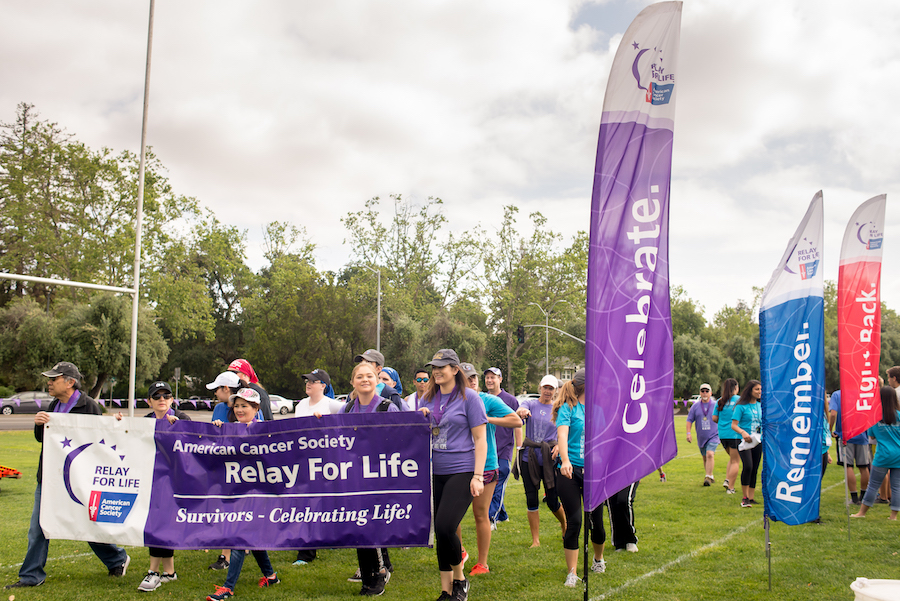
The annual Relay For Life event was held on UC Davis’ Russell Field throughout May 6 and 7.

The purpose of the event was to raise money for the American Cancer Society, according to Alex Chavez, a second-year neurobiology, physiology and behavior major and member of the executive team that organized the event. The money raised will be used to fund cancer research and support groups for those battling cancer.

“The event is also a celebration of the lives of cancer survivors and caregivers,” Chavez said.

Cancer is the second leading cause of death in the United States, exceeded only by heart disease. There will be an estimated 1,688,780 new cancer cases diagnosed and 600,920 cancer deaths in the U.S. in 2017, according to the American Cancer Society.

“I thought it [the Relay for Life event] was a good way to get the word out for cancer,” said Nam Van Truong, a fifth-year economics and communication major, who attended the event.

There was a slip-n-slide, dodgeball games, a bubble walk, performances by various campus groups and even “bra-pong,” a game where students win points by throwing ping-pong balls into bras as an effort to raise awareness for breast cancer.

Items like jelly beans, temporary tattoos and bubble water were also given to participants.   

“They put on a lot of fun events […] that pumped everyone up and energized us,” said Princess Pe, a second-year psychology major. “I thought it was a really amazing experience. It was really inspiring to see so many people and clubs from Davis who were passionate about Relay for Life and supporting the fight against cancer!”

The 24-hour-long event was made possible through the combined efforts of various organizations on and off-campus, including the Colleges Against Cancer event leadership team, on campus staff such as the UC Davis fire chief, UCD grounds, UCD Center for Student Involvement and the American Cancer Society staff.

“I feel strongly about this event because cancer in general claims millions of people each year,” said Abraham Fong, a first-year landscape architecture major. “One day I’ll be old and if I get cancer, I’ll have been sure that I supported a worthwhile cause.”


Written by: Clara Zhao — campus@theaggie.org

Police Logs

NICKI PADAR / AGGIE

But seriously, who is Sergio?

May 9

“RP was at work at McDonalds yesterday […] subject approached RP and stated he recognized RP from south Sacramento and inquired about RP knowing Sergio.”

“Subject has been ordering food under offensive names to RP’s address.”

“12 yr old daughter spilled paint on another child.”


May 10

“Large bee swarm.”


May 13

“Subject got out of vehicle in drive thru […] threw items at other vehicles as they honked at him.”

McGinness withdraws from Picnic Day investigation

ALEXA FONTANILLA / AGGIE FILE

Outside investigator under fire after racially insensitive remarks

John McGinness, who had been investigating an incident on Picnic Day which landed two officers of The Davis Police Department (DPD) in the hospital, recently withdrew from the investigation after coming under fire for racially insensitive remarks.

The investigator, who had been selected as an outside resource, pulled out of the investigation only hours after city councilman Will Arnold issued a statement on McGinness’ “ignorant and insensitive” remarks.

Arnold called for McGinness’ resignation Monday, May 15, only three days after a KFBK radio program interview in which McGinness compared socialism to capitalism.

“Capitalism has been unbridled, unfiltered,” McGinness said during the radio program. “If you look at certain groups within our broad population, for example, African Americans in this country did much, much, much, much better before the Civil Rights Act.”

McGinness’ comment followed claims that The Davis Police Department had made the three African American males arrested targets of racial bias.

“I never saw this as a racial investigation, but rather a decision-making investigation,” McGinness said in an interview with Fox40. “Was the conduct engaged by the Davis Police Department appropriate or not? That’s what they were seeking to find out.”

McGinness justified his claims on the radio show with Census data, claiming that data on the decline in crime rates and pregnancies in 1960 provided concrete evidence that African Americans were better off in terms of economic growth and intact families.

“I have thus far remained silent regarding the Picnic Day incident in hopes of allowing an independent, unprejudiced investigation to take place,” Arnold said in an emailed statement to The Davis Enterprise. “But the recent on-air statements of former Sheriff McGinness are beyond the pale, reveal an ignorant and insensitive view toward African-Americans, and threaten the very independence and lack of prejudice we must preserve.

This most recent development in the investigation also occurs only days after video of the incident was released, showing the officers in plain clothes fighting with a crowd of people. In a full statement provided with the video, The Davis Police Department acknowledged the then-newly hired McGinness.  

“The City Attorney’s Office has retained former Sacramento County Sheriff John McGinness, who has extensive experience in conducting investigations and also in law enforcement management, to conduct an Internal Affairs Investigation into the conduct of the involved officers to determine whether there was any misconduct and whether any changes to departmental policy and/or training are warranted,” the statement said. “McGinness began his investigation last week. He will have access to all evidence relating to this incident, along with full access to any members of the Davis Police Department that are needed to conduct the internal investigation.”

McGinness has not acknowledged any conclusions made during his investigation, and a new outside investigator has not yet been hired.

“The department has a commitment to be transparent, but I have to balance that with the officers’ due process rights,” said Davis police chief Darren Pytel in an interview with The Davis Enterprise. “If discipline does result, I have to ensure that we arrive there in a fair, impartial way.”


Written by: Samantha Solomon – city@theaggie.org