53.5 F
Davis

Davis, California

Tuesday, December 23, 2025
Home Blog Page 707

California moves toward implementing earthquake warning system

HEE-AH YOO/AGGIE
HEE-AH YOO/AGGIE

Experts discuss earthquake risks, safety, preparation

On May 4, the LA Times published a report detailing the damage an earthquake along the San Andreas fault line could cause in California, citing a presentation by Dr. Thomas Jordan, the director of the Southern California Earthquake Center.  

“The springs on the San Andreas system have been wound very, very tight. And the southern San Andreas fault, in particular, looks like it’s locked, loaded and ready to go,” Dr. Jordan said in his talk, as reported by the Portland Press Herald.

John Rundle is a professor of of physics, civil engineering and geology at UC Davis. Dr. Rundle noted that while a major earthquake similar to the 1906 or 1987 California quakes is likely to occur in the next 50 years, the exact timing cannot be predicted.

“It could be locked and loaded for the next 50 years. It’s not like it’s necessarily imminent. People in our field study these things at length, we actually have a website called OpenHazards.com where we do earthquake broadcasting in real time. We don’t see any change recently in the potential behavior in the faults in California,” Dr. Rundle said.

To help prevent and mitigate damage in case of a large earthquake, California Governor Jerry Brown is supporting state funding for the creation of an earthquake warning system. Such a system would use seismic sensors to warn people between 10 seconds and one minute before the quake occurs, allowing them to seek shelter or to stay in place. Japan, Taiwan, Turkey and Mexico already have such systems in place.

“[The warning system] is useful because it can give a few seconds of warning before the shaking hits. That doesn’t sound like much, but it will seem like a long time when it comes. A lot of critical systems can be put into safety mode, people can brace themselves in a short amount of time,” said Dr. Michael Oskin, a professor in the Department of Earth and Planetary Sciences at UC Davis, who specializes earthquake geology.

Dr. Oskin explains why the warning system has not yet come to California, despite the state and country’s financial and technological resources. In South America and Japan, earthquakes come from offshore, leaving a time gap between the start of the quake and the shaking on land. California’s proximity to the faults means that the warning would be shorter, and there would be no warning possible at the epicenter. However, new technology can determine if warnings are needed once a quake begins, and this warrants the implementation of the system.

UC Davis Safety Services has published safety information regarding seismic activity in order to help mitigate earthquake damage on campus.

“One of the main causes of damage in an earthquake is in fact, not so much buildings getting damaged structurally, as things flying around inside,” said Andy Fell, associate director for Science and Research Communications at UC Davis.

The department advises community members to secure shelving to walls, install shut-off valves on gas and electric lines and establish safety procedures in laboratories. Department members also remind Davis residents to use stairs instead of elevators, to avoid glass and not to re-enter buildings following a quake until given clearance.

Fell commented that UC Davis Safety Services has an emergency response plan that is similar for all types of emergencies including floods, earthquakes and fires. He explains that employees are designated to coordinate communication during emergencies and move persons to safety. Safety Services and staff members involved in the plan practice emergency drills regularly. He also stresses that UC Davis buildings comply with safety standards.

“One of the things people can do [to be prepared] is subscribe to the AggieAlert or WarnMe systems. We would use the WarnMe system if we had to close the campus or move people out of buildings,” Fell said.

Faculty, staff and students can subscribe to the UC Davis WarnMe system online. Additionally, Professor Oskin explains that persons in vulnerable areas can also purchase earthquake insurance to protect their homes.

“Everyone should be prepared to have some good water for a few days to a week or two in case you’re cut off from resources. Have a plan of where to meet up with family and how to get ahold of each other in case communications are not working,” Dr. Oskin said. “There are a lot of things people can do to prepare themselves.”


Written By: CAROLINE STAUDENRAUS – city@theaggie.org   
Marguerite Montgomery Elementary School receives school garden grant

ANH-TRAM BUI / AGGIE

Yolo Farm to Fork grant promotes healthy eating through garden-based learning

Marguerite Montgomery Elementary School, located at 1441 Danbury Street in Davis, was one of five elementary schools to receive a $250 grant to support their school garden.

The grant was made possible from donations made by Nugget Markets to Yolo Farm to Fork, directly supporting edible school garden programs throughout Yolo County.

Yolo Farm to Fork is a non-profit organization that supports 40 edible school gardens throughout the county and seeks to educate children about the importance of eating locally grown, farm-fresh food.

“We want to have kids understand that what they eat in the garden not only tastes better, but is more healthy than the things they might otherwise eat,” said Suzanne Falzone, president of Yolo Farm to Fork.  

Davis Joint Unified School District (DJUSD) partnered with Davis Farm to School, a program under Yolo Farm to Fork, to establish edible gardens in every elementary school in the district.

“The main goals are to have gardens as learning spaces on campus so there’s a real connection to the curriculum,” said Matt Best, DJUSD associate superintendent of administrative services and a supervisor of Davis Farm to School.

Best explains that students use plants in the garden to as a real life application of concepts in math and science.

Funds from the grant will be used for materials and supplies to keep running the school gardens.

“$250 goes a long way in a school garden because most of the people who run the school gardens are all volunteers,” Falzone said.

Yolo Farm to Fork awarded the grants based on two criteria: need at the school and whether the school already had an existing garden. For schools with gardens, Yolo Farm to Fork analyzed how the funds would be able to improve those gardens.

“We looked at schools that had 50 percent or more of their students on free and reduced lunch, an indication of poverty in a school population. We wanted the grants to go to schools that serve children in poverty,” Falzone said.

Children enjoy the fruits from their gardens in the classroom and sometimes even in the lunch line.

“Kids love to eat what they grow, so the best way to get kids to each their vegetables is to have them grow them,” Falzone said.

Yolo Farm to Fork has been distributing grants for the last four years and they have seen a growth in the amount and quality of edible school gardens.

At Marguerite Montgomery Elementary, students have a native plant garden and also several small garden areas scattered throughout the campus.

“It gives the kids healthy alternatives to chips or other sweet snacks at school. I’d rather have my kids eat from a garden than a vending machine,” said Nancy Mendoza, a mother of two Marguerite Montgomery Elementary students.

Through increasing exposure to gardens in elementary schools, the grant emphasizes the importance of healthy eating habits while also giving students a unique experience to engage in the subjects they are learning in class.

“Any time schools can make education more relevant by actually doing the things students are learning about, students have deeper knowledge and deeper understanding,” Best said. “They take that learning with them much longer into their lives than if they just read it from a book or experience it through a lecture.”


Written By: CARLA ARANGOcity@theaggie.org

Fifth floor of Mrak Hall closes to public after Fire Katehi sit-in

ALEXA FONTANILLA / AGGIE

Floor accessible to university employees with keys after security concerns

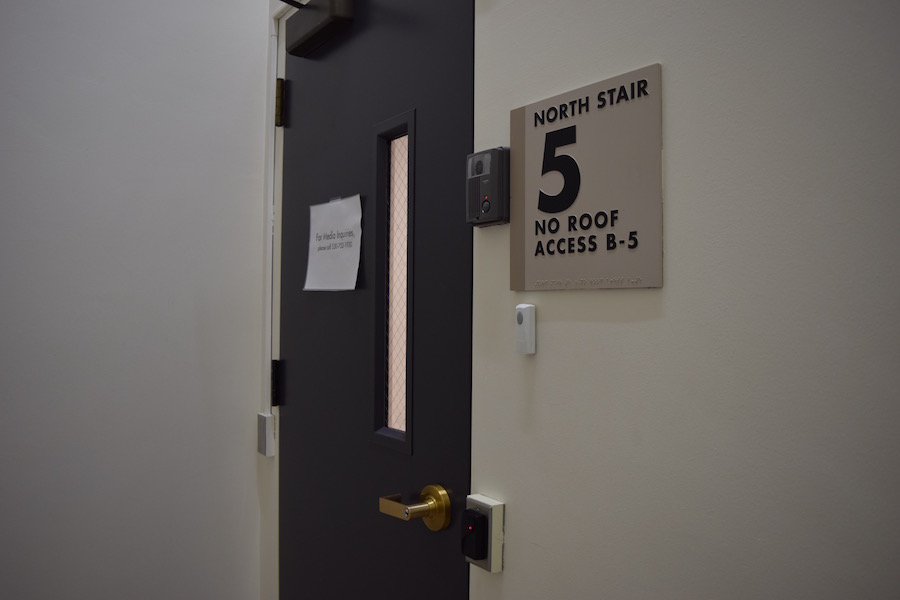
Following weeks of protest against UC Davis Chancellor Linda P.B. Katehi, who is currently on paid administrative investigative leave pending an investigation into alleged unethical behavior during her time as head of the university, the fifth floor of Mrak Hall is now only accessible via key.

After allegations emerged against Katehi regarding her ethics when news broke that she was on the boards of for-profit institutions and that she was involved in spending $175,000 to erase the 2011 pepper-spray incident from the Internet, some students and faculty members began calling for her resignation.

Following the revelations, students protesting Katehi began a 36-day, nonviolent sit-in on the fifth floor of Mrak Hall, where the Office of the Chancellor is located.

After the students left the fifth floor of Mrak Hall on April 15, the floor became closed to the public. As of today, access to the fifth floor requires a key, which is only provided to employees.

However, visitors can call ahead or ring the doorbell at the top of the stairs in order to gain access to the floor. Visitors with mobility limitations can be accommodated in a number of ways, including using the elevator if necessary.

Andy Fell, the associate director for UC Davis news and media relations, said that the university had concerns about safety and building security which was what led to the closing of the fifth floor.

There have been long-standing concerns about building security, key control and access in Mrak Hall and other campus buildings,” Fell said. “We are currently in the process of installing modern card-key access for Mrak Hall and discussing the best way forward that balances appropriate access, convenience and security.”

Leilah Lockett, an incoming transfer student to UC Davis, said that she understood why the fifth floor of Mrak Hall was being closed to the public, but felt that it was representative of a larger problem that the university has with transparency.

“One of the reasons I hesitated to SIR to UC Davis was because of this Katehi scandal,” Lockett said. “While I did decide that it wasn’t a big enough deal to deny myself a chance at my dream college, I do feel that closing the floor where the students were protesting is a bit much, considering it feels like they are trying to hide something from the public. I understand why they did it, especially after the long sit-in, but I just feel like there was a better way to deal with the aftermath of the protests than just closing the entire floor down.”

Nolan Matter, a third-year political science student, said that he sees why the university was keeping the fifth floor of Mrak Hall closed, but hopes that it will be reopened to the public eventually.

“Given that the staff on the fifth floor were put under so much stress, from being videotaped walking into the restroom to being shouted down merely for walking alongside their chancellor, it is understandable they are not ready to open the floor up to the general public,” Matter said. “We are hopeful that the floor will eventually be reopened again, but we believe that the protest on the fifth floor hindered constructive dialogue that is necessary for moving forward.”

Written by: Sangeetha Ramamurthy – campus@theaggie.org

Bernie Sanders to visit UC Davis

BERNIESANDERS.ORG / COURTESY

2016 Democratic Presidential candidate to hold rally on Wednesday

2016 Democratic Presidential candidate Bernie Sanders will hold a rally at UC Davis on Wednesday, June 1, as part of a nationwide campaign to secure the Democratic nomination for President of the United States.

Sanders is set to speak at UC Davis’ Hutchison Intramural Field, with doors opening at 5 p.m. Entrance to the event is free on a first-come, first-serve basis; however, reservations can be made at Sanders’ official website.

Attendees are prohibited from bringing signs, banners, sharp objects, weapons and chairs, and are encouraged to limit their belongings to small personal items like keys and cellular phones.

Hutchison Intramural Field is located at 250 La Rue Road in Davis, Calif. For more information, visit the rally’s official event page.

Written by: Jason Pham – campus@theaggie.org

Two UC Davis students awarded President’s Award for Outstanding Leadership

UC Davis students Lauren Jabusch (left) and Mariah Watson (right) were awarded the President's Award for Outstanding Student Leadership. (DIANA LI / AGGIE)
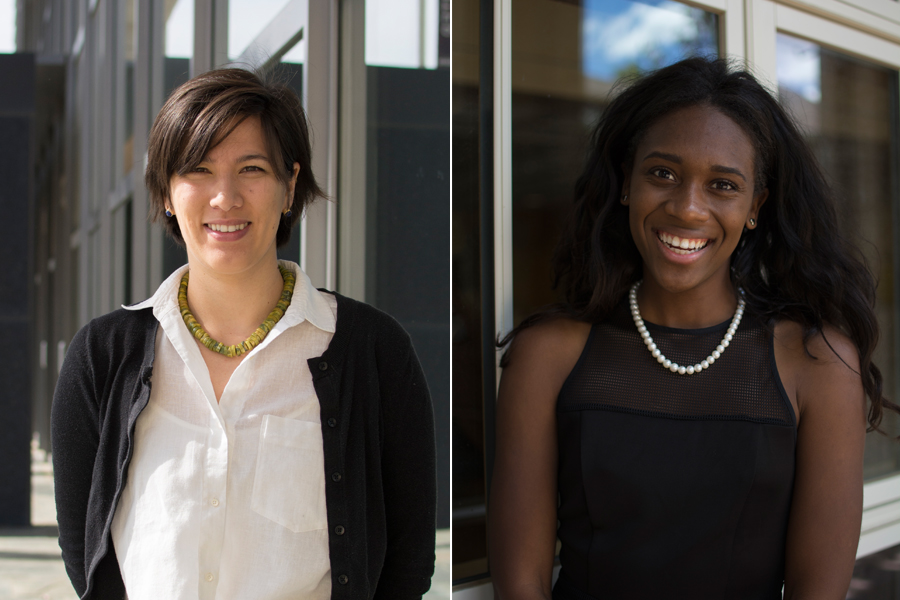
UC Davis students Lauren Jabusch (left) and Mariah Watson (right) were awarded the President’s Award for Outstanding Student Leadership. (DIANA LI / AGGIE)

Awardees include UC Davis students Mariah Watson, Lauren Jabusch, UCLA student Tyler Watson

On May 11, two UC Davis students, Mariah Watson and Lauren Jabusch, and one UCLA student, Tyler Watson, were presented the University of California (UC) President’s Award for Outstanding Leadership at the UC Board of Regents meeting.

This award was established in 2010 to recognize undergraduates, graduates, professional students and campus-based student organizations for going above and beyond in supporting and promoting multi-campus initiatives. The award honors collaborative efforts that further the UC’s mission of teaching, research and public service.

The awardees are first nominated by the chancellors at all 10 UC campuses and from the UC Student Association, then a selection committee consisting of staff from the UC Office of the President (UCOP) reviews and scores each of the nominations, and UC President Janet Napolitano selects the winners. Individual recipients receive a $2,000 grant, while the organization recipients receive $2,500.

“This award was created to recognize UC students for their hard work, their creative thinking, and their public service,” Napolitano said in the UC press release. “I am honored to present these awards today for the third time in my tenure as president.”

Mariah Watson, a fourth-year international relations and philosophy double major, was awarded for her leadership during her tenure in ASUCD as senator and president. She believes she was chosen for her eagerness and participation to make UC Davis a more diverse and inclusive campus.

“I’ve demonstrated a willingness to engage, dialogue, and organize on a number of different issues throughout my four years here at Davis,” Watson said via email.

One of Watson’s achievements include establishing a productive liaison between the UCOP and the Afrikan Black Coalition.

“In particular, I believe that my recent work in organizing a series of statewide meetings in order to establish a relationship between UCOP and the leaders of the Afrikan Diaspora [is why I was chosen],” Watson said. “During these meetings, we won divestment from director holdings in prisons, retention plans, scholarship funds, etc. It was extremely productive and unprecedented.”

Other accomplishments Watson has achieved include developing a campus task force to combat homelessness, forming and planning community forums regarding national police brutality that other campuses have since modeled after, and working with UC Davis to organize the White House Summit on Educational Excellence for African Americans.

“It’s humbling to say the least. I wasn’t expecting it. When I do things with the community to better campus climate or improve the student experience, it’s not for awards and praise, Watson said. “So truly, this was a testament to all the mentors I’ve had who just told me to keep pushing and do what’s best for the communities we serve.”

In regards to her initial reaction, Watson just thought “Oh, this is cool,” but further realized the award was beyond just “cool.”

“My first reaction was ‘how in the world did they pick me out of all the amazing student leaders across the UC,’” Watson said. “I think that as students we don’t often take the time to think about just how incredible the work we collectively do across the UC is. We work countless jobs and often sacrifice our grades and wellbeing for the betterment of our campuses.”

Jabusch, a doctorate student in biological and agricultural engineering, was awarded for her influence and initiative on campus for fostering sustainability.

“UCOP sent us emails late one night only a week in advance. I didn’t know that I had been nominated so it was quite a surprise,” Jabusch said via email. “It is quite an honor to be recognized and especially with such good company.”

Since her UC Davis undergraduate years as a member and now chair, Jabusch has been heavily involved with the California Student Sustainability Coalition (CSSC). Through CSSC, she has started an alumni network, helped create and teach sustainability courses such as the Education for Sustainable Living Program, run environmental campaigns like the Fossil Free Divestment and organized large scale coalition conferences.

In addition, Jabusch has also coordinated the first Cool Campus Challenge this past fall, attracting 19,000 participants across the UC, and is currently the community and engagement fellow for the Carbon Neutrality Initiative (CNI) for UCOP where she helps develop a teaching curriculum, builds student environmental research centers across the system and promotes CNI through blogs and social media.

Jabusch also served as an NSF Resource and currently works as a mentor for the program, where she taught sixth graders a science curriculum focusing on renewable energy and mentored a team of students in a year-long sustainability project to win a competition.

“I was very excited [about winning the award]. It has been wonderful to share good news with friends and family,” Jabusch said. “The highlight so far has been Dr. Andy [Jones] of Pub Quiz fame wrote about my work for his weekly Pub Quiz newsletter. New Davis celebrity status attained!”

Written by: Yvonne Leong – campus@theaggie.org

Davis moves toward zero net energy, total carbon neutrality

MERAL BASIT / COURTESY

Campus acts upon energy efficiency and emission goals with help of students, classroom monitoring devices

In 2013, UC President Janet Napolitano announced the Carbon Neutrality Initiative, requiring all UC campuses to become totally carbon neutral (contribute zero atmospheric carbon to the environment) by the year 2025.

Moving toward this goal of energy efficiency is both an individual and community-wide effort. UC Davis has taken steps toward furthering our campus’ energy efficiency and lowering carbon emissions via energy management and community outreach.

Joshua Morejohn is the energy manager at UC Davis’ Energy Conservation Office (ECO). The department was created in 2013 to organize the campus’ efforts to become more energy efficient by optimizing buildings and fine tuning heating, ventilation and A/C (HVAC) usage by creating programs like TherMOOstat.

TherMOOstat is a data collection app that can be accessed on smartphones and laptops; users can report how they’re feeling by picking a colorfully dressed cow that reflects how warm or cool they feel. So, if the ECO receives a cow-with-earmuffs from a classroom in Wellman, they’ll know to keep the air conditioning off in the future.

“We didn’t even know that people were this uncomfortable until people started giving us feedback,” Morejohn said. “Now we’re trying to integrate [the data] more with how we actually tune the buildings.”

According to Morejohn, the university currently spends 25 million dollars a year on energy, so cutting HVAC costs where possible is of utmost importance. While the ECO is asking their users for feedback, they’ve also kept an eye on campus energy levels, tuning them when necessary.

The ECO monitors each building individually, considering occupancy and class scheduling to determine how to keep people comfortable while using the least amount of energy. Without realizing it, students are sitting in lecture halls that are operating at close to maximum energy efficiency.

With energy and temperature monitors covering 75 percent of the university’s indoor areas, the ECO can track UC Davis’ energy usage in real time. While the ECO uses this data for their own research, they share it with the community through Campus Energy Education Dashboard (CEED), a website established in April.

The data the ECO collects allows department to form a baseline of how much energy, and therefore carbon, the campus is using. Along with monitoring existing energy levels, Morejohn and his team are actively working to find solutions outside of optimizing buildings.

“My office actually sponsors a grad class that’s called Path to Zero Net Energy,” Morejohn said. “The class has six projects and four of them are with my office. A lot of them are around the Carbon Neutrality Initiative”.

A few of the projects in the Zero Net Energy (ZNE) course study the steam to hot water conversion, which Morejohn cited as one of the university’s giant energy pits.

“One of those things that nobody really knows about is that we have steam heating [about 100] buildings on campus. Our steam district heating system has a 30 to 50 percent energy loss in the distribution piping, while the loss on a new hot water district heating system would be only 5 to 10 percent.”

While the ECO is working toward the goal of zero net emissions, they’re not alone. The West Village, a UC Davis affiliated student housing site, holds the title of being the largest planned ZNE community in the United States. As of April 2016, they were able to offset 85 percent of their energy consumption with solar energy. While generating solar energy is one aspect of going ZNE, a large part of it is reducing energy usage to levels the solar panels can compensate for.

        Larissa Lomen is a third year sustainable environmental design major and one of West Village’s green community assistants. Lomen helps West Village residents become more energy efficient in order to bridge the gap between the solar energy they are producing on-site and the energy that people are using.

“So we’re looking at the top twenty highest […] energy users, and we’re emailing them tips,” said Lomen. “We’re telling them, ‘Hey keep your energy usage down, there’s an incentive for you.’ We give out a lot of solar backpacks, shower timers and water bottles.”

        In addition to carbon dioxide emissions, the university has taken steps toward diverting trash from landfills. When landfills pack down trash, they are limiting the oxygen that the waste is exposed to, which often includes biodegradable food scraps. According to a 2014 paper from Princeton University, without oxygen, the waste is broken down anaerobically, which produces methane, a greenhouse gas that is “roughly 30 times more potent as a heat-trapping gas [than carbon dioxide].”

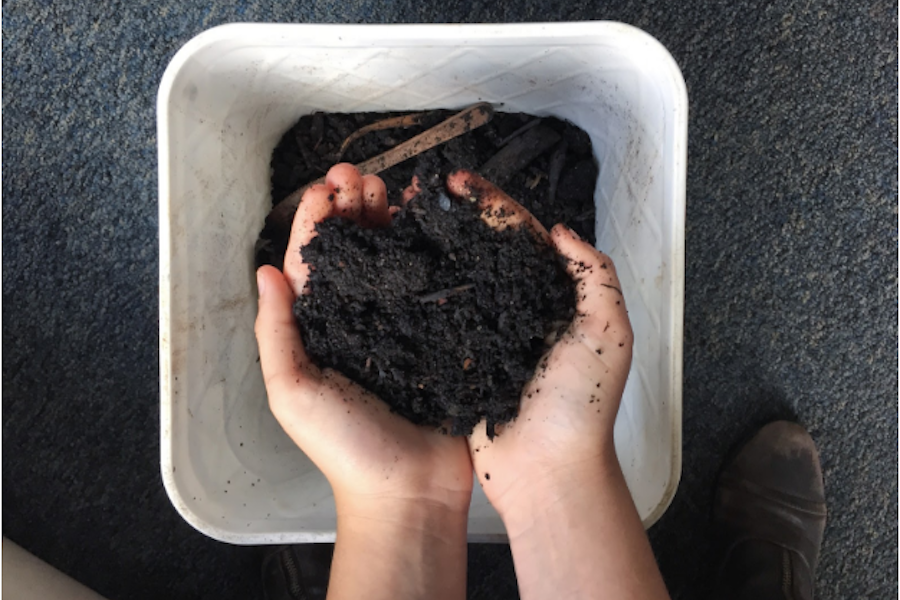
To divert this waste, the Campus Center for the Environment (CEE), an ASUCD affiliated program, holds vermicomposting workshops that teach people how to use worms to break down their food into compost, which they can use to grow more food. Recent UC Davis graduate Sky Johnson is the Vermicomposting and Workshop Director for the CCE.

“The compost education and action we provide […] gives a really hands-on way for students to go from start to finish,” Johnson said. “They produce this waste and instead of putting it in a bin where they don’t know where it goes, they can understand the whole process. It goes from picking up the compostable waste, actually taking it to the compost pile, getting dirty, and then seeing how that [waste] turns into compost”.

        Composting both reduces greenhouse gas emissions and nitrogen runoff. By using compost, industrial agricultural efforts can avoid using nitrogen-heavy synthetic fertilizers that can wash away more easily with rainwater. This runoff can cause harmful algal blooms in lakes and oceans, which can suffocate fish and cause ecological dead zones.

Although individual efforts like composting, turning off the lights, and reporting the temperature of a classroom may seem small in comparison to global climate change, these changes can have a big impact.

        “Climate change doesn’t necessarily have to be a driver for all this. Whether we’re concerned about climate change or not, I feel like being a good steward of campus resources is the main thing,” Morejohn said, “We’re given a great campus and we should take care of it and not waste water or energy or anything else.”


ASUCD senators vote to forfeit stipend to help combat financial deficit

BECCA RIDGE / AGGIE
BECCA RIDGE / AGGIE

Pending finalization of ASUCD’s budget, senators’ stipend to give an additional $18,228 to ASUCD units

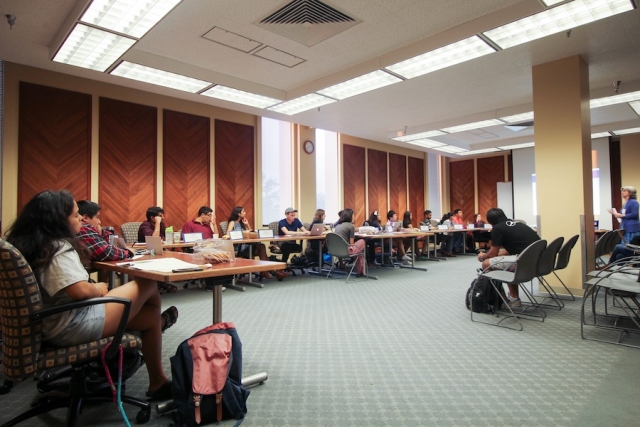
On May 22, ASUCD senators voted to forfeit their stipends in order to give more money to ASUCD units. This vote occurred during ASUCD’s annual budget hearings over the May 20 to 22 weekend. At these budget hearings, ASUCD cut many unit positions and expenses in order to combat ASUCD’s financial deficit.

“Everybody has to make some sort of sacrifice for their unit,” said ASUCD senator and second-year environmental policy analysis and planning major Noor Adilla Jamaludin. “It’s only fair that we consider that and reciprocate in kind […] we want to serve our students and ultimately a lot of these students are impacted by these budget cuts and it only helps them if we can help distribute some of this money to those units that could better provide those services.”

Currently, each of the 12 senators is paid $50.63 per week. Therefore, cutting this stipend will give $18,228 to ASUCD units. According to Jamaludin, ASUCD will evaluate the units on a fair scale to determine how much money to allot to each.

Because the 2016-17 budget has not officially closed, budget changes may still be made at the senate meeting on Thursday, May 26. As long as nothing changes during the budget’s finalization, the vote will go into effect at the start of the next fiscal year.

“[The senators] all didn’t vote the same, but I do know that, in my opinion, this will help the association and this will help the units moving forward in the next fiscal year,” Jamaludin said.

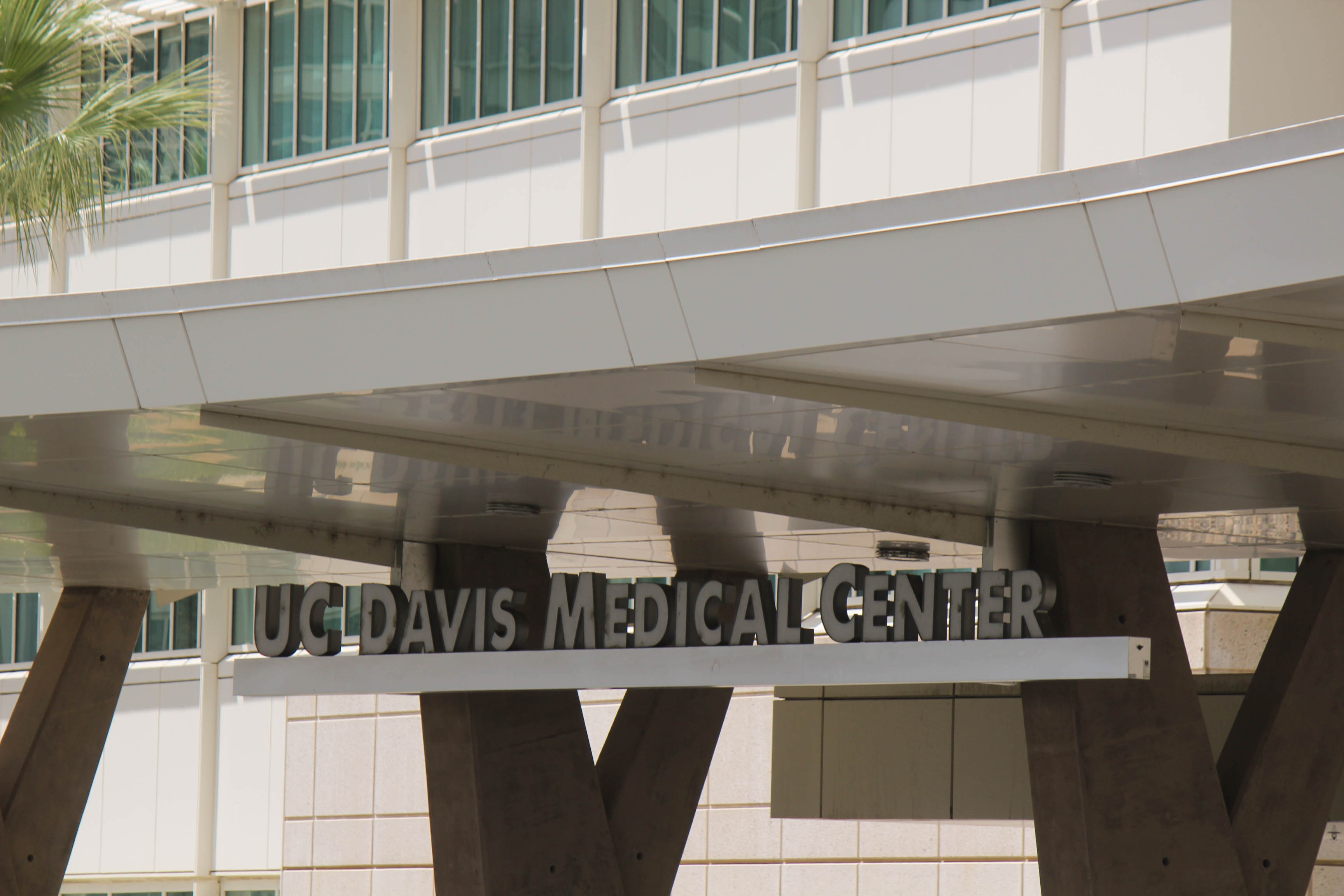
UC Davis Medical Center ranks in 100 Great Hospitals in America

BECCA RIDGE / AGGIE
BECCA RIDGE / AGGIE

Center achieves ‘A’ ranking in patient care for sixth consecutive year

For the second consecutive year, the UC Davis Medical Center (UCDMC) was named one of the 100 Great Hospitals in America by Becker’s Hospital Review and achieved an ‘A’ grade for patient safety for the sixth time in a row.

“This recognition of overall excellence for our medical center reflects the skill, dedication and commitment of all of our faculty and staff to providing the ultimate best health care to the approximately 250,000 patients treated at UC Davis Medical Center each year,” said Ann Madden Rice, chief executive officer of UCDMC. “I am grateful for this achievement and for the superb quality of care that our employees provide to our patients each and every day.”

The Becker’s Hospital Review compiled factors including patient care, innovative medical research and community integration.

The ‘A’ grade for patient safety, awarded by The Leapfrog Group, an independent hospital watchdog group, helped UCDMC achieve this award. The ‘A’ in patient safety recognizes the leaders in patient care based off the criteria of preventing illnesses, injuries and infections as well as avoidable deaths. The Leapfrog Group’s ranking is considered to be the gold standard for patient care, and about 800 hospitals nationally achieve this ranking annually.

“Avoidable deaths in hospitals should be the number one concern of our health-care leaders,” said Leah Binder, president and CEO of The Leapfrog Group. “Hospitals that earn an ‘A’ from Leapfrog are leaders in saving lives, and we commend them and urge their continued vigilance.”

UCDMC offers the only level 1 adult and pediatric trauma center in the region and houses a National Institutes of Health-designated comprehensive cancer center. The center’s range covers 33 counties that span 65,000 square miles from the California-Oregon border to the eastern Nevada border. The center also is involved in cutting-edge research including discovering a new metabolic disorder that causes newborn mortality, stem cell research, new methods for cancer therapeutics and on-going research on autism. The medical center also recently was designated a comprehensive care center for pulmonary hypertension, one of about 30 nationally.

“We are consistently at the forefront of providing the latest treatments and clinical trials for complex lung diseases like pulmonary hypertension,” said Nicholas Kenyon, chief of the Division of Pulmonary, Critical Care and Sleep Medicine in a press release. “This special recognition is entirely due to Dr. [Roblee] Allen and his dedicated team of specialists who always provide our patients with world-class care and first-class hope.”

Written by: Lindsay Floyd – campus@theaggie.org

UC Davis Hosts Zika Symposium

BRIAN LANDRY / AGGIE

International scientists, health professionals gather to discuss virus

The World Health Organization (WHO) declared the Zika virus a Public Health Emergency of International Concern in February 2016, with numerous cases confirmed around the world. News of outbreaks, specifically in Brazil, have caused concern for where the virus will spread next and how to prevent it.

On May 26, UC Davis molecular and cellular biology and chemical ecologist professor Walter Leal hosted a Zika Public Awareness Symposium. Students in collaboration with Leal made the event possible with the goal of spreading awareness about the Zika virus and how to defend against it.

“Zika had a few moments in the news spotlight and became a real scare for a couple of weeks, but people do not realize how rapidly it is spreading and now much new research is coming out every day,” said third year neurobiology, physiology and behavior major Nepheli Aji in an email interview.

The Zika virus is novel in its transmission, spread both by mosquitos and unprotected sexual intercourse. Common symptoms associated with the virus include skin rashes, headaches, joint pain and fatigue. Severe and rare symptoms include possible neurological effects and death.

“The pathology of this virus has quite different symptoms than other viral infections,”
said Thomas W. Scott, UC Davis entomology professor emeritus. “Symptoms of the infected majority are relatively mild for the most part.”

Scott is an expert in the Aedes Aegypti mosquito that transmits Zika virus. He has studied the mosquitoes for 30 years and explained that this vector is associated with explosive transmission patterns, as seen in areas affected by Zika.

Zika’s varied transmission and range in symptom severity has challenged healthcare professionals and researchers, making it hard to diagnose and track. Zika was first identified in monkeys in 1947, however, it was not considered a threat as there were no major outbreaks. Symptoms were, and to this day, are often confused with other diseases such as Dengue Fever, Yellow Fever and Chikungunya. Leal attributes this continued misidentification as a delay in vaccines and treatment.

“There is an expectation that a vaccine is going to come soon. But it takes time, there must be research done. If we acted on Zika previously, we might have a vaccine today,” Leal said.

Further complicating vaccine and treatment efforts is the nature of high-density populations struck by Zika.

“These mosquitoes typically live in a house with people, lay their eggs near or inside the house, and tend to feed exclusively on humans. In urban settings like many cities in Brazil with large populations, houses do not have screens on windows,” Scott said. “These cities are very social places, and the virus can spread easily to visitors. Therefore there is an increased chance of mosquitoes biting a person with the virus. The infected become infectious.”

Scott explained that while there may be a low number of infected individuals, with the interplay of the mosquito vector, it becomes hard to eliminate the disease in modern cities, causing one incidence of Zika to quickly spread.

Pregnant women are at a high risk for Zika, as infection may result in giving birth to children with microcephaly; babies born with an abnormally small head size and damaged brain tissue. Conversation on controversial issues, such as abortion and contraception, has arisen with the disease, however, the symposium focused its topical breadth on current research of the spread of the disease and how to protect oneself against it.

“The symposium [is] science-oriented, there will not be debates about social science issues,” Leal said.

Although Zika is a WHO public health priority, the consequences of a major outbreak may not occur in the U.S. as it has in South America, as demonstrated in the isolated February diagnosis of an individual in Yolo County.

“There is a decreased chance of mosquitos biting people with Zika in a population with lower infection rates,” Scott said. “In addition, the Aedes aegypti mosquito is not as common in North America as it is in continents like South America and Africa.”

The symposium planners hope not only to inform people about Zika and its effects, but also the precautions that can be taken to limit the damage of the virus.

“I hope that with this event, we will be able to spread the word about a disease that students will later go on to study further,” Nepheli wrote in an email interview.

Speakers at the event included Brazilian researchers Dr. Constancia Ayres of Fundacao Oswaldo Cruz and Dr. Regina Ramos M.D. and clinician from University of Pernambuco, as well as Dr. Paula Macedo, the laboratory director of Sacramento-Yolo Mosquito and Vector Control District and Professor Brian Foy from the Department of Microbiology, Immunology and Pathology from Colorado State University.

“Our goal is to save one life, one baby, and through this we did a great thing for society,” Leal said. “If you know your enemy, you have a chance of defeating it.”

UC Davis leads in veteran student support

HANNAH LEE / AGGIE
HANNAH LEE / AGGIE

Expansion of resources for veterans remains critical issue in UC system

The California Employer Advisory Council (CEAC) honored UC Davis among the winners of the 2016 Veterans Employer of the Year Awards at a ceremony on May 5. CEAC is a nonprofit organization that partners with the California Employment Development Department (EDD) to advocate for employers and to facilitate workforce development.

The Veterans Employer Award honors organizations with policies that excel in training, hiring and retaining veterans in both private and public sectors.

UC Davis has excelled at providing resources to its veteran students. The Transfer Reentry Veterans Center assists with the academic adjustment and social transition to campus and the Veterans Affairs Office offers veterans benefit assistance and processes Cal-Vet Fee Waivers. The Davis Student Veteran Organization, which has over 45 members, is another way for veterans to get academic support and to engage in social events.

These resources secure a supportive environment for veterans on campus and are vital in showing appreciation for those who have served our country. It is a meaningful way to show gratitude and respect for veterans.

The nomination form for the award requires a description of the organization’s leadership in veteran advocacy, programs to promote veteran success in the workforce and future advancement opportunities.

UC Davis was nominated for its outstanding resources and dedicated support for veterans by Ryan Perez, Sacramento Veterans Employment representative for California EDD.  

“[UC Davis is] a pillar in the community for veterans and disabled veterans programs, and has set the standard in Sacramento for supporting veterans and individuals with disabilities,” Perez said in a UC Davis news article.

Although UC Davis has proven to be a leader in providing services to veterans, it is necessary that these resources continue to grow.

According to the article released by UC Davis, the university was the only government/public sector organization in Northern California to receive the 2016 Veteran’s Employer of the Year Award. The resources available at UC Davis should be expanded across the UC system to ensure support for veterans on all campuses.

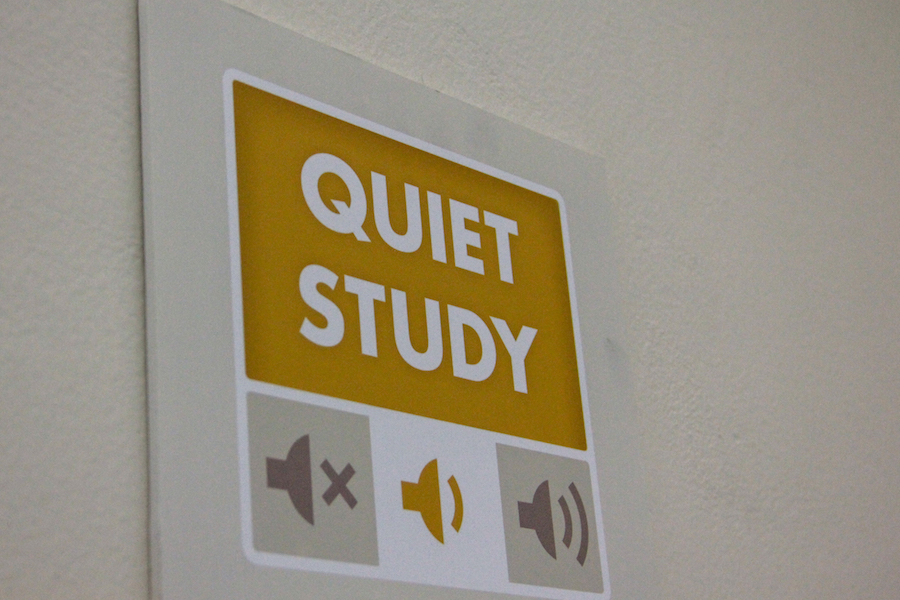
Humor: Quiet study area in Shields Library declared “best place to have an obnoxiously loud conversation”

NICHOLAS YOON / AGGIE
ASHLEY LUGO / AGGIE

How a brave group of students is changing how we use the library one loud conversation at a time.

A local UC Davis fourth-year is inspiring students everywhere with a brave declaration he made earlier this week. Computer science major and self-proclaimed “life of the party,” Ian Schneider, spoke to The Aggie about how he plans to redefine what Shields Library is all about.

“When I heard that there were quiet study areas in the library, I thought to myself, ‘This is an incredible opportunity to make sure that people who are just trying to study peacefully can overhear loud conversations that I’m having with my friends about completely unimportant things.’ I like to think of it as a kind of community service. It’s my way of giving back to the student body. They can thank me later.”

Schneider’s revelation has paved the way for countless other students to have rudely loud conversations in the library.

“Ian really is a hero,” said Rebecca Jenkins, a third-year linguistics major. “Now I know that the student body will embrace me when I totally distract them by speaking at an obnoxious volume while they’re trying to work. I mean, after all, I am doing them a favor. Everybody shoud be able to hear my conversations about my ‘unpopular opinion’ that Beyoncé is overrated.”

But these advancements have not been without their fair share of criticism. For some reason, a few local nerds have a problem with the fact that the library’s main purpose will now be for socializing rather than studying.

“I just kind of wanted to study in the library without having to hear about the ‘sick rager’ that some group of friends went to over the weekend. But I guess that’s too much to ask,” said total loser Nathaniel Surgestrom, a first-year mechanical engineering major.

It’s safe to say that Shields Library will never be the same thanks to the brave souls that are rebelling against “quiet study areas.” Now, whenever some boring students go to the library expecting to study, they’ll be treated to loud conversations that would even be considered yelling  outside. Amazing. These heroes of the UC Davis community deserve our praise and admiration.

You can reach BRIAN LANDRY at bjlandry@ucdavis.edu

UC Davis library renovation project in its early stages

LUCY KNOWLES / AGGIE

Space Planning team works to develop future renovation ideas for UC Davis libraries.

How can the renovation of UC Davis’ three on-campus libraries provide new, unique studying and researching experiences to students and faculty? This is the main question that the Library Space Planning team is currently working to answer.

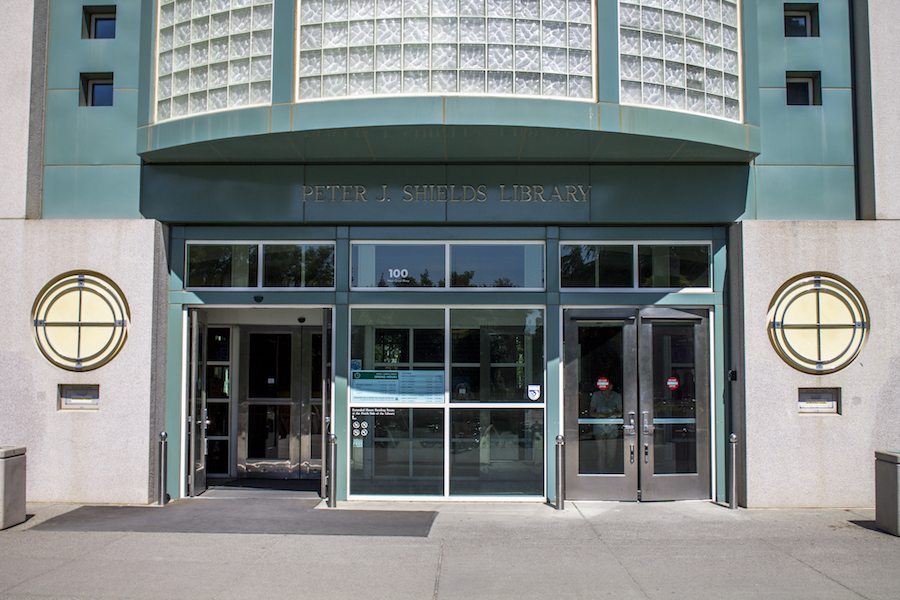
The University Library Space Planning Project is a large-scale, long-term renovation project for the three libraries located on the UC Davis campus: Peter J. Shields Library, Physical Sciences and Engineering Library and Carlson Health Sciences Library.

The project aims to incorporate a wide variety of new study spaces within these libraries to serve the future needs of faculty and students. These new spaces potentially include small group meeting rooms, classrooms, cafes and study lounges with comfortable furniture.

“Shields [Library] is definitely one of the busiest buildings on campus, as far as undergraduates go,” said Bill Garrity, deputy university librarian and chief of staff. “But it’s not really contemporary space. There’s no more casual, comfortable, hanging out space. So we’ve always kind of known that Shields, as one of the three campus libraries, has a lot of potential to be renovated.”

The project consists of three phases and is currently undergoing its first phase, titled “the Visioning Phase.” During this phase, the project team communicates with users of library spaces on campus, mainly undergraduate students, to understand the libraries’ current conditions and figure out how to support the necessary resources and services.

“The university is changing a lot,” Garrity said. “[There are] tons of new students, the faculty are growing, there’s more courses, there’s more research — the university’s just getting bigger and bigger. How can the library space serve that? That’s the purpose of Phase One.”

To accomplish this phase, several methods are being used for outreach to students, including the utilization of a smartphone app called dScout. With this app, students can take photos of their commonly used study spaces and share these photos, as well as notes and information about these spaces with the project team.

“A lot of [dScout] is just mostly trying to figure out what helps students study or what are things that distract students,” said Robyn Huey, a 2015 graduate in landscape architecture and assistant of University Library Space Planning. “Gathering that information through the app can help inform [us with] current conditions and where we can move forward from there.”

Aside from the dScout app, the team is also collaborating with a company called Brightspot to table at the Memorial Union, conduct interviews and create focus groups.

The second phase of the project, titled “the Programming Phase,” will consist of compiling a list of potential new spaces for future library facilities using the information acquired from the first phase.

The third and final phase is “the Designing Phase”; at this phase, the funding will be secured, and blueprints and drawings of the new spaces will be developed. Due to its large scale and high expenses, the project is predicted to continue for the next several years.

“It was just lately, with the growth and prominence of UC Davis, that we were able to begin the very expensive process to [renovate the libraries],” Garrity said. “It’s going to be potentially a $100 million project.”

The team behind this project is comprised of a number of committees, including a leadership committee of faculty and administrative leaders, the ASUCD Library Committee and a working committee of library staff and personnel.

“The previous ASUCD vice president was approached by Bill Garrity and the library in order to create [the Library Committee] that would advise on the new upcoming renovations for the library,” said Abhay Sandhu, a third-year managerial economics major, ASUCD vice president and Library Committee chair. “The most important thing that they expressed to us that they wanted was student impact [and] student input. Obviously, that would come through ASUCD — we’re the student government.”

Members of the ASUCD Library Committee work to ensure that the Library Space Planning Project effectively reaches out to students and receives productive feedback. The committee is comprised of 15 members as of now, but welcomes any students who are interested in having a voice in the project.

“The main goal of the committee is to bridge the gap, and have student representation when it comes to building the library,” said Simran Grewal, a first-year biological sciences major and chief of staff for the ASUCD vice president. “[It’s] basically a way for the undergraduate population to voice their opinions and pitch in their ideas regarding the library project.”

Although the project’s final completion date is unknown, the current Visioning Phase is set to be completed by the end of 2016.

More information about the Library Space Planning Project and how to get involved can be found on its website.


Written by Jennie Chang — features@theaggie.org

Annual KDVS festival to host an abundance of local and Bay Area musicians

KDVS / COURTESY
KDVS / COURTESY

Operation Restore Maximum Freedom XVI to be held at Sudwerk Brewery this Saturday

Given the prominence of Spring Quarter’s music scene — from Picnic Day to Lawntopia to Whole Earth Festival — it’s no surprise that KDVS’ annual festival, Operation Restore Maximum Freedom (ORMF), has surpassed students’ radar. If their lineup (stacked with a diversity of sound and ranging from up-and-coming student musicians to well established Bay Area bands) doesn’t persuade you to attend, perhaps the location will.

This year’s festival, held at Sudwerks Brewery as opposed to previous years’ locations outside of Davis, is a deliberate attempt to better its accessibility to students. Kaz Mirblouk, recent UC Davis computer science graduate, as well as KDVS events coordinator and three-pronged promoter, organizer and stage manager of the festival, said hosting the event at Sudwerks will hopefully increase students’ attendance. Well, that, and the alcohol is more accessible.

But Mirblouk’s consistency with this underlying theme of conveniency and open access extends beyond the festival’s location; he has also scheduled musicians to only overlap slightly — if at all — by stacking performances such that listeners don’t have to choose between sets. Outside Lands schedulers could perhaps take note.

But the lineup, too, is a reflection of this motif; the bands, mostly hailing from the Bay Area, also consist of local Davis musicians — all at the forefront of the underground scene.

Assisting Mirblouk in the festival’s production is good friend and performer (under the lineup as Doofy Doo), Drew Walker.

“[The festival will boast] an attitude geared towards maximum freedom, with some cool music and interactive people,” Walker said.

But describing the music as “cool” is a justifiable understatement. Kris Nguyen, a recent biotechnology graduate, will also be performing in the festival as Kalm Dog.

“The lineups for ORMF are always really diverse and attract different bands and different crowds while still maintaining the feeling of a tight-knit community in the music scene that we have here,” Nguyen said.

Mirblouk — his own band also performing at the festival — stresses that the lineup, though indeed consisting of such variety, was put together with cohesion and an underlying theme in mind. The result? A lineup that reads more like a killer playlist:

Mall Walk: Hailing from Oakland, this band — described by Mirblouk as “simple, yet driving” — has released a single, eponymous EP, commendable for the solidarity of its sound.

The SHE’S: The name, in addition to being an obvious testament to their all-female sound, is actually an acronym for their first names. Their attendance at ORMF will be only their second visit to Davis.

Froth: Signed by local Burger Records, this LA band boasts a psychedelic sound that satisfies all the necessary guitar riffs.

Kalm Dog: UC Davis’ own garage rock project has recently released its first album, and we can expect to hear a few new tracks this weekend.

Chimera: Another local Davis band, their shoegaze but generally instrumental sound can be described as an “emotional ride” according to Mirblouk.

Operation Restore Maximum Freedom is this Saturday, May 28, from 1 to 10 p.m. Doors open at noon, and tickets can be purchased online for $17, or at the door for $21. Check out their Facebook event for more information.

Written by: Ally Overbay — arts@theaggie.org

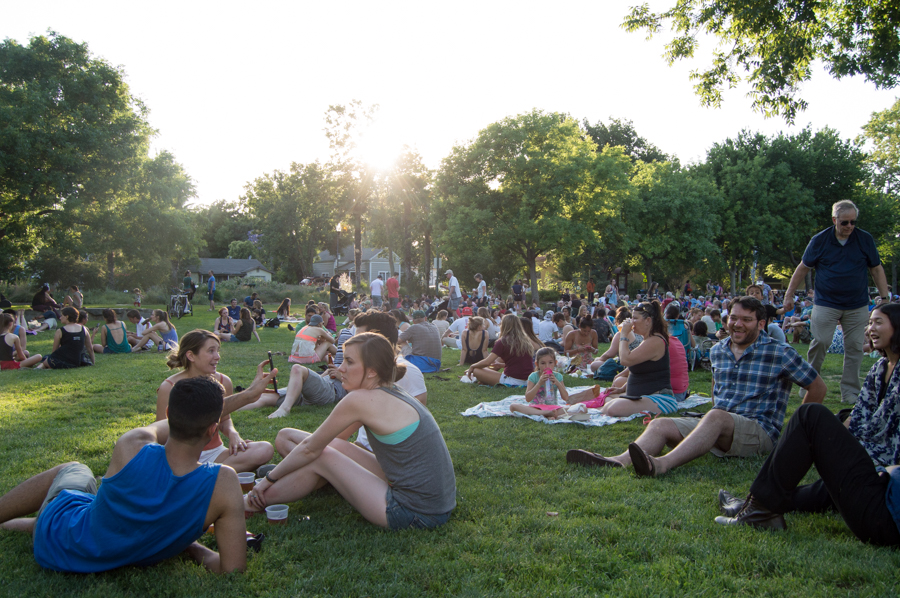
Picnic in the Park brings together Davis community

ARIEL ROBBINS / AGGIE

Davis residents enjoy food, entertainment at weekly Picnic in the Park event hosted by Davis Farmers Market.

What can possibly be better than visiting Davis’ widely acclaimed farmers market to shop for fresh fruits and vegetables, and eat delightful snacks? Not much, besides enjoying all of these along with live music and a picnic on the grass with family and friends. Davis residents are given the opportunity to experience this at Picnic in the Park.

Picnic in the Park is a weekly event that takes place at the Davis Farmers Market in Central Park for 33 weeks out of the year.

Occurring every Wednesday from 4:30 to 8:30 p.m., the event features free performances by local bands, family entertainment and an International Food Faire, along with the fresh farm produce that the Farmers Market has to offer.

This year’s first Picnic in the Park took place on March 16, and the event will continue to occur every Wednesday until Oct. 26.

“I love the atmosphere here [at the event],” said Samantha Okabe, a first-year political science major. “The food, music and people make it incredible.”

The farmers market is one of the most notable community events in the city of Davis, taking place every Saturday and Wednesday at Central Park in Downtown Davis. An estimated 3,000 visitors attend the market every Wednesday, and around 7,000 attend every Saturday. With the addition of Picnic in the Park, the market’s Wednesday hours have been extended, giving visitors a longer time to enjoy one of Davis’ most popular events.

“The market’s been in business for 40 years. We were originally open on Wednesday afternoons from 2 to 6 p.m.,” said Randii MacNear, market manager and executive director of the Davis Farmers Market Association. “As the farmers market industry developed in California, the concept of having a more relaxed atmosphere where families can eat and stay a little longer, and the fact that we have this beautiful park, [led us to] turn every small afternoon market into this extravaganza.”

Each Picnic in the Park this year will feature a unique local band to perform live music during the event. These bands demonstrate various music genres, ranging from bluegrass to rock ‘n’ roll. Community music groups are also invited to perform, including local Davis high school bands.

“We’re looking for character music that goes along with the values of the event,” MacNear said. “Music where people can sit and have a conversation, where sellers can talk to their customers.”

A distinctive characteristic of Picnic in the Park is its International Food Faire, which is comprised of numerous vendors from local businesses that serve diverse cultural foods. Food vendors include Osteria Fasulo, East West Gourmet, Kathmandu Kitchen and Raja’s Tandoor.

In addition to food and music, children can enjoy entertainment ranging from carousel rides to face-painting. Overall, Picnic in the Park radiates a very family-friendly atmosphere, and also promotes zero waste.

“This is my second time coming [to the event],” said Miya Schevle, a first-year environmental science and management major. “The first time I came here I was really surprised; I didn’t expect this kind of community feel. I really like coming here.”

With a wide variety of food, music and entertainment, Picnic in the Park aims to provide a pleasant environment for Davis residents and visitors.

“We call it a ‘festival market.’ It’s a combination of so many things,” MacNear said. “Everything is organized in a very comfortable way and I think people are just comfortable at the market. Where you turn, there’s something that makes you happy — even just looking at people enjoying themselves and smiling.”

Aside from Central Park, the Davis Farmers Market also hosts weekly markets in several other locations, including the UC Davis Quad every Wednesday and the Sutter Davis Hospital every Thursday. The Davis Farmers Market’s 40th anniversary will be celebrated on Aug. 13 this year.

Written by Jennie Chang — features@theaggie.org

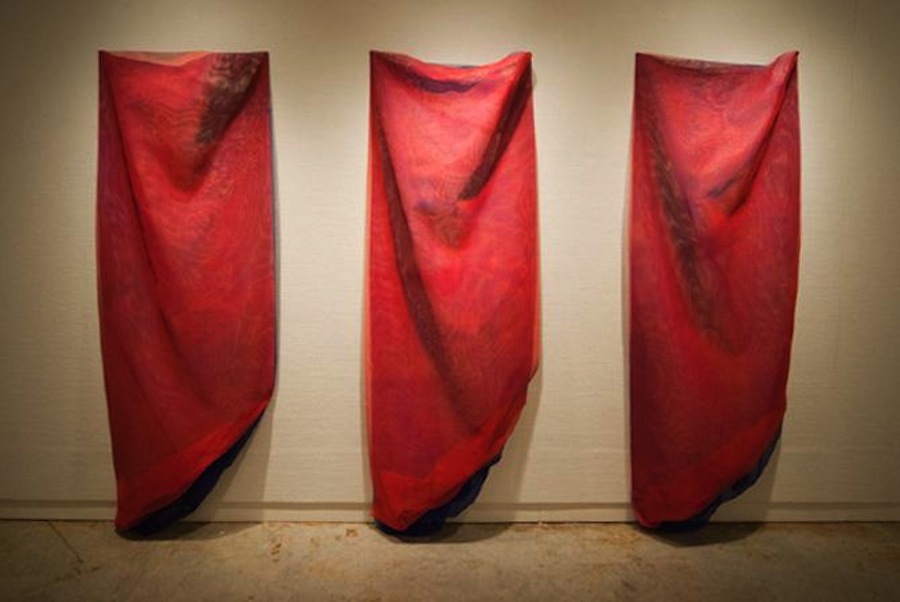
UC Davis art studio students hold major exhibitions in Sacramento area

"Just remember, it’s not a lie if you believe it" by Julian Tan. (UC DAVIS ART STUDIO DEPARTMENT / COURTESY)
“Just remember, it’s not a lie if you believe it” by Julian Tan. (UC DAVIS ART STUDIO DEPARTMENT / COURTESY)

MFA students experiment with sculpture, photography, other visual arts

UC Davis is best known for its excellence in science, but people sometimes overlook its artistic side. This year, the Master of Fine Art (MFA) in Art Studio program will be exhibiting student work in Sacramento, providing an incomparable opportunity to learn more about our artists and the nationally-acclaimed MFA program. The MFA exhibition is an end-of-year art show that displays the work that students in the program have created over the past academic year.

“[This exhibition] marks the culmination of one year worth of study at UC Davis. I see all my work as journal entries. And I’m sure that I’ll be able to look back to the work and identify exactly who I was, where I was at the time of creation, for me, this is what work represents: what a year of my life look[s] like at UC Davis,” said Vincent Pacheco, a first-year student in the MFA program.

Pacheco was an undergraduate student at UC Davis and graduated in 2003 with a degree in graphic design. Following graduation, he worked in large corporations, design studios and ad agencies. However, the once seemingly perfect jobs soon became exhausting for him.  

“There was a moment when I was working at Yahoo and I was in my cubicle hiding from my boss doing collage work at my desk, making sure that nobody saw me,” Pacheco said. “And at that moment, I realized I had to make art a reality because it was just so obvious what I wanted to do with my days. So I quit and [attempted] to make art a primary focus of my life. It’s taken awhile but [I’m] slowly getting there.”

Pacheco has been doing collage work for about ten years and a collection of his collage work is on display in the exhibition. He is also experimenting with new forms of art. Having recently moved to Tahoe National Forest, he is surrounded by thousands of acres of wilderness and this experience has blended into his work. As part of his project, he is building shelters both outdoor and indoor. He would spend one night in the shelter and record his experience. One of the shelters he built is on display.

The MFA program at UC Davis seeks to inspire creativity by encouraging students to experiment with different materials using various methods.

“This program really encourages experimentations. It’s not really about techniques. Get lost, and rediscover yourself,” said Muzi Li Rowe, a first-year MFA student. “I would’ve never thought of doing this a year ago.”

Li was born and raised in China. After receiving a degree in film media in Sydney, Australia, she worked in her home country for a while. Then she moved to Hawaii and finally joined UC Davis’ MFA program. Li believes her international experience has influenced her personal character and the way she approaches her art. However, as a result of constantly moving, she also finds herself losing her sense of identity. She explores themes such as alienation in her work.

“I think in a sense it sort of mess[ed] up my sense of who I am, it’s like an ongoing search for my identity,” Li Rowe said.

For Arielle Rebek, a first-year MFA student, photography is a way to capture moments and solidify memories.  

“I focus on ways of using photography, ways of thinking [about] the passage of time. I think about memory and how photos act as a replacement for memory,” Rebek said.

Rebek will be displaying a series of photographs, including some taken at her great-aunt’s house. She distorted the images to create a dream-like sense of wonder.

“I like [the distortion] because they are in line with my memory of the space,” Rebek said. “The more time goes by, I am forgetting [more] parts of the house. My memories are formed by the old photographs of the house, and I am losing sight of my actual experiences that I once had there. I thought the photos convey that the dizziness that happens over time.”

Angela Willetts, a second-year MFA student, is grateful for this program for giving her a chance to grow into a better practicing artist. Originally from the United Kingdom, Willetts has been living in Bay Area for the past 15 years, where she taught painting in elementary school and middle school.

“I was an art teacher, so I was teaching everybody how to make art, and how to be a better artist, and realized I want time for myself to be able to think about how to [develop as] an artist,” Willetts said. “Then I decided it was time [to join the MFA program] —  almost 20 years after I got my bachelor’s degree.”

Willetts is interested in exploring the interactions between human bodies and the outside world, and her art, which engages with materials like dough and paper, is not easily classified into one genre.

“There’s not really a way to categorize what I do easily, it’s kind of videos, kind of performances, kind of sculptures,” Willetts said. “The idea is I stand on [the dough] and push it. It’s about my body interacting with the material and causing it to do something. The same with the paper; I was capturing what my body was doing as my body is trying to move through the paper. So all the marks are from my body pushing.”

This exhibition marks the end of her two years of studying at the UC Davis MFA program. During the past two years, she dedicated her time to figuring out what kind of artist she is, trying different materials and experimenting with different methods. For Willetts, this exhibition will also benefit her future career as an artist.

“It’s a defining moment for me in terms of my identity as an artist,” she said.

The first-year MFA exhibition, entitled “Ruminant Ground,” is displayed at Beatnik Studio in Sacramento, from May 6 to May 26. The second-year exhibition, “having happened,” will be displayed at Verge Center in Sacramento, from June 3 to June 18. For more information about the exhibition, please visit the event page and for more information about the MFA program, please visit the department page.


Written by: Betty Wu — arts@theaggie.org