53.5 F
Davis

Davis, California

Tuesday, December 23, 2025
Home Blog Page 483

Classes cancelled for fourth consecutive day

SHEREEN LEE / AGGIE

Notification sent at 4:30 p.m. on Thursday

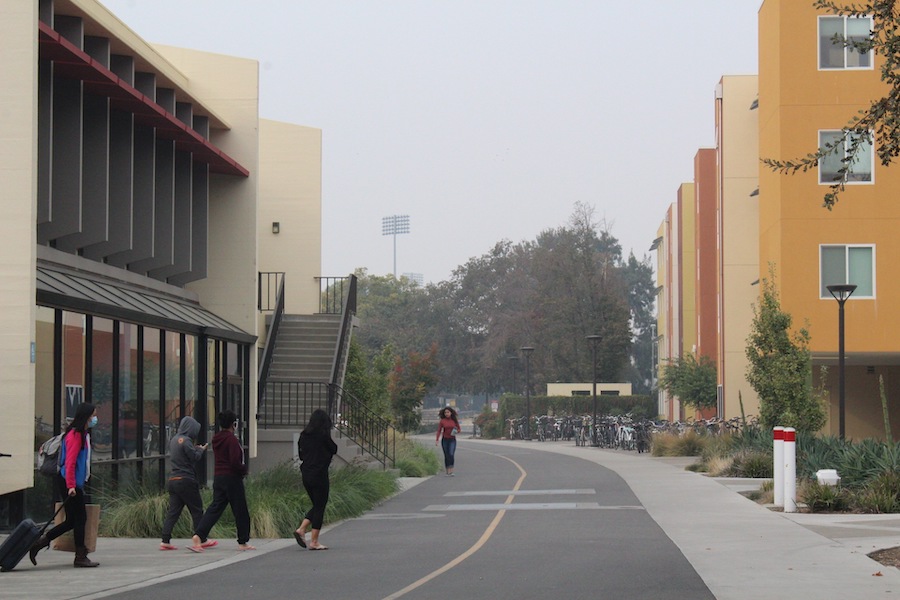
After air quality index levels spiked above 200 on Thursday, Nov. 15, class will be again cancelled at UC Davis on Friday, Nov. 16. This will mark the fourth consecutive day of cancelled classes for the university.

UC Davis announced the cancellation at 4:30 p.m. on Thursday. The first time class was cancelled on Tuesday, Nov. 13, students were informed that same morning, at 6:30 a.m.

When the UC Davis News Service announced on Tuesday that class would resume on Wednesday, there was widespread outrage over the decision from many in the campus community, resulting in petitions and hundreds of social media comments being made directed toward the university. Wednesday morning, UC Davis changed course and apologized for initially planning to resume classes.

In an update posted at 4:15 p.m. on Thursday, the unpredictable nature of the smoke was acknowledged, while it was announced that the campus is expected to reopen on Monday, Nov. 19.

“This is new territory, and we acknowledge that we don’t have hard and fast guidelines in place for these types of extreme conditions,” the statement said. “We are making the best decisions for the community that we can on a day-to-day basis, using the best available data and input from public health experts […] We anticipate reopening the campus on Monday, Nov. 19, and returning to our normal schedule. We will make a determination by 5 p.m. Sunday, Nov. 18, about campus operations for Monday.”

Essential services like fire, police and health services remain open. Community members are still advised to take care of their health and limit outdoor activity.

Written by: Kenton Goldsby — campus@theaggie.org

Classes cancelled Thursday, marking third consecutive day

SHEREEN LEE / AGGIE

UC Davis, Sacramento State remain closed on Thursday

UC Davis officials announced Wednesday evening that classes would be cancelled Thursday, marking the third consecutive day of cancelled classes due to poor air quality in the region. Nearby Sacramento State will also remain closed on Thursday.

The decision to cancel classes for a third day was made after Chancellor Gary May met with UC Davis community leaders, including staff, students and health care officials for input, according to an article from University News.

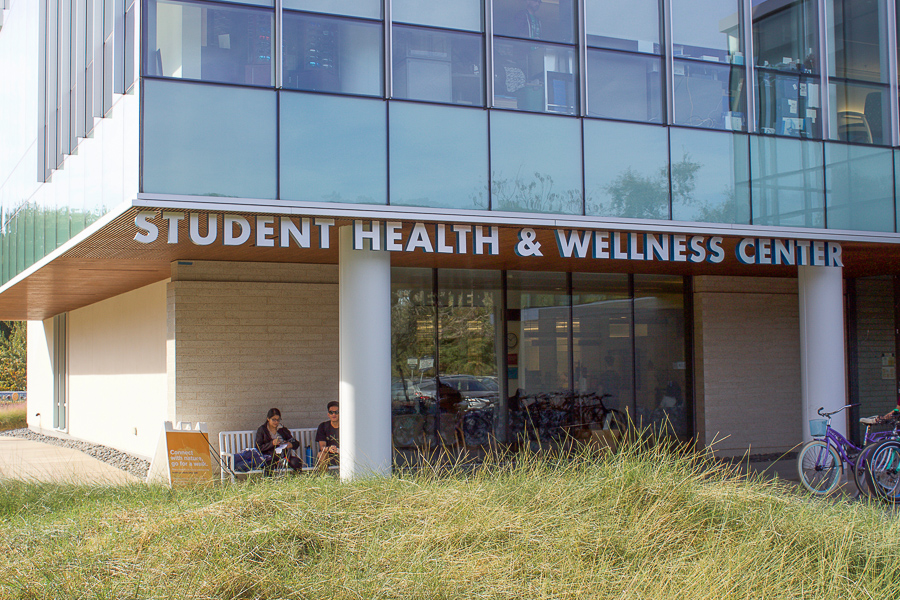
UC Davis hospitals, the university’s primary care clinics, the Veterinary Medical Teaching Hospital and Student Health and Wellness Center will be open, as will fire and police services.

The University News article states only “essential staff” should report to work Thursday.
University officials anticipate the campus will open Friday, but this decision will be made by 5 p.m. on Thursday.

“We recognize that these closures have caused significant disruptions to the UC Davis community,” the University News article states, adding decisions regarding the impact to class schedules and finals will be made shortly.

By Hannah Holzer — campus@theaggie.org

Students, workers shouldn’t have to fight admin for their health

CAITLYN SAMPLEY / AGGIE

Student leaders petition for campus closure

UC Davis cancelled classes on Tuesday, Nov. 13 after the air quality in Davis rose to unhealthy levels due to smoke from the devastating Camp Fire in Butte County, Calif. In a statement released on Tuesday night, the university announced that classes were initially scheduled to resume on Nov. 14 despite similar air quality concerns.

Campus community members were quick to respond to the university’s initial decision to resume classes. A Change.org petition to cancel classes gathered over 15,000 signatures in approximately 12 hours. The ASUCD Executive Office and the ASUCD Senate both released statements calling on the university to cancel classes on Nov. 14 in the best interest of students’ health. Backlash from students, staff and community members ultimately forced the university to reverse its decision, and the campus was closed on Wednesday and will remain closed on Thursday.

Students are not the only ones impacted by air quality decisions, though, and the Editorial Board supports the efforts of those who expressed their concerns for the health of the entire campus community.

A letter to the Chancellor, signed by over 200 students, activists and community members, was spearheaded by the ASUCD Ethnic and Cultural Affairs Commission Chair and co-authored by two ASUCD senators from the BASED slate, the chairs of the Environmental Policy and Planning, Gender and Sexuality, External Affairs and Academic Affairs commissions, members of ECAC and United Students Against Sweatshops. It commended the university for taking students’ health into account when cancelling classes on Nov. 13 but said “we are deeply troubled to see the neglect for UC Davis employees’ safety by requiring them to continue working in these conditions.” It called on the university to give employees paid time off in such unsafe situations and, furthermore, to cancel all campus activity until air quality returns to safe levels.

The Editorial Board applauds these student leaders for their successful efforts to advocate for the health of the campus community and supports their demands of the university administration.

But students shouldn’t have to spend their time fighting administrators to secure basic health and safety precautions. In its initial statement on Tuesday night, the university said it would offer free Unitrans bus rides throughout the day and provide a limited number of N95 masks. Though wearing a mask is better than not, prolonged use can exacerbate pre-existing health problems. Simply wearing a mask outside is not a solution to unhealthy air quality.

When university officials do take steps to protect students, as they did when cancelling classes on Nov. 13, they must include workers and the rest of the campus community in those protections. If the air quality is too dangerous for students to come to class, then it must also be considered too dangerous for employees to come to work. University officials must take everyone on campus, not just students, into consideration when making public health decisions.

The Editorial Board supports the university’s ultimate decision to listen to concerns and close the campus but joins students and community members in calling on the university to take the health and safety of the entire campus community into more careful consideration in the future. We all deserve a safe environment to work and learn in.


By: The Editorial Board

24-Hour Study Room reopens after temporary closure

ANH-TRAM BUI / AGGIE

Following emergency sewer line repairs, 24-Hour room opened Tuesday morning

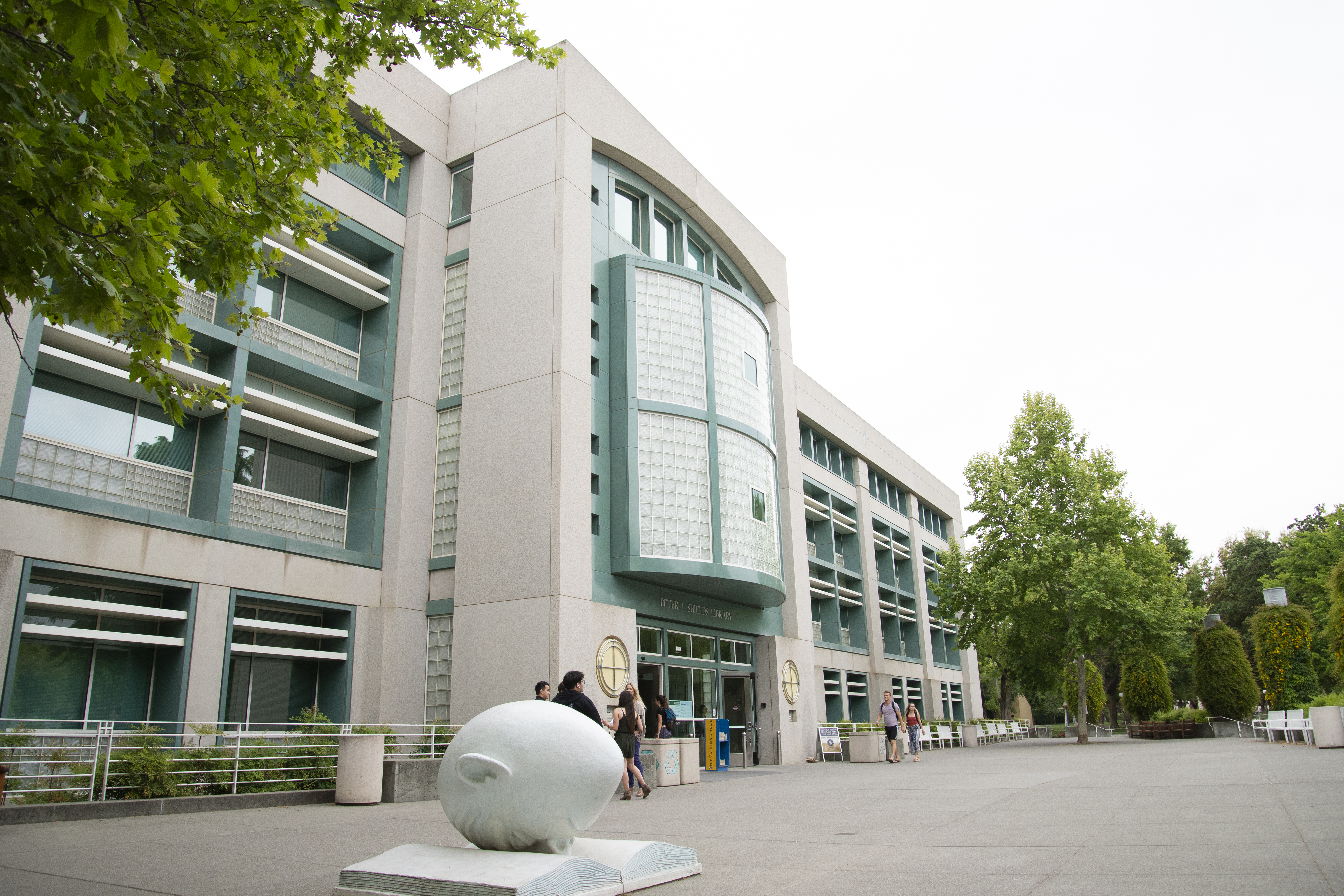
The 24-Hour Study Room in Shields Library, which closed last Thursday, Nov. 8, reopened as of Tuesday morning. The room had closed “due to emergency sewer line repairs,” library officials said.

“We are pleased to share that – thanks to the rapid response and hard work of campus Facilities Management through the holiday weekend – we have been able to reopen the 24-Hour Study Room and all restrooms in Shields Library,” said Jessica Nusbaum, the director of communications and marketing for the UC Davis Library, via email.
Bill Garrity, the deputy university librarian, said in a statement sent to The California Aggie a closure of the 24-Hour Study Room is “extremely rare” as the library knows the extent to which students depend upon the space.
“We were glad to be able to let students get back to work in this vital study space as of this morning, but we wouldn’t have been able to do it without the partnership, responsiveness and hard work of the campus Facilities Management team,” Garrity said.

Written by: Hannah Holzer — campus@theaggie.org

UC extends application deadline for those impacted by wildfires

SHEREEN LEE / AGGIE

As Woolsey, Camp Fires continue to burn, UC offers application extension

The undergraduate application deadline for incoming UC students will be extended for those impacted by recent California wildfires, the UC announced Wednesday morning in a press release. The deadline to apply for grant fee waivers has also been extended.

“We know this is a tremendously difficult time for prospective students and their families who have been impacted by the devastating wildfires,” said UC President Janet Napolitano in the press release. “This is one small way the university can offer support.”

Those unable to complete their applications by the Nov. 30 deadline may request an extension until Dec. 15 by emailing ucinfo@applyucsupport.net using the email associated with an applicant’s UC application with the subject line: “Extension Request – Weather/Fire Event.”

The Camp Fire, which started last Thursday, has become the state’s deadliest and most destructive fire in California history. There are 48 reported fatalities, with over 220 people still reported missing.

The fire, which has raged through the town of Paradise, situated near Chico, has now reached 135,000 acres and is 30 percent contained. Over 8,800 structures have been destroyed.

And the Woolsey Fire, in Southern California, has burned over 97,600 acres and is at 47 percent containment. Two people have died and over 480 structures were destroyed.

In an official message sent by UC Undergraduate Admissions under Student Affairs, the UC expressed “profound sympathy” for “those impacted by the recent spate of devastating natural disasters.”

“Our community has pledged assistance to those in need and is committed to supporting
applicants who have been affected by these events,” the letter states.
Individuals with any questions concerning applications can reach out to the UC Application Center at (800) 207-1710 or email ucinfo@applyucsupport.net.

Written by: Hannah Holzer — campus@theaggie.org

Classes cancelled again following widespread student backlash

ZOË REINHARDT / AGGIE

Classes initially scheduled to resume Wednesday, university apologizes for any “stress or inconveniences”

UC Davis has backtracked on an initial statement made on Tuesday evening that classes would resume Wednesday morning and decided to cancel classes today, for the second consecutive day, due to poor air quality.

The UC Davis News Service released a statement and distributed it to students’ emails that classes would resume on Wednesday, Nov. 14 after a day of cancelled class on Nov. 13. Students took to social media to condemn the universities actions via online petitions and statements.

A petition on Change.org titled “UC Davis: Cancel Classes for Nov. 14 2018 Due to Worsening Air Quality,” created by Brianna Asimov, a first-year animal biology major, had received over 14,700 signatures just four hours after UC Davis’ statement was released. As of 10:45 a.m. on Wednesday, it had just over 17,000 signatures.

At 6:50 a.m. on Wednesday, the statement was updated by the news service, acknowledging the campus community’s concerns and cancelling classes after all.

“Chancellor May and other campus leaders have heard the community’s concerns,” the Wednesday morning statement said. “The chancellor regrets any stress or inconvenience our previous update caused. We are all learning together. The Davis and Sacramento campuses will be closed today and classes canceled.”

The Air Quality Index (AQI) in Davis on Nov. 13 was 174, marked as “unhealthy.” The AQI as of 10 a.m. Wednesday was 152, which is still considered unhealthy.

The original statement sent on Tuesday evening said, “after consulting with [their] UC Davis health and fire experts and monitoring updated guidance from other public health experts regarding air quality,” class would resume. Outdoor activities were to remain cancelled, with Unitrans offering free rides for students, faculty and staff. Students and staff who did not feel able to attend class or work were encouraged to make accomodations with their instructors and/or supervisors.

The updated statement on Wednesday, however, told the campus community N95 masks are available at the Memorial Union and the UC Davis Fire Department, which is continuing “normal operations.” The Student Health and Wellness Center remains open.

The decision on whether or not to cancel classes is a joint decision made “by campus leadership in coordination with the Academic Senate,” according to the statement from UC Davis. “UC Davis and regional health and fire experts [are] also consulted.”

Individuals were advised to, “minimize outdoor activity and stay inside whenever possible, keep all windows, doors and vents shut, if you exercise, only do so indoors.”

A letter written to UC Davis Administration by student leaders in conjunction with the ASUCD Ethnic and Cultural Affairs Commission and signed by myriad student groups expressed disappointment in the university’s decision to resume classes on Wednesday, Nov. 14. Among the signatures were the Davis United Students Against Sweatshops Local 143, the Black Student Union and the Muslim Student Association.  

“No employee should have to risk their health for their job, and we hope that the Administration understands that if students cannot be on campus due to hazardous air conditions, then so should be the case with all employees on our campus,” the letter said.

The letter demanded that, if a similar situation were to occur again, workers should be given paid leave. It also called for a greater amount of protective masks to be made available on campus.

The ASUCD Executive Office released a statement via Facebook sharing in the disappointment over the initial decision to conduct classes on Wednesday.

“As one of the largest universities by square footage, our students are required to travel prolonged distances in order to navigate campus,” the statement said. “The most convenient form of transportation for students on campus is via bicycle which is ‘physical outdoor activity’ and a recreation that was advised to be avoided by the administration.”

The statement encouraged administration to “reconsider the postponing of classes until the air quality improves.”

ASUCD senators and commission chairs also released a statement via Facebook.

The statement critiqued administration’s decision to resume classes and their efforts to provide relief for students.

“UC Davis has offered free busing service to students, which for undergraduates is already free, and masks which are in a limited supply,” the statement said. “These precautions are inadequate and do not address the fact that most students have to walk or bike from one end of campus to another. The best response to this poor air quality, according to health experts, is to remain indoors which is not possible if students are expected to go to class.”

Further updates on the state of classes for the rest of this week will be released later today.

Editor’s note: An earlier version of this article stated that the letter from student leaders was not publicly accessible. It is available on the ASUCD Ethnic and Cultural Affairs Facebook page. The article has been updated with the link. The Aggie regrets the error.

Written by: Elizabeth Mercado — campus@theaggie.org


Be wary of email, phone call scams, warns police department

JAMIE CHEN / AGGIE

Police tell students to be cautious of suspicious messages

A wave of phone and email scams have plagued the Davis community in the past months, and the UC Davis Police Department has warned students to be wary.

According to the UCDPD website, these scams don’t specifically target students and have been reported nationwide.

The fraudulent messages vary in content, ranging from fake job offers and warnings that the receiver is going to be arrested to notifications that the receiver had won a prize or could get an apartment.

In addition, many of these messages seemed to be targeted specifically towards international students, claiming the receiver’s visa is about to expire or that someone needs help transferring money to the receiver.

“One common variation is a recorded phone message in Mandarin Chinese but there are many others in circulation,” the UCDPD website said.

In all cases, the scammer at some point demands the receiver send them money in various forms including gift cards to Amazon, iTunes, Walmart, Target or other retailers.

Police stated they have received four reports of phone scams since the beginning of summer as well as a recent report of attempted fraud on the community site Uloop.

UC Davis Police Chief Joseph Farrow addressed the scams at the ASUCD Senate meeting on October 18.

“We’ve had five international students who have fallen victims to these,” Farrow said. “We’re working closely with international students so they know about these scams.”

International students who were aware of these scams expressed their concern.

“I think [we’re targeted] because they [the scammers] know international students usually are rich,” said Jiayi Liu a third-year communication major and international student from China. “I wish it will never happen to any of my friends or other international students.”

Students are advised to refrain from sending money in any form in response to such requests.

In addition, the police urge those who think they have been a victim of fraud or have information about such a crime to call the police department by phone, 530-754-2677.


Written by Clara Zhao — campus@theaggie.org


Bullet journaling here to stay

TESSA KOGA / AGGIE

Bullet journaling benefits organization, mental health

Every so often, internet fads and Pinterest trends actually have some merit and staying power. A few years ago, the term “bullet journal” began trending among hashtags and blog posts alike. However, these dotted notebooks have allowed for serious organizational and mental growth for those who actively use them, leading to the continued use of bullet journals today. These journals may have gained popularity for their aesthetic layouts, but the viable and proven benefits to using them have transcended the ephemeral hype of an internet trend and have established them as respected tools for academic, career and mental success.

Bullet journals can be described as hybrids of yearly, monthly and daily planners, with a use for note taking, journaling and even sketching or doodling. To begin bullet journaling, one simply needs a blank or dotted notebook. Because there is no predetermined format, bullet journals allow for the individual to discover a way to set up their journal that works best for their own personal needs. The journal can range from rigorous scheduling to haphazard note taking or even functioning as a personal diary. It can be all of these things or none of them, depending on what one decides to place on each page. There is always the opportunity to alter the format or purpose of the journal, which is something that most standard planners do not allow for. The bullet journal is not only customizable to the individual using it, but to their daily moods and whims as well.

Because the bullet journal is so multidimensional, it has lead to improvements in people’s organizational skills. Having every important task or event in one space allows for more efficiency and productivity. Additionally, people have also noticed improvements to their overall wellbeing and mental health while using bullet journals. The habit of reflecting upon one’s day while planning for the future reduces stress and instills a sense of control over one’s life.

With these benefits, it is no wonder that bullet journaling remains a respected organizational tool, especially among college students. On the UC Davis campus, many students enjoy bullet journaling and have personally experienced the advantages.

Gwendolyn Little, a third-year animal biology major, has been bullet journaling for the past two years. She sees it as a hybrid between a planner and a journal.

“I mostly use it as a planner,” Little said. “It helps me organize my life.”

In her bullet journal, she has a sleep tracker and a daily reminder to take her medications. She finds that the journal is a useful tool for self-care, and it keeps her responsible for handling her physical and mental well-being even in times of stress.

Little uses her journal as an artistic outlet. Some people allow their creative side to flourish within the blank pages. Little decorates her journal with thematic sketches and paintings, allowing her to destress and reduce anxiety over whatever is scheduled beside the pictures in her journal. It helps her feel better about whatever is worrying her.

The time she spends making her journal look aesthetically pleasing also motivates her to use the journal daily and keep her schedules up to date.

“I definitely like want to use my bullet journal more [than other planning alternatives] because I put the time into it,” Little said. “I can set it up how I want.”

Valentina Bunnell, a fourth-year communication and Spanish double major, uses her bullet journal in a similar way. Along with being an organizational tool, she has found that it lets her artistic side come to life with sketches and drawings. She also dedicates space for daily journal entries.

“[I write about] emotions and stuff,” Bunnell said. “It’s good for me because I get really stressed and being able to write everything down, like, puts [me back in] control.”

After seeing Youtube videos about the journals, Bunnell decided to give it a go. She has been using them for a few years now and has kept all her old notebooks to look back and see how they, and she, have evolved. Bunnell likes to look back at the journals because they are a culmination of so many aspects of her life at different points in time.

She has also noticed the benefits of bullet journaling on her mental health and believes everyone could benefit.

“[When I feel] panicky or overwhelmed, using [the bullet journal] to kind of put it back into perspective is very helpful,” Bunnell said. “I definitely think that literally anyone can do it. You just have to put a little bit of time into it.”

Second-year English major Victoria Choi is another student who bullet journals. Choi discovered bullet journaling on Pinterest and bought her first dotted notebook in 2016. She has continued to use them ever since.

Choi finds the journal easy to maintain and thinks it’s an overall welcomed addition to her daily schedule.

“It’s a simple, sort of nightly ritual,” Choi said. “You just catch up on your day, you plan for the future. It’s very relaxing, and it’s a way to unwind.”

Choi described her journal’s aesthetic as minimalistic. She designs it to be very task and schedule oriented.

“I have sections in my bullet journal, like a task list, a to-do list, things for the future,” Choi said. “And I have every day sort of sectioned off, so I can write down the things that I need to do, like during the week, and I can sort of have this all laid out for me to see.”

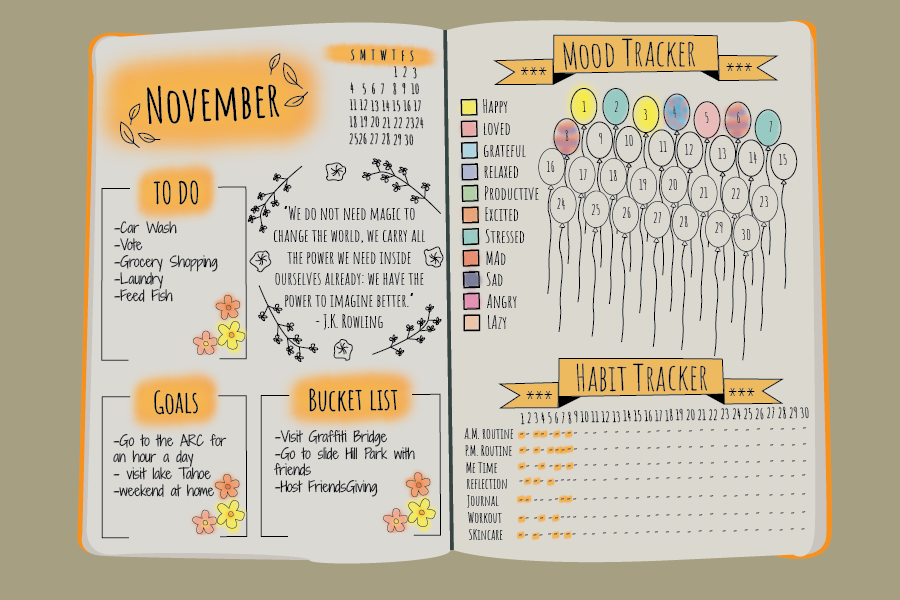
For her mental health, Choi appreciates the bullet journal because it allows her to track her moods and overall well-being from day to day. Following the Year in Pixels technique, Choi colors in a square each day in a designated section of her journal. She chooses a certain color that reflects her overall mood or feelings from the whole day. When looking back at the start of her year, she is able to see the boxes progress to more positive color trends as time goes on.

“Something that is really helpful with having a bullet journal for me, specifically, is that you can tangibly see the ways you’ve changed,” Choi said. “So if you were in a bad spot at some point and then you’ve noticed that and you’ve written that in your journal, it’s really, really, uplifting in the future to sort of look back and see how far you’ve come.”

All three students have found that the personalization of the bullet journal has helped them in more ways than other standard planners or journals have. This is because the bullet journal relies on flexibility and accommodation, which is a more human approach to organization. No ones day looks exactly the same all 365 days of the year, yet standard planners format each day as if they did. Any college student on the quarter system knows that some weeks look very different than others in terms of how busy, stressed or organized one needs to be (midterm season, anyone?). The bullet journal adapts and changes to mimic the way one’s life does.

Having important plans or notes in one spot certainly has merit in reducing stress and anxiety. Making lists can be cathartic, and planning out one’s day and week has been proven to make life seem less overwhelming. Bullet journals allow for change, movement and growth. With each turning of a page, it allows one to start anew. Plans change. Goals change. Mindsets change. Bullet journaling allows for this and even encourages it.


Written by: Alyssa Ilsley — arts@theaggie.org


Playlist to accompany dreaded midterm season

JEREMY DANG / AGGIE

A curated list of songs, advice for studying

Everyone experiences those days where they just can’t wait for the weekend, and during midterm season, every day is one of those days. Here’s a few songs to get you through those late night study sessions.  


“Ready to Start” — Arcade Fire

The music drowns out the lyrics, which is actually the best part of the song. When you need to study for midterms, the hardest part is getting started and this song’s upbeat rhythm will push you to write out those flashcards or start filling out that study guide. Either way, once you start, you’re that much closer to finishing.


“Sleep on the Floor” — The Lumineers

In an interview at the iHeartRadio Concert, the band explained the meaning of the song: “You’re gonna go [to big cities], and you’re gonna fulfill that promise, you’re gonna catch that dream that you had in your head. And when you go there and it doesn’t happen, that’s sort of a reaction to that.” Having midterm after midterm can fry your brain, and in the end it can often feel like the promise of post-college life is too far away to grasp. But no worries, midterm season will pass and winter break will soon arrive.


“Smile” — Mikky Ekko

Ekko’s song is perfect for the midterm season. Whether you’re cramped up in a dorm with roommates or in a library with dozens of struggling students by your side so just breathe, smile and keep going.


“Warrior” — CHLOE X HALLE

With CHLOE X HALLE’s recent rise to fame, first starring on the Freeform original show “Grownish” and then opening for Beyoncé, the duo’s album was bound to catch attention. Their message makes anyone listening feel empowered and able to tackle any test that comes their way.


“High Hopes” —  Panic! at the Disco

You’re in the middle of studying and feel like you’ve been doing it for days on end. You want to call it a day and neglect every responsibility that’s been placed on your shoulders. College is hard, but as Brendon Urie put it, don’t give up. You’re here, so you might as well keep going. Because if you don’t, there will be debt to pay.


“Hey Look Ma, I Made It” — Panic! at the Disco

And again, another Brendon Urie song made specifically for college students with a busy schedule and a midterm without a study guide. But as Urie puts it, you already showed your mom that you’ve made it into college. Show her you can make it through the crying and the 15-minute naps that go along with it too.


Trouble” — Cage the Elephant

Every once in a while you need a calm song, like “Trouble.” This song’s slow tempo and thoughtful lyrics allow me to take a second to breathe, so hopefully it does the same for you. Just close your eyes, listen and keep going.


“Someday” — The Strokes

“I ain’t wasting no more time,” is all the song needed to say to make it on this playlist because honestly, studying for midterms comes with a lot of wasted time when there are distractions everywhere. In order to avoid these distractions, take a drink of water or eat a small snack and go back to studying once you’ve had your breather.


“I Wanna Get Better” — The Bleachers

When college is stressful, students often forget that mental health should be a top priority. College comes with a huge amount of stress and that stress can get to your head. If you’ve been listening to this playlist while studying, this song means it’s time for a break. Those five minute breaks really do make all the difference.  


“Float On” — Modest Mouse

Modest Mouse’s song talks about the setbacks that people face, and as a student, setbacks are inevitable. There will always be a bump in the road, there will always be that one question on a test that has you stumped and there will always be that one essay you didn’t get quite right. It happen but ultimately you just have to float on.


“Shots” — Imagine Dragons

Heed lead singer Dan Reynolds’ advice, “In the meantime we let it go.” When you are taking those breaks, learn to actually take them. Learn to laugh with your friends and have a snack without having the near future of the dreaded tests on your mind — it won’t help.


“Anna Sun” — Walk the Moon

This song was a favorite of mine when I was a middle schooler walking home everyday at 3 p.m. It’s no different now as I’m walking from Rock Hall to catch the bus at the Silo. The catchiness is sure to make you tap your feet when you’re in the library or on the bus. Many college students can relate to the line, “we got no money, but we got heart.”


“How Far We’ve Come” — Matchbox Twenty

Let’s see how far you’ve gotten on that study guide. Do you feel okay? How long has it been since you’ve taken a sip of water? Staying hydrated while studying is essential. Don’t ignore what your body tells you.


“Ain’t It Fun” — Paramore

This is college. Professors say you’re supposed to study one hour for every unit  and you most likely didn’t. But it’s life and honestly, that’s college in a nutshell. Ain’t it fun?


“1000 Times a Day” — Early November

This song is one to finish off your studying. Listen to it when you decide to take a break, eat a Snickers or take that well deserved nap. Good luck on those midterms, Aggies!


Written by: Itzelth Gamboa — arts@theaggie.org


UC Davis violated labor law when terminating temporary counselors, state agency alleges

REBECCA CAMPBELL / AGGIE

UC Davis terminated employees during negotiations while other UCs transferred temporary workers to career positions

The Public Employment Relations Board has filed an official complaint on behalf of  University Professional and Technical Employees (UPTE), a university labor union, alleging that UC Davis violated labor laws in its termination of contracted counselors during the summer of 2017. This is the second of recently filed complaints against the UC by the Public Employment Relations Board (PERB), a state agency which enforces the state’s labor relations statutes.  

The termination of the counselors was explained in a previous article published in The California Aggie which acknowledged that the 10 employees were hired on a contract basis to temporarily satisfy under-met student mental health needs as part of a four-year initiative by the UC Office of the President.

As part of this initiative, UC Davis planned to hire 12 counseling psychologists using student fees. The university, however, hired temporary contract employees instead of full-time counselors.

In the meantime, counseling psychologists from all of the UCs were going through accretion negotiations to settle the terms of a new contract after becoming newly represented by UPTE.

The existing healthcare contract doesn’t provide for contracted employees, or employees who are at-will and can be fired at any time.

“The Hx contract does not have provisions for contract workers — the union is a firm believer that you don’t need contract workers, you hire people into career positions and if funding sources disappear then there’s provisions for layoffs,” said Jamie McDole, the vice president of UPTE.

Unlike many of the other UCs which transferred their contract workers to career positions, UC Davis terminated all the counseling psychologists who were contract workers while bargaining was taking place, McDole said.

“Part of the negotiations were the discussions that anyone who was on contract needed to be converted to a career position,” McDole said. “The other campuses did have contract workers and did convert them to either career or let their contracts run out if they didn’t have the work for it, but UC Davis decided to go ahead and terminate all the employees who were on contract.”

Margaret Walter, the director of health and wellness at UC Davis, said that “the decision to end the contracts early was related to budget,” in an article published by The Aggie in February. Both Walter and Cory Vu, the assistant vice chancellor for Divisional Resources declined The Aggie’s requests for comment for this article. Walter and Vu issued nearly identical responses via email:

Given that litigation is pending, I must reserve any comment except to say that I respect the process and have full confidence in the university’s compliance with the applicable laws and policies,” Walter said via email.

According to McDole, UPTE’s charges against the UC include “bad faith bargaining” and “a violation of the terms for engaging in good faith.”

Felix de la Torre, the general counsel for PERB, discussed the way in which complaints begin to make their way through the internal workings of PERB. De la Torre said that the complaint begins in his division the Office of General Counsel, which reviews and investigates charges.

“If there are enough facts stated within the charge, which would eventually be proven true in a charge, we then issue a complaint,” de la Torre said. “This is what happened in this case: UPTE filed a charge and alleged a number of facts, and we took that and investigated it to see if there was enough allegations to support that there was a violation of state law by the Regents. The fact that we issued a complaint shows that our attorney who did the investigation found that the allegations were sufficient to state a violation.”

According to de la Torre, after a complaint is filed a conference is mediated between the two parties involved by a separate attorney than the one who investigated the initial charges.

“If the mediation is successful, those terms are implemented and the parties back away from this dispute,” de la Torre said. “If they don’t settle, we send it to the next division which is the division of administrative law. It has administrative law judges who function very similar to any judges in a court setting where they basically hold trials.”

De la Torre described concessions the terminated counselors can expect to see if both the UC and UPTE cannot come to an agreement during the mediation phase and if the administrative law judge rules in favor of UPTE.

“Generally, when you’re dealing with employees who are either laid off or let go with retaliation you’ll always get a back pay award and they’ll probably add legal interest to the amounts of the back pay,” de la Torre said. “There’ll be other what we call ‘make whole’ remedies, which are things like bringing up their seniority levels, making sure their vacations are restored, making sure any payments they had to pay out of pocket for healthcare are reimbursed. It’s trying to put the employee in a position he or she would have occupied had they not been illegally terminated.”


Written by: Sabrina Habchi  — campus@theaggie.org


Davis Senior High hosted its first robotics competition in Davis

0
JEREMY DANG / AGGIE

Alliance 1 came out on top of robotics tournament

From Oct. 26 to 28, Davis Senior High School hosted its first robotics competition in Davis. This tournament-style competition featured 20 teams with over 40 robots. Competing schools were assigned into teams of four and worked together against other teams to win the tournament.  

“It’s definitely a challenge for sure getting all these teams from all over different parts of Northern California — even teams from Oregon are here,” said Harsharan Dhalinwal, an event coordinator for the Capital City Classic Tournament. “There weren’t any issues with the field or the network as there has in the past. We’re very fortunate to have Davis High open their facilities to us.”

At the end of the tournament, Alliance 1 — consisting of Team 1323 “MadTown Robotics,” Team 254 “Cheesy Poofs,” Team 199 “Deep Blue” and Team 3859 “Wolftown Robotics” — came out on top. In second place was Alliance 2, consisting of Team 1678 “Citrus Circuits,” Team 1425 “Error Code Xero,” Team 5458 “Digital Minds” and Team 4171 “BayBots.”

After a phenomenal performance during the final round, John Akana, the co-captain of Team 1323, which won the tournament, gave his opinion on the long and fast-paced tournament.   

“It was very intense,” Akana said. “But we came through and ended up taking the match. It was an interesting match. When we got to the finals, we were really going. It was the most fun I had this whole weekend.”

On the first day of the tournament, registration began as schools from all over the country came pouring in to compete. Teams tested their connection to the field and fine-tuned their robots.

The long day started with sign-ins and optional testing to make sure members’ robots could connect to the field. After a brief explanation of the rules, the games began.

In the semi-finals, Alliance 1 beat Alliance 6 for a spot in the finals. After a fierce battle, Alliance 2 eventually overcame Alliance 3.

The school also held workshops for people interested in an in-depth analysis of robotics. These workshops encompassed everything needed to run a successful robotics company. Samantha Yang, a co-captain and director of mechanical design at Pleasanton High School, was one of the many students who took advantage of the various programs.

“The workshops have definitely prepped us in gaining industry and experience in seeing how you can take information from a bunch of different sources, and gaining skills in a bunch of different aspects and put that together to create a robot in six weeks,” Yang said.

Friday’s workshop focused on the foundations of a startup tech company, including managing, designing websites, effective team support and robotic development. Saturday’s workshops continued the trend of tech companies with workshops centered around fundraising, leadership and team branding. The workshops took on a different, more competitive aspect of the tournament. Theys included an overview of system modeling, techniques for designing better, more efficient robots and coding. The workshops closed with a final discussion about robotics in the job market, which included topics such as PR and Team Image, Outreach and Goal Setting.

“Next year we’ll be going to our 2019 season,” Akana said. “Our goal is to win championships. We’ve been finalists forever, and I think this is our breaking point. I think we have a good change this year for winning the entire thing — we just need to keep on going.”


Written by: John Regidor — city@theaggie.org


Lakers-Rockets tussle highlights NBA’s history of fighting

0
MELINDA CHEN / AGGIE

Conflict harkens back to days where tensions flared more frequently

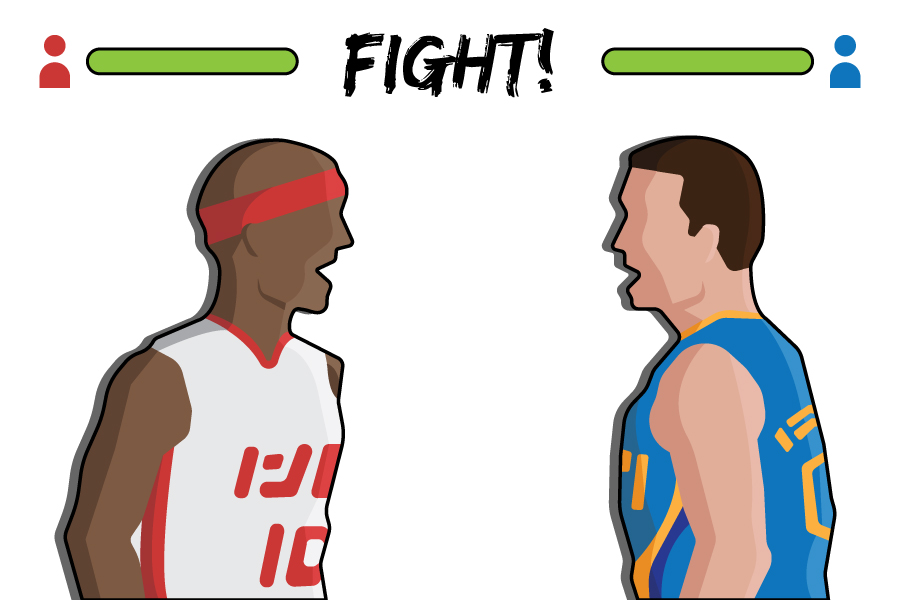
In the closing moments of an Oct. 20 game pitting the Houston Rockets against the Los Angeles Lakers, Lakers guards Rajon Rondo and Brandon Ingram got into a heated exchange with Rocket guard Chris Paul.The game ended with punches, allegations of spitting and suspensions for the players involved.

Although the fight was rather tame, it harkened back to a time when fights of varying intensity were a mainstay of the NBA. Although the NBA has spent much of the last decade doing everything to prevent another “Malice at the Palace,” a few times each year tensions seem to rise, briefly turning a game of basketball into a battle royale. Usually these skirmishes end up only being a shoving match, but occasionally they move off the rails and become something more.

Fighting in the NBA is often viewed as a sideshow. Sometimes, these fights turn out to be comedic, such as an incident involving current “Inside the NBA” co-hosts Shaquille O’Neal and Charles Barkley, where the two tackled each other to the ground during a game in 1999. The fight broke out after Barkley threw a ball at O’Neal’s head and has now become a video played often on their show for laughs.

Other times, these fights can border on tragedy. In 1977, Kermit Washington infamously punched Rudy Tomjanovich which sent the latter to the hospital with multiple breaks on his face and a legitimate fear for his life. Washington received a 26 game suspension, which was the longest suspension for an on-court incident at the time. Though anything past a shoving-match has become increasingly rare, anytime competition, testosterone and tension come together, the possibility of a violent fight is still present.

The 1980’s are well-known as an era where fights were not only commonplace but a part of the game itself. The “Bad Boy” Detroit Pistons built a reputation as fighters thanks to on-court enforcers such as Bill Laimbeer and Rick Mahorn. These players punished opponents in ways which were typically reserved for a boxing ring instead of a basketball court.

Barkley had another memorable on-court tussle, this time as a supporting player in 1984, when fellow Hall of Famers Julius Erving and Larry Bird exchanged elbows, punches and what some perceived to be chokes. Both players received $7,500 fines and no suspensions. Barkley — who once made headlines after saying that his only regret for throwing a man out of a bar window was that “we weren’t on a higher floor” — received his own fine for what he claims was holding back Bird but what the NBA saw as holding him for Erving, his teammate, to punch.

The Lakers and the Sacramento Kings got into their own notable fracas in 2002, when Kings guard Doug Christie took exception to Laker Rick Fox knocking him down with an elbow just two minutes into a preseason game. The two teams became rivals the previous June after a contentious seven-game series ended in the Lakers favor, and it seemed that the intensity of that series carried over many months after.

Christie got up off the ground and hit Fox with an uppercut, causing a scuffle which resulted in the ejection of both players. Upon exiting the court, Christie was surprised to see that Fox had ran through the tunnels of the Staples Center and met him on the other side. By the end of this fight, Lakers center Shaquille O’Neal was pushing Christie’s teammate in the tunnel, and Christie’s wife, Jackie, was hitting Fox with her purse.

Arguably the most notable fight in NBA history, the aforementioned “Malice at the Palace,” occurred on Nov. 19, 2004 when Pistons center Ben Wallace took exception to a foul from Indiana Pacers forward Ron Artest –– who has since changed his name to Metta World Peace. Wallace had a reputation as a tough defender, and Artest had a history of erratic behavior. Wallace shoved Artest across the court, causing Artest to lie down on the scorer’s table while the two teams cleared the benches.

As everything began to settle down, a fan threw a cup of beer at Artest who took off into the crowd and tackled a nearby heckler. This erupted into a chaotic scene. Artest’s teammate Stephen Jackson stormed after him and hit several spectators. One Pistons fan was punched by both Artest and his teammate Jermaine O’Neal. Ultimately, the game was called before the final buzzer. Artest got suspended for the remainder of the season and several other players received hefty fines and suspensions themselves.

It was the “Malice at the Palace” which caused the NBA to really crack down on fighting. Players were fined for leaving the bench if they were not in the game. Hostile acts within games were enforced more strictly, and fan behavior was more closely monitored.

Though there have been fights since then, such as an infamous brawl in 2006 between the Denver Nuggets and the New York Knicks, physical altercations in the NBA have become more rare and typically take a form more akin to this year’s Lakers-Rockets fight than the Malice at the Palace. The NBA has had plenty of memorable fights throughout the years. Some make for good stories while others work as cautionary tales. Whether the NBA approves of it or not, fighting has a well-established place inside the league’s history.


Written by: Bradley Geiser — sports@theaggie.org


Police Logs

0
SHEREEN LEE / AGGIE

Nursery rhymes and knives

October 24

“Two subjects sitting in a black pickup truck. Reporting party states they are unfamiliar and is concerned one of them may have just snorted drugs.”


October 25

“Truancy issues with her son.”


October 26

“White male adult 30’s lsw hoodie and jeans…holding larger sized knife and staring at the ground.”


October 27

“Possible pocket dial or child playing with phone — nursery rhymes heard in background.”

“Injured turkey.”


October 28

“Transient female shouting at bench outside.”


October 29

“On going problem with female driving on wrong side of roadway and running stop signs, solely to take recyclables from garbage cans.”

“Responding party found a lighter in the backyard and believes it to be a threat against her/his property.”


October 30

“Two males in front of the store intoxicated and refusing leave, one subject is passed out.”


Classes cancelled due to poor air quality

QUINN SPOONER / AGGIE

UC Davis, Sac State cancel classes

UC Davis students and staff were informed early Tuesday morning that classes would be cancelled for the day “due to poor air quality as a result of the Butte County fires,” an official email sent by the UC Davis WarnMe system stated. The campus remains open, and the email states that UC Davis employees should report to work. Employees who work outdoors should limit their outdoor activity.

The air quality index in the Sacramento region is at 174, as of 9:30 a.m. Tuesday morning. This AQI level means the air quality is unhealthy for all groups.

“Everyone may begin to experience some adverse health effects and should limit prolonged or heavy outdoor exertion,” explains the Spare the Air website, adding elderly individuals, pregnant women, youth and individuals with pre-existing lung or heart conditions should avoid “prolonged outdoor exertion.”

The ASUCD Senate Debate, scheduled for Tuesday, was cancelled by Elections Committee Chair Rodney Tompkins. The Bylaws require a public debate for candidates be held, however Tompkins said in an email sent to The California Aggie “these are special circumstances.”

“I do not feel right in asking individuals from Entertainment Council, Aggie Studios, Senate, CoHo staff, and my committee to fulfill their part in this event,” Tompkins wrote.

Nearby Sacramento State also cancelled classes due to the Camp Fire in Butte County.

The Yolo-Solano Air Quality Management District has issued an Air Quality Advisory due to the Camp Fire.

The Camp Fire, which started last Thursday, has become the state’s deadliest and most destructive fire in California history. There are 42 reported fatalities, with over 220 people still reported missing.

The fire, which has raged through the town of Paradise, situated near Chico, has now reached 117,000 acres and is 30 percent contained. Over 7,100 structures have been destroyed.

A second fire, the Woolsey Fire in Southern California, has burned over 96,000 acres at 35 percent containment. Two people have died and over 430 structures were destroyed.

President Donald Trump, who tweeted that the state’s poor forest management was the cause of California’s fires, approved a major disaster declaration for the state after a letter sent to the president from Governor Jerry Brown requested he do so.

A statement released by ASUCD officials Tuesday, including President Michael Gofman and Vice President Shaniah Branson, thanked the university for cancelled classes due to unhealthy air levels, adding effective face masks can be picked up at local hardware stores.

“The ASUCD Executive Office extends our deepest sympathy to the victims of the fires raging throughout our state this week,” the statement reads.

A special page for wildfire relief fundraising was created by GoFundMe and can be accessed here: https://www.gofundme.com/cause/californiafires


Written by: George Liao and Hannah Holzer — campus@theaggie.org


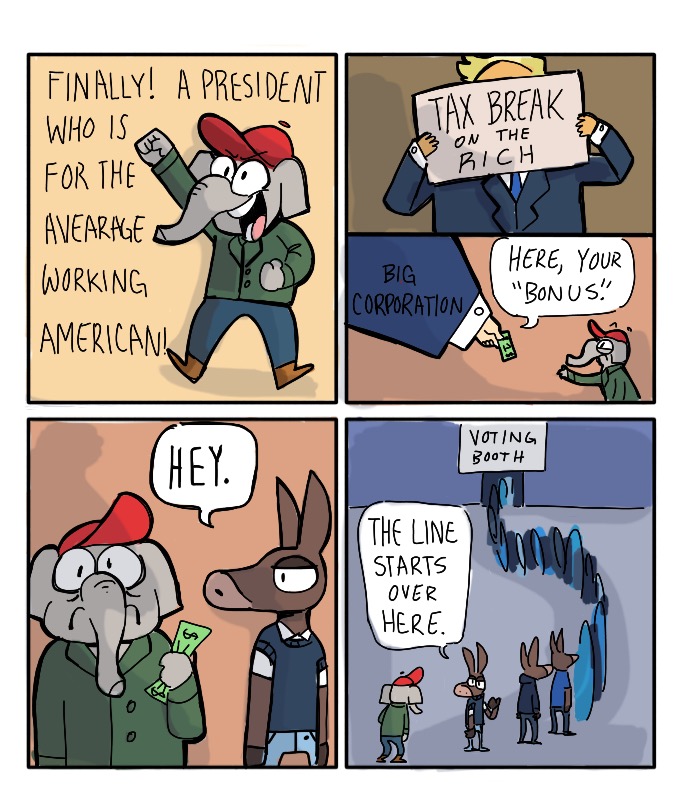
Cartoon: You Get What You Vote For

DIANA OLIVARES / AGGIE

By DIANA OLIVARES — deolivaresvalencia@ucdavis.edu