55.1 F
Davis

Davis, California

Saturday, December 20, 2025
Home Blog Page 580

Happy Thanksgiving from the Editorial Board

CAITLYN SAMPLEY / AGGIE

From blind dogs to plump squirrels, Aggie editors reflect on what they are thankful for

The Editorial Board would first and foremost like to thank all the readers and people who give us a reason to write and publish The California Aggie. Thank you all. We would also like to thank the thousands of journalists throughout the world whose intrepid reporting and thoughtful storytelling are daily inspirations to us.

Here are some of the things we’re each grateful for this year.

Bryan Sykes, Editor-in-Chief

I’m thankful for the hardworking staff at The Aggie — I couldn’t imagine a better group of people to work with. I am thankful for my deaf, blind and decrepit dog who, surprisingly, is still with us today. He’s seen a lot of things during his 14 years on this earth. Or not seen, but that might just be merciful at this point. He no longer can tell if you scratch him with a hand or with a foot, but his tail wags on excitedly regardless. He’s been run over by a car, gored by a buck and bumps into more immobile objects than you could imagine. I’m thankful to spend another Thanksgiving with him. Finally, I’m thankful for my four Cup ‘o Noodles, seven yogurts, two apples, pasta, pasta sauce, persimmon, apple cider, non-caffeinated tea, spinach, tomatoes, zucchini, salt, pepper and vegetable oil that has sustained me in recent weeks. It’s the little things.


Emily Stack, Managing Editor

This year — a year that’s been disastrous and extraordinary in equally unimaginable measures — I’m thankful for good people. I’m thankful to work at The California Aggie with a staff of reporters, editors, photographers and news staff who every day reaffirm my faith in the future of journalism. I’m thankful for the UC Davis English Department, a group of truly extraordinary teachers who’ve taught me not only to be a better, stronger writer but to be a better, stronger person and whose debt I will always be in. I’m thankful for the excellent national reporters whose daily dedication to finding the truth keeps me calm amid the chaos and the local reporters who prove time and time again that nothing beats good old-fashioned shoe leather reporting. I’m thankful for great books. And I’m thankful for families, both blood and chosen, that give me more love than anyone could ask for.


Veronica Vargo, Sports Editor

I can’t really sum up my life appreciations in a few sentences without getting too sappy, but there are a few things that have helped me through two summer sessions and this quarter that I think deserve my undivided attention. So without further adieu, I would like to thank Pilot for FriXion erasable pens and G2’s; Shields Library for A/C; Mother Nature, because it was HOT this summer and now you’re getting it right; YouTube, for teaching me O-Chem and most importantly, something we probably have all taken for granted, Peet’s Coffee for getting Starbucks outta here and making a damn good cup of joe.


Harnoor Gill, Science Editor

I find myself thankful for abstract things, which are gaining more importance in my life with every year. I am thankful for empathy, that warm and fuzzy thing that separates us from psychopaths and keeps alive our humanity. Also, I am thankful for late-night television. I’d like to personally give a shout-out to Stephen Colbert for helping me cope with the state of the country.


Ally Overbay, Arts & Culture Editor

Today and every day, I’m thankful for plants. They provide 80 percent of my diet and 100 percent of my oxygen intake — and for that I owe them my life. I’d like to give a special shout-out to the broccoli plants in my garden that are still alive despite their irregular watering schedule, and to the pea plant that miraculously yielded fruit. And of course, thank you to Vulfpeck for the killer new album — and for another reason to un-ironically say “funk me up.”


Gillian Allen, Features Editor

I am thankful to have the opportunity to study at one of the most prestigious research universities in the world which also offers such amazing study abroad programs. I am thankful for the changing of the seasons in Davis because they allow me to appreciate the beautiful aspects of each time of year, such as the changing sunset colors of the leaves in fall. And sorry Veronica, but I stay loyal to Starbucks and am thankful that at least the location next to Trader Joe’s remains unscathed.


Hannah Holzer, Campus Editor

This year, I am particularly grateful for access to creative forms of expression. I am thankful for astoundingly brave news reporting — from coverage on natural disasters to the singular personification of a national disaster — as well as wonderfully imaginative films, books and art that have seemingly flourished as of recent. I am thankful to have people to send articles to and watch movies and discuss art extensively with. And I am also thankful for Tom Hanks (T.Hanks).


Kaelyn Tuermer-Lee, City Editor

One thing that sets UC Davis apart from other colleges is the welcoming, friendly campus atmosphere, for which I am thankful –– strangers one day can become friends the next. Students are also able to feel comfortable asking questions or for help, and can utilize the extensive amount of resources that our college has to offer.


Taryn DeOilers, Opinion Editor

At Davis, I’m thankful for both the incredibly nice people and the fluffy, plump squirrels. But what I’m most grateful for is when these two mammals intersect. Just last week, I whispered, “I know what you did,” to an exceptionally bushy, very, very overweight squirrel. And the guy walking in front of me turned around and asked, “I’m sorry, did you say something to me?” So I had to explain to him that, no, no, I was just talking to a squirrel. Now, I knew what he was thinking — it’s what anyone would be thinking in this polarized political climate: But you weren’t speaking in squirrel language! Fair point. But he was very nice and understanding about the whole situation, and he even kind of laughed as he quickly walked away from me (he had to catch a bus or something). And folks, this just about proves my point — that these kindhearted Davitianites and hairy, lard-ridden squirrels are worth celebrating this Thanksgiving.


Written By: The Editorial Board
Family of accused claims UC Davis’ investigation of sexual harassment led to 2015 suicide

UC DAVIS / COURTESY

University staff excursion investigated for sexual misconduct, misuse of University funds

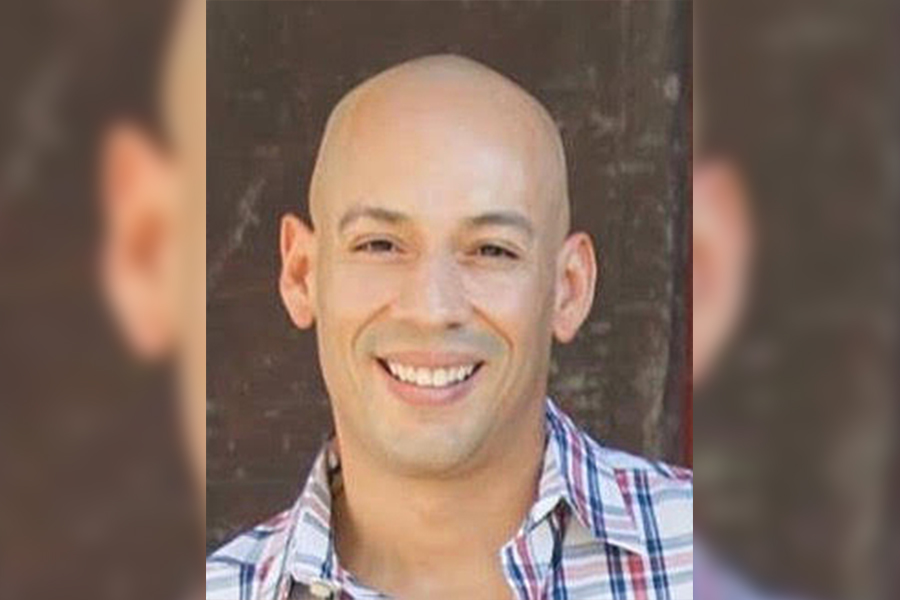
On Oct. 11, 2015, Christopher De Los Santos, a chief administrative officer at UC Davis’ College of Agricultural and Environmental Sciences, committed suicide after sexual harassment allegations by the University, according to an article recently published by The Sacramento Bee. After co-workers accused De Los Santos of sexual harassment on a university-paid weekend trip, the University suspended Santos with pay.

Since then, De Los Santos’ family has filed a federal lawsuit against UC Davis and former chancellor Linda Katehi, accusing the University of handling the sexual harassment allegations differently due to De Los Santos’ military background.

The lawsuit posits veteran discrimination, a federal violation. Lisa De Los Santos, De Los Santos’ wife says he was told he was suspended and to stay away from campus because of fear of him “showing up with a gun.” This was his first non-military job since leaving his position at the Air Force, according to The Bee.

The federal lawsuit against the University and then-chancellor Katehi states that De Los Santos likely did not understand that these allegations would not be made public. De Los Santos’ family lawyer said he could have been worried about publicity and legal proceedings, also citing veteran suicide risk factors.

The 17 members of the “Phoenix Cluster” — a nickname for a group De Los Santos was involved in under the Department of Entomology and Nematology — were all interviewed as witnesses by the University’s fact-finding investigation after employees filed complaints. De Los Santos is not explicitly named in the report, but his title is used. Every witness name on the released report is redacted as well.

“The report was filed October 9, 2015 […] charging that their manager [De Los Santos] engaged in improper conduct while in their hotel room, occuring late in the night on October 7,” the investigation states. “The allegations include his making unwanted physical contact with one of the complainants; entering the bathroom and removing all of his clothing in the presence of two of the parties; stepping into the bathtub while naked; and re-entering the hotel room in his boxer shorts.”

The second allegation under the Oct. 7-8 staff retreat “Report of Fact-Finding Investigation” found misuse of university funds. The report mentioned extravagant personal costs, stating that the “university research funds were expended for a two-day retreat held in an expensive locale involving high lodging and meal costs, while University business was not conducted on one of the days.” Additionally, the report states that the retreat cost a total of $6,639.81, which, according to The Bee, “came out of grant funding rather than state or federal funds.”

One witness that spoke to the investigation committee likened the staff retreat to a ”booze cruise” that was under the guise of University business — the trip was intended as a staff retreat to tour lettuce farms in Salinas. Administrators Sandra Vice and Suzzette Garcia admitted to “drinking vodka and cranberry juice” during the car ride to the retreat; Garcia still has an office at UC Davis, according to The Bee.

According to a witness in the report, De Los Santos said that some employees must share beds with coworkers to save cost. At one point, Vice told another staff member to buy De Los Santos a large beer using the University credit card. In a hotel room shared by Toni Goodin, the driver of Garcia and Vice, additional staffers, including De Los Santos, drank after returning from a dinner where drinking occurred.

At a certain point in the night, two female occupants of the room went to the bathroom “to wash up, hoping that they’d leave when they saw them getting ready for bed.” Rather than follow that cue, the report says, De Los Santos followed them to the bathroom and suggested a bath with the women. They reported that he undressed and entered the bathtub alone, while they walked out. One witness said, “By now I’m thinking, what the f is going on?”

Witnesses corroborate that De Los Santos was deliberately “urged to leave” and made all parties uncomfortable with his intoxication. When interviewed, one of the woman with De Los Santos talked about her shock the next morning after waking up: “How are we going to spend the day with this guy?” the woman stated.

Three of 16 interviewees said they saw De Los Santos’ disrobing.

On a Sunday following the Oct. 7 to 8 weekend, Santos received an email from UC Davis placing him on leave following sexual harassment allegations that had surfaced. De Los Santos called his wife, told her about the allegations and said they were untrue. He then drove to a field in Rio Linda and fatally shot himself.

Kimberly Hale, the UC Davis interim director for news and media relations under Strategic Communications, explained the process of the university handling sexual allegations, both on and off-site.

“During Col. De Los Santos’ three months with the University, he was the Chief Administrative Officer and responsible for management of all staff activities for his unit,” Hale said via email. “After the university received allegations of potential sexual harassment during an overnight staff retreat, he was promptly placed on paid administrative leave so a thorough investigation could occur. Although many of the employees who attended the retreat were not involved in any improper conduct, those who were received appropriate disciplinary action. Other actions were taken to ensure that similar misconduct did not occur in the future.”

Hale talked about how the University views the lawsuit as “unfortunate,” mentioning the University’s steadfast sexual misconduct policy and expressed “sympathy” towards De Los Santos’ family.

“The University is committed to maintaining a workplace that is free from sexually-harassing conduct,” Hale said. “This commitment extends to off site, work-related events. The University is equally committed to upholding its obligation to monitor the proper use of available resources. With sympathy to the De Los Santos family, the University maintains that the filing of this lawsuit is an unfortunate development in an already tragic situation.”


Written by: Aaron Liss — campus@theaggie.org

Guest: Health care models — America’s options

BRIANA NGO / AGGIE

The U.S. receives a lower quality of health care at an exorbitant price

Disparity, high costs and prohibitive complexity are long-standing trademarks of American health care. The federal government sought to address these issues with the 2010 Affordable Care Act. This legislation uneasily straddled the divide between universal health care and America’s previous health care system. While the Centers for Disease Control and Prevention reports that upwards of 20 million more Americans have received coverage under the ACA, health care premiums are on the rise, states have resisted federal impositions and some insurance companies are pulling out of ACA’s trademark “exchanges.” Americans need and deserve better.

Ideally, a health care system serves the most amount of people with the highest quality of service for the lowest cost. Which system achieves the best value? Let’s explore four basic forms of health care worldwide.

Under the single payer Beveridge Model, first used in the United Kingdom, the government taxes citizens to operate the health system and provide care. Each citizen is treated alike, though some companies may offer employees additional private insurance, which provides perks, such as skipping waiting lists and choosing specialists. Appointments and treatments are free at the point of service, and the cost of prescription medicines is capped to ensure accessibility. Because the government foots the bill for health care costs, this model requires high levels of taxation. The wait times for non-emergency secondary care can be long. Additionally, the government analyzes the cost-effectiveness of certain treatments before paying for them, meaning that some newer or more expensive treatments are rarely covered under this model.

In the German-born Bismarck Model, payers and providers are both private. Citizens must enroll in one of many not-for-profit “sickness funds” (insurers), guaranteeing them universal coverage. Through income tax, workers pay close to half of the cost of belonging to an insurer, and employers pay the remainder, while the government covers welfare-recipients. The government regulates the price of medical services and fees, and appointments usually incur a small co-pay (<$20). Citizens may choose to use private insurance to access perks. With no deductibles and no network limitations, patients can see practitioners as they choose, but this freedom makes it difficult for doctors to prevent redundant procedures or consultations. Specialists are also paid more than GPs and are paid per procedure performed, incentivizing specialization and quantity of procedures.

Some have debated the merits of the single-payer National Health Insurance Model as an option for the U.S. This Canadian model collects premiums from citizens and pays health care bills, providing health care coverage through the federal government, with services rendered by private providers. In this way, the National Health Insurance Model delivers nationally funded care with freedom of choice. Costs can be kept low by the government’s negotiating power, but as with the Beveridge model, wait times can be long.

Finally, there is the Out-of-Pocket Model. In the absence of organized health care, people must pay 100 percent of their health care costs without the assistance of the government or the safety net of insurance. This model can lead to bankruptcy, a life of discomfort or a death sentence. Citizens of all developing nations are subjected to this model.

An American’s health care model varies depending on their circumstances. An unemployed person without insurance uses the out-of-pocket model. However, Americans on Medicare receive health care that more closely resembles a National Health Insurance model. Veterans receive Beveridge-style health care, while working Americans with insurance receive coverage like that in a Bismarckian country. No other country has this muddled mix. Even on one system, health care is confusing to navigate. Our system needs to be streamlined.

Perhaps we could overlook this confusion if all Americans received inexpensive, high quality health care equitably. But among “developed countries,” the U.S. achieves some of the lowest marks in health care, all for the highest cost. The Commonwealth Fund — a private American health research institute — found that the US ranked last among “access,” “equity” and “health care outcomes” among 10 peer high-income countries and came in last overall.

Nonetheless, the U.S. spent $9,403 per capita on health each year — $1,500 more than the next-most expensive country on the list (Switzerland at $7,919), over twice as much as the UK ($3,935) and $4,000 more per capita than the Netherlands ($5,385) — three countries with far superior healthcare system performance, according to a 2016 report by the Organization for Economic Cooperation and Development and data from the World Health Organization. Although the ACA may be a step in the right direction, Americans still receive overall lower-quality care for an exorbitant price.

The ACA’s critics and proponents alike realize that the current model is unsustainable. When considering alternatives, some politicians criticize the bureaucracy, wait times and centralization of universal health care. Others are taken with the model’s health equity, impressive health outcomes and low cost. With recent health care proposals and the administration’s efforts to destabilize our existing markets, Americans face these choices and must soon decide where their health care priorities lie.

The taxation and government centralization intrinsic to both the Beveridge and National Health Insurance models are too high to receive much American support. The Bismarck Model is more familiar to Americans. Adapting the Bismarck model for a 21st-century America is the most realistic way to provide care to all Americans. Insurers and health care providers would still be private, and a share of insurance costs would still fall to employers. However, unemployed adults would have coverage through the government, and healthcare costs would be subject to government regulation. The Bismarck model offers Americans a chance to achieve universal, high-quality health care at potentially nearly half the current cost per capita. The U.S. must allow Americans access to a system of health care that costs less, provides care equitably and delivers outcomes on par with its international peers. If Republicans really want to put “America First,” shouldn’t that be their goal?


Brynna Thigpen graduated from UC Davis in 2017 with a B.S. in psychology and currently serves as an advocate with the University of California’s Global Health Institute’s Advocacy Initiative.

Written by: Brynna Thigpen


Police Logs

0
NICKI PADAR / AGGIE

Turkey down

Oct. 31

“Male transient throwing items and pouring unknown substance on vehicles in the plot.”


Nov. 1

“Unitrans bus sideswiped unoccupied parked vehicle at bus stop.”


Nov. 2

“Reporting party advised a dog walker just brought in 10 dogs into the park and park rules state no more than 3 dogs per person — reporting party requested they be advised as the dogs are going crazy and not being controlled.”

“Reporting party’s bike tire was stolen. Routinely brings in truckloads of bikes and bike parts to his yard which he thinks may be stolen.”

“Neighbor installed noise-making device along the fenceline or by the driveway.”


Nov. 4

“Reporting party witnessed a female trying to break up a party and watched a subject slap the phone out of her hand. Reporting party has since walked away. Female is still inside.”

“Turkeys in the roadway. Per reporting party, one may have been injured by a vehicle.”

“3 to 4 credit cards and cell phone in storm drain at rear of property.”


Nov. 6

“Fare evader refusing to get off the train — yelling at the staff and escalating.”

“Reporting party’s son on the roof and refusing to come down, attempting to ascertain what he’s doing on the roof.”

Possible cuts to campus counseling departments put student health at risk

XSOLIDSNAIL [(CC BY-SA 3.0)] / COMMONS
UC administration fails to address UC Riverside’s new counseling employee contracts

On the UC Davis campus, students are offered access to Counseling and Psychological Services. These services can help with a variety of mental health concerns, from academics and relationship concerns to depression and anxiety. Types of services include individual counseling, group counseling and eating disorder services, all of which are easily accessible at no charge for registered students.

Professional help can be challenging to find when it’s needed, so having it offered on a college campus is a great resource to utilize. Any amount of help a person can receive is a step in the right direction. Although services are short-term, counselors can further help refer students to off-campus counseling resources as well, if necessary.

How would you react if this resource was no longer available to students here at Davis?

College campuses offer counseling resources to their students, and right now one of them is in trouble. UC Riverside is currently being ignored by administrative members of the UC in their contract renegotiations over the working conditions for their existing counseling staff and department. UC representatives have failed to appear during the last six meetings to negotiate requests for new employee contracts. CAPS staff, the UC Office of the President and the University Professional and Tech Employees union — which covers 12,000 UC workers in the state — are supposed to come to a consensus. Failure to renegotiate as a group could result in a loss of existing staff and changes to the counseling department.

In June 2017, the UC Office of the President and UPTE informed CAPS that it was “not a priority nor at risk for understaffing.” But the counseling services offered on college campuses should absolutely be treated as a priority for the sake of the students. For many of us, campus resources are the first places we approach when in need. Having a mental illness can make it difficult to find motivation to perform daily routines. So searching for a counseling center can take even more effort, especially once someone has admitted to themselves that they need or want help.

People can search for another resource on their own, but it can be a confusing process and add more stress to the situation. Outside therapy resources require a mental health insurance plan, which can sometimes be separate from regular health insurance. As college students, we are most likely still covered under our parents’ insurances. For those who wish to keep their mental health conditions private, this can scare them away from reaching out to outside sources.

Going through on-campus counseling first allows students to assess their situations. The sessions give them a chance to figure out problems and may get them more comfortable with accepting that there’s something wrong. Once they know more about what they’re dealing with, it may make them feel a little more at ease to talk with their parents.

Campus counseling and psychological services are significant to the wellbeing of students. Balancing academics, social life and family back home, students experience different levels of stress and deserve to have easy access to the help they need. These resources can save lives — they saved mine.


Written by: Jolena Pacheco — mspacheco@ucdavis.edu

Disclaimer: The views and opinions expressed by individual columnists belong to the columnists alone and do not necessarily indicate the views and opinions held by The California Aggie.

Cartoon: The turkey has no interest in being pardoned

ELLIOT WHITE / AGGIE


By: Elliot White — opinion@theaggie.org


Disclaimer: The views and opinions expressed by individual cartoonists belong to the cartoonists alone and do not necessarily indicate the views and opinions held by The California Aggie.

Thankful for entertainment

Take a break from homework with books, movies, shows

Stormy fall days often force people to spend time inside. Those cozy days, wrapped in blankets, can best be spent with movies or books. Entertainment over Thanksgiving break can be broken into three categories: catching up, on-time and preparing.

“Catching up” entertainment is what was the rage, but you missed during your midterm cramming. “On-time” entertainment is what’s popular now — and is the best thing to binge. “Preparing” entertainment is something you strategically choose to prepare for an upcoming event.


Catching Up:

Read “IT”: The monumental showing of “IT” in box office grossed the most for any R-rated horror movie during opening weekend. Stephen King’s 30-year-old book “IT,” which the movie was based on, still stands as one of the best horror books written. Whether you have seen the film or not, read yourself into sleepless nights.

Binge “Game of Thrones”: If horror movies aren’t your thing and you still haven’t seen “Game of Thrones,” there is no better time to binge than during a holiday break. The explosive penultimate season of “Game of Thrones” wrapped up over the summer and set an exciting plot for the season to come. If you’ve missed out on the hype train, it’s not too late to hop on.


On-time:

Watch “Thor: Ragnarok”: Hailed as the best Marvel superhero movie to date, “Ragnarok” burst into fall by becoming one of the highest grossing films of the year. Lighthearted superhero flicks can often be perfect for a lazy day inside. They never take themselves too seriously and constantly prove to be entertaining. If an easy watch is what’s needed, “Ragnarok” might be the play.

Watch Sports: Even though it may be raining outside, that doesn’t stop any professional sports league. Flip on the TV and you’re sure to find at least one NFL, NHL or NBA game on. Watching sports is a great way to quench your competitive thirst if weather is forcing you inside, and it can always be fun to cheer on the team you love.

Watch “Stranger Things 2”: While on its way out, “Stranger Things 2” is still incredibly relevant. Netflix produced a fabulous second season for the show, following the same group of charismatic kids and their interactions with the Upside Down. Being only nine episodes long, the season can be easily conquered in a day.


Preparing:

Binge “Star Wars”: The newest installment in the “Star Wars” franchise is merely weeks away. It has been two years since the last film in the new trilogy was released. While rewatching “The Force Awakens” may set you up for “The Last Jedi,” the best way to assure your preparation is to binge all seven. “Star Wars” has been a staple of American culture since its release in the 1970s. Whether you’ve seen them once or a thousand times, there’s no crime in watching them again.

Binge holiday films: With Thanksgiving nearly out of the way, it’s practically time to start celebrating the end-of-the-year holidays. What better way to gear into the season than watching holiday movies. Most holiday films carry simple but powerful morals and can often make a lazy day feel that much better. A personal favorite of mine is Frank Capra’s 1946 “It’s a Wonderful Life.”


Written By: Nicolas Rago — arts@theaggie.org


Giving Thanks Through Photos

0

Aggie photographers share what they are thankful for

Thankful for the opportunity to travel to far-off places and immerse myself in vibrant cultures. (ANH-TRAM BUI)


I’m thankful that my parents immigrated to the United States and brought pieces of home — including family photographs, childhood stories and their native tongue — to share with me. (DIANA LI)


I am incredibly grateful for my first apartment! It has brought me closer to the most amazing women I know. Love you, Apartment A! (FARAH FARJOOD)


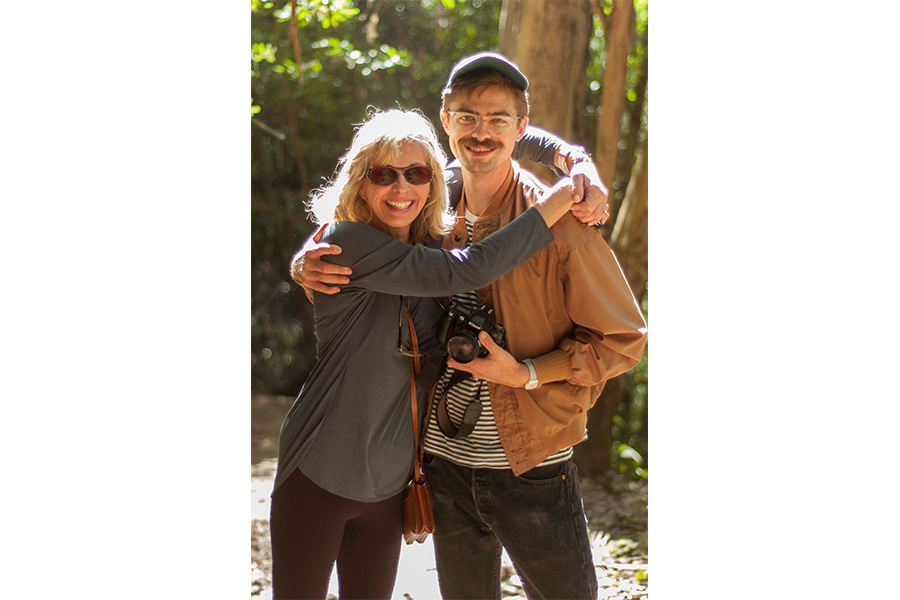
I am thankful for my family, as they always show me how to enjoy life and love each other! Pictured here are mom and brother on a hike during my mom’s birthday this October in Berkeley, Calif. (IAN JONES)


I am incredibly grateful for all the opportunities that I have been given and also thankful for friends and family. (JERO REAL)


I am thankful for being born in an amazing hometown with places I’ve made hundreds of memories with friends and family. These places are home to me. (JESSE STESHENKO)


I’m thankful for all the places that show me that there is more to life. (JORDAN CHOW)


I’m thankful for the love, support and guidance of my friends and family. (MACLEAN HARTFORD)


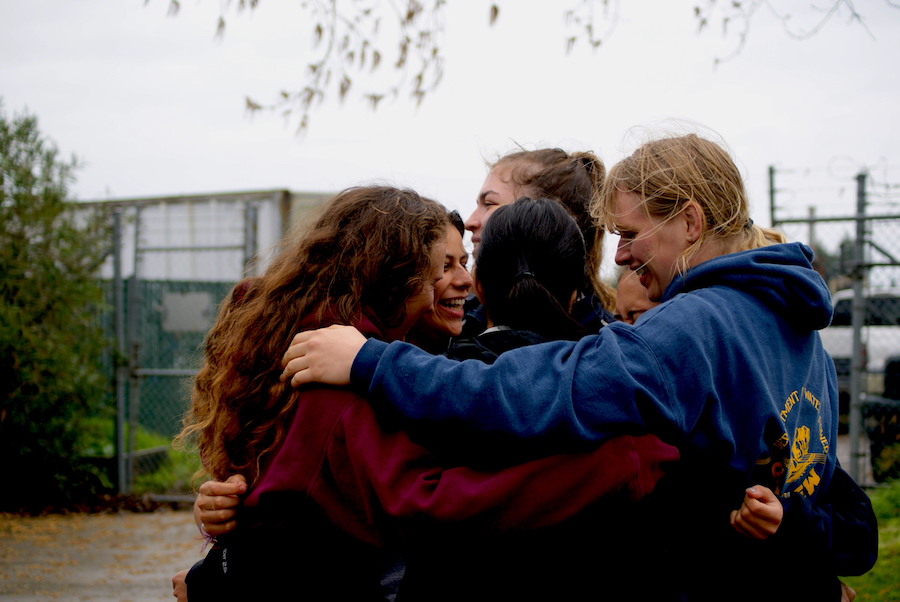
In my fourth season with Women’s Rowing, I look at the team and see my family. I am so thankful for the love and support of my teammates on and off the water. (KAILA MATTERA)


Thankful for my best friend! (MEENA RUGH)


I am thankful for the opportunity to explore the Bay Area and all the scenery it has to offer! (NICHOLAS CHAN)


I’m thankful every day for my husband and the life I’m living. (TAYLOR LAPOINT)


Thankful for my hometown, Los Angeles. (TREVOR GOODMAN)


I am thankful for cute animals that bring joy to my life! (VENOOS MOSHAYEDI)


I am thankful for my dog, Hayley, my trusty companion. (ZACHARY ZOLMER)


I’m thankful for the opportunities I have had so far. (ZOË REINHARDT)


I am thankful for UC Davis and the education and community it has provided me. I have been given many opportunities to test my boundaries and grow as a student. UC Davis has changed my life, and I will never regret choosing to go here. (ALEXA FONTANILLA)

Written By: The California Aggie Photo Desk — photo@theaggie.org

Transforming the UC’s Energy Portfolio

JORDAN KNOWLES / AGGIE

UC Davis leading way on solar development

Solar development has contributed significantly to the UC system’s goal of carbon neutrality by 2025, and UC Davis has played a major role in this progress. However, more challenges still lie ahead to achieve a balance between environmental and economic sustainability.

According to its website, the South Campus Large Solar Power Plant, which became active in 2015 and is located south of I-80 near the Raptor Center, produces 16.3 megawatts (MW) of power, which helps to offset UC Davis’s carbon footprint by about 14 percent annually.


“[This 14 percent] will vary from year to year, depending on total generation, total consumption and other sources of greenhouse gas emissions,” said Camille Kirk, the director of sustainability and a campus sustainability planner.


The 16.3 megawatts represent almost half of the 36 megawatts of on-campus solar power generation in the entire UC system, showing that UC Davis is leading the way when it comes to solar energy.
At the Environmental Protection Agency’s Green Power Leadership Awards in late October, David Phillips accepted an award on behalf of the University of California. Phillips was a key figure in the development of the South Campus project while he held the director of utilities position at UC Davis.
In addition to the South Campus project, UC Davis also has rights to 24 percent of the power from the 60 MW Five Points Solar Park in Fresno County and the 20 MW Giffen Solar Park, helping UC Davis provide about 36 percent of solar power generated in the UC system.
While the solar investments are proving to generate adequate amounts of power to chip away at the reliance on carbon, costs remain a question for skeptics.


“Due to lower than expected electricity pricing over the last couple of years, the solar projects are currently costing more per kWh than wholesale electricity,” said David Trombly, a utilities engineering supervisor. “If electricity costs go up as projected, the solar energy pricing will become favorable.”


Even with the likelihood that solar and other renewables will become favorable in the future, it still remains important to proceed intelligently in the development of renewable energy with one eye on sustainability and the other on economic realities. James Bushnell, a professor of economics at UC Davis who has done research on energy policy and environmental economics, expressed concern about how rapid solar development can cause excess supply at certain times of day and alter prices.


“While the costs of solar continue to decline, the value of solar output in California is declining even faster,” Bushnell said. “This is because there is already so much solar output on our system that we have a glut of energy during the middle of the day. In April 2017, electricity produced in the middle of the day was almost worthless because we already had more than we could use.”


Storing solar electricity has long been a concern if there is excess production, an issue that Kirk also discussed.


“We could have installed more solar if we had sufficient storage to avoid exporting,” Kirk said. “When we installed our Large Solar Power Plant, analysis showed that storage did not make financial sense, and probably still wouldn’t, though we do continue to explore storage options, especially as part of class projects.”


Despite these challenges, Kirk remains optimistic that these investments will prove to be worth it in the long run.


“We expect electricity prices to rise from other providers, so our on- and off-site solar through the power purchase agreement model of delivery should prove to be cheaper in the long run because we have a fixed price for electricity for the duration of our contracts,” Kirk said.


Kirk and Trombly agreed that the UC’s goal of carbon neutrality by 2025 is highly ambitious, but they think that UC Davis is on the right track.


“UC Davis is very well-positioned and has already demonstrated major progress in reducing emissions,” Kirk said. “Carbon neutrality is an ambitious goal, but we think we can achieve it through many different steps.”


Trombly echoed these sentiments, adding that after these major investments in solar power, it may be prudent to explore other types of clean energy to supplement UC Davis’ solar and hydroelectric power and its biodigester, each of which contribute to an energy portfolio that is currently about 60 percent carbon-free.


“We would probably benefit from diversifying our investment in renewables to some other production type, but these decisions will be hashed out as part of the climate action planning process,” Trombly said.


While engineers and project managers work to design, develop and fund new renewable energy efforts across the UC system, students are also engaging in the process by spreading crucial information with their classmates and working to bring change to campuses.


CALPIRG, a group that is active on campus on the issue of getting UC Davis to commit to an entirely renewable energy portfolio, is pleased with the progress that has been made in the last several years to reduce the entire UC system’s reliance on fossil fuels.


“The UC system is doing great work for the environment with a commitment to carbon neutrality,” said Jillian Patrick, a fourth-year environmental science and management major and UC Davis’ CALPIRG chapter chair. “Solar and other clean energy sources are becoming increasingly more affordable and accessible — renewable energy is the future.”
While the UC as a whole has an additional 13 megawatts of solar power in development, UC Davis currently does not have any pending plans for more solar projects, given the dent that its solar investments have already put in the carbon neutrality goal. However, with CALPIRG’s activism, UC Davis may develop more renewable projects in the coming years to continue transforming and diversifying the school’s energy sources.


“So far this quarter we have collected over 1,000 petitions through outreach and engagement with the campus community to show our Chancellor there is ample support for 100 percent clean energy here at UC Davis,” Patrick said.


Written by: Benjamin Porter —  features@theaggie.org

Hops and Hip Hop: Sudwerk’s Beers and Beats event

MARINA OLNEY / AGGIE

Collaboration between brewery and record store highlights Davis’ beer and music scene

Davis is not a city shy on festivities, and Beers and Beats is one event that brings out some of the best features of the city.

Held every fourth Thursday by Sudwerk Brewing Company, Beers and Beats brings together lovers of beer and lovers of music. The event is a collaboration of Sudwerk Brewery and Armadillo Music — the event itself beginning from a friendly relationship.

“We’ve had a good relationship with Armadillo Music in town,” said Caleb Weeks, the business manager at Sudwerk Brewing Company. “We just thought it would be a good idea to sort of combine the live music that’s out here.”

With that simple relationship, the event took off.

“It mostly started as a community partnership to bring them out here and give them some exposure; same thing for them on our end,” Weeks said.

Josh Chapman, the owner of Armadillo Music, similarly spoke of their contributions to the event.

“Paul is the manager here. He’s there every single month,” Chapman said. “He’s there with his dog, records and turntables.”

The event highlights a variety of genres, from hip-hop to rock to international. Chapman said the style of music played is dependent on the DJ at the time.

“It’s new releases,” Chapman said. “We’re trying to expose people to different artists, so it’s all across the board. Some month we’ll have some sort of international band. […] We’ll have a rock band; we played Gorillaz, which is hip hop. So, it really is all over the board, just something that comes out that we think people will like or some new and unique stuff that they’ve never heard of before. We pick that stuff and play it.”

But in addition to playing music, Armadillo’s inventory is also available for purchase at Beers and Beats. For vinyl lovers, the records being played are available for purchase.

“We bring copies of the new releases that we’re playing,” Chapman said. “We’ll bring usually five artists that have put something out that month, on vinyl. We have copies of each of those available for sale, then we have five or six crates of used records that we bring for people to browse through.”

Aside from drinks and music, the event itself is a great time for socializing.

“[It’s nice] to hang out outside, listen to good music, drink beer or even just hang out,” Chapman said. “It’s a good spot. There’s always a food truck, always kids running around throwing footballs and things like that. It’s kind of bridged all different age groups, so it’s been good.”

Weeks also spoke to the positive side of such a community-focused event and the positive influence this event has had on small business.

“There’s sort of a comradery, I think, around small business,” Weeks said. “Small businesses are much more community-focused, willing to peddle their wares out at a brewery. Drink a beer, and give the community a fun little event […] It ties into the local music scene that we have going around here in general.”

This event is one of many that highlights Davis’s support for the music scene.

“This town has been known for a long time for its support of music,” Chapman said. “It’s kind of embedded in the culture here.”

Dustin Messner, a third-year managerial economics major at UC Davis, highlighted his favorite aspects of the event.

“I’ve always liked music,” Messner said. “I’ve just been getting into vinyl, too. Pair that with my love of beer, that makes for a good time, especially if they play some CCR.”

While the event exists as an important marker of Davis’ collaborative community, Weeks makes note of the real relationship that began it all:

“Music lovers tend to like beer, and beer lovers tend to like music,” Weeks said.

Whether you enjoy just beer, just music or the combination, Beers and Beats is a casual event with both, perfect for a peaceful Thursday. Starting around 6 p.m. every fourth Thursday, Armadillo Music arrives at the Sudwerk Dock Store and starts spinning records old and new while guests peruse used vinyl and drink craft beer. Bring friends and family because both beer and music are often best enjoyed in numbers.


Written by: Nicolas Rago — arts@theaggie.org

Spice Up Thanksgiving

JAMIE CHEN / AGGIE

Break tradition with these seasonal recipes

We all know the typical Thanksgiving: the turkey, the stuffing, the gravy, the potatoes. Time to spice up Thanksgiving — literally. This holiday season, The California Aggie will show you how to take your Thanksgiving dishes to the next level.

We’ll begin with a timeless fall dish. Pumpkin pie is both culturally and seasonally associated with this time of year. Generally when we think of a pumpkin pie, we of course think that the main ingredient must be pumpkin. New York Times food writer Melissa Clark challenges this notion with her nuanced take on the pie we all love. To do so, Clark substitutes the familiar pumpkin with the equally delicious butternut squash. In addition, Clark relies upon heavy cream instead of evaporated milk; dark brown sugar instead of light brown or white sugar and just a splash of brandy. All this culminates in a pie that is dark in color, delicious in taste and devoured within minutes. Needless to say, you’ll be coming back to this brandied pumpkin pie every fall season to come.

Perhaps pumpkin pie isn’t your ideal dessert, or pie at all for that matter. Don’t worry, there are plenty of other dessert options to wow your friends and family. For the best dishes, you need the freshest ingredients; for the freshest ingredients, you need to stay seasonal. Beginning with our in-season butternut squash recipe, we can follow that up with another lesser-known fall delicacy: the persimmon. Persimmons have differing varieties. There are two in particular that are quite good in fall.

Fuyu persimmons are the better known of the two; shaped like a small brandywine tomato, they are a light orange color when ripe. Their flesh is firm in texture and quite sweet, with hints of cinnamon. Hachiya persimmons appear stretched-out versions of their counterparts, taking on an acorn-like shape. They’re practically inedible until overly ripened. This is due to the high amount of tannins found in the persimmons. While this may seem off-putting, don’t write off Hachiyas just yet. When ripe, their jelly-like texture lends itself to cooking and baking. Renowned chef and food writer David Lebovitz has adapted a persimmon bread recipe from the great chef James Beard. In this recipe, Lebovitz calls for “4 squishy-soft Hachiya persimmons,” and having made this recipe myself, I can attest to the incredibly moist and delicious bread you end up with. Paired with a hot beverage, this bread is a perfect ending to a more casual sans pie Thanksgiving feast.

Lastly, we will focus on the savory aspects of your Thanksgiving meal. I won’t bore you with stories of turkey and gravy; let’s try something new. One thing we won’t be changing is our seasonal approach. Are turnips in season? You betcha. Our first side dish consists of pan-roasted Tokyo (Hakurei) turnips. Cooked the right way, fresh Tokyo turnips are among the most delectable root vegetables fall has to offer. This recipe from food blog Gourmandistan is adapted from Andrea Reusing’s original recipe. The recipe calls for tossing the turnips in honey and cayenne, which I’m sure is delicious, but in reality you can cook these turnips any way you like. As is, they have a delicious buttery flavor that closely resembles that of a scallop. How you season them is up to you. What’s certain is that you’ll have a mouthwatering dish that will keep people coming back for more.

Chard is another fall vegetable that is delicious and malleable enough to quickly become a Thanksgiving staple. Chef Alice Waters has a shockingly easy take on a parmesan chard side dish that is sure to please. Waters calls for one bunch of chard, destemmed and boiled in heavily salted water. After, the chard is tossed into a pan of melted butter and parmesan cheese. This recipe can be doubled or tripled depending on your guest list. Either way, the cheese is the star of the show, so if possible, you should be working with a quality parmigiano reggiano. In the end, you will be left with yet another tasty dish perfect to pair with your heaping piles of turkey, mashed potatoes and stuffing.

These dishes are not only delicious, but also financially friendly and simple to make. If you are among the group of students staying in Davis over the holiday, get together with friends and give these recipes a try. Your Friendsgiving just might outdo your peers’ home-cooked Thanksgiving.

The Aggie would love to see your cooking! If you’re cooking something this Thanksgiving, send in photos of your meals to arts@theaggie.org. Feel free to get creative and branch out from the recipes above.

Bon Appetit!


Written by: Rowan O’Connell-Gates — arts@theaggie.org


Humor: UC Davis: Where dreams go to die

JEREMY DANG / AGGIE

Welcome to the wasteland

“I often find myself wanting to die, and it’s not even the crushing depression — it’s the UC Davis environment,” said optimistic nihilist Drew Hanson in the third person. When asked what specifically it was about the environment, Hanson said, “To quote the Bret Easton Ellis book ‘American Psycho,’ ‘I feel like shit but look great.’ That is the essence of this place.”

Other students feel the same way, but what’s more promising is that they feel something at all. I met with Katherine Weaver, a second-year gender studies major, at an early Sunday service.

“With films like ‘Mad Max,’ those maniacs on the road know what they’re doing,” Weaver said. “They’re out to mess you up. At Davis, the road maniacs, mostly on bicycles with some on foot, aren’t even aware that they’re assholes. They’re just oblivious and inept ignoramuses. I wish they would recognize how terrible they are because then I would feel more comfortable hating them.”

Studies have revealed that many students aren’t actually individuals, but are instead a split combination of their parents, who were in turn combinations of their parents. This has led many students to existential crises, as they found that they are vacuous and devoid of interesting qualities.

“I’m having an existential crisis,” first-year Christian Romero said. “The worst part is that I don’t even know what those words mean, but I’m sure I’m having it.”

Some students have learned more about themselves than about the courses they’re taking.

“I finally came to the realization that my dreams and aspirations of becoming a doctor or lawyer were not mine at all and had been planted in my mind since childhood. I’m trying to reconnect with who I truly am,” said Roy Batty, who was found dissecting squirrels on the quad. “Oh, I don’t even go to school here.”

“I think the main problem is that we’re so terrible at everything outside of academics,” said Richard Hicks, a second-year geology major. “We have no enemies or rival schools, so we resort to self-loathing the enemy within. Our only academic rival is Berkeley, but after Trump rolls out some more anti-communist executive orders I think we’ll end up as number one.”

A common thought is that UC Davis is the home of UC Berkeley rejects. This holds true for some, such as Chad Tucker, who transferred to Davis from a Stockton community college after being rejected by Berkeley.

“As a 34-year-old, I have been through a lot,” Tucker said through jail bars at the Yolo County Detention Center. “I’m hypercompetitive and at times I can be pretty cutthroat. That’s why I felt like Berkeley would be the right place for me. Instead, I ended up at Davis where the most brutal crime is bike theft or ass-slapping. Those were my childhood activities.”

Tucker ripped a column from a bloodstained paper copy of The Daily Californian, showing us a headline that read, “UC Berkeley student poisons city water supply to get ahead in class.”

“I wish Davis were like that,” Tucker said.

“I like to email myself death threats to make it feel like people read my columns,” said Drew Hanson in the third person. “It’s a disappointment to only hear compliments and praise. I’m much more masochistic than that.”

Some students are regretful of their decision to go to UC Davis.

“I wish I had attached more money to my college application,” said John Dong-Chandler, who mysteriously transferred from Berkeley to Davis. “My father works for British Petroleum and wants me to follow in his footsteps, but I don’t think it’ll happen with a UC Davis degree. This school is too environmentally conscious, and the water in Davis is already poisonous, so there’s nothing I could add to it.”

Chancellor Gary May commented on this campus issue, saying, “From what I have found in the vault, it seems that UC Davis was designed after Canada early on, being all friendly and stuff. Then they needed to make the campus much more hostile, so they filled the buildings with asbestos, built Cuarto as part of an inside joke (outside, really) and found foreign war criminals to fill the executive positions.”


Written by: Drew Hanson — andhanson@ucdavis.edu

(This article is humor and/or satire, and its content is purely fictional. The story and the names of “sources” are fictionalized.)

Davis celebrates fall with annual festival

0
MICHELLE GORE / AGGIE

Davis Farmers Market celebrates Fall Festival with activities, parade

The Davis Farmers Market held its annual Fall Festival on Oct. 28 in celebration of the start of the new season. The festival featured games, parades and food for the community, as well as other kid-friendly activities. It served to bring the Davis community together and lift people’s spirits for the upcoming holiday season.

I can say that we had about two dozen children participate in our costume parade, and the Soroptimist International club had several dozen pumpkin painters at their booth,” said Alison Feliciano, the office manager of the Davis Farmers Market. “The Soroptimists offered up pumpkin painting, and we had two craft stations — make-your-own felt pumpkin and make-your-own harvest flower wreath. We also had pony rides and a petting zoo.”

According to Feliciano, the festival has been a tradition in Davis for at least 20 years, demonstrating the commitment that community organizers have to Davis locals. However, Feliciano also explained that there has been a drop in attendance over the years.

“Community support has varied from year to year,” Feliciano said. “When it first began, there were fewer weekend commitments for families, such as sports and school events. As life has become so much busier, we’ve had attendance drop to some degree. For those who are able to attend, it’s a much-appreciated, free, fun and family-oriented event. It’s one-stop happiness for the whole crew […] mom and dad can shop, kids can play, lunch for everyone, and they all go home happy.”

Attendants of the farmers market, including Achi Mishra, a fourth-year electrical engineering major, also enjoyed the uplifting nature of the Fall Festival.

“I really love fall, and I love that the Farmers Market hosted this event because I think it was really joyful and and made everybody excited for the season,” Mishra said. “It’s great that the community works together to make events like this happen.”

Gopika Mavalankar, a fourth-year international relations major, also expressed her excitement over the event.

“Seasonal celebrations are always exciting for everyone involved,” Mavalankar said. “I thought it was a really great way to get everyone together and excited for fall.”

The city of Davis has developed a reputation for maintaining a strong sense of community and encouraging residents to come together and rejoice in happy celebrations or important causes that will serve to benefit members of the community.

The farmers market is often referred to as ‘the heart of Davis,’ and having a celebration to honor the harvest season and all of the hard work that our farmers put into their crops is a great way for the community to say ‘Thanks,’” Feliciano said. “It connects the community to the people who feed them.”


Written By: Hadya Amin city@theaggie.org

Letters to the Editor

CAITLYN SAMPLEY / AGGIE

Seeking solutions beyond recycling

To the Editor:

Re: “What can we do about the plastic problem?” by Jessica Driver (column, Nov. 13):

I agree with attacking the plastic problem by recycling, of course. In addition to notices for people to recycle, education about how to recycle must be taught in classes. This can easily be done in the early elementary years and touched upon again later in high school. It’s so surprising how many of my friends don’t know how to recycle. They do know how to recycle bottles and cans, of course, but when they get a tray made of plastic or some cardboard, they abandon their knowledge and throw it in the landfill. My previous school actually educated us somewhat on recycling, and it has stuck with me until now. On top of that, some initiative must be taken to bring notifications to people’s phones about recycling. After all, people are stuck to these devices for most of their days.

The real solution would be a plastic alternative, as Driver mentioned in her article. That would be tough, however, because plastic is so cheap for huge corporations to produce. Another cheap plastic needs to be made soon.

RANDY BELLORIN, DAVIS

Randy Bellorin is a first-year biological sciences major at UC Davis.


To the Editor:

Re: “What can we do about the plastic problem?” by Jessica Driver (column, Nov. 13):

The plastic problem has come up repeatedly over the years, but nothing seems to change. This issue seems to be increasing over time, and it’s very horrifying to think that by the year 2050 there will be “more plastic than fish in the ocean.” As humans on this planet, we should make every capable choice to recycle in order to help protect our planet. No action is too small. For example, if everyone took the time to recycle one bottle, the numbers would definitely add up and make a difference. There are ignorant people who believe that pollution doesn’t exist. Hopefully they will finally open their eyes and begin to start a change within their community.

DAISY RUIZ, DAVIS

Daisy Ruiz is a first-year biological sciences major at UC Davis.


To the Editor:

Re: “What can we do about the plastic problem?” by Jessica Driver (column, Nov. 13):

Plastic products are present everywhere in our lives, and many of these end up in the ocean and cause trash vortexes that obstruct the marine life. We’re facing a serious plastic problem, and we should therefore make safer plastics. Instead of using finite fossil fuels, we should use renewable sources to forge plastics.

We should also avoid using too many single-use products, such as plastic water bottles, plastic forks and plastic bowls. If it’s necessary to use plastic products like alarm clocks and toothbrushes, we should put them in the recycling bin after they can no longer be used. We can therefore reduce the plastics in the ocean by increasing plastic recycling.

QIQING LIANG, DAVIS

Qiqing Liang is a second-year statistics major at UC Davis.


Disclaimer: The views and opinions expressed by individual columnists belong to the columnists alone and do not necessarily indicate the views and opinions held by The California Aggie.

Humor: How to deal with the fact that the Plan B vending machine doesn’t dispense snacks

FARAH FARJOOD / AGGIE

University decides to supply “woman products” over “every-student necessities”

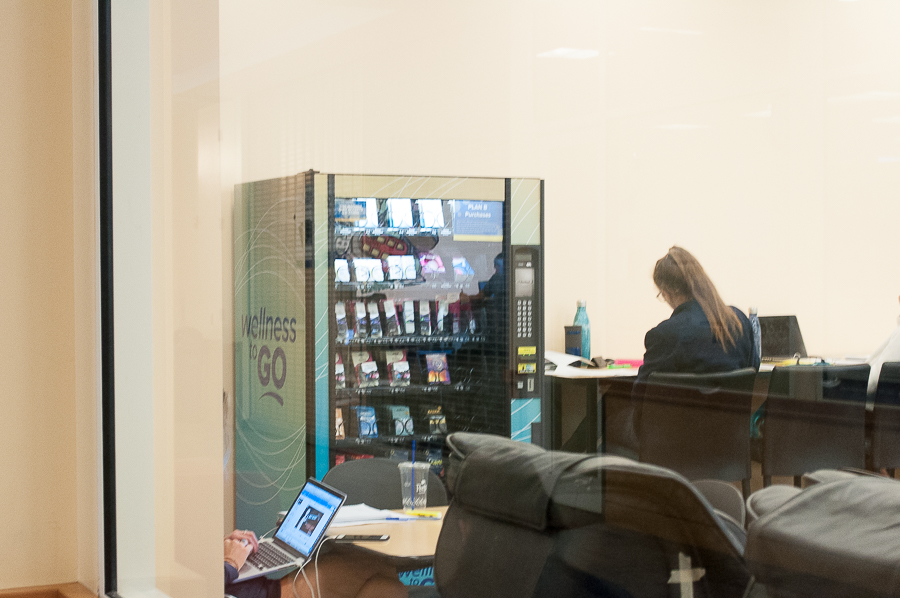
If you’re reading this, you’ve probably tried to get snacks at the Plan B vending machine at the ARC, only to realize that it does not, in fact, dispense snacks. Actually, this machine only dispenses broken dreams.

Deceiving? Yes. A rookie mistake? Also yes. But we’ve all been there, so don’t feel too bad. We’ve all had those days when we try to go to that one really niche study room at the ARC and think there’s a vending machine in there. We’ve all tried to get snacks in said machine but instead been confused, as it only seems to dispense contraceptives. Most importantly, we all know that contraceptives don’t taste the same as snacks.

If you follow this logic, you can really begin to see the problem with mistaking the Plan B vending machine at the ARC for a standard vending machine. Luckily, The California Aggie has compiled some great tips to help you cope with the injustice of promoting women’s health over providing students with Chex Mix.

Take in the fact that your rights as a student are being violated

You might be wondering, “Why have my precious snacks been replaced by products that only help women?” This is a great question that we can only blame on the matriarchy. Once we dismantle the matriarchy, your rights as a student are sure to become a part of the big picture again. It’s important to remember here that, as a student, you’re endowed with certain rights, so let the university know that you prioritize Kit-Kats over preventing an unwanted pregnancy.

Pretend to play it cool when you accidentally end up buying something

If it does happen that you only realize the machine doesn’t have snacks once you’ve purchased something from it, it’s important to keep it cool and casual. For example, try shouting to everyone in the room, “I meant to buy this tampon, it was on purpose, and it was my original intention.” Everyone in the room will be blown away by your honesty. Not only that, but they will also be wildly impressed by your decision to use a vending machine that didn’t dispense snacks, considering how mainstream that kind of thing usually is.

If you follow these tips carefully, you’ll be the talk of the niche ARC study room in no time. Everyone will think it’s so chill that you advocate for students’ rights (unless the students are women) and are vocal about your vending machine purchases.


Written by: Lara Loptman — lrloptman@ucdavis.edu

(This article is humor and/or satire, and its content is purely fictional. The story and the names of “sources” are fictionalized.)