55.5 F
Davis

Davis, California

Tuesday, December 23, 2025
Home Blog Page 731

University of California launches new peer committee to address sexual harassment

ZHEN LU / AGGIE
ZHEN LU / AGGIE

12 faculty members across nine campuses make up Systemwide Peer Review Committee

On March 18, University of California President Janet Napolitano sent a letter to the UC community addressing sexual harassment and violence on UC campuses.

In the letter, Napolitano announced that she was planning to expand the President’s Task Force on Preventing and Responding to Sexual Violence and Assault, a sexual assault awareness and training program created in 2014.

The program was expanded to create the Systemwide Peer Review Committee, comprised of faculty members across all nine UC campuses, to help address sexual harassment and violence, specifically when perpetrated by senior university faculty and staff.

“I established a new Systemwide Peer Review Committee that will review and approve all proposed sanctions for any senior university leader found to have violated our UC Policy on Sexual Violence and Sexual Harassment,” Napolitano said in the letter. “Senior leaders include, but are not limited to, chancellors, associate and assistant chancellors, provosts and vice provosts, deans, coaches and athletic directors.”

The committee is made up of 12 people, including Julie Freischlag, the vice chancellor of human health sciences and dean of the School of Medicine at UC Davis.

Napolitano says that the UC must do a better job of investigating all incidents of sexual harassment or sexual violence and holding those who are guilty accountable.

The committee is one of many efforts Napolitano has taken to help decrease sexual assault incidences on campus. In the past, she helped to establish Campus Assualt Resources and Education (CARE) offices and Advocate Offices for Sexual and Gender-Based Violence and Sexual Misconduct on every campus, ensuring that each UC has individuals to help respondents understand their rights as well as UC’s investigation and adjudication processes. These resources also strengthen the UC’s policy against sexual and domestic violence in compliance with the federal Violence Against Women Act.

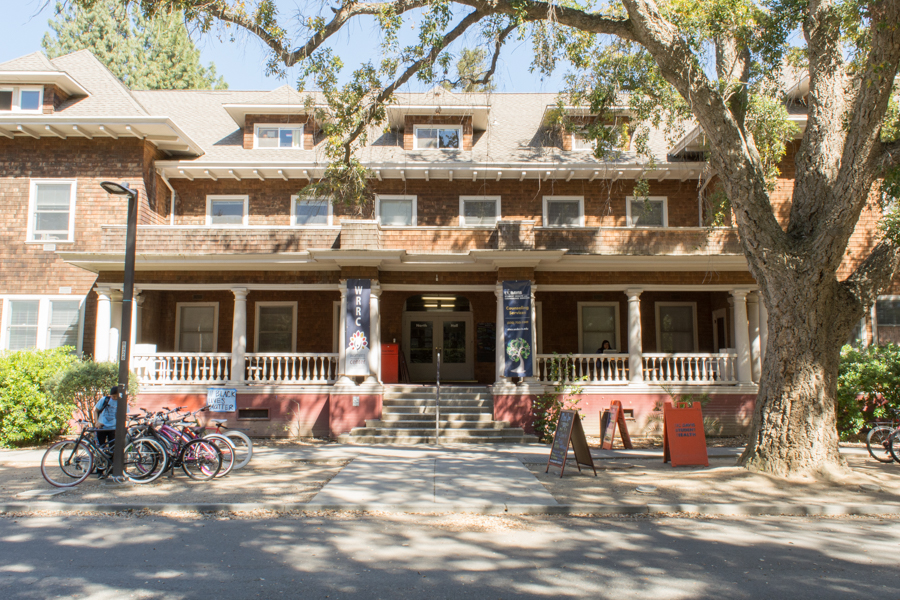
V. Leilani Kupo, director of the Women’s Resources and Research Center at UC Davis, said that this new peer committee will continue to encourage members of the UC to pay attention to how sexual assault is addressed on campus. Kupo went on to say that she felt that the goal of this new peer committee aligned with the mission and vision of the Women’s Center.

[The committee will continue to educate] people on what sexual harassment is and what forms that it can take and the ways in which it should be addressed and interrupted,” Kupo said. “There are a lot of really great opportunities to take a couple of different approaches to this and to say that this is not only a policy but making sure that this is seen as a critical part of who we are, that we don’t tolerate sexual harassment in our workplace, on our campus, or in our classrooms and we need to continue to have these conversations.”

Nicole Hage, a second-year animal science major, said that she was happy that the university was taking this kind of approach to sexual assault and hoped that it would be successful.

“I think it is a step in the right direction for the UC universities and if the committee holds true to its intent, then it will hopefully be effective in bringing justice to sexual harassment victims and stop it from happening in the future,” Hage said.

Written by: Sangeetha Ramamurthy – campus@theaggie.org
UC and California Community Colleges expand support for transfer students

0
DANIEL TAK / AGGIE
DANIEL TAK / AGGIE

Collaboration aims to offer guide to most popular UC majors

On March 21, the University of California (UC) and the California Community Colleges (CCC) announced that both systems are collaborating to expand outreach and support for students aiming to transfer to a UC.

The collaboration stems from the renewed Transfer Pathways Program, a program that provides community college students with a guide to the most popular major courses at any UC campus. It outlines the set of courses students should take to be competitive in one of the 21 most popular majors at every campus.

“This center represents a collaboration focused on strengthening one of the most important routes to postsecondary schooling in our society,” said Michal Kurlaender, a UC Davis professor of education, chancellor’s fellow and chair of the Graduate Group of Education. “Our hope is to provide unique opportunities for professional development and training among community college leaders and to leverage the expertise of faculty at the School of Education from across the UC Davis campus and beyond to build a research base on some of the most critical issues facing community colleges today.”

Hyun Kang, a third-year economics and statistics double major, transferred to UC Davis from De Anza community college through the Transfer Admission Guarantee (TAG) program. She is grateful for programs in which California community college students receive help in getting into one of the UCs.

“I thought they were great,” Kang said. “We find out [about] our admission results [faster] and we know what classes we need.”

The program will focus on students who might not have access to a UC education, such as those from low-income backgrounds, foster homes and underrepresented racial and ethnic groups as well as veterans and active-duty members of the military.

With $2.6 million in funds granted to the collaboration by the CCC Board of Governors, the program plans to execute new ideas that will help make the transfer program run more smoothly. Weeklong summer bridge programs will be offered for 1,500 students at three UC campuses, outreach representatives will be deployed to disadvantaged regions of the state to serve students pursuing UC transfers and support will be provided to CCC counselors through training and workshops.

Kiera Silva, a third-year biology major and transfer student, thinks this type of program can really help students.

“I transferred from Santa Monica Community College, and I, like many others there, worked hard to get into a UC,” Silva said. “A program like this sounds like an excellent source for better chances of getting in and succeeding with your transition to a four-year university.”

The UC is aiming to enroll more transfer students as part of its effort to increase California resident enrollment. It has committed to adding 10,000 more California undergraduates over the next three years, about a third of whom will be transfer students.

Written by: Demi Caceres – campus@theaggie.org

University of California to hire 85 new clinicians to boost resources for student mental health

CHELBERT DAI / AGGIE

With growing demand for mental health services, UC hopes that new hirings will provide better access

On March 24, the University of California (UC) announced a plan to hire a total of 85 clinicians across the UC system. The increase is set to help with a growing demand for resources in student mental health.

“The [UC] is taking action to address the issue [of student mental health] and is hiring 85 clinicians across the system to increase access to mental health services, reduce wait times for students and complement outreach and prevention efforts,” said Alec Rosenberg, a representative for the University of California Office of the President in a press release.

The new positions are set to be filled by the beginning of the 2016-2017 academic year and will increase employment for psychiatrists, psychiatric nurse practitioners and case managers, with the UC emphasizing a push for diversity.

Sam Alavi, director of the Office of Advocacy and Student Representation, saw the hirings as a good start for the UC, but noted the technical issues that many campuses could face.

“While the hiring of the new clinicians is definitely a step forward, there is still a lot more that must be done across the UC in terms of mental health reform,” Alavi said in an email interview. “For most campuses, the new hirings will not solve the issue of long wait times for students, and some of the campuses barely even have the spatial capacity to hire enough counselors to really serve the need of the student body they just wouldn’t have any place to put them.”

Since 2007, the UC system has seen a 54 percent increase in students seeking mental health access, while last year, 13 percent of UC students received help from campus counseling services.

Sofia Molodanof, a newly elected ASUCD senator who ran on a platform of mental health awareness, noted a recent evaluation of all nine campuses by the University of California Student Association.

“There’s a stigma of mental health that just makes people not want to talk about it and so having resources more accessible would just make it easier for students to be more comfortable reaching out and getting help,” Molodanof said. “From the UC, there’s always new things that we can better. UC Davis was ranked with a B-, but that’s not enough. We need to be an A campus. We need to be an A+ campus. We need to have as many resources as we need possible.”

The mental health evaluations by the University of California Student Association, which Alavi was involved in, assessed all nine campuses in three categories, including diversity, outreach and accessibility. The average letter grade received in the report was a C.

“We do not prioritize mental health,” Alavi said. “It’s disappointing that we still haven’t put enough resources and energy together to radically fix this broken system. We have been told by a number of staff members who work in the UC mental health field that our current counseling programs are structurally unable to provide adequate treatment for students. If there is a structural issue, we need to be fundamentally changing the conversation about what the future of mental health looks like, not just hiring a few more counselors on every campus.”

While hoping to increase resources for mental health at UC Davis, Molodanof also said that students should be more willing to seek those networks and talk about their day-to-day issues.

“What I’ve learned, through my past experiences, dealing with some anxiety and depression here and there, is that you can’t put it on the back burner because then it gets worse,” Molodanof said. “Talking about things, especially issues that are non-urgent, is just a way to get them off of your chest, and then you can feel a lot better. You can go on throughout your day, you can go to sleep, and wake up, and start your day over.”

Written by: Ivan Valenzuela  – campus@theaggie.org

The Cannery hosts first annual Can Run

ANH-TRAM BUI / AGGIE

Community will get an inside look of life at The Cannery during 5K, 10K run

The Cannery, a new housing community in Davis, will inaugurate the first annual Can Run on April 23 and all proceeds will go to public schools in Davis.

The Can Run will feature a 5K and 10K run in addition to a half-mile Kids Fun Run.

The 5K and 10K races will begin at 8 a.m., and the Kids Fun Run will begin at 10 a.m., with all races scheduled to finish by 11 a.m.

The race will start at The Cannery, located at 1550 Cannery Ave., and runners will travel through the North Davis neighborhoods, around the Community Park, North Davis Elementary and Davis Senior High School and along The Cannery Loop Trail, where they will arrive at the finish line. The 10K run includes an additional course that features the greenbelts and neighborhood streets of Northstar.

The run will benefit the Davis Schools Foundation (DSF), a non-profit organization dedicated to educational excellence for every student in the Davis Joint Unified School District (DJUSD). Through fundraising, DSF is able to support DJUSD’s schools and programs for the benefit of its students.

“Each year, our board works with DJUSD staff and the community to decide key areas where we can best impact the most students. Over the past three years, those areas have been technology, elementary school aides and secondary counseling services,” said DSF President Lori Duisenberg in an email.

DSF granted $100,000 to DJUSD’s core areas for students during the 2014-15 academic year and has been awarding funds for schools since 2004.

“Davis Schools Foundation is operated by a small, all-volunteer board so we rely on community members to help with events such as the Can Run,” Duisenberg said.

The Can Run is sponsored by local businesses in Davis. Fleet Feet, a running and cross-training store located in Downtown Davis, will be providing race bibs and prizes for the races.  

“We try to support as many running events as we can. We like the fact that the race will benefit Davis Schools Foundation which is an organization we like to support when we can,” said J.D. Denton, the co-owner of Fleet Feet.

The Cannery is the first farm-to-table community in California and will feature a 7.4-acre working farm, providing residents with fresh produce throughout the year.

The community includes apartments, townhomes, condos and single family homes and each home includes a solar panel system, making The Cannery an energy efficient community.

The Center for Land-Based Learning, a nonprofit organization located in Winters that educates youth about conservation and agriculture, will utilize the working farm and barn at The Cannery.

“All of the produce from farms out here will go farm to fork into any restaurants that go over there as well as the farmers market. And each homeowner will have the option of having a subscribed box of the produce delivered to their home each week,” said Amy Swanson, Cannery Ambassador.

Swanson explains that residents who live at The Cannery can enjoy an amphitheater, basketball court and dog park located within the community. At The Ranch House, members of the Homeowners Association also have access to a pool, spa and gourmet kitchen where they can host events.

Currently, the Farm House at The Cannery serves as the welcoming center but once the community is completed, it will become the property of the City of Davis. On the day of the run, participants can get a glimpse of life at The Cannery and can stop by the welcome center.
Written By: CARLA ARANGOcity@theaggie.org

Some major ideas

0
BRIANA NGO / AGGIE
BRIANA NGO / AGGIE

Students invent their own university majors.

If you could invent your own major, what would it be and why?

Travis_Candieas_rovingreporter_fe_NgoTravis Candieas, second-year psychology and history double major
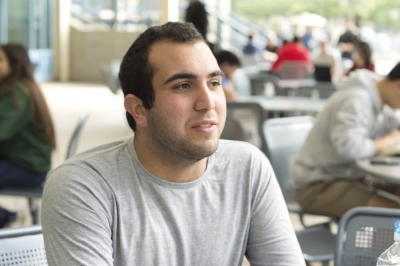
“An interdisciplinary major. It would be something revolving around education, but I feel that there can be more of an economic focus on it, and it wouldn’t be as political as international relations.”


Rodi_Bulutoglu_rovingreporter_fe_NgoRodi Bulutoglu, second-year Spanish and communication double major
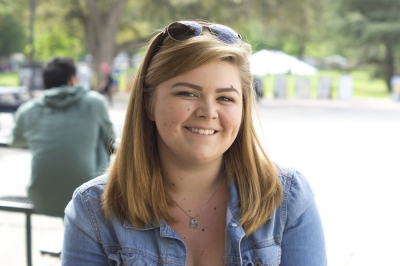
“I would love a more established film major. One that’s not so much philosophical, but can give you more connection with the real world. It would involve screenwriting classes and a business mind.”


Brooke_Campos_rovingreporter_fe_NgoBrooke Campos, second-year psychology major
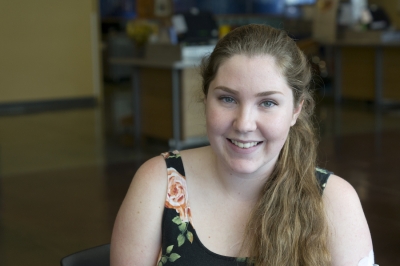
“A binge-watching Netflix major. It’s always what I do when I’m trying to study. I would always just end up turning on Netflix, and it takes up a lot of my time.”


Allison_Reggiardo_rovingreporter_fe_NgoAllison Reggiardo, second-year cell biology major
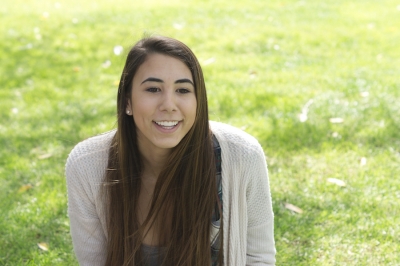
“A pirate studies and culture major. We would take field trips to pirate ships, visit beaches and that kind of stuff. That would be the major I try to make, and I would definitely sign up for it.”


Maddie_Moran_rovingreporter_fe_NgoMaddie Moran, fourth-year animal science major
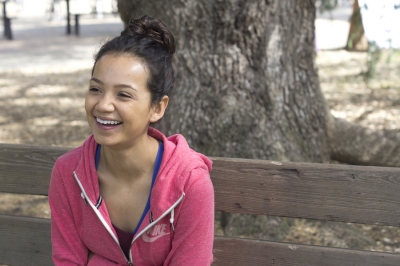
“I would invent a puppies major because I love puppies. It would have to do with training and playing with them.”


Cande_Salacar_rovingreporter_fe_NgoCande Salacar, third-year psychology major
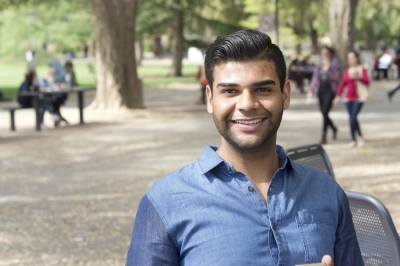
“Underwater basket weaving. It’s different and unique; I hear people say it all the time.”


Amrinder_Jattana_rovingreporter_fe_NgoAmrinder Jattana, second-year biological sciences major
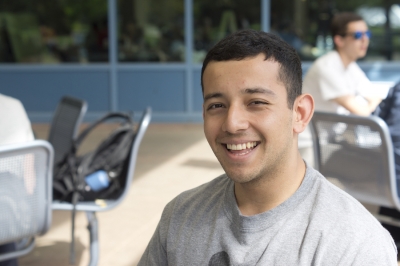
“A working out major. I [make] my health a big part of my life — it would be devoting time to something I love.”


Salvador_Lira_rovingreporter_fe_NgoSalvador Lira, second-year biochemistry and molecular biology major

“I would probably invent a major about bowties. You’d learn all the history of bowties, how to tie a bowtie, how to wear a bowtie, where to buy a bowtie […] everything about a bowtie, because I love bowties.”


Written by Jennie Chang — features@theaggie.org

Cows, pigs, sheep and moo-re

NADIA DORIS / AGGIE
NADIA DORIS / AGGIE

The life of a UC Davis animal science student

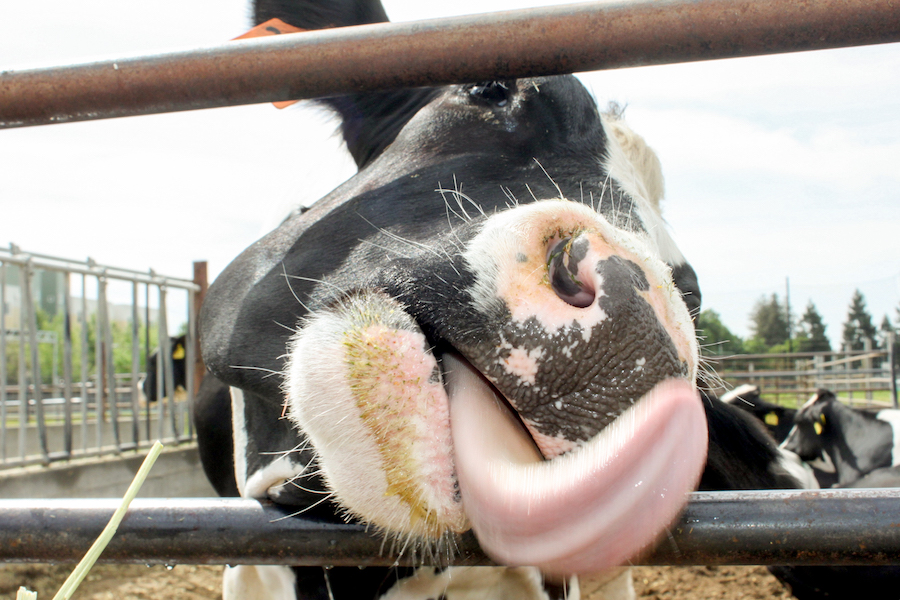
The cows that neighbor the Tercero Student Housing area are not just for Instagram and Snapchat pictures. Those cows, along with the goats, pigs, sheep and other animals that call UC Davis home, are integral to the campus’ global rank of second place in animal science and first in veterinary science for two consecutive years.

Since UC Davis is the only UC school that offers animal science as a major, many students plan for careers in animal-related fields by taking part in the school’s top-of-the-line program.

“A big part of animal science is getting hands-on experience with real animals,” said first-year animal science major Alexandra Chapman. “Davis is the only place where you can have these experiences.”

According to animal science professor James Murray, the animal science undergraduate major is designed to expose students to a wide range of sciences, including genetics, reproduction, nutrition, biochemistry and behavioral science.

“To take care of and raise animals, […] you have to know a variety of fields,” Murray said. “That’s really important because it’s where our food comes from. Healthy animals that are not stressed are more productive.”

For many students interested in pursuing animal-related careers, the animal science major is relevant on a more personal level as well.

“Taking Animal Science 1 […] really solidified my decision of becoming a vegan because [the class involved] learning about the process of production,” said first-year animal science major Iris Chan. “There is no humane way to kill an animal.”

The animal science classes at UC Davis cover the process of food production with regard to animals. Chan plans to take her passion for animals to another level by attending veterinary school after graduation.

“[I need] to learn [about animal science] and understand it before I can […] potentially change it,” Chan said.

The animal science program at UC Davis provides students with direct access to handling animals, which is not always available at other vet schools across the nation.

“I think it’s a really fascinating degree,” said second-year animal biology graduate student Noe Gomez. “It allows students to get a lot of really good hands-on experience and it exposes them to a very large array of cool post-graduation career opportunities.”

Gomez is currently a teaching assistant for ANS 2, an introductory class that covers a range of sciences applicable to the study of animals. Last quarter, Gomez was a teaching assistant for a reproductive physiology animal science course that gave students an opportunity to perform in-class spay and neuter surgeries.

“Doing […] hands-on techniques like that are very important,” Gomez said. “[They] really set students apart from [students at] other universities.”

The program allows students other hands-on experiences such as observing dissections of reproductive tracts and maternal behavior in animals. Recently, students witnessed live births of animals bred specifically for ANS 2.

“It’s one thing to read about everything in a book, […] and it’s another thing to watch a cow give birth,” Chapman said. “[The class allows us] to see what it really looks like in real life as we learn about it in the classroom at the same time.”

As a major, animal science prepares students for futures in animal-related fields, including graduate school.

“Ideally, I would like to attend vet school in the future and either become an equine vet or [work with] companion animals,” Chapman said. “It’s exciting to see that being a real possibility now [that I’m at Davis].”

Since UC Davis is globally renowned for its animal science and veterinary medicine programs, the university offers a variety of resources for students interested in these topics.

“Being here, I have […] the ability to be right next to a farm,” Chan said. “Having all these resources and having the vet school right there opens a lot of doors [for] getting experience, even [in terms of] knowing what kind of jobs there are within this field. There are a lot of things you can do with [an animal science] major.”

Written by: Allyson Tsuji – features@theaggie.org

This week in sports

0
TIFFANY CHOI / AGGIE

UC Davis Athletics from April 4 to 10

Women’s golf

Silverado Showdown Tournament at Napa (finished 9th of 18)

The Aggies took ninth place at the Silverado Showdown Tuesday, April 5 – the team’s best spring finish.

Senior Andrea Wong tied for seventh, recording her first top-10 finish of the season. Wong also ended the three day tournament with a 2-over par total with her personal best score for the season.

UC Davis will next compete in the Big West Championship at the University of Hawai’i from April 17 to 19.

Women’s lacrosse (5-5 overall, 3-2 conf.)

UC Davis vs. Cal (W, 7-5)

UC Davis at University of Oregon (L, 15 -3)

The Aggies improved their overall record 5-4 and 3-1 in conference on April 6. Senior attacker Ellie Delich snatched the game winning goal in the 45th minute of the match and pulled off a career high of five goals against the Golden Bears. Senior midfielders Courtney Neff and Mary Doyle each added goals, contributing to the Aggies’ 7-5 win.

Read a recap of UC Davis vs. Cal here.

UC Davis looked forward to add another win to their record in the conference match against University of Oregon, but suffered a devastating 15-3 loss. Delich, Neff and freshman midfielder Taylor Cuenin added the only points for the Aggies. The Ducks scored four goals in the first 10 minutes of the match and the Aggies just could not make up the deficit.  

The UC Davis lacrosse team heads to Stanford on April 17.

Softball (14-9 overall, 3-3 conf.)

UC Davis vs. Long Beach State (W, 4-1)

UC Davis vs. Long Beach State (L, 7-5)

UC Davis vs. Long Beach State (L, 3-0)

UC Davis opened the series against Long Beach State with a bang. The Aggies pulled off a 4-1 win after scoring three runs in the fifth inning. The Aggies then fell 7-5, 3-0 in the Sunday doubleheader against the 49ers.

The softball team will now head to Cal State Fullerton to play a three-game series over Picnic Day weekend.

Women’s tennis (9-9 overall, 2-4 conf.)

UC Davis vs. Stanislaus State (W, 7-0)

After winning last week’s match against Sonoma State, the Aggies looked to further improve their record. Juniors Alex Huie and Samantha Martino defeated Stanislaus State’s Analyssa Tallas and Lamella Belgica 6-2, stealing the doubles point for UC Davis. The Aggies had a successful day, winning all doubles and singles matchups.

The UC Davis women’s tennis team will host Nevada on April 15 at noon.

Women’s water polo (15-11 overall, 1-3 conf.)

UC Davis at UC Santa Barbara (L, 7-6)

UC Davis at Cal State Northridge (W, 10-9)

UC Davis women’s water polo took on Santa Barbara in a tight match on April 9. The Aggies battled the Gauchos, managing to tie 6 times. Santa Barbara’s Lauren Martin sealed the Aggies’ fate after making a goal 81 seconds into the second sudden victory period. UC Davis centers, senior Allyson Hansen and sophomore Greta Kohlmoos added two points to the final 7-6 loss.  

The Aggies then faced Cal State Northridge the following day and snatched the win, 10-9. The women trailed Northridge 6-4 at halftime, but took the lead (10-7) in the fourth quarter. Hansen and Kohlmoos each contributed three goals for the Aggies’ 10-9 win. This is the first conference win for the Aggies.

The UC Davis women’s water polo team will finish their regular season next weekend. They will host UC Irvine on Saturday and Cal State Monterey Bay on Sunday at home to close their season.

Baseball (8-17 overall, 1-4 conf.)

UC Davis vs. San Francisco (W, 15-3)

UC Davis vs. Hawai’i (L, 6-5)

UC Davis vs. Hawai’i (L, 5-0)

UC Davis vs. Hawai’i (L, 7-2 )

The Aggies annihilated San Francisco 15-3 – a season high score – in a nonconference match on April 5. Senior designated hitter Cameron Olson had a stellar game, becoming UC Davis’ first player to hit for the cycle in the team’s division I duration. Cameron also added four RBI to the team’s win.

The Aggies began their first game against Hawai’i with an early lead, however, the Rainbow Warriors tied Davis in the 8th inning adding two runs. UC Davis senior right fielder Tanner Bily hit two and scored two points for the Aggies. The men ultimately fell 6-5 to Hawai’i on their first day of battle.

Game two was postponed until Sunday due to rain, forcing the teams to play a doubleheader. In the second game, three Aggies hit singles, but UC Davis could not recover from the Rainbow Warriors’ tricks and ultimately fell in the third game 7-2.

Hawai’i swept UC Davis 6-5, 5-0, and 7-2  –  the Aggies’ second series loss of the season.

The UC Davis baseball team travels to Cal State Fullerton on April 15 for a three-game series. ESPN3 will live-stream the opener on their website.

Track and Field

Mesa Classic

UC Davis Track and Field team traveled to Arizona to compete in the Mesa Classic. Freshmen sprinters Aspyn Walton and Mikaela Adolphus were both successful in the 200-meter dash. Walton finished with a time of 21.56, becoming the number eight all-time for the men’s team at UC Davis. Adolphus beat her personal record of 24.61 from the Hornet invitational last month with 24.41. Not only did her time land her in fourth place for the 200-meter dash, but she also managed to snag the number 6 spot all-time for the UC Davis women’s track team.

Sun Angel Classic

Freshman sprinter Natsumi McGee stole the spotlight at the Sun Angel Classic by completing the 100-meter dash in 12.04 seconds. Her name was also added to UC Davis’ all-time list, tying for eighth place with UC Davis’ Enjoli Smith, who ran the 100 meter in 1999. Senior mid distance runner Cody Nguyen also performed well by setting a personal best in the 800 with a time of 1:51.52, which secured him sixth place in the Classic.  

UC Davis at Chico State Twilight Invitational

The Aggies also took on Chico this past weekend. Senior distance runner Jordon Rushing and junior distance runner Austin Goins raced in the 1500 meter invitational race. Rushing placed second in 3:52.35, and Goins followed closely behind him to earn a time of 3.52.75, putting him in third place.

The Aggies will head to Southern California to compete at the  Mt. SAC relays and the Bryan Clay Invitational. They will return to UC Davis on April 15 to participate in the Woody Wilson Classic.

UC Davis Police Department to install eight new call boxes on campus by May 10

0
ALEXANDRA FONTANILLA / AGGIE
ALEXA FONTANILLA / AGGIE

New call boxes follow recent hate crimes at university

As a response to the #BlackUnderAttack demonstration on Feb. 22, the UC Davis Police Department has promised to increase campus safety by implementing a new call box program in isolated areas on campus.

Seven of these call boxes will be installed in the Arboretum, and one will be installed on the bike path that passes over from West Village to Highway 113.

According to UC Davis Chief of Police Matthew Carmichael, the call boxes are designed to offer easy access to the UC Davis dispatch center with the simple hit of a button.

“We’re utilizing the newest technology for you, our students,” Carmichael said. “The arguments against call boxes is that everyone has a cell phone. That’s not true. Some people don’t take their cellphone when they decide to go out for a run in the Arboretum, so we’re implementing this new program in a smart manner.”

Carmichael also said that the call boxes have video features that will help the police department more easily identify who is related to a particular incident.

“Each call box will have a video station attached to it, so we can also see real time what’s going on if the need arises,” Carmichael said. “It is my intent that we will have these [eight boxes] installed by May 10.”

In 2011, UC Davis eliminated all 107 of its emergency call boxes because of their lack of use. The call boxes costed approximately $36,000 annually to maintain and about $70,000 to remove. Carmichael did not respond to how much the new call boxes will cost to operate.

In addition to this plan, the police department hosted a safety walk on March 9 to gain input from students about vulnerable areas on campus that need better lighting.

According to a press release, several teams who searched for lighting problems around campus found a total of 60 lights that were not working, seven areas where plants needed trimming and six suggested areas for additional lighting.

In the same press release, fourth-year medical microbiology major Kirat Sandhu said she is glad UC Davis is checking the lights, as she stays on campus late.

In an effort to increase trust between students and police, Carmichael has directed students to address their concerns about potential police misconduct to the Police Accountability Board (PAB). This board is made up of students and faculty members who represent the Graduate Student Association, ASUCD, Academic Affairs and other organizations.

According to PAB member Awais Khalid, a fifth-year environmental toxicology and political science major who represents ASUCD, students can report their concerns to the Office of Compliance on pab.ucdavis.edu. The case will be reviewed by PAB to seek out the best course of action before being reported to the chief of police.

Khalid said that the call boxes are a good first step in combatting the ongoing hate crimes on campus, but are not enough to prevent them.

“In my estimation, the call boxes are necessary [for increasing campus safety], but not sufficient,” Khalid said. “We need another component: we need education and we need outreach. There’s a huge disconnect between the police department and the student population.”

Chief Carmichael has future plans to meet with students to gain input on areas for future call boxes.

“We will start the meeting with students in mid-May on the call box project,” Carmichael said in an email. “Students are important partners as they provide true insight into how they use campus resources. It is important for us to know from students the areas they most travel and what current needs are.”

Written by: Julian Leus – campus@theaggie.org

Villanova dominates Oklahoma in route to championship game

Hee-Ah Yoo / AGGIE
Hee-Ah Yoo / AGGIE

Villanova sets record for largest margin of victory in Final Four matchup

For the second time this season, Villanova and Oklahoma faced off on the hardwood, two number two seeds squaring off in the Final Four for just the third time in NCAA history.

Their last matchup in early December ended in a lopsided victory for Oklahoma, 78-55. It seemed as if Villanova had that game fresh in their minds when they took the court.

Everyone expected a great back-and-forth contest, but it was far from one.

While the game was pretty close in the first eight or so minutes, the Villanova Wildcats took over and went on a 21-4 run. Villanova could not miss even if they wanted to, and their junior guard Josh Hart absolutely dominated. Anything Hart put up found its way to the hoop. At the half, Villanova was up 42-28 while shooting 66.7 percent from the field, with Hart scoring 15. The Wildcats knocked down six three-pointers in the half, which was more than they made in the first matchup between these two.

Oklahoma’s senior guard Buddy Hield, who was fantastic throughout the tournament, averaging 29.3 points per game, only had seven points in the half. Hield sunk three of eight from the field and his struggles made his whole team, who normally feed off his performance, suffer.

After a depleting first half, things did not look so great for Oklahoma. Under their current head coach, Lon Kruger, Oklahoma was 0-12 when down by ten or more at the half. Plus, the Sooners faced their largest deficit at a first half all season. But the Sooners finally decided to show up. The Sooners hustled incredibly hard and hit the glass, grabbing many offensive boards. They showed tenacity and grit, but Oklahoma could not buy a basket as nothing fell for them.

Once again, at around the 12-minute mark, Villanova’s offense took off. Villanova would end up going on a 25-0 run to go up by 38 points. The Sooners finally scored with a free throw at 6:53, while the Wildcats continued to pour it on.

Villanova kept their mentality of playing hard until the final buzzer and flat-out obliterated the Sooners. The Wildcats defeated Oklahoma 95-51 as the final horn went off.

Villanova shot an outrageous 71.4 percent from the field, which is second best in Final Four history, while the Sooners shot a measly 31.7 percent. Nothing fell for Oklahoma in the second half while the Wildcats made anything and everything. The craziest part? The 1985 Villanova team holds the all-time shooting percentage record, a team who defeated Patrick Ewing and Georgetown with a shooting percentage of 78.6 percent.

Villanova shattered the largest margin of victory record in a Final Four contest, which was set by Princeton all the way back in 1939. Princeton’s previous record was 36 points, while Villanova ended up winning by 44. Villanova’s defense was also a huge reason why they dominated. The Wildcats held the 2016 Naismith player of the year, Hield, to just nine points. Only nine points to a guy who is seen as having superstar potential.

While Villanova continues to roll, they will take on the University of North Carolina Tar Heels, who have also played well. But the way Villanova commanded respect on Saturday, there might be no way to stop this team. Hart played terrifically and so did junior forward Kris Jenkins. I would expect outstanding play from those two in Monday’s championship game. Hart finished with 23 points on 10-12 shooting while Jenkins totaled 18 points and grabbed eight boards. Six Villanova players scored in double figures.

If Villanova can continue to shoot lights out and play tremendous team basketball, they will find themselves hoisting up that national championship trophy and cutting down the net, just like the team back in 1985.


Update:

The Villanova Wildcats win the NCAA National Championship game 77-74 in an epic showdown against the University of North Carolina Tar Heels. Tied up with only seconds to go, Villanova’s Kris Jenkins hit a buzzer beating three-pointer to claim the title. Villanova canceled Tuesday classes in celebration.


New Employee Onboarding Center combines services for new employees

0
NADIA DORIS / AGGIE
NADIA DORIS / AGGIE

Center provides easier access to onboarding services for non-student workers

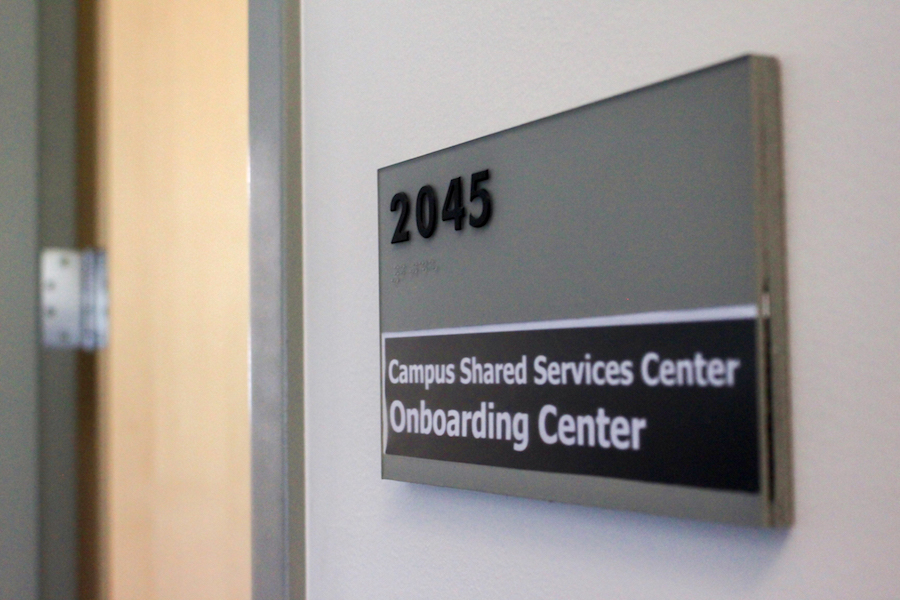
New UC Davis employees will now have an easier time with the onboarding process thanks to the recently-established New Employee Onboarding Center on-campus. Located on the second floor of the Transportation and Parking Services (TAPS) building, the center eases the stress for new, non-student UC Davis employees by offering onboarding services in a single location.

Originally, new employees had to complete their employment paperwork off campus at the Shared Services Center (SSC), request a parking permit at TAPS and pick up their employee ID at Dutton Hall.

“The main purpose of the new center is to create a one-stop environment where new employees don’t have to go to three different locations to be onboarded,” said John Mueller, SSC human resources operations manager.

At the New Employee Onboarding Center, new hires can complete paperwork, go over policies and procedures, print their employee ID cards and easily purchase parking passes on the first floor of TAPS. New employees are contacted by the SSC to schedule an appointment at the center.

After receiving positive feedback from the on-campus onboarding center for students located in South Hall, Sara Reed, the director of the SSC, wanted to create a space for new employees who may not be as familiar with the campus.

“Whether you’re staff or student, we want to make it easy for our employees, and this new onboarding center is just a step to make things simpler,” Reed said.

The center opened in December 2015 and was relocated to the second floor of TAPS in March 2016.

Melinda Van Nort, SSC human resources generalist, currently works at the new center and believes that it has positively influenced the new employee experience.

“[New employees] can come here, get all of the paperwork out of the way, get their ID and get their parking pass all in one whack, and then they can begin working,” Van Nort said. “It’s a lot more convenient time-wise, and we are able to give the new employee one-on-one service.”

With the recent opening of the New Employee Onboarding Center, Reed hopes to expand the center’s reach to student employees as well.

“It’s one of the efforts we’re working on to support the campus community,” Reed said. “The next efforts will be growing our services and continuing to refine student employment. We’re really trying to make it as easy and accessible as possible for all of our new employees.”

Written by: Emma Sadlowski – campus@theaggie.org

Pre-Week to prepare students for 102nd Picnic Day

ALEXANDRA FONTANILLA / AGGIE
ALEXA FONTANILLA / AGGIE

Picnic Day Pre-Week activities to include contests, cow milking and concerts.

UC Davis will hold its annual Picnic Day Pre-Week festivities from April 11 to 15 leading up to the 102nd Picnic Day celebration on Saturday, April 16. Each day, a new activity will take place on the UC Davis Quad from noon to 1 p.m.

“Pre-Week essentially is publicity for Picnic Day,” said Daisy Sanchez, a second-year political science major who works as the Picnic Day special events director. “Our goal is to have students and people come out and have fun.”

Picnic Day Pre-Week will begin on Monday with the Pie Eating Contest. The winners of this event can win prizes worth up to $75.

On Tuesday, students can watch UC Davis clubs and organizations compete in egg-and-spoon and potato sack races during the Student Organization Tournament. The winning organization of the tournament will be rewarded with a free MCAT, GMAT or LSAT course offered by the Princeton Review.

In Wednesday’s Cow Milking Contest, Davis Mayor Pro Tempore Robb Davis, chemistry professor Bryan Enderle and newly-elected ASUCD President Alex Lee will milk cows and compete to see who can collect the most milk.

On Thursday, students can watch UC Davis a capella groups, such as The Spokes, The Liquid Hotplates and The Afterglow perform on the Quad. Students can also write about their favorite Picnic Day activities on chalkboards.

Pre-Week will conclude on Friday with Beats & Blankets, a concert featuring performances by Whee The People and Samantha Sipin.

This year’s Picnic Day will celebrate student life and campus culture.

“Our theme this year is ‘Cultivating Our Authenticity,’ so one of the main things we want to focus on is what makes our campus authentic, which is the students,” said Alex Espos, a fourth-year political science major serving as Picnic Day’s publicity director.

Picnic Day will commence with a performance by the California Aggie Marching Band-uh! and speeches by Chancellor Linda P.B. Katehi and Lee. Over 60 student organizations will be tabling on the Quad, and there will be 13 food booths.

“[I like] the memories of Picnic Day,” said Pedro Alvarez, a third-year economics and Spanish double major. “There’s always this build-up that makes it stand out from all the other days. I really enjoy the environment, and everyone’s always so friendly.”

For more information about Pre-Week, students can visit the Picnic Day Pre-Week Facebook page.

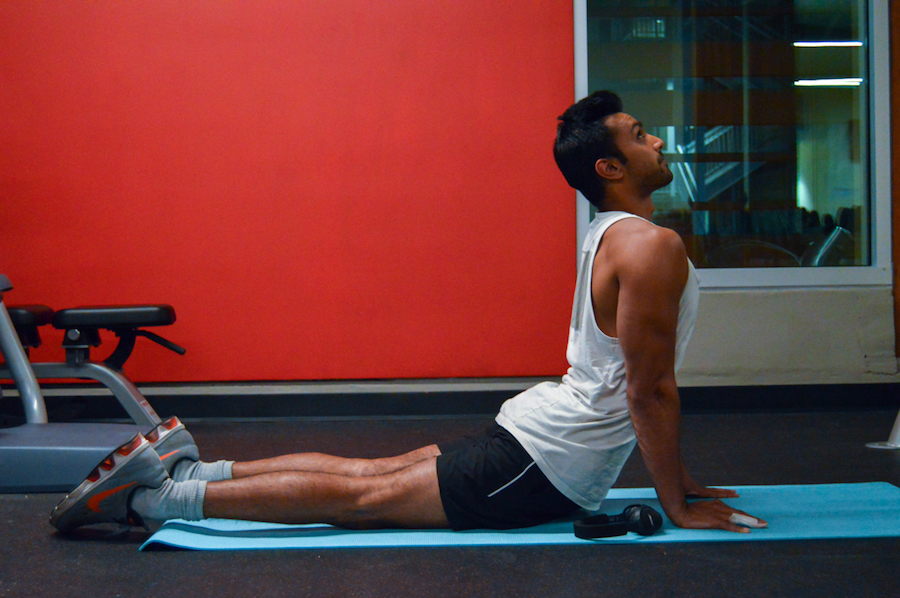
Free weekly yoga every Saturday in Davis Community Park

0
ARIEL ROBBINS / AGGIE

Local non-profit, Yoga Moves Us, helps build stronger communities by making yoga accessible to all

As of April 2, Yoga Moves Us has reached out to the Davis community in order to expand its mission to build happy, healthy communities and connect people who are inspired through the practice of yoga.

Yoga Moves Us is a non-profit organization, founded in July 2015, that supports the Yoga In The Parks (YITP) program. YITP was founded by Gina Garcia in 2009 in Sacramento’s McKinley Park.

“Our goal is to make yoga accessible by providing free yoga classes in our community parks, which allows every individual an opportunity to practice in their community regardless of their ability to pay,” said Zach Stahlecker, president of Yoga Moves Us, in an email interview.

Stahlecker has practiced yoga for seven years and has been an instructor for two years. He is an ambassador for the Lululemon store in the Sacramento Arden Fair Mall and teaches yoga at ZUDA Yoga Midtown and Padme Yoga Center, both located in Sacramento. Stahlecker is also a certified massage therapist and owns Sacramento Massage Studio.

“Yoga In The Park at McKinley Park was where I first found my yoga practice, and I felt I needed to give back. Over three years ago, I began volunteering my time at the park as an assistant. Eventually, I ended up teaching there and started a second Yoga In The Park in Tahoe Park, Sacramento,” Stahlecker said.

Stahlecker took over Garcia’s position for YITP in March 2015 and started Yoga Moves Us as the president to support and create funding for the YITP program. Even though all of the yoga instructors are volunteers, the nonprofit seeks to provide funding for park permitting, mats, insurance and facility rentals during the colder months. YITP accepts donations to supplement income from fundraising events.

Since March 2015, YITP has expanded to neighboring communities in Sacramento, Roseville, Folsom and now Davis.

Anais Foley-Kennedy, the park lead instructor for the Davis Yoga Moves Us, explained how much yoga has shaped her life and helped her manage changes, such as traveling for work and her recent pregnancy.

“My goal is to first serve the community and bring yoga and health awareness to a broader group of people, something that is very attainable to all levels. [It is important] to bring together a community of teachers from all around Davis, Fairfield, Vacaville and Sacramento so people here in Davis can experience a multitude of different types of yoga and spend time with themselves on their mats, just being and breathing, and knowing that just showing up on your mat is enough,” Foley-Kennedy said.

Throughout her journey of practicing and teaching prenatal yoga as well as instructing classes for students who have never practiced before, Foley-Kennedy has learned a lot about herself.

“While I was pregnant, I learned more about prenatal yoga and how I could no longer achieve certain poses. It was humbling in a way of learning more about myself and letting things go and to be content in the present,” Foley-Kennedy said. ”It’s been a cool journey over the many many years and I’m always learning. I don’t think I’ll ever stop learning in my practice.”

In addition, different teaching environments have taught Foley-Kennedy how to tailor her classes for different skill levels.

“I’ve learned that not everybody is going to be able to go into a downward dog, in pregnancy you shouldn’t. So you really have to change the way you teach based on what trimester people are in their pregnancy or different abilities in the park,” Foley-Kennedy said.

Dianna Welsh, a registered yoga teacher and volunteer for Yoga Moves Us, began practicing yoga when she was 16 and immediately fell in love with its meditative aspect, which helped her understand the strengths of her body. Welsh knew quickly after practicing that she eventually wanted to become an instructor.

“I think it’s really important as a teacher to still be a student. I still practice yoga everyday with other instructors. When I’m practicing yoga it’s for me, whether it’s for me to learn something from the instructor, or because it’s a practice that I love and it has served me so much,” Welsh said. “As a teacher I think it’s a whole different practice and I believe it is my job to provide a really open space for your students to really explore their own practice.”

According to Welsh, approximately 150 to 200 community members arrive each Saturday at McKinley Park to practice yoga. Yoga Moves Us welcomes people of all ages and no prior yoga experience is required.

“Yoga is expensive and can be intimidating, but when you’re in a park with a hundred people you can feel comfortable to do your own thing,” Welsh said. “I think it’s a really nice way for people to start their yoga journey and experience, because it is so open and so inclusive.”

The Davis YITP will take place every Saturday at 9 a.m. in the Davis Community Park, located at 1405 F St. Although YITP is free for all participants, donations are always accepted.

Written by: SHIREEN AFKARI – city@theaggie.org

Davis celebrates Cesar Chavez Day

ANH-TRAM BUI / AGGIE

Davis community celebrates life of Cesar Chavez, discusses social inequality

On Sunday April 3, the City of Davis celebrated Cesar Chavez Day at the Veterans Memorial Center at 203 E 14th St. The event featured Dr. Tonantzin Rodriguez, who spoke about health inequities facing minority groups, emphasizing the effects on the Latino community. She cited the work of Cesar Chavez as inspiration for her efforts.

The event also showcased a local resource fair with organizations including Clinica Tepati, Empower Yolo, the Latino Medical Student Association at UC Davis and the Yolo Interfaith Immigration Network.

The afternoon began with a prayer attributed to Cesar Chavez, titled “The Farm Worker’s Prayer.” Followed was a cultural presentation and a ceremonial dance by Danza Azteca Quetzalcoatl-Citlalli. Their performance showcased a living spiritual practice for indigenous Mesoamerican ancestry.

“It was really eye-opening for me to see something so different and just remarkable,” said attendee Mark Freeman.

The group ended with a dance around the room, with attendees joining in. After the performance, Davis Poet Laureate Andy Jones gave a tribute to Francisco X. Alarcón, a Chicano American poet from Davis who passed away this January at the age of 61. Jones spoke about the impact of Alarcón’s work on children and families in Davis.

“[Alarcón] was a friend to all poets and performers in Davis and Sacramento and beyond,” Jones said.

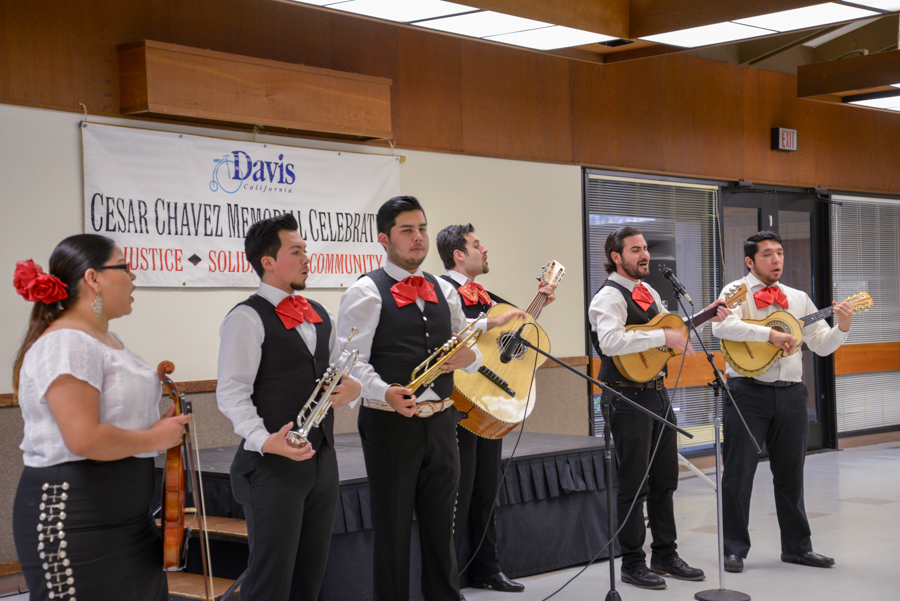
The next element of the program was a group called Mariachi Los Caporales, which consisted of undergraduate and graduate UC Davis students. The group intended to play four songs, but ended up playing an extra song because the audience loved the performances so much.

The program concluded with a speech from Rodriguez. In her speech, she explained that her parents were the ones to inspire her to fight for immigrants.

“It became a passion of my parents to fight for farm workers’ rights and they marched alongside Cesar Chavez to fight for those rights,” Rodriguez said.

In her research, Rodriguez wanted to find out why certain groups of people are affected by certain diseases.

“In the field of public health and medicine, there’s something called the social determinants of health […] things like healthcare access, socioeconomic status, your environment and your racial and ethnic group. All of these social factors play a role in determining the health and well-being of a person,” Rodriguez said.

Rodriguez ended her talk urging the audience to fight for equality in education and health in any way possible. The event celebrated the life of Cesar Chavez by bringing community members together to learn more about Latino culture and contemporary organizations who continue to fight for immigrant rights.

Written By: Mashal Ayobi – city@theaggie.org

Sacramento Public Library hosts Local Authors Festival

LAURA KOIVUNEN / COURTESY

Family-friendly event connects local authors, community

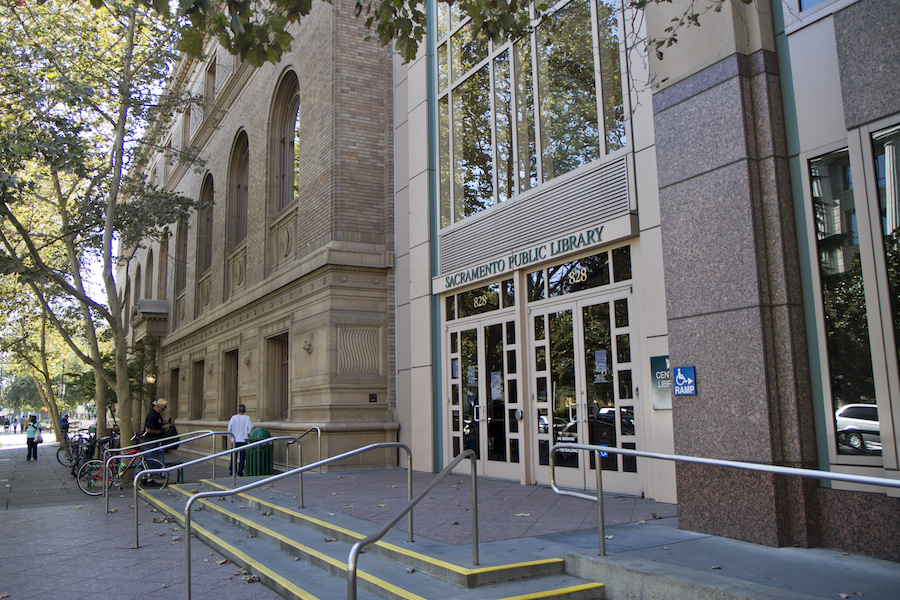
On Sunday, April 10, the Sacramento Public Library will be hosting the second Local Authors Festival at the Tsakopoulos Library Galleria in the Central Library, located at 828 I St. in Sacramento. The event will take place from noon to 3 p.m. and is meant to bring together local authors and the community for an afternoon of fun and learning.

This year, the featured keynote speaker is Kim Stanley Robinson, a Davis resident and renowned science-fiction author. Robinson has won many awards, including the Hugo Award for Best Novel and the Nebula Award for Best Novel.

The festival will showcase authors from the region who have published books within the last two years. The event is free and authors from a wide variety of genres will be represented.

Last year, the festival showcased forty-three authors and attracted over three hundred attendees.

“There’s so much talent in this area but they aren’t all national name brands,” said Cathy Crosthwaite, programming and partnerships coordinator at the Sacramento Public Library.

UC Davis PhD student JaNay Brown-Wood, the author of a children’s fiction book titled “Imani’s Moon,” will be at the festival.  She was also featured at the Local Authors Festival last year and explains that she enjoyed answering questions and meeting other authors as well as members of the public.

“It was very welcoming, it felt wonderful to be in the same room with lots of other wonderful authors who were writing and creating stories just as I was,” said Brown-Wood.

Another author who will be featured at Sunday’s festival is Maggie Newcomb, who wrote “Chocolate Pudding in Heaven: The Intriguing Journey of My Bipolar Mind.” Maggie is a UC Davis alumni;she studied international relations. Her book is a memoir that provides readers with a glimpse into the world of mental illness. She said that during her four years at UC Davis, she learned to cope with bipolar disorder.

“Going to Davis was just great for me. It was a wonderful community […] it helped me restore my confidence,” Newcomb said.

The Local Authors Festival will begin with a conversation facilitated by author Kim Stanley Robinson; attendees will then have the opportunity to meet with local authors as well as purchase signed copies of their works. This portion of the program will take place in the Galleria. Attendees are encouraged to register early order to secure a seat for the keynote portion of the program.

Written by: Mashal Ayobi – city@theaggie.org

Let’s talk about sex, shall we?

0
MARISSA MEIER / COURTESY

Sexual health and assault highlighted by on-campus campaign.

UC Davis is made up of student voices and perspectives often used in the creation of campus clubs, governing bodies and campaigns. Of particular note is the increasing advocacy in recent years for sexual assault prevention and sexual health on college campuses, which serves as the emphasis for April’s “Let’s Talk About Sex” campaign.

The campaign’s goal was to raise awareness about the way students learn and obtain information about varying forms of sexual health, and was created by ASUCD in association with the Student Campus Climate Review Team (SCCRT), Students Against Sexual Violence at UCD (SASV), Sexual Assault Awareness Advocacy Committee, Gender and Sexuality Commission and a multitude of other UC Davis organizations and offices.

This campaign intends to promote healthy sexuality by discussing consent, sexual health, how sex is discussed in specific cultures and communities, and ultimately breaking the stigma of sex being a taboo topic in our society,” said Georgia Savage, a third-year political science and gender, sexuality and women’s studies double major.

Savage, who was elected to ASUCD Senate in fall 2015, has prioritized sexual assault prevention throughout her time in office.

“We were reminded that each community discusses sex and sexuality in very different ways while navigating different dynamics and stereotypes that exist in these spaces,” Savage said. “Therefore, this campaign has evolved into a month which attempts to include all groups and discuss all aspects of health and safe sex.”

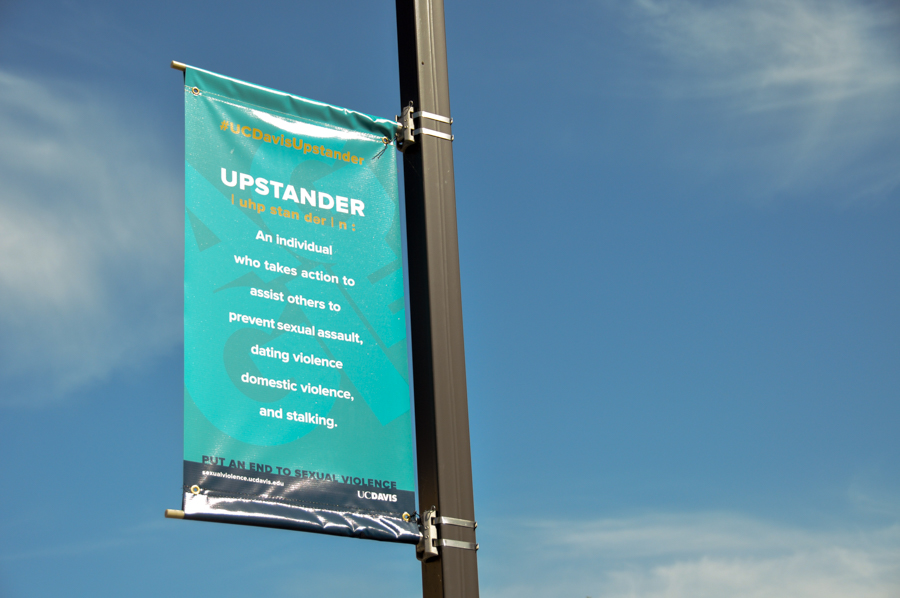
In order to stop sexual violence at UC Davis, students can do their part by being what the campaign refers to as an “upstander,” a student who takes active steps to ensure that all forms of sexual assault are stopped in daily life.

Strategically, Let’s Talk About Sex month and Sexual Assault Awareness Month (SAAM) both take place in April. The planners of Let’s Talk About Sex will host events every weekday throughout the month, such as craft-making, concerts, workshops and discussion spaces.

“The events are very diverse,” said Ariella Cassell, a third-year history major, vice president of SASV and vice chair of SCCRT. “Some are more creative and allow students to express their views on safe, consensual sexual practices while others are more informative and aim to educate students on these two salient topics.”

Both of the topics — sexual assault and sexual health — combat the sexual culture on college campus settings. Whether that culture is held in a positive or negative light, the campaign has made it clear that nothing is left off the table.

“Sexual assault is a great issue on our campus that plagues thousands of students at UC Davis every year,” Cassell said. “We are hosting a multitude of events that aim to raise awareness of this issue as well as provide a space for different communities to discuss ways in which sexual assault affects their individual communities and the intersectionality that exists for survivors that are members of multiple communities.”

According to the National Sexual Violence Resource Center, one in five women are sexually assaulted in college, and more than 90 percent of victims do not end up reporting the assault. While all genders are affected, those that identify as transgender, genderqueer, gender non-conforming, questioning and other genders experience a disproportionate amount of non-consensual sexual contact.

On the other hand, sexual health entails a wider variety of topics that are often considered taboo or uncomfortable for conversation. According to Yumi Temple, second-year international relations and history double major and LTAS volunteer coordinator, the goal is to break the out-of-bounds mindset people have about sexual health in order to properly educate people about sex and sexual contact.

“It’s about doing away with a lot of taboo and stigma with sexual activity,” Temple said. “We want to get people talking about it in our community and other cultures outside the Davis community as well.  Asking questions like ‘How do you talk about the realities carefully and wisely with others?’ It’s all about having open dialogue about having sex safely.

The campaign has not only sought to create transparency, but also to inform students what they can do to stay safe and healthy. Victims are encouraged to use the resources and support available to them including the University CARE Advocate, Student Health and Counseling Services and the Women’s Resources and Research Center.

“I believe that the only way that these issues can be improved is by talking about them,” Savage said. “The safety and well-being of all students should be a concern of everyone on this campus. In addition to information about these topics, we hope to spread awareness about the resources available to students on and off campus surrounding many of these issues.”

Written by: Alan Castillo — features@theaggie.org