57.2 F
Davis

Davis, California

Monday, December 22, 2025
Home Blog Page 501

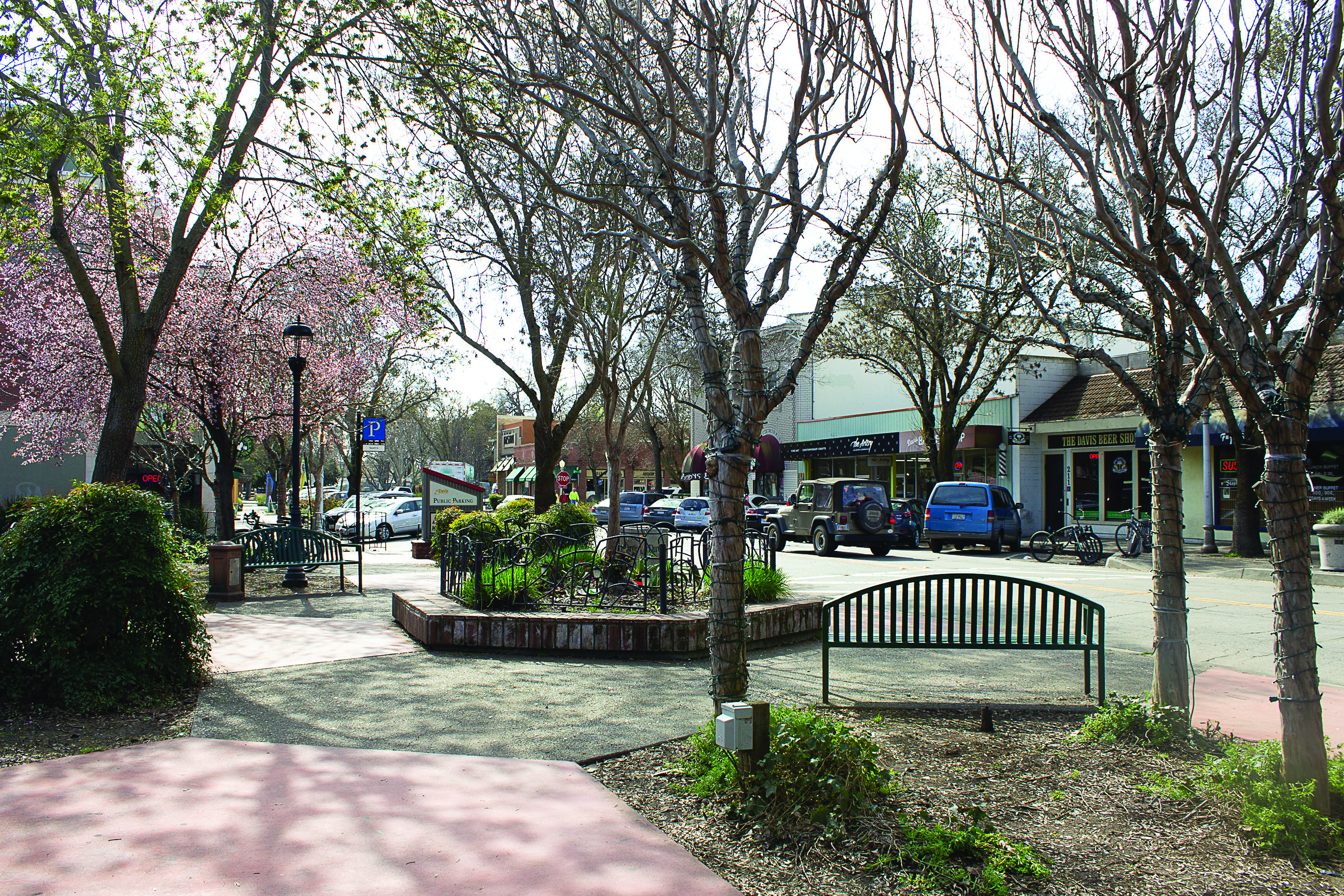
Best food spots in Davis

0
ALEXA FONTANILLA / AGGIE

Hit up these spots to eat, meet new people or just hang out

Davis has attracted people from a myriad of cultures and ethnicities, uniting different people and cultures together in one city. This melding of different people from different cultures means tons of different foods and cuisines to explore within Davis.

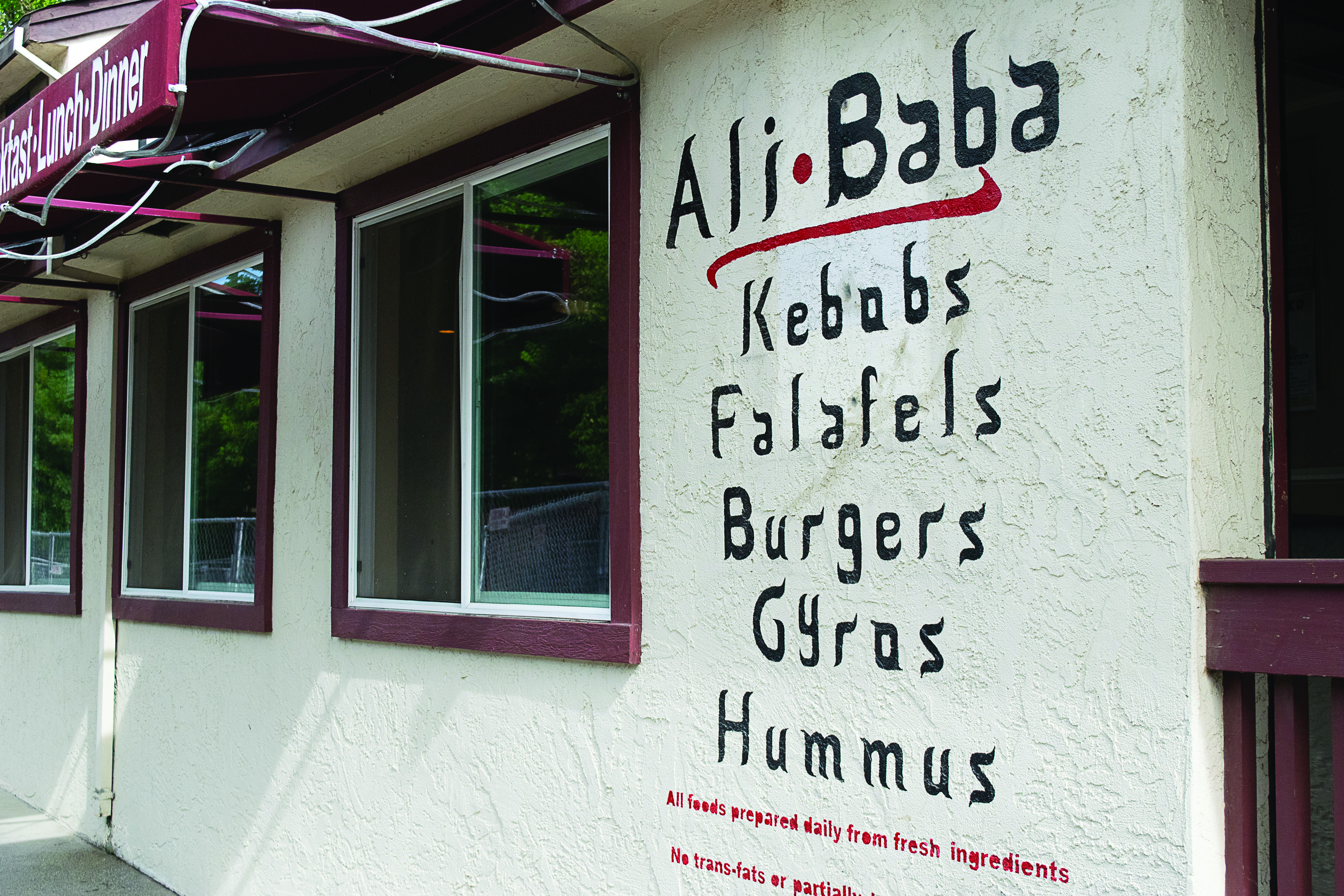
Perhaps the most convenient, cheapest option is AliBaba, a Middle Eastern-Mexican-American fusion restaurant on 3rd and A streets. Owned by Ali Moghaddam, AliBaba serves up everything from shawarma to burritos to burgers. It’s located right next to campus across from the Death Star and has cheap, delicious breakfast burritos that are served hot and ready within 10 minutes of being ordered. It’s a convenient place to grab a bite right before or between classes, and the friendly workers and owners make it even more of an attractive option.

“AliBaba came just as a result of everything I wanted to eat and create,” Moghaddam said. “I love Mexican food, I love burgers and things like that, so I just put it together with my own food, shawarma and beef, and I tried to make something tasty and different.”

One of the best Indian spots in Davis is Preethi Indian Cuisine on 2nd and G streets. Preethi serves Indian comfort food, giving customers dozens of options for curries and vegetable dishes, along with a variety of naan and rice dishes to complement it. Though it is a casual spot, Preethi has more of a sit-down atmosphere, so come here if you have some time to kill, or if you’re looking for a feast with some friends.

“[Preethi is ] our favorite restaurant in Davis,” said Justin Cupp, a third-year engineering major. “Go for the lunch buffet, as dinner portions are pretty small, and it’s fun to try a variety of dishes. It’s a great family-owned and operated restaurant.”

And of course, any list of Davis’s frequented snack spots would not be complete without a mention of Teabo. Though there are nearly a dozen different boba spots in Davis, Teabo’s late-night hours — it’s open until 2 a.m. — and its hot and fresh food place it a rung above the rest. The warm atmosphere, steady chatter, wide selection of board games and mouth-watering scents all make this a Davis staple. If you’re ever in need of a snack late at night, or you want a place to just hang out with your friends, Teabo is definitely the place to visit.

“Teabo remakes every drink — if you don’t like it, there’s always special seasonal drinks, and the thai fries are bomb as hell,” said Rose Kim, a barista at Teabo and a fifth-year theater major. “Teabo has food past 12 and we close at 2, so it’s just a place for people to go after the bars or parties or concerts. Hit us up!”

These spots are only a point to jump off of — Davis is an amazing, diverse place, with tons of restaurants and hang out spots. Feel free to explore them, try new things and learn more about the city and the people you share it with.


Written by: Ahash Francis — city@theaggie.org
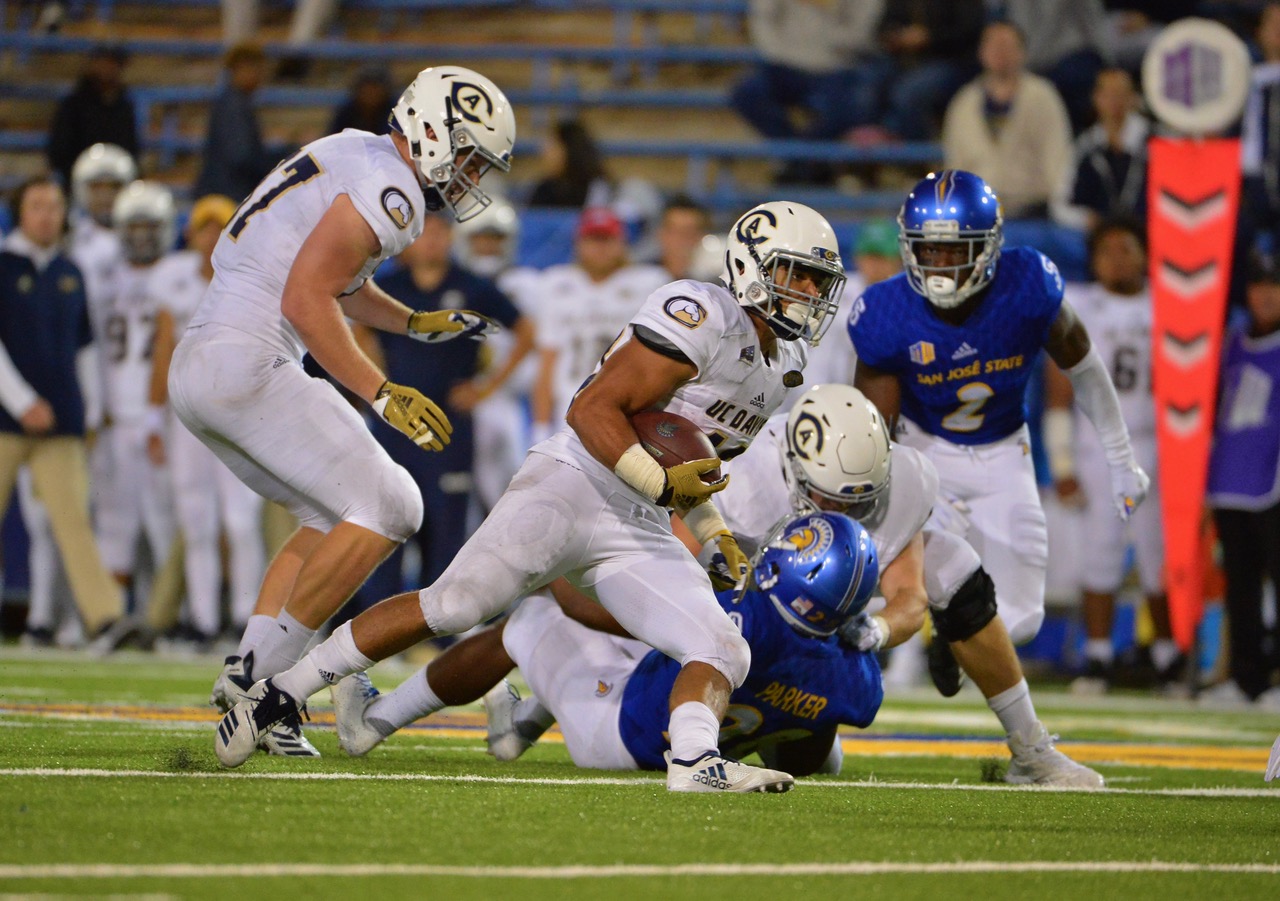
 

UC Davis Football: 2018 season preview and game 1 recap

ULONZO GILLIAM

Aggies start new campaign off on right foot

As we approach the final stretch of summer break in Davis, college football programs across the country are wrapping up their respective training camps including the UC Davis Aggies.

Last season was the program’s most productive offensive output since UC Davis entered the Big Sky Conference in 2012. The offense seemed to find a sweet spot with the Long Beach City College transfer Jake Maier, who led the Big Sky Conference in passing yards –– averaging 348 per game.  Maier complimented a new coaching staff that implemented an entirely new offense.

In  offensive coordinator Tim Plough’s view, the team is chugging along, hitting the goals they had in mind at the outset of their training camp, which began in early August.

“Number one goal is to always stay healthy,” Plough said as the team wrapped up their Tuesday practice a week before the Aggies’ season opener. “I think we’re doing a good job with that. Coach [Jeff] Bourque and his staff is taking care of our guys in the weight room.”

“[The] second goal is to always try to increase our tempo, go as fast as we can. The third goal is try to develop more players, as many guys as possible. I feel like we have a larger number of guys that can make plays for us this year, and that’s exciting.”

With high expectations to perform at the same level, there is no doubt more pressure to continue the trend. But if you ask the coaches and players, they don’t let the hype interfere with their training and performance.

“It was really great last year when we got recognized for all that,” Plough said. “But we stress a lot here that the results don’t matter.”

“There has been more expectations obviously this year,” Plough added. “But we’re going to do our best to try to ignore the noise and just focus on ourselves and trying to get better every day.”

However productive the Aggie offense was, it failed to put the program over .500, starting off Coach Dan Hawkins’ first year at the helm with a losing season (5-6, Big Sky 3-5). The program was not terribly far off though, and if last season was any indication of the performance to come, the Aggies seem to have been invigorated. UC Davis couldn’t scrape together more than three wins in each of the previous three seasons. The last time the program crept into .500 territory was 2010, when UC Davis football played in the Great West Conference, the Aggies came out with a 6-5 overall record.

Leading the Aggies’ offensive charge last year, Maier is confident of the progress he and the team has made throughout the training camp.

“I’m proud of it, I think we’re making strides everyday, that’s the most important thing,” Maier said. “But there’s always so much to improve on, we’re a long ways away, so we’re going to try to clean up all the minor things are going to put us over the top.”

Making sure the offensive unit is cohesive was a point of emphasis for Maier throughout the camp.

“We always talk about communication, making sure we’re communicating and all on the same page,” Maier said. “When we play fast and play with good tempo, we’re communicating, then we can really limit our own mistakes with that. It’s like the old saying: a lot of the mistakes were made before the ball is even snapped.”

And it all goes back to the idea of a fast paced offense, a key element to the redesigned attack. Plough stressed that when the offense can play with an increased tempo, one that could outpace a defense, the offensive results will follow. He admitted that he wants the Aggies to be the “fastest team in the conference.”

“Explosive pace: if we’re getting runs of 10 yards or more, passes of 20 yards or more, we want to have more of those than the other team we’re playing,” Plough said. “We want to be great on third down in the red zone and converting.”

Maier is obviously not the only factor on offense. The Aggies feature a deep receiving corps, where the majority of the student athletes are relatively young. Of the 15 wide receivers listed on the UC Davis football roster, two are seniors, three are juniors, four are sophomores and six are freshmen (of which two are redshirts). As for the four tight ends: two juniors, a sophomore and a freshman.

The air game found a major boost last season in senior wide receiver and NFL draft prospect Keelan Doss, who averaged 137 receiving yards per game and racked up 1,499 total yards. Doss spoke on how he felt about progress made in the training camp.

“I feel like we’re night and day better than we were last year at this point,” Doss said.  “Just the second year [with] new coaches, staff and having the players together, you can really see the leaps and bounds from this year to last.”

Doss found that he had a decision to make at the beginning of 2018. His historic performance in the 2017 season boosted his potential to play at the professional level. Ultimately, Doss decided to stay at UC Davis and play out his senior season with the Aggies.

Doss believes it will help him develop parts of his game before pursuing a career in the NFL.

“There are things I could work on for my game that I feel like the improve on. Also I just wanted to come out here and help the Aggies for another year and really set this program off right. I’m glad I made the decision and I won’t regret it no matter what happens.”

Another pass-catcher that shined in 2017 for the Aggies was junior tight end Wesley Preece, who racked up 568 total yards and led the team with nine touchdowns.

Junior wide receiver Gabe Martinez played his freshman year and was redshirted for his sophomore year. The 6’7” pass-catcher could be another offensive weapon added to the Aggie air game.

“We’ve got a lot of ballers man,” said Maier. “The wide receiver position, we’re really deep and young and talented. For me, it’s just really getting that trust on the field. Those everyday reps and team scrimmage reps are really important to me just because I can be able to see who I can trust in certain situations.”

Maier will also have to trust his offensive line, which is on the younger side as well. With the exception of seniors Will Martin and Ramsey Hufford, there are no upperclassmen down in the trenches.

For Plough, it’s all part of the development process.

“I think a positive for us is that we get Will Martin back at Center,” Plough said. “That’s always important to have a guy there that’s played, it’s a little more nervous when you have a younger guy there.”

As for the tackle and guard spots, nothing is yet set in stone. Plough says that the competition for those positions will bring about “some new faces.”

For Plough, this is all part of the process of development that comes along with taking over  a football program and moving it in a different direction

“I think whenever you come to a new program like last year with Coach Hawkins, you’re going to be building a program up from the ground up,” Plough said.

While the offensive line never gets the attention that wide receivers or running backs get, it is usually the foundation for a great offense. Coaches understand the importance of giving a quarterback time and solid protection, and the option to create space for the ground game.

“It’s going to start from the [offensive] line, we’re going to keep bringing in more guys there and try to build that process to be a more physical team,” Plough offered. “There will be some youth, but the exciting thing is if we can build that youth, the years to come will be solid.”

With only six seniors on the other side of the ball, the defense has a relatively young pool of players as well. Defensive coordinator Robert Tucker feels that a simplified practice regimen has helped the younger defense hone in on some important skills.

“We believe less is more,” Tucker said. “So we’ve given them a little less to think about so they can play faster and play with more vision, and play with a little more confidence.”

Tucker noted that the key position to watch on the defense this year will be outside linebacker, with a trio of seniors Mason Moe, Anthony Baumgart and Ryan Parenteau.

Parenteau, who played in the defensive backfield in previous seasons, will start his senior year as an outside linebacker, reported Tucker.

The lone senior on the defensive line, Terrell Cloud, recorded five sacks last year, and is another key position for the defense this year, Tucker says. Tucker reported that junior defensive lineman Jordan Franklin performed well throughout the training camp as well.

In the secondary, Tucker’s players to watch for are senior defensive backs Vincent White –– who recorded 49 tackles, two interceptions and two forced fumbles last year –– and Isiah Olave (recorded 47 tackles last year).

“Defensively we were working on our situational football,” Baumgart said. “We know that that first drive of a game and first drive coming out of half time is very important, as well as closing out right before half and closing out the game. So we’re working on situational football to make sure we understand what’s on the line during those times. And we want to be good on third down.”

The Aggie defense allowed 249 passing yards per game, which was sixth in the Big Sky Conference; opponents rushed 209 yards per game on the Aggies, coming in at 11th in the Big Sky Conference. On third-downs, the Aggies allowed opponents to convert at 38 percent, eighth in the Big Sky Conference.

Baumgart believes the defense is ready, but knows a challenge is ahead.

“First three games we’re feeling good. We feel that every game this season is going to be a challenge, let alone the first three. Teams out of our conference are great as well.”

Baumgart added in some of his keys to winning on the defensive side of the ball.

“We have to force turnovers and be good on third down,” Baumgart said. “And that’ll just help us get the ball back to the offense, so that gives us the best chance to win.”

Doss and the offense are also ready to go against San Jose State.

“I’m excited we’re at right now, we have a game [at San Jose] so I think we’re ready and we’re looking forward to it.”


*******************************


The UC Davis football team pulled off a thrilling upset of host San Jose State in Thursday night’s season opener, dominating their opponent for much of the 44-38 slugfest at CEFCU Stadium.

          The victory marks the first time the Aggies have taken down an FBS opponent since their 14-13 win over San Jose State in 2010, an indication of how far the program has come in such a short period of time under second-year head coach Dan Hawkins.

          This marathon of a game began with an exhilarating first half in which the teams combined to score 56 points in the opening 21 minutes of play. Only two possessions during that time span eclipsed the two-minute mark, as each side raced up and down the field at a frantic pace. Hawkins referred to it as “basketball on grass”.

“I think time of possession is the most overrated stat in football,” Hawkins said.

Amidst the madness, UC Davis amassed 453 yards of total offense to build a 35-21 halftime lead. The Aggies utilized a lethal up-tempo, no-huddle attack that constantly left the San Jose State defense guessing and struggling to get set before each play.

“Our goal is to always play fast and keep our opponent off balance as best as we can.,” said junior quarterback Jake Maier. “We want to run as many plays as we can. The faster we play, the better we are.”

The offensive play calling, through a combination of quick completions to the outside and a bruising running game led by redshirt freshman running back Ulonzo Gilliam, was effective in getting the Aggies into a rhythm and keeping the Spartans off-balance. Just when San Jose State wasn’t expecting it, Maier would punish them with deep completions over the middle of the field.

Maier was able to spread the ball around to nine different teammates, including 2017 All-American and Walter Payton Award finalist Keelan Doss who had 11 catches for 85 yards. Gilliam was also extremely active coming out of the backfield, with eight catches for 59 yards and a touchdown. Sophomore wide receivers Jared Harrell and Khris Vaughn and redshirt freshman Carson Crawford all made big plays down the field, combining to grab 11 balls for 208 yards and a touchdown. Junior tight end Wesley Preece also added three long receptions for 75 yards and a touchdown.

“That’s one of the most talented groups on the team,” Maier said. “They worked really hard in the offseason to get extra work and it really paid off tonight.”

With the Aggies sitting on a lead for the entirety of the second half, Maier fell just 13 yards shy of setting a new career high in passing yards for a single game. He finished with 446 yards through the air on 37-of-55 passing.

Gilliam, playing in his first collegiate game, had a monster breakout game for UC Davis by running for 132 yards and two touchdowns on 23 carries. He was a physical runner between the tackles and elusive in the open field, shedding numerous defenders and extending runs with quick cutback moves.

“When he gets in open space, he’s a problem and is tough to tackle by yourself,” Maier said. “It’s no secret why certain guys had awesome games today. It all goes back to the work they put in during the offseason.”

Gilliam was a perfect complement to the Aggie passing game, providing a nice change of pace to keep San Jose State honest on defense.

“He’s really a tough kid and can make people miss in space,” Hawkins said. “I think good running backs get better as the game goes on and he did that.”

Despite what the scoreboard may indicate, the UC Davis defense played quite well for a large portion of the night, especially in the first half. The front seven, particularly the defensive line, was relentless in its pursuit of San Jose State’s three quarterbacks, flushing them out of the pocket and forcing tough throws. They applied lots of pressure on critical third down situations, forcing six punts.

“We have a lot of guys that we trust can play, so we were able to keep everyone fresh and roll guys in and out,” Hawkins said. “Our coaches did a nice job mixing up the defenses and the stunts to keep them off balance.”

The secondary also started hot, allowing just 109 yards through the air before halftime and breaking up numerous passes all over the field.

“I think at times we were consistent, but we definitely had some mistakes that just can’t happen,” said junior defensive back Tiger Garcia. “We could’ve made this a lot easier on ourselves and we just have to be more disciplined.”

          With the exception of a safety committed by San Jose State on the first play from scrimmage, the action really slowed down in the third quarter. The UC Davis offense suddenly went silent, struggling to move the chains on third downs and hurting themselves with four penalties.

          “We have to be able to close the door on teams and tonight we kind of let them hang around,” Maier said. “At the end of the day, you’re on the road and playing a good opponent so we’ll take a win by any means necessary.”

Both teams traded punts back and forth until the Spartans converted on a 29-yard field goal with just over two minutes remaining in the quarter. After a quick three-and-out by the Aggies, San Jose State immediately found the end zone on a 79-yard touchdown reception to cut their deficit to six points at 37-31.

          UC Davis quickly countered with a six-play scoring drive to start the final quarter, capped off by an 18-yard touchdown reception from Gilliam.

          San Jose State responded by marching down to the red zone, but the Aggie defense came up with its biggest play of the night when redshirt freshman linebacker Montell Bland recovered a fumble on the 11-yard line. Unfortunately, Spartan sophomore running back Tyler Nevens was injured on the play and had to be carried off the field on a stretcher after a long delay. He was immediately taken to a local hospital for further care.

          With just over three minutes remaining in the contest, the Aggies handed the ball back to San Jose State with a 13-point lead, following a missed field goal from 33 yards out. The Spartans made it 44-38 with a 17-yard touchdown catch at the 1:24 mark, but were unable to recover the ensuing onside kick. The Aggies finished the game in victory formation for the final three plays.

Gilliam originally started the scoring with a five-yard touchdown run, finishing off a near-perfect 75-yard opening drive. On the next Aggie possession, San Jose State grabbed an interception out of the hands of Preece and returned the ball all the way down to the goal line, before scoring a touchdown on the next play. They took their first and only lead of the game on a two-yard touchdown run four minutes later.

The Aggies proceeded to rattle off the next three touchdowns, including two in the span of 90 seconds to start the second quarter. Preece hauled in a contested 22-yard catch over the middle and Harrell caught a 49-yard bomb to open up a 28-14 lead.

San Jose State instantly answered with a six-play scoring drive. Then, UC Davis responded when Crawford recorded his first career touchdown on a nine-yard run. Neither side put points on the board for the final nine minutes of the first half.

The Aggies will open their home slate on Saturday night against the University of San Diego. The game kicks off at 7 p.m. at Aggie Stadium. On September 15, UC Davis will travel to Palo Alto to take on the Stanford Cardinal in the final non-conference game on the schedule.


Written by: Bobby John and Brendan Ogburn — sports@theaggie.org


Get to know your Davis politicians

0
JONATHAN HSU / AGGIE

An understanding of Davis City Council 

While Davis is a quaint college town, the city has a lot to offer in terms of local government. Students may be in their own bubble on campus, but it is important to be aware of what goes on around the city as well. Outside of dorm life, issues like housing can affect students in many ways, and students can be involved to spark different conversations and contribute their voices to the city council.

Robb Davis

Mayor Robb Davis has been mayor for two years and will be finished with his term by this July. He noted that the city has allowed him to be involved with the community, as he collaborates with a number of colleagues to set policy.

“The city council selects the mayor, and I have been mayor for two years,” Davis said. “On the one hand, I don’t get to set policy any more than my colleagues. We set it together. I work with staff to determine meeting agendas, [and] it is my responsibility to enable the decision-making process. Beyond that, there is a lot of representing the city at a variety of events, whether it’s speaking at public meetings where people are upset or angry about something that has happened — like a hate crime or meetings with children at elementary schools — or scouts to talk about what local government means.”

Davis acknowledged that the citizens are very involved with the city.
“I think the engagement of the citizenry and local government is really admirable,” Davis said. “I think people get really engaged, and we have a thriving democracy. People volunteer their time to sit on city commissions to advise the city council. There’s a broad community participation, and I think that’s a strength.”

In addition, the city’s water, bicycling and park networks are important aspects of the community that Davis proudly emphasized.

“We have one of the best bicycling networks in the country and our water, and wastewater infrastructure is very updated,” Davis said. “We are a pretty resilient community in that sense. We have an extensive network of parks so that people in their neighborhood have chances to be active.”

Not only does Davis do a lot of representation for the city, but he also assists others in understanding the logistics of future plans.

“I do a fair bit of writing and more technical speaking to interest groups to help them understand the challenges of the city and how we’re approaching to solve them,” Davis said.

Davis included that he does his job in efforts to help the city thrive in a healthy manner.

“I think that any of us that get into this role do it because we want to help the city become a healthier place — a place where people feel safe and secure,” Davis said. “We have really outstanding services for the community, and our goal is to make sure that public safety is taken care of. That’s inspiring because we get to participate in decisions that we believe collectively will advance to goodwill for the city.”

Brett Lee

Brett Lee, the mayor pro tempore of the City of Davis, will be the city’s official mayor this coming July.

“Essentially, I’m a mayor in waiting,” Lee said. “In July, I will become the mayor. So what happens is that the top vote is designated as pro temp for the first half of their term, and the second part of their term, they become the mayor. I will be the mayor for two years as the last years of my city council term.”

Lee wants to bridge students with the city more by providing them with more social accommodations.

“I look forward to working more closely with the university on a variety of issues,” Lee said. “I think we can make the town even more accomodating for students and provide them with more social activities — not necessarily revolving around the bar scene, as the majority of students are under the age of 21.”

Furthermore, Lee praised Davis’ environment and its welcoming community for students in particular.

“I think Davis is a fairly welcoming community,” Lee said. “From the student perspective, I think students are well received by the community. I think that the students will find that the neighbors are fairly nice, and as a community, I think there’s some nice things to do in Davis. We have some good movie theaters and restaurants that are pretty student-oriented.”

Lee also addressed the housing crisis in Davis, and he hopes to alleviate the stress of finding a place to live.

“I do hope to improve the availability of apartments for rental housing,” Lee said. “I think — in terms of what students might see — about a year ago, we passed a renters resource ordinance, and the idea is that it’s supposed to address the concerns of landlords and neighbors. In practice, this means that there will be a greater understanding of rights and responsibilities and the city will provide resources to help resolve any issues should things not go accordingly.”

Lucas Frerichs

City councilmember Lucas Frerichs summarized what it is like to hold a job on the council to the Davis Enterprise.

“If someone has an issue […] to go out there and be responsive to it, I think fundamentally that’s what our job is all about,” Frerichs said.


Written by: Stella Tran – city@theaggie.org

What do professors do during summertime?

DUANE KOUBA

Summers are spent working, traveling, giving back to the community

Summer in Davis can be spent playing sports outside, learning new skills, traveling, hiking, performing research, playing music or taking classes. Some UC Davis community members may be wondering: what are some of our favorite professors doing when school is out?

Gwen Arnold, an assistant professor in the Department of Environmental Science and Policy, has some time this summer for travel, writing and research.

“So, for me, the summer is about catching up on all the research that got put on hold while teaching!” Arnold said in an email interview. “It’s possible to get research done while teaching, but never as much as you’d hope. And for those of us who don’t teach in the summer, it’s a time to dig into work without having to take as many breaks for meetings with students or with other faculty, both of which are scarcer on campus in the summer.”

Arnold plans to spend a few weeks during the summer visiting colleagues and family in Europe and has set aside a week to write academic papers during a cabin retreat. Arnold plans to visit Ohio, West Virginia and Pennsylvania to interview community stakeholders about governance during the boom and bust cycles of the fossil fuel extraction economies.

Duane Kouba, a senior lecturer in the Department of Mathematics, enjoys spending summer playing basketball and teaching. Kouba coached on the UC Davis basketball staff for 18 years and has spent the last several summers promoting basketball participation in Filipino youth.

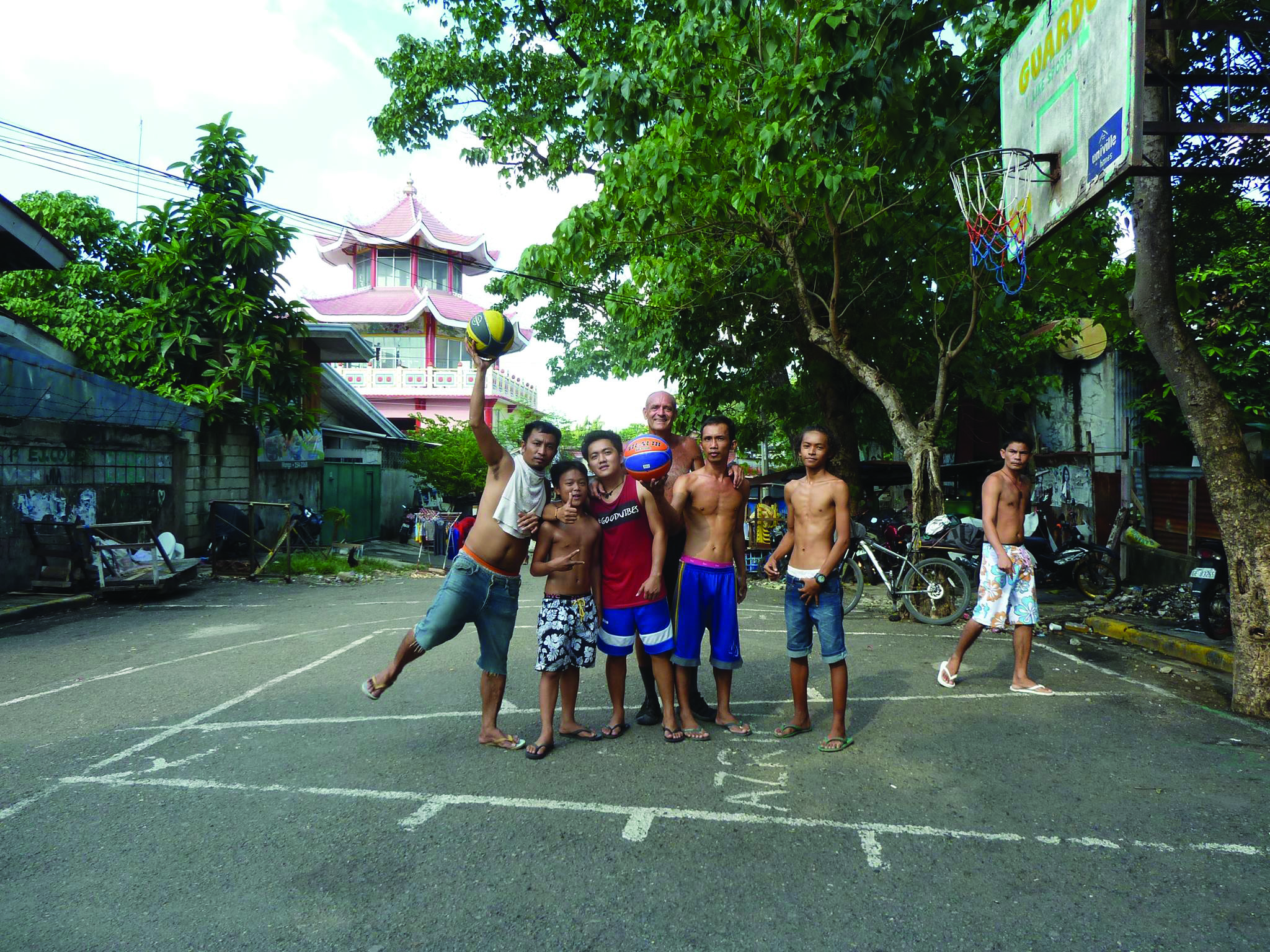
“My latest charity in the Philippines is to give away basketballs to children, youth, and adults in very impoverished neighborhoods in Cebu City,” Kouba said in an email interview. “I have spent time each summer in the Philippines for the past eight summers. I swim, bike, and play lots of street basketball, where I meet so many others who share my passion for basketball. It’s been my pleasure to give away hundreds of basketballs to my Filipino and Filipina friends there. It serves to lift their spirits as well as mine.”

Kouba has worked with programs such as COSMOS and SASP, teaching mathematics to middle and high school students in the Sacramento and Davis area. For a couple summers, Kouba taught mathematics to Vietnamese students at the middle school and high school and Filipino students at the university level.

Some professors and lecturers remain on campus to teach summer courses for students in Davis. Arnold and Kouba may be spending this summer away from teaching UC Davis students, but their time will be spent on valuable research and enriching travel experiences.


Written by: George Ugartemendia — science@theaggie.org

How to find second-year housing

VENOOS MOSHAYEDI / AGGIE

Be prepared and know your resources when apartment-hunting

Transitioning to off-campus housing after a year in the dorms is difficult. In the dorms, staff clean the common areas, dining commons provide hearty meals, and an RA lives right down the hall. This adjustment is made more difficult by the fact that students have to find housing and people to live with all on their own, then navigate rental agreements, security deposits, bills and transportation to and from campus. After all, many freshmen will be going home-hunting blind with no experience, stepping into the world of monthly rent and maintenance calls and “wait, PG&E and water are separate things?”

Thankfully, you don’t have to do everything on your own. UC Davis has many resources for first-time students moving out of the dorms. The university coordinates an Off-Campus Living program each year in the dorms to educate students on some of the ins and outs of off-campus living such as signing leases, budgeting, financial aid and handling roommate conflicts.

“Winter quarter is the time we hold a number of these events,” said Brandon Petitt, the director of the office of student development, in an email interview. “The apartment meet event is an opportunity for current residence hall students to meet potential new roommates or others who want to branch out, find someone new, and keep their options open.”

ASUCD Housing Day is another event useful for apartment seekers, in which local complexes come to campus to advertise and provide leasing information. While this happens in January or February, there are plenty of information resources all year round. There’s the Davis Housing Guide, available in the Student Housing Office, and the Community Housing Listing, a database for students and Davis community members.

You can also look to social media to find both housing and housemates. There are several dedicated Facebook groups created for and by students for finding and advertising potential roommates, rooms, apartments, and houses. This may be particularly useful if you don’t yet know many people in Davis or started searching late. As with all social media though, the key is caution. Talk to your contacts, discuss expectations, costs, and lifestyles, and make sure to meet them in person before you sign a lease. You’re throwing the dice when you choose to live with a stranger; it could be a wonderful surprise or just a surprise, period.

“I would recommend that they start with the students they have already met in the community,” Petitt said in an email interview. “I also think it’s important to decide on what type of living environment you want to live in, find the students who share the same needs and then act as soon as you can. Students who procrastinate on any of those fronts may find themselves settling for something they do not want.”

The kind of people and the kind of lifestyle you’re looking for are both important. Getting along well with others in your household will make your life much easier. For apartments, cost and convenience should also be considered carefully. The distance of an apartment from a bus line or grocery store, for example, can be an decisive factor when apartment-hunting.

“Start early and always consider location,” said Stephanie Yu, a fourth-year undergraduate studying neurobiology, physiology and behavior. “I think some people forget that transportation’s a big issue, and if you don’t have a reliable way of getting to school that can be an issue. It could affect your academics or just frustrate you.”

Here in Davis, bikes can go just about anywhere. But even if you can commit to a fifteen minute daily commute to campus, bringing groceries back from Trader Joe’s on a bicycle can be problematic (I speak from experience). You could look into the closest Unitrans route or arrange out a carpool. But whether you bus, drive, bike, or hop across the street to get to classes, it’s important to understand what you’re getting into. Houses, for example, may have unique requirements.

“We didn’t know anything about co-signers and we didn’t know the difference between what you do for a house and what you do for an apartment,” Elizabeth Greif, a fourth-year animal biology major, said. “For our house we had to pay water, which I know at most apartments you don’t have to do. We also had to mow our own lawn. I guess it just depends, you need to know what questions to ask your landlord, and we didn’t really know what to do.”

There are other options for second-year housing besides renting houses and apartments. Residential advisers live rent-free and are provided a meal plan in exchange for their work. Cooperatives such as the Tri Co-ops are affordable living communities, brought together by shared ideas as much as shared space. A limited number of students are also able to apply for returning resident housing each year. Residents are emailed this information in January and go through the student housing application process.

And there are plenty of ways to get support after you move out of the dorms. If the appeal of having a real kitchen dwindles quickly, you can buy meal plans. There is financial aid and groceries for low-income students through the Pantry and programs like CalFresh, and mental health support through Student Health and Counseling Services. Moving out is difficult, but there’s plenty of help available if you know where to look.

Moving trucks and storage space are in high demand at the end and beginning of the school year. If you need either of these, look into them at least a few months in advance, particularly for storage.  

Written by: Kira Burnett — science@theaggie.org


No car, no problem

MEENA RUGH / AGGIE

Davis offers multiple modes of transport for a variety of needs

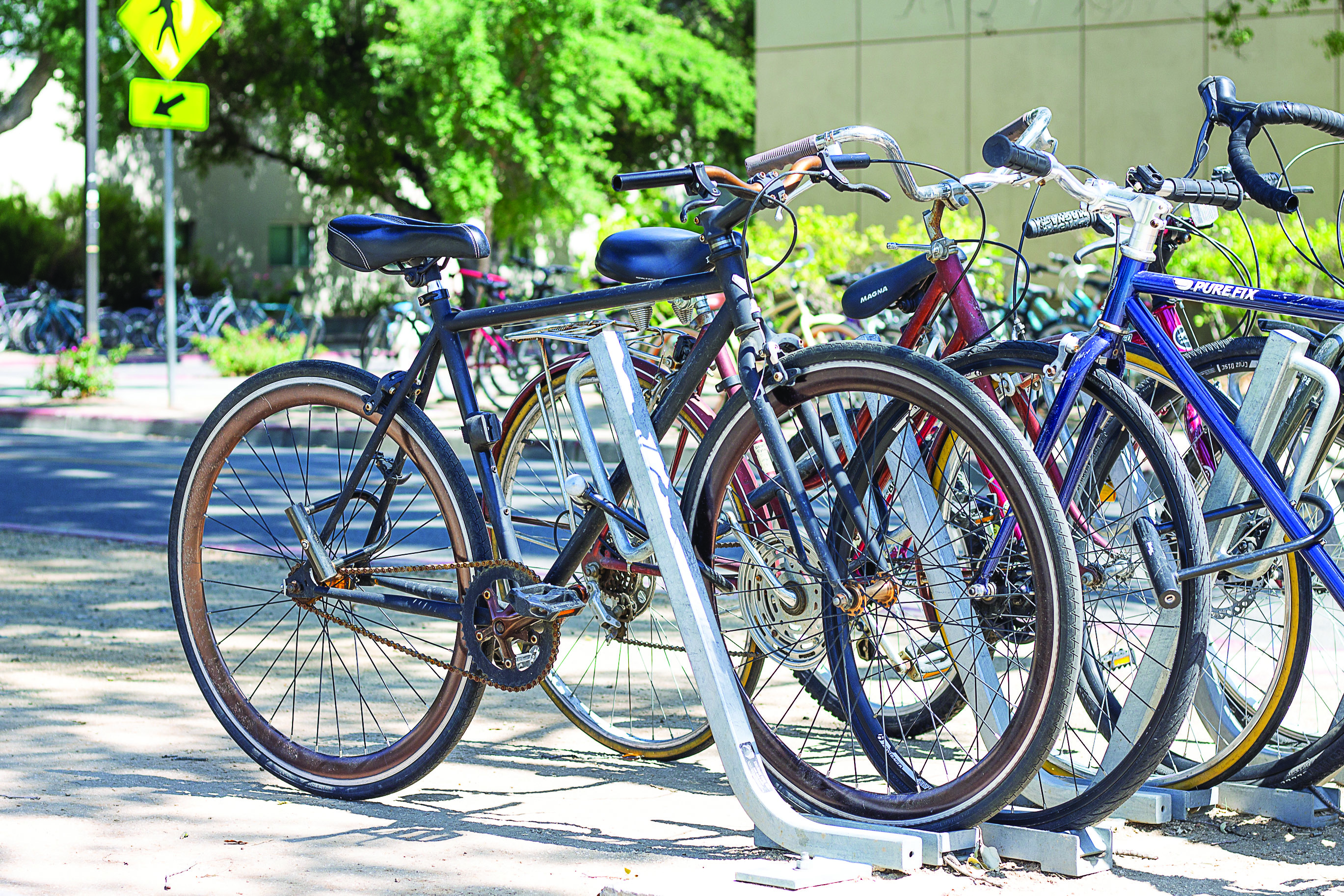
What separates Davis from many typical cities is its love for alternative modes of transport. Nearly 47% of people bike to campus, over half the amount of people who get around by car. With cycling being such a popular way to travel around Davis, there are a lot of programs to make it easier.

One of the newest programs that launched in May at Davis is the JUMP bike project, the first fully electric bike-share system.

JUMP Bike-share is a great option for students who want to ride around Davis but don’t actually want the burden of maintaining a bike or worrying about its security,” said Ramon Zavala, the transportation demand manager of Transportation Services at UC Davis. “You pay a simple subscription fee, use the app to find a nearby bike, unlock the bike with your account code, and ride. It’s electric-assist which means it boosts your pedal power automatically. When you reach your destination just lock up to a bike rack and either put your ride ‘on hold,’ to ensure the bike is there when you return, or end your ride and allow someone else the opportunity to take the bike.”

If you want your own bike, there are plenty of resources for that too. UC Davis has a bicycle program that hands out free helmets, so students don’t have an excuse when it comes to staying safe, and offer free lock cuts to all registered bikes on campus. Even if the bike isn’t registered, it can be registered on the spot and the lock will be cut for free.

The Bicycle Program is there to guide all aspects of cycling on campus for students, staff and faculty” said Aaron Curtin, the bicycle program coordinator at Transportation Services at UC Davis. “[We] oversee bicycle infrastructure, bicycle parking, route management, safety education, and advocacy on the political landscape locally, statewide and nationally.”

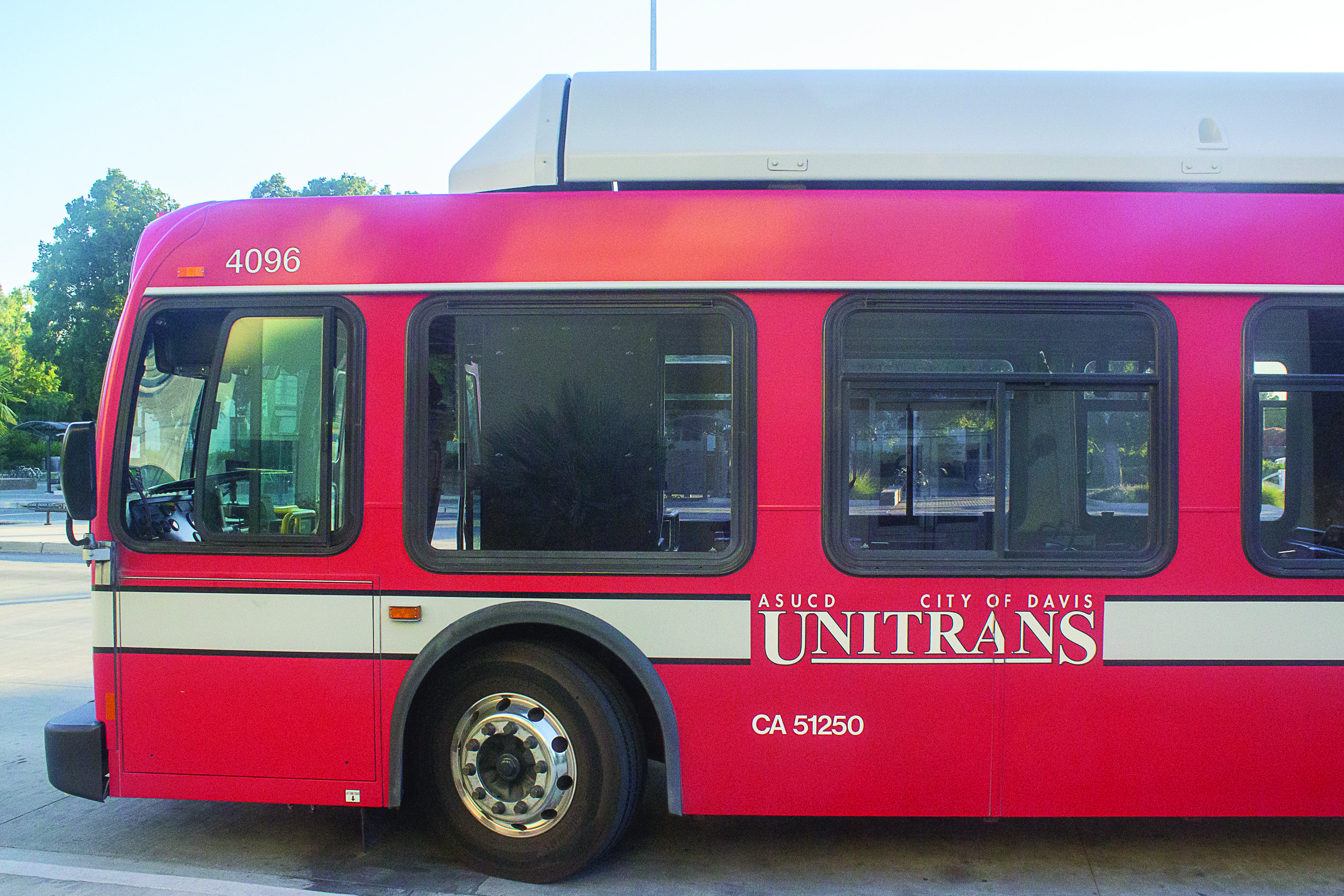
If you don’t want to bike around, there are two primary forms of public transport, UC Davis’ Unitrans and Yolo County’s Yolobus. And if you’re stuck on campus late at night after the buses have stopped running, UC Davis offers Safe Ride, which will pick you up from anywhere on campus and drop you off wherever you need to go. The best part is, all of these services are free for UC Davis students. So no car? No problem.


Written by: Kriti Varghese — science@theaggie.org

Is Greek life right for you?

DIANA LI / AGGIE

Learn about Greek life at UC Davis

For students coming to UC Davis as freshmen, there tends to be a lot of speculation regarding what organization may be the best to join in order to get involved on campus and find a community of like-minded individuals. While many students opt for different clubs on campus, others choose to join a Greek life community in order to quickly immerse themselves in a community grounded in the UC Davis campus and society.

For students interested in pursuing this path, they should note the different types of Greek life that UC Davis has to offer, and choose the option best for their needs. There are over 60 Greek organizations on campus, ranging from social Greek to professional Greek to ethnic Greek, each with different focuses and goals.

Sanaea Kakalia, a third-year design major, joined Alpha Kappa Psi, a business professional Greek organization, in her first year of college and found a community that she’s been deeply invested in since then. She reflected on her experiences and her initial decision to join a Greek community.

“Coming into UC Davis, I never considered myself joining a Greek organization,” Kakalia said. “I think there’s a really big difference between social Greek and professional Greek, and it’s not that one is better than the other, but that one is more right for you than the other. Professional Greek is not something that’s well known or talked about as much until you get to college. Definitely joining an organization that was able to really hold itself strongly with brotherhood and professionalism is what makes professional Greek stand out.”

Kakalia notes that joining a fraternity as opposed to a club may offer students with the social and professional aspect that they may be after, but it also offers a better sense of community and brotherhood.

“You can join a club at UC Davis that’s really good at design or business, but what’s really missing with those organizations is that their members aren’t truly connected the ways a fraternity would be,” Kakalia said. “By joining a Greek organization, you’re getting the best of the two; you’re getting people who really care about you and your personal values and really know you as a person and a friend. You’re also getting people who are as driven and motivated as you, so getting both of those together is what makes the professional greek life really stand out as a unique opportunity that you can’t get from other organizations.”


By Alyssa Hada — features@theaggie.org


Where do you belong?

DEVIN MCHUGH / AGGIE

How to get involved on campus

So, you’re looking to get involved on campus? Well, you’re in luck. UC Davis has a plethora of clubs and organizations for you to peruse during your time here. In fact, we have over 800 student organizations, 23 NCAA varsity teams, over 60 Greek chapters (both professional and social), an array of on-campus jobs, and over a hundred majors and minors.

With a student body of over 35,000 students, there’s an immense amount of variety on this campus. It is easy to mix and match different extracurricular activities in order to find ones that most benefit you as an individual. Perhaps pairing a theatre club with a professional fraternity would make you happiest. You could do that, or you could combine a club sport team with an on-campus job at Undergraduate Admissions where you give tours to prospective students. UC Davis makes it possible to find organizations, clubs, or jobs for everything that you’re passionate about, be it related to your field of study or not.

In general, simply exploring the UC Davis Center for Student Involvement (CSI) website can give you a lot of clarity on steps to take toward finding a group for you. It gives you a breakdown of organizations associated with certain colleges or majors and has a list of reasons about the benefits of getting involved.

An great tool toward involvement is, of course, the yearly involvement fair. This year, it will take place on October 10 on the West Quad. There, you will be able to find a multitude of clubs and organizations lined up at tables just waiting to enthusiastically tell you about what they do and who they are. Since it is so early in the school year, it’s a great way to find a group to benefit you throughout your entire academic year.

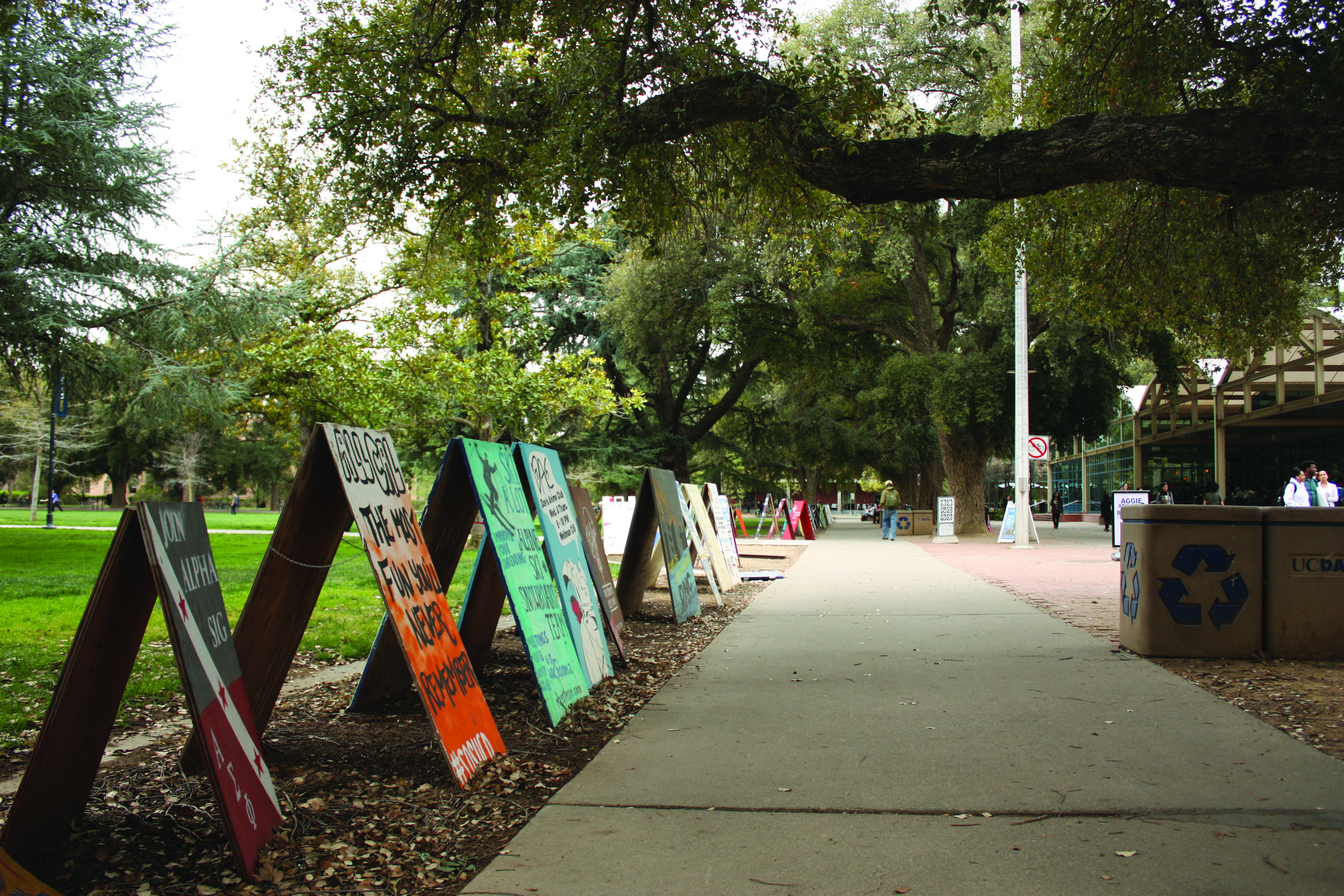
Another way to find a group is by participating in recruitment events for Greek life on campus. Panhellenic holds recruitment for its social sororities within the first week of school, and several social fraternities advertise recruitment for their chapters around the same time via A-frames on campus or on social media platforms. In additional to social chapters, UC Davis also has a multitude of professional fraternities and sororities that can be discovered at the involvement fair or through events held throughout the first weeks of the quarter. Social media platforms, such as Facebook and Instagram, are common places to find events for Greek chapters, but it is just as feasible to find out about one through an advertisement drawn on a chalkboard in one of your classes.

Though it can be intimidating to put yourself out there, UC Davis has enough different kinds of involvement to find a college family for any student, so long as that student is willing to search. Make sure to take advantage of opportunities and events that allow you to get to know new people. You never know where you’ll find a great, new opportunity.

Written by: Olivia Luchini — ocluchini@ucdavis.edu

Looking for a place to work on campus?

JORDAN KNOWLES / AGGIE

Don’t worry, we’ve got you covered

College is expensive — virtually all college students take this as a self-evident truth. To offset the high price of higher education, students often seek out jobs during their time in college. The California Aggie has compiled a comprehensive list of the various places that you can work at on campus (you can thank us later):

  1. Student Housing and Dining Services

UC Davis Student Housing and Dining Services offers a variety jobs that students can undertake. If foodservice is your calling, then this is definitely the department to apply to. Student Housing and Dining Services employs hundreds of students across several dining locations, including but not limited to any of the three dining commons, Peet’s Coffee, the Gunrock and any of the Silo restaurants. Foodservice isn’t the only employment option offered by Student Housing and Dining Services. Students also have the option of applying to be a resident advisor following their freshman year. Student Housing and Dining employs dozens of resident advisors per year. Resident advisors get to work directly with students who are living in the dorms in what many say is a highly rewarding job.

  1. Tour Guide

Do you love the UC Davis campus and want to show it off? Do you find joy in meeting and interacting with new people? Is walking backwards your niche? If you answered “yes” to any or all of these questions, then you should seriously consider applying to be a tour guide under UC Davis Undergraduate Admissions. Tour guides have the opportunity to meet folks from all walks of life and show them all the quirky and interesting things about UC Davis that makes it such an amazing school, and they get to do it all while walking backwards and speaking into a megaphone.

  1. Tutor

If you are comfortable with a particular academic subject and would like to get paid for assisting other students in understanding the subject material better, working as a tutor might just be the perfect job for you. The UC Davis Student Academic Success Center employs over 200 student tutors every school-year. Tutors are trained with strategies and techniques that prepare them for the job. You can work with students one-on-one or in groups — the ultimate goal is to help students become more comfortable with the subject matter. Working as a tutor can also be great experience, especially if you are interested in pursuing a career in teaching or education in the future.

  1. Peer Advisor

Peer advising is a great job for students who are knowledgeable and passionate about their major and who would like to help other students successfully navigate their way through that major. You can apply to be a peer advisor for your specific major or college, or you can even apply to be a first-year experience peer advisor. As a peer advisor, you will have the opportunity to share your knowledge and experiences with other students while giving them personal insights that could potentially impact their time here at UC Davis.

  1. ASUCD Jobs

As a student-led organization that manages an $11.8 million dollar budget allocated among over 30 units, ASUCD employs over one thousand students in various job positions. Do you want to work in foodservice? Apply to work at the Coho or South Coho. Are you interested in working as a bus driver? Apply to work for Unitrans. Are you passionate about student affairs and would like to get more involved with student government? Apply to work under any of the ASUCD offices that best fit your interests. Of course, if you are interested in meeting unique individuals, getting hands-on journalism experience and bringing high-quality news to the UC Davis community and beyond, then look no further than The California Aggie.


For more information on the jobs opportunities offered on campus, visit Aggie Job Link.


Written by: Emily Nguyen — features@theaggie.org

Student Jobs on Campus

KAILA MATTERA / AGGIE

Employment opportunities available for students of every talent and passion

Between textbooks, tuition, housing and food, the expenses of the average college student stack up. Luckily, there are plenty of places to work all over campus for students with a variety of talents and interests

Starting at the Tercero Residence Halls, The California Aggie spoke to fourth-year managerial economics major Emily Eby, who works as a Residence Hall Advising Team peer advisor.

“We’re here for freshman to come pop in with questions, help them with scheduling, course planning and referring them to other areas of campus,” Eby said. “I know it’s really confusing, especially coming in as a first-year, but it’s really rewarding to clear things up for students and make sure they know they’re on the path to graduate.”

Eby aspires to become a teacher or professor in the future and she said that her job as a peer advisor was where she figured out that she really liked working with students.

Unitrans buses are constantly dropping off and picking up students in the Silo area. Many students find employment with Unitrans as drivers or in a variety of other positions, from payroll to marketing.

“We service the community as well as the students,” said fourth-year psychology and Spanish double major and Unitrans driver Daniela Gomez. “It’s great to see things outside of Davis. The passengers […] are really chill, and I like driving because it’s really calming when you know the routes.”

While many students know the Peter J. Shields Library as the go-to place to study, it also provides employment opportunities.

“Working at the library is a wonderful experience, mostly because you get to help a lot of people and it makes me happy to explore all the cool resources UC Davis has to offer,” said fourth-year English and history double major Macyn Kopecky, who works as an information desk attendant for the library research services.  “It’s a very welcoming job, and without us a lot of students wouldn’t even know how to check out books.”

Kopecky recommends the job to anyone who is “a friendly and outgoing person.”

Additionally, students with an interest in computers and technology can work as Information and Education Technology Computer Room assistants in IET computer labs all over campus, from the Memorial Union to Olson Hall.

“I like that it relates well to my major and it’s very needed skills to have in the job market today,” said second-year computer science major Sammi Rowen. “We get to learn new softwares that help me in classes and in the future.”


By Clara Zhao — campus@theaggie.org

UC Davis students use ASUCD services everyday: what is it, how to get involved

MACLEAN HARTFORD / AGGIE

Association employs over 1,000 students, organizes events such as Picnic Day, Whole Earth Festival

The connective organization overseeing a diverse range of activities and opportunities throughout UC Davis — from serving students in on-campus eateries to serving their needs in student government, to bussing students to and from campus, organizing events such as Picnic Day and the Whole Earth Festival and providing a myriad of employment opportunities — is the Associated Students of UC Davis (ASUCD).

“One thing I didn’t necessarily realize, especially my first year, is exactly how much ASUCD really does and how many services we provide for students on campus,” said current Senate Pro Tempore and third-year economics and environmental policy analysis and planning double major Jake Sedgley. “I personally use ASUCD services every day, and I’m sure that most of the campus does [as well].”

ASUCD manages a $14 million budget which is allocated to fund student services, activities and events. According to second-year economics and political science double major and ASUCD President Michael Gofman, “a small majority” of total funds is dedicated to student wages.

“ASUCD is one of the largest student-run organizations across California, if not the United States,” Gofman said. “We employ over 1,000 students on this campus in a very diverse field of opportunities that lets students get into the fields that they’re interested in or the topics that they’re interested in […] with a lot less experience than is otherwise necessary. We help students skip the unpaid internship step. Even if the work they’re doing here is unpaid, it’s by students, for students.”

The ASUCD government has three branches. The Executive branch is headed by the ASUCD president, vice president and controller, the Legislative branch is comprised of 12 elected senators as well as various commissions and committees and the Judicial Council acts as the Judicial branch.

There are seven commissions focused on a diverse array of specialized areas, including commissions on gender and sexuality, academic affairs, business and finance and ethnic and cultural affairs. There are also a number of active committees focused on topics including advocacy for disability rights, sexual assault awareness and oversight on the allocation of student fees.

Within the association is a variety of almost two dozens units focused on student services, media, advocacy and event organization. Units such as the CoHo, Unitrans and the Bike Barn perform services for UC Davis students and faculty as well as Davis community members.

“Unitrans bus drivers are all students,” Gofman said. “The dispatch for Unitrans is also all students. In addition, Tipsy Taxi [is] a student-run organization that helps students late at night. All of the operations — the dispatch, the operations, the repairs — [are] all students. Same with Unitrans — the repairs, the mechanics. They have three paid, career mechanics that teach a small army of students those skills that are going to help them go on in life.”

The Pantry, located in the basement of Lower Freeborn, is an ASUCD unit which aims to combat food insecurity on campus by providing meals and personal items for students.

Other units, such as Picnic Day and the Whole Earth Festival, are focused on specific campus events. Grace Gaither, a 2018 UC Davis alumna, served as the chair of the board of directors for Picnic Day 2018 and helped oversee the organization and planning of the event.

“Picnic Day is the largest student-led event in the nation,” Gaither said. “We have over 70,000 visitors on that day and over 200 events, including Doxie Derby — which is where little weiner dogs race — and liquid nitrogen sorbet, […] the chemistry magic show, the chemistry show, which is different, and a whole bunch of exciting events that are put on by and for Aggies and family [and] alumni. It really is a showcase for students and it’s the UC Davis open house.”

Planning for the next Picnic Day begins immediately after the event ends. Picnic Day 2019 will take place on April 13 and interested students can get involved with the planning of the event in several different ways.

“We have 16 directors, including chair, and each one of those has their own, separate assistants,” Gaither said. “[Students] can become an assistant director, they can apply for that on ASUCD vacancy. We also have volunteers. There are so many different positions, and you don’t need a specific major to get into any of them. We’re very inclusive. For instance, you don’t need to be an animal science major to be the animal events director, you just need to have great communication skills.”

In addition to Picnic Day, the Whole Earth Festival is an annual student-run event which also takes place every Spring Quarter.

“The Whole Earth Festival is a three-day event that happens every Mother’s Day weekend,” said fourth-year Spanish and political science public service double major Monica Dwight, who served as the director of Whole Earth Festival 2018. “It’s a festival focused on art, music and sustainability. It’s a zero-waste event. There’s multiple different stages and different craft vendors. All of the crafts that they sell are hand-made which is pretty cool. Lots of different things going on, lots of different people that come. It’s a good time.”

Students can get involved with the Whole Earth Festival by being on staff or volunteering at the event. Additionally, students in bands might consider performing at the festival. Dwight, who was also involved with the unit Campus Center for the Environment, said she encourages students to find their niche.

“For me, the biggest thing from ASUCD involvement was [that] it opened a lot of doors for me in terms of opportunities,” Dwight said. “Getting involved in that capacity allows you to learn more about the resources we have on campus and just makes you feel a little more rooted in UC Davis. My time as director has made me feel a lot more rooted in UC Davis than I have felt my other three years when I was here. From a sentiment standpoint, you really connect with UC Davis and you connect with a lot of people who are really passionate.”

Sedgley, who transferred to UC Davis from community college, said he sees a lot of room for improvement in the representation of the transfer population. He strongly encourages transfer students to get involved with ASUCD in any capacity

In addition, Gofman, who was elected to Senate as a first-year student, said that talking with former ASUCD officials when he first arrived to campus helped him discover the issues he was passionate about and the areas he wanted to improve.

“There’s a ton of jobs, and the easiest way to get involved is to visit [the] ASUCD vacancy [website],” Gofman said. “Figure out what interests you. Do you like bikes? Do you bike a lot? Do you want to repair bikes? Sell bike parts? Apply for a job at the Bike Barn. Do you care about the environment? Get involved in [Campus Center for the Environment]. Whatever you’re passion is, ASUCD has a niche that will satisfy it.”


By Hannah Holzer — campus@theaggie.org

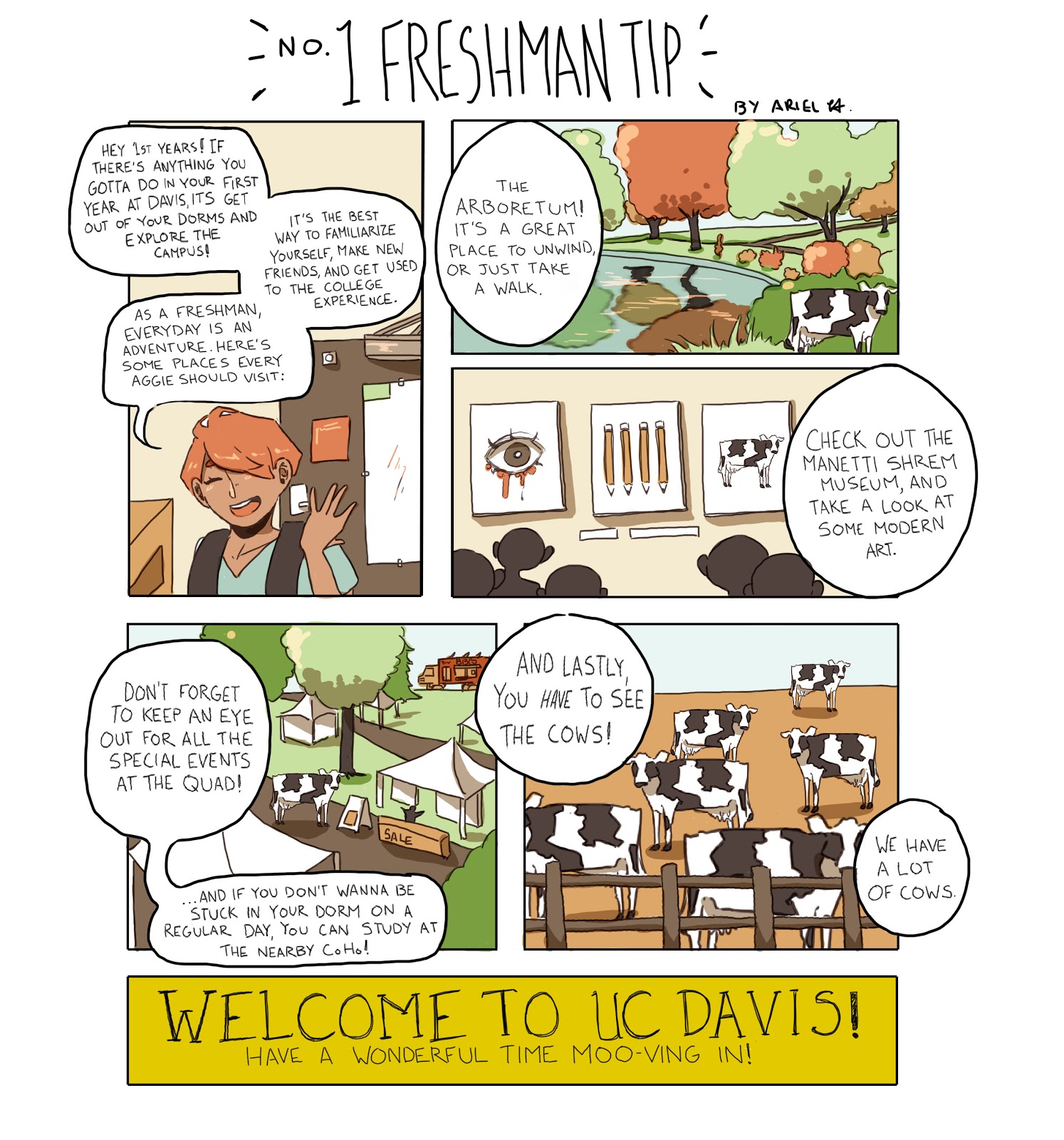
Cartoon: No. 1 Freshman Tip

ARIEL HILOMEN / AGGIE


By: Ariel Hilomen — opinion@theaggie.org

Disclaimer: The views and opinions expressed by individual cartoonists belong to the cartoonists alone and do not necessarily indicate the views and opinions held by The California Aggie.

Best of Davis

VENOOS MOSHAYEDI / AGGIE FILE

Check out 2018’s best food, drink, nap spots

Food:

Best Sandwich: Ike’s Love and Sandwiches

Best Asian Grocery Store: Kim’s Mart

Best Late-Night Snack: In-N-Out Burger

Best Breakfast Burrito: Ali Baba

Best Burger: Burgers and Brew

Best Dessert: Davis Creamery

Best Sushi: Mikuni

Best CoHo Food: TxMx

Best Indian Cuisine: Raja’s Tandoor

Best Chinese Food: Dumpling House

Best Breakfast: Crepeville

Best Pizza: Blaze

Best Thai Food: Thai Canteen

Best Mexican Food: Guadalajara

Drink:

Best Boba: Tea 4 U

Best Bar: G Street Wunderbar

Best Coffee: Philz

Best Brewery: Sudwerk

Academics:

Best GE Course: NUT 10: Discoveries and Concepts in Nutrition

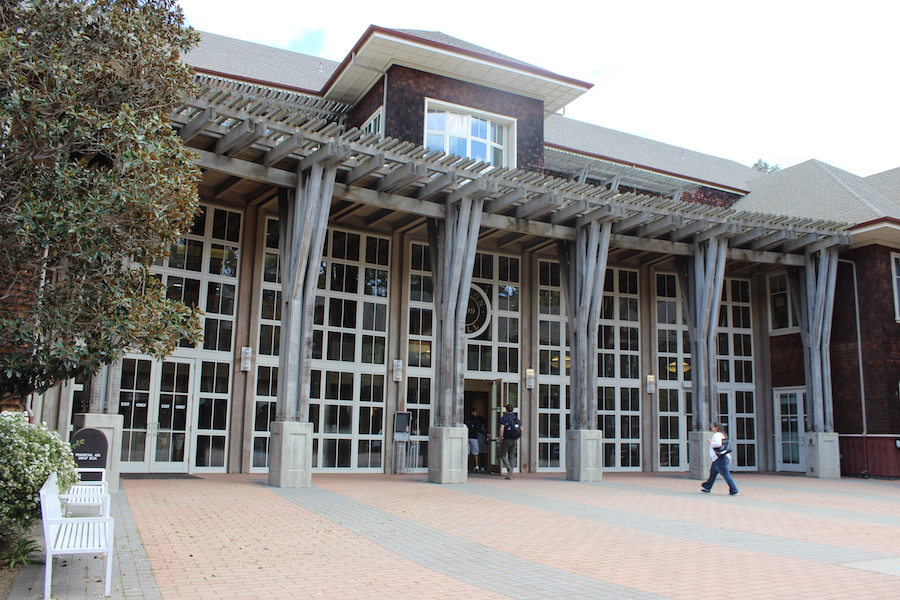
Best Place to Study: Shields Library

Best Professor: Dr. Bryan Enderle

Campus Life:

Best Student Group: Camp Kesem

Best ASUCD Unit: The California Aggie

Best On-Campus Animal: Tercero Cows

Best Method of Transportation: Biking

Best Place to Work on Campus: The CoHo

Best Place to Nap: Quad Hammock

Best Bike Shop: Bike Barn

Best Egghead: Bookhead

Best Public Art: Eggheads

Best Picturesque Location: The Arboretum

Best Place to Take a Date: Farmers Market

Best Campus Event: Picnic Day

Best Day Trip: San Francisco

Best Place to Exercise: The ARC

Best Davis Quirk: Turkeys attacking your car

Best Freshman Fail: Getting stuck in a bike circle

Best DC: Segundo

Best Campus Building: The Mondavi Center

Best Campus Snapchat Filter: Cursive “Davis, CA”


Yolo Democratic Party calls for investigation into Student Judicial Affairs

VENOOS MOSHAYEDI / AGGIE FILE

Claims of bias against low-income students, ethnic, racial minorities

The Yolo County Central Committee has called for an investigation into the UC Davis Office of Student Support and Judicial Affairs, following a resolution that passed unanimously on June 18.

A press release sent from the committee made numerous allegations against the OSSJA, including bias against low-income students and ethnic and religious minorities. After communication with UC Davis students, the committee outlined concerns over the presence of “conduct and integrity” within SJA.

Among other roles and responsibilities, the Office of Student Support and Judicial Affairs is tasked with responding to all cases of student misconduct,

“I am disappointed by the resolution made by a group that does not have access to full information,” said Donald Dudley, the director of the Office of Student Support and Judicial Affairs. “We strive to be fair and thorough in our decisions, with full due process consistent with campus and systemwide university policies.”

One of the numerous allegations outlined in the release is a claim of cultural bias. The committee references former UC Davis student Aaron Serrao who, the release states, “was told
that as an immigrant he did not understand the American ethics system, and was expelled after a hearing that took mere minutes, without representation or proper procedure.”

Serrao told The Aggie he preferred not to discuss the specifics of the case.
“All I’m going to say is I know white people that have been caught multiple times for selling drugs on campus and others that have been to the judicial affairs for cases regarding sexual harassment and they are still [at UC Davis], so make what you will of that,” he said.

Another case of bias is that of “a refugee nursing student who was dismissed over trivial matters by the Office,” according to the release. It appears the student was readmitted “by a different body.”

Another specific case outlined in the release is that of Sarah Hahn, the former director of counseling and psychological services who said she was threatened and intimidated by the university following her probe into student funds allocated for mental health services. The release states Hahn’s case ended up with OSSJA. She was ultimately terminated from her position.

“The Office stands accused of the targeting of those with political or other positions that
are unfavorable to the administration by means of solicitation of disciplinary referrals through
whatever means necessary to manufacture disciplinary cases and ultimately dismiss them from the university and then attempt to obstruct justice,” the release states.

The committee also accused the Office of Student Support and Judicial Affairs of interfering with affairs outside of its jurisdiction, including in matters related to the 2018 ASUCD Winter Elections.

Following a request from The Aggie, ASUCD President Michael Gofman, Vice President Shaniah Branson and External Vice President Edgar Masias-Malagon released a joint response to the Yolo County Central Committee’s statement.

“All students have the right to express themselves to the full extent granted under law, and all possible reports having to do with discrimination of any kind must be and will be immediately addressed and resolved,” the joint release stated. “This ASUCD Executive Office reaffirms it’s belief that all students, regardless of race, gender, sexual orientation, income, ethnicity, religion, and all other protected statuses deserve fair and equal treatment by the campus judicial administration and the justice system at large.”

The joint statement called upon UC Davis administration “to recommit to transparency and accountability, especially as it concerns disciplinary action towards students.”

Pending an actual independent investigation into the OSSJA, as the committee has requested, the Yolo County Democratic Party calls for OSSJA officials, including the director and the assistant director, to be placed on suspension.


Written by: Hannah Holzer — campus@theaggie.org

UC Davis community renounces Dixon vice mayor’s controversial column calling for Straight Pride American Month

QUINN DOMBROWSKI [(CC BY-SA 2.0)] / FLICKR
Vice Mayor Ted Hickman tells UC Davis faculty, staff to read first amendment

UC Davis announced its solidarity with members of the LGBTQIA+ community in condemning Dixon Vice Mayor Ted Hickman after a controversial column he wrote, in which he called for the establishment of a Straight Pride American Month and used the term “faries” to refer to gay individuals.

An online petition includes a letter penned by 12 advisory committees and staff and faculty associations, including LGBTQIA+-focused committees and working groups as well as the African American Faculty and Staff Associations, Asian Pacific American Systemwide Alliance, Disability Issues Administrative Advisory Committee, Latinx Faculty and Staff Associations at UC Davis and UC Davis Health and Native American Faculty and Staff Association, among others.

This hate-filled rhetoric is particularly egregious given his position in public office, and negatively impacts our local communities,” the letter states. “We ask the campus community to stand together in renouncing such bigotry, and to reaffirm our values of diversity, inclusion, equity and mutual respect.”

Hickman responded to an email from The California Aggie requesting a statement in response to the letter.

“My statement? Read the first amendment and explain it to our ‘teachers’ in the intellectual community please,” Hickman’s wrote in the email. “Thank you.”

The online petition was signed by over 141 individuals.

The town of Dixon, which has a population of just over 18,000 individuals, is located under 10 miles from Davis. Sacramento Mayor Darrell Steinberg has publicly called for Hickman to resign.

Recently, over 200 people showed up to the July 10 Dixon city council meeting, calling for Hickman’s resignation.

Hickman’s column, initially published by Dixon’s Independent Voice newspaper, is also posted online. Michael Ceremello, a columnist and journalist for the Independent Voice in Dixon, offered The Aggie his opinions on the situation.

“The First Amendment is not in place to protect the sensibilities of the majority or vocal minority but to allow for uncomfortable opinions in opposition,” Ceremello wrote in an email.  “The real fact all of the opponents of free speech are missing is that Ted Hickman, as a councilman and vice mayor, has never made any decision based on sexual identification. Those who stated that Ted Hickman did not “represent” them were hate filled ignorant snowflakes.”

The column itself claims heterosexual Americans are different from members of the LGBTQIA+ community.

“We work, have families, (and babies we make) enjoy and love the company (and marriage) of the opposite sex and don’t flaunt our differences dressing up like faries and prancing by the thousands in a parade in nearby San Francisco,” the column reads.

A July 14 article published by The Sacramento Bee acknowledged Hickman’s history of controversial statements. Hickman ran a Toys for Tots program and initially claimed no gifts would be given to “radical Muslim’s children,” The Bee reported. He later changed his stance.

Hickman’s column on Straight Pride American Month has received coverage from the Washington Post, Mother Jones and the Los Angeles Times.

According to The Bee, Hickman said his most recent controversial column was meant to be humorous. In retrospect, he said he wishes he would not have explicitly attached his title of vice mayor to the piece.

“Freedom of expression and the civil exchange of differing viewpoints are fundamental to higher education,” the letter from UC Davis community members reads. “But words and acts of hate are forms of violence that threaten our mission as a public research university committed to academic excellence and scholarship in service to the public good.”


By Hannah Holzer — campus@theaggie.org